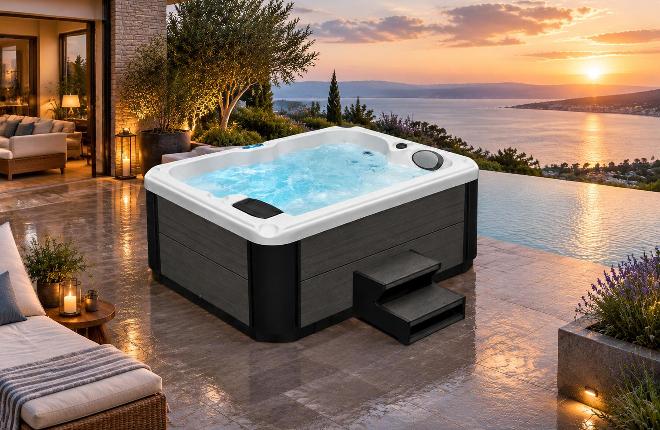
Large hot tubs for swimming sit in an odd middle ground between a plunge pool and a traditional spa. Homeowners searching for this setup usually want more room to move than a standard 2-person tub offers, without committing to the cost and footprint of a full swimming pool. That gap has created a growing category of 6-person and multi-functional spas built for stretching out, light exercise, and group soaking at once.
The question worth asking first isn’t "how big" but "big for what." A tub meant for swimming laps needs different jet placement and depth than one meant for six adults to socialize after dinner. Understanding that distinction changes which specs actually matter.
A residential hot tub, even a large one, is not built for swimming in the way a lap pool is. Most units marketed as large hot tubs for swimming are really oversized spas with open floor space and adjustable jets that create resistance, letting someone push against moving water instead of swimming freely across distance.
This matters because expectations set the purchase. Someone expecting 20 meters of open water will be disappointed by a 2530mm-long shell, no matter how many jets it has. Someone expecting a therapeutic, low-impact resistance workout combined with seating for a family gathering will likely find exactly what they need.
Manufacturers address this by offering a spread of sizes. Fspa’s hot tub lineup, for instance, ranges from compact three-person units at roughly 1870x1330mm up to six-person models at 2530x2300mm, which is closer to the footprint people picture when they say "swim spa lite."
Capacity claims on spec sheets assume everyone is seated and comfortable, not moving around freely. A "6-person" tub rated that way will feel considerably tighter if two of those people want to stretch their legs or use a swim jet at the same time.
A few practical sizing questions help narrow the field:
Weight matters more than most buyers expect. A large tub filled with water and occupants can weigh well over a ton. Decks and balconies built for furniture loads, not this, may need structural review before installation, which is a conversation worth having with a contractor rather than skipping.
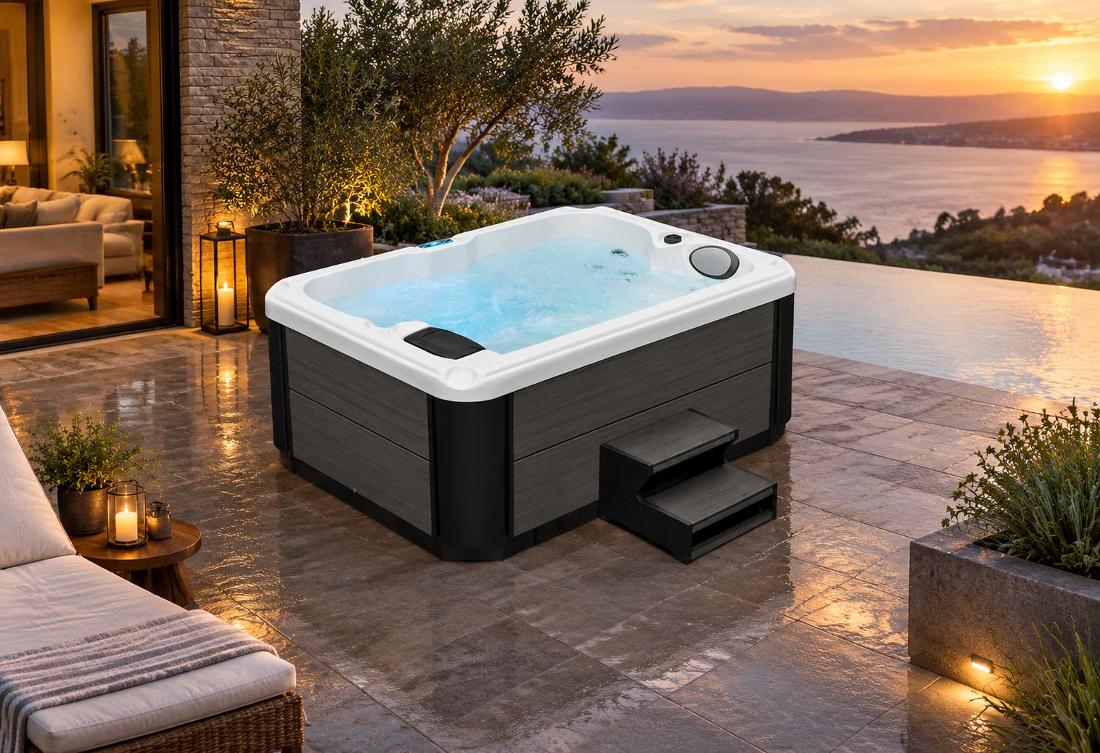
Jet count gets thrown around as a headline number, but placement and type matter more than raw quantity. Water jets target specific muscle groups, typically the lower back, calves, and shoulders. Air jets produce a lighter, bubbling sensation across a broader surface area rather than a focused pressure point.
Larger models in this category commonly carry anywhere from 16 jets on smaller shells up to 80 on the most elaborate configurations, with total system power reaching around 5.55kW in some builds. More jets generally mean more zones covered, but a tub with fewer, well-placed jets can outperform one with a high count arranged without much thought toward actual seating positions.
Buyers focused on hydrotherapy for a specific issue, like lower back tension from standing all day at work, should ask where the jets sit relative to the seat, not just how many there are.
Heating capacity determines how quickly a large volume of water reaches usable temperature and how well it holds that temperature in cooler weather. Units in this size range typically use heaters between 2kW and 3kW. A larger tub with a smaller heater will simply take longer to warm up after each refill or in early spring.
Water quality is the part new owners underestimate. A tub used by multiple people regularly needs consistent sanitization, and ozone-based systems are one common approach, working alongside standard sanitizer chemicals rather than replacing them entirely. Ozone treatment helps reduce the chemical load needed to keep water clear, though it doesn’t eliminate the need for regular testing and upkeep.
Skipping maintenance on a large volume of water causes problems faster than it does in a small tub, simply because there’s more water to go wrong. A weekly testing routine, even a simple one, prevents most of the issues owners run into.
| Feature | Compact Model | Mid-Size Model | Large Multi-Person Model |
|---|---|---|---|
| Capacity | 3 adults | 4–5 adults | 5–6 adults |
| Approx. Dimensions | 1870 x 1330 x 800mm | ~2100 x 2100 x 850mm | 2530 x 2300 x 900mm |
| Heater | 2kW | 2.5kW | 3kW |
| Jet Count | 16 | 40–50 | Up to 80 |
| Best Suited For | Small patios, couples | Families, moderate space | Groups, resistance movement, hotel/spa use |
This kind of table won’t replace an in-person look at the unit, but it narrows the conversation before a buyer starts comparing specific models line by line.
Placement changes the calculation considerably. Outdoor installations need to account for weather exposure, drainage, and often local permitting for electrical work near water. Indoor installations, common in wellness centers and rehabilitation facilities, need ventilation planning because a large heated tub adds meaningful humidity to an enclosed room.
Commercial buyers, hotels, B&Bs, fitness centers, and physiotherapy or rehabilitation practices, tend to prioritize different things than residential buyers. A hotel wants a unit that looks good in low light and holds up under frequent turnover between guests. A rehabilitation center cares more about consistent jet therapy positioning and reliable heating for daily clinical use.
For us, working across both residential and commercial installs has meant designing shells that hold up structurally in either context, since a spa built only for occasional weekend use won’t survive daily commercial cycling.
LED lighting and built-in audio systems show up on many spec sheets for larger units, and they’re worth separating from core function. Lighting can genuinely extend evening use and, on some models, contributes to the ambiance that makes a nightly soak feel less like maintenance and more like a routine worth keeping.
Audio systems are harder to justify on function alone. They’re a comfort add-on, not a performance factor, and buyers on a tighter budget can reasonably skip them without losing anything related to the tub’s core hydrotherapy or space benefit.
Can a large hot tub actually be used for swimming laps?
Not in the traditional sense. Even the largest residential models max out around 2.5 meters in one direction, which allows for treading water or resistance-based movement against jets, not distance swimming.
How much floor or deck reinforcement does a large filled tub need?
It depends on the shell size and local building codes, but a full tub can weigh well over a ton. Any installation on a raised structure should be checked by a qualified contractor before the unit arrives.
Do more jets always mean better hydrotherapy?
No. Jet placement relative to where a person actually sits matters more than the total count. A well-designed 40-jet layout can feel more effective than a poorly arranged 80-jet one.
Is ozone sanitization enough on its own?
Ozone systems reduce the chemical sanitizer load needed but typically work alongside, not instead of, standard water treatment. Regular testing is still necessary.
Choosing between the large hot tubs for swimming and resistance-style use on the market today comes down to matching the shell size, jet layout, and heating capacity to how the space will actually be used day to day. A family wanting room for six to unwind after dinner has different priorities than a physiotherapy clinic running daily sessions, even if both are shopping in the same size bracket.
Buyers who walk through site requirements, realistic capacity, and maintenance expectations before comparing model numbers tend to end up happier with the purchase. The spec sheet matters, but only once it’s read against how the tub will actually get used.
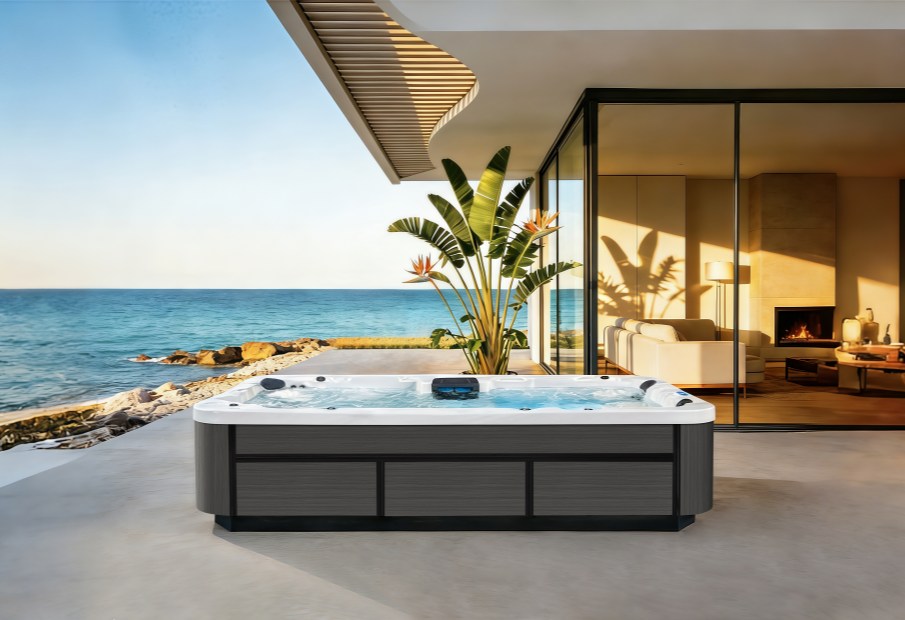
Garden Jacuzzi and Outdoor Wellness: How FSPA Transforms Home Relaxation
Outdoor relaxation has become a defining feature of modern living. A garden jacuzzi transforms an ordinary backyard into a personal wellness retreat, offering therapeutic benefits and aesthetic enhancement. Whether choosing a compact round jacuzzi or a luxurious big jacuzzi tub, homeowners increasingly invest in outdoor hydrotherapy as part of their lifestyle.
FSPA specializes in premium spa solutions, delivering high-quality home jacuzzi tub installations that combine comfort, durability, and design excellence. By integrating modern materials and ergonomic engineering, FSPA helps homeowners create outdoor sanctuaries that promote relaxation and well-being.
This article explores the advantages of hydrotherapy, design considerations for different jacuzzi styles, and practical insights for choosing the ideal jacuzzi outdoor tub.
Hydrotherapy has long been recognized for its therapeutic properties. A well-designed garden jacuzzi provides relief from muscle tension, improves circulation, and supports mental relaxation. Warm water therapy reduces stress and enhances overall wellness, making outdoor jacuzzis an increasingly popular home investment.
Unlike traditional indoor bathtubs, a jacuzzi outdoor tub combines relaxation with nature. Fresh air and outdoor scenery enhance the therapeutic experience, allowing users to unwind in a peaceful environment. FSPA designs outdoor spa solutions that integrate seamlessly with various landscaping styles, ensuring both functionality and visual appeal.
For individuals with active lifestyles, hydrotherapy aids muscle recovery and reduces post-exercise soreness. The combination of warm water and massage jets promotes relaxation and accelerates physical recovery. A big jacuzzi tub offers ample space for family members or guests, transforming outdoor relaxation into a shared experience.
Beyond wellness benefits, a home jacuzzi tub enhances property value and outdoor aesthetics. Landscaped gardens with integrated spa features create visually appealing outdoor spaces that attract potential buyers and increase home desirability.
FSPA’s design expertise ensures that jacuzzi installations complement existing outdoor environments. Whether incorporating natural stone surrounds or modern decking, FSPA solutions prioritize both style and functionality. A well-designed garden jacuzzi becomes a focal point of outdoor living, elevating the overall property experience.
Homeowners increasingly view outdoor spas as long-term investments. Unlike temporary entertainment features, a durable jacuzzi installation delivers ongoing value through relaxation and property enhancement. The versatility of options—including round jacuzzi designs—allows customization to suit individual preferences and spatial requirements.
Selecting between a garden jacuzzi and an indoor home jacuzzi tub depends on lifestyle preferences and available space. Outdoor installations provide an immersive nature-based experience, while indoor solutions offer year-round convenience.
FSPA specializes in both indoor and outdoor spa systems, delivering customized solutions tailored to client requirements. A jacuzzi outdoor tub enhances garden aesthetics and outdoor functionality, whereas a home jacuzzi tub integrates seamlessly with interior wellness spaces.
For homeowners seeking versatility, hybrid solutions offer the best of both worlds. Modern spa technology allows flexible installations that adapt to seasonal preferences and spatial constraints. FSPA’s expertise ensures optimal design and installation outcomes, maximizing customer satisfaction.
Design considerations play a crucial role in selecting the ideal spa solution. A round jacuzzi provides a compact and stylish option, ideal for smaller outdoor spaces. Its symmetrical design promotes social interaction and ergonomic comfort, making it a popular choice for modern gardens.
Conversely, a big jacuzzi tub offers spacious relaxation for families and groups. Larger models accommodate multiple users, enhancing social and recreational experiences. FSPA’s product range includes various sizes and configurations, allowing homeowners to select solutions that align with their needs.
Durability and material quality are equally important. Outdoor spas must withstand environmental exposure while maintaining performance and aesthetic appeal. FSPA utilizes premium materials and advanced engineering techniques to ensure long-lasting spa solutions that deliver exceptional value.
A garden jacuzzi represents more than a luxury addition—it embodies modern wellness and outdoor living innovation. Whether choosing a compact round jacuzzi or a spacious big jacuzzi tub, homeowners benefit from enhanced relaxation, aesthetic improvement, and property value growth.
FSPA leads the industry in spa design and installation, offering tailored solutions that combine functionality with elegance. From jacuzzi outdoor tub systems to comprehensive spa landscaping integration, FSPA delivers expertise and quality at every stage.
Investing in a home jacuzzi tub transforms outdoor and indoor spaces into wellness sanctuaries. With thoughtful design and professional installation, homeowners can enjoy the therapeutic benefits of hydrotherapy while enhancing their living environment.
A garden jacuzzi provides relaxation, muscle recovery, and mental well-being while enhancing outdoor aesthetics and property value. Hydrotherapy promotes stress relief and physical recovery, making outdoor spas a valuable wellness investment.
A jacuzzi outdoor tub offers nature-based relaxation and landscape integration, while a home jacuzzi tub provides year-round indoor convenience. FSPA delivers customized solutions for both environments.
A round jacuzzi maximizes space efficiency and social interaction. Its ergonomic design promotes comfort and aesthetic appeal, making it ideal for modern gardens and outdoor relaxation areas.
A big jacuzzi tub accommodates multiple users and offers spacious hydrotherapy experiences. FSPA provides various size options to meet individual preferences and spatial requirements.
FSPA specializes in premium spa solutions, offering expert installation, durable materials, and customized designs. Whether for a garden jacuzzi or indoor spa system, FSPA ensures quality and performance.
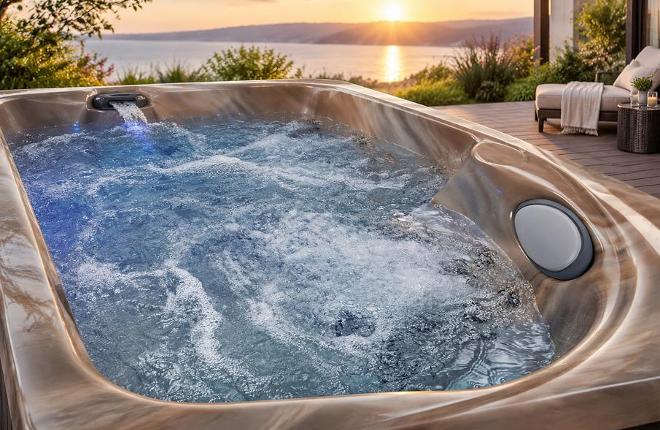
Will Health Insurance Pay for a Swim Spa? What Coverage Actually Looks Like
Swim spas sit in a strange middle ground between fitness equipment and medical device, and that ambiguity is exactly why so many buyers ask will health insurance pay for a swim spa before they commit to one. The short answer is that most standard health plans do not cover it, but the longer answer involves a few paths worth understanding before you write it off entirely.
This article walks through why insurers hesitate, when reimbursement is realistic, and how to build a case if you plan to try. It also looks at what a swim spa or hydrotherapy hot tub actually offers physically, since that context matters when you are arguing for medical necessity.
Health insurers classify equipment into two buckets: durable medical equipment and everything else. A swim spa almost always lands in the second bucket. It is expensive, it is not exclusive to medical use, and a healthy person could enjoy it just as easily as someone in physical therapy.
That last point is the sticking point for underwriters. Insurance is built around necessity, not comfort. A wheelchair has no recreational use outside its medical purpose. A hot tub does. Insurers know that distinguishing between a therapeutic soak and a lifestyle purchase is nearly impossible to audit, so the default answer is a flat no.
There is also a cost problem. Durable medical equipment reimbursement lists are built around items in the hundreds or low thousands of dollars. A 6-person hydrotherapy spa, like the kind used for post-workout recovery in hotel gyms or physiotherapy centers, sits well above that range. Insurers rarely stretch benefit categories to cover outliers.
The exception isn’t nonexistent, it’s just narrow. If a physician documents that hydrotherapy is medically necessary for a diagnosed condition, some plans will consider partial reimbursement or allow the purchase through a health savings account.
Conditions that sometimes qualify for this kind of documentation include:
A letter of medical necessity needs specifics. Vague statements like "would benefit from relaxation" get rejected almost every time. The letter should state the diagnosis, why standard treatment options are insufficient, and why hydrotherapy at home is the recommended intervention rather than a supplement to it.
Rather than chasing insurance reimbursement, many buyers find more traction using a Health Savings Account or Flexible Spending Account, provided they secure that same letter of medical necessity first. These accounts operate under IRS rules, not insurance company policy, which makes the approval process more predictable.
The process generally looks like this:
This route does not guarantee approval either, but it shifts the conversation from insurance underwriting to tax-advantaged spending, which tends to have more flexibility for home therapy equipment.
Understanding why a swim spa might qualify for any kind of medical consideration means understanding what warm water immersion and jet massage actually do. This isn’t marketing language, it’s basic physiology that’s been studied for decades.
Warm water increases blood flow to soft tissue and can temporarily reduce the sensation of joint stiffness. Buoyancy reduces the load on joints and the spine, which is why physical therapists often recommend pool-based exercise for patients who cannot tolerate weight-bearing movement. Massage jets add mechanical pressure that can help relax tight muscle groups after physical strain.
A model like the Fspa BD-004, a 6-person portable unit built around 35 targeted massage jets, illustrates how manufacturers design for this kind of use. According to the product’s own specifications, it pairs a 2.2kW massage pump with a 3kW heater and a 0.35kW filtration pump, totaling 5.55kW, which keeps water warm and jets running without excessive energy draw. The unit’s ergonomic seating is contoured to support the body’s natural curves, positioning jets and controls where they’re most useful during a session rather than as an afterthought.
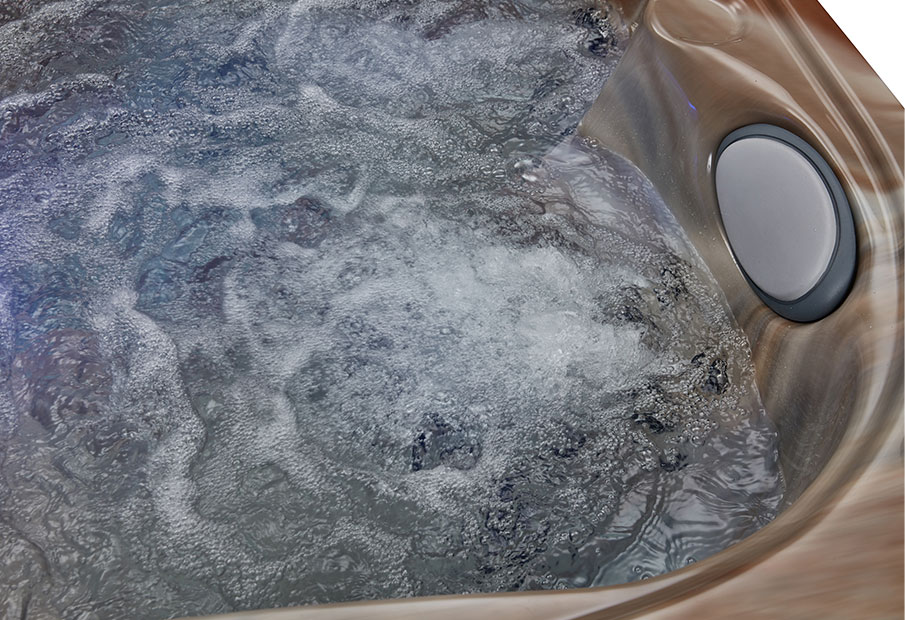
None of this makes a swim spa a medical device in the regulatory sense. But it does explain why a physician might, in specific cases, document hydrotherapy as a legitimate part of a treatment plan rather than dismiss it as recreational.
| Path | Typical Outcome | What’s Required |
|---|---|---|
| Standard health insurance | Rarely approved | Almost never worth pursuing without a rare plan exception |
| Insurance with medical necessity letter | Occasionally partial coverage | Physician documentation, diagnosis, prior treatment history |
| HSA / FSA reimbursement | More commonly approved | Letter of medical necessity, receipts, IRS compliance |
| Out-of-pocket with tax deduction (itemized medical expenses) | Possible if costs exceed IRS threshold | Detailed records, meets 7.5% AGI threshold for medical deductions |
This table isn’t meant to suggest any of these paths are guaranteed. It’s meant to show that the further you move from traditional insurance and toward tax-advantaged or deduction-based routes, the more realistic approval becomes.
If you’re purchasing with a genuine therapeutic goal, the unit itself matters more than it would for a purely recreational buyer. A few practical considerations should guide the decision.
For context, the BD-004 model holds 1,450 liters of water and uses a 3kW heater, which is a reasonable balance for a 6-person unit that needs to maintain consistent temperature during longer sessions. It also carries CE, CTUVus, CB, and SAA certifications, which relate to electrical and safety compliance rather than medical claims, and is worth checking against local installation codes regardless of your intended use.
Swim spas and portable hot tubs aren’t confined to backyards. Hotels use them for post-workout recovery in gym facilities, since guests increasingly expect recovery amenities alongside cardio equipment. Wellness-focused vacation rentals along coastlines often position a unit for guests looking to unwind after a day of travel or activity. Villas and private residences use them as a standing feature for evening relaxation, often positioned on a deck or patio where the view becomes part of the experience.
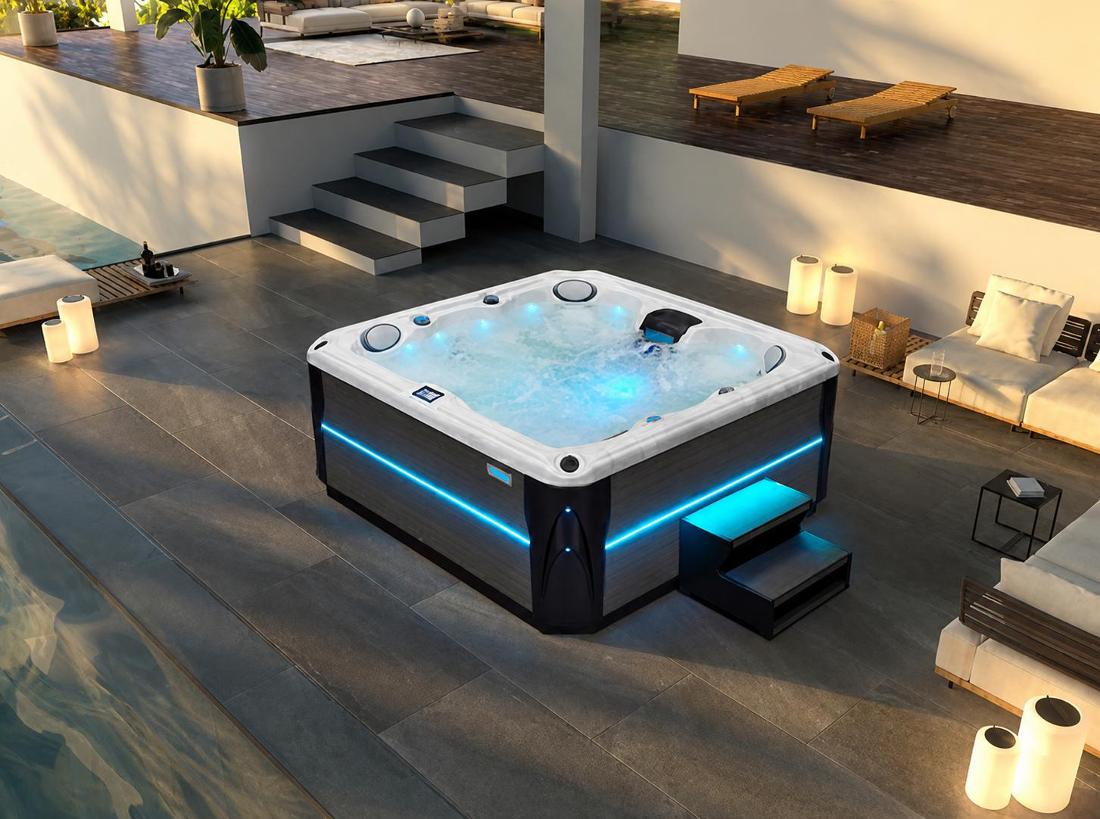
These aren’t medical settings, but they show the split identity that makes insurance coverage complicated in the first place. The same unit serves a hotel guest looking for a nice evening and a person actively managing a musculoskeletal condition. Insurers see the former use case and price accordingly.
Does Medicare cover swim spas or hot tubs?
No. Medicare’s durable medical equipment benefit does not extend to hot tubs or swim spas under any standard circumstance, regardless of diagnosis.
Can I use FSA funds without a letter of medical necessity?
Generally no. Most FSA administrators require documentation for equipment that has both medical and non-medical uses before approving reimbursement.
Is a swim spa the same as a hot tub for insurance purposes?
Insurers typically treat them the same way, since both fall outside standard durable medical equipment categories and both have significant recreational use.
What condition is most likely to get a doctor’s approval for hydrotherapy?
Chronic musculoskeletal conditions with an existing treatment history, such as arthritis or post-surgical rehab, tend to have the strongest case, though approval still varies by physician and plan.
Should I buy before or after getting insurance clarity?
Get the letter of medical necessity and check with your HSA or FSA administrator first. Buying first and seeking reimbursement afterward often leads to denied claims.
If you’re asking will health insurance pay for a swim spa because you’re managing a specific condition, the honest path forward is to start with your physician, not your insurance card. A documented diagnosis and a clear treatment rationale open doors that a direct claim to your insurer will not. For companies like us that manufacture these units for both residential and commercial use, the medical angle is one consideration among several, alongside comfort, maintenance, and how the unit fits into daily life. Insurance coverage for a swim spa remains the exception rather than the rule, but understanding the HSA, FSA, and tax deduction routes gives buyers a realistic shot at recovering some of the cost when the therapeutic need is genuine.
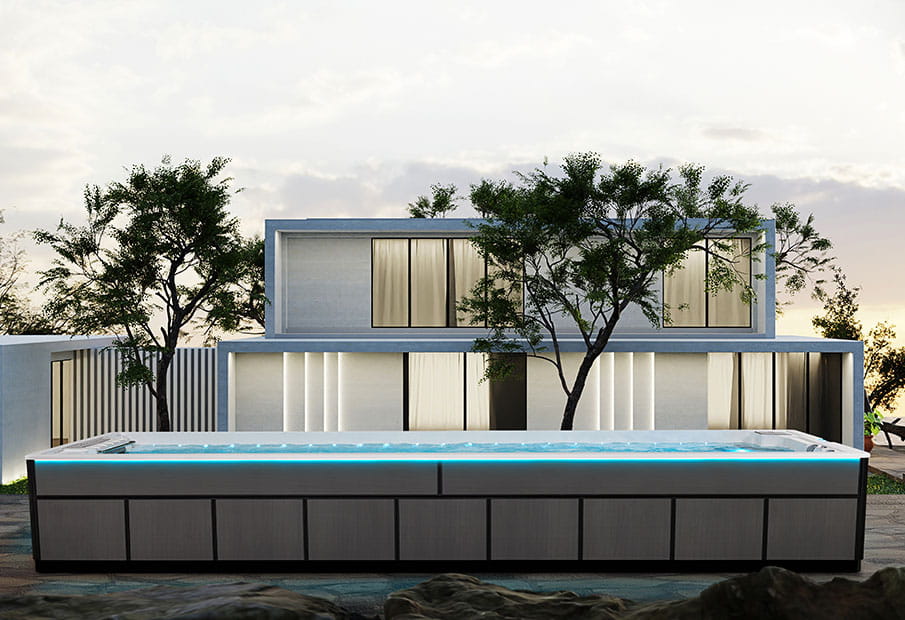
This product is a comprehensive and advanced swimming pool system, equipped with a range of features including a 9950mm x 3000mm x 1430mm size, a powerful Infinipool swimming system of 11kW, multiple water pumps, heaters, filters, and jets for a superior swimming and therapeutic experience, totaling 16.95kW in power, with optional enhancements like energy-saving covers and a 10Hp heat pump available.
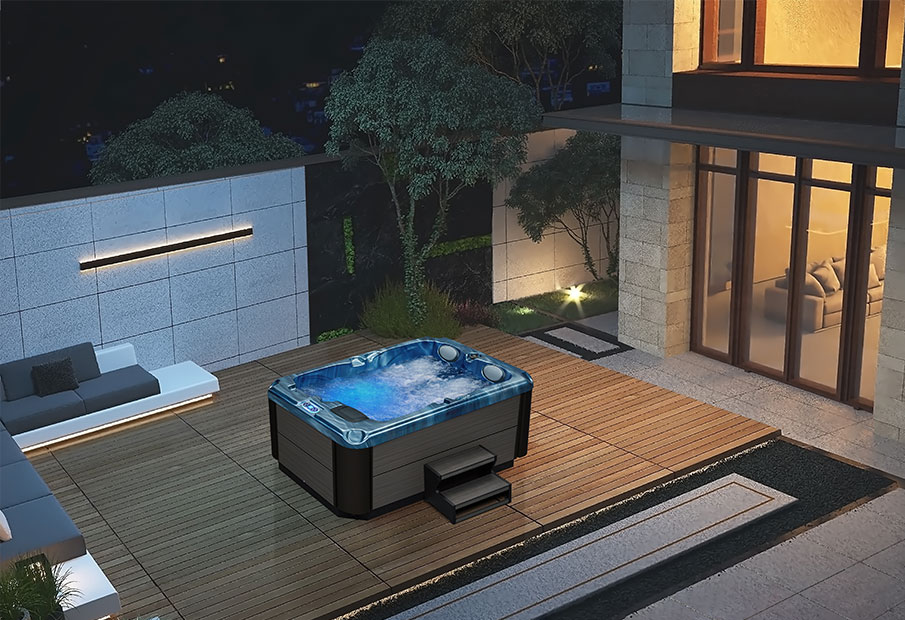
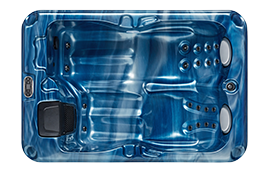
The Fspa BD-011 hot tub, designed for luxurious relaxation, offers a spacious interior for 6 adults, powerful pumps and heater, strategic jet placement, soothing LED lighting, adjustable features, and easy maintenance, making it the ultimate choice for both residential and commercial use.
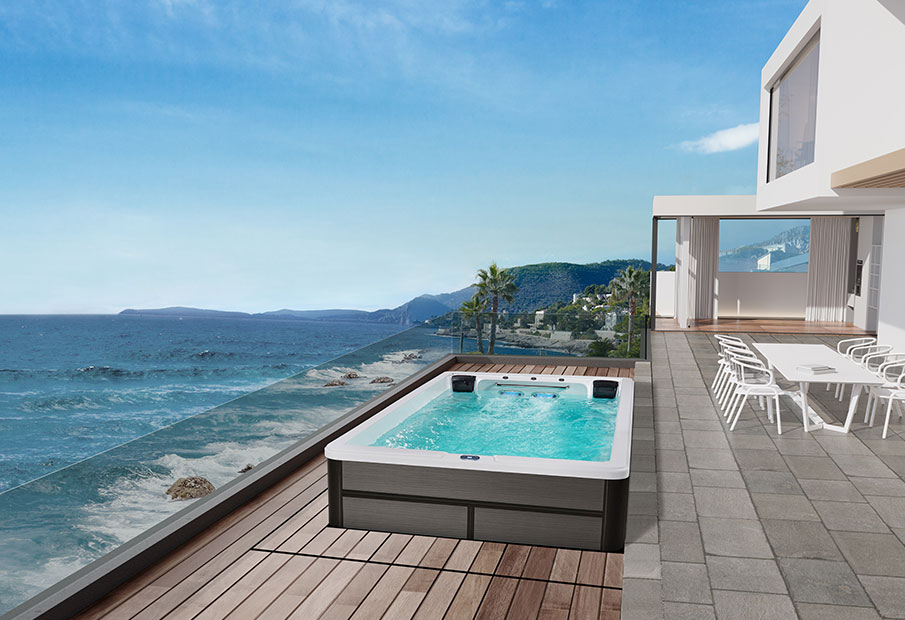
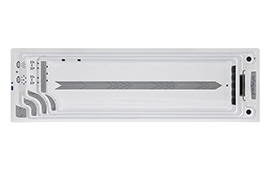
The Infinipool Fspa IP-001 is the ideal choice for anyone seeking a premium swimming experience at home or in a fitness facility.
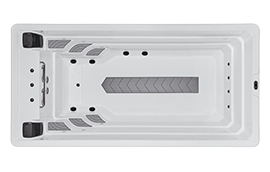
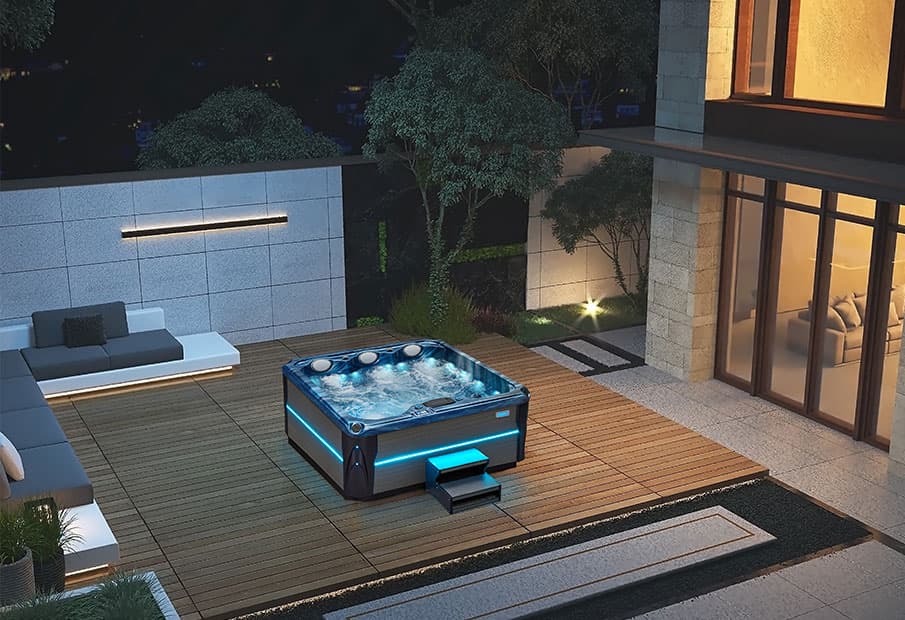
The Fspa BD-013Pro Hot Tub, a spacious and stylish premium spa for residential and commercial use, offers a luxurious and rejuvenating experience with its powerful massage system, pristine water quality, customizable water flow, calming LED lighting, music speakers, and comfort accessories.
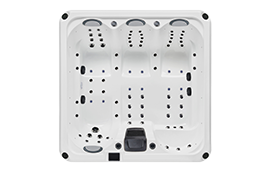
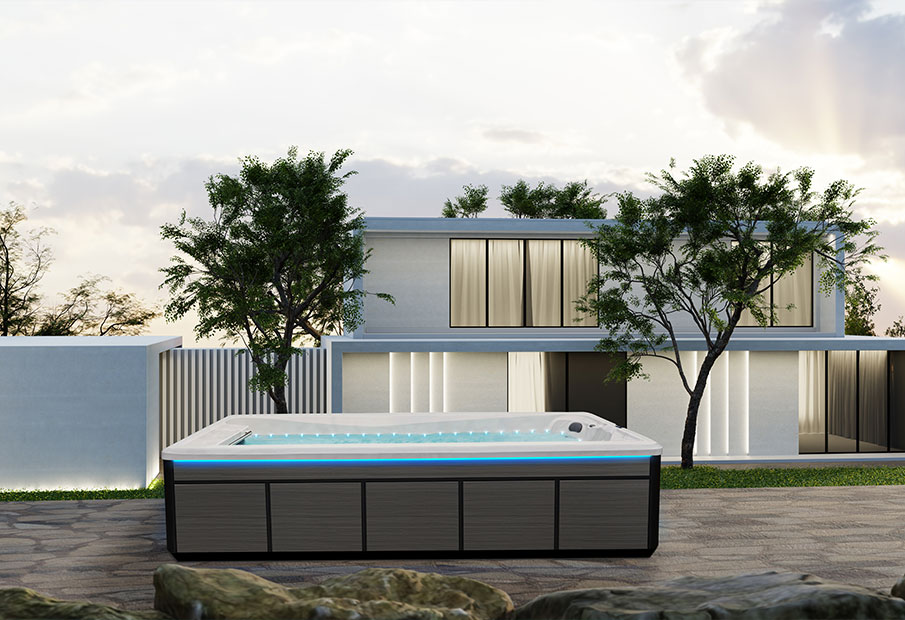
The Infinipool Fspa IP-003Pro is a cutting-edge hot tub with a spacious design, providing an unparalleled and customizable spa experience for residential and commercial use.
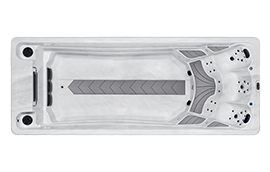
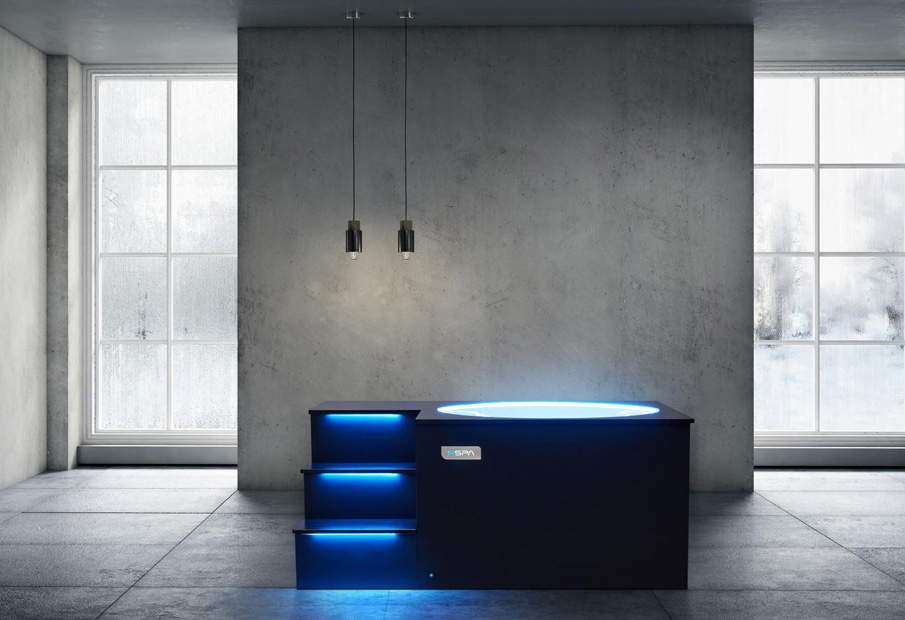
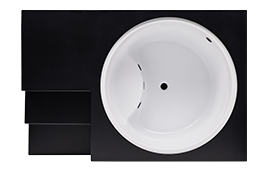
Appearance Black color, Step in expediently ice blue ambient lighting, Water chiller system, filter, Ozone and light.
PRODUCTS
INQUIRY
Thank you for your message!Our Chinese New Year holiday from 7th Feb to 28th Feb. Apologise to make your inconvenience so that responses may be delayed during this period. We'll back to you with regular service on 2th March .Thank you for understanding.


