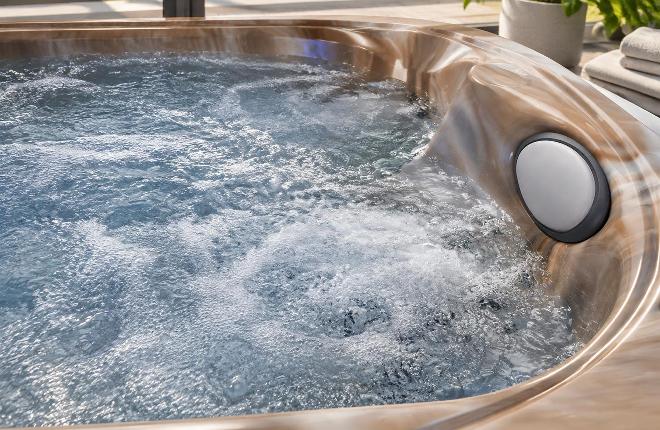
Anyone shopping for a compact soaking pool eventually runs into the same question: what actually drives small swim spa cost, and where does the money go? The answer isn’t a single number pulled from a brochure. It’s a mix of jet count, pump wattage, shell material, and how the unit gets installed on your property. Understanding these variables upfront helps you avoid paying for capacity you’ll never use, or worse, underbuying and feeling cramped every time you soak.
Most buyers assume bigger always means pricier, and that’s mostly true, but not in a straight line. A 6-person unit with a robust pump system can cost more per seat than an 8-person model built with lighter components. The real driver is what’s inside the shell, not just how many people fit around the rim.
Seating capacity is the first number most people look at, but it’s a rough proxy for cost, not a direct one. A compact 6-person spa, like the Fspa BD-004 with its 2350x2350x900mm footprint, needs less acrylic, less framing, and a smaller cabinet than a stretched 8-person lounger. Less material generally means a lower base price.
That said, capacity alone doesn’t tell the full story. Two spas with identical seating for six can differ by hundreds of dollars depending on jet count and pump horsepower. The BD-004, for instance, packs 35 massage jets into its shell, which requires a 2.2kW massage pump to keep water pressure consistent across every seat. Fewer jets with a smaller pump will always cost less, but you’ll feel the difference in massage intensity.
Here’s a rough way to think about how capacity interacts with price:
When people ask about small swim spa cost, they’re often picturing one lump sum. In reality, the price reflects several distinct systems working together, and each one carries its own cost weight.
The heater is a good example. A 3kW heater, like the one used in the BD-004, needs to bring over 1,450 liters of water up to temperature and hold it there through variable outdoor conditions. Underpowered heaters struggle in colder climates and take longer to recover heat after each use, which frustrates owners more than the upfront savings justify.
Filtration is another quiet cost factor. A 0.35kW filter pump running continuously does the unglamorous work of keeping water clear between deeper cleanings. Pair that with an integrated ozone sanitization system, and you reduce how often you need to shock the water with chemicals, which saves money on maintenance supplies over the unit’s lifespan even though it adds to the initial price.
| Component | Typical Role | Cost Impact |
|---|---|---|
| Massage Pump (2.2kW) | Drives jet pressure and flow | High, scales with jet count |
| Filter Pump (0.35kW) | Continuous water clarity | Low to moderate |
| Heater (3kW) | Maintains soak temperature | Moderate, climate-dependent |
| Ozone Sanitization | Reduces chemical maintenance | Moderate upfront, saves long-term |
| Shell Material | Structural durability, finish quality | Varies widely |
It’s tempting to treat jet count as a marketing number, but jet placement matters just as much as the total. A spa with jets clustered only around the perimeter feels different from one where jets are distributed to match actual seating positions.
The BD-004’s ergonomic design places jets and controls according to the body’s natural seating posture, so pressure lands where muscles actually tense after a long day, not just wherever manufacturing made it easiest to drill a hole. This kind of layout planning doesn’t show up as a line item on a price sheet, but it shapes whether the spa feels worth the cost every time you use it.
Some models also include supportive headrest pillows designed to keep the neck aligned during use. According to the manufacturer’s specifications, the BD-004 includes this kind of ergonomic pillow system alongside its jet layout, aimed at reducing strain during longer soaks. These small design choices don’t dramatically change the sticker price, but they influence whether you’re happy with the purchase a year later.
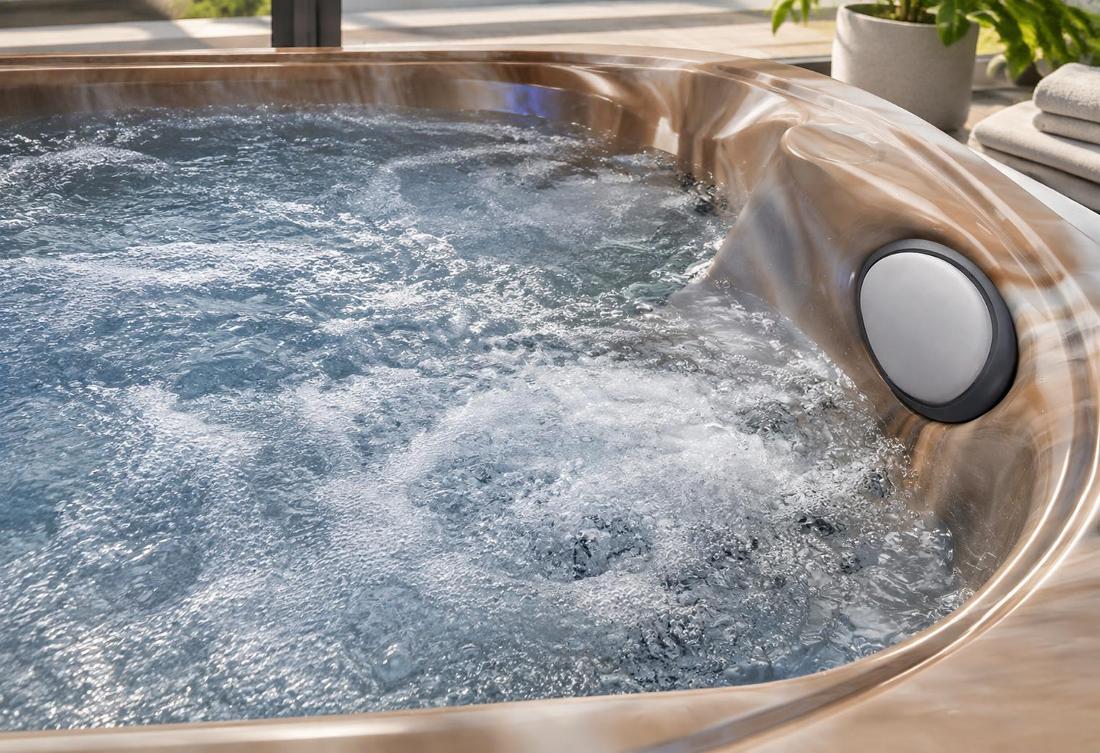
The unit price is only part of the equation. Where and how you install a small swim spa often adds a comparable chunk to your total budget, and it’s the part most first-time buyers underestimate.
A spa weighing 317kg empty, and considerably more once filled with 1,450 liters of water plus occupants, needs a stable, level surface. Wooden decks, concrete pads, and reinforced patios all come with different preparation costs. Skipping proper groundwork isn’t just a structural risk, it can void certain warranty terms depending on the manufacturer.
Consider these installation factors before finalizing your budget:
Sizing decisions should follow how you’ll actually use the spa, not just what fits in the yard. A hotel gym setting benefits from a compact unit that offers post-workout recovery without eating into limited outdoor space. A villa backyard, by contrast, often has room for the spa to serve as a visual centerpiece as much as a functional one.
Seaside homestays present a slightly different case. Guests want a hydrotherapy soak with a view, so smaller footprints that still deliver strong jet performance tend to outperform larger units that dominate a limited patio. In each of these scenarios, matching the spa’s scale to the space changes how much value you extract from the same dollar spent.
Certifications rarely make headlines in spa marketing, but they quietly affect price and, more importantly, safety compliance. Units carrying CE, CTUVus, CB, and SAA certifications have gone through independent testing for electrical safety and construction standards, which adds cost during manufacturing but reduces risk for the buyer.
Skipping certified units to save money upfront can backfire, particularly for commercial buyers like fitness centers or rehabilitation clinics, where insurance and local code compliance often require documented certification. If you’re weighing small swim spa cost against a cheaper, uncertified alternative, factor in whether that savings survives a compliance review.
Does a higher jet count always mean a better massage experience?
Not necessarily. Jet count matters, but placement and pump power determine how consistent the pressure feels across all seats. A well-designed 35-jet system with adequate pump wattage can outperform a higher jet count paired with a weak pump.
Why do two similarly sized spas have such different prices?
Differences usually come down to heater wattage, filtration systems, shell material quality, and whether features like ozone sanitization are included. Two spas can look nearly identical in size while differing significantly in what’s built into the mechanical systems.
Is ozone sanitization worth the added cost?
For most owners, yes, since it reduces how often chemical treatments are needed, which lowers ongoing maintenance spending even though it adds to the initial purchase price.
How much does installation typically add to the total budget?
It varies by site, but concrete pad preparation, electrical upgrades, and delivery access can meaningfully increase your total spend beyond the unit price alone, so it’s worth quoting these separately before committing.
Small swim spa cost isn’t just about finding the lowest number on a price tag. It’s about matching pump power, jet layout, heater capacity, and certification standards to how and where you’ll actually use the spa. A compact 6-person unit with a well-balanced 5.55kW system, like the BD-004, illustrates how thoughtful engineering can deliver strong performance without demanding a footprint or budget meant for larger installations. Weighing these factors against your site conditions and intended use will get you closer to a spa that earns back its cost in daily satisfaction, not just square footage saved.
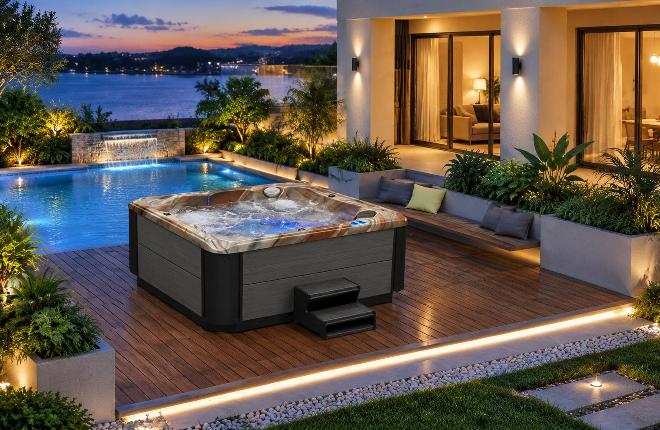
Choosing an Above Ground Swim Spa for Year-Round Hydrotherapy
An above ground swim spa sits in a strange middle ground between a hot tub and a swimming pool, and that ambiguity is exactly why so many buyers get stuck. You want the muscle recovery of jets, the social space of a spa, and something that doesn’t demand a construction crew or a permit fight with your local building office. The good news is that portable, above-ground models have matured enough to deliver real hydrotherapy without the excavation.
The core question isn’t whether an above ground swim spa can compete with an inground installation. It’s whether your space, your climate, and your recovery goals actually need one. Let’s work through that.
Inground spas require site prep, drainage planning, and often a structural engineer if you’re building on a deck or near a foundation. That timeline stretches into months. An above ground swim spa, by contrast, ships assembled or near-assembled and can be operational within days of arrival.
This matters most for three groups of owners:
Weight distribution is the other quiet advantage. A unit like the BD-004, at roughly 317kg dry and holding 1,450 liters of water, still needs a load-rated deck or reinforced pad, but that’s a far smaller engineering ask than pouring a shell into the earth.
Not every above ground swim spa includes a swim current. Some are simply larger hot tubs marketed under the swim spa label because they seat more people. The real differentiator is whether the unit produces a counter-current for swimming against, or whether it’s built purely for stationary hydrotherapy and social soaking.
The BD-004, for example, is positioned as a 6-person hydrotherapy tub rather than a lap-swimming unit. It doesn’t try to be a 15-foot exercise pool. Instead it concentrates its engineering into targeted massage output: 35 jets driven by a 2.2kW massage pump, paired with a separate 0.35kW filter pump so filtration doesn’t compete with jet pressure during use.
That distinction matters when you’re shopping. If your goal is swimming laps, look for units explicitly built with a continuous current channel. If your goal is joint relief, shoulder tension, or a shared soak after a workout, a jet-dense hydrotherapy spa like this is the more honest fit for the term "swim spa" as most residential buyers actually use it.
Buyers frequently compare tubs on jet count alone, but jet count without pump power tells you little. A jet is just an outlet; the pump determines whether water moves through it with any force.
| Specification | BD-004 Value |
|---|---|
| Seating Capacity | 6 Adults |
| Dimensions | 2350 x 2350 x 900mm |
| Total Power Draw | 5.55kW |
| Massage Pump | 2.2kW x 1 |
| Filter Pump | 0.35kW x 1 |
| Heater | 3kW x 1 |
| Jet Count | 35 |
| Water Capacity | 1,450L |
| Net Weight | 317kg |
Notice the heater draws more power than the massage pump. That’s typical, and it’s why climate matters when you’re budgeting running costs. In colder regions, the heater will cycle more often just to hold temperature, independent of how many times you actually use the jets.
Water capacity also tells you about startup cost, not just comfort. At 1,450 liters, you’re filling roughly the volume of nine to ten standard bathtubs before the first soak. Factor that into your water and, if applicable, chemical budget before you commit to a size.
Chemical maintenance is the single biggest reason people abandon spa ownership within the first year. Manual dosing, pH drift, and the smell of chlorine off-gassing indoors are real deterrents, especially for anyone installing a unit inside a sunroom or gym space rather than an open backyard.
An integrated ozone sanitization system, which the BD-004 includes according to the manufacturer, works by injecting ozone gas into the water circulation line to help break down organic contaminants and reduce the sanitizer load you’d otherwise dose by hand. It doesn’t eliminate the need for a sanitizer entirely, but it does reduce how often you’re testing and adjusting water chemistry.
For a hotel gym or seaside homestay setting, where staff turnover means no single person is reliably managing water chemistry, that reduced maintenance burden is often the deciding factor over jet count or LED color options.
Where you put an above ground swim spa changes what you need from it. A unit tucked into a covered gym recovery area has different demands than one exposed to salt air on a coastal deck.
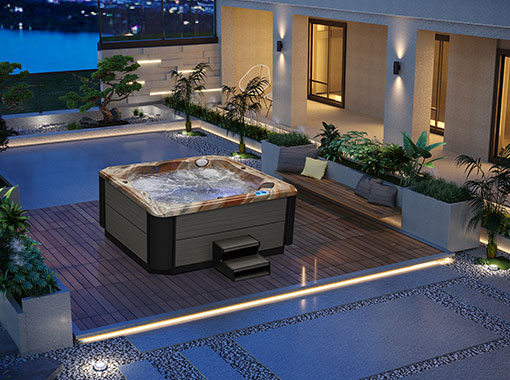
The cabinet finish plays into this more than most buyers expect. Wood-grain panel cabinets look premium, but in coastal or high-humidity settings, ventilation around the equipment bay matters as much as the panel material itself.
Jet count gets the marketing attention, but seat geometry determines whether those jets actually land where they’re needed. A jet pointed at the wrong point on your lower back is just noise.
According to the manufacturer, the BD-004’s seating and backrests are contoured to follow the body’s natural curves, with jets positioned along those contours rather than in a uniform grid. One corner seat also includes a headrest with a honeycomb-patterned vent grill, a small detail, but one that affects whether a taller or shorter user’s neck actually rests where it should during a 20-minute soak.
If you’re buying for a household with a wide range of body types, ask specifically about adjustable headrests or multiple seat depths, since a single ergonomic profile rarely fits everyone equally well.
Does an above ground swim spa need a permit?
Requirements vary by municipality and by water depth or volume. Many jurisdictions treat spas over a certain water volume similarly to pools for permitting purposes, so check local codes before installation even though above ground units generally avoid the excavation-related permits inground pools require.
Can I install one on a standard wood deck?
Only if the deck is rated for the combined weight of the shell, water, and occupants. A filled BD-004 with six adults can approach 2,000kg total, so verify load capacity with a contractor rather than estimating.
How is this different from a regular hot tub?
The term "swim spa" is used inconsistently across the industry. Some models add a swim current; others, like the BD-004, use the term to describe a larger, multi-person hydrotherapy tub without a dedicated swim channel. Confirm which category you’re buying before comparing prices.
Do I still need to add chemicals with an ozone system?
Yes. Ozone sanitization reduces sanitizer demand and manual maintenance frequency, but it works alongside a residual sanitizer rather than replacing water testing entirely.
Choosing the right above ground swim spa comes down to matching three things: your available load-bearing surface, your climate’s heating demands, and whether you actually need a swim current or just concentrated hydrotherapy. Most residential and hospitality buyers fall into the second category, which is where jet-dense, ozone-sanitized units like the BD-004 tend to perform best.
We manufacture intelligent outdoor spa and swim pool products across a 32,000 square meter facility, with units certified to CE, CTUVus, CB, and SAA standards, and our designs are built for villas, hotels, and wellness centers that need reliable hydrotherapy without an inground installation timeline. Whatever model you land on, an above ground swim spa should reduce friction, not add another maintenance chore to your week. Get the sizing, power draw, and sanitization system right, and the rest of the decision tends to fall into place on its own.
The Resurgence of the Outdoor Spa Experience
In an increasingly fast-paced world, the quest for a sanctuary—a private haven for relaxation, rejuvenation, and connection—has never been more pronounced. This fundamental human need has fueled a significant resurgence in the popularity of the outdoor spa. Far from being a mere luxury, these sophisticated hydrotherapy systems are transforming backyards and patios into personal wellness retreats, offering a potent blend of therapeutic benefits and lifestyle enhancement. Recent market analysis underscores this trend, with projections indicating a compound annual growth rate (CAGR) for the global spa market reaching 5.8% from 2021 to 2028, primarily driven by heightened consumer awareness of health and wellness, alongside an increasing disposable income. Specifically, the segment for at-home wellness solutions, including outdoor spas, has witnessed a remarkable surge, with sales volumes increasing by 18% year-over-year in the past three years across North America and Europe alone. This isn’t just about owning a hot tub; it’s about investing in a lifestyle that prioritizes mental clarity, physical well-being, and genuine connection with family and friends. The modern outdoor spa is a testament to innovation, blending cutting-edge technology with ergonomic design to deliver an unparalleled experience right in the comfort of your own home, offering an escape from daily stresses and a dedicated space for profound relaxation and restoration.
The engineering behind today’s outdoor spas represents a significant leap forward, moving far beyond simple bubbling tubs to sophisticated therapeutic instruments. At the core of their technical superiority are advanced jet systems. No longer are jets merely pushing water; they are precisely engineered to deliver targeted massage experiences. Manufacturers now offer a diverse array of jet types—from powerful rotational jets that mimic deep tissue massage to soft, pulsating jets designed for gentle muscle relief, and even specialized foot or wrist jets. These systems often incorporate adjustable flow rates and directional control, allowing users to customize their hydrotherapy precisely. Heating elements are equally advanced, utilizing energy-efficient titanium heaters or even heat pumps that significantly reduce operational costs. A well-insulated outdoor spa, often featuring multi-layered foam insulation and reflective thermal barriers, can retain heat exceptionally well, minimizing energy consumption by up to 30% compared to older models. Filtration and sanitization systems have also evolved dramatically. Beyond basic cartridge filters, many premium spas now integrate ozone generators, UV-C purifiers, or even salt water systems, drastically reducing the need for chemical additives and ensuring crystal-clear, hygienic water with minimal effort. Control systems have transitioned from simple button panels to intuitive, waterproof touchscreens and even integrated smart home compatibility via mobile apps, allowing users to control temperature, jets, lighting, and even schedule maintenance remotely. This convergence of precise hydrodynamics, efficient thermal management, superior water purification, and intelligent control defines the modern outdoor spa experience, offering not just relaxation but a robust, technically advanced wellness solution.
While the immediate allure of an outdoor spa is often relaxation, its benefits extend far deeper, profoundly impacting physical and mental well-being. Hydrotherapy, the therapeutic use of water, has been recognized for centuries, and modern spas leverage this ancient practice with scientific precision. The buoyancy of water reduces body weight by approximately 90%, significantly alleviating pressure on joints and muscles. This relief is invaluable for individuals suffering from arthritis, fibromyalgia, or recovering from injuries, with studies showing an average 40% reduction in joint pain after consistent hydrotherapy sessions. The combination of heat and targeted massage jets promotes vasodilation, improving blood circulation and accelerating the delivery of oxygen and nutrients to sore muscles, thus aiding faster recovery after physical exertion. Many professional athletes now incorporate regular spa sessions into their training regimens. Beyond the physical, the mental health benefits are equally compelling. The tranquil environment, coupled with the rhythmic sounds and sensations of the water, acts as a powerful stress reducer. Regular use has been shown to lower cortisol levels—the primary stress hormone—by up to 25%. Furthermore, the elevated body temperature followed by cooling post-spa can facilitate a smoother transition into deeper, more restorative sleep, with 60% of regular spa users reporting improved sleep quality within two weeks. Socially, an outdoor spa provides a unique gathering space, fostering connection and conversation, which are crucial for mental well-being and reducing feelings of isolation. Thus, an outdoor spa is not merely an amenity; it’s a holistic tool for enhancing vitality, promoting recovery, and cultivating mental serenity.
Choosing the right outdoor spa requires careful consideration of various factors, including build quality, feature sets, energy efficiency, and long-term support. The market offers a wide spectrum of manufacturers, each with its unique strengths and specialties. To illustrate the diversity and help in decision-making, let’s examine a comparison of hypothetical yet representative brands across key performance indicators. This comparative approach highlights how different manufacturers prioritize distinct aspects, from raw power and therapeutic intensity to eco-friendliness and smart integration. Understanding these nuances is crucial for aligning a spa’s capabilities with individual needs and preferences.
| Feature/Brand | LuxurySpa Elite | EcoHydro Serenity | AquaRelax Pro | Zenith HydroSystems |
| Primary Focus | Premium therapy, aesthetics | Energy efficiency, sustainability | Performance, robust build | Smart tech, customization |
| Seating Capacity | 5-7 Adults | 4-6 Adults | 6-8 Adults | 3-5 Adults |
| Total Jets | 60-75 (Varied types) | 35-45 (Hydro & Air) | 70-90 (Powerful) | 50-65 (Targeted, adjustable) |
| Insulation System | Full Foam + Thermal Blanket | Recycled Fiber + Heat Lock | Perimeter Foam + Heat Mirror | Quad-Layered Acoustic Foam |
| Heating System | Titanium Coil Heater (5.5kW) | Hybrid Heat Pump Ready | Stainless Steel Heater (6kW) | SmartFlow™ In-line Heater |
| Control System | Intuitive Touchscreen + App | Digital Panel + Basic App | Rugged Push-Button Panel | AI-Powered Voice & App Control |
| Water Purification | Ozone + UV-C + MicroFilter | Ozone + Mineral Cartridge | Dual Cartridge + Ozonator | Salt Water System + UV-C |
| Shell Material | Acrylic (Lucite® Cross-Linked) | Recycled Composites | Heavy-Gauge Acrylic | Proprietary Polycarbonate |
| Energy Efficiency (Avg. kWh/day) | 6-8 kWh | 4-6 kWh (with Heat Pump) | 8-10 kWh | 5-7 kWh |
| Warranty (Shell/Components) | 10-Year / 5-Year | 8-Year / 3-Year | 12-Year / 4-Year | 7-Year / 7-Year |
| Price Range (USD) | $15,000 – $25,000 | $10,000 – $18,000 | $12,000 – $20,000 | $18,000 – $30,000+ |
As evident from the table, “LuxurySpa Elite” focuses on a comprehensive, high-end therapeutic experience with robust features and aesthetics, targeting discerning buyers. “EcoHydro Serenity” prioritizes environmental consciousness and lower running costs through advanced insulation and heat pump integration. “AquaRelax Pro” is built for durability and powerful hydrotherapy, ideal for heavy use and larger gatherings. Finally, “Zenith HydroSystems” distinguishes itself with cutting-edge smart technology and deep customization options, albeit at a higher entry point. This comparative analysis underscores the importance of aligning your specific needs—whether it’s energy efficiency, therapeutic intensity, smart features, or budget—with the manufacturer’s core offering. Each brand offers a distinct value proposition, and selecting the optimal outdoor spa involves balancing these factors to achieve your ideal backyard retreat.
The modern outdoor spa experience is increasingly defined by personalization, allowing owners to tailor every aspect to their unique preferences and lifestyle. This goes far beyond choosing a shell color; it encompasses a myriad of options that can transform a standard spa into a bespoke hydrotherapy oasis. Aesthetic customization often begins with the shell and cabinet finishes. Shells are available in dozens of colors and textures, from classic whites and blues to sophisticated marbled patterns and earthy tones, allowing for seamless integration with existing landscaping or architectural styles. Cabinetry, once limited to basic wood or synthetic, now includes maintenance-free composite panels resembling natural wood, stone, or even modern brushed metal finishes, ensuring durability and visual appeal. Beyond looks, the therapeutic experience itself is highly customizable. Owners can select specific jet packages, opting for combinations that emphasize deep tissue massage, gentle relaxation, or targeted therapy for particular body areas. Advanced lighting systems with chromotherapy options allow users to set moods with an array of colors, enhancing relaxation or invigoration. Integrated sound systems, often Bluetooth-enabled, can turn the spa into an entertainment hub, while aromatherapy diffusers introduce essential oils directly into the air or water for an added sensory dimension. Practical enhancements such as cover lifters, custom steps with built-in storage, and handrails improve accessibility and convenience. For the tech-savvy, smart home integration allows for voice control or app-based management of all spa functions, from temperature to lighting, offering unparalleled ease of use. This extensive range of customization ensures that each outdoor spa can be a truly individual expression of comfort, style, and wellness.
The versatility of the outdoor spa makes it an adaptable addition to a wide array of settings, each benefiting from its unique blend of relaxation and utility. From bustling urban rooftops to serene rural retreats, the application cases are as diverse as the environments themselves. In a compact urban backyard, an outdoor spa transforms limited space into a valuable extension of the living area, offering a private escape from city life without requiring extensive landscaping. For suburban families, it becomes a dynamic hub for entertainment, allowing children to play safely while adults relax, fostering family bonding moments away from screens. Imagine a weekend barbecue effortlessly transitioning into a starlit soak. Luxury residential properties often integrate outdoor spas as a focal point of elaborate outdoor living spaces, complemented by fire pits, gourmet kitchens, and lavish seating, elevating the entire property’s value and appeal. Boutique hotels and resorts leverage spas to enhance guest experiences, offering a unique amenity that promotes relaxation and differentiates their offerings, often resulting in higher occupancy rates and positive reviews. Even in more remote or rustic settings, such as a cabin in the woods or a lakeside retreat, a ruggedly built outdoor spa provides a perfect counterpoint to nature, offering warmth and comfort after a day of hiking or skiing. Furthermore, specialized applications include therapeutic clinics or wellness centers, where the controlled environment of a spa is used for physical rehabilitation, pain management, or stress reduction programs, demonstrating its profound utility beyond pure leisure. Each scenario underscores the spa’s capacity to adapt, providing bespoke benefits whether it’s for personal solitude, vibrant social gatherings, or professional therapeutic use, proving its value across the spectrum of human need and lifestyle.
The journey to acquiring an outdoor spa is an investment not merely in a product, but in a lifestyle characterized by enhanced well-being, luxurious convenience, and lasting enjoyment. From the initial data showcasing its rising demand to the intricate technical advantages, profound health benefits, detailed manufacturer comparisons, boundless customization options, and diverse application cases, it becomes clear that a modern outdoor spa is far more than a recreational item. It is a thoughtfully engineered system designed to deliver consistent therapeutic relief, foster social connection, and elevate the aesthetic and functional value of any property. The commitment to energy efficiency, advanced purification systems, and durable materials ensures that this investment is both sustainable and long-lasting, providing years of trouble-free operation and enjoyment. As we navigate the complexities of modern life, the presence of a dedicated space for rejuvenation and peace becomes increasingly vital. An outdoor spa provides just that—a personal oasis that promotes physical recovery, mental serenity, and memorable moments with loved ones. It’s a testament to thoughtful living, offering an enduring allure that continues to reshape how we perceive home and personal wellness. Embrace the transformative power of hydrotherapy and discover how an outdoor spa can enrich your life, one blissful soak at a time, solidifying its place as an indispensable element of contemporary living.
1. How much does an outdoor spa typically cost?
The cost of an outdoor spa varies significantly based on size, features, brand, and installation requirements. Entry-level models can start around $5,000-$8,000, while mid-range spas typically fall between $10,000-$15,000. High-end, fully customized outdoor spas with advanced technology can range from $18,000 to $30,000 or more, not including potential electrical upgrades or landscaping.
2. What are the main benefits of owning an outdoor spa?
The primary benefits include stress reduction and mental relaxation, muscle pain relief through hydrotherapy, improved sleep quality, enhanced circulation, and a dedicated space for social gatherings or personal meditation. Many users also report significant relief from symptoms of arthritis and fibromyalgia.
3. How much electricity does an outdoor spa use?
Energy consumption for an outdoor spa depends on its size, insulation quality, heating efficiency, local climate, and frequency of use. Modern, well-insulated spas typically consume between 5-10 kWh per day, translating to an average monthly cost of $25-$75, though this can be higher in colder climates or with less efficient models. High-efficiency models or those with heat pumps can significantly reduce these costs.
4. What kind of maintenance does an outdoor spa require?
Regular maintenance for an outdoor spa involves checking and balancing water chemistry (pH, alkalinity, sanitizer levels) 2-3 times per week, cleaning filters bi-weekly or monthly, and draining and refilling the spa every 3-4 months. Some systems, like saltwater or ozone generators, can reduce the chemical management burden.
5. Can an outdoor spa be used year-round in cold climates?
Yes, modern outdoor spas are designed with robust insulation and powerful heaters to operate efficiently even in freezing temperatures. Many owners in cold climates particularly enjoy the experience of soaking in a warm outdoor spa surrounded by snow, making it a year-round luxury.
6. What’s the difference between a hot tub and an outdoor spa?
While often used interchangeably, “hot tub” can sometimes refer to more basic, portable units primarily focused on heating water for relaxation. “Outdoor spa” generally implies a more comprehensive, feature-rich hydrotherapy system with advanced jet configurations, sophisticated control systems, enhanced filtration, and often a more permanent or integrated installation, emphasizing therapeutic and wellness benefits.
7. What should I consider for the installation of an outdoor spa?
Key considerations for outdoor spa installation include a solid, level foundation (concrete slab, reinforced deck), access to appropriate electrical service (typically 240V/50A or 60A), adequate water supply, and proper drainage. Ventilation, privacy, and proximity to your home for convenience and safety are also important factors.
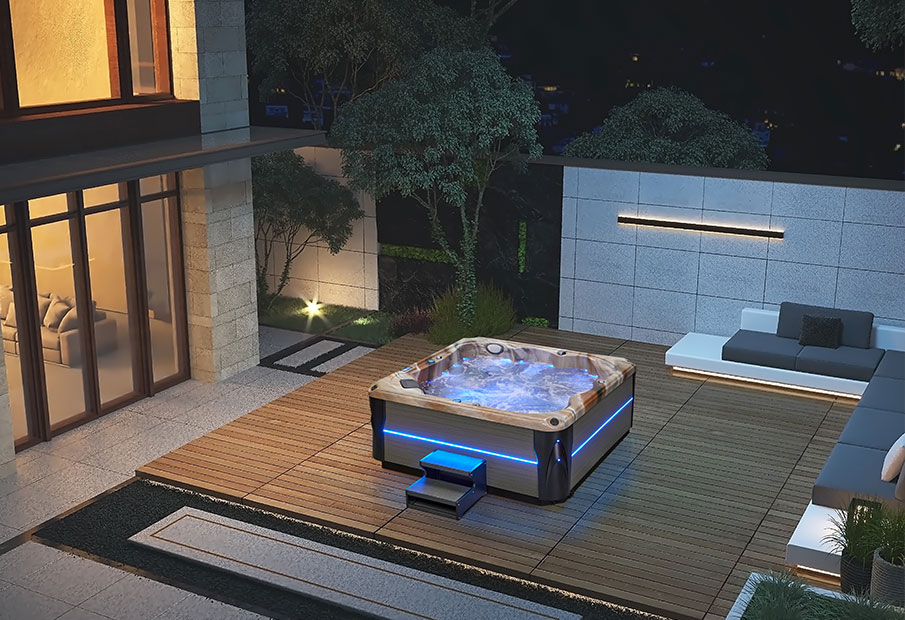
Fspa BD-004Pro Hot Tub, a spacious, powerful, and feature-rich hot tub designed for up to 6 adults, complete with therapeutic massages, clear water circulation, customizable air flow, immersive audio, and sanitization system, ideal for both residential and commercial outdoor settings.
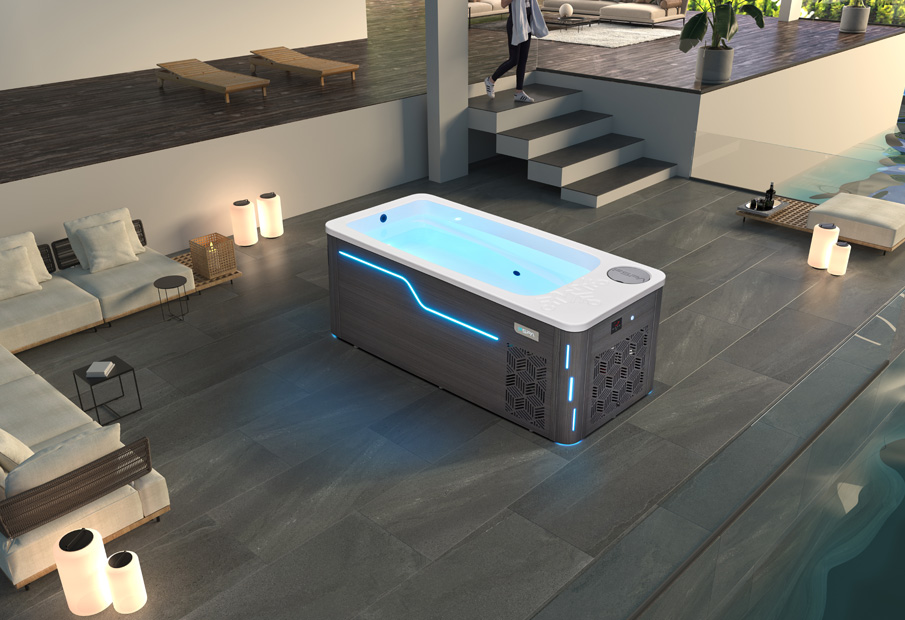
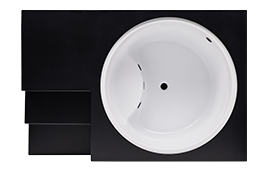
Introducing the Fspa IS-006 Cold Plunge, a spacious and luxurious immersion therapy tub tailored for maximum relaxation and recovery. Measuring 2110mm*950mm*800mm, it offers ample space for a comforting and refreshing dip.
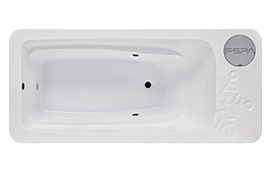
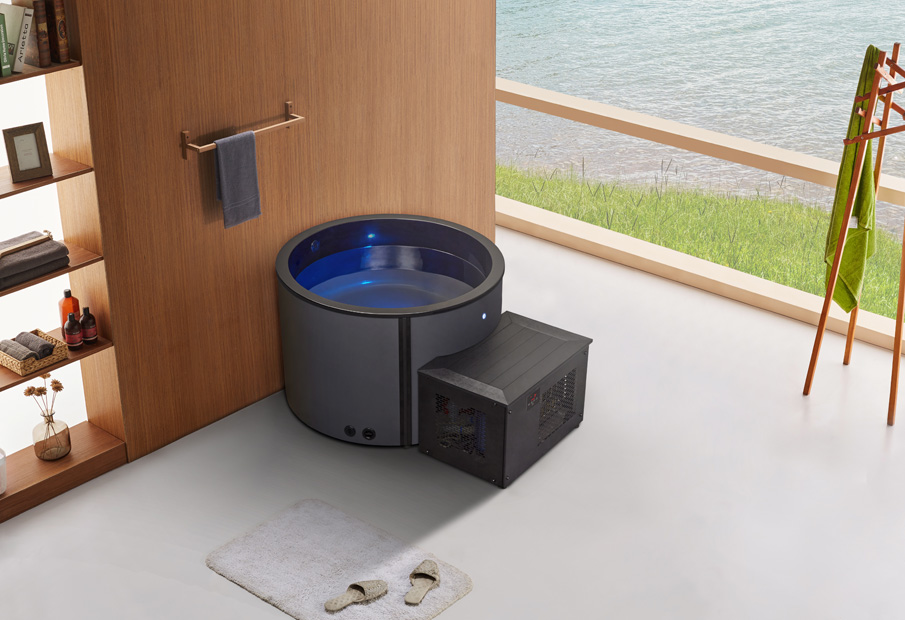
Combined design, plug and play, Include filter, circuit pump, Ozone, Ice-blue underwater light, and high-efficiency Chilling system.
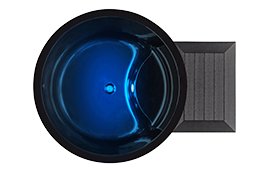
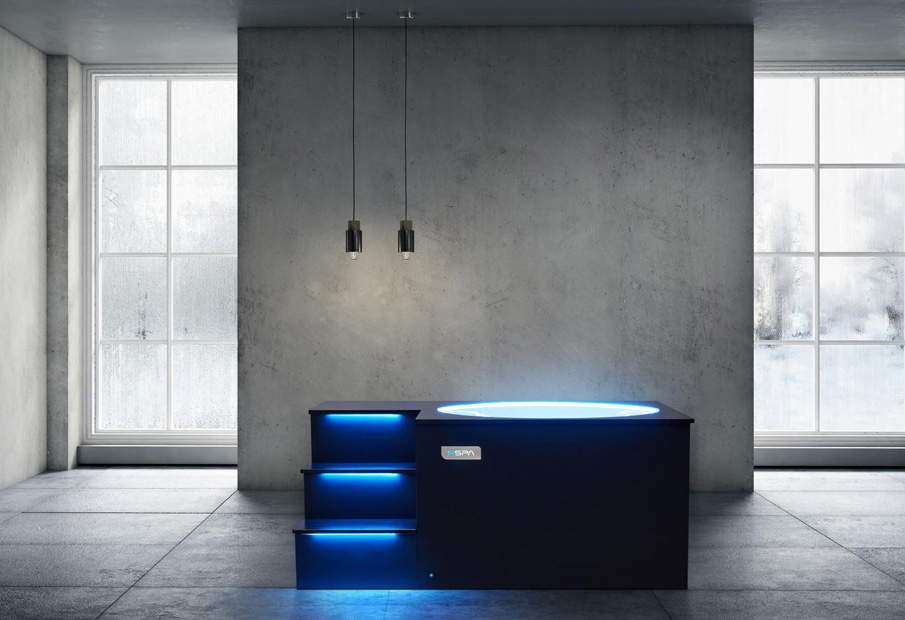
Appearance Black color, Step in expediently ice blue ambient lighting, Water chiller system, filter, Ozone and light.
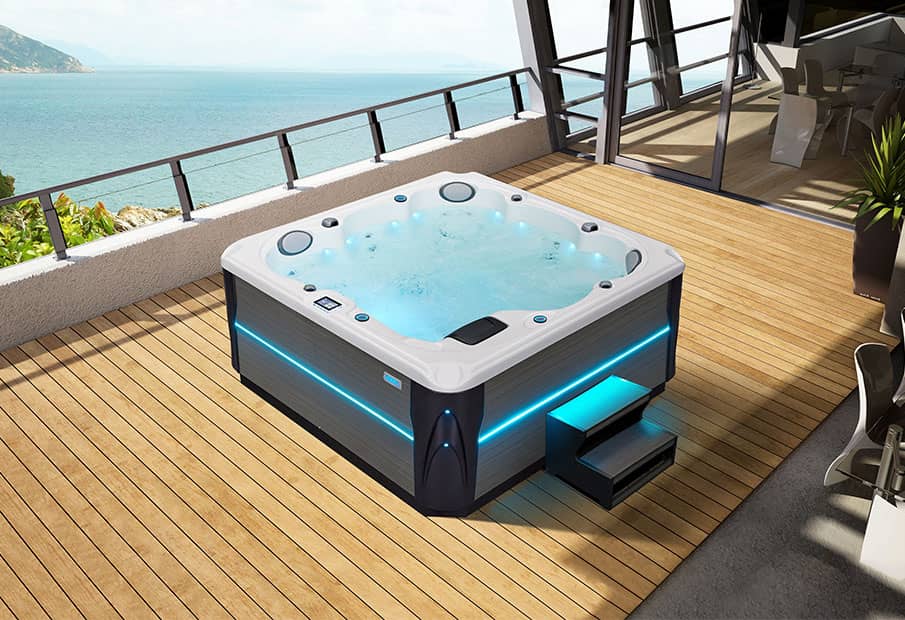
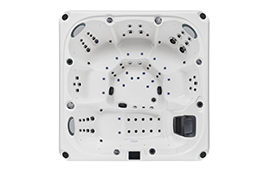
The Fspa BD-012Pro Hot Tub, a luxurious 2160x2160x900mm spa for 6 adults, balances power (4.97kW) and efficiency with features like 34 water & 12 air bubble jets, customizable water flow, LED lighting, music speakers, and pillows, making it a stylish and ideal choice for both residential and commercial relaxation.
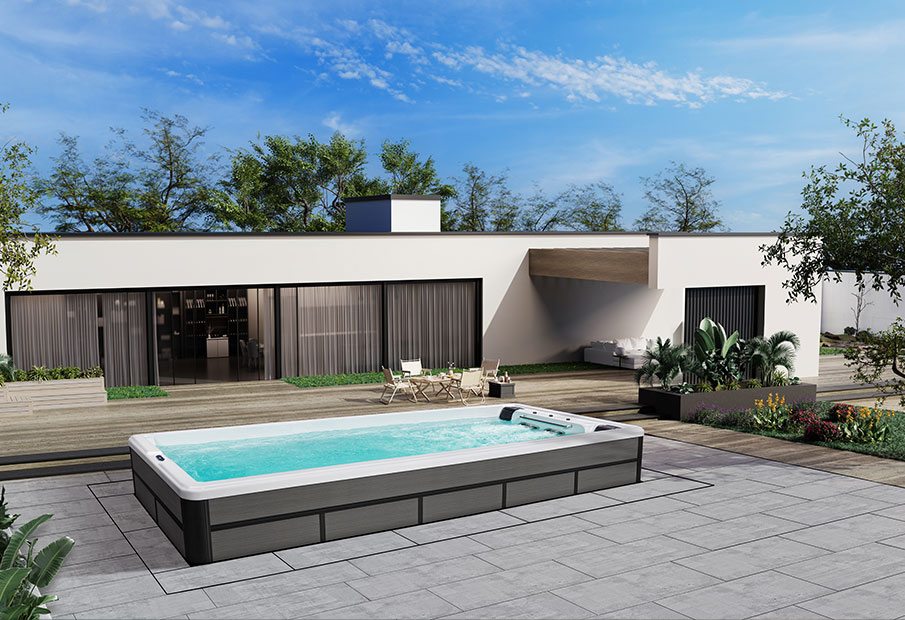
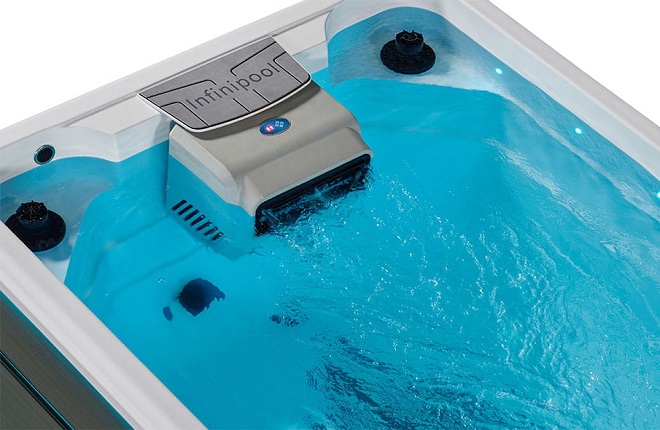
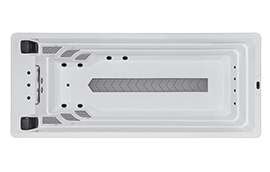
The Infinipool Fspa IP-002 offers a premium swimming experience ideal for residential and commercial use.
PRODUCTS
INQUIRY
Thank you for your message!Our Chinese New Year holiday from 7th Feb to 28th Feb. Apologise to make your inconvenience so that responses may be delayed during this period. We'll back to you with regular service on 2th March .Thank you for understanding.


