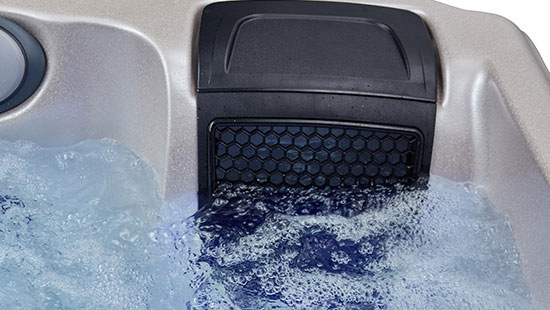
Transforming your home into a personal retreat has never been easier with a hot water spa. Whether you are looking to relax after a long day, host outdoor gatherings, or improve your wellness routine, a high-quality spa can make all the difference. From luxurious garden jacuzzi tub designs to versatile indoor swim spa models, there are options to suit every lifestyle and space. For homeowners interested in best swim spas, exploring the jacuzzi outdoor price and jacuzzi tub cost ensures you find a spa that meets your needs and budget.
When selecting a hot water spa, it’s essential to consider whether you want an indoor swim spa or an outdoor spa pool. An indoor swim spa provides year-round convenience and privacy, making it ideal for homes with limited outdoor space. These spas combine the benefits of hydrotherapy with the functionality of a swimming area, making them perfect for fitness, relaxation, and rehabilitation.
On the other hand, an outdoor spa pool allows you to enjoy nature while soaking in warm, soothing water. From a compact garden jacuzzi tub to larger designs, outdoor spas offer flexibility in size and features. Many homeowners are surprised to find that a pool spa outdoor can serve multiple purposes: it’s a relaxing retreat, an exercise area, and a social entertainment hub. When comparing the jacuzzi outdoor price and jacuzzi tub cost, it’s important to weigh features like jets, energy efficiency, lighting, and seating capacity to ensure maximum enjoyment.
For those seeking the best swim spas, working with professional suppliers like fspa ensures expert guidance in selecting the right model. With a variety of indoor swim spa and outdoor hot water spa options, you can find a spa that perfectly fits your home, lifestyle, and budget.
Owning a hot water spa provides numerous physical and mental health benefits. Soaking in warm water helps improve circulation, relax sore muscles, reduce stress, and promote overall wellness. Hydrotherapy from an indoor swim spa or garden jacuzzi tub is particularly beneficial for athletes, those with arthritis, or anyone seeking restorative relaxation.
Beyond health benefits, a hot water spa enhances the aesthetic and functional value of your home. An outdoor spa pool or pool spa outdoor can transform a backyard into a luxurious retreat, perfect for social gatherings or quiet evenings under the stars. Even compact garden jacuzzi tub designs can make a significant impact on your outdoor space.
Affordability is also a factor. Understanding jacuzzi outdoor price and jacuzzi tub cost helps you select a spa that delivers both quality and value. Many homeowners are pleasantly surprised to find that a premium indoor swim spa or hot water spa can be a long-term investment in comfort, health, and property value. By choosing fspa, you gain access to trusted expertise, top-tier models, and guidance for a seamless installation and maintenance process.
Whether you prefer a sophisticated indoor swim spa, a spacious pool spa outdoor, or a charming garden jacuzzi tub, a hot water spa provides unmatched relaxation and luxury. From stress relief to fitness and entertainment, these spas are versatile additions that enhance any home.
A hot water spa is more than just a luxury—it’s an investment in health, wellness, and lifestyle. Whether you opt for an indoor swim spa, a garden jacuzzi tub, or an outdoor spa pool, having a spa at home transforms your daily routine into a rejuvenating experience. By understanding the jacuzzi outdoor price and jacuzzi tub cost, you can select a spa that fits both your needs and budget. Trusted providers like fspa offer the best swim spas with expert guidance, ensuring that every soak is a moment of relaxation and indulgence. Upgrade your home today with a hot water spa and enjoy unparalleled comfort, wellness, and luxury.
A hot water spa offers advanced hydrotherapy features, including jets and temperature control, which provide enhanced relaxation and wellness benefits compared to a standard hot tub.
Yes, an indoor swim spa allows for year-round use, combining hydrotherapy and fitness features in one compact space. It’s ideal for homes with limited outdoor areas.
The jacuzzi tub cost varies based on size, features, and materials. Considering the jacuzzi outdoor price helps you balance quality and budget when selecting an outdoor spa pool.
Absolutely. A garden jacuzzi tub or pool spa outdoor improves circulation, reduces stress, relieves muscle tension, and enhances property value while providing a relaxing environment.
Trusted suppliers like fspa offer a variety of best swim spas, indoor swim spa, and hot water spa models, with expert advice to help you select the perfect spa for your space and lifestyle.
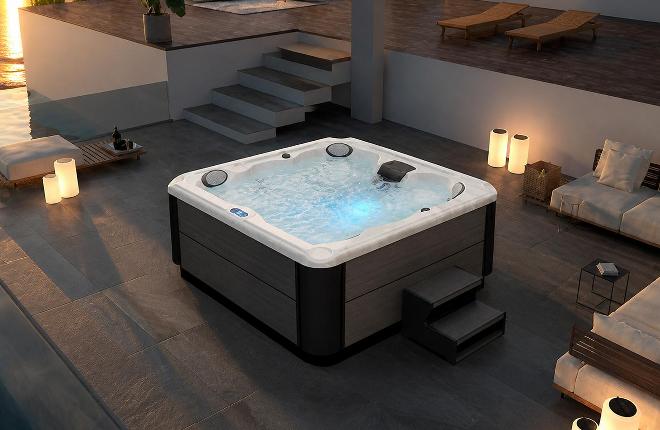
Wim Hof Method Cold Plunge: What Actually Happens in the Water
Anyone researching a wim hof method cold plunge protocol eventually hits the same wall: the breathing looks simple on video, but the water part gets glossed over. Most guides skip straight to breath counts and skip the actual physiology of sitting in cold water, which is where people either get hooked or give up. This piece covers what the method demands physically, how to build tolerance safely, and where a warm soak fits into the same wellness routine without contradicting the cold exposure goals.
The method combines three pillars: cyclical breathing, gradual cold exposure, and a mindset component borrowed from meditation practice. None of the three works particularly well alone. The breathing hyperventilates the body slightly, raising blood oxygen and dropping carbon dioxide, which some practitioners report as a temporary tingling or lightheaded sensation.
Cold exposure is the pillar most people fixate on, largely because it’s the most visible and the most uncomfortable. Wim Hof himself has completed feats like prolonged ice water immersion and high-altitude climbs with minimal clothing, but the daily practice most people follow looks nothing like that. It starts with cold showers, then progresses toward plunges.
Cold water conducts heat away from the body roughly 25 times faster than air at the same temperature. That’s the core reason a plunge feels so much more intense than standing outside on a winter morning. Your skin senses the temperature drop almost instantly and triggers a cascade of involuntary responses.
The first thirty seconds typically bring what’s called the cold shock response: gasping, rapid breathing, and a spike in heart rate. This is normal and expected, not a sign something is wrong. Practitioners are taught to breathe through it rather than panic, which is part of why the breathing pillar gets trained separately before the plunge itself.
After the initial shock passes, blood vessels near the skin constrict to preserve core temperature, a process called vasoconstriction. This redirects blood toward vital organs. Some people describe a strange calm settling in after the first minute, though tolerance varies enormously between individuals and even between sessions for the same person.
Jumping straight into a full cold plunge without preparation is a common mistake, and it’s also where most dropout happens. A more sustainable progression looks like this:
Skipping steps rarely pays off. The body’s tolerance to cold is partly a learned response, and rushing it tends to produce anxiety around the practice rather than the calm confidence experienced practitioners describe.
Cold exposure isn’t universally safe, and this gets underplayed in a lot of enthusiast content. People with cardiovascular conditions, uncontrolled high blood pressure, or a history of arrhythmia should talk to a doctor before starting, since the sudden vasoconstriction and heart rate spike place real stress on the cardiovascular system.
Pregnant individuals, people with Raynaud’s phenomenon, and anyone with open wounds or skin conditions that worsen in cold water should also proceed with caution or avoid it. This isn’t meant to scare people away from the practice, but the enthusiasm around cold plunging online sometimes drowns out the fact that it’s a genuine physiological stressor, not a wellness gimmick with zero risk.
These terms get used interchangeably, but they’re not the same thing, and mixing them up leads to confused expectations.
| Method | Typical Temperature | Duration | Mechanism |
|---|---|---|---|
| Cold plunge | 10-15°C (50-59°F) | 2-5 minutes | Full body immersion in cold water |
| Ice bath | 0-10°C (32-50°F) | 1-3 minutes | Water chilled further with ice |
| Whole-body cryotherapy | -110°C to -140°C | 2-3 minutes | Cold air chamber, not water |
A wim hof method cold plunge session typically sits at the milder end of this spectrum, since the practice emphasizes controlled breathing over extreme temperature. Ice baths push further into discomfort and are often used by athletes for recovery rather than the breathing-focused ritual Hof teaches.
Here’s something that surprises newcomers: consistent cold exposure practice tends to go hand in hand with deliberate warm recovery, not away from it. Alternating temperature exposure, sometimes called contrast therapy, is used by physiotherapists to encourage circulation without keeping the body in constant vasoconstriction.
After a cold plunge session, many practitioners transition into a warm soak once the body has re-warmed naturally through movement, rather than jumping straight into hot water while still cold. A dedicated hydrotherapy spa becomes useful at this stage of a wellness routine, not as a replacement for the cold work but as a complementary recovery tool.
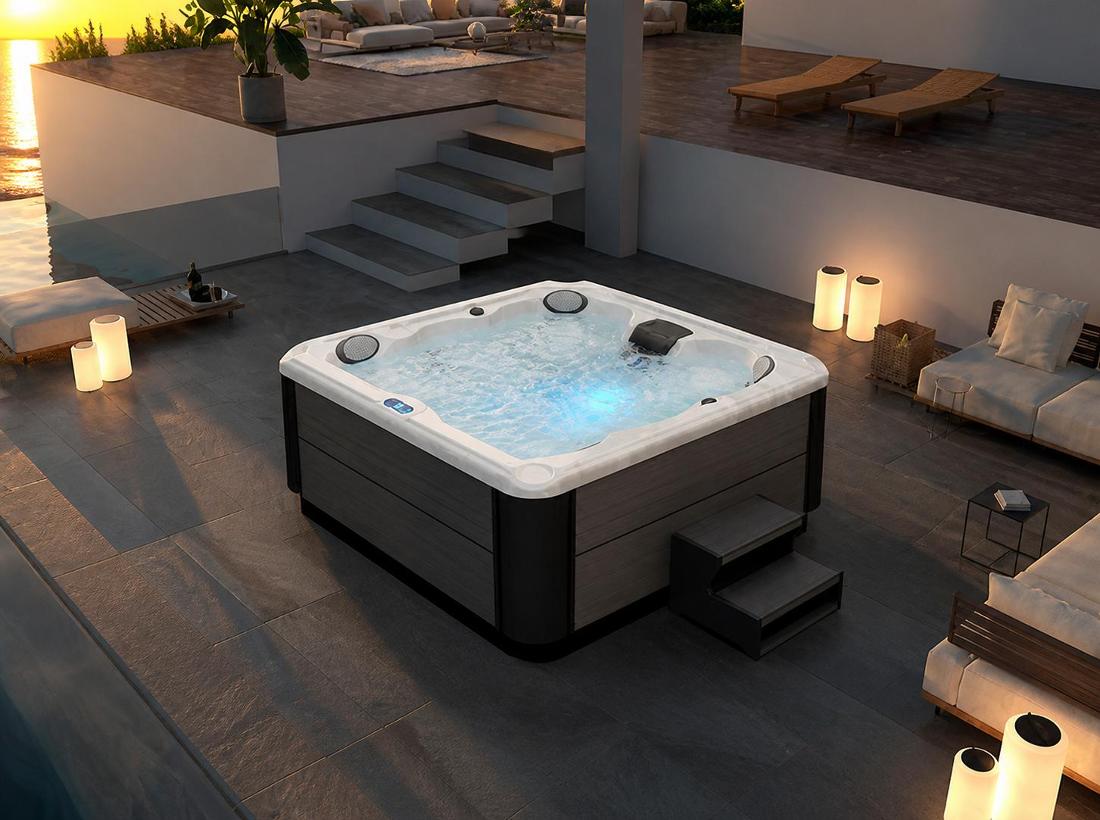
This is where a product like our BD-001 spa fits into the broader picture. It’s not a cold plunge tub, and it isn’t marketed as one. According to the product specifications, it’s a 2100 x 2100 x 900mm hydrotherapy spa built to seat up to six adults, equipped with 31 jets and a 2.2kW massage pump for muscle recovery after cold exposure or general physical activity. The 3kW heater and dedicated 0.35kW filter pump with ozone filtration are designed to help keep water clean between sessions, which matters for anyone running a consistent hot-cold rotation at home.
People who stick with cold plunging long term almost always build some kind of dedicated setup, even a modest one. A few practical considerations:
For households or facilities pairing cold exposure with recovery therapy, the same reasoning applies whether it’s a private backyard, a boutique hotel wellness area, or a rehabilitation center. Water efficient equipment with a modest footprint tends to fit these spaces better than oversized installations, since not every property has room for a large soaking pool alongside a plunge tub.
How long should a wim hof method cold plunge session last?
Most practitioners work up to two to five minutes. Beginners should start with far shorter exposures, sometimes just 30 seconds, and extend gradually.
Can I do the breathing exercises and cold plunge on the same day?
Yes, though many practitioners separate them by doing breathing first, resting, then plunging afterward rather than combining both simultaneously.
Is a cold plunge the same as an ice bath?
Not exactly. Ice baths use ice to reach lower temperatures than a typical cold plunge, which usually relies on naturally cold or lightly chilled water.
Does cold plunging actually boost the immune system?
Some studies suggest modest changes in immune markers with regular cold exposure, but claims of dramatic immune boosts go beyond what current research supports.
What should I do immediately after a cold plunge?
Move around to generate natural body heat before applying external warmth. Jumping straight into very hot water while still cold can cause dizziness for some people.
Consistency beats intensity here. A wim hof method cold plunge practiced three times a week for a year will do more for tolerance and reported wellbeing than a single extreme session followed by months of avoidance. The breathing, the cold, and the mindset piece all compound slowly, and rushing any one of them tends to backfire.
Pairing that cold discipline with a proper recovery routine, whether through stretching, warm soaks, or hydrotherapy sessions in something like a BD-001-style spa, rounds out the practice rather than undermining it. Cold exposure and warm recovery aren’t opposing philosophies; they’re two halves of the same physiological conversation the body is constantly having with its environment. Anyone serious about a long-term wim hof method cold plunge habit should plan for both ends of that temperature spectrum, not just the cold.
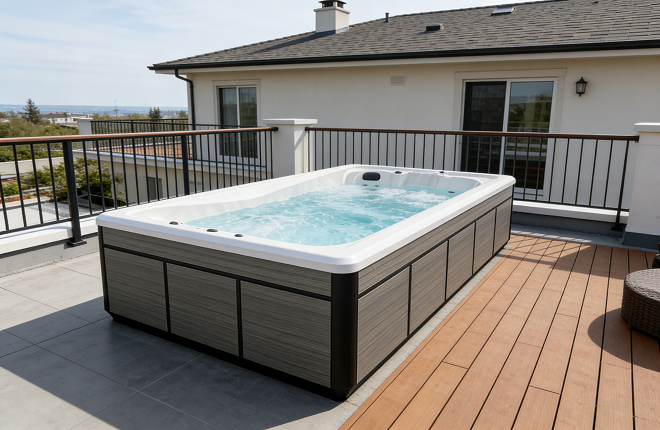
Freestanding Outdoor Spa and Modern Wellness: How FSPA Transforms Backyard Relaxation
Outdoor hydrotherapy has become a defining feature of contemporary home design. A freestanding outdoor spa offers flexibility, aesthetic appeal, and therapeutic benefits, making it an ideal solution for homeowners seeking year-round relaxation. Whether opting for a compact mini outdoor spa or a versatile mini pool spa outdoor installation, modern spa systems transform outdoor spaces into personal wellness retreats.
FSPA specializes in premium hydrotherapy solutions that blend durability, innovation, and ergonomic design. From installation guidance to customized spa designs, FSPA delivers tailored solutions that enhance outdoor living and wellness.
This article explores the advantages of outdoor spa installations, design considerations, and practical insights for installing an outdoor spa in diverse environments.
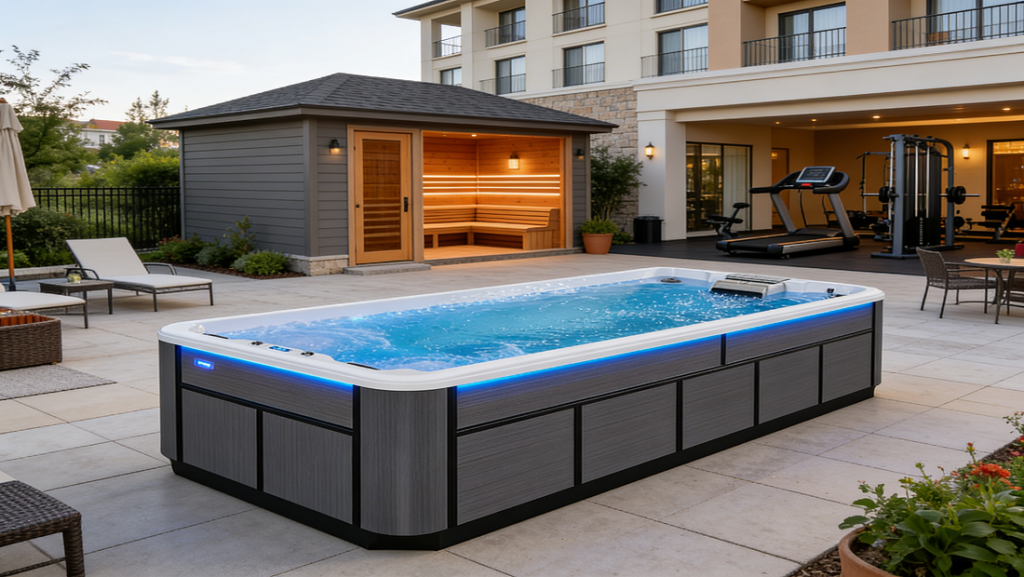
A freestanding outdoor spa provides therapeutic advantages that extend beyond traditional relaxation methods. Hydrotherapy promotes muscle recovery, improves circulation, and reduces stress. Warm water therapy helps alleviate tension, making outdoor spas valuable wellness investments.
The combination of water jets and temperature-controlled environments enhances the therapeutic experience. Unlike conventional bathtubs, outdoor spas deliver targeted massage effects that support physical and mental well-being. Whether after exercise or a demanding day, hydrotherapy creates opportunities for rejuvenation and relaxation.
Outdoor installations further enhance the spa experience. Fresh air and natural surroundings amplify relaxation, creating holistic wellness environments. Homeowners can enjoy hydrotherapy while connecting with nature, transforming backyards into personal sanctuaries.
FSPA designs freestanding spa systems that prioritize performance and comfort. Advanced jet configurations and ergonomic layouts ensure effective hydrotherapy experiences. Durable materials and energy-efficient technologies enhance long-term usability, providing exceptional value for homeowners.
Beyond wellness benefits, a freestanding outdoor spa enhances property aesthetics and market value. Modern spa installations become focal points of outdoor design, blending functionality with visual appeal. Landscaping elements such as natural stone surrounds and integrated lighting further elevate the spa environment.
Homeowners increasingly view outdoor spas as long-term investments. High-quality installations improve property desirability and provide ongoing recreational value. Whether exploring options for a mini outdoor spa or larger hydrotherapy systems, spa solutions contribute to modern lifestyle enhancement.
FSPA specializes in customized designs that complement existing outdoor spaces. From contemporary aesthetics to natural landscaping integration, FSPA solutions ensure that spa installations align with individual preferences and architectural styles.
Outdoor hydrotherapy installations also support social interaction and family bonding. A well-designed spa becomes a gathering space for relaxation and shared experiences, enhancing the overall value of outdoor living areas.
Installing an outdoor spa requires careful planning and design consideration. Space availability, installation location, and utility requirements influence the overall project. Professional installation ensures optimal performance and long-term usability.
For smaller outdoor areas, a mini outdoor spa provides an efficient solution. Compact designs deliver hydrotherapy benefits without requiring extensive space. Modern mini spas emphasize ergonomic comfort and advanced jet systems, making them ideal for urban and suburban environments.
FSPA offers customized installation services that address spatial constraints and design preferences. Whether integrating spa systems into patios or garden areas, professional installation ensures seamless functionality and aesthetic harmony.
Energy efficiency and material quality are essential considerations. Outdoor installations must withstand environmental exposure while maintaining performance. FSPA utilizes premium materials and engineering expertise to deliver durable solutions that meet customer expectations.
A mini pool spa outdoor installation combines hydrotherapy with compact pool functionality. These systems offer versatile relaxation and recreational options, making them ideal for homeowners seeking multifunctional outdoor solutions.
Mini pool spas deliver therapeutic benefits while supporting light swimming and exercise activities. The combination of hydrotherapy and water-based recreation enhances outdoor lifestyle opportunities. Compact designs ensure usability in smaller spaces without compromising performance.
FSPA specializes in mini pool spa solutions that prioritize quality and efficiency. Advanced filtration systems and energy-saving technologies enhance usability while reducing operational costs. Homeowners benefit from sustainable spa solutions that align with modern environmental considerations.
Installing a mini pool spa also enhances property value and aesthetic appeal. Modern hydrotherapy systems become focal points of outdoor design, contributing to overall home desirability. Landscaping elements further elevate the spa environment, creating luxurious relaxation spaces.
A freestanding outdoor spa supports physical and mental well-being. Hydrotherapy improves circulation, reduces muscle tension, and promotes stress relief. Warm water therapy delivers therapeutic benefits that enhance overall health and relaxation.
Outdoor installations encourage connection with nature. Fresh air and scenic surroundings amplify the spa experience, creating holistic wellness environments. Homeowners can enjoy therapeutic benefits while appreciating outdoor settings, enhancing quality of life.
FSPA designs hydrotherapy systems that integrate advanced technology with user comfort. Customizable jet configurations and ergonomic seating arrangements ensure effective relaxation experiences. Durable materials and energy-efficient systems enhance long-term performance and satisfaction.
Hydrotherapy also supports active lifestyles. Post-exercise recovery benefits from warm water therapy, reducing muscle soreness and improving flexibility. Outdoor spa solutions provide accessible wellness opportunities for individuals and families.
Freestanding spa installations offer design flexibility and aesthetic appeal. Unlike built-in systems, freestanding designs can be positioned in various outdoor locations, allowing homeowners to optimize layout and visual impact.
A freestanding outdoor spa complements diverse architectural styles and landscaping themes. Modern designs emphasize clean lines and contemporary aesthetics, while natural materials enhance integration with garden environments. FSPA provides customized solutions that align with client preferences and outdoor layouts.
Design flexibility also supports future relocation or modifications. Freestanding installations can be adapted to changing outdoor configurations, providing long-term usability and value. Homeowners benefit from spa solutions that evolve with lifestyle and spatial requirements.
Outdoor hydrotherapy transforms modern living by combining relaxation, wellness, and aesthetic enhancement. A freestanding outdoor spa delivers therapeutic benefits and design flexibility, creating personal sanctuaries for hydrotherapy and stress relief. Whether opting for a compact mini outdoor spa or a functional mini pool spa outdoor installation, homeowners gain access to modern wellness solutions that enhance quality of life.
FSPA leads the industry in premium hydrotherapy systems, delivering customized designs that prioritize durability and innovation. From installation guidance to tailored spa solutions, FSPA ensures that outdoor hydrotherapy installations meet diverse preferences and performance standards.
Investing in outdoor spa solutions enhances property value and lifestyle quality. Hydrotherapy promotes relaxation and well-being, while contemporary designs elevate outdoor aesthetics. Homeowners who embrace spa installations create environments that support health, happiness, and long-term enjoyment.
A freestanding outdoor spa provides hydrotherapy benefits, including muscle relaxation and stress reduction. Its design flexibility enhances outdoor aesthetics and usability.
Installing an outdoor spa requires site preparation, utility connections, and professional installation. FSPA provides comprehensive installation services for optimal performance.
A mini outdoor spa offers compact hydrotherapy solutions for smaller spaces. Advanced designs deliver relaxation benefits without requiring extensive installation areas.
A mini pool spa outdoor installation combines hydrotherapy with recreational water features. It supports wellness and lifestyle enhancement in compact outdoor environments.
FSPA specializes in premium hydrotherapy solutions, offering professional installation and customized designs for long-term performance and customer satisfaction.
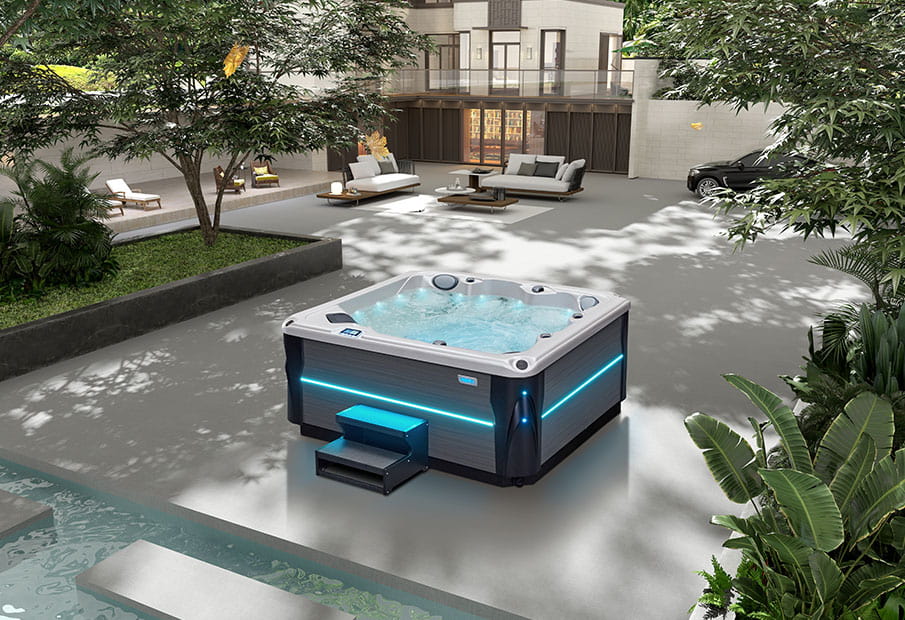
The Fspa BD-007Pro Hot Tub, with its spacious design for 6 adults, powerful massage system, 61 water & 19 air bubble jets, efficient heating and filtration, built-in ozone sanitization, sleek design, and amenities like speakers and coasters, offers unparalleled luxury, relaxation, and rejuvenation for both residential and commercial use.
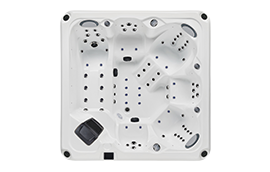
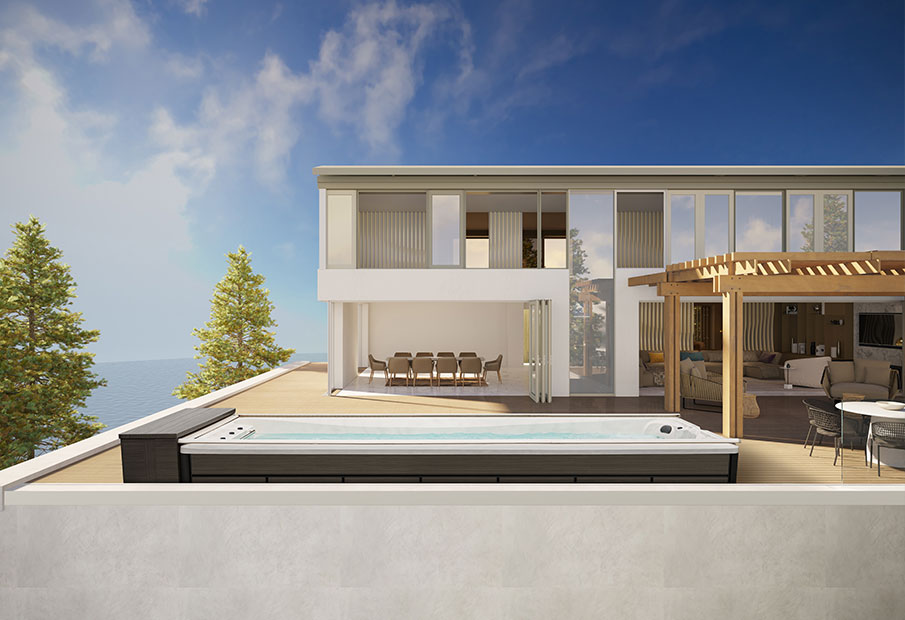
The Infinipool Fspa IP-004 is a luxurious, spacious, and technologically advanced swimming pool.
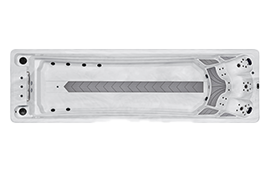
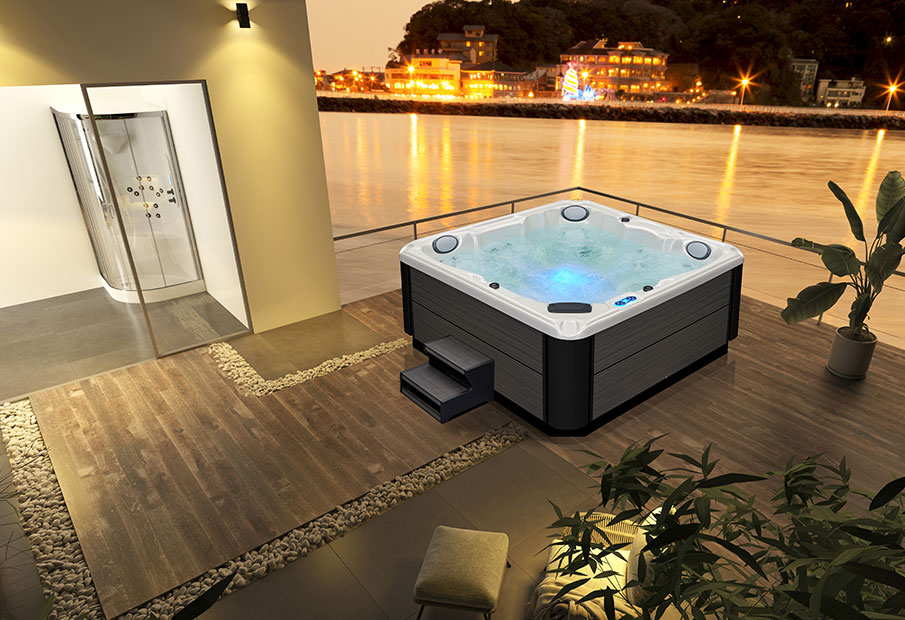
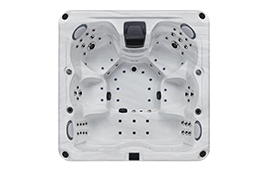
Our premium spa, spacious enough for 5 adults, combines luxury and functionality with a robust control system, high-performance components, advanced filtration and ozone sanitization, 36 jets, adjustable air pillows, and user-friendly controls for ultimate relaxation at home.
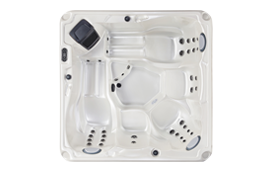
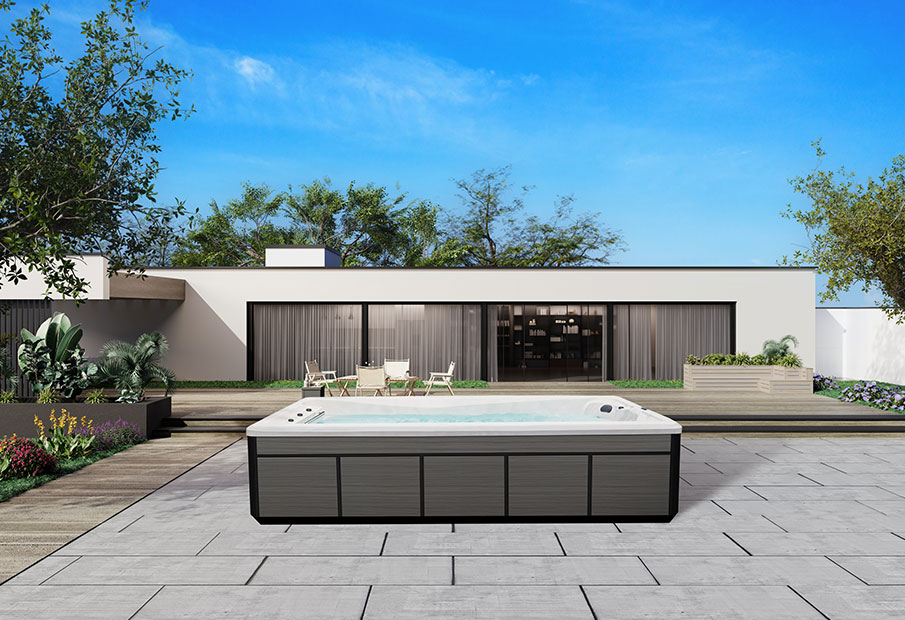
The Infinipool Fspa IP-003 provides a superior swimming experience in both residential and commercial settings.
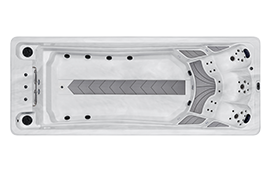
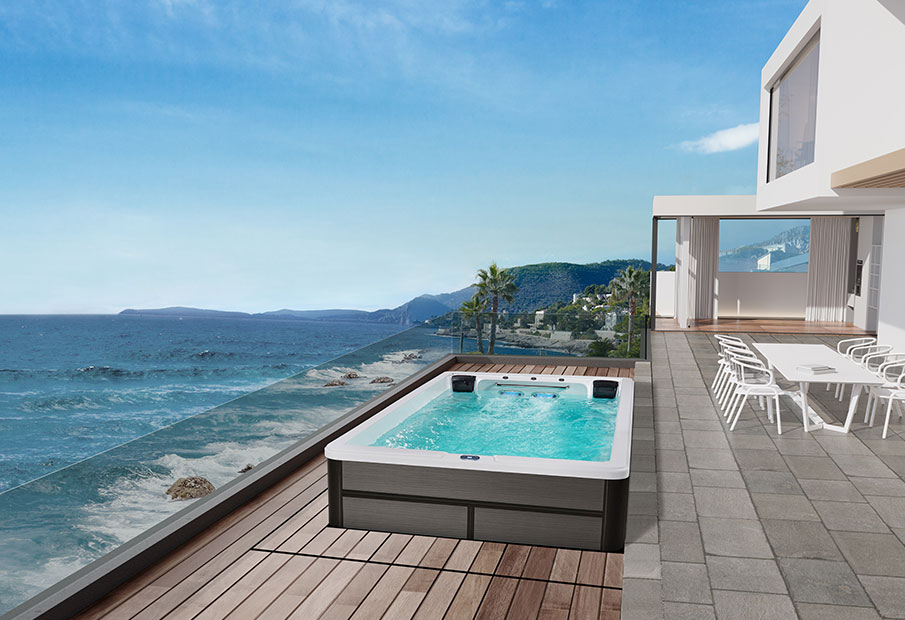
The Infinipool Fspa IP-001 is the ideal choice for anyone seeking a premium swimming experience at home or in a fitness facility.
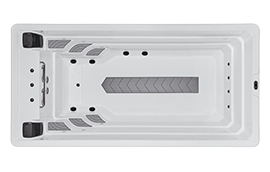
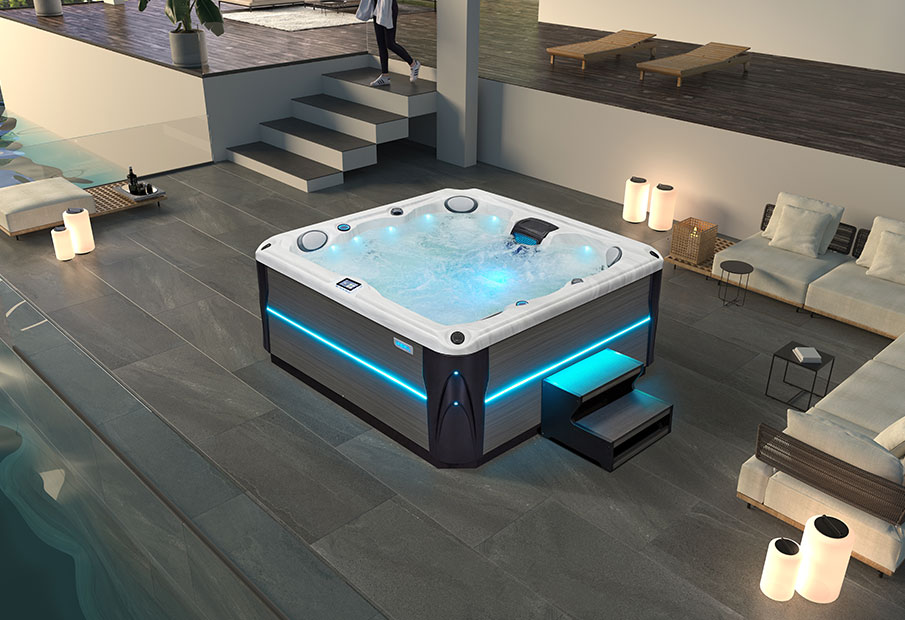
The Fspa BD-001Pro Hot Tub customizable water flow, ozone sanitization, and luxurious features for an unparalleled relaxation experience.
PRODUCTS
INQUIRY
Thank you for your message!Our Chinese New Year holiday from 7th Feb to 28th Feb. Apologise to make your inconvenience so that responses may be delayed during this period. We'll back to you with regular service on 2th March .Thank you for understanding.


