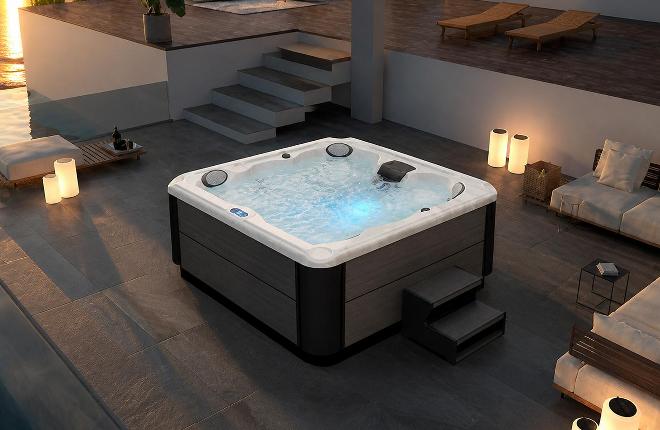
Anyone researching a wim hof method cold plunge protocol eventually hits the same wall: the breathing looks simple on video, but the water part gets glossed over. Most guides skip straight to breath counts and skip the actual physiology of sitting in cold water, which is where people either get hooked or give up. This piece covers what the method demands physically, how to build tolerance safely, and where a warm soak fits into the same wellness routine without contradicting the cold exposure goals.
The method combines three pillars: cyclical breathing, gradual cold exposure, and a mindset component borrowed from meditation practice. None of the three works particularly well alone. The breathing hyperventilates the body slightly, raising blood oxygen and dropping carbon dioxide, which some practitioners report as a temporary tingling or lightheaded sensation.
Cold exposure is the pillar most people fixate on, largely because it’s the most visible and the most uncomfortable. Wim Hof himself has completed feats like prolonged ice water immersion and high-altitude climbs with minimal clothing, but the daily practice most people follow looks nothing like that. It starts with cold showers, then progresses toward plunges.
Cold water conducts heat away from the body roughly 25 times faster than air at the same temperature. That’s the core reason a plunge feels so much more intense than standing outside on a winter morning. Your skin senses the temperature drop almost instantly and triggers a cascade of involuntary responses.
The first thirty seconds typically bring what’s called the cold shock response: gasping, rapid breathing, and a spike in heart rate. This is normal and expected, not a sign something is wrong. Practitioners are taught to breathe through it rather than panic, which is part of why the breathing pillar gets trained separately before the plunge itself.
After the initial shock passes, blood vessels near the skin constrict to preserve core temperature, a process called vasoconstriction. This redirects blood toward vital organs. Some people describe a strange calm settling in after the first minute, though tolerance varies enormously between individuals and even between sessions for the same person.
Jumping straight into a full cold plunge without preparation is a common mistake, and it’s also where most dropout happens. A more sustainable progression looks like this:
Skipping steps rarely pays off. The body’s tolerance to cold is partly a learned response, and rushing it tends to produce anxiety around the practice rather than the calm confidence experienced practitioners describe.
Cold exposure isn’t universally safe, and this gets underplayed in a lot of enthusiast content. People with cardiovascular conditions, uncontrolled high blood pressure, or a history of arrhythmia should talk to a doctor before starting, since the sudden vasoconstriction and heart rate spike place real stress on the cardiovascular system.
Pregnant individuals, people with Raynaud’s phenomenon, and anyone with open wounds or skin conditions that worsen in cold water should also proceed with caution or avoid it. This isn’t meant to scare people away from the practice, but the enthusiasm around cold plunging online sometimes drowns out the fact that it’s a genuine physiological stressor, not a wellness gimmick with zero risk.
These terms get used interchangeably, but they’re not the same thing, and mixing them up leads to confused expectations.
| Method | Typical Temperature | Duration | Mechanism |
|---|---|---|---|
| Cold plunge | 10-15°C (50-59°F) | 2-5 minutes | Full body immersion in cold water |
| Ice bath | 0-10°C (32-50°F) | 1-3 minutes | Water chilled further with ice |
| Whole-body cryotherapy | -110°C to -140°C | 2-3 minutes | Cold air chamber, not water |
A wim hof method cold plunge session typically sits at the milder end of this spectrum, since the practice emphasizes controlled breathing over extreme temperature. Ice baths push further into discomfort and are often used by athletes for recovery rather than the breathing-focused ritual Hof teaches.
Here’s something that surprises newcomers: consistent cold exposure practice tends to go hand in hand with deliberate warm recovery, not away from it. Alternating temperature exposure, sometimes called contrast therapy, is used by physiotherapists to encourage circulation without keeping the body in constant vasoconstriction.
After a cold plunge session, many practitioners transition into a warm soak once the body has re-warmed naturally through movement, rather than jumping straight into hot water while still cold. A dedicated hydrotherapy spa becomes useful at this stage of a wellness routine, not as a replacement for the cold work but as a complementary recovery tool.
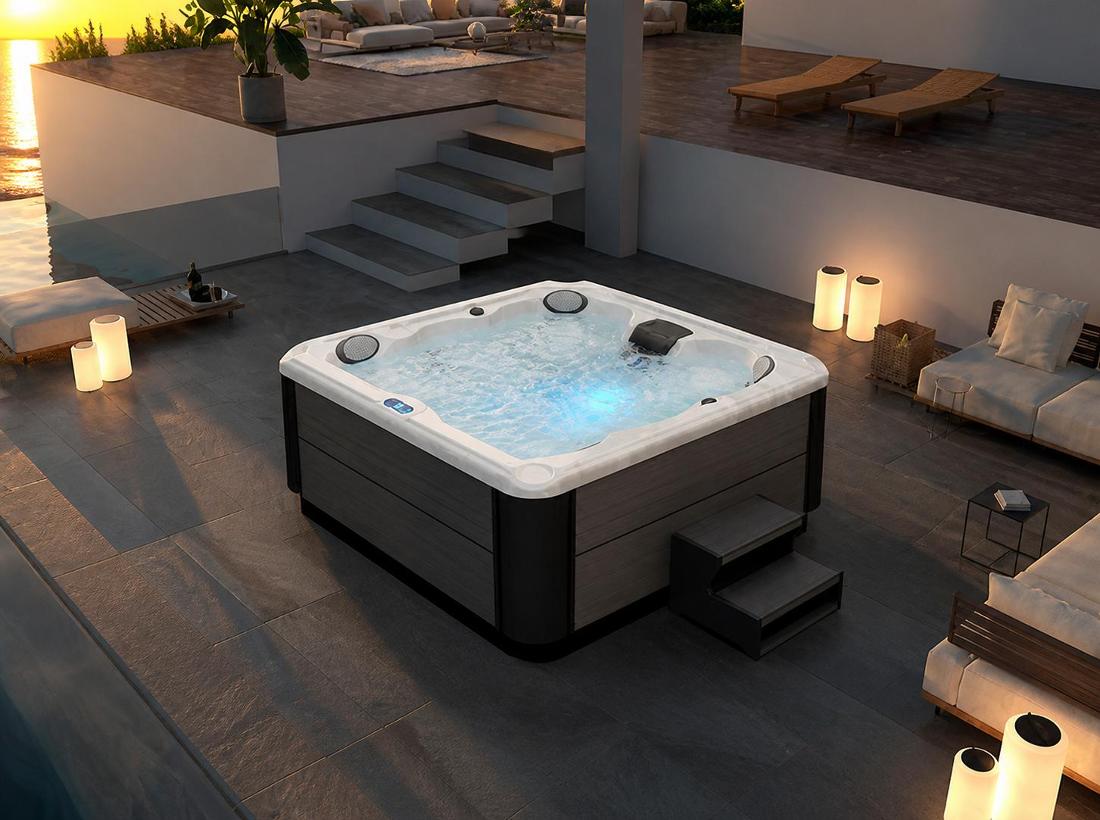
This is where a product like our BD-001 spa fits into the broader picture. It’s not a cold plunge tub, and it isn’t marketed as one. According to the product specifications, it’s a 2100 x 2100 x 900mm hydrotherapy spa built to seat up to six adults, equipped with 31 jets and a 2.2kW massage pump for muscle recovery after cold exposure or general physical activity. The 3kW heater and dedicated 0.35kW filter pump with ozone filtration are designed to help keep water clean between sessions, which matters for anyone running a consistent hot-cold rotation at home.
People who stick with cold plunging long term almost always build some kind of dedicated setup, even a modest one. A few practical considerations:
For households or facilities pairing cold exposure with recovery therapy, the same reasoning applies whether it’s a private backyard, a boutique hotel wellness area, or a rehabilitation center. Water efficient equipment with a modest footprint tends to fit these spaces better than oversized installations, since not every property has room for a large soaking pool alongside a plunge tub.
How long should a wim hof method cold plunge session last?
Most practitioners work up to two to five minutes. Beginners should start with far shorter exposures, sometimes just 30 seconds, and extend gradually.
Can I do the breathing exercises and cold plunge on the same day?
Yes, though many practitioners separate them by doing breathing first, resting, then plunging afterward rather than combining both simultaneously.
Is a cold plunge the same as an ice bath?
Not exactly. Ice baths use ice to reach lower temperatures than a typical cold plunge, which usually relies on naturally cold or lightly chilled water.
Does cold plunging actually boost the immune system?
Some studies suggest modest changes in immune markers with regular cold exposure, but claims of dramatic immune boosts go beyond what current research supports.
What should I do immediately after a cold plunge?
Move around to generate natural body heat before applying external warmth. Jumping straight into very hot water while still cold can cause dizziness for some people.
Consistency beats intensity here. A wim hof method cold plunge practiced three times a week for a year will do more for tolerance and reported wellbeing than a single extreme session followed by months of avoidance. The breathing, the cold, and the mindset piece all compound slowly, and rushing any one of them tends to backfire.
Pairing that cold discipline with a proper recovery routine, whether through stretching, warm soaks, or hydrotherapy sessions in something like a BD-001-style spa, rounds out the practice rather than undermining it. Cold exposure and warm recovery aren’t opposing philosophies; they’re two halves of the same physiological conversation the body is constantly having with its environment. Anyone serious about a long-term wim hof method cold plunge habit should plan for both ends of that temperature spectrum, not just the cold.
Indoor Hot Tubs: A Smart Solution for Private and Commercial Wellness
Wellness spaces are no longer limited to outdoor gardens, hotel pools or large recreational facilities. More homeowners, hospitality businesses and commercial wellness projects are looking for flexible solutions that can provide a comfortable spa experience throughout the year. Indoor hot tubs offer an option for creating private and controlled wellness environments in homes, hotels, B&Bs, fitness centers and other suitable facilities.
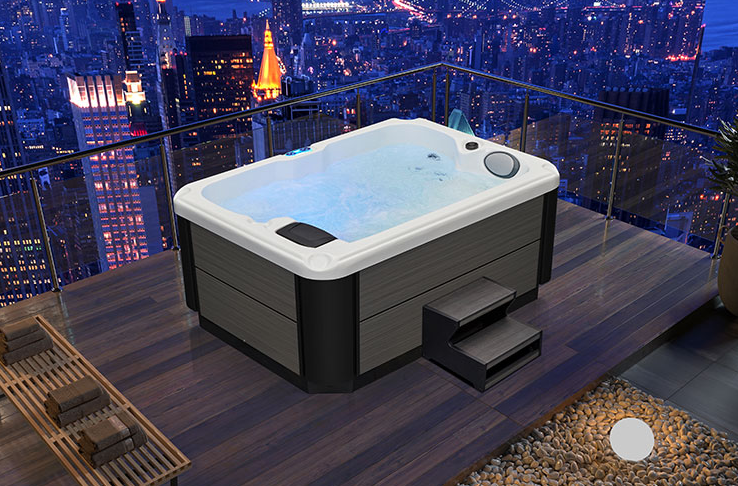
For projects that require a balance between user capacity and space utilization, a 3 person hot tub can be a practical choice. It provides enough space for several users while remaining relatively compact for indoor environments.
However, selecting the right indoor SPA is not simply about choosing a suitable size. Installation conditions, product functions, customization requirements, manufacturing capabilities and international certifications should all be considered before making a purchasing decision.
Indoor spa installations can provide a more controlled environment for relaxation and wellness. Unlike outdoor installations, indoor facilities are less directly affected by rain, wind and seasonal weather changes.
This can make indoor hot tubs suitable for properties where owners want to create a dedicated wellness area that can be used throughout the year.
An indoor spa can also provide greater privacy. In a private villa, for example, a dedicated spa room can become part of a home wellness area. In a hotel or B&B, an indoor SPA can be incorporated into a guest wellness facility.
For commercial properties, indoor installation may also allow unused or underutilized indoor areas to be converted into recreational spaces.
The main benefits can include:
Year-round usability
Greater privacy
Controlled indoor environment
Flexible space planning
Suitable for residential and commercial projects
Integration with other wellness facilities
Capacity is one of the first factors buyers should consider when selecting a spa product.
A 3 person hot tub provides a balance between shared use and space efficiency. It can accommodate several users without requiring the larger footprint associated with high-capacity spa systems.
For private homes, a three-person configuration can be suitable for couples, family members or small groups. For commercial facilities, it can provide a compact wellness feature for guests or customers.
A three person hot tub may also be easier to integrate into a dedicated indoor wellness room. However, buyers should evaluate the actual dimensions of the selected model rather than relying only on its user capacity.
The available space should include not only the product footprint but also sufficient room for users to access the spa and for technicians to perform maintenance when necessary.
Indoor installation requires more detailed planning than simply placing the product in an available room.
The room should provide sufficient space for the spa itself, user access and maintenance. Doorways, corridors and elevators should also be considered when planning product delivery.
Hot water can increase humidity in an enclosed environment. Appropriate ventilation and humidity management should therefore be considered during the design of the indoor wellness space.
The installation location should have suitable water supply and drainage arrangements. These requirements should be discussed with the project contractor and manufacturer in advance.
Different spa configurations may have different electrical requirements. Buyers should confirm the relevant specifications with the manufacturer and ensure that installation follows local electrical regulations.
A suitable maintenance area can make cleaning, inspection and servicing more convenient. This should be included in the original layout rather than added after installation.
Planning these details in advance can help reduce installation difficulties and create a more practical indoor wellness environment.
The relatively compact capacity of a 3 seater hot tub makes it suitable for different residential and commercial applications.
A private spa room can complement other home wellness facilities such as fitness rooms, saunas and relaxation areas.
For villa projects, a three-person model can provide a shared spa experience without requiring a large swimming pool.
Hotels can incorporate indoor hot tubs into wellness centers, private suites or designated recreational areas.
An indoor installation can also provide guests with a spa experience independent of outdoor weather conditions.
B&B operators can use compact spa products to enhance their recreational facilities. A three-person spa can be suitable for properties where space is limited but an additional wellness feature is desired.
Fitness centers can integrate a 3 person hot tub into a broader wellness environment. It can complement exercise areas and provide an additional recreational facility.
Suitable spa products can also be considered for wellness, physiotherapy and rehabilitation environments. Professional facilities should select products according to their specific requirements and applicable regulations.
Once capacity and installation conditions have been determined, buyers can evaluate the product configuration.
Modern intelligent SPA products can provide convenient controls and help users manage different functions more easily.
For commercial applications, intuitive operation can also make daily management easier for staff.
The company focuses on intelligent outdoor SPA and multifunctional intelligent swimming pool products designed with water-saving concepts.
Efficient water use can be an important consideration for commercial properties that need to manage operating resources over the long term.
An indoor spa should be selected according to the available room dimensions. Compact configurations can help maximize the usability of limited indoor areas.
Comfort, convenient operation and suitable product functions all contribute to the overall spa experience. Buyers should therefore consider the needs of their target users when selecting the configuration.
Standardized products may not always meet the requirements of every project.
A villa owner may have specific requirements for appearance and dimensions. A hotel may need a particular configuration to match its interior design. A distributor may require customized products for a specific target market.
This is where product development and customization capabilities become important.
The company integrates market research, independent product development and design, deep customer customization and modern intelligent production into its business model.
This allows customer requirements to be considered during product development instead of relying entirely on fixed configurations.
For B2B buyers, customization can cover different project requirements related to product design, dimensions, functions, appearance and other specifications, depending on the manufacturer’s capabilities.
For overseas buyers, product certification and manufacturing capacity are important parts of supplier evaluation.
The company covers an area of 32,000 square meters and has a registered capital of RMB 28 million. With an investment of more than RMB 150 million, the company has completed more than 60,000 square meters of manufacturing facilities.
The company also has experience with international certification work involving CE, CB, SAA, ETL and other certifications.
In addition, it actively participates in the formulation of group standards and industry standards and has developed a number of practical patents and invention patents.
The company is also planning provincial laboratory facilities to support continued product research and development.
For international customers, certification requirements can vary according to the destination market and intended application. Buyers should confirm the applicable requirements before placing an order.
For a B2B project, purchasing a three person hot tub involves more than selecting a product from a catalog.
A typical project can begin with understanding the customer’s application environment, target users and installation requirements.
The buyer provides information about the application, available space, required capacity, functions and target market.
The manufacturer evaluates the requirements and recommends a suitable product configuration.
If the project requires customized dimensions, appearance or functions, these requirements can be discussed during the development stage.
After the specifications are confirmed, the product enters the manufacturing process.
Relevant quality checks and certification requirements can be addressed according to the destination market and product specifications.
After production, the manufacturer coordinates delivery and provides appropriate product and after-sales support.
This integrated approach can make communication more efficient for overseas distributors, hotel projects and commercial buyers.
The demand for indoor hot tubs reflects a broader interest in creating more convenient and private wellness environments.
A 3 person hot tub can provide a practical balance between capacity and space utilization, making it suitable for villas, hotels, B&Bs, fitness centers and other appropriate wellness environments.
The right product should be selected based on more than appearance. Installation conditions, product configuration, intelligent functions, water efficiency, customization, certification and manufacturer capabilities should all be evaluated together.
For buyers looking for a 3 seater hot tub, an experienced manufacturer with independent product development, customization capabilities and modern intelligent manufacturing can provide support for different project requirements.
Whether you are developing a private villa, hotel wellness area, B&B facility, fitness center or another indoor wellness project, a three person hot tub can provide a compact solution for shared relaxation.
The company combines market research, independent product development, customer customization and intelligent manufacturing, with manufacturing facilities covering more than 60,000 square meters.
With experience in international certification work including CE, CB, SAA and ETL, the company serves customers in both domestic and international markets.
If you are sourcing indoor hot tubs for distribution or a specific project, provide your required dimensions, application environment, functions and target market to discuss a suitable 3 person hot tub solution and customized quotation.
One Person Hot Tub and Modern Hydrotherapy: How FSPA Transforms Personal Wellness
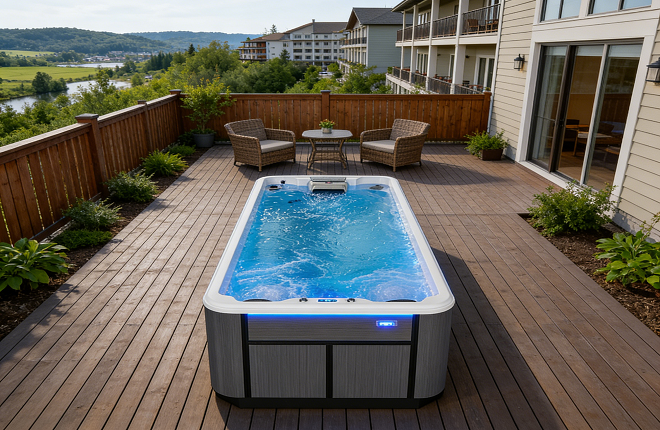
A one person hot tub represents the evolution of modern relaxation. Unlike traditional bathtubs, a 1 person hot tub delivers hydrotherapy benefits in a compact design, allowing individuals to enjoy therapeutic warmth and relaxation at any time. Whether installed indoors as part of indoor hot tubs or outdoors for private relaxation, single-user hydrotherapy systems enhance wellness and lifestyle quality.
FSPA specializes in premium hydrotherapy solutions that prioritize durability, energy efficiency, and ergonomic design. From compact single person hot tub installations to advanced spa systems, FSPA delivers customized solutions that meet diverse preferences and spatial requirements.
This article explores the benefits of one-person hydrotherapy, design considerations for indoor and outdoor installations, and practical insights for selecting the best two person hot tub and small hydrotherapy solutions.
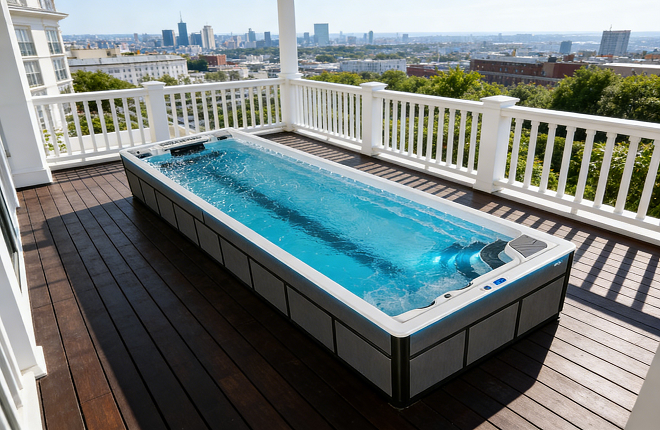
A one person hot tub provides targeted hydrotherapy that promotes relaxation and stress reduction. Hydrotherapy uses warm water and jet systems to deliver massaging effects that support muscle recovery and improved circulation. These benefits make hot tubs valuable wellness investments for individuals seeking personal relaxation.
Unlike traditional bathtubs, hydrotherapy systems deliver therapeutic massage effects. Water jets target specific muscle groups, reducing tension and promoting physical recovery. Whether used after exercise or a long workday, a 1 person hot tub creates opportunities for relaxation and rejuvenation.
Single-user hydrotherapy systems also enhance mental well-being. The calming effects of warm water reduce stress and promote emotional balance. Individuals can disconnect from daily pressures and focus on personal relaxation in a private hydrotherapy environment.
FSPA designs hydrotherapy solutions that emphasize ergonomic comfort and performance. Advanced jet configurations and temperature controls ensure effective relaxation experiences. Durable materials and energy-efficient technologies enhance long-term usability and value.
Indoor hot tubs provide year-round hydrotherapy benefits regardless of seasonal conditions. Indoor installations allow homeowners to enjoy relaxation without exposure to outdoor weather, making hydrotherapy accessible throughout the year.
Indoor environments also enhance privacy and usability. A single person hot tub installed indoors creates a dedicated relaxation space within the home. Users can enjoy hydrotherapy in a controlled environment, maximizing comfort and convenience.
Energy efficiency is an important consideration for indoor installations. Modern hydrotherapy systems incorporate advanced insulation and heating technologies that minimize operational costs. FSPA delivers energy-efficient solutions that prioritize sustainability and performance.
Indoor hot tubs also complement modern home design. Contemporary hydrotherapy systems integrate seamlessly with interior aesthetics, enhancing both functionality and visual appeal. Hydrotherapy installations become focal points of modern living spaces.
The best two person hot tub provides shared hydrotherapy experiences for couples and small households. Dual-user designs promote relaxation and personal connection, enhancing wellness and social interaction.
Shared hydrotherapy environments encourage relaxation and bonding. Couples can enjoy therapeutic experiences together, creating meaningful opportunities for relaxation and well-being. Despite accommodating multiple users, dual-user hot tubs deliver targeted hydrotherapy benefits.
FSPA offers customized dual-user solutions that prioritize quality and performance. Advanced jet configurations and ergonomic designs ensure effective relaxation experiences. Homeowners benefit from hydrotherapy systems that enhance both wellness and lifestyle quality.
Compact dual-user designs also optimize space utilization. A best two person hot tub fits seamlessly into diverse indoor and outdoor environments, providing hydrotherapy benefits without extensive installation requirements. Modern designs prioritize usability and aesthetic integration.
Small outdoor hot tubs deliver hydrotherapy benefits in space-efficient designs. Outdoor installations allow homeowners to enjoy relaxation while connecting with nature. Fresh air and scenic surroundings enhance the hydrotherapy experience, promoting holistic wellness.
Compact outdoor systems suit urban and suburban environments with limited space. Modern designs emphasize ergonomic comfort and hydrotherapy performance, delivering premium relaxation benefits in smaller layouts. Homeowners benefit from hydrotherapy solutions that combine functionality with aesthetic appeal.
FSPA designs small outdoor hydrotherapy systems that prioritize durability and energy efficiency. Weather-resistant materials and innovative engineering ensure long-term performance, even in outdoor environments exposed to environmental conditions.
Outdoor hot tubs also enhance property aesthetics and value. Hydrotherapy installations become focal points of modern outdoor design, contributing to overall home desirability. Landscaping elements further elevate the spa environment, creating visually appealing relaxation spaces.
A single person hot tub delivers personalized hydrotherapy experiences tailored to individual preferences. Single-user designs prioritize ergonomic comfort and therapeutic performance, supporting relaxation and stress reduction.
Hydrotherapy systems use water jets to target specific muscle groups. These massaging effects reduce tension and promote physical recovery, making hot tubs valuable wellness tools. A single person hot tub provides focused hydrotherapy in a private environment.
Personal hydrotherapy also enhances mental well-being. Warm water therapy promotes relaxation and emotional balance, reducing stress and improving mood. Users can disconnect from daily pressures and focus on personal rejuvenation.
FSPA designs single-user hydrotherapy solutions that emphasize performance and usability. Advanced jet systems and ergonomic layouts deliver effective relaxation experiences. Durable materials and energy-efficient technologies enhance long-term value and satisfaction.
Indoor hot tubs provide versatile hydrotherapy options for year-round use. Indoor installations eliminate exposure to outdoor weather, ensuring consistent accessibility and usability. Homeowners can enjoy relaxation in controlled environments regardless of seasonal conditions.
Indoor hydrotherapy systems also enhance privacy and convenience. Users can enjoy relaxation without external distractions, creating dedicated wellness spaces within the home. Modern designs integrate seamlessly with interior aesthetics, enhancing functionality and visual appeal.
FSPA offers customized indoor hydrotherapy solutions that align with diverse preferences and spatial requirements. Professional installation ensures optimal performance and long-term usability. Homeowners benefit from hydrotherapy systems that enhance both wellness and modern living.
Hydrotherapy transforms modern living by combining relaxation, wellness, and personalized design. A one person hot tub delivers targeted hydrotherapy benefits in compact designs, while indoor hot tubs provide year-round relaxation opportunities. Whether selecting a single person hot tub, best two person hot tub, or small outdoor hot tub, modern hydrotherapy systems enhance quality of life and lifestyle satisfaction.
FSPA leads the industry in premium hydrotherapy solutions, delivering customized designs that prioritize durability and innovation. From compact installations to energy-efficient systems, FSPA provides tailored spa solutions for diverse preferences and spatial requirements.
Investing in hydrotherapy enhances wellness and property value. Hot tubs promote relaxation and stress reduction, while modern designs elevate home aesthetics. Homeowners who embrace hydrotherapy installations create environments that support health, happiness, and long-term lifestyle satisfaction.
A one person hot tub provides hydrotherapy benefits, including muscle relaxation and stress reduction. Single-user designs deliver targeted therapeutic experiences.
Indoor hot tubs offer year-round accessibility and privacy, while outdoor installations enhance nature-based relaxation. FSPA provides customized solutions for both environments.
The best two person hot tub delivers shared hydrotherapy experiences with ergonomic designs and advanced jet systems. Dual-user installations promote relaxation and social interaction.
Small outdoor hot tubs provide space-efficient hydrotherapy and aesthetic enhancement. Compact designs deliver premium relaxation benefits in limited outdoor areas.
FSPA specializes in premium hydrotherapy systems, offering professional installation and customized designs for long-term performance and customer satisfaction.
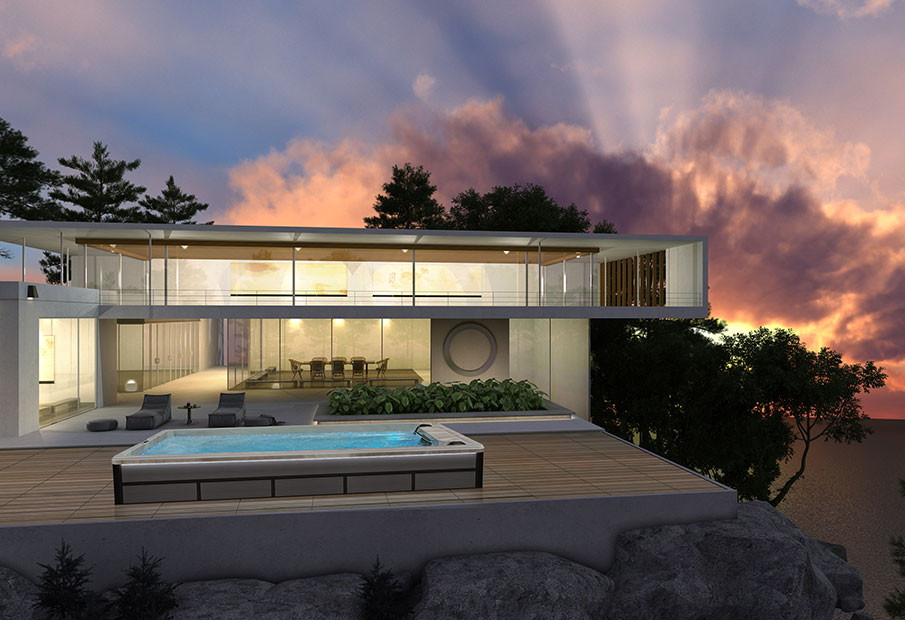
The Infinipool Fspa IP-002Pro is a luxurious and versatile hot tub, featuring a powerful filtration system, 28 massage jets, ozone sanitization, insulation, and optional accessories, designed to provide a soothing and rejuvenating experience in any outdoor space.
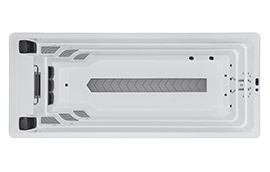
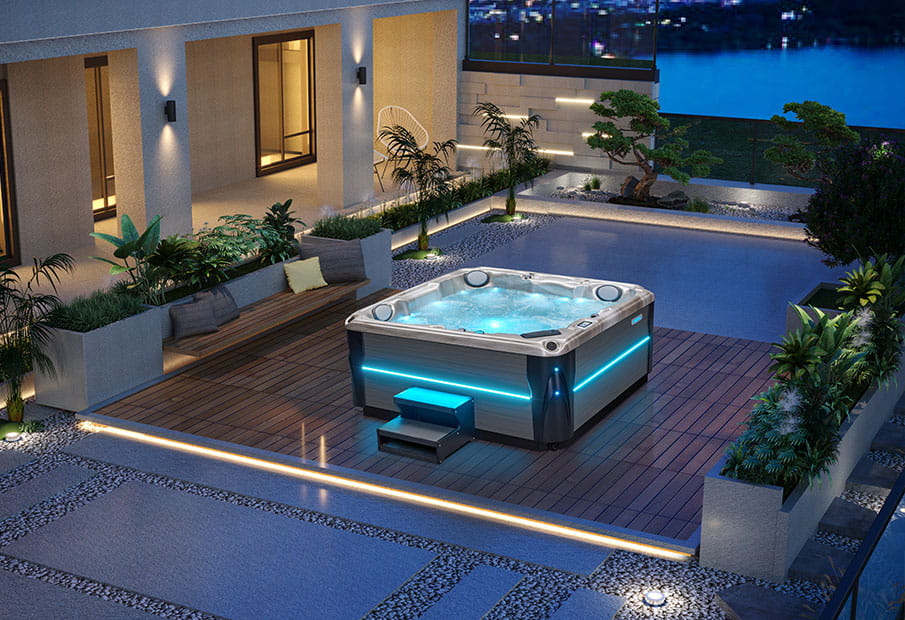
The Fspa BD-006Pro Hot Tub, with its compact spacious design for 5 adults, advanced massage system, 80 water & 18 air bubble jets, efficient heating and filtration, ozone sanitization, and sleek design, offers unparalleled luxury, relaxation, and convenience for both residential and commercial use.
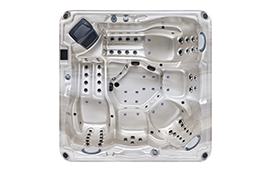
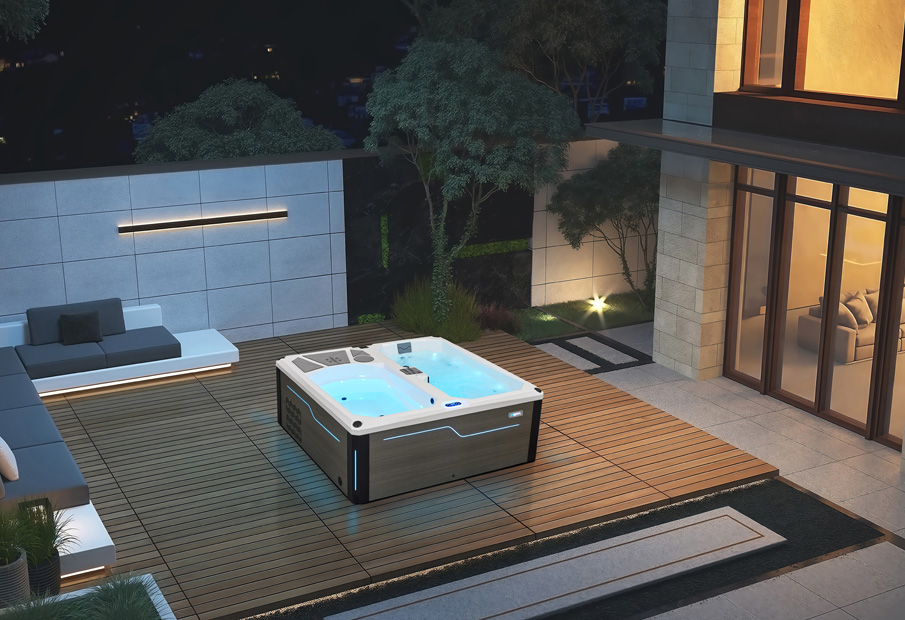
Welcome lights up as you approach, All in one design, plug and play, snowflake pattern, Include filter, circuit pump, Ozone, ice-blue underwater light, and high-efficiency chilling system.
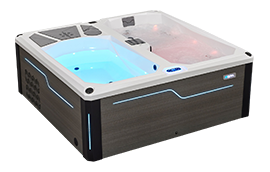
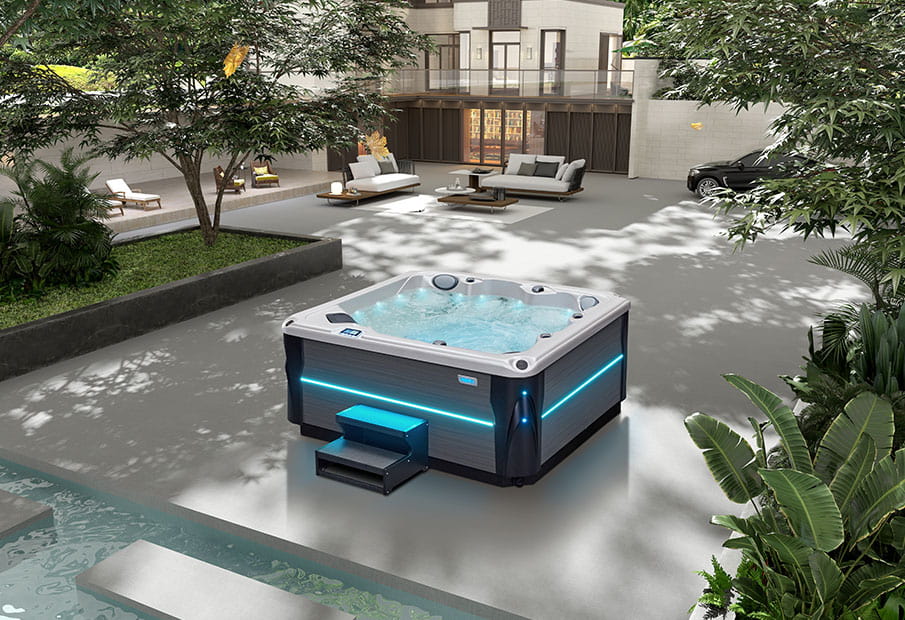
The Fspa BD-007Pro Hot Tub, with its spacious design for 6 adults, powerful massage system, 61 water & 19 air bubble jets, efficient heating and filtration, built-in ozone sanitization, sleek design, and amenities like speakers and coasters, offers unparalleled luxury, relaxation, and rejuvenation for both residential and commercial use.
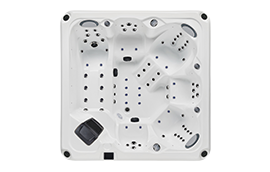
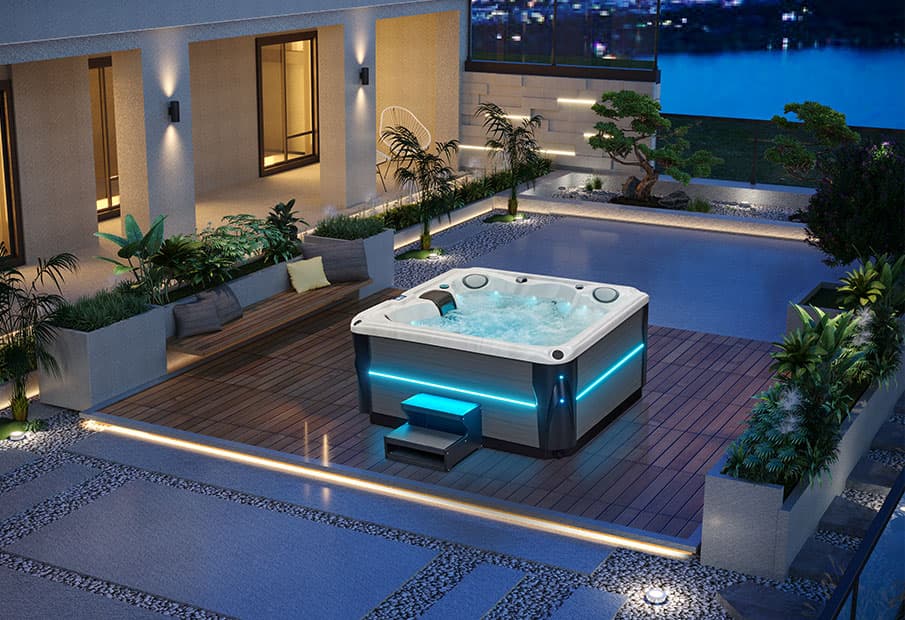
Introducing the Fspa BD-008Pro Hot Tub, a luxurious and spacious sanctuary designed for ultimate relaxation. With dimensions of 2080x2080x900mm, this hot tub comfortably fits up to 6 adults, making it perfect for family gatherings, parties, or a personal retreat.
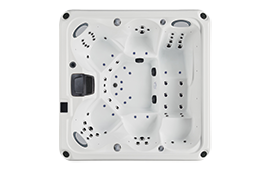
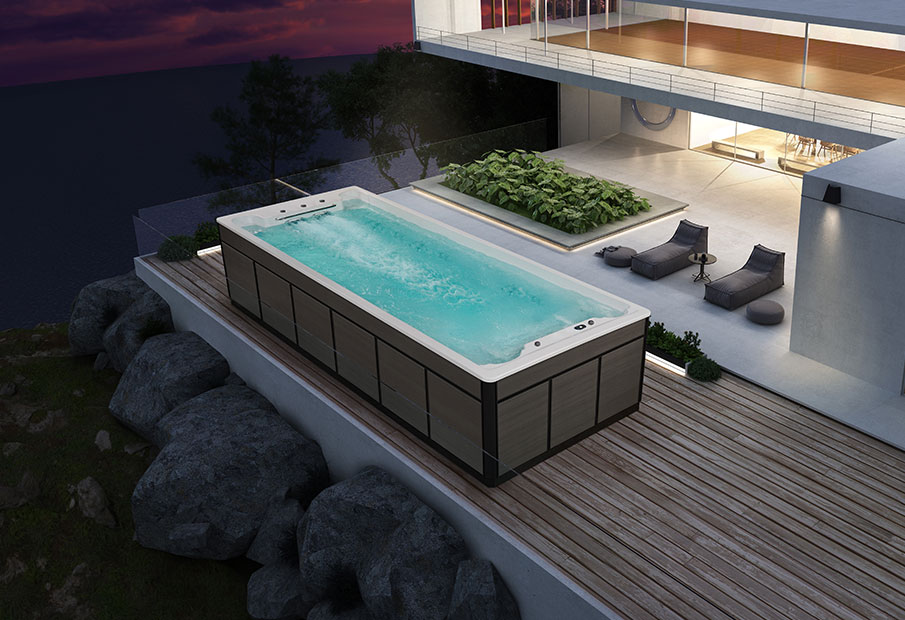
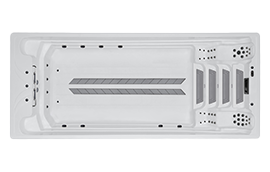
The Infinipool Fspa IP-005, a luxurious 7000mm x 3000mm x 1470mm pool with advanced filtration, multiple jet systems, and optional accessories.
PRODUCTS
INQUIRY
Thank you for your message!Our Chinese New Year holiday from 7th Feb to 28th Feb. Apologise to make your inconvenience so that responses may be delayed during this period. We'll back to you with regular service on 2th March .Thank you for understanding.


