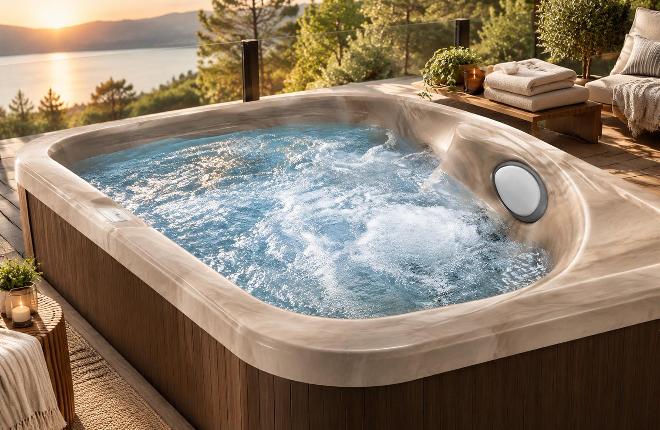
A heated swim spa sits in an odd spot between a hot tub and a swimming pool, and that in-between status is exactly why so many buyers get stuck comparing options. Some homeowners want laps, others want jets against a sore shoulder, and a lot of them want both without building two separate structures in the yard. Understanding what a heated swim spa actually does, and how it differs from a standard hot tub, makes the shopping process far less confusing.
The core difference comes down to purpose. A hot tub is built almost entirely around seated hydrotherapy, while a swim spa adds a longer footprint meant for movement, even if that movement is just a few feet against a current. Heated units close the gap further by keeping water at a therapeutic temperature so muscles loosen up before or after any activity.
That said, not every product marketed as a swim spa is built for serious swimming. Many are closer to an oversized hot tub with extra seating and multiple massage zones, which suits people who want relaxation more than exercise. The BD-004, a 6-person portable unit from our lineup, falls into this category. It measures 2350 x 2350 x 900mm, which is roomy for group soaking but not intended for lap swimming.
Heat is not a luxury add-on in these products, it is the mechanism that makes hydrotherapy work. Warm water dilates blood vessels, which improves circulation and helps flush out the metabolic waste that builds up in tired muscles after physical activity or a long day of standing.
Consistent heating also affects comfort in ways people do not expect. Water that drops even a few degrees below the intended range feels noticeably less soothing, especially on the lower back and shoulders. This is why heater capacity should never be an afterthought when comparing units. According to the product specifications, the BD-004 uses a 3kW heater as part of its 5.55kW total power draw, a configuration meant to hold temperature steady even while jets are running.
Jet count gets thrown around as a marketing number, but distribution matters more than raw quantity. A tub with jets clustered only around the shoulders leaves calves and lower back without any targeted relief. The BD-004 spreads 35 jets across six seating positions, aiming to cover a wider range of muscle groups rather than concentrating pressure in one zone.
According to the product specifications, the unit runs a 2.2kW massage pump alongside a separate 0.35kW filter pump. Splitting these functions means the filtration system can keep running at a lower, steadier power draw without being tied to the more demanding massage cycle. That separation is common in multi-person spas because it keeps water clarity consistent even when the jets are switched off.
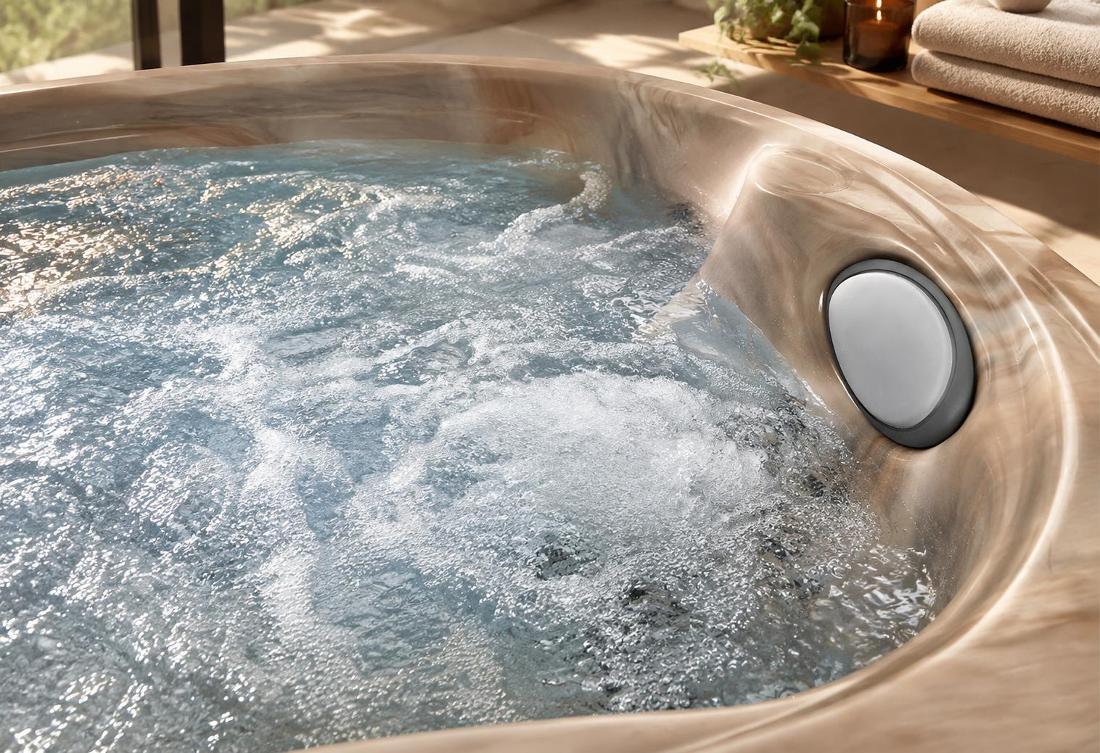
Seating shape is easy to overlook in photos, but it decides whether a 45-minute soak feels restorative or just uncomfortable. Contoured seats that follow the spine’s natural curve reduce strain on the lower back, particularly for anyone who spends the session upright rather than reclined.
The BD-004’s seating is designed around this idea, with backrests shaped to match the body rather than a flat, generic mold. One corner seat includes a headrest with a honeycomb-textured grill, positioned near multiple jets for neck and shoulder focus. Pillow-style headrests, listed among the unit’s features as part of its wave propulsion system, add support for the neck during longer sessions, which matters most for people using the spa for recovery rather than casual soaking.
Chemical upkeep is the single biggest reason people abandon spa ownership within the first year. Manual dosing, testing strips, and constantly adjusting pH levels turn a relaxation product into a chore. This is where integrated ozone sanitization earns its place in a buyer’s checklist.
Ozone systems work by oxidizing contaminants in the water, which reduces how often chlorine or bromine needs to be added by hand. The BD-004 includes this as a built-in feature, aimed at cutting down the manual maintenance load without eliminating water care entirely. Owners still need to monitor water chemistry, just less frequently and with smaller margin for error.
LED lighting inside a spa often gets dismissed as a cosmetic feature, but there is a reasonable case for its role in relaxation. Dim, colored lighting lowers visual stimulation, which can help the body shift into a more restful state before sleep. The BD-004 places blue LED lighting at the bottom of the shell, described in its product materials as part of a biomagnetic therapy system intended to support a calmer atmosphere during use. That specific therapeutic mechanism is a manufacturer claim rather than an independently verified medical effect, though the ambient lighting itself is a straightforward, well-understood comfort feature.
| Specification | BD-004 Detail |
|---|---|
| Capacity | 6 Adults |
| Dimensions | 2350 x 2350 x 900mm |
| Total Power | 5.55kW |
| Massage Pump | 2.2kW x 1pc |
| Filter Pump | 0.35kW x 1pc |
| Heater | 3kW x 1pc |
| Jet Count | 35 |
| Water Capacity | 1450L |
| Net Weight | 317Kg |
| Certifications | CE, CTUVus, CB, SAA |
This kind of table is useful precisely because heated swim spa shopping tends to involve comparing several nearly identical-sounding products. Numbers cut through vague marketing language faster than paragraphs do.
Application context changes what "the right spa" even means. A hotel gym installing a unit for guest recovery has different priorities than a homeowner putting one on a backyard deck. Based on how the BD-004 is positioned, three settings come up most often.
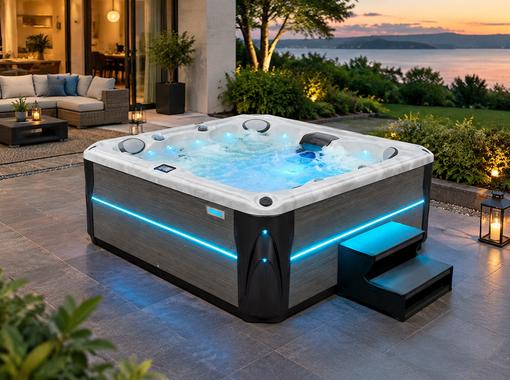
Each setting shares one requirement though: reliable heating performance, since a spa that runs lukewarm defeats the purpose regardless of where it sits.
Buyers comparing multiple heated swim spa options should work through a short mental checklist rather than getting pulled in by whichever unit has the highest jet count.
None of these factors work in isolation. A spa with a strong heater but poor jet placement still leaves users unsatisfied, and one with great ergonomics but weak sanitization becomes a maintenance burden within months.
Is a heated swim spa the same as a swim-only pool with a heater added?
Not exactly. Most heated swim spas, including compact models like the BD-004, are built primarily for hydrotherapy and soaking rather than continuous lap swimming, even though the term "swim spa" gets applied broadly across the market.
Does more jets always mean better therapy?
Not necessarily. Jet placement across different muscle groups matters more than the raw count, since concentrated jets in one area do little for muscles elsewhere on the body.
How much maintenance does ozone sanitization actually eliminate?
It reduces the frequency of manual chemical dosing but does not remove the need for water testing entirely. Ozone systems oxidize contaminants continuously, which lightens the workload rather than removing it.
Can a portable heated swim spa be installed indoors?
Many compact units are suited for both indoor and outdoor placement, though electrical and drainage requirements should be checked against local building codes before installation.
Choosing a heated swim spa comes down to matching the unit’s actual design intent with the buyer’s real use case, not chasing the biggest spec sheet. A 6-person unit built for hydrotherapy, like the BD-004, suits villas, hospitality settings, and recovery-focused households far better than someone hoping for a lap-swimming pool substitute. For us, the goal has been supplying units where heater capacity, jet distribution, and sanitization actually align with how people use the product day to day, rather than treating each feature as a separate selling point. Anyone comparing options should treat the spec sheet as a starting point, then weigh it against where the spa will sit, who will use it, and how much maintenance they are realistically willing to do. That combination, more than any single feature, determines whether a heated swim spa becomes a daily habit or an expensive deck ornament.
Common Problems With Acrylic Swimming Pools And Their Solutions
Acrylic swimming pools are popular for their durability and sleek appearance, but they can still encounter minor problems. Understanding how to address these issues promptly can save time and money.
One frequent issue issurface scratches. Caused by debris, sharp objects, or rough cleaning tools, shallow scratches can be fixed by first cleaning the area with mild soap and water. Use a fine-grit sandpaper (400-600 grit) to gently buff the scratch in a circular motion, then switch to a higher grit (800-1000) for a smoother finish. Finally, apply a specialized acrylic polish to restore shine and protect the surface.
Another common problem isleaks around fittings. Loose or worn gaskets in return jets, skimmers, or lights often cause leaks. To resolve this, turn off the pool pump and drain water below the fitting. Remove the fitting, inspect the gasket for cracks, and replace it if damaged. Apply a waterproof silicone sealant before reattaching the fitting tightly. Test the repair by refilling the pool and checking for leaks.
Discolorationfrom algae or mineral deposits is also an issue. For algae, shock the pool with a chlorine-based treatment and brush the walls thoroughly. Let the filter run for 24 hours, then vacuum the debris. For mineral stains (e.g., iron or calcium), use a commercial acrylic-safe stain remover. Apply the product directly to the stain, let it sit for 15-20 minutes, then scrub gently and rinse.
Lastly,cloudy watermay result from improper chemical balance or poor filtration. Test the water’s pH and chlorine levels; adjust them using appropriate chemicals. Clean or backwash the filter to remove trapped particles, and run the pump for 8-12 hours daily until the water clears.
By addressing these issues with these simple DIY methods, acrylic pool owners can maintain their pool’s functionality and aesthetics effectively. Regular maintenance, such as weekly cleaning and chemical checks, will also prevent many common problems.
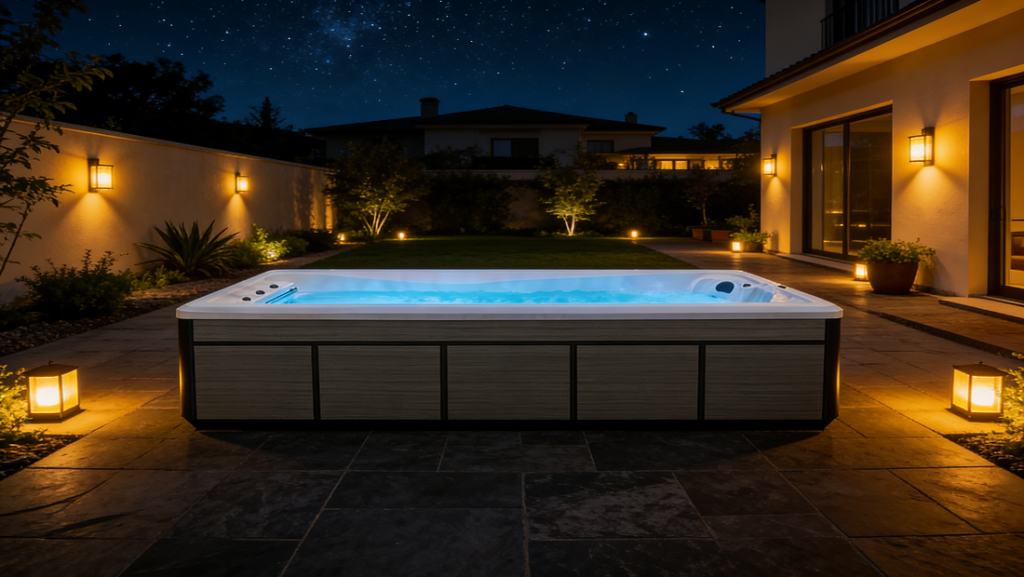
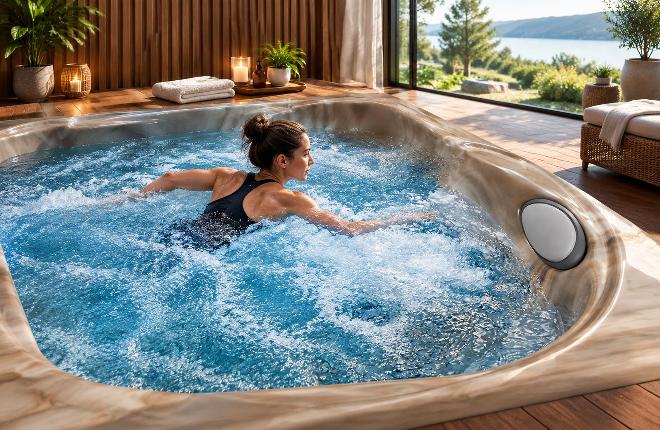
Swim Spa for Exercise: What to Know Before You Buy
A swim spa for exercise sits at the intersection of two very different needs. One is fitness, the other is recovery. Most people shopping this category are trying to solve a space problem too: they want swimming-style resistance training without building a full lap pool. That single fact shapes almost every decision that follows, from jet placement to water volume to how the unit gets used across a typical week.
Land is the real constraint for most homeowners. A conventional lap pool needs 25 meters of open run and a excavation budget most backyards can’t absorb. A swim spa compresses that into a footprint closer to a large hot tub, using jet-generated current instead of physical length to create resistance.
This matters most for three groups: people rehabbing an injury who need low-impact cardio, swimmers who want to maintain stroke technique without commuting to a facility, and homeowners who simply don’t have room for a full pool. The tradeoff is real, though. You’re not swimming laps in open water, you’re swimming against a current in a fixed position. Some people love the focus that creates. Others find it takes a session or two to adjust.
The exercise function in most swim spas comes from high-output pump systems pushing water through directional jets, creating a steady current the swimmer works against. It’s a mechanical solution, not a magic one. The strength of that current depends directly on pump wattage and jet count, which is why spec sheets matter more here than the marketing copy around them.
Take a unit like the Fspa BD-004 as a reference point for how these systems are typically built. According to the product’s specifications, it runs on a 5.55kW total power draw, split across a 2.2kW massage pump, a 0.35kW filter pump, and a 3kW heater, feeding 35 jets distributed through the shell. That’s a hydrotherapy configuration rather than a dedicated swim-current system, and it illustrates a distinction worth understanding before you shop: not every "swim spa" is built the same way internally.
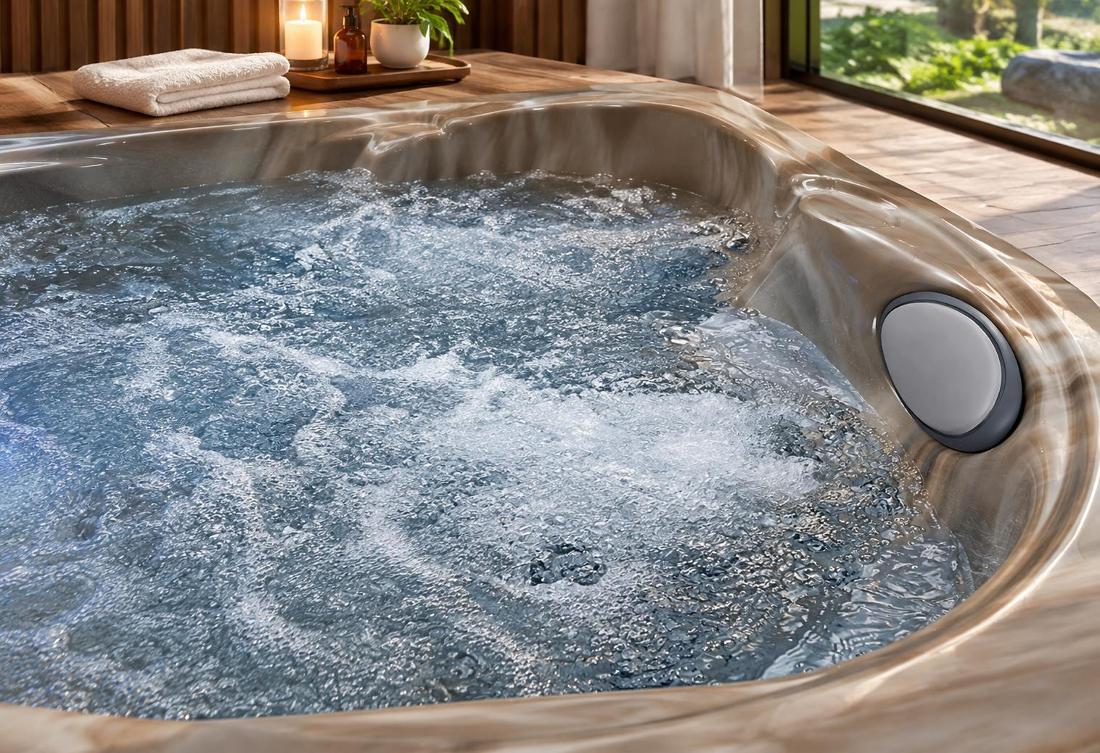
Buyers often use "swim spa" loosely, but the category actually splits into two distinct product types. Understanding which one you’re looking at prevents a mismatched purchase.
| Feature | Hydrotherapy/Massage Spa | Dedicated Swim Spa |
|---|---|---|
| Primary function | Muscle recovery, relaxation | Continuous swim-against-current training |
| Typical capacity | 4-8 people, seated | 1-2 swimmers, open swim zone |
| Jet purpose | Targeted massage on specific muscle groups | Broad, sustained current generation |
| Footprint | Compact, similar to a large hot tub | Longer, pool-like dimensions |
| Best for | Post-workout recovery, joint relief | Structured swim training |
A unit like the BD-004, with its 6-person seated capacity and 2350x2350x900mm footprint, sits firmly in the hydrotherapy category. Its 35 jets and massage pump are configured for targeted muscle recovery rather than open swim resistance, based on the manufacturer’s product specifications. That’s not a shortcoming, it’s a different use case, and it’s a genuinely good one for anyone whose main goal is post-exercise recovery rather than swim training itself.
Here’s something training programs underemphasize: the adaptation from exercise happens during recovery, not during the workout itself. Muscle fiber repair, inflammation reduction, and nervous system reset all occur in the hours after exertion. A spa built around hydrotherapy addresses that half of the equation directly.
Warm water immersion combined with jet massage increases local blood flow to fatigued muscle groups, which is the working principle behind most post-exercise soaking protocols used in physical therapy settings. This is why hotel gyms and rehabilitation centers frequently install spa units alongside their exercise equipment rather than treating them as separate amenities.
For someone strength training four times a week, a 15-20 minute soak afterward isn’t indulgence. It’s part of a recovery routine that keeps the next session productive.
Jet count and placement reveal a lot about a unit’s intended function, more than the headline number usually suggests. On the BD-004, the manufacturer’s specifications describe 35 jets distributed across seating positions with chrome-rimmed nozzles set into contoured seats, following the natural curve of the back and legs rather than blasting a flat pressure zone.
That ergonomic seat design matters for anyone with lower back strain from running or lifting, since poorly angled jets can miss the muscle groups that actually need pressure. A few things worth checking when comparing jet layouts across products:
The BD-004’s product documentation also references a pillow-based support system intended to help spinal alignment during longer soaks, alongside the seat contouring itself.
Water chemistry is the part of spa ownership that surprises new buyers most. A 1450-liter tank, which is the water capacity listed for the BD-004, needs consistent sanitization to stay usable, and manual chlorine dosing gets tedious fast for anyone using the spa multiple times a week.
The BD-004’s integrated ozone sanitization system is described in its specifications as supporting continuous water treatment through the filtration cycle, which can reduce how often you’re manually testing and adjusting chemical levels. It doesn’t eliminate maintenance entirely, but it can lower the weekly time commitment compared to a chlorine-only setup. For a household using the spa for daily post-workout recovery, that difference in upkeep effort adds up over a year.
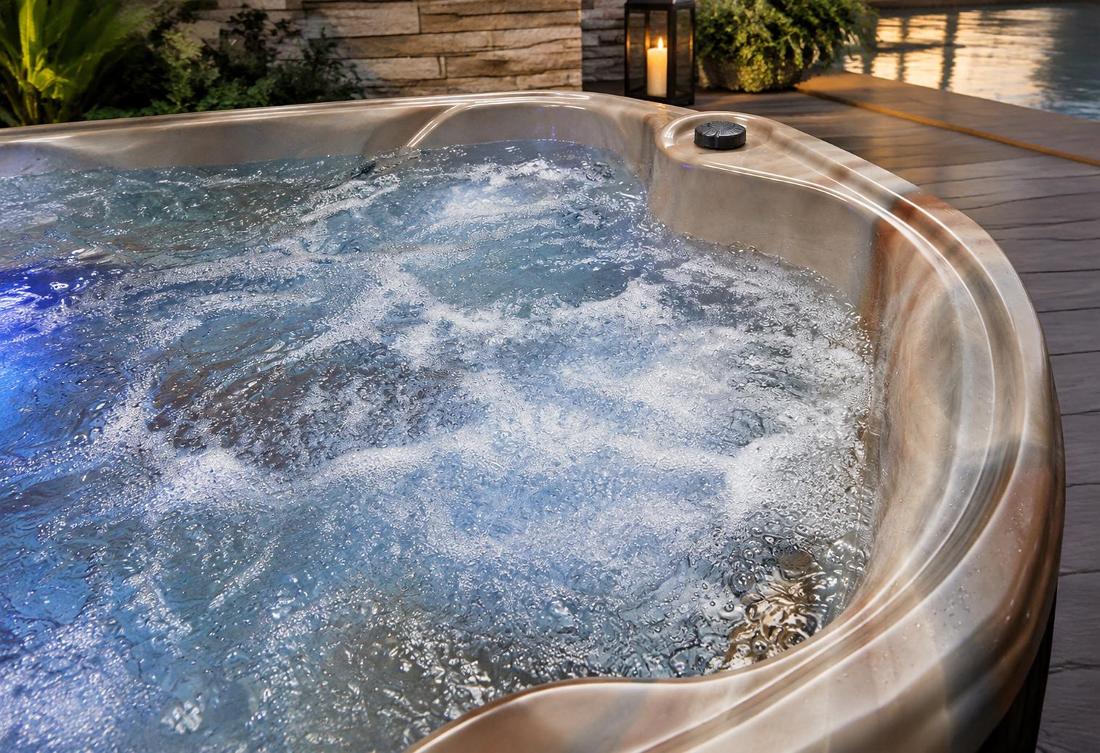
Total power draw and pump wattage tell you what a unit can actually do, independent of how many jets are advertised. A 35-jet system running on a 2.2kW massage pump, as with the BD-004, distributes pressure across all jets simultaneously, so per-jet output is naturally lower than a system with fewer jets on the same pump size.
This is worth understanding before comparing two spec sheets side by side. A few questions to ask when sizing a unit for exercise or recovery use:
Application context shapes expectations more than most buyers realize going in. A spa installed in a hotel gym setting typically serves guests looking for quick post-workout recovery between activities, prioritizing fast turnover and simple controls over extended soak sessions.
A villa backyard installation tends to function differently, often becoming a standing feature for evening relaxation rather than a strictly exercise-adjacent tool. Seaside homestays represent a third pattern entirely, where the spa serves guests unwinding after travel or beach activity rather than structured fitness use.
None of these contexts require a different product, necessarily, but they do suggest different priorities. A gym setting favors quick heat-up and easy panel controls. A residential backyard setting rewards ambiance features like the LED lighting many units include along seating and cabinet edges.
Is a hydrotherapy spa a substitute for swim training?
No. A hydrotherapy spa, even one with a strong jet system, is built for massage and muscle recovery rather than sustained swim-against-current training. If structured swim exercise is the primary goal, look specifically for a dedicated swim spa with a longer swim channel and continuous current design.
Can jet massage actually reduce muscle soreness after exercise?
Warm water immersion combined with directed jet pressure increases blood flow to targeted areas, which supports standard recovery protocols used in physical therapy. Results vary by individual and intensity of prior exercise.
How much maintenance does an ozone-equipped spa need?
Ozone systems reduce the frequency of manual water treatment but don’t eliminate it. Regular filter checks and periodic water changes are still required regardless of sanitization method.
Does jet count alone indicate a stronger massage?
Not necessarily. Jet count matters alongside pump wattage and jet placement. A high jet count on a lower-wattage pump distributes pressure more thinly than fewer jets on the same pump.
The right choice comes down to matching product type to routine, not chasing the highest jet count or the largest seating capacity. Someone doing structured swim training four mornings a week needs a dedicated swim spa with real current resistance. Someone lifting weights or running who wants a recovery ritual afterward is better served by a hydrotherapy-focused unit with well-placed jets and reliable sanitization.
For us, that distinction guides how we describe products like the BD-004: as a recovery-oriented hydrotherapy spa suited to post-workout use, hotel gym settings, and residential relaxation, rather than a swim-training device. Buyers evaluating any swim spa for exercise should start with that same question. What does a typical week of use actually look like, and which product category matches it? Getting that answer right before purchase saves far more frustration than any spec sheet comparison ever will.
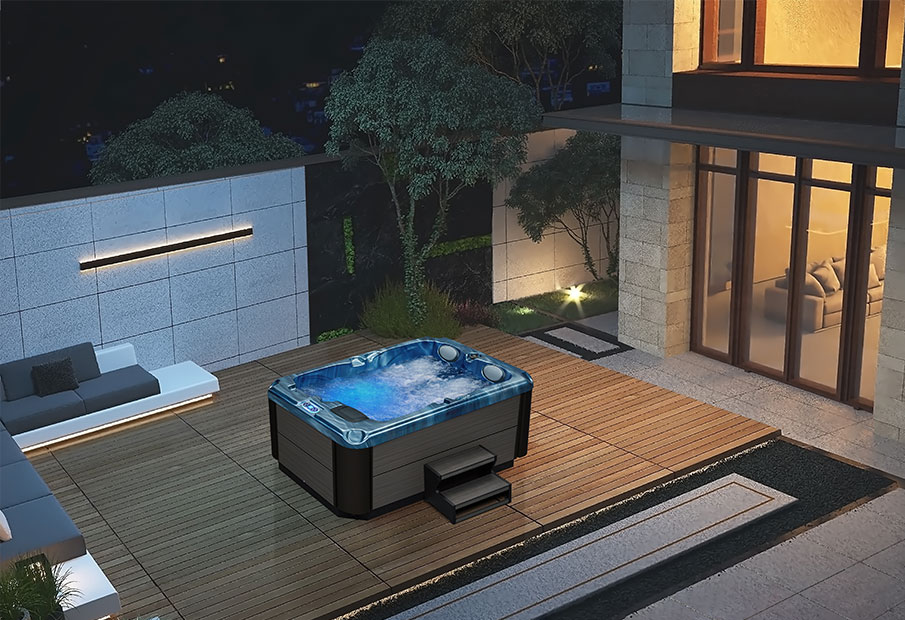
The Fspa BD-011 hot tub, designed for luxurious relaxation, offers a spacious interior for 6 adults, powerful pumps and heater, strategic jet placement, soothing LED lighting, adjustable features, and easy maintenance, making it the ultimate choice for both residential and commercial use.
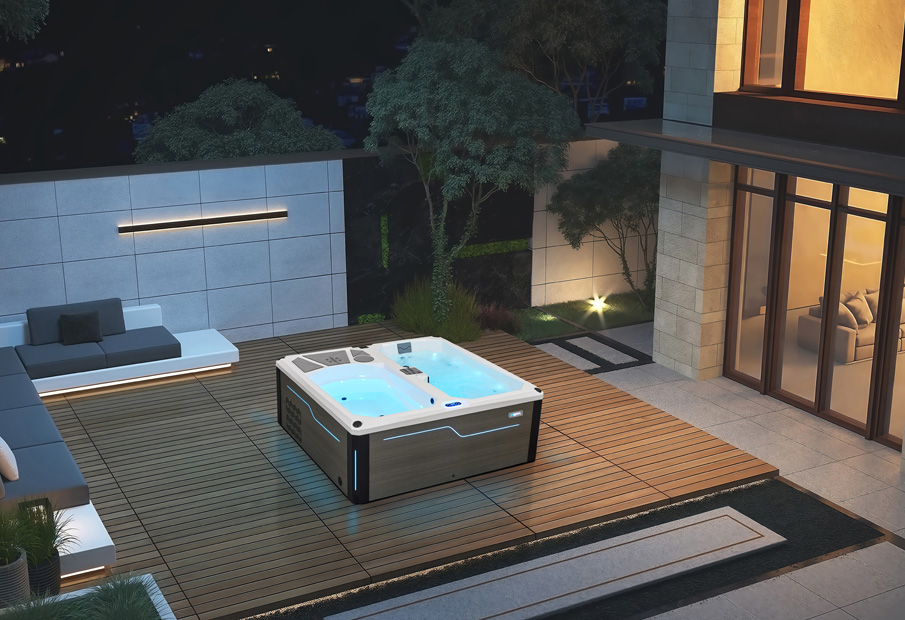
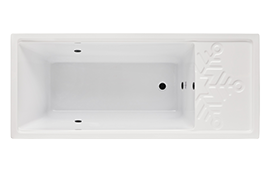
Welcome lights up as you approach, All in one design, plug and play, snowflake pattern, Include filter, circuit pump, Ozone, ice-blue underwater light, and high-efficiency chilling system.
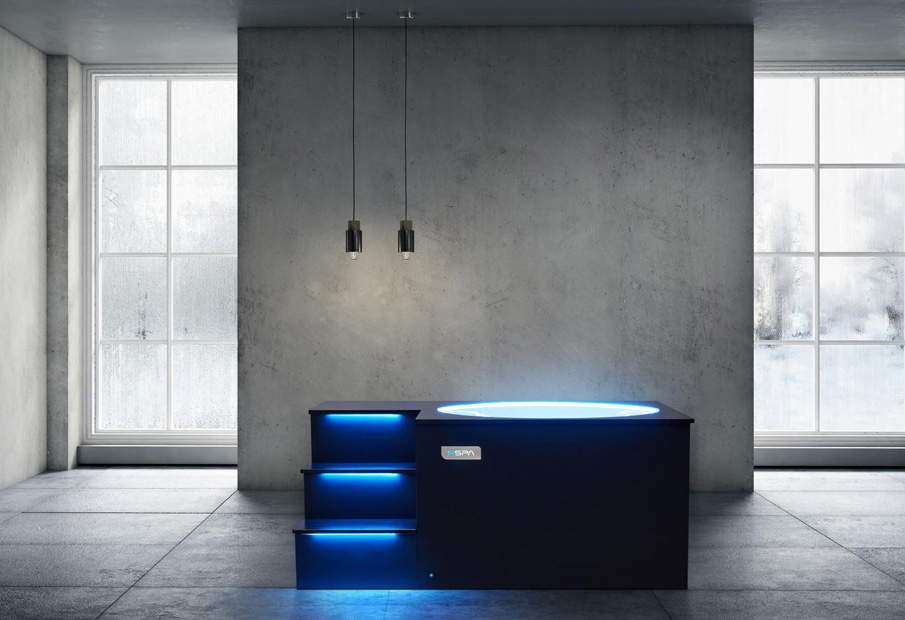
Appearance Black color, Step in expediently ice blue ambient lighting, Water chiller system, filter, Ozone and light.
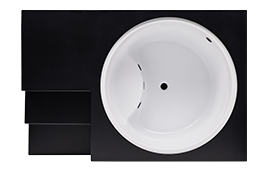
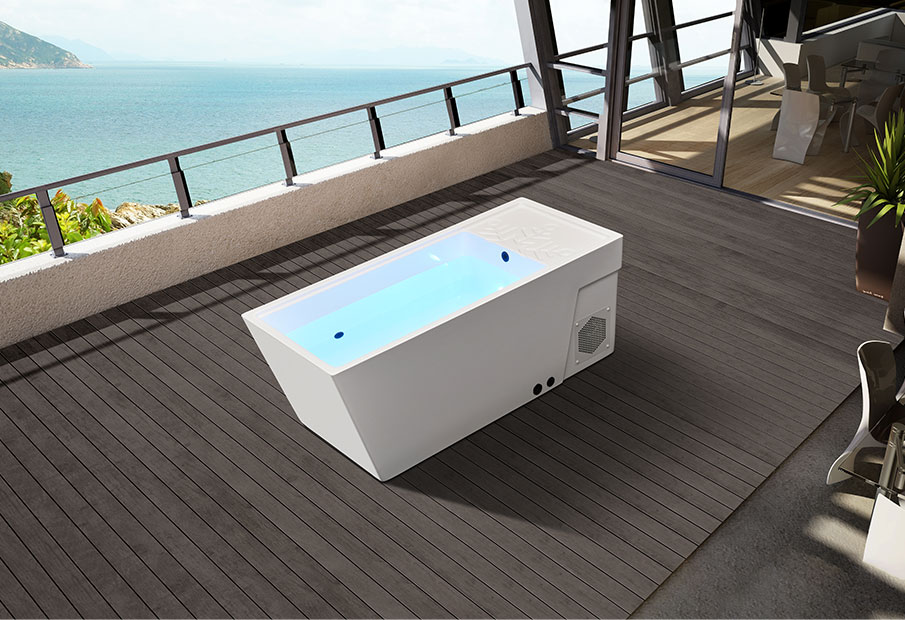
All in design, plug and play, Snowflake pattern, Include filter, circuitpump, Ozone, Ice-blue underwater light, and high-effciency Chilling system.
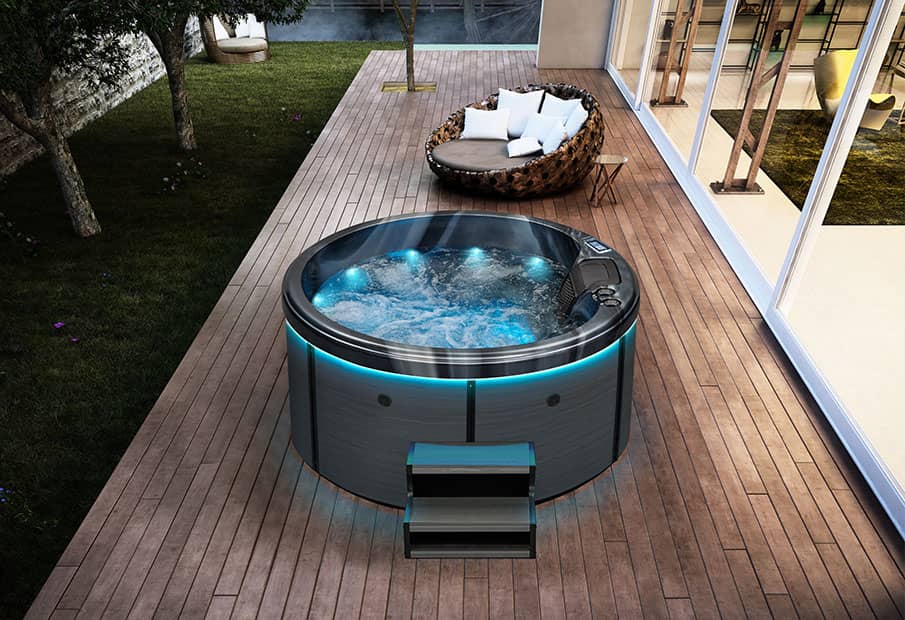
The Fspa BD-017Pro Hot Tub, spacious enough for 5 adults, offers a serene and rejuvenating experience with advanced controls, powerful massage and filtration systems, modern amenities, and suitability for indoor or outdoor use.
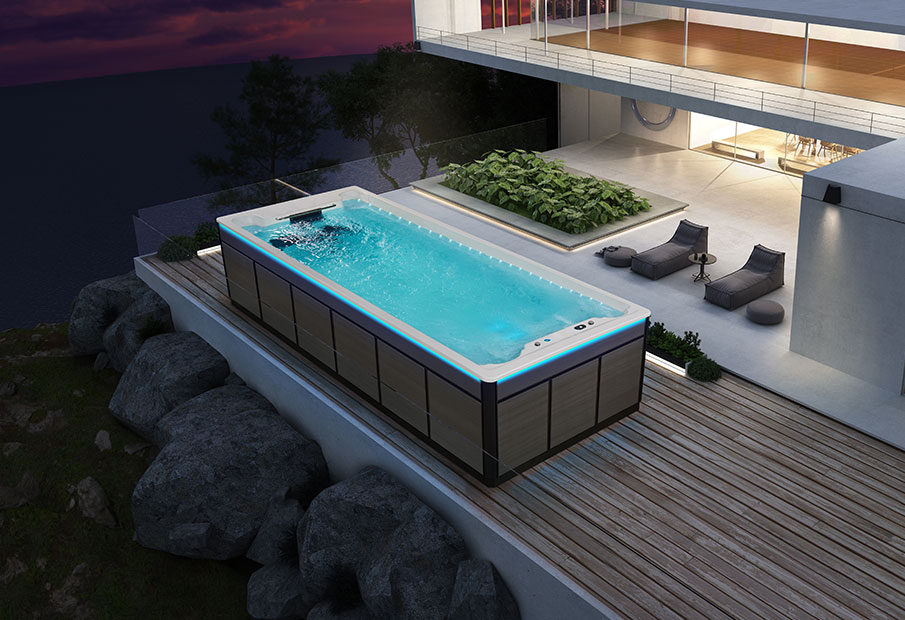
The Infinipool Fspa IP-005Pro is a state-of-the-art, spacious hot tub with advanced features, offering an unparalleled spa retreat for residential and commercial use.
PRODUCTS
INQUIRY
Thank you for your message!Our Chinese New Year holiday from 7th Feb to 28th Feb. Apologise to make your inconvenience so that responses may be delayed during this period. We'll back to you with regular service on 2th March .Thank you for understanding.


