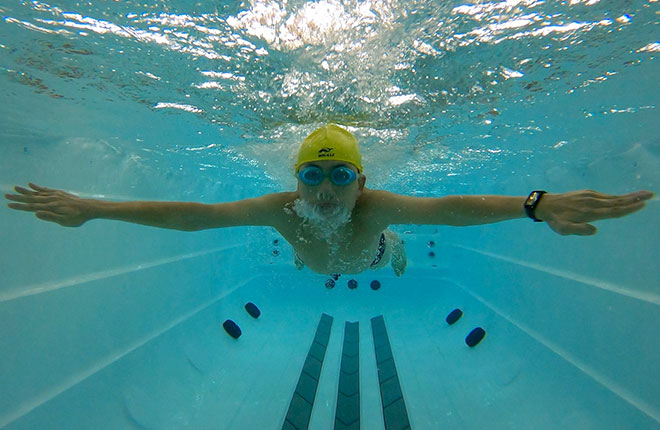
Cold plunge, or cold water immersion, has been practiced for centuries, with historical roots dating back to ancient civilizations like the Greeks and Romans. This therapy involves immersing the body in cold water, typically between 10°C and 15°C, for a short period. Let’s explore the science-backed benefits and considerations of incorporating cold plunge into your wellness routine.
Muscle Recovery: Athletes often use cold plunge to alleviate post-exercise muscle soreness. The cold constricts blood vessels, reducing inflammation and flushing out metabolic waste products like lactic acid, which can accumulate during intense workouts.
Immune Boost: Exposure to cold temperatures may stimulate the immune system. Studies suggest that cold water immersion can increase the circulation of white blood cells, enhancing the body’s defense against infections.
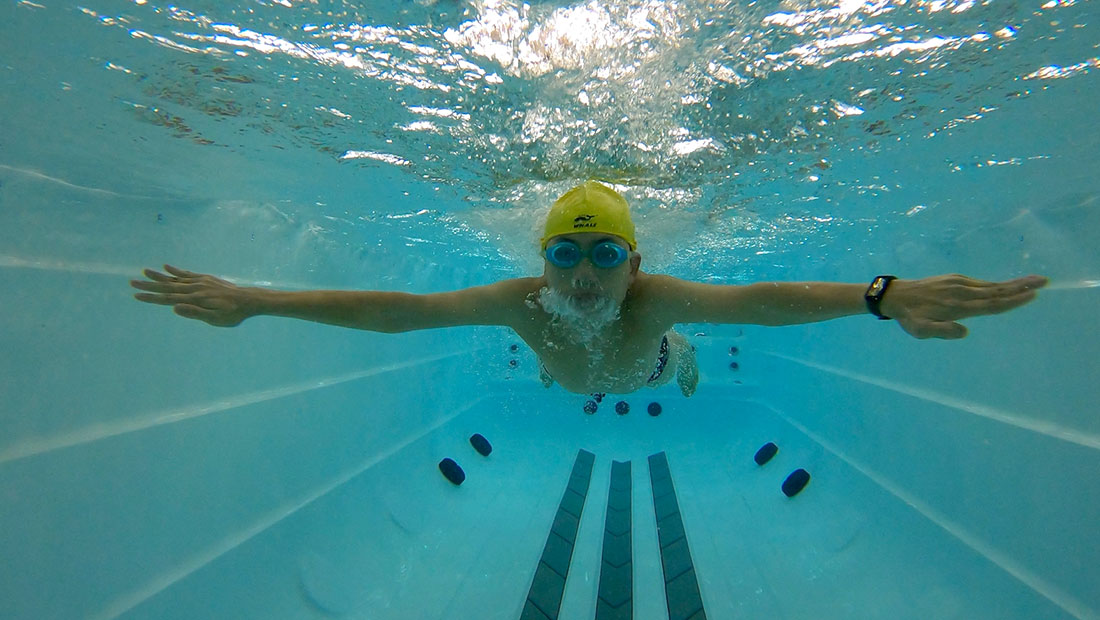
Mental Well-being: Some research indicates that cold plunge may help reduce stress and symptoms of depression. The cold shock is believed to activate the sympathetic nervous system, releasing endorphins and promoting feelings of alertness and vitality.
Metabolic Enhancement: Cold exposure may boost metabolism by increasing resting metabolic rate and promoting calorie burn. While the evidence is still emerging, some studies suggest that regular cold plunging could aid in weight management.
Start Gradually: If you’re new to cold plunge, begin with short durations (10-15 minutes) and gradually increase as your body adapts.
Monitor Water Temperature: Maintain the water between 10°C and 15°C for optimal benefits without excessive strain on the body.
Listen to Your Body: Pay attention to your physical reactions. If you experience discomfort, dizziness, or shortness of breath, exit the cold plunge immediately.
Consult a Professional: Individuals with cardiovascular conditions or other health concerns should seek medical advice before trying cold plunge.
Cold plunge offers a unique and invigorating approach to wellness, with potential benefits ranging from muscle recovery to mental clarity. However, it’s crucial to practice safely and listen to your body’s signals. As research in this area continues to evolve, cold plunge may emerge as a valuable addition to a holistic health routine.
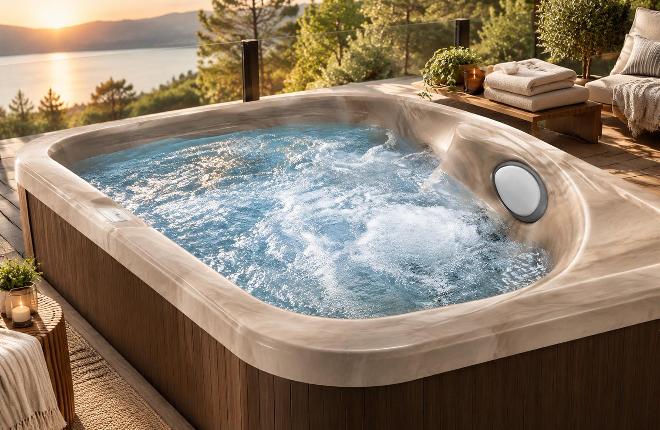
Finding the Right Heated Swim Spa for Year-Round Water Therapy
A heated swim spa sits in an odd spot between a hot tub and a swimming pool, and that in-between status is exactly why so many buyers get stuck comparing options. Some homeowners want laps, others want jets against a sore shoulder, and a lot of them want both without building two separate structures in the yard. Understanding what a heated swim spa actually does, and how it differs from a standard hot tub, makes the shopping process far less confusing.
The core difference comes down to purpose. A hot tub is built almost entirely around seated hydrotherapy, while a swim spa adds a longer footprint meant for movement, even if that movement is just a few feet against a current. Heated units close the gap further by keeping water at a therapeutic temperature so muscles loosen up before or after any activity.
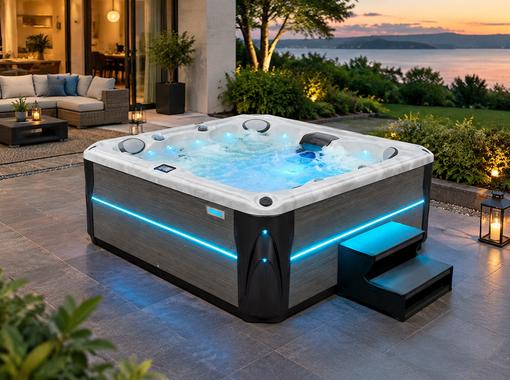
That said, not every product marketed as a swim spa is built for serious swimming. Many are closer to an oversized hot tub with extra seating and multiple massage zones, which suits people who want relaxation more than exercise. The BD-004, a 6-person portable unit from our lineup, falls into this category. It measures 2350 x 2350 x 900mm, which is roomy for group soaking but not intended for lap swimming.
Heat is not a luxury add-on in these products, it is the mechanism that makes hydrotherapy work. Warm water dilates blood vessels, which improves circulation and helps flush out the metabolic waste that builds up in tired muscles after physical activity or a long day of standing.
Consistent heating also affects comfort in ways people do not expect. Water that drops even a few degrees below the intended range feels noticeably less soothing, especially on the lower back and shoulders. This is why heater capacity should never be an afterthought when comparing units. According to the product specifications, the BD-004 uses a 3kW heater as part of its 5.55kW total power draw, a configuration meant to hold temperature steady even while jets are running.
Jet count gets thrown around as a marketing number, but distribution matters more than raw quantity. A tub with jets clustered only around the shoulders leaves calves and lower back without any targeted relief. The BD-004 spreads 35 jets across six seating positions, aiming to cover a wider range of muscle groups rather than concentrating pressure in one zone.
According to the product specifications, the unit runs a 2.2kW massage pump alongside a separate 0.35kW filter pump. Splitting these functions means the filtration system can keep running at a lower, steadier power draw without being tied to the more demanding massage cycle. That separation is common in multi-person spas because it keeps water clarity consistent even when the jets are switched off.
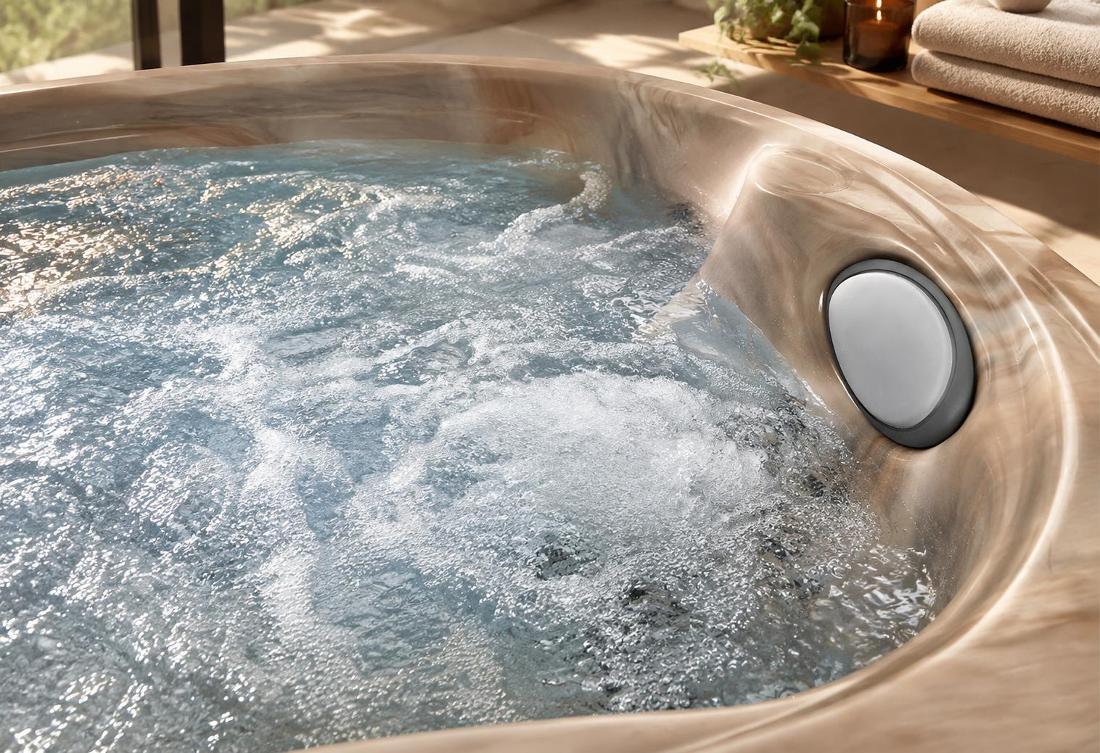
Seating shape is easy to overlook in photos, but it decides whether a 45-minute soak feels restorative or just uncomfortable. Contoured seats that follow the spine’s natural curve reduce strain on the lower back, particularly for anyone who spends the session upright rather than reclined.
The BD-004’s seating is designed around this idea, with backrests shaped to match the body rather than a flat, generic mold. One corner seat includes a headrest with a honeycomb-textured grill, positioned near multiple jets for neck and shoulder focus. Pillow-style headrests, listed among the unit’s features as part of its wave propulsion system, add support for the neck during longer sessions, which matters most for people using the spa for recovery rather than casual soaking.
Chemical upkeep is the single biggest reason people abandon spa ownership within the first year. Manual dosing, testing strips, and constantly adjusting pH levels turn a relaxation product into a chore. This is where integrated ozone sanitization earns its place in a buyer’s checklist.
Ozone systems work by oxidizing contaminants in the water, which reduces how often chlorine or bromine needs to be added by hand. The BD-004 includes this as a built-in feature, aimed at cutting down the manual maintenance load without eliminating water care entirely. Owners still need to monitor water chemistry, just less frequently and with smaller margin for error.
LED lighting inside a spa often gets dismissed as a cosmetic feature, but there is a reasonable case for its role in relaxation. Dim, colored lighting lowers visual stimulation, which can help the body shift into a more restful state before sleep. The BD-004 places blue LED lighting at the bottom of the shell, described in its product materials as part of a biomagnetic therapy system intended to support a calmer atmosphere during use. That specific therapeutic mechanism is a manufacturer claim rather than an independently verified medical effect, though the ambient lighting itself is a straightforward, well-understood comfort feature.
| Specification | BD-004 Detail |
|---|---|
| Capacity | 6 Adults |
| Dimensions | 2350 x 2350 x 900mm |
| Total Power | 5.55kW |
| Massage Pump | 2.2kW x 1pc |
| Filter Pump | 0.35kW x 1pc |
| Heater | 3kW x 1pc |
| Jet Count | 35 |
| Water Capacity | 1450L |
| Net Weight | 317Kg |
| Certifications | CE, CTUVus, CB, SAA |
This kind of table is useful precisely because heated swim spa shopping tends to involve comparing several nearly identical-sounding products. Numbers cut through vague marketing language faster than paragraphs do.
Application context changes what "the right spa" even means. A hotel gym installing a unit for guest recovery has different priorities than a homeowner putting one on a backyard deck. Based on how the BD-004 is positioned, three settings come up most often.
Each setting shares one requirement though: reliable heating performance, since a spa that runs lukewarm defeats the purpose regardless of where it sits.
Buyers comparing multiple heated swim spa options should work through a short mental checklist rather than getting pulled in by whichever unit has the highest jet count.
None of these factors work in isolation. A spa with a strong heater but poor jet placement still leaves users unsatisfied, and one with great ergonomics but weak sanitization becomes a maintenance burden within months.
Is a heated swim spa the same as a swim-only pool with a heater added?
Not exactly. Most heated swim spas, including compact models like the BD-004, are built primarily for hydrotherapy and soaking rather than continuous lap swimming, even though the term "swim spa" gets applied broadly across the market.
Does more jets always mean better therapy?
Not necessarily. Jet placement across different muscle groups matters more than the raw count, since concentrated jets in one area do little for muscles elsewhere on the body.
How much maintenance does ozone sanitization actually eliminate?
It reduces the frequency of manual chemical dosing but does not remove the need for water testing entirely. Ozone systems oxidize contaminants continuously, which lightens the workload rather than removing it.
Can a portable heated swim spa be installed indoors?
Many compact units are suited for both indoor and outdoor placement, though electrical and drainage requirements should be checked against local building codes before installation.
Choosing a heated swim spa comes down to matching the unit’s actual design intent with the buyer’s real use case, not chasing the biggest spec sheet. A 6-person unit built for hydrotherapy, like the BD-004, suits villas, hospitality settings, and recovery-focused households far better than someone hoping for a lap-swimming pool substitute. For us, the goal has been supplying units where heater capacity, jet distribution, and sanitization actually align with how people use the product day to day, rather than treating each feature as a separate selling point. Anyone comparing options should treat the spec sheet as a starting point, then weigh it against where the spa will sit, who will use it, and how much maintenance they are realistically willing to do. That combination, more than any single feature, determines whether a heated swim spa becomes a daily habit or an expensive deck ornament.
Large Hot Tubs for Swimming: What to Know Before You Buy
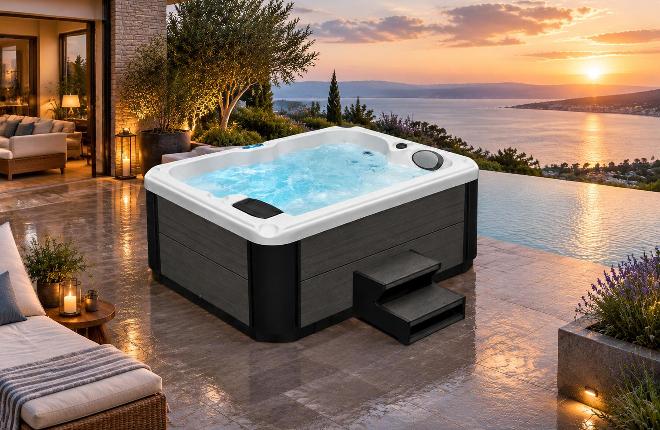
Large hot tubs for swimming sit in an odd middle ground between a plunge pool and a traditional spa. Homeowners searching for this setup usually want more room to move than a standard 2-person tub offers, without committing to the cost and footprint of a full swimming pool. That gap has created a growing category of 6-person and multi-functional spas built for stretching out, light exercise, and group soaking at once.
The question worth asking first isn’t "how big" but "big for what." A tub meant for swimming laps needs different jet placement and depth than one meant for six adults to socialize after dinner. Understanding that distinction changes which specs actually matter.
A residential hot tub, even a large one, is not built for swimming in the way a lap pool is. Most units marketed as large hot tubs for swimming are really oversized spas with open floor space and adjustable jets that create resistance, letting someone push against moving water instead of swimming freely across distance.
This matters because expectations set the purchase. Someone expecting 20 meters of open water will be disappointed by a 2530mm-long shell, no matter how many jets it has. Someone expecting a therapeutic, low-impact resistance workout combined with seating for a family gathering will likely find exactly what they need.
Manufacturers address this by offering a spread of sizes. Fspa’s hot tub lineup, for instance, ranges from compact three-person units at roughly 1870x1330mm up to six-person models at 2530x2300mm, which is closer to the footprint people picture when they say "swim spa lite."
Capacity claims on spec sheets assume everyone is seated and comfortable, not moving around freely. A "6-person" tub rated that way will feel considerably tighter if two of those people want to stretch their legs or use a swim jet at the same time.
A few practical sizing questions help narrow the field:
Weight matters more than most buyers expect. A large tub filled with water and occupants can weigh well over a ton. Decks and balconies built for furniture loads, not this, may need structural review before installation, which is a conversation worth having with a contractor rather than skipping.
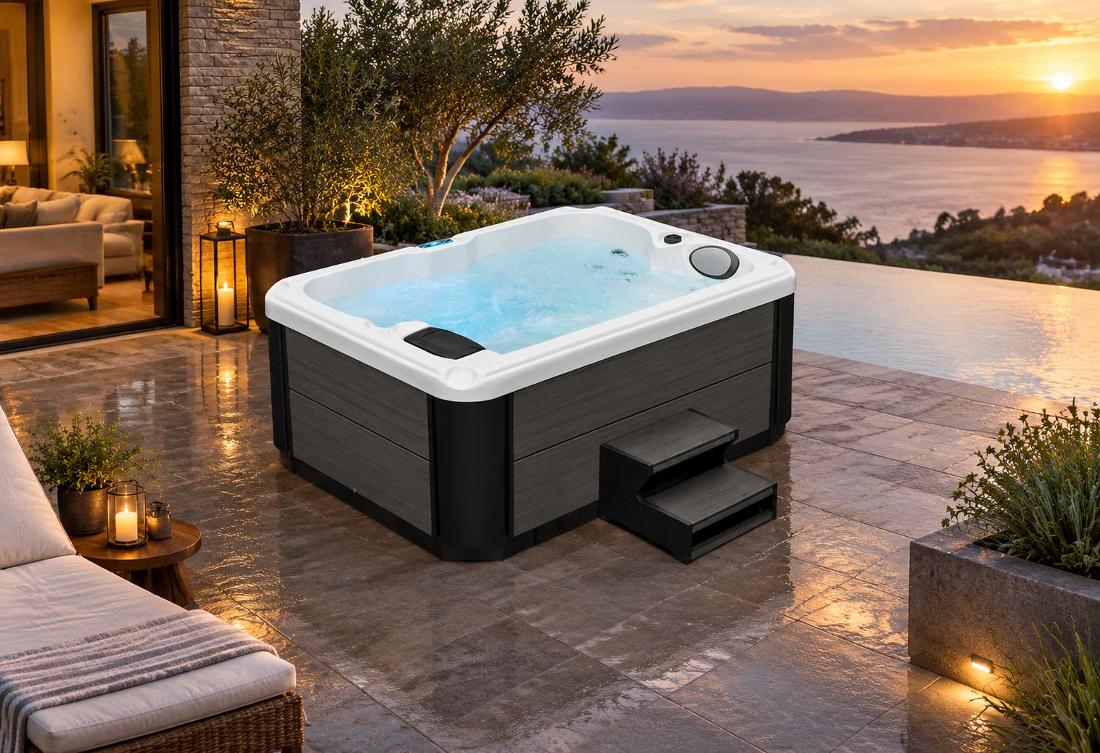
Jet count gets thrown around as a headline number, but placement and type matter more than raw quantity. Water jets target specific muscle groups, typically the lower back, calves, and shoulders. Air jets produce a lighter, bubbling sensation across a broader surface area rather than a focused pressure point.
Larger models in this category commonly carry anywhere from 16 jets on smaller shells up to 80 on the most elaborate configurations, with total system power reaching around 5.55kW in some builds. More jets generally mean more zones covered, but a tub with fewer, well-placed jets can outperform one with a high count arranged without much thought toward actual seating positions.
Buyers focused on hydrotherapy for a specific issue, like lower back tension from standing all day at work, should ask where the jets sit relative to the seat, not just how many there are.
Heating capacity determines how quickly a large volume of water reaches usable temperature and how well it holds that temperature in cooler weather. Units in this size range typically use heaters between 2kW and 3kW. A larger tub with a smaller heater will simply take longer to warm up after each refill or in early spring.
Water quality is the part new owners underestimate. A tub used by multiple people regularly needs consistent sanitization, and ozone-based systems are one common approach, working alongside standard sanitizer chemicals rather than replacing them entirely. Ozone treatment helps reduce the chemical load needed to keep water clear, though it doesn’t eliminate the need for regular testing and upkeep.
Skipping maintenance on a large volume of water causes problems faster than it does in a small tub, simply because there’s more water to go wrong. A weekly testing routine, even a simple one, prevents most of the issues owners run into.
| Feature | Compact Model | Mid-Size Model | Large Multi-Person Model |
|---|---|---|---|
| Capacity | 3 adults | 4–5 adults | 5–6 adults |
| Approx. Dimensions | 1870 x 1330 x 800mm | ~2100 x 2100 x 850mm | 2530 x 2300 x 900mm |
| Heater | 2kW | 2.5kW | 3kW |
| Jet Count | 16 | 40–50 | Up to 80 |
| Best Suited For | Small patios, couples | Families, moderate space | Groups, resistance movement, hotel/spa use |
This kind of table won’t replace an in-person look at the unit, but it narrows the conversation before a buyer starts comparing specific models line by line.
Placement changes the calculation considerably. Outdoor installations need to account for weather exposure, drainage, and often local permitting for electrical work near water. Indoor installations, common in wellness centers and rehabilitation facilities, need ventilation planning because a large heated tub adds meaningful humidity to an enclosed room.
Commercial buyers, hotels, B&Bs, fitness centers, and physiotherapy or rehabilitation practices, tend to prioritize different things than residential buyers. A hotel wants a unit that looks good in low light and holds up under frequent turnover between guests. A rehabilitation center cares more about consistent jet therapy positioning and reliable heating for daily clinical use.
For us, working across both residential and commercial installs has meant designing shells that hold up structurally in either context, since a spa built only for occasional weekend use won’t survive daily commercial cycling.
LED lighting and built-in audio systems show up on many spec sheets for larger units, and they’re worth separating from core function. Lighting can genuinely extend evening use and, on some models, contributes to the ambiance that makes a nightly soak feel less like maintenance and more like a routine worth keeping.
Audio systems are harder to justify on function alone. They’re a comfort add-on, not a performance factor, and buyers on a tighter budget can reasonably skip them without losing anything related to the tub’s core hydrotherapy or space benefit.
Can a large hot tub actually be used for swimming laps?
Not in the traditional sense. Even the largest residential models max out around 2.5 meters in one direction, which allows for treading water or resistance-based movement against jets, not distance swimming.
How much floor or deck reinforcement does a large filled tub need?
It depends on the shell size and local building codes, but a full tub can weigh well over a ton. Any installation on a raised structure should be checked by a qualified contractor before the unit arrives.
Do more jets always mean better hydrotherapy?
No. Jet placement relative to where a person actually sits matters more than the total count. A well-designed 40-jet layout can feel more effective than a poorly arranged 80-jet one.
Is ozone sanitization enough on its own?
Ozone systems reduce the chemical sanitizer load needed but typically work alongside, not instead of, standard water treatment. Regular testing is still necessary.
Choosing between the large hot tubs for swimming and resistance-style use on the market today comes down to matching the shell size, jet layout, and heating capacity to how the space will actually be used day to day. A family wanting room for six to unwind after dinner has different priorities than a physiotherapy clinic running daily sessions, even if both are shopping in the same size bracket.
Buyers who walk through site requirements, realistic capacity, and maintenance expectations before comparing model numbers tend to end up happier with the purchase. The spec sheet matters, but only once it’s read against how the tub will actually get used.
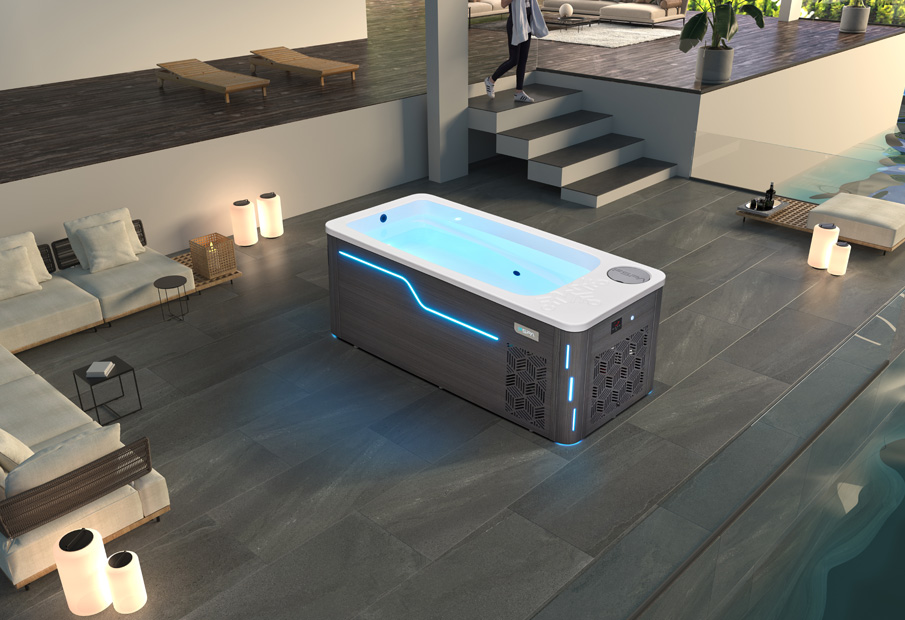
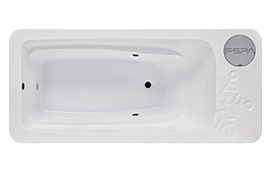
Introducing the Fspa IS-006 Cold Plunge, a spacious and luxurious immersion therapy tub tailored for maximum relaxation and recovery. Measuring 2110mm*950mm*800mm, it offers ample space for a comforting and refreshing dip.
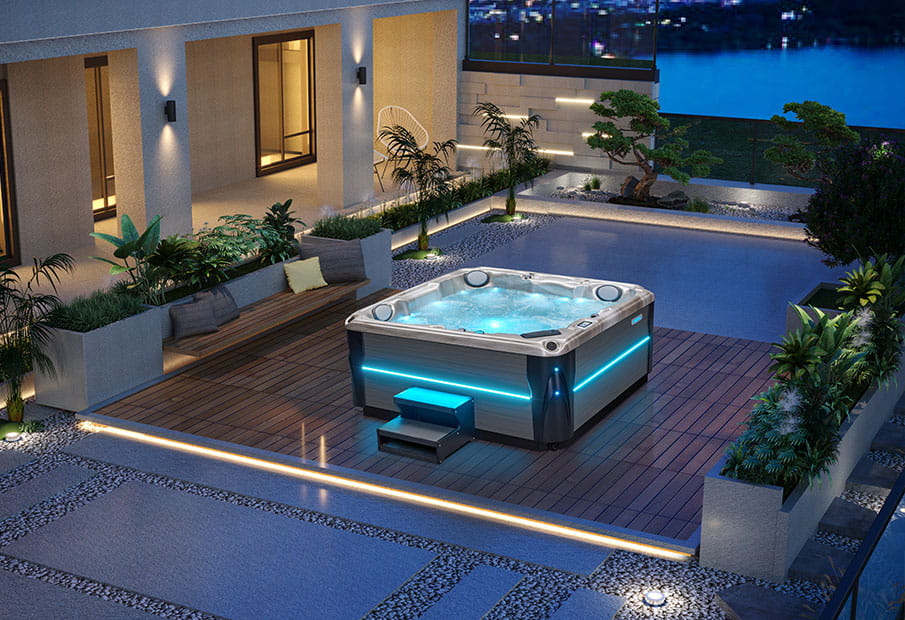
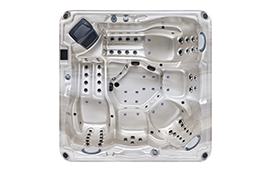
The Fspa BD-006Pro Hot Tub, with its compact spacious design for 5 adults, advanced massage system, 80 water & 18 air bubble jets, efficient heating and filtration, ozone sanitization, and sleek design, offers unparalleled luxury, relaxation, and convenience for both residential and commercial use.
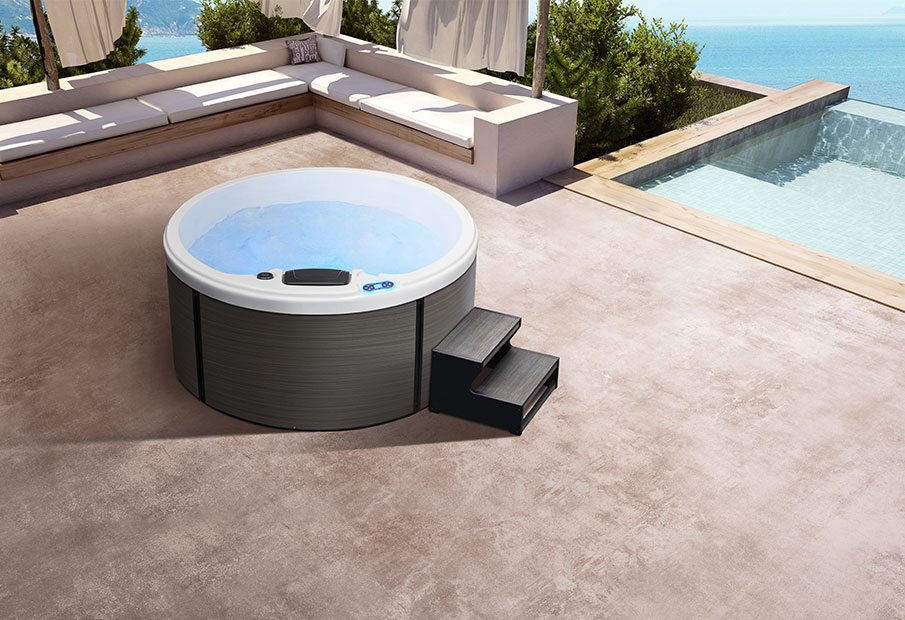
The Fspa BD-018 Hot Tub, designed for 2 adults with spacious dimensions, features a robust control system, 1.5kW massage pump, 0.35kW filter pump, 2kW heater, 14 customizable water jets, LED lighting, ozone sanitation, and a total power of 3.85kW, providing exceptional comfort and relaxation for a luxurious and rejuvenating soak.
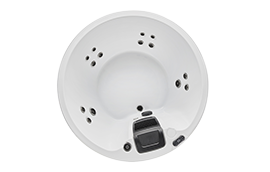
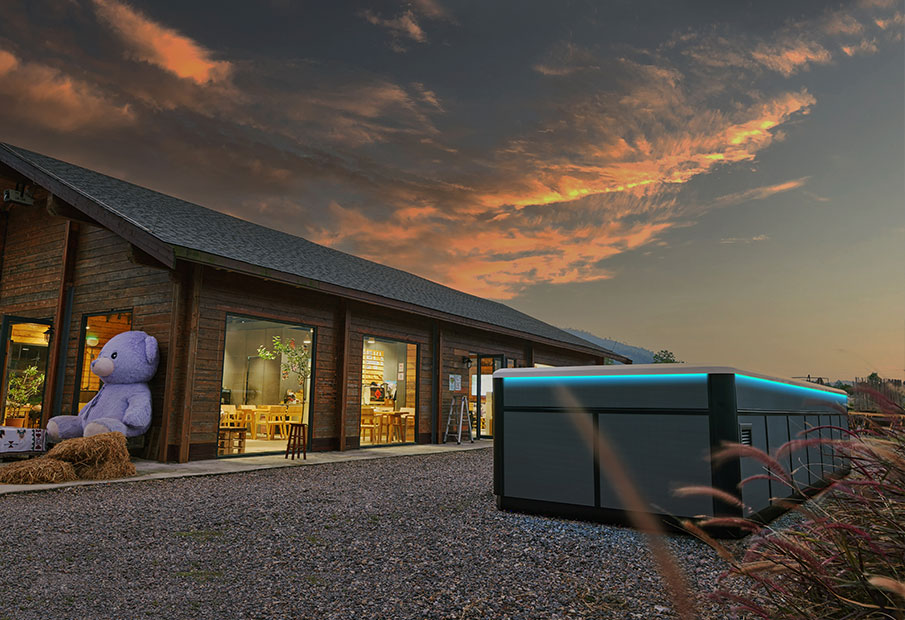
The Infinipool Fspa IP-004Pro is a luxurious, spacious hot tub with advanced features and a luxurious ambiance, perfect for both residential and commercial spa retreats.
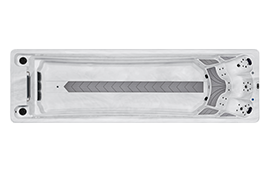
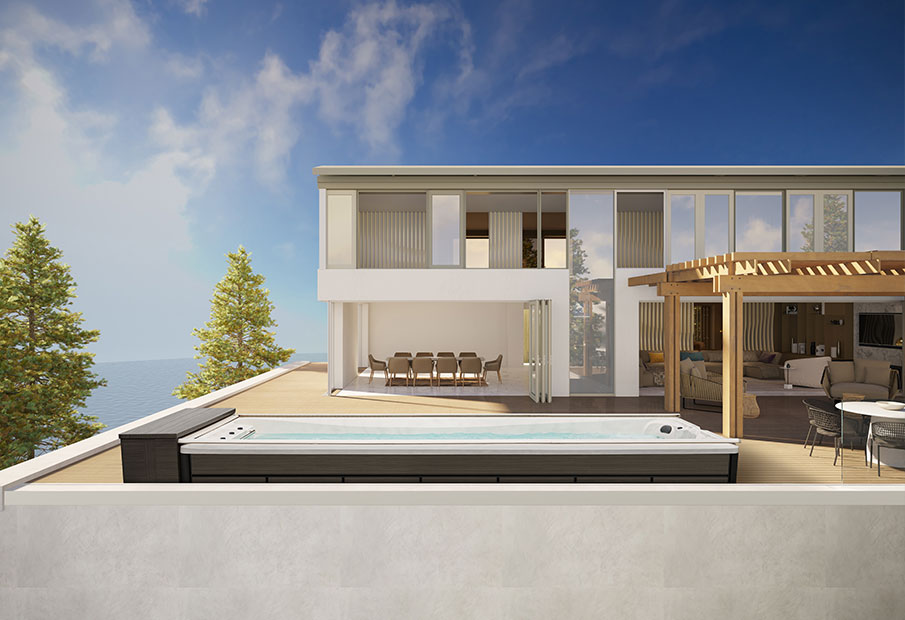
The Infinipool Fspa IP-004 is a luxurious, spacious, and technologically advanced swimming pool.
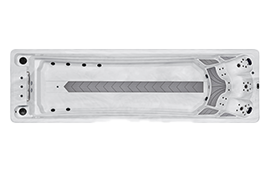
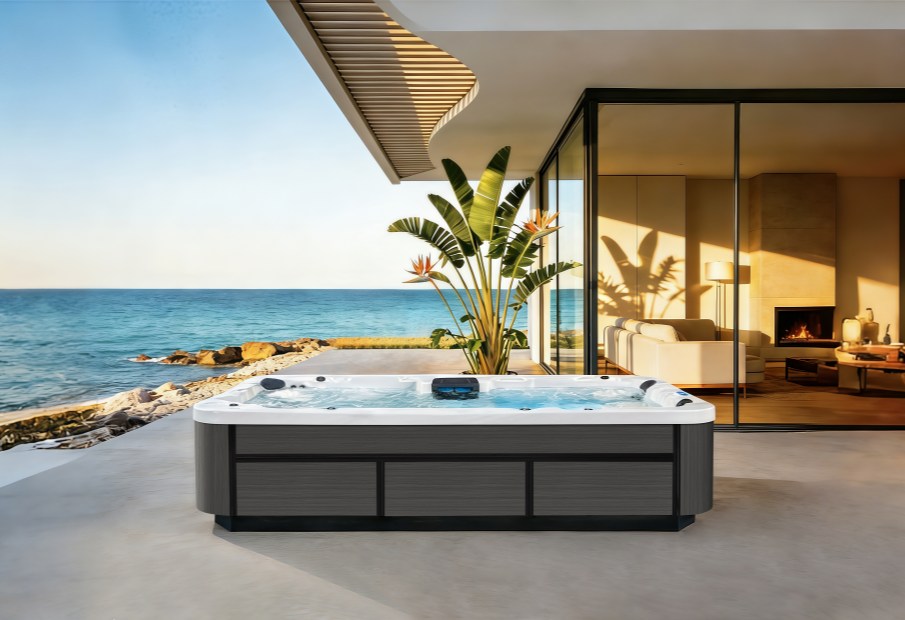
The Fspa BD-020 Hot Tub, designed for 5 adults with spacious dimensions and powered by a 4.85kW system, includes a 1.5kW massage pump, 0.35kW filter pump, 3kW heater, 28 customizable water jets, LED lighting, an ozone sanitation system, and easy maintenance features, providing unparalleled relaxation and comfort.
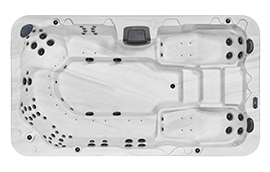
PRODUCTS
INQUIRY
Thank you for your message!Our Chinese New Year holiday from 7th Feb to 28th Feb. Apologise to make your inconvenience so that responses may be delayed during this period. We'll back to you with regular service on 2th March .Thank you for understanding.


