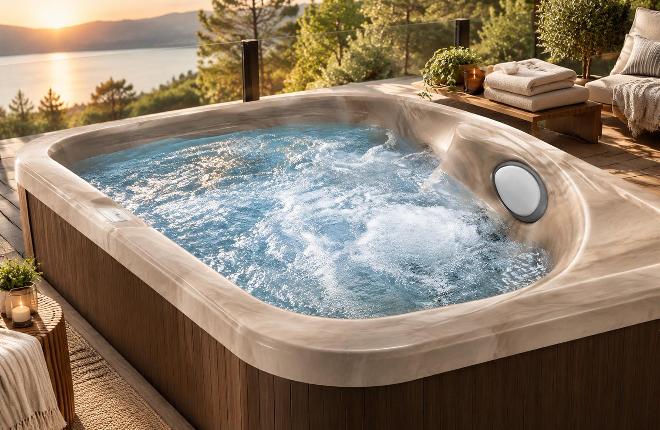
A heated swim spa sits in an odd spot between a hot tub and a swimming pool, and that in-between status is exactly why so many buyers get stuck comparing options. Some homeowners want laps, others want jets against a sore shoulder, and a lot of them want both without building two separate structures in the yard. Understanding what a heated swim spa actually does, and how it differs from a standard hot tub, makes the shopping process far less confusing.
The core difference comes down to purpose. A hot tub is built almost entirely around seated hydrotherapy, while a swim spa adds a longer footprint meant for movement, even if that movement is just a few feet against a current. Heated units close the gap further by keeping water at a therapeutic temperature so muscles loosen up before or after any activity.
That said, not every product marketed as a swim spa is built for serious swimming. Many are closer to an oversized hot tub with extra seating and multiple massage zones, which suits people who want relaxation more than exercise. The BD-004, a 6-person portable unit from our lineup, falls into this category. It measures 2350 x 2350 x 900mm, which is roomy for group soaking but not intended for lap swimming.
Heat is not a luxury add-on in these products, it is the mechanism that makes hydrotherapy work. Warm water dilates blood vessels, which improves circulation and helps flush out the metabolic waste that builds up in tired muscles after physical activity or a long day of standing.
Consistent heating also affects comfort in ways people do not expect. Water that drops even a few degrees below the intended range feels noticeably less soothing, especially on the lower back and shoulders. This is why heater capacity should never be an afterthought when comparing units. According to the product specifications, the BD-004 uses a 3kW heater as part of its 5.55kW total power draw, a configuration meant to hold temperature steady even while jets are running.
Jet count gets thrown around as a marketing number, but distribution matters more than raw quantity. A tub with jets clustered only around the shoulders leaves calves and lower back without any targeted relief. The BD-004 spreads 35 jets across six seating positions, aiming to cover a wider range of muscle groups rather than concentrating pressure in one zone.
According to the product specifications, the unit runs a 2.2kW massage pump alongside a separate 0.35kW filter pump. Splitting these functions means the filtration system can keep running at a lower, steadier power draw without being tied to the more demanding massage cycle. That separation is common in multi-person spas because it keeps water clarity consistent even when the jets are switched off.
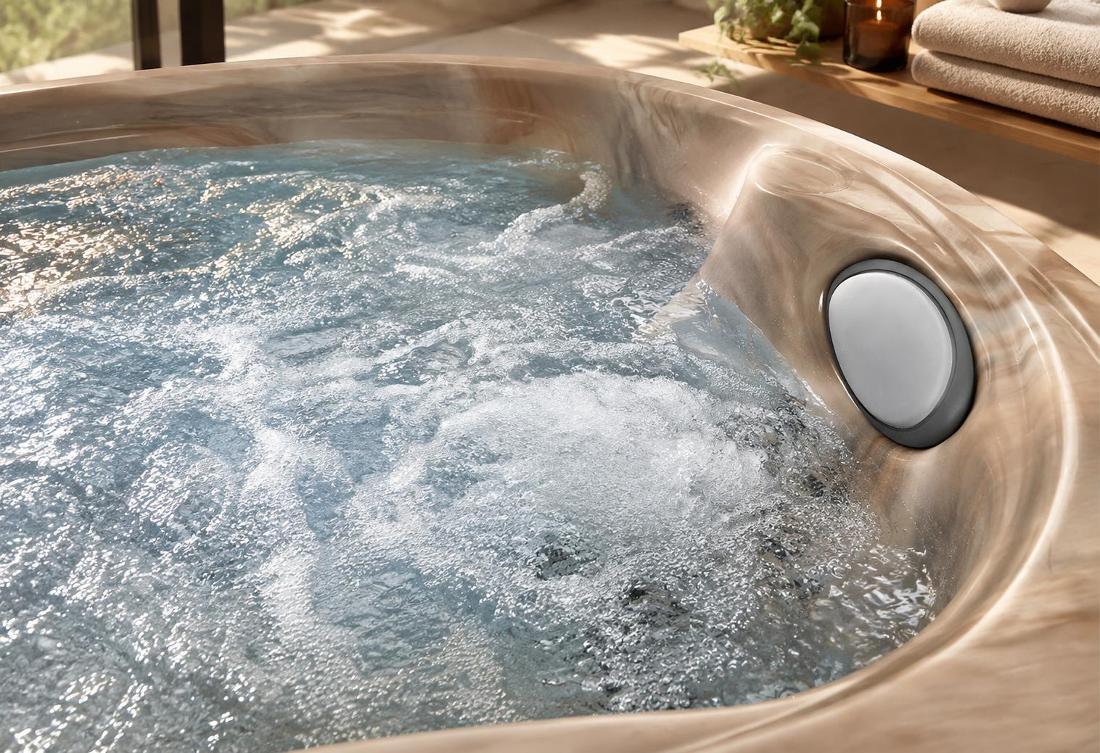
Seating shape is easy to overlook in photos, but it decides whether a 45-minute soak feels restorative or just uncomfortable. Contoured seats that follow the spine’s natural curve reduce strain on the lower back, particularly for anyone who spends the session upright rather than reclined.
The BD-004’s seating is designed around this idea, with backrests shaped to match the body rather than a flat, generic mold. One corner seat includes a headrest with a honeycomb-textured grill, positioned near multiple jets for neck and shoulder focus. Pillow-style headrests, listed among the unit’s features as part of its wave propulsion system, add support for the neck during longer sessions, which matters most for people using the spa for recovery rather than casual soaking.
Chemical upkeep is the single biggest reason people abandon spa ownership within the first year. Manual dosing, testing strips, and constantly adjusting pH levels turn a relaxation product into a chore. This is where integrated ozone sanitization earns its place in a buyer’s checklist.
Ozone systems work by oxidizing contaminants in the water, which reduces how often chlorine or bromine needs to be added by hand. The BD-004 includes this as a built-in feature, aimed at cutting down the manual maintenance load without eliminating water care entirely. Owners still need to monitor water chemistry, just less frequently and with smaller margin for error.
LED lighting inside a spa often gets dismissed as a cosmetic feature, but there is a reasonable case for its role in relaxation. Dim, colored lighting lowers visual stimulation, which can help the body shift into a more restful state before sleep. The BD-004 places blue LED lighting at the bottom of the shell, described in its product materials as part of a biomagnetic therapy system intended to support a calmer atmosphere during use. That specific therapeutic mechanism is a manufacturer claim rather than an independently verified medical effect, though the ambient lighting itself is a straightforward, well-understood comfort feature.
| Specification | BD-004 Detail |
|---|---|
| Capacity | 6 Adults |
| Dimensions | 2350 x 2350 x 900mm |
| Total Power | 5.55kW |
| Massage Pump | 2.2kW x 1pc |
| Filter Pump | 0.35kW x 1pc |
| Heater | 3kW x 1pc |
| Jet Count | 35 |
| Water Capacity | 1450L |
| Net Weight | 317Kg |
| Certifications | CE, CTUVus, CB, SAA |
This kind of table is useful precisely because heated swim spa shopping tends to involve comparing several nearly identical-sounding products. Numbers cut through vague marketing language faster than paragraphs do.
Application context changes what "the right spa" even means. A hotel gym installing a unit for guest recovery has different priorities than a homeowner putting one on a backyard deck. Based on how the BD-004 is positioned, three settings come up most often.
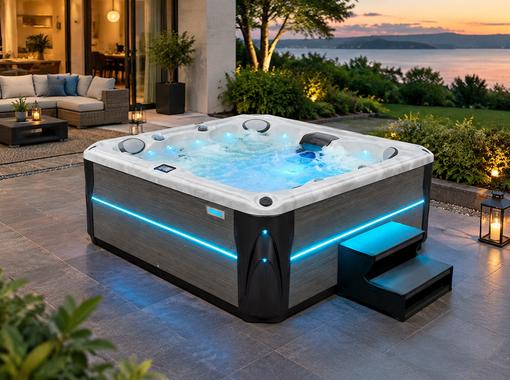
Each setting shares one requirement though: reliable heating performance, since a spa that runs lukewarm defeats the purpose regardless of where it sits.
Buyers comparing multiple heated swim spa options should work through a short mental checklist rather than getting pulled in by whichever unit has the highest jet count.
None of these factors work in isolation. A spa with a strong heater but poor jet placement still leaves users unsatisfied, and one with great ergonomics but weak sanitization becomes a maintenance burden within months.
Is a heated swim spa the same as a swim-only pool with a heater added?
Not exactly. Most heated swim spas, including compact models like the BD-004, are built primarily for hydrotherapy and soaking rather than continuous lap swimming, even though the term "swim spa" gets applied broadly across the market.
Does more jets always mean better therapy?
Not necessarily. Jet placement across different muscle groups matters more than the raw count, since concentrated jets in one area do little for muscles elsewhere on the body.
How much maintenance does ozone sanitization actually eliminate?
It reduces the frequency of manual chemical dosing but does not remove the need for water testing entirely. Ozone systems oxidize contaminants continuously, which lightens the workload rather than removing it.
Can a portable heated swim spa be installed indoors?
Many compact units are suited for both indoor and outdoor placement, though electrical and drainage requirements should be checked against local building codes before installation.
Choosing a heated swim spa comes down to matching the unit’s actual design intent with the buyer’s real use case, not chasing the biggest spec sheet. A 6-person unit built for hydrotherapy, like the BD-004, suits villas, hospitality settings, and recovery-focused households far better than someone hoping for a lap-swimming pool substitute. For us, the goal has been supplying units where heater capacity, jet distribution, and sanitization actually align with how people use the product day to day, rather than treating each feature as a separate selling point. Anyone comparing options should treat the spec sheet as a starting point, then weigh it against where the spa will sit, who will use it, and how much maintenance they are realistically willing to do. That combination, more than any single feature, determines whether a heated swim spa becomes a daily habit or an expensive deck ornament.
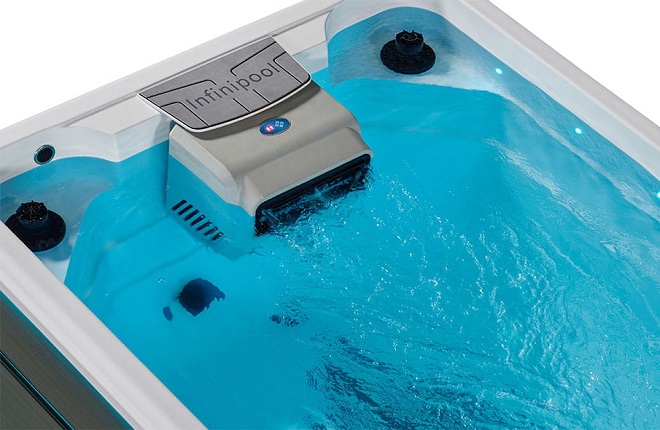
The Resurgence of the Outdoor Spa Experience
In an increasingly fast-paced world, the quest for a sanctuary—a private haven for relaxation, rejuvenation, and connection—has never been more pronounced. This fundamental human need has fueled a significant resurgence in the popularity of the outdoor spa. Far from being a mere luxury, these sophisticated hydrotherapy systems are transforming backyards and patios into personal wellness retreats, offering a potent blend of therapeutic benefits and lifestyle enhancement. Recent market analysis underscores this trend, with projections indicating a compound annual growth rate (CAGR) for the global spa market reaching 5.8% from 2021 to 2028, primarily driven by heightened consumer awareness of health and wellness, alongside an increasing disposable income. Specifically, the segment for at-home wellness solutions, including outdoor spas, has witnessed a remarkable surge, with sales volumes increasing by 18% year-over-year in the past three years across North America and Europe alone. This isn’t just about owning a hot tub; it’s about investing in a lifestyle that prioritizes mental clarity, physical well-being, and genuine connection with family and friends. The modern outdoor spa is a testament to innovation, blending cutting-edge technology with ergonomic design to deliver an unparalleled experience right in the comfort of your own home, offering an escape from daily stresses and a dedicated space for profound relaxation and restoration.
The engineering behind today’s outdoor spas represents a significant leap forward, moving far beyond simple bubbling tubs to sophisticated therapeutic instruments. At the core of their technical superiority are advanced jet systems. No longer are jets merely pushing water; they are precisely engineered to deliver targeted massage experiences. Manufacturers now offer a diverse array of jet types—from powerful rotational jets that mimic deep tissue massage to soft, pulsating jets designed for gentle muscle relief, and even specialized foot or wrist jets. These systems often incorporate adjustable flow rates and directional control, allowing users to customize their hydrotherapy precisely. Heating elements are equally advanced, utilizing energy-efficient titanium heaters or even heat pumps that significantly reduce operational costs. A well-insulated outdoor spa, often featuring multi-layered foam insulation and reflective thermal barriers, can retain heat exceptionally well, minimizing energy consumption by up to 30% compared to older models. Filtration and sanitization systems have also evolved dramatically. Beyond basic cartridge filters, many premium spas now integrate ozone generators, UV-C purifiers, or even salt water systems, drastically reducing the need for chemical additives and ensuring crystal-clear, hygienic water with minimal effort. Control systems have transitioned from simple button panels to intuitive, waterproof touchscreens and even integrated smart home compatibility via mobile apps, allowing users to control temperature, jets, lighting, and even schedule maintenance remotely. This convergence of precise hydrodynamics, efficient thermal management, superior water purification, and intelligent control defines the modern outdoor spa experience, offering not just relaxation but a robust, technically advanced wellness solution.
While the immediate allure of an outdoor spa is often relaxation, its benefits extend far deeper, profoundly impacting physical and mental well-being. Hydrotherapy, the therapeutic use of water, has been recognized for centuries, and modern spas leverage this ancient practice with scientific precision. The buoyancy of water reduces body weight by approximately 90%, significantly alleviating pressure on joints and muscles. This relief is invaluable for individuals suffering from arthritis, fibromyalgia, or recovering from injuries, with studies showing an average 40% reduction in joint pain after consistent hydrotherapy sessions. The combination of heat and targeted massage jets promotes vasodilation, improving blood circulation and accelerating the delivery of oxygen and nutrients to sore muscles, thus aiding faster recovery after physical exertion. Many professional athletes now incorporate regular spa sessions into their training regimens. Beyond the physical, the mental health benefits are equally compelling. The tranquil environment, coupled with the rhythmic sounds and sensations of the water, acts as a powerful stress reducer. Regular use has been shown to lower cortisol levels—the primary stress hormone—by up to 25%. Furthermore, the elevated body temperature followed by cooling post-spa can facilitate a smoother transition into deeper, more restorative sleep, with 60% of regular spa users reporting improved sleep quality within two weeks. Socially, an outdoor spa provides a unique gathering space, fostering connection and conversation, which are crucial for mental well-being and reducing feelings of isolation. Thus, an outdoor spa is not merely an amenity; it’s a holistic tool for enhancing vitality, promoting recovery, and cultivating mental serenity.
Choosing the right outdoor spa requires careful consideration of various factors, including build quality, feature sets, energy efficiency, and long-term support. The market offers a wide spectrum of manufacturers, each with its unique strengths and specialties. To illustrate the diversity and help in decision-making, let’s examine a comparison of hypothetical yet representative brands across key performance indicators. This comparative approach highlights how different manufacturers prioritize distinct aspects, from raw power and therapeutic intensity to eco-friendliness and smart integration. Understanding these nuances is crucial for aligning a spa’s capabilities with individual needs and preferences.
| Feature/Brand | LuxurySpa Elite | EcoHydro Serenity | AquaRelax Pro | Zenith HydroSystems |
| Primary Focus | Premium therapy, aesthetics | Energy efficiency, sustainability | Performance, robust build | Smart tech, customization |
| Seating Capacity | 5-7 Adults | 4-6 Adults | 6-8 Adults | 3-5 Adults |
| Total Jets | 60-75 (Varied types) | 35-45 (Hydro & Air) | 70-90 (Powerful) | 50-65 (Targeted, adjustable) |
| Insulation System | Full Foam + Thermal Blanket | Recycled Fiber + Heat Lock | Perimeter Foam + Heat Mirror | Quad-Layered Acoustic Foam |
| Heating System | Titanium Coil Heater (5.5kW) | Hybrid Heat Pump Ready | Stainless Steel Heater (6kW) | SmartFlow™ In-line Heater |
| Control System | Intuitive Touchscreen + App | Digital Panel + Basic App | Rugged Push-Button Panel | AI-Powered Voice & App Control |
| Water Purification | Ozone + UV-C + MicroFilter | Ozone + Mineral Cartridge | Dual Cartridge + Ozonator | Salt Water System + UV-C |
| Shell Material | Acrylic (Lucite® Cross-Linked) | Recycled Composites | Heavy-Gauge Acrylic | Proprietary Polycarbonate |
| Energy Efficiency (Avg. kWh/day) | 6-8 kWh | 4-6 kWh (with Heat Pump) | 8-10 kWh | 5-7 kWh |
| Warranty (Shell/Components) | 10-Year / 5-Year | 8-Year / 3-Year | 12-Year / 4-Year | 7-Year / 7-Year |
| Price Range (USD) | $15,000 – $25,000 | $10,000 – $18,000 | $12,000 – $20,000 | $18,000 – $30,000+ |
As evident from the table, “LuxurySpa Elite” focuses on a comprehensive, high-end therapeutic experience with robust features and aesthetics, targeting discerning buyers. “EcoHydro Serenity” prioritizes environmental consciousness and lower running costs through advanced insulation and heat pump integration. “AquaRelax Pro” is built for durability and powerful hydrotherapy, ideal for heavy use and larger gatherings. Finally, “Zenith HydroSystems” distinguishes itself with cutting-edge smart technology and deep customization options, albeit at a higher entry point. This comparative analysis underscores the importance of aligning your specific needs—whether it’s energy efficiency, therapeutic intensity, smart features, or budget—with the manufacturer’s core offering. Each brand offers a distinct value proposition, and selecting the optimal outdoor spa involves balancing these factors to achieve your ideal backyard retreat.
The modern outdoor spa experience is increasingly defined by personalization, allowing owners to tailor every aspect to their unique preferences and lifestyle. This goes far beyond choosing a shell color; it encompasses a myriad of options that can transform a standard spa into a bespoke hydrotherapy oasis. Aesthetic customization often begins with the shell and cabinet finishes. Shells are available in dozens of colors and textures, from classic whites and blues to sophisticated marbled patterns and earthy tones, allowing for seamless integration with existing landscaping or architectural styles. Cabinetry, once limited to basic wood or synthetic, now includes maintenance-free composite panels resembling natural wood, stone, or even modern brushed metal finishes, ensuring durability and visual appeal. Beyond looks, the therapeutic experience itself is highly customizable. Owners can select specific jet packages, opting for combinations that emphasize deep tissue massage, gentle relaxation, or targeted therapy for particular body areas. Advanced lighting systems with chromotherapy options allow users to set moods with an array of colors, enhancing relaxation or invigoration. Integrated sound systems, often Bluetooth-enabled, can turn the spa into an entertainment hub, while aromatherapy diffusers introduce essential oils directly into the air or water for an added sensory dimension. Practical enhancements such as cover lifters, custom steps with built-in storage, and handrails improve accessibility and convenience. For the tech-savvy, smart home integration allows for voice control or app-based management of all spa functions, from temperature to lighting, offering unparalleled ease of use. This extensive range of customization ensures that each outdoor spa can be a truly individual expression of comfort, style, and wellness.
The versatility of the outdoor spa makes it an adaptable addition to a wide array of settings, each benefiting from its unique blend of relaxation and utility. From bustling urban rooftops to serene rural retreats, the application cases are as diverse as the environments themselves. In a compact urban backyard, an outdoor spa transforms limited space into a valuable extension of the living area, offering a private escape from city life without requiring extensive landscaping. For suburban families, it becomes a dynamic hub for entertainment, allowing children to play safely while adults relax, fostering family bonding moments away from screens. Imagine a weekend barbecue effortlessly transitioning into a starlit soak. Luxury residential properties often integrate outdoor spas as a focal point of elaborate outdoor living spaces, complemented by fire pits, gourmet kitchens, and lavish seating, elevating the entire property’s value and appeal. Boutique hotels and resorts leverage spas to enhance guest experiences, offering a unique amenity that promotes relaxation and differentiates their offerings, often resulting in higher occupancy rates and positive reviews. Even in more remote or rustic settings, such as a cabin in the woods or a lakeside retreat, a ruggedly built outdoor spa provides a perfect counterpoint to nature, offering warmth and comfort after a day of hiking or skiing. Furthermore, specialized applications include therapeutic clinics or wellness centers, where the controlled environment of a spa is used for physical rehabilitation, pain management, or stress reduction programs, demonstrating its profound utility beyond pure leisure. Each scenario underscores the spa’s capacity to adapt, providing bespoke benefits whether it’s for personal solitude, vibrant social gatherings, or professional therapeutic use, proving its value across the spectrum of human need and lifestyle.
The journey to acquiring an outdoor spa is an investment not merely in a product, but in a lifestyle characterized by enhanced well-being, luxurious convenience, and lasting enjoyment. From the initial data showcasing its rising demand to the intricate technical advantages, profound health benefits, detailed manufacturer comparisons, boundless customization options, and diverse application cases, it becomes clear that a modern outdoor spa is far more than a recreational item. It is a thoughtfully engineered system designed to deliver consistent therapeutic relief, foster social connection, and elevate the aesthetic and functional value of any property. The commitment to energy efficiency, advanced purification systems, and durable materials ensures that this investment is both sustainable and long-lasting, providing years of trouble-free operation and enjoyment. As we navigate the complexities of modern life, the presence of a dedicated space for rejuvenation and peace becomes increasingly vital. An outdoor spa provides just that—a personal oasis that promotes physical recovery, mental serenity, and memorable moments with loved ones. It’s a testament to thoughtful living, offering an enduring allure that continues to reshape how we perceive home and personal wellness. Embrace the transformative power of hydrotherapy and discover how an outdoor spa can enrich your life, one blissful soak at a time, solidifying its place as an indispensable element of contemporary living.
1. How much does an outdoor spa typically cost?
The cost of an outdoor spa varies significantly based on size, features, brand, and installation requirements. Entry-level models can start around $5,000-$8,000, while mid-range spas typically fall between $10,000-$15,000. High-end, fully customized outdoor spas with advanced technology can range from $18,000 to $30,000 or more, not including potential electrical upgrades or landscaping.
2. What are the main benefits of owning an outdoor spa?
The primary benefits include stress reduction and mental relaxation, muscle pain relief through hydrotherapy, improved sleep quality, enhanced circulation, and a dedicated space for social gatherings or personal meditation. Many users also report significant relief from symptoms of arthritis and fibromyalgia.
3. How much electricity does an outdoor spa use?
Energy consumption for an outdoor spa depends on its size, insulation quality, heating efficiency, local climate, and frequency of use. Modern, well-insulated spas typically consume between 5-10 kWh per day, translating to an average monthly cost of $25-$75, though this can be higher in colder climates or with less efficient models. High-efficiency models or those with heat pumps can significantly reduce these costs.
4. What kind of maintenance does an outdoor spa require?
Regular maintenance for an outdoor spa involves checking and balancing water chemistry (pH, alkalinity, sanitizer levels) 2-3 times per week, cleaning filters bi-weekly or monthly, and draining and refilling the spa every 3-4 months. Some systems, like saltwater or ozone generators, can reduce the chemical management burden.
5. Can an outdoor spa be used year-round in cold climates?
Yes, modern outdoor spas are designed with robust insulation and powerful heaters to operate efficiently even in freezing temperatures. Many owners in cold climates particularly enjoy the experience of soaking in a warm outdoor spa surrounded by snow, making it a year-round luxury.
6. What’s the difference between a hot tub and an outdoor spa?
While often used interchangeably, “hot tub” can sometimes refer to more basic, portable units primarily focused on heating water for relaxation. “Outdoor spa” generally implies a more comprehensive, feature-rich hydrotherapy system with advanced jet configurations, sophisticated control systems, enhanced filtration, and often a more permanent or integrated installation, emphasizing therapeutic and wellness benefits.
7. What should I consider for the installation of an outdoor spa?
Key considerations for outdoor spa installation include a solid, level foundation (concrete slab, reinforced deck), access to appropriate electrical service (typically 240V/50A or 60A), adequate water supply, and proper drainage. Ventilation, privacy, and proximity to your home for convenience and safety are also important factors.
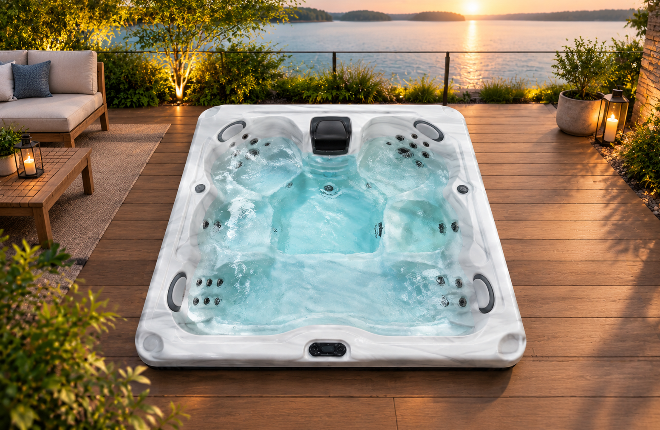
Swim Spa Hot Tub Combo Cost: What Actually Drives the Price
A swim spa hot tub combo sits in an odd category. It’s not quite a pool, not quite a hot tub, and pricing guides online tend to throw out a number without explaining where it comes from. If you’re comparing swim spa hot tub combo cost against a separate pool-and-spa build, the real answer depends on size, jet count, heating capacity, and how the unit gets installed. This guide breaks down the cost drivers so you can budget with actual numbers instead of guesswork.
A standalone hot tub has a fairly predictable price range because the shell size and jet count stay within a narrow band. A swim spa hot tub combo, on the other hand, stacks two systems into one footprint: a swim current or exercise zone paired with a therapeutic soaking section.
That means you’re paying for two heating loads, two filtration paths in some designs, and a shell large enough to support swimming motion without sacrificing the depth needed for hydrotherapy jets. The combo format saves yard space compared to building a pool and a spa separately, but the manufacturing cost doesn’t disappear. It just gets folded into one unit.
Four factors move the price more than anything else: capacity, jet count, heater size, and shell construction. Understanding each one helps you avoid overpaying for features you won’t use, or underbuying on a heater that can’t keep up with your climate.
Capacity and shell dimensions. A compact 3-person spa built around 1870 x 1330 x 800mm sits at the entry end of the range. A 6-person unit stretching past 2500mm in length costs considerably more, partly because of material volume and partly because larger acrylic shells require more structural bracing underneath.
Jet count and hydrotherapy design. Jet arrays across this category span from 16 jets in a compact soaking-focused model to 80 jets in a performance-oriented layout. More jets generally means more pump capacity, which raises both the unit price and the ongoing electrical draw.
Heater wattage. Heaters in this class typically range from 2kW to 3kW. A 2kW heater works fine in mild climates but struggles to recover temperature quickly after a swim spa’s exercise current has been running, since that motion cools the water faster than passive soaking does.
Sanitization system. Ozone-based sanitization, which several models in this category include, reduces the chemical load needed to keep water clear. It’s not a replacement for sanitizer entirely, but it lowers maintenance frequency, which matters when you’re calculating long-term cost rather than just the sticker price.
Pricing varies by brand, region, and import costs, but the relationship between specs and price tends to hold across the market. Here’s a general framework based on configuration tiers rather than a single fixed number.
| Configuration Tier | Capacity | Jet Count | Heater | Typical Use Case |
|---|---|---|---|---|
| Entry | 3 adults | 16-24 jets | 2kW | Small patios, couples, first-time buyers |
| Mid-range | 4-5 adults | 30-50 jets | 2kW-3kW | Family backyards, moderate climates |
| Premium | 5-6 adults | 50-80 jets | 3kW, up to 5.55kW total system power | Cold climates, frequent use, commercial settings |
Entry-tier units keep costs down by limiting jet count and shell size, which suits buyers who want the relaxation benefit without the added footprint of a full-size swim spa. Premium tiers push total system power toward 5.55kW, a figure that reflects pumps, heater, lighting, and audio systems running together rather than the heater alone.
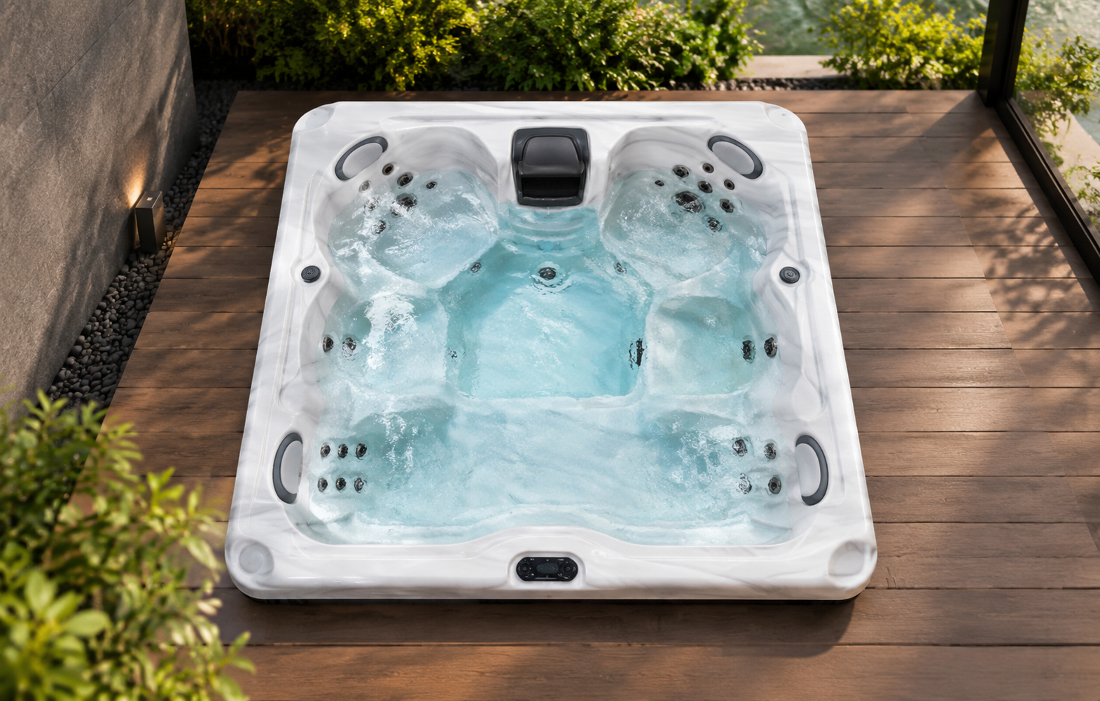
The unit price is only part of the swim spa hot tub combo cost equation. Site preparation often adds a meaningful chunk to the total, and skipping it is where most budget overruns happen.
Budgeting for these four steps upfront, rather than treating them as afterthoughts, keeps the total project cost close to your original estimate.
Not every added feature costs the same amount relative to the value it delivers. Some additions, like integrated LED lighting, add ambiance at a modest cost increase. Others, like a full high-fidelity audio system, add noticeably more to the price but may not matter if the unit’s primary use is muscle recovery rather than entertaining guests.
The seating layout matters more than people expect. A model with five distinct molded seating positions and a dedicated headrest zone distributes jets more deliberately across the body than a generic bench-style layout crammed with jets in one row. That difference doesn’t always show up in a spec sheet, but it shows up in how the spa actually feels after twenty minutes.
Rather than chasing the highest jet count or largest shell, work backward from how you’ll actually use the unit.
This kind of decision tree matters more than comparing raw prices side by side, because two units at the same price point can serve completely different needs.
Does a swim spa hot tub combo cost more to run than a standard hot tub?
Running costs are generally higher because of the larger water volume and the additional pump load from swim current features, but the difference is smaller than most people assume once ozone sanitization reduces chemical costs.
Is a 2kW heater enough for year-round use?
In moderate climates, yes. In regions with cold winters, a 3kW heater recovers temperature faster after use, which matters more for swim spa combos since the exercise current cools water faster than passive soaking.
Do commercial installations need a different configuration than residential ones?
Commercial settings like hotels or fitness centers typically benefit from higher jet counts and larger capacity tiers to handle frequent multi-user cycles, while residential use can often be served well by mid-range configurations.
Does more jets always mean better hydrotherapy?
Not necessarily. Jet placement relative to seating position affects the experience more than raw count. A well-designed 30-jet layout can outperform a poorly distributed 60-jet layout for targeted muscle relief.
Getting an accurate swim spa hot tub combo cost estimate means looking past the headline number and into the specs that actually determine performance and longevity: heater wattage, jet distribution, shell size, and sanitization system. For us, this is the framework we walk customers through before recommending a configuration, since matching the unit to actual usage patterns avoids both overspending and buyer’s remorse. Whether you’re outfitting a backyard, a boutique hotel, or a physiotherapy center, treating the swim spa hot tub combo cost as a function of these variables, rather than a single fixed price, leads to a purchase that holds up for years rather than one that gets replaced after a single season of frustration.
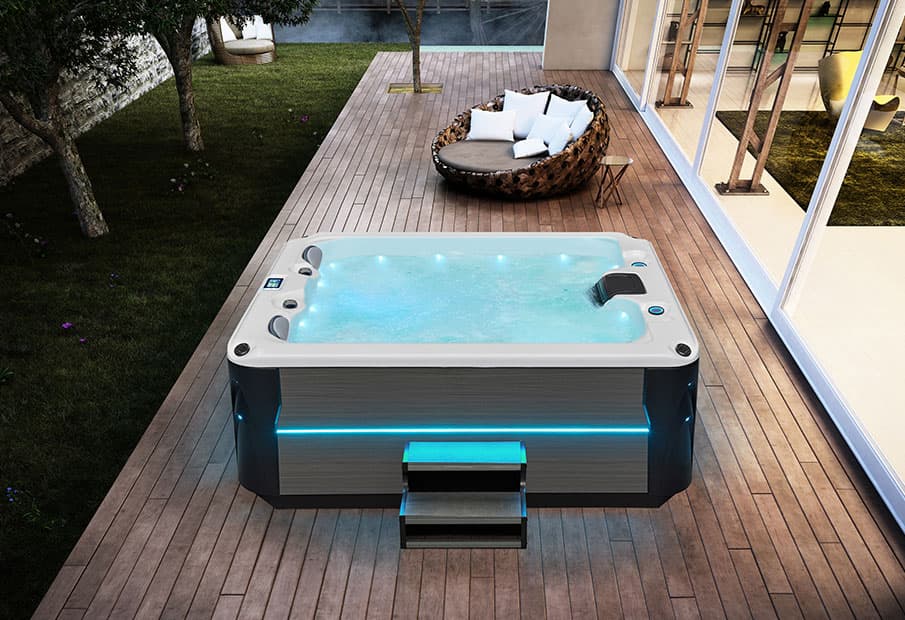
The Fspa BD-014Pro Hot Tub, with its spacious interior for 5 adults, comprehensive control system, powerful massage and filtration features, LED lighting, and speakers, offers a luxurious and therapeutic spa experience perfect for indoor or outdoor relaxation.
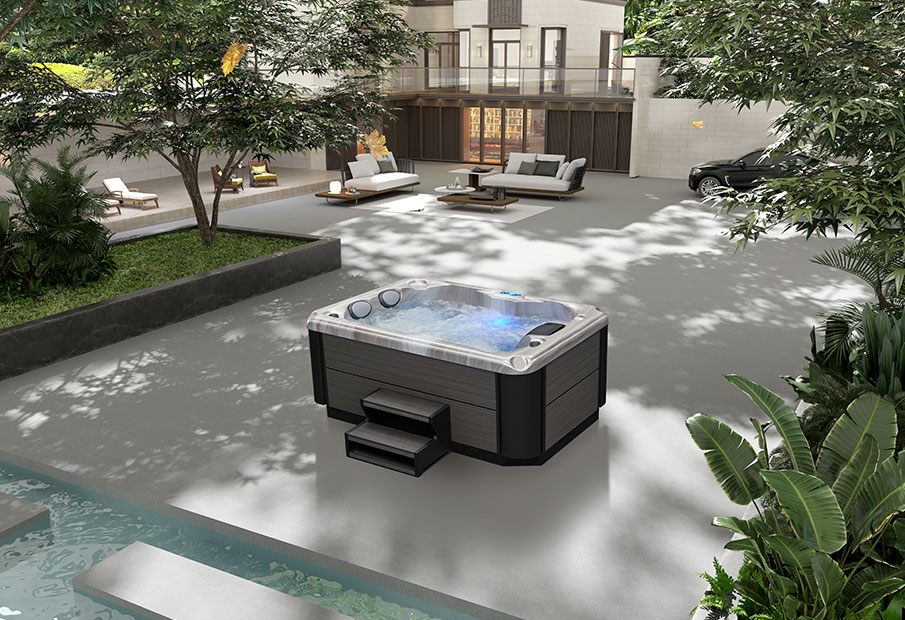
The Fspa BD-015 hot tub, with spacious dimensions for 6 adults, a powerful 2.2kW massage pump, 35 strategic jets, a 3kW heater, serene LED lighting, and a total power of 5.5kW, offers the ultimate experience in relaxation and well-being.
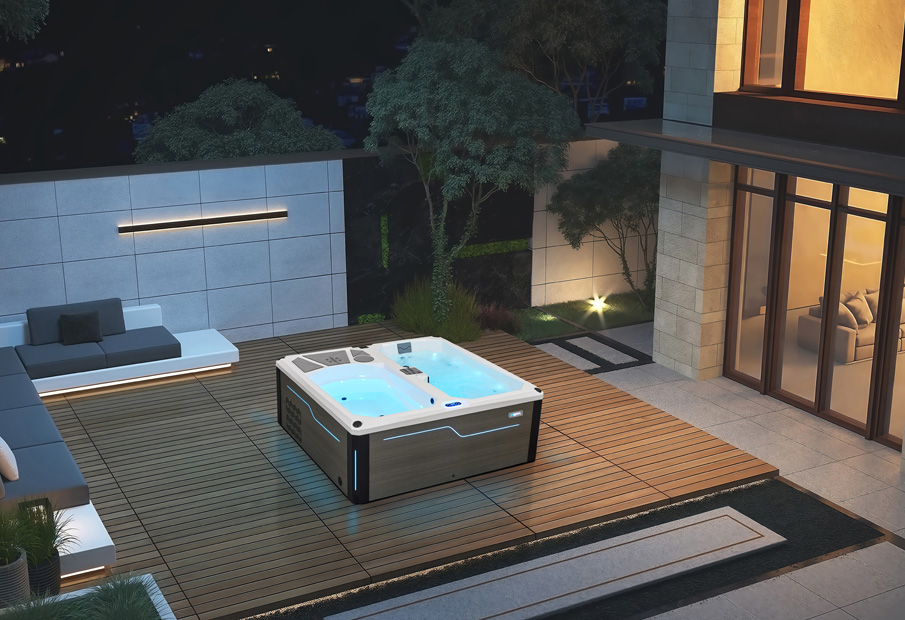
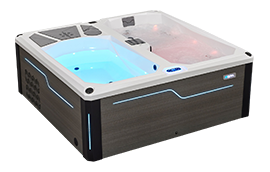
Welcome lights up as you approach, All in one design, plug and play, snowflake pattern, Include filter, circuit pump, Ozone, ice-blue underwater light, and high-efficiency chilling system.
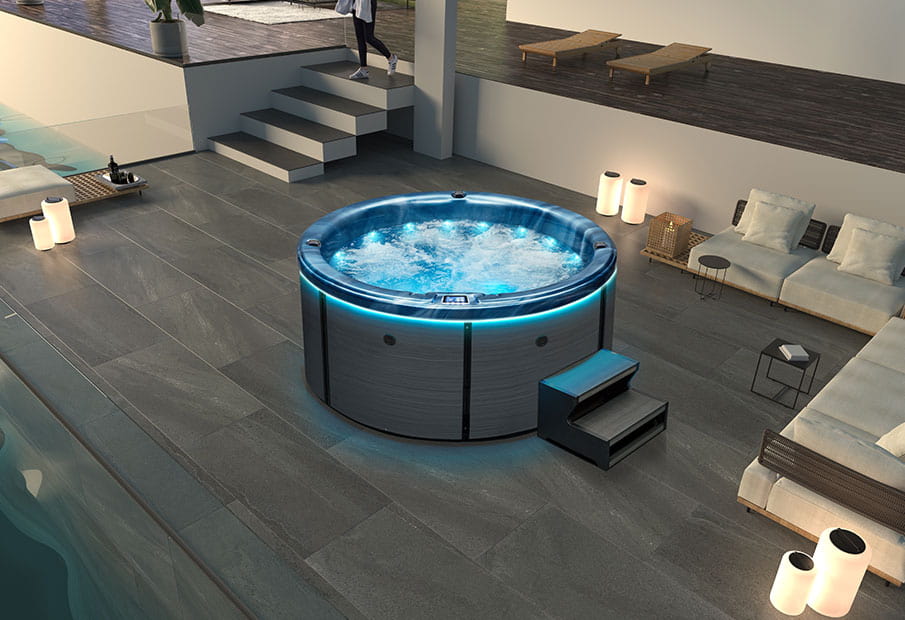
The Fspa BD-009Pro Hot Tub, a compact 2000x900mm spa for up to 6 adults, combines power and efficiency with luxurious features like a 7.97kW system, 50 water & 20 air bubble jets, LED lighting, and music speakers, making it ideal for residential and small commercial spaces.
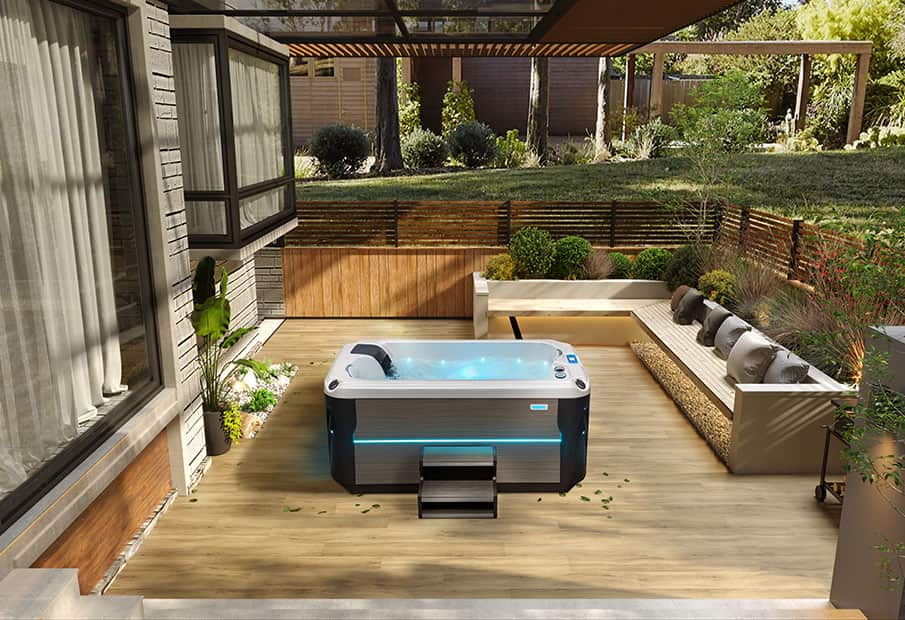
The Fspa BD-016Pro Hot Tub, a compact spa for up to 2 adults, offers a rejuvenating experience with an efficient control system, soothing massage features, consistent water temperature, modern amenities, advanced filtration, and suitability for indoor or outdoor placement.
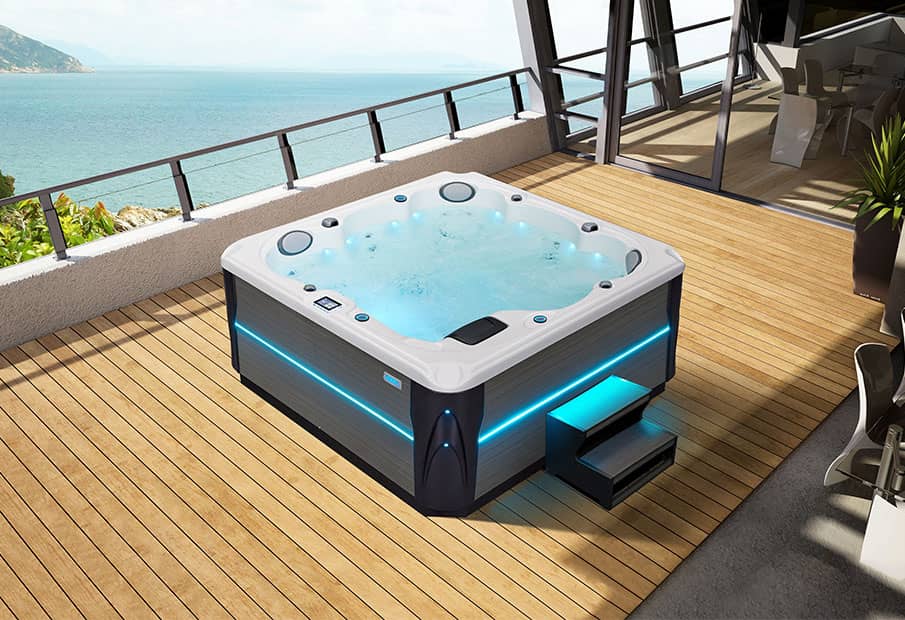
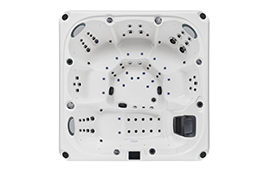
The Fspa BD-012Pro Hot Tub, a luxurious 2160x2160x900mm spa for 6 adults, balances power (4.97kW) and efficiency with features like 34 water & 12 air bubble jets, customizable water flow, LED lighting, music speakers, and pillows, making it a stylish and ideal choice for both residential and commercial relaxation.
PRODUCTS
INQUIRY
Thank you for your message!Our Chinese New Year holiday from 7th Feb to 28th Feb. Apologise to make your inconvenience so that responses may be delayed during this period. We'll back to you with regular service on 2th March .Thank you for understanding.


