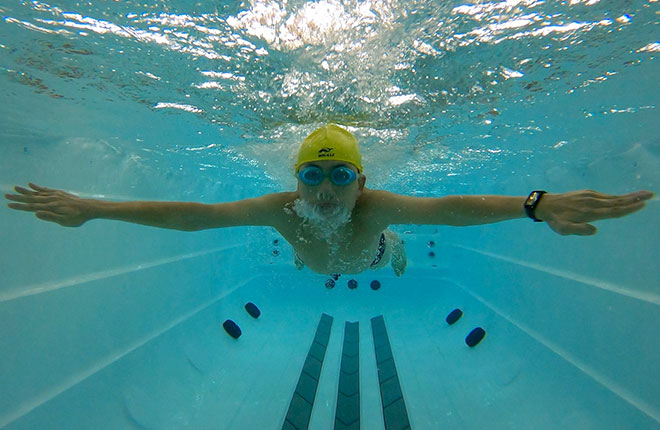
Cold plunge, or cold water immersion, has been practiced for centuries, with historical roots dating back to ancient civilizations like the Greeks and Romans. This therapy involves immersing the body in cold water, typically between 10°C and 15°C, for a short period. Let’s explore the science-backed benefits and considerations of incorporating cold plunge into your wellness routine.
Muscle Recovery: Athletes often use cold plunge to alleviate post-exercise muscle soreness. The cold constricts blood vessels, reducing inflammation and flushing out metabolic waste products like lactic acid, which can accumulate during intense workouts.
Immune Boost: Exposure to cold temperatures may stimulate the immune system. Studies suggest that cold water immersion can increase the circulation of white blood cells, enhancing the body’s defense against infections.
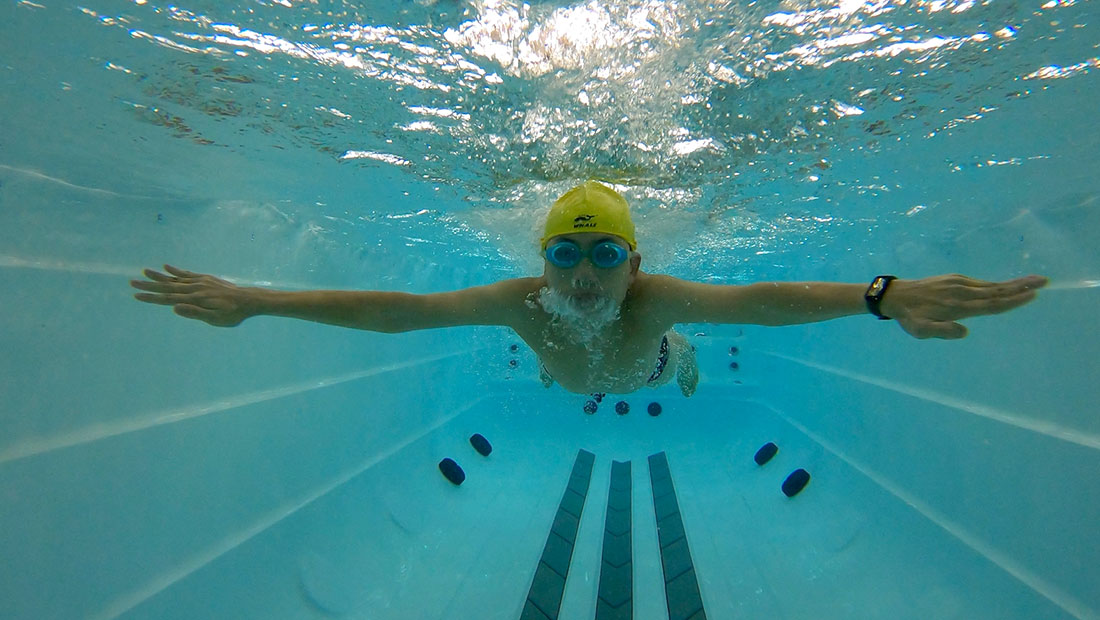
Mental Well-being: Some research indicates that cold plunge may help reduce stress and symptoms of depression. The cold shock is believed to activate the sympathetic nervous system, releasing endorphins and promoting feelings of alertness and vitality.
Metabolic Enhancement: Cold exposure may boost metabolism by increasing resting metabolic rate and promoting calorie burn. While the evidence is still emerging, some studies suggest that regular cold plunging could aid in weight management.
Start Gradually: If you’re new to cold plunge, begin with short durations (10-15 minutes) and gradually increase as your body adapts.
Monitor Water Temperature: Maintain the water between 10°C and 15°C for optimal benefits without excessive strain on the body.
Listen to Your Body: Pay attention to your physical reactions. If you experience discomfort, dizziness, or shortness of breath, exit the cold plunge immediately.
Consult a Professional: Individuals with cardiovascular conditions or other health concerns should seek medical advice before trying cold plunge.
Cold plunge offers a unique and invigorating approach to wellness, with potential benefits ranging from muscle recovery to mental clarity. However, it’s crucial to practice safely and listen to your body’s signals. As research in this area continues to evolve, cold plunge may emerge as a valuable addition to a holistic health routine.
Discover the Best Top Hot Tub Brands for Modern Outdoor Living
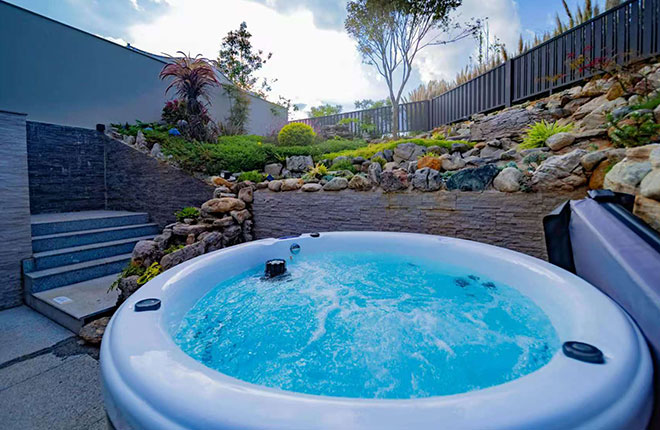
Creating a relaxing and stylish outdoor retreat has become a major trend for homeowners around the world. Whether you want a peaceful spa experience after work or a social gathering space for family and friends, choosing from the top hot tub brands can completely transform your backyard. From compact spa designs to spacious models built for entertaining, today’s hot tubs combine comfort, advanced hydrotherapy, and elegant aesthetics.
E&C Company has become a trusted name in the spa industry by offering innovative designs, durable materials, and energy-efficient technology for homeowners seeking premium wellness solutions. Whether you are searching for a spacious 8 person hot tub, a stylish round hot tub, or sophisticated luxury hot tubs, selecting the right model is essential for maximizing relaxation and long-term value.
Modern homeowners no longer see hot tubs as simple outdoor accessories. Instead, they are now considered part of a complete wellness lifestyle. The growing popularity of luxury hot tubs reflects the increasing demand for relaxation, hydrotherapy, and social entertainment at home.
One of the main reasons buyers choose products from the top hot tub brands is the advanced massage technology available in modern spa systems. Premium hot tubs feature adjustable hydrotherapy jets designed to target muscle tension, improve blood circulation, and reduce stress after long workdays or intense workouts.
For larger families and entertainment-focused households, an 8 person hot tub is one of the most popular choices. These spacious models allow multiple users to enjoy the spa simultaneously without compromising comfort. Large seating layouts, ergonomic loungers, and multiple jet zones create a resort-style experience directly in your backyard.
In addition to size, design also plays a critical role in purchasing decisions. Many homeowners prefer a stylish round hot tub because of its elegant appearance and social seating arrangement. Unlike square or rectangular spas, round models encourage face-to-face conversation and create a more intimate atmosphere for gatherings.
Energy efficiency is another important factor when choosing among the top hot tub brands. Many consumers now select a 110v hot tub because it offers convenient plug-and-play installation without requiring complex electrical upgrades. A 110v hot tub is especially ideal for smaller homes, rental properties, or first-time spa owners looking for easy setup and lower installation costs.
As outdoor living spaces continue to evolve, homeowners are also demanding larger spa models with advanced features. Today’s large hot tubs often include LED lighting systems, Bluetooth audio, waterfall features, touchscreen controls, and smart temperature management systems. These features create a luxurious spa experience comparable to high-end resorts.
E&C Company understands these market trends and focuses on combining elegant aesthetics with practical functionality. Their range of luxury hot tub designs emphasizes durability, comfort, and modern engineering while helping homeowners create relaxing outdoor environments.
Selecting the ideal spa requires careful consideration of space, usage needs, and long-term maintenance. Buyers exploring the top hot tub brands should focus on several important features before making a final decision.
One of the first decisions involves choosing the right size. Families who regularly entertain guests often prefer large hot tubs because they provide enough room for multiple users. An 8 person hot tub is particularly popular for social gatherings, family events, and outdoor parties.
Large-capacity spas also offer more flexibility in seating design. Some include lounge seats for deep relaxation, while others feature upright seating arrangements that encourage conversation and interaction.
The shape of your spa significantly impacts both functionality and visual appeal. A round hot tub remains one of the most timeless and attractive spa styles available. Its symmetrical design blends naturally into patios, gardens, and outdoor entertainment areas.
A round hot tub also creates balanced water circulation and equal seating distribution, making it a practical option for social use. Many homeowners appreciate how this design creates a cozy and inviting atmosphere.
For buyers seeking easy installation, a 110v hot tub is an excellent option. Unlike larger 220v systems that may require professional electrical upgrades, a 110v hot tub can often be plugged directly into a standard household outlet.
This convenience makes it particularly attractive for vacation homes, temporary outdoor spaces, or homeowners looking for a more budget-friendly spa solution. Despite the simpler setup, many modern 110v models still offer impressive jet performance and heating efficiency.
The best luxury hot tubs combine comfort with innovative technology. Buyers increasingly expect features such as:
These features help transform ordinary spa sessions into immersive wellness experiences.
E&C Company continues to enhance its product range by incorporating these advanced technologies into its spa systems. Their commitment to quality craftsmanship and user-focused design has helped position them among the emerging names competing with other top hot tub brands worldwide.
Durability remains one of the most important considerations when investing in large hot tubs. Premium acrylic shells, reinforced frames, and weather-resistant cabinetry help ensure long-lasting performance in various climates.
Many consumers are willing to invest more in a high-quality luxury hot tub because reliable construction reduces maintenance costs and extends the product’s lifespan over many years.
The top hot tub brands often use premium materials, advanced insulation systems, durable acrylic shells, and superior hydrotherapy technology. These features improve comfort, energy efficiency, and long-term reliability, making them a worthwhile investment for many homeowners.
Yes, an 8 person hot tub is ideal for large families and social gatherings. It provides spacious seating, multiple jet zones, and enough room for entertaining guests comfortably while maintaining a luxurious spa experience.
A round hot tub offers a more social seating arrangement and creates a balanced, visually appealing design. Many homeowners prefer this style because it encourages conversation and fits naturally into outdoor landscapes.
A 110v hot tub is considered one of the easiest spa options to install because it typically plugs into a standard household outlet. This makes it a practical solution for homeowners seeking convenience and lower installation costs.
Modern luxury hot tubs provide advanced hydrotherapy, energy efficiency, smart technology, and elegant outdoor aesthetics. As wellness and outdoor living trends continue to grow, more homeowners are investing in premium spa experiences at home.
Investing in one of the top hot tub brands is more than simply purchasing an outdoor spa — it is creating a personal retreat focused on relaxation, wellness, and quality time with family and friends. Whether you prefer a spacious 8 person hot tub, an elegant round hot tub, convenient 110v hot tub, or fully featured luxury hot tubs, choosing the right model can greatly enhance your outdoor lifestyle.
E&C Company continues to meet the growing demand for high-quality spa products by combining innovative technology, stylish design, and dependable craftsmanship. With the right spa selection, homeowners can enjoy the perfect balance of comfort, luxury, and long-term value for years to come.
Choosing the Right Width for Your FSPA Infinipool: A Practical Guide
When selecting the ideal width for your FSPA Infinipool, several factors come into play, balancing functionality, space constraints, and lifestyle needs. While official guidelines are limited, industry standards and practical considerations can guide your decision.
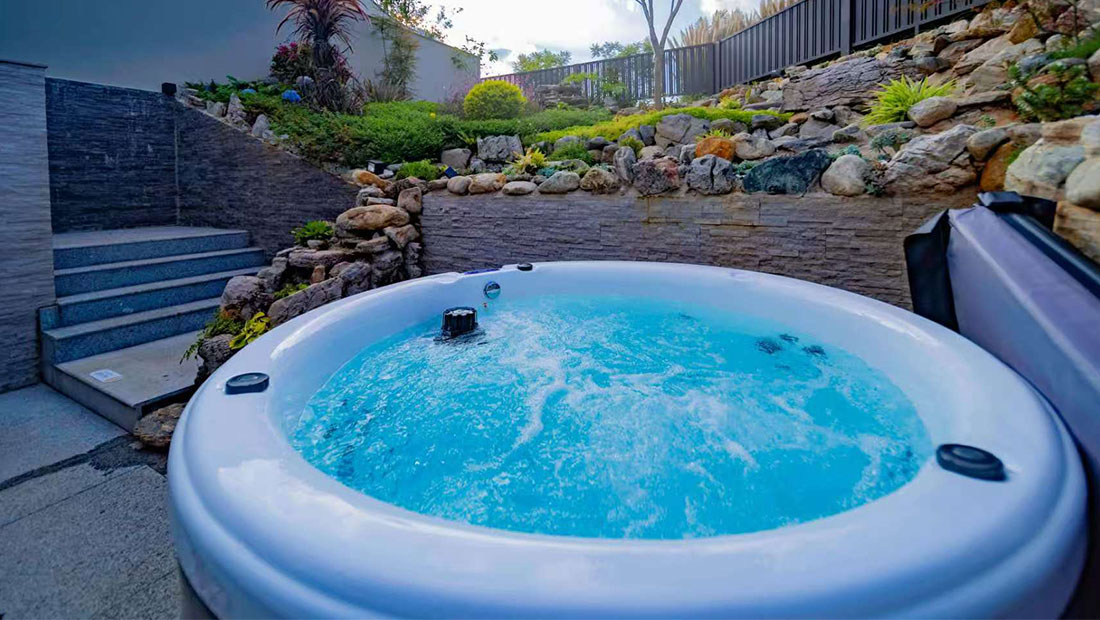
For small families or occasional swimmers, narrower options (2.2m–2.4m) suffice for fitness laps or leisurely floats. Larger households or those hosting frequent gatherings may prefer wider models (3m–3.8m), accommodating multiple users comfortably without feeling cramped.
Measure your installation area carefully. Narrower pools fit snugly in compact yards, leaving room for patios or gardens. Wider pools demand more surrounding space for safety and aesthetics—ensure clearance for maintenance access and emergency exits.
Fitness enthusiasts prioritizing swimming laps may opt for narrower widths to maximize stroke efficiency. Families seeking splash-friendly fun or hydrotherapy benefits may lean toward wider designs for added comfort and versatility.
Wider pools generally incur higher installation and heating costs. Consider long-term maintenance, including cleaning and chemical balancing, which scale with pool size.
Ultimately, the “right” width hinges on your unique needs. For clarity, consult FSPA’s technical team with your measurements and usage goals to align your choice with safety standards and structural feasibility. A thoughtful selection ensures your Infinipool becomes a cherished centerpiece for years to come.
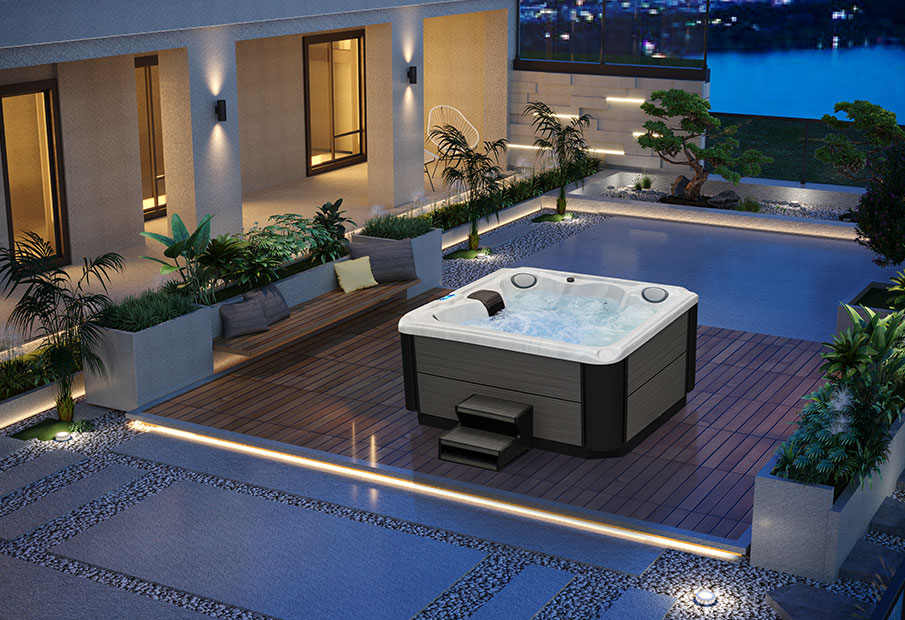
The Fspa BD-008 hot tub, with its spacious design for 6 adults, advanced control system, powerful massage pump, 3kW heater, high-efficiency filter, 35 strategic jets, LED lighting, adjustable features, and ozone sanitation, offers a luxurious and therapeutic spa experience at home, suitable for both residential and commercial settings.
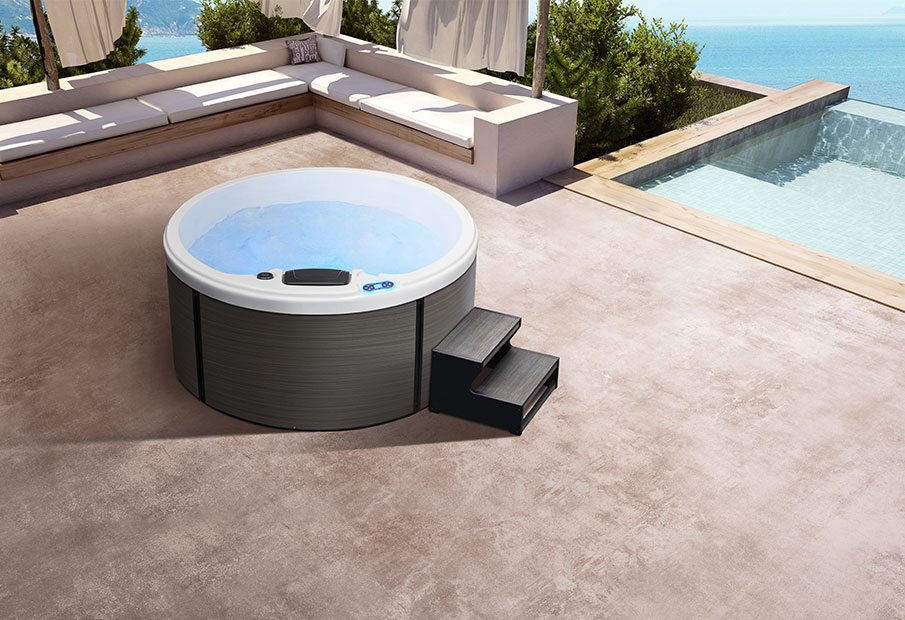
The Fspa BD-018 Hot Tub, designed for 2 adults with spacious dimensions, features a robust control system, 1.5kW massage pump, 0.35kW filter pump, 2kW heater, 14 customizable water jets, LED lighting, ozone sanitation, and a total power of 3.85kW, providing exceptional comfort and relaxation for a luxurious and rejuvenating soak.
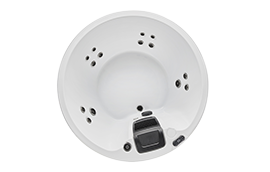
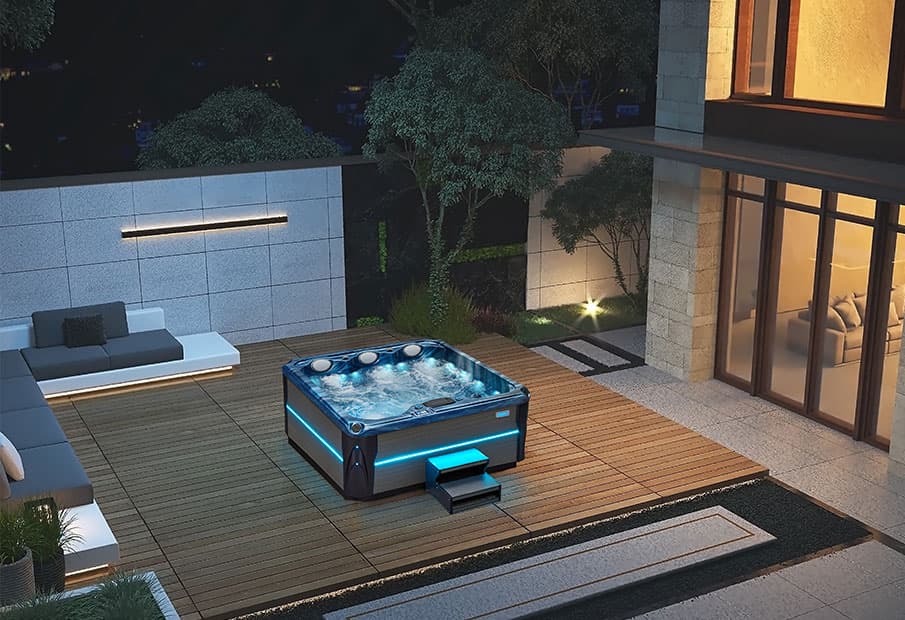
The Fspa BD-013Pro Hot Tub, a spacious and stylish premium spa for residential and commercial use, offers a luxurious and rejuvenating experience with its powerful massage system, pristine water quality, customizable water flow, calming LED lighting, music speakers, and comfort accessories.
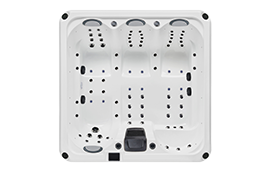
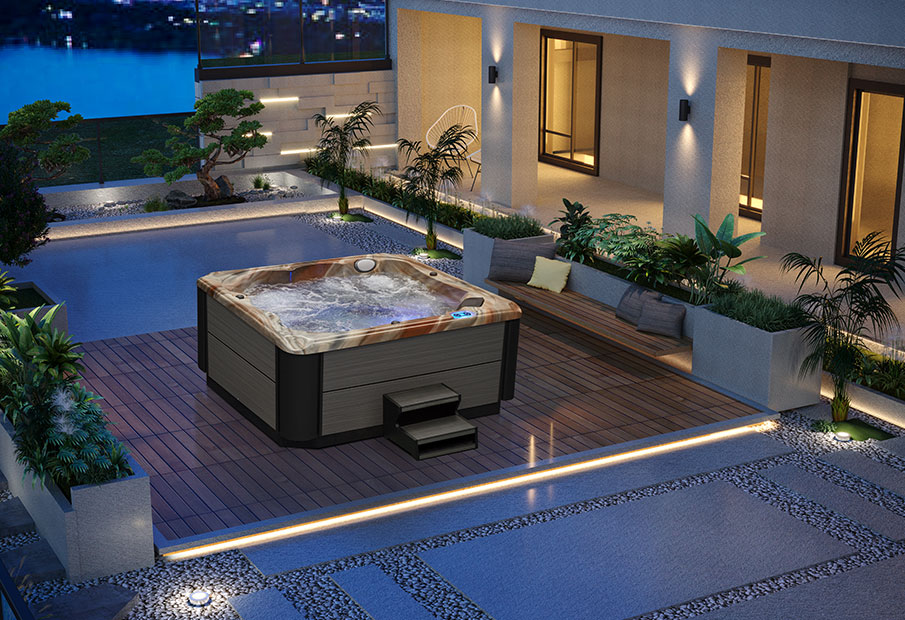
Fspa BD-004 spa, designed for ultimate relaxation, comfortably accommodating 6 adults with a powerful 5.55kW system, 35 targeted massage jets, clean water circulation, calming LED lighting, customizable air flow, ozone sanitization, and easy maintenance features.
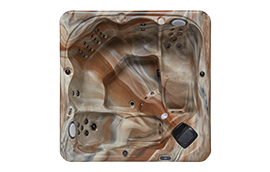
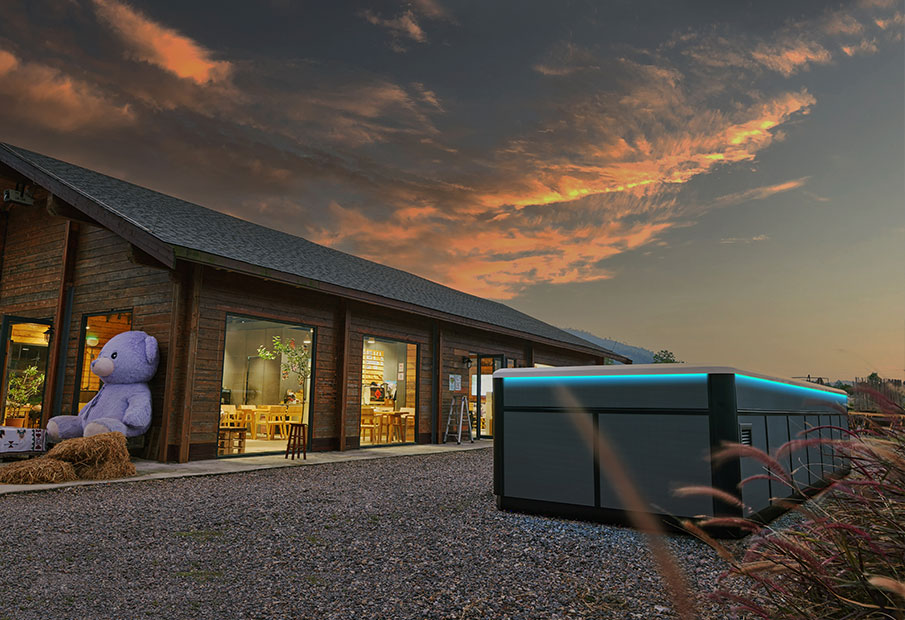
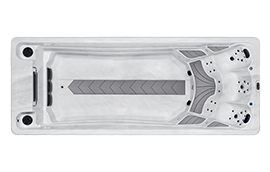
The Infinipool Fspa IP-004Pro is a luxurious, spacious hot tub with advanced features and a luxurious ambiance, perfect for both residential and commercial spa retreats.
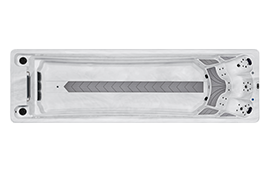
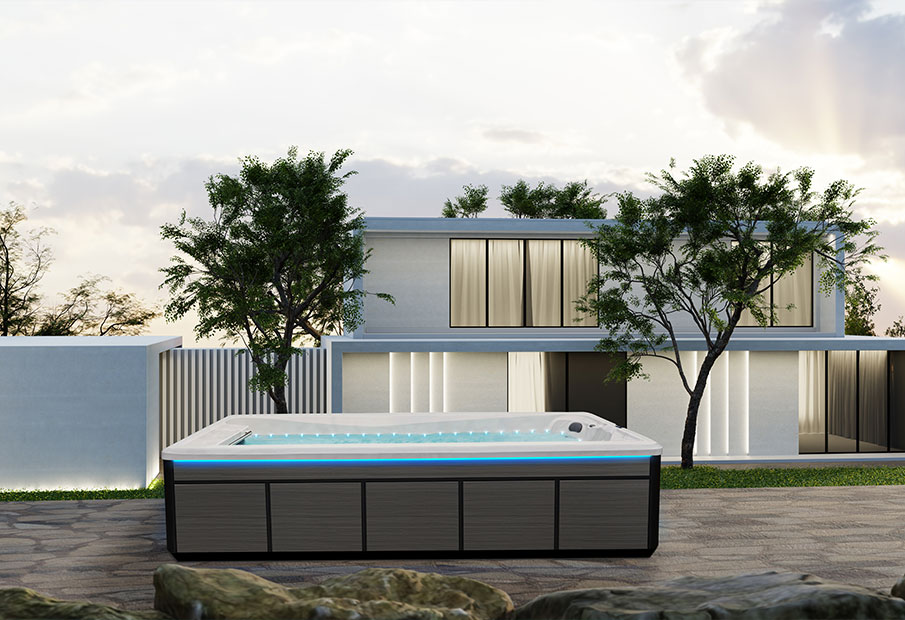
The Infinipool Fspa IP-003Pro is a cutting-edge hot tub with a spacious design, providing an unparalleled and customizable spa experience for residential and commercial use.
PRODUCTS
INQUIRY
Thank you for your message!Our Chinese New Year holiday from 7th Feb to 28th Feb. Apologise to make your inconvenience so that responses may be delayed during this period. We'll back to you with regular service on 2th March .Thank you for understanding.


