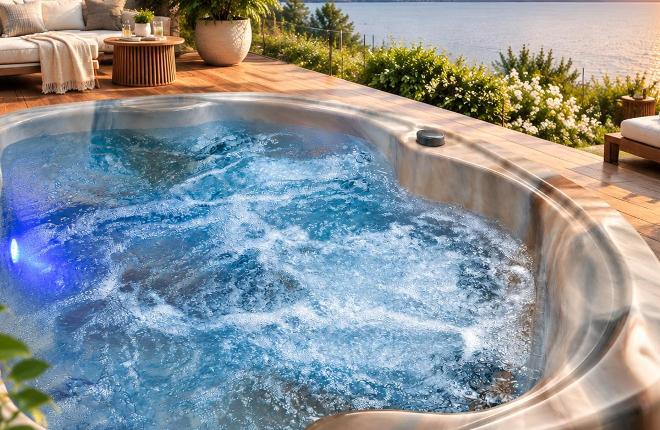
Anyone shopping around quickly learns that home swim spa cost swings wildly between listings. A basic plunge pool might run a few thousand dollars, while a fully equipped hydrotherapy unit climbs into five figures. The gap isn’t random. It reflects real differences in jet count, pump horsepower, shell material, and the electrical work needed to run the thing safely.
Before comparing prices, it helps to separate the spa itself from the installation costs around it. A deck, electrical hookup, and site prep can add thousands beyond the sticker price. Buyers who only budget for the unit often get caught off guard later.
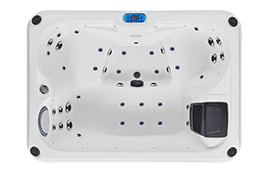
More jets sound like a simple upgrade, but each one draws water through a pump, and pumps consume electricity. A model with 35 jets, like the BD-004 from our lineup, runs on a 2.2kW massage pump paired with a 0.35kW filter pump, alongside a 3kW heater, totaling 5.55kW across the system. That’s the kind of number worth checking before you commit, since it directly affects your utility bill and the size of electrical circuit your home needs.
Higher jet density usually means a larger shell too, since designers need room to place nozzles without crowding the seats. A 6-person unit measuring roughly 2350 x 2350 x 900mm, holding around 1450 liters of water, sits at a different price tier than a 2-person soaking tub simply because of the material and pump capacity required to fill and heat that volume.
Acrylic shell quality is one of those details that separates a spa lasting a decade from one that fades and cracks within a few seasons. Marbled acrylic finishes, like the brown and cream pattern used on some tubs, aren’t just decorative. Thicker acrylic resists UV degradation better, which matters more for outdoor installations than shoppers usually expect.
Cabinet panels matter almost as much. Wood-grain composite panels handle weather better than raw wood, since they don’t absorb moisture the way traditional lumber does. When comparing home swim spa cost across brands, ask what the cabinet is actually made from rather than assuming "wood-look" means real wood.
A 3kW heater is fairly standard for mid-size spas, but how quickly it brings water back up to temperature depends on insulation quality and how often the cover gets left open. Ozone sanitization systems, which several models now include, reduce how often you need to shock the water with chemicals. That’s a maintenance cost worth factoring into the total picture, not just the upfront price tag.
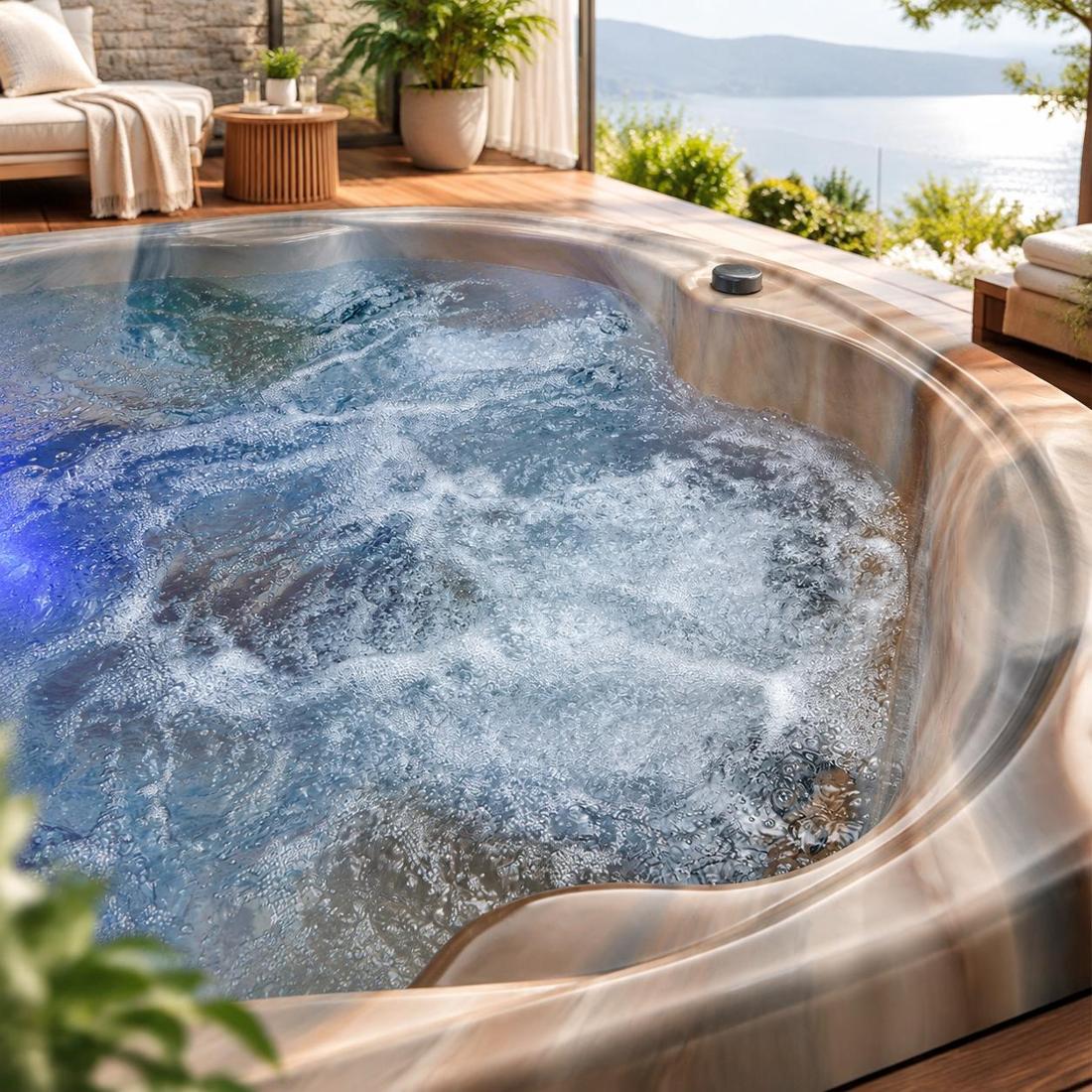
Control panels have gotten more intuitive over the years too. A backlit oval panel that displays temperature and function icons at a glance saves the guesswork that older analog dial systems used to require.
Different living situations call for different spa configurations. Here’s a rough breakdown of how spa type tends to align with typical household needs:
| Household Type | Recommended Capacity | Key Priority |
|---|---|---|
| Couple or small household | 2-4 person | Compact footprint, lower water volume |
| Family with guests | 6 person | Balanced jet count, moderate power draw |
| Hospitality or rental property | 6+ person | Durability, easy-clean surfaces |
| Fitness or recovery focus | 4-6 person | Higher jet density, targeted massage zones |
Seat contouring isn’t a cosmetic detail. Poorly shaped seats force bathers to slide or brace themselves, which defeats the point of a relaxation product. Ergonomic seating, according to product specs from our BD-004 line, is contoured to follow the body’s natural curves, with jets positioned around those contours rather than scattered evenly across the shell.
Headrests deserve a second look too. A supportive pillow system that aligns the neck and spine, as described in the product’s wave propulsion feature, changes how long someone can comfortably sit before needing to shift position. Fifteen minutes versus forty-five minutes makes a real difference for anyone using the spa for actual muscle recovery rather than a quick soak.
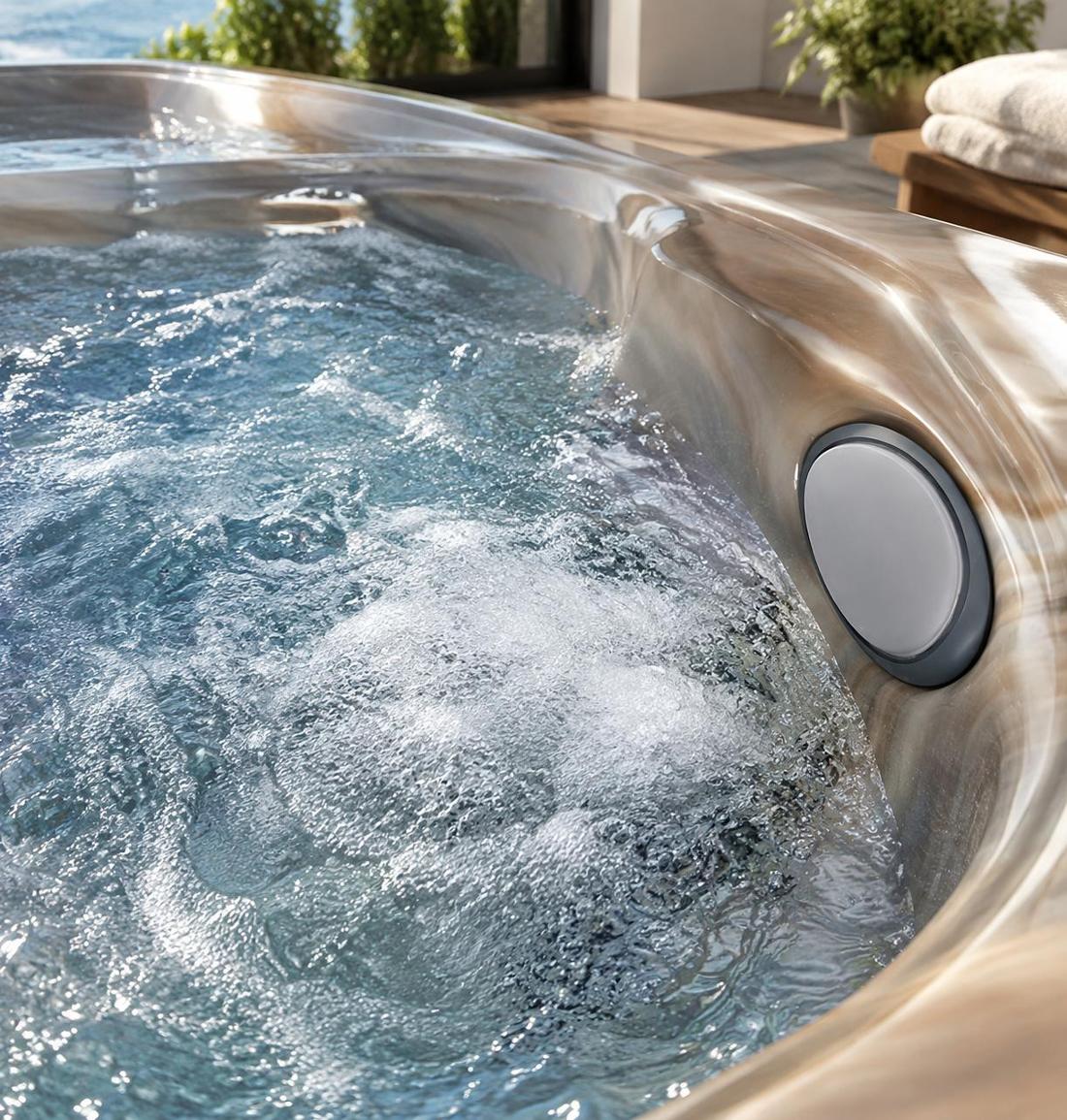
Not every spa on the market carries the same safety certifications, and this is one area where cutting corners has real consequences. Electrical components submerged near water need rigorous testing. Look for certifications such as CE, CB, SAA, or CTUVus, which indicate the unit has passed independent electrical safety testing relevant to different regions.
This matters more for buyers outside the manufacturer’s home country. A spa certified only for one region’s voltage standards might not be safe, or even legal, to install elsewhere without modification. Confirming certification alignment with your local electrical code should happen before purchase, not after installation.
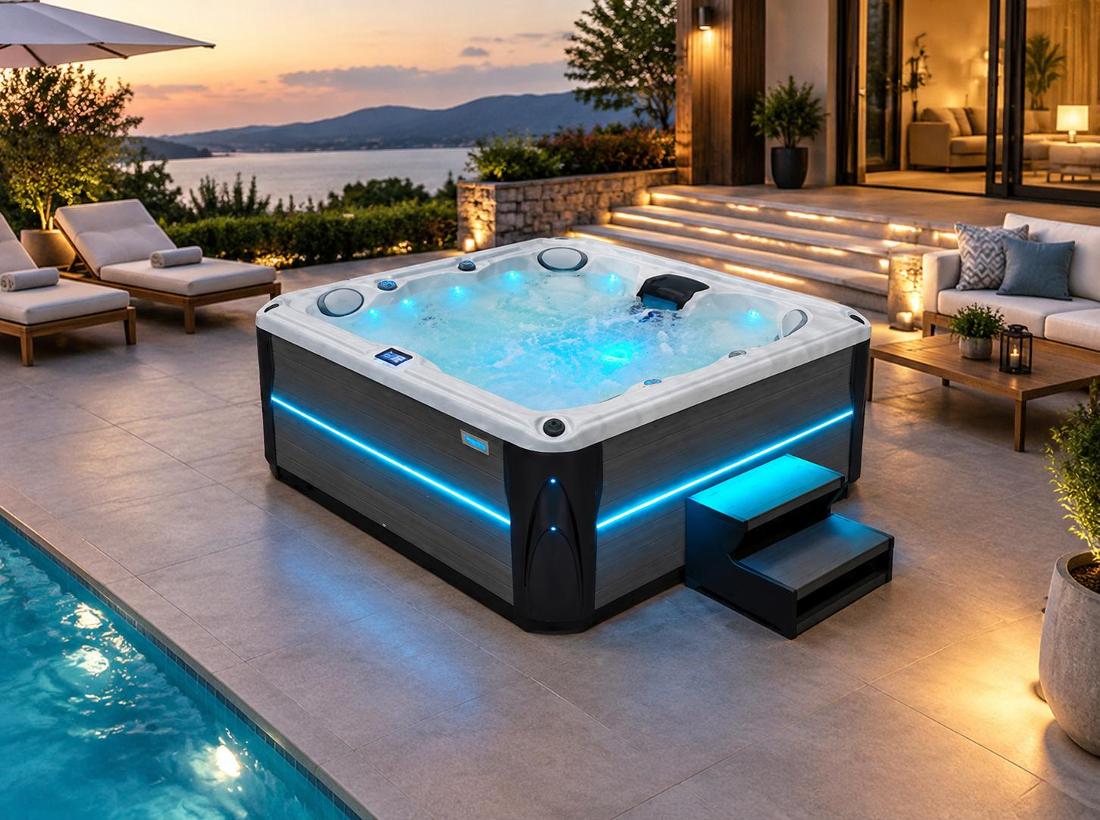
Home swim spas aren’t limited to residential backyards anymore. Boutique hotels use them for post-workout recovery near gym facilities, giving guests a hydrotherapy option without building a full spa wing. Villas often position a unit as a visual centerpiece on a wooden deck, paired with landscaping and outdoor lighting for evening use.
Seaside guesthouses have picked up on this trend as well, offering guests a hot soak with an ocean view after a day of travel. The appeal here isn’t just relaxation. It’s giving smaller hospitality operators a way to compete with larger resorts that have dedicated spa facilities, without the square footage or staffing costs that come with a full spa department.
Does a higher price always mean better quality?
Not necessarily. Price often reflects jet count, shell size, and certifications, but two spas at similar price points can differ significantly in build quality. Always check the pump specs and shell material rather than relying on price alone.
How much does installation add to home swim spa cost?
This varies by site. A reinforced deck, dedicated electrical circuit, and any plumbing for drainage can add a meaningful percentage on top of the unit price. Getting a site assessment before purchase avoids surprises.
Do LED lighting features affect running costs?
LED systems draw minimal power compared to pumps and heaters, so their impact on electricity bills is small. Their main value, based on product descriptions from several manufacturers, is creating a calming atmosphere rather than any therapeutic electrical effect.
Is ozone sanitization enough on its own?
Ozone systems reduce chemical maintenance but typically work alongside, not instead of, standard sanitizers. Check manufacturer guidance for your specific model before skipping chemical treatment entirely.
Ultimately, home swim spa cost should be weighed against how the unit will actually get used. A family that soaks a few times a week values durability and low maintenance over jet count. A household focused on muscle recovery after workouts might prioritize jet placement and pump strength instead.
For us, working across both outdoor spa and swimming pool product lines has shown that buyers get the best value when they match capacity and features to actual usage patterns rather than chasing the highest spec sheet. Whether the goal is a quiet backyard retreat or a feature for a boutique hospitality property, understanding what drives home swim spa cost helps buyers spend on what matters and skip what doesn’t.
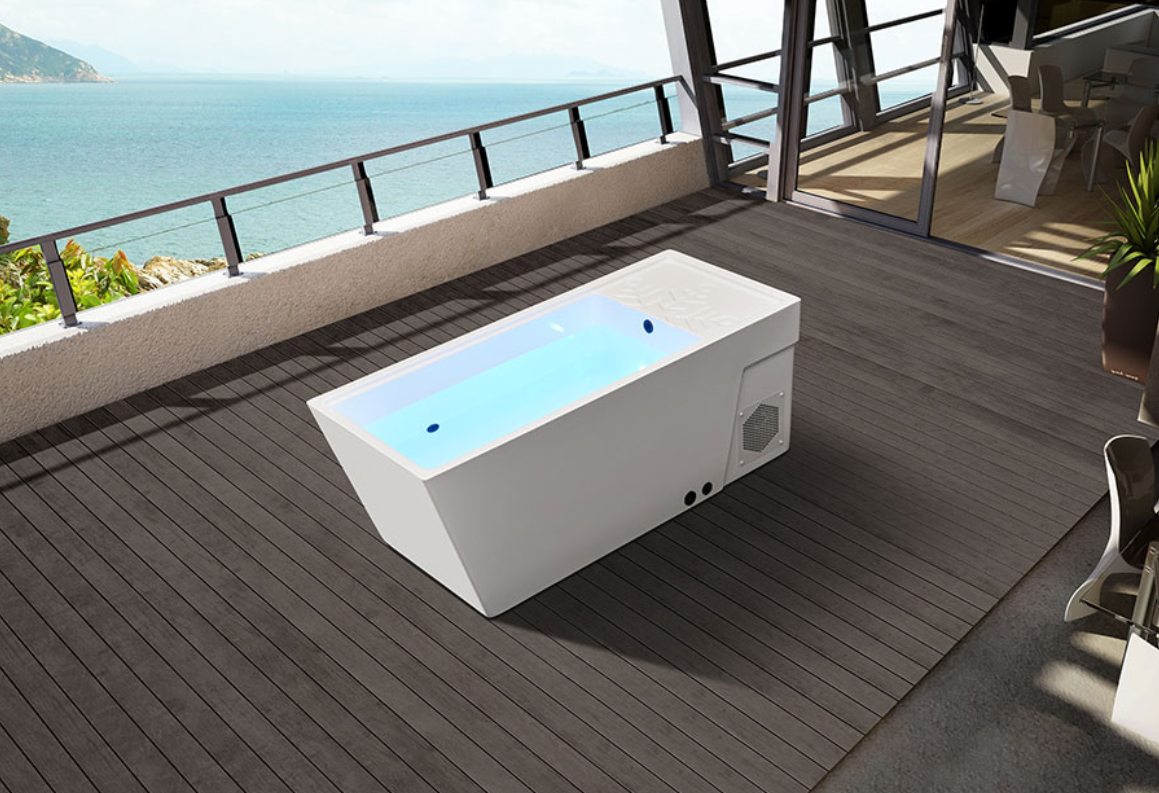
Building a More Sustainable Wellness Routine with Modern Cold Plunge Systems
Wellness is no longer limited to traditional gyms, spas, or fitness centers. Cold-water immersion has become an increasingly popular part of recovery and personal wellness routines, with cold plunge systems offering a convenient way to incorporate controlled cold-water exposure into everyday life.
As interest in wellness grows, consumers are also becoming more conscious of how the products they purchase affect energy consumption, water usage, materials, and the environment. This has encouraged manufacturers to develop cold plunge systems that combine practical performance with more responsible resource management.
Choosing a cold plunge is therefore no longer simply about achieving low water temperatures. Buyers may also consider insulation, cooling efficiency, water circulation, filtration, construction materials, and the overall environmental impact of the product.
An eco-friendly cold plunge is designed with greater attention to resource efficiency and environmental considerations throughout its use. Instead of focusing only on cooling performance, an environmentally responsible system considers how energy, water, materials, and maintenance requirements affect its overall footprint.
One important factor is the construction of the plunge itself. Durable materials can help extend product service life and reduce the need for frequent replacement. A longer-lasting product can potentially reduce material consumption over time, particularly when components are designed to be repaired or replaced individually rather than requiring the entire unit to be discarded.
Water management is another important consideration. Cold plunge systems are typically filled with a fixed volume of water that can be maintained through circulation and filtration. Effective filtration can help users keep the water cleaner for longer periods, potentially reducing unnecessary draining and refilling.
Manufacturers may also incorporate insulated walls, covers, and efficient circulation systems into an eco-friendly cold plunge. These features can help maintain stable water conditions while reducing unnecessary energy or water consumption.
For consumers interested in sustainable living, these characteristics can make a cold plunge a more responsible addition to a home wellness routine without sacrificing everyday convenience.
An eco-conscious cold plunge takes sustainability into account not only during operation but also when selecting materials and designing the product.
Material durability is particularly important for equipment that is continuously exposed to water, moisture, temperature changes, and cleaning processes. Strong and corrosion-resistant materials can help protect the structure and reduce premature deterioration.
A well-designed product can also make maintenance more manageable. Easy-to-access filters, replaceable components, and practical drainage systems can help users perform routine maintenance without replacing major components unnecessarily.
Packaging is another area where manufacturers can make a difference. Responsible packaging design may reduce excessive materials while still providing adequate protection during transportation. For products shipped internationally, optimizing packaging volume can also improve transportation efficiency.
An eco-conscious approach can extend to manufacturing processes as well. Manufacturers may consider material utilization, production efficiency, waste reduction, and responsible sourcing when developing their products.
For buyers, however, sustainability claims should be evaluated carefully. Rather than relying solely on terms such as “green” or “eco,” it is useful to examine specific product characteristics, including material durability, insulation performance, energy consumption, component lifespan, and maintenance requirements.
In this way, an eco-conscious cold plunge becomes part of a broader approach to responsible product design rather than simply a marketing label.
Cooling water to a low temperature requires energy, making efficiency an important consideration for regular users. An energy-efficient cold plunge is designed to minimize unnecessary power consumption while maintaining the desired water temperature.
Insulation plays an important role in this process. Without sufficient insulation, heat from the surrounding environment can continuously enter the water, forcing the cooling system to work harder. A properly insulated tank can reduce heat transfer and help maintain temperature more efficiently.
A high-quality thermal cover can provide another layer of protection when the cold plunge is not being used. By limiting exposure to ambient heat, the cover can help reduce the workload placed on the cooling system.
The cooling unit itself is equally important. Efficient compressors and temperature-control systems can adjust operation according to actual water conditions rather than running continuously at maximum capacity. Intelligent temperature management can therefore contribute to more efficient operation.
The surrounding environment also affects energy consumption. A cold plunge installed in direct sunlight or a very hot location may require more cooling than one positioned in a shaded, well-ventilated area.
For users who plan to operate their plunge frequently, energy efficiency should be considered alongside purchase price. A slightly higher initial investment in better insulation or efficient cooling technology may provide value over a longer period through reduced operating requirements.
Energy is only one part of the sustainability equation. Water management can also influence the environmental performance of a cold plunge.
Regularly replacing large quantities of water can increase consumption, particularly for users who operate their plunge frequently. A reliable filtration and circulation system can help maintain water quality between water changes.
Water treatment requirements should also be considered carefully. Users should follow the manufacturer’s recommendations for filtration, cleaning, sanitation, and water replacement rather than adopting a one-size-fits-all maintenance schedule.
Keeping the plunge covered when it is not in use can also help reduce contamination from leaves, dust, insects, and other outdoor debris. Cleaner water may require less frequent maintenance and can help reduce unnecessary water replacement.
Proper maintenance is essential as well. Dirty filters or poorly maintained circulation systems may force equipment to work harder and can reduce overall efficiency. Regular cleaning and timely replacement of consumable components can help the system operate as intended.
These simple practices demonstrate that sustainability depends not only on product design but also on how the equipment is used and maintained.
When evaluating an eco-friendly cold plunge, buyers should look beyond the initial purchase price and consider the product’s complete operating lifecycle.
Durability should be one of the first considerations. A reliable structure and high-quality components can help extend the product’s usable life. Energy consumption is another major factor, particularly for people who plan to use the plunge several times per week.
Buyers should also examine insulation, cooling technology, filtration, water circulation, and temperature controls. Products that are designed for straightforward maintenance can make it easier to keep the system operating efficiently.
An eco-conscious cold plunge can be particularly appealing to consumers who want wellness equipment that aligns with broader sustainability goals. Meanwhile, an energy-efficient cold plunge can help address the practical issue of ongoing electricity consumption.
Ultimately, the most sustainable cold plunge is not necessarily the one with the most features. It is the system that provides the required performance while using resources responsibly, lasting for a long time, and remaining practical to maintain.
As cold-water wellness continues to develop, sustainability is likely to become an increasingly important part of product design. By considering energy efficiency, water management, durable materials, and responsible maintenance, consumers can enjoy the benefits of a modern cold plunge while making more thoughtful choices for long-term use.

Invitation of FSPA in The 2026 POOL & SPA Show
Get ready to dive into the future of pool and spa innovations! The much-anticipated POOL & SPA Show, powered by the Northeast Spa and Pool Association, is just around the corner, and we are thrilled to invite you to be part of this spectacular event.

Mark your calendars for January 27–29, 2026, and make your way to the Atlantic City Convention Center in New Jersey, U.S.A. This is your golden opportunity to explore the latest trends, products, and technologies that are shaping the industry. We are especially excited to welcome you at Booth #3056, where FSPA will showcase its premium range of products and solutions. FSPA has always been synonymous with quality and innovation, and this year is no different.
Whether you’re a professional in the industry or a pool and spa enthusiast, this event promises insights and experiences you won’t want to miss. For more information, visit our homepage or contact us via WhatsApp at +86 18144708213. You can also email us at e-mail to: [email protected]. See you at the show!
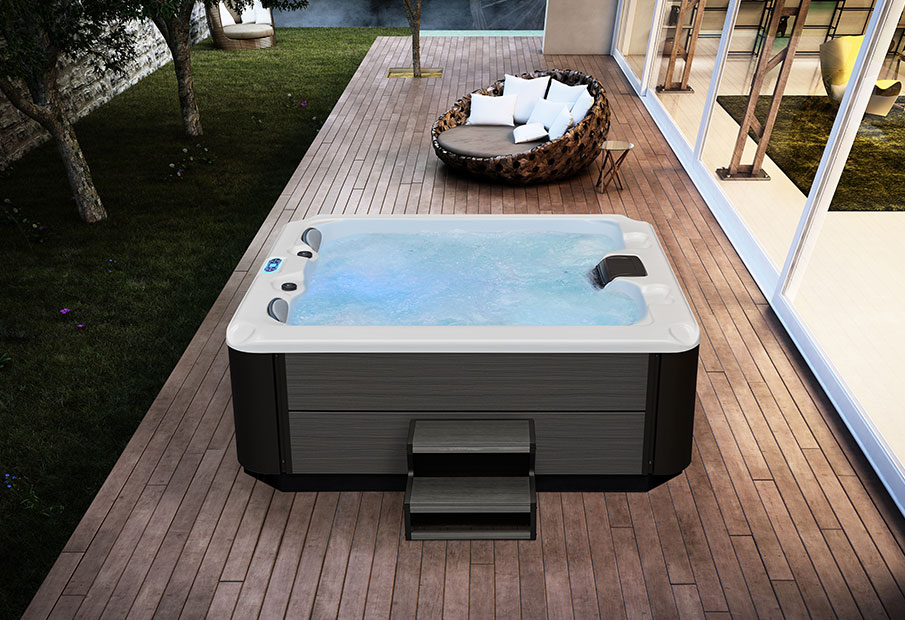
The Fspa BD-014 hot tub, designed for ultimate relaxation and luxury, offers a spacious interior for 4 adults, a powerful 2.2kW massage pump, 35 strategically placed jets, a 3kW heater, calming LED lighting, and an ozone system for clean water, making it the perfect choice for tranquility in your home.
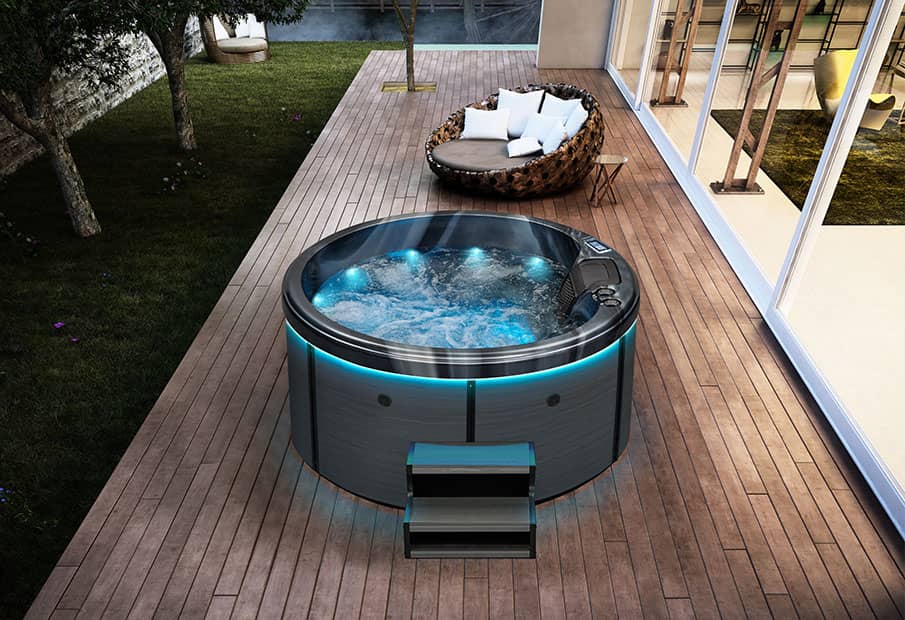
The Fspa BD-017Pro Hot Tub, spacious enough for 5 adults, offers a serene and rejuvenating experience with advanced controls, powerful massage and filtration systems, modern amenities, and suitability for indoor or outdoor use.
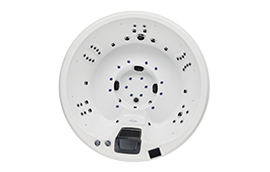
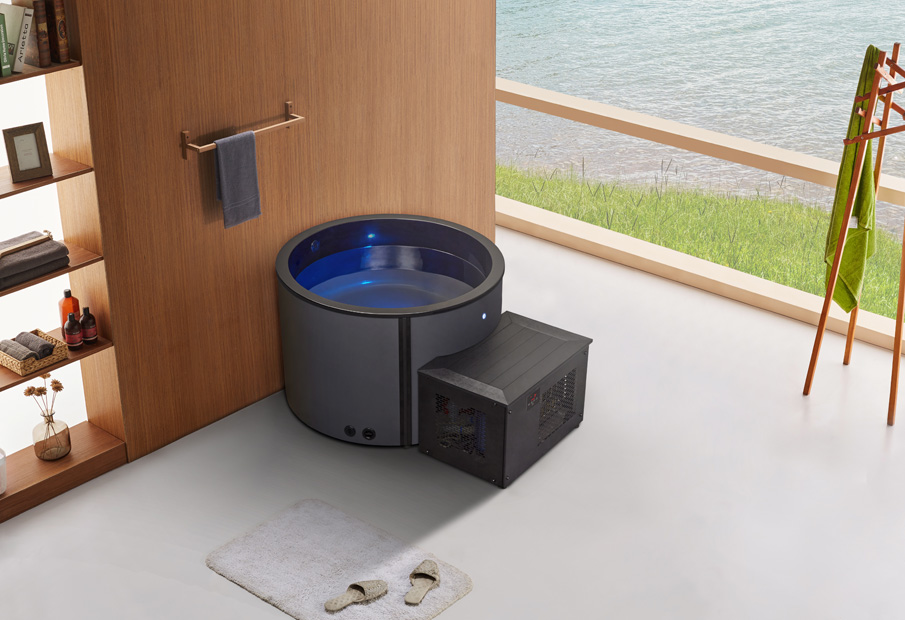
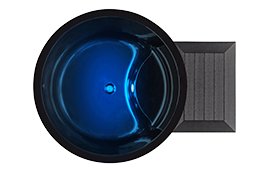
Combined design, plug and play, Include filter, circuit pump, Ozone, Ice-blue underwater light, and high-efficiency Chilling system.
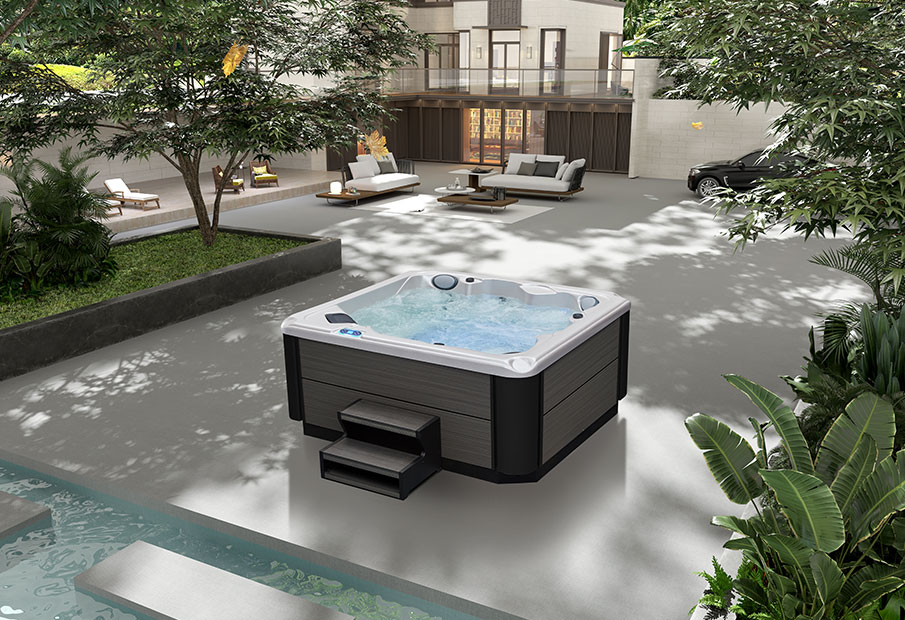
Our Fspa BD-007 Hot tub, measuring 2160x2160x900mm and accommodating 5 adults, combines luxury and comfort with a robust control system, powerful massage jets, sanitized water, ambient LED lighting, adjustable pillows, and energy efficiency, making it perfect for wellness enthusiasts in both residential and commercial settings.
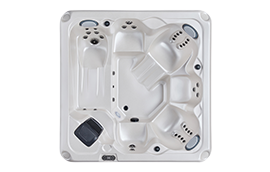
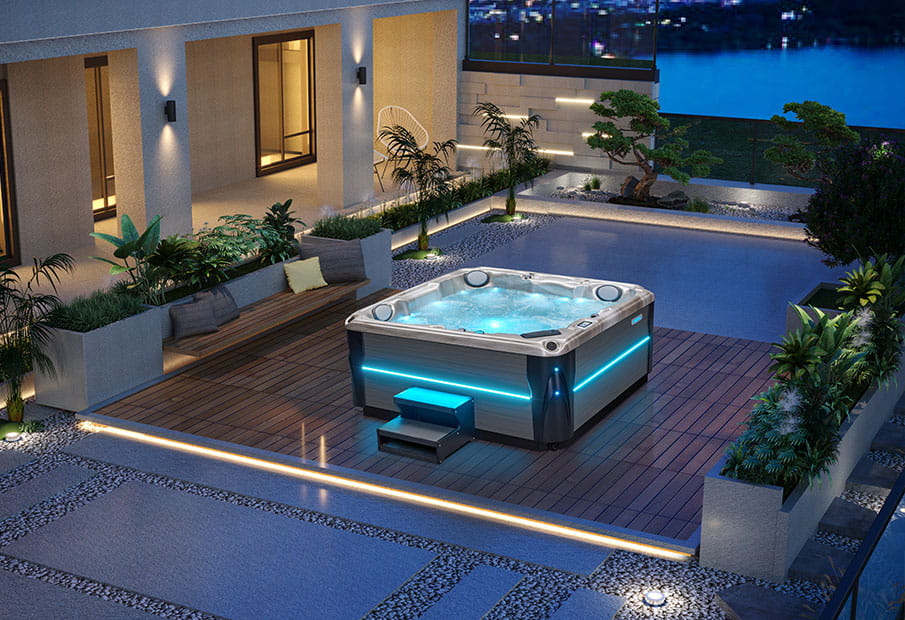
The Fspa BD-006Pro Hot Tub, with its compact spacious design for 5 adults, advanced massage system, 80 water & 18 air bubble jets, efficient heating and filtration, ozone sanitization, and sleek design, offers unparalleled luxury, relaxation, and convenience for both residential and commercial use.
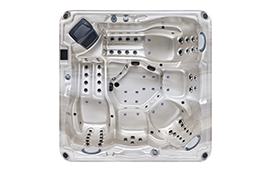
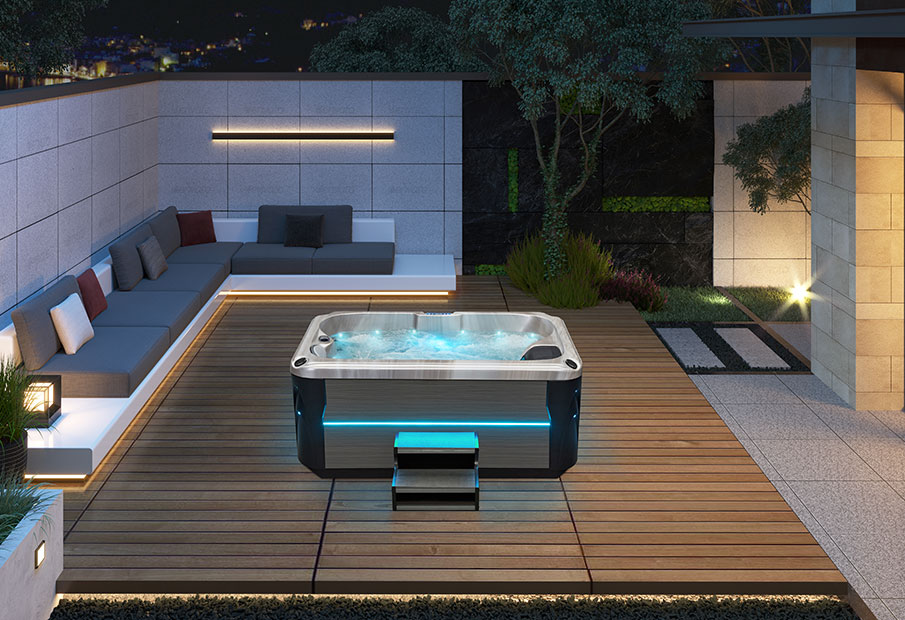
The Fspa BD-003Pro Hot Tub, offers ultimate relaxation with a robust 1.85kW massage system, pristine water filtration, 28 water & 14 air bubble jets, customizable air flow, ozone sanitization, 4 speakers, and a sleek design perfect for outdoor settings.
PRODUCTS
INQUIRY
Thank you for your message!Our Chinese New Year holiday from 7th Feb to 28th Feb. Apologise to make your inconvenience so that responses may be delayed during this period. We'll back to you with regular service on 2th March .Thank you for understanding.


