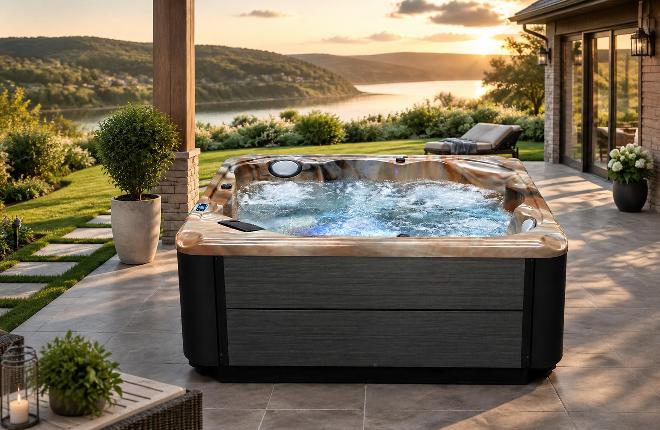
A mini swim spa sits in the space between a hot tub and a full lap pool, and that middle ground is exactly why so many homeowners are drawn to it. It offers massage therapy, warm water soaking, and enough room for several people, without demanding the footprint or plumbing complexity of a traditional pool. For anyone comparing a mini swim spa against a standard hot tub, the decision usually comes down to hydrotherapy depth, jet configuration, and how the unit fits into an existing outdoor or indoor layout.
The term gets used loosely, but in practice a mini swim spa is a compact, self-contained unit built around massage jets, heated water, and seating for multiple adults. It differs from a lap-style swim spa mainly in size and intent. Where a lap swim spa prioritizes open swimming distance, a mini swim spa prioritizes hydrotherapy and social soaking, closer in function to a large hot tub than a pool.
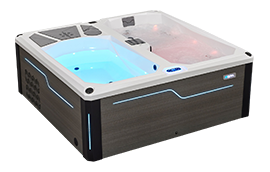
A good example of this category is the Fspa BD-004, a six-person portable unit measuring 2350 x 2350 x 900mm. It carries 35 massage jets and a 1450L water capacity, which puts it firmly in the mini swim spa range rather than lap-swimming territory. Units at this scale are meant to be installed quickly, plugged into standard power, and used almost immediately after filling.
Space and water usage are the two constraints that push people toward a smaller spa format. A conventional pool can require tens of thousands of liters and a permanent excavation, which is not realistic for a townhouse yard or a rooftop terrace. A mini swim spa, by contrast, holds a fraction of that volume and can often sit on a reinforced deck or patio slab.
There is also a maintenance argument worth stating plainly. Smaller water volume means faster heating, lower chemical dosing, and less time spent on upkeep each week. That tradeoff matters most to buyers who want the relaxation benefit of warm water without inheriting a second job cleaning a large body of water.
Before comparing brands, it helps to know which numbers actually affect daily use. Below is a specification set from the BD-004, useful as a reference point when evaluating any mini swim spa in the same size class.
| Specification | Value |
|---|---|
| Capacity | 6 adults |
| Dimensions | 2350 x 2350 x 900mm |
| Water Capacity | 1450L |
| Total Power | 5.55kW |
| Massage Pump | 2.2kW x 1 |
| Filter Pump | 0.35kW x 1 |
| Heater | 3kW x 1 |
| Jet Count | 35 |
| Net Weight | 317kg |
| Certifications | CE, CTUVus, CB, SAA |
The power draw matters more than most buyers expect. A 5.55kW total load, split across the massage pump, filter pump, and heater, tells you whether your existing electrical circuit can support the unit without an upgrade. Certifications like CE and SAA are not marketing flourishes here; they indicate the product has passed defined electrical and safety testing relevant to the regions those marks cover.
Jet count alone does not tell the full story. Placement relative to seating position determines whether the massage actually reaches the muscle groups people care about, mainly the lower back, calves, and shoulders. The BD-004’s 35 jets are distributed across six ergonomically contoured seats, with nozzles positioned along the back and leg area rather than clustered in one zone.
Seat contouring is a detail that gets overlooked until someone sits in a poorly shaped tub for twenty minutes. According to the manufacturer’s design notes, the BD-004’s seats and backrests follow the body’s natural curve, with controls placed within easy reach rather than across the tub. Headrests use a padded, contoured shape intended to support the neck, which reduces strain during longer soaks.
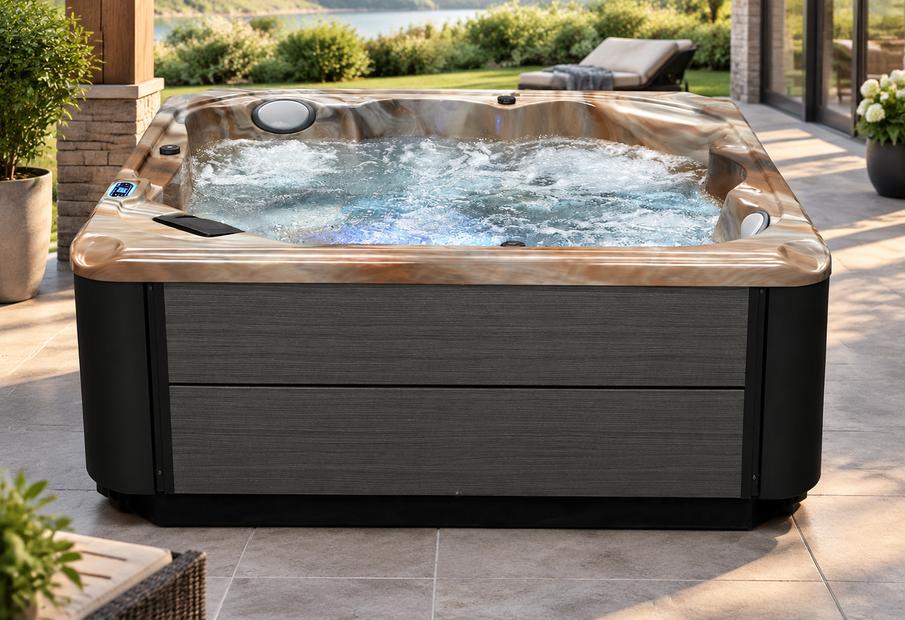
Ambient lighting is often dismissed as decorative, but for evening use it changes how the spa gets used. Bottom-mounted blue LED lighting, as included in the BD-004, illuminates the water from below and is marketed by the manufacturer as part of a calming, low-stimulation atmosphere for evening sessions. That claim about mood benefit reflects the manufacturer’s positioning rather than an independently verified clinical outcome, so it is worth treating as a comfort feature rather than a therapeutic guarantee.
Sanitization is the less glamorous but more important system to understand. An integrated ozone system, present in this unit, injects ozone into the circulating water to help reduce bacterial load between chemical treatments. This does not eliminate the need for a filter pump or periodic water changes, but it does lower how often chemical shock treatments are needed, which shortens the weekly maintenance list.
Buyers should walk through a short mental checklist before purchase:
Placement scenarios shape which features actually matter. A hotel gym setting benefits from a unit like this for post-workout recovery, where guests want a short, effective soak rather than a swimming session. A villa backyard turns the same unit into an evening focal point, particularly when the LED lighting is used after sunset. A seaside homestay or B&B can offer it as a differentiator, giving guests a hydrotherapy option without building a shared pool.
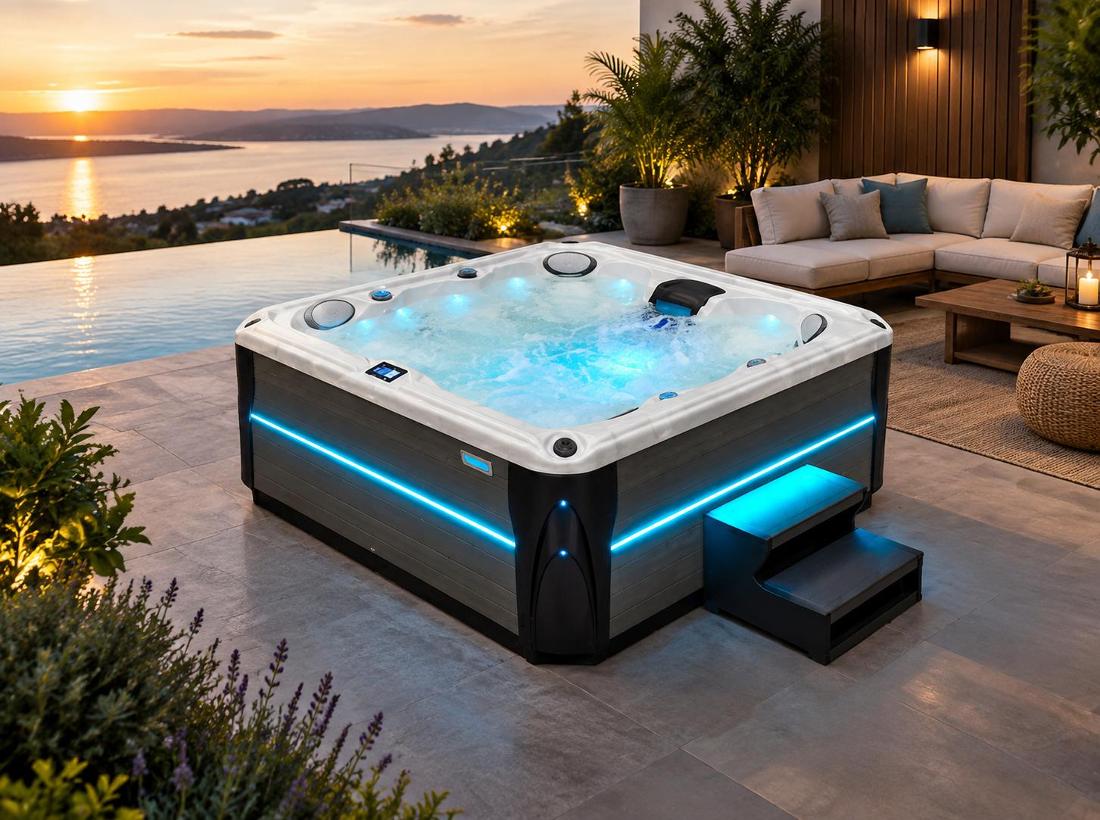
Rehabilitation and physiotherapy centers represent a slightly different use case. Warm water immersion combined with targeted jet pressure is commonly used in physical therapy settings to support circulation and muscle relaxation, though any specific rehabilitation protocol should still be guided by a licensed therapist rather than the spa’s jet settings alone.
Does a mini swim spa need a dedicated concrete pad?
Not always, but the surface needs to support the filled weight, which includes water mass plus occupants. A 1450L unit holds roughly 1.45 tons of water alone, so a standard wooden deck should be checked for load rating before installation.
How is this different from an inflatable hot tub?
An inflatable unit typically uses fewer jets, thinner insulation, and a softer shell, while a hard-shell mini swim spa like the BD-004 uses an acrylic shell, a fixed cabinet, and a permanent plumbing and heating system built for longer-term outdoor use.
Can it run on a standard household outlet?
Given a 5.55kW total system load, most installations require a dedicated circuit rather than a standard wall outlet. An electrician should confirm circuit capacity before delivery.
Is ozone sanitization a replacement for chemicals?
No. It reduces bacterial load and eases the maintenance burden, but periodic chemical balancing is still part of standard care for any spa using this kind of system.
Choosing the right mini swim spa comes down to matching jet layout, power requirements, and seating capacity to how the space will actually be used. A unit built for six adults, like the BD-004 with its 2.2kW massage pump and 35-jet layout, suits households or hospitality settings expecting regular multi-person use rather than solo soaking. For us, the goal in outlining these specifications is to help buyers ask the right questions before installation, since the wrong power setup or surface load can turn an otherwise solid mini swim spa into a costly retrofit. Whether the intended setting is a backyard deck, a boutique hotel, or a wellness center, checking these technical details early makes the difference between a spa that gets used daily and one that becomes an expensive ornament.
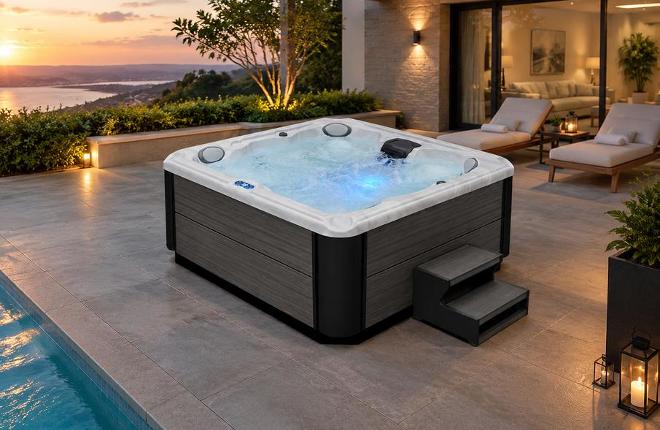
The Best Way to Cold Plunge Without Wrecking Your Routine
Cold plunging has moved from niche athletic recovery tool to something people do before work, after a workout, or just to feel awake. But the best way to cold plunge isn’t about gritting your teeth through freezing water for as long as possible. It’s about timing, temperature, and consistency, paired with a setup that actually fits your daily life.
Most people who quit cold plunging don’t quit because it doesn’t work. They quit because their routine is inconvenient, their tub is a hassle to maintain, or the water never feels quite right. Getting the method correct matters just as much as getting the equipment correct.
Cold water immersion triggers a rapid vasoconstriction response. Blood vessels near the skin narrow, blood shifts toward your core, and your nervous system gets a jolt of norepinephrine. That’s the alertness spike people chase in the morning.
There’s also a documented reduction in perceived muscle soreness after intense exercise, which is why many athletes use cold immersion post-training. The effect is short-term and symptomatic rather than a change in tissue damage itself, so it’s best understood as a recovery aid, not a cure.
None of this requires ice-cold extremes. Water between 50°F and 59°F (10°C to 15°C) is enough to produce these responses for most people. Colder isn’t automatically better, and pushing temperature too low increases the risk of an uncomfortable, even dangerous, shock response.
A common mistake is treating cold plunging like an endurance contest. Longer isn’t the goal. Most physiological benefits show up within the first two to three minutes of immersion.
Frequency matters more than duration. Three to four sessions a week tend to produce more consistent results than one long session followed by days off.
The best time to cold plunge depends on what you want from it. Morning sessions lean into the alertness spike, giving you a natural jolt without caffeine. Post-workout sessions target soreness and the psychological reset after hard training.
Evening cold plunging is less common and, for some people, counterproductive. The adrenaline response can interfere with winding down for sleep, so if you’re sensitive to stimulation at night, it’s worth testing carefully before making it a habit.
Not everyone needs a dedicated cold plunge tub. Some people use a bathtub filled with ice, others invest in a chiller-equipped plunge pool, and some use a multi-temperature spa that can run cold when needed.
| Option | Setup Effort | Temperature Control | Best For |
|---|---|---|---|
| Ice bath in a tub | High (daily ice needed) | Poor, drifts warm quickly | Occasional use, low budget |
| Dedicated chiller plunge tub | Low after install | Precise, consistent | Frequent, daily users |
| Multi-function spa pool | Low after install | Depends on heater/chiller range | Households wanting both hot and cold therapy |
For people who already use a hot tub for hydrotherapy and muscle recovery, alternating between heat and cold in the same space is often more practical than owning two separate units. A spa like the Fspa BD-001, for instance, is built around a 3kW heater and a 31-jet hydrotherapy system rather than dedicated chilling, according to its product specifications, which makes it better suited to contrast therapy routines where a plunge pool or ice bath handles the cold side and the spa handles heat and massage recovery afterward.
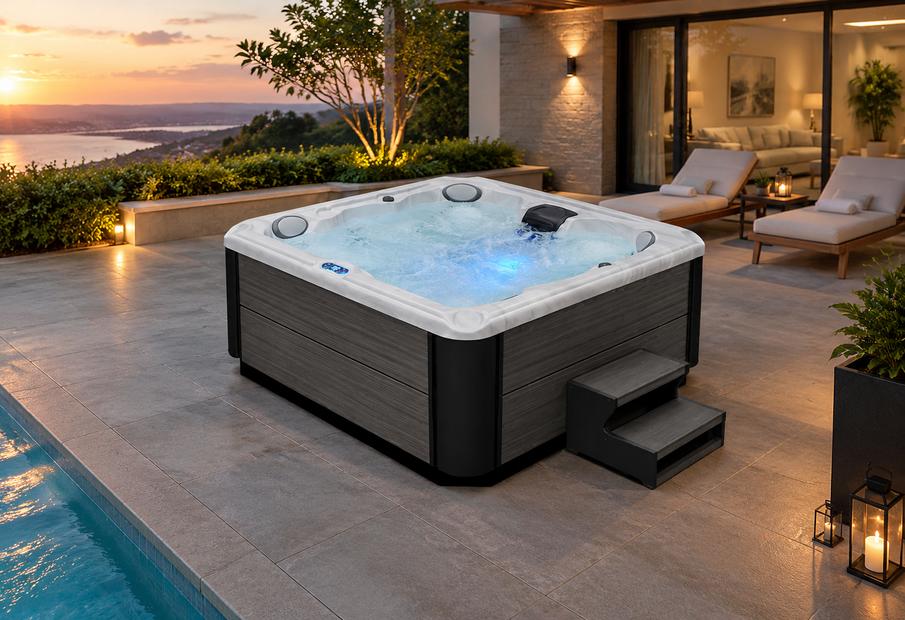
Contrast therapy, alternating hot and cold, is one of the more grounded approaches for people who want recovery benefits without living in an ice bath. The heat dilates blood vessels, the cold constricts them, and the switching itself is thought to support circulation more than either temperature alone.
A simple contrast sequence looks like this:
This is where a hydrotherapy-focused spa earns its place in a recovery setup. According to its product specifications, the BD-001’s 2.2kW massage pump drives water through 31 jets positioned around the seating area, targeting the back and shoulders after a cold session when muscles are tight and circulation is still catching up.
If you’re building a cold plunge routine at home rather than relying on a gym or recovery studio, a few practical factors decide whether you’ll actually stick with it.
Products designed primarily for hot water therapy, like the BD-001 with its four integrated pillows and ergonomic seating for six adults, aren’t marketed as cold plunge tubs. But the seating comfort and filtration standards found in a well-built spa (in this case, certified to CE, CTUVus, CB, and SAA standards according to the manufacturer) reflect the same engineering priorities that matter in any water-based therapy setup, hot or cold.
Cold plunging is simple in concept, but a few habits quietly cancel out the benefits people are chasing.
Going too cold too fast. Jumping straight into 39°F water without building tolerance often triggers hyperventilation and panic responses rather than calm alertness. Gradual exposure over weeks works better than forcing it.
Skipping the breathing. Cold shock triggers a gasp reflex. Practicing slow, controlled exhales before and during immersion reduces the panic response significantly, and it’s often the difference between dreading a plunge and actually looking forward to it.
Inconsistent scheduling. Sporadic plunging, once one week and skipped for the next three, doesn’t build the tolerance or habit strength that makes cold exposure feel manageable. Regularity matters more than intensity.
Ignoring water hygiene. Standing cold water without proper filtration becomes a bacterial concern fast. This is one area where investing in equipment with dependable filtration, ozone treatment, or regular water testing pays off.
Is colder water always better for cold plunging?
No. Water in the 50°F to 59°F range produces most of the documented physiological responses. Going colder increases risk without adding proportional benefit for most users.
Can I cold plunge every day?
Many people do, typically for 1 to 3 minutes. The key is listening to your body and easing off if you notice prolonged fatigue, sleep disruption, or skin irritation.
Do I need a separate cold plunge tub if I already own a hot tub?
Not necessarily. Some households use ice baths or portable chillers alongside an existing spa, running the two in sequence for contrast therapy rather than buying a dedicated multi-temperature unit.
Is cold plunging safe for everyone?
People with cardiovascular conditions, Raynaud’s syndrome, or certain nerve disorders should check with a doctor first, since the vasoconstriction response can pose real risks for those groups.
Finding the best way to cold plunge really comes down to matching temperature, duration, and frequency to your own tolerance, rather than copying an extreme routine built for someone else. Whether you’re using a plain ice bath, a dedicated chiller tub, or pairing it with a heated spa like the BD-001 for contrast therapy, the goal stays the same: build a routine you’ll actually repeat, because consistency is what turns cold plunging from a shock into an actual recovery habit.
Complete Guide to Choosing Small Hot Tubs and Outdoor Relaxation Systems for Modern Homes
In today’s home wellness market, more homeowners are choosing to install small hot tubs as a practical way to enjoy relaxation without requiring large installation space. These compact systems are designed for efficiency, making them ideal for apartments, townhouses, patios, and smaller backyard areas. Despite their size, they still deliver strong hydrotherapy benefits, including muscle relaxation, stress relief, and improved sleep quality.
One of the most popular choices for homeowners is the outdoor hot tub, which transforms any backyard into a private relaxation zone. These systems are built to withstand changing weather conditions, including sunlight, rain, and seasonal temperature shifts, ensuring long-term durability and performance.
For users seeking a more luxurious experience, outdoor jacuzzi hot tubs provide enhanced features such as multi-jet massage systems, LED lighting, and advanced temperature control. These models are designed not only for comfort but also for aesthetic appeal, often becoming the centerpiece of modern outdoor living spaces.
Another widely chosen category is hot tubs for outside, which refers to all spa systems specifically engineered for outdoor installation. These units are made with weather-resistant materials and energy-efficient insulation, making them suitable for year-round use in various climates.
When evaluating spa systems, many buyers look for top rated hot tubs to ensure quality, durability, and long-term satisfaction. These models are typically reviewed based on performance, energy efficiency, user comfort, and maintenance requirements. Choosing a top-rated option helps reduce long-term repair costs and improves overall user experience.
Modern small hot tubs are no longer limited in features. Many now include adjustable jets, ergonomic seating, and smart temperature controls. This allows users to enjoy a personalized spa experience even in limited spaces.
An outdoor hot tub is especially valuable for homeowners who want to combine nature with relaxation. Whether placed on a deck, patio, or garden area, it creates a peaceful environment for daily use or weekend gatherings.
For those seeking a more premium experience, outdoor jacuzzi hot tubs offer enhanced hydrotherapy performance and luxury design elements. These systems are often built with stronger insulation, high-end materials, and customizable features that improve both comfort and energy efficiency.
Meanwhile, hot tubs for outside remain a flexible option for many homeowners because they can be installed in various outdoor environments without major structural changes. This makes them a popular choice for both new homeowners and renovation projects.
Selecting the right spa system depends on available space, budget, and lifestyle needs. Small hot tubs are ideal for individuals or couples who want efficient relaxation without taking up too much space. On the other hand, larger outdoor hot tub models are better suited for families or social gatherings.
If luxury and performance are priorities, outdoor jacuzzi hot tubs provide advanced hydrotherapy features and a more immersive spa experience. These systems are often considered long-term investments that enhance both lifestyle quality and property value.
For buyers focused on reliability and performance, choosing top rated hot tubs ensures better durability, stronger construction, and more efficient heating systems. These models are generally tested for long-term usage and customer satisfaction.
Ultimately, whether choosing hot tubs for outside or compact small hot tubs, the right decision should balance comfort, durability, and energy efficiency.
From compact relaxation units to advanced luxury spa systems, today’s market offers a wide range of options for every lifestyle. Whether you are considering small hot tubs, upgrading to an outdoor hot tub, or investing in premium outdoor jacuzzi hot tubs, each option delivers unique benefits in comfort and wellness. By carefully evaluating hot tubs for outside and selecting from top rated hot tubs, homeowners can create a long-lasting outdoor relaxation space that enhances both health and quality of life.
small hot tubs are space-saving, energy-efficient, and ideal for couples or small households, while still offering full hydrotherapy benefits.
Yes, an outdoor hot tub is designed with weather-resistant materials and insulation, allowing year-round use in most climates.
outdoor jacuzzi hot tubs offer advanced jet systems, luxury seating designs, and enhanced hydrotherapy features for a more premium experience.
Yes, hot tubs for outside are designed for flexible installation on patios, decks, and gardens without requiring complex construction.
When selecting top rated hot tubs, consider energy efficiency, build quality, user reviews, jet performance, and long-term durability.
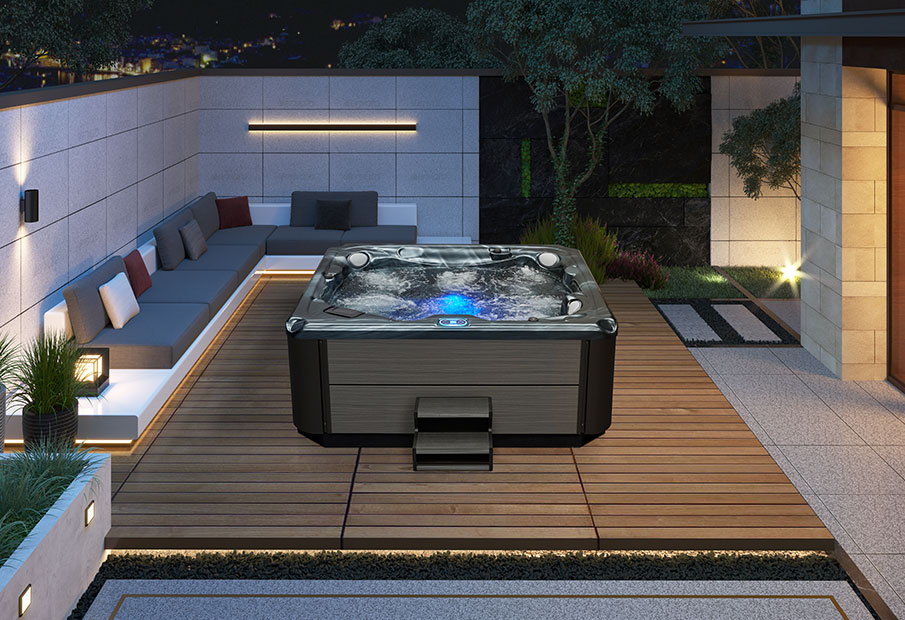
The Fspa BD-005 hot tub, accommodating 6 adults with advanced features including a 2.2kW massage pump, 0.35kW filter pump, 3kW heater, 42 jets, and ozone purification, offers ultimate relaxation in a spacious 2530x2300x900mm pool.
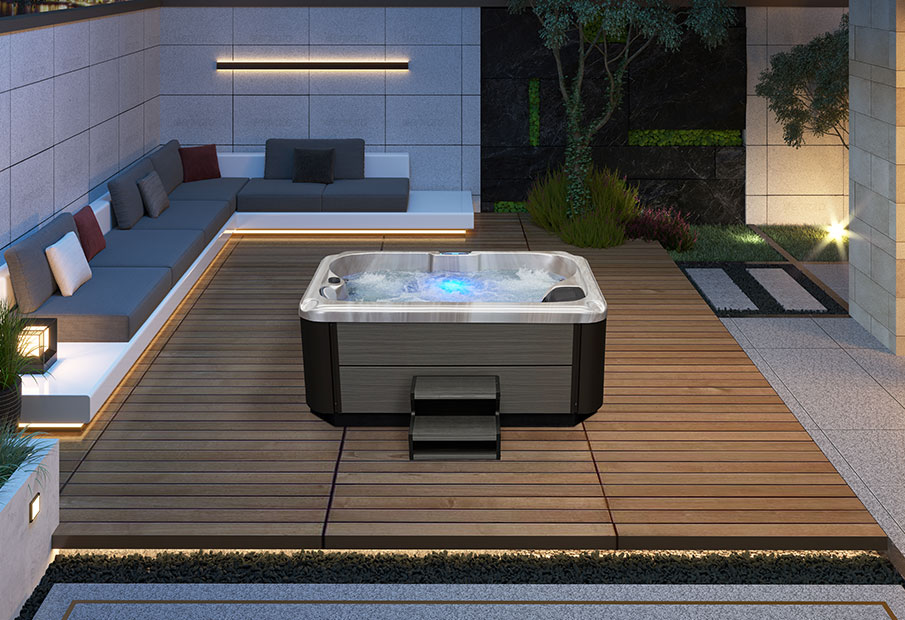
Our luxurious Fspa BD-003 spa tub, designed for 3 adults with ample space (1870x1330x800mm), features a comprehensive control system, powerful massage pump, gentle filter pump, temperature control, clean water filter, LED lighting, 16 massage jets, and sanitation ozone system, offering a perfect therapeutic escape for you and your loved ones.
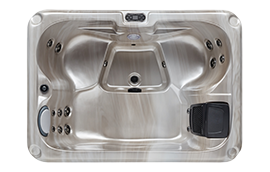
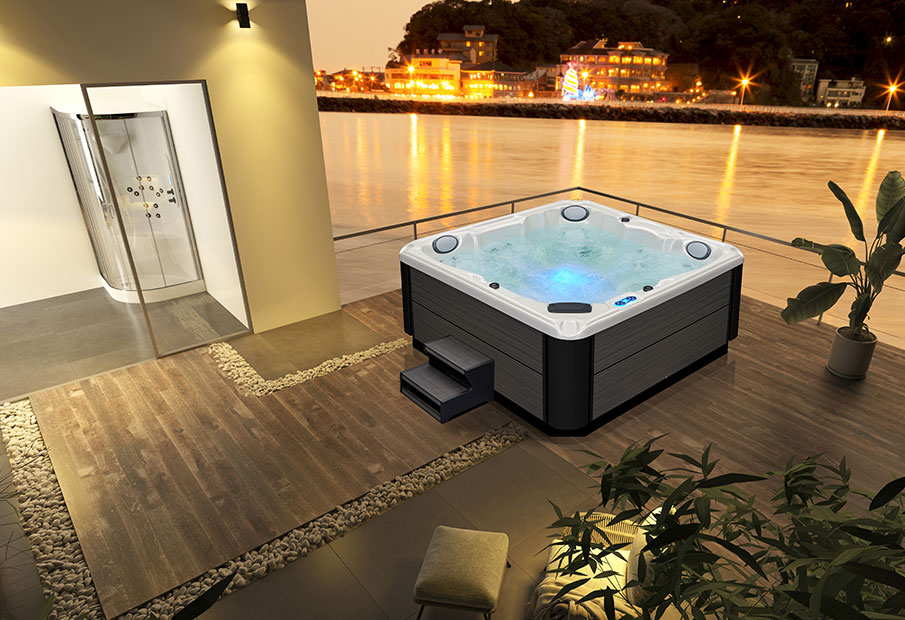
Our premium spa, spacious enough for 5 adults, combines luxury and functionality with a robust control system, high-performance components, advanced filtration and ozone sanitization, 36 jets, adjustable air pillows, and user-friendly controls for ultimate relaxation at home.
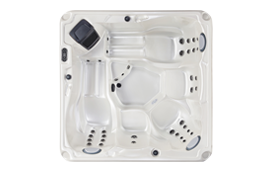
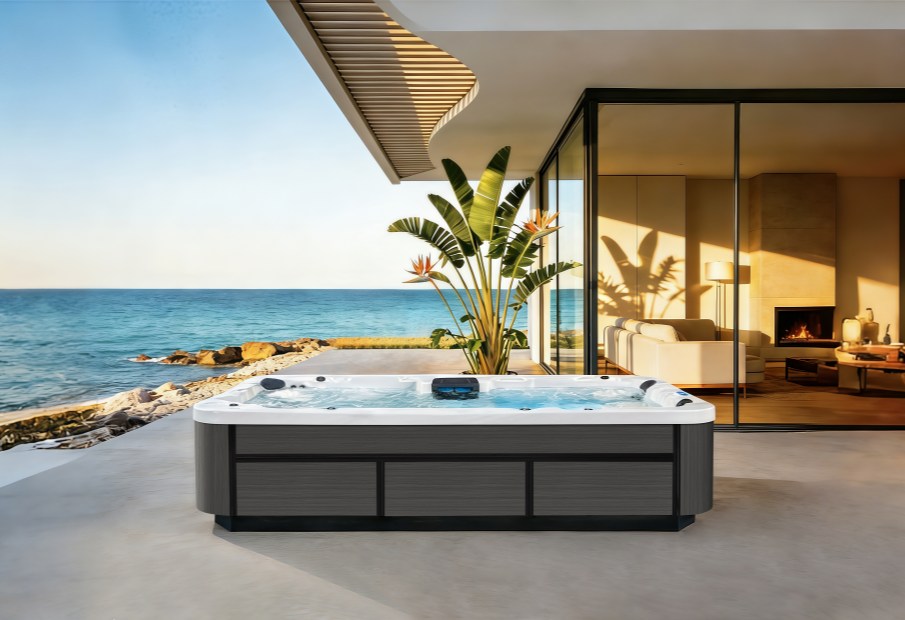
The Fspa BD-020 Hot Tub, designed for 5 adults with spacious dimensions and powered by a 4.85kW system, includes a 1.5kW massage pump, 0.35kW filter pump, 3kW heater, 28 customizable water jets, LED lighting, an ozone sanitation system, and easy maintenance features, providing unparalleled relaxation and comfort.
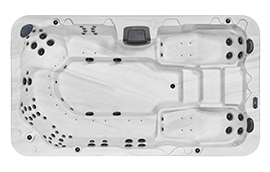
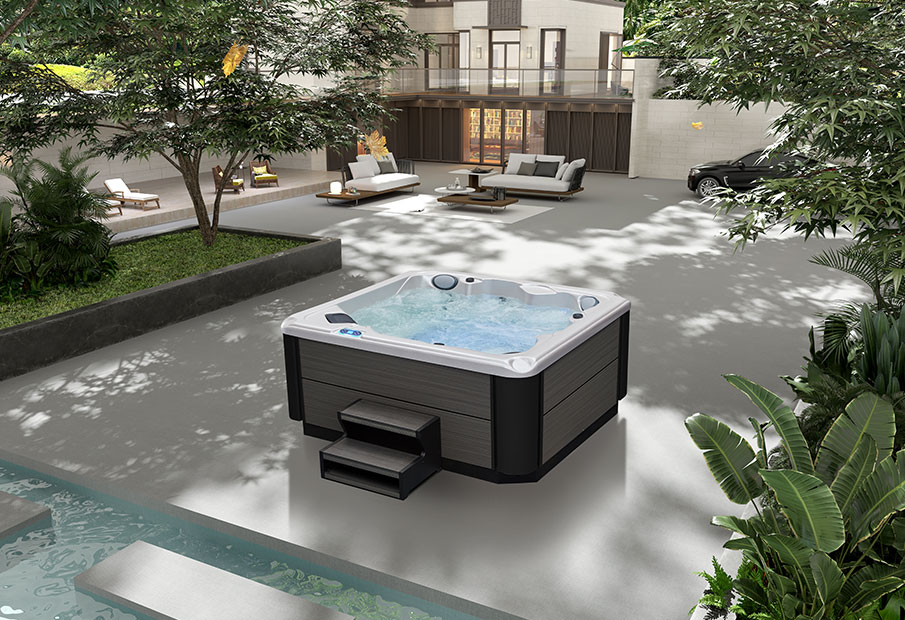
Our Fspa BD-007 Hot tub, measuring 2160x2160x900mm and accommodating 5 adults, combines luxury and comfort with a robust control system, powerful massage jets, sanitized water, ambient LED lighting, adjustable pillows, and energy efficiency, making it perfect for wellness enthusiasts in both residential and commercial settings.
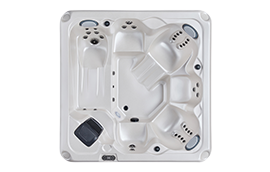
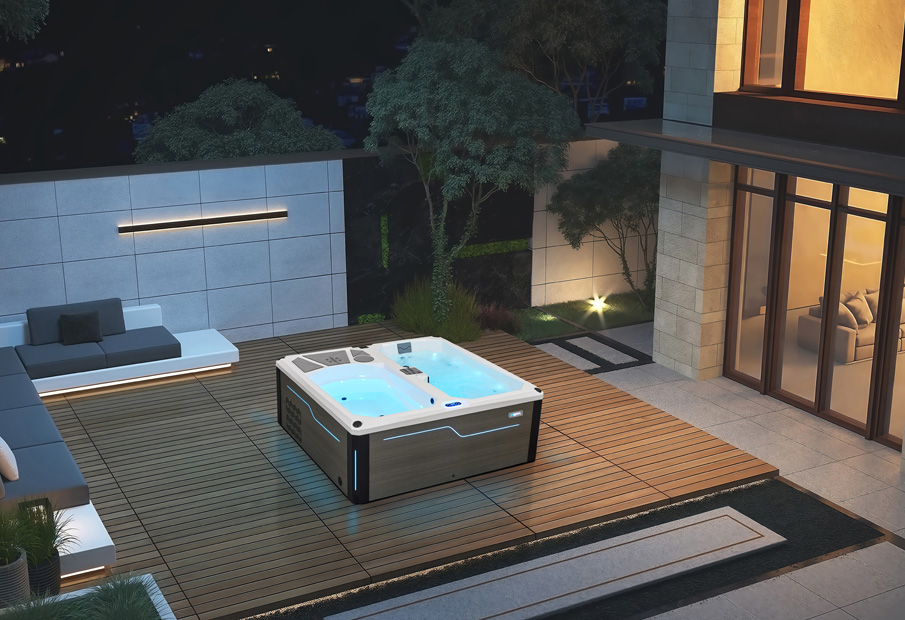
Welcome lights up as you approach, All in one design, plug and play, snowflake pattern, Include filter, circuit pump, Ozone, ice-blue underwater light, and high-efficiency chilling system.
PRODUCTS
INQUIRY
Thank you for your message!Our Chinese New Year holiday from 7th Feb to 28th Feb. Apologise to make your inconvenience so that responses may be delayed during this period. We'll back to you with regular service on 2th March .Thank you for understanding.


