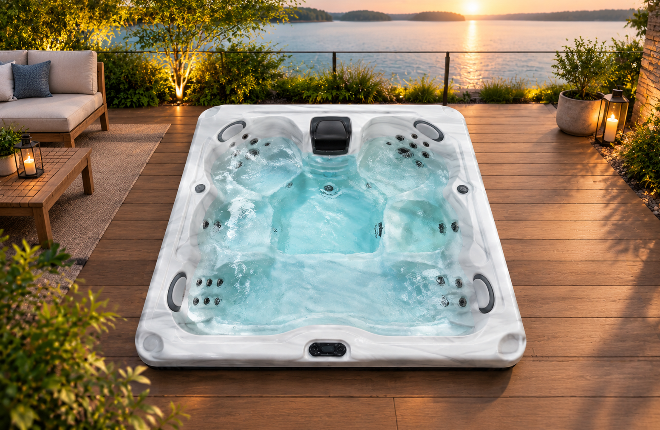
A swim spa hot tub combo sits in an odd category. It’s not quite a pool, not quite a hot tub, and pricing guides online tend to throw out a number without explaining where it comes from. If you’re comparing swim spa hot tub combo cost against a separate pool-and-spa build, the real answer depends on size, jet count, heating capacity, and how the unit gets installed. This guide breaks down the cost drivers so you can budget with actual numbers instead of guesswork.
A standalone hot tub has a fairly predictable price range because the shell size and jet count stay within a narrow band. A swim spa hot tub combo, on the other hand, stacks two systems into one footprint: a swim current or exercise zone paired with a therapeutic soaking section.
That means you’re paying for two heating loads, two filtration paths in some designs, and a shell large enough to support swimming motion without sacrificing the depth needed for hydrotherapy jets. The combo format saves yard space compared to building a pool and a spa separately, but the manufacturing cost doesn’t disappear. It just gets folded into one unit.
Four factors move the price more than anything else: capacity, jet count, heater size, and shell construction. Understanding each one helps you avoid overpaying for features you won’t use, or underbuying on a heater that can’t keep up with your climate.
Capacity and shell dimensions. A compact 3-person spa built around 1870 x 1330 x 800mm sits at the entry end of the range. A 6-person unit stretching past 2500mm in length costs considerably more, partly because of material volume and partly because larger acrylic shells require more structural bracing underneath.
Jet count and hydrotherapy design. Jet arrays across this category span from 16 jets in a compact soaking-focused model to 80 jets in a performance-oriented layout. More jets generally means more pump capacity, which raises both the unit price and the ongoing electrical draw.
Heater wattage. Heaters in this class typically range from 2kW to 3kW. A 2kW heater works fine in mild climates but struggles to recover temperature quickly after a swim spa’s exercise current has been running, since that motion cools the water faster than passive soaking does.
Sanitization system. Ozone-based sanitization, which several models in this category include, reduces the chemical load needed to keep water clear. It’s not a replacement for sanitizer entirely, but it lowers maintenance frequency, which matters when you’re calculating long-term cost rather than just the sticker price.
Pricing varies by brand, region, and import costs, but the relationship between specs and price tends to hold across the market. Here’s a general framework based on configuration tiers rather than a single fixed number.
| Configuration Tier | Capacity | Jet Count | Heater | Typical Use Case |
|---|---|---|---|---|
| Entry | 3 adults | 16-24 jets | 2kW | Small patios, couples, first-time buyers |
| Mid-range | 4-5 adults | 30-50 jets | 2kW-3kW | Family backyards, moderate climates |
| Premium | 5-6 adults | 50-80 jets | 3kW, up to 5.55kW total system power | Cold climates, frequent use, commercial settings |
Entry-tier units keep costs down by limiting jet count and shell size, which suits buyers who want the relaxation benefit without the added footprint of a full-size swim spa. Premium tiers push total system power toward 5.55kW, a figure that reflects pumps, heater, lighting, and audio systems running together rather than the heater alone.
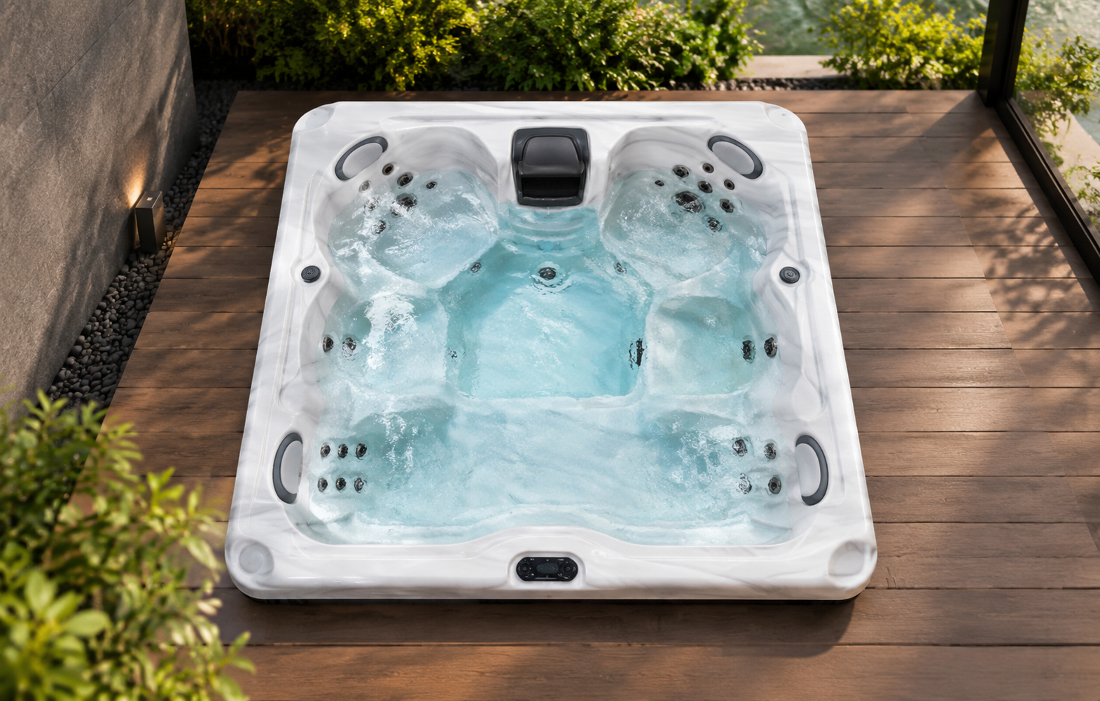
The unit price is only part of the swim spa hot tub combo cost equation. Site preparation often adds a meaningful chunk to the total, and skipping it is where most budget overruns happen.
Budgeting for these four steps upfront, rather than treating them as afterthoughts, keeps the total project cost close to your original estimate.
Not every added feature costs the same amount relative to the value it delivers. Some additions, like integrated LED lighting, add ambiance at a modest cost increase. Others, like a full high-fidelity audio system, add noticeably more to the price but may not matter if the unit’s primary use is muscle recovery rather than entertaining guests.
The seating layout matters more than people expect. A model with five distinct molded seating positions and a dedicated headrest zone distributes jets more deliberately across the body than a generic bench-style layout crammed with jets in one row. That difference doesn’t always show up in a spec sheet, but it shows up in how the spa actually feels after twenty minutes.
Rather than chasing the highest jet count or largest shell, work backward from how you’ll actually use the unit.
This kind of decision tree matters more than comparing raw prices side by side, because two units at the same price point can serve completely different needs.
Does a swim spa hot tub combo cost more to run than a standard hot tub?
Running costs are generally higher because of the larger water volume and the additional pump load from swim current features, but the difference is smaller than most people assume once ozone sanitization reduces chemical costs.
Is a 2kW heater enough for year-round use?
In moderate climates, yes. In regions with cold winters, a 3kW heater recovers temperature faster after use, which matters more for swim spa combos since the exercise current cools water faster than passive soaking.
Do commercial installations need a different configuration than residential ones?
Commercial settings like hotels or fitness centers typically benefit from higher jet counts and larger capacity tiers to handle frequent multi-user cycles, while residential use can often be served well by mid-range configurations.
Does more jets always mean better hydrotherapy?
Not necessarily. Jet placement relative to seating position affects the experience more than raw count. A well-designed 30-jet layout can outperform a poorly distributed 60-jet layout for targeted muscle relief.
Getting an accurate swim spa hot tub combo cost estimate means looking past the headline number and into the specs that actually determine performance and longevity: heater wattage, jet distribution, shell size, and sanitization system. For us, this is the framework we walk customers through before recommending a configuration, since matching the unit to actual usage patterns avoids both overspending and buyer’s remorse. Whether you’re outfitting a backyard, a boutique hotel, or a physiotherapy center, treating the swim spa hot tub combo cost as a function of these variables, rather than a single fixed price, leads to a purchase that holds up for years rather than one that gets replaced after a single season of frustration.

Invitation of FSPA in The 2026 POOL & SPA Show
Get ready to dive into the future of pool and spa innovations! The much-anticipated POOL & SPA Show, powered by the Northeast Spa and Pool Association, is just around the corner, and we are thrilled to invite you to be part of this spectacular event.

Mark your calendars for January 27–29, 2026, and make your way to the Atlantic City Convention Center in New Jersey, U.S.A. This is your golden opportunity to explore the latest trends, products, and technologies that are shaping the industry. We are especially excited to welcome you at Booth #3056, where FSPA will showcase its premium range of products and solutions. FSPA has always been synonymous with quality and innovation, and this year is no different.
Whether you’re a professional in the industry or a pool and spa enthusiast, this event promises insights and experiences you won’t want to miss. For more information, visit our homepage or contact us via WhatsApp at +86 18144708213. You can also email us at e-mail to: [email protected]. See you at the show!
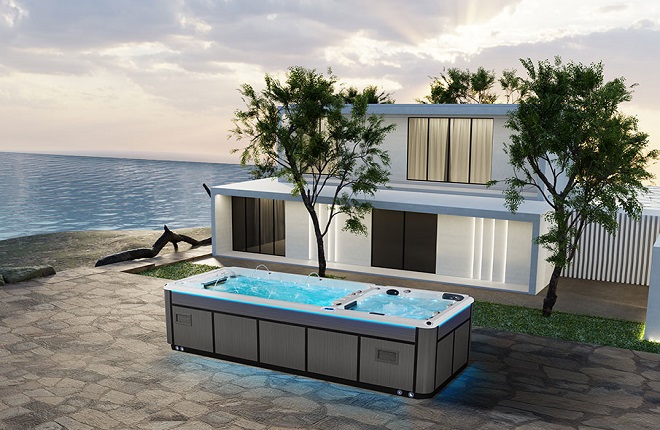
As someone who’s bought two acrylic swim spas for vacation homes in Spain and the U.S. over the past five years, I’ve learned the hard way that international swim spa shopping isn’t just about picking a style or size—ignoring voltage, frequency, and socket differences can turn a dream backyard upgrade into a costly headache. These details might seem small, but they make or break whether your spa works safely, efficiently, or at all once it’s installed.
My first mistake happened with my Spanish villa’s spa. I ordered a model I loved from a global supplier without double-checking electrical specs, assuming “universal” meant it would fit. When the installer arrived, he pointed out Spain uses 230V voltage and 50Hz frequency, while the spa was calibrated for the U.S.’ 120/240V and 60Hz. Plugging it in would’ve fried the heating element and pumps.
We had to wait three weeks for the supplier to send a custom electrical kit—delaying use and adding extra fees. After that, I made it a rule to confirm specs upfront. The U.S. home’s spa went smoothly because I asked: I learned most U.S. residential setups use 240V for larger spas (to power strong jets and fast heating) and 120V for smaller ones, plus 60Hz frequency that keeps motors running steadily.
Japan’s even trickier, I later found out from a friend—some regions use 100V at 50Hz, others 60Hz, so you need to specify the exact city to avoid mismatches.
Sockets are another easy pitfall. In Spain, the plugs are Type F—round, with two pins and a grounding clip—while the U.S. uses Type A/B (flat pins, grounded or ungrounded). My first spa came with a U.S.-style plug, which didn’t fit Spain’s outlets.
Even if you use an adapter, it’s not a fix: adapters only change the plug shape, not the power flowing through it. For my U.S. spa, I also had to confirm the socket’s amp capacity—my spa draws 30A, so a standard 15A household socket would’ve overheated.
The supplier helped me share my home’s electrical panel details with their team, who then sent a compatible cord and even recommended a local electrician to upgrade the outlet.
The solution, I’ve found, is simple: talk to your supplier early and often. Don’t just ask “Will this work in [country]?”—get specific. Share your home’s voltage (you can find it on your utility bill or by checking a wall outlet), frequency (most countries stick to 50Hz or 60Hz), and socket type (a quick online search for your country’s plug type works).
Good suppliers, like the one I used for my second spa, will adjust the spa’s internal components—swapping out heating elements, calibrating motors, or changing cords—to match your region. They might even send diagrams to share with your electrician, so installation goes off without a hitch.
Buying a swim spa internationally should be exciting, not stressful. By focusing on these electrical details and communicating clearly with your supplier, you can skip the delays and extra costs—and start enjoying your spa as soon as it arrives.
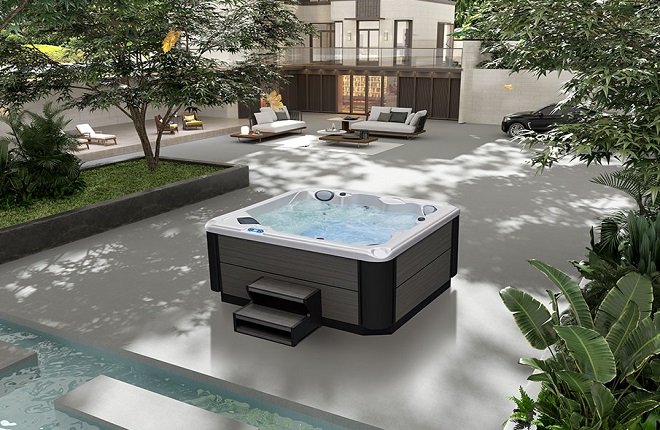
A Day at FSPA: Explore the Outdoor Hot Tub Paradise as a Guest
The crisp morning air in Gaoming , Foshan, carried a hint of greenery as I pulled up to FSPA’s factory gate—my first visit to the brand I’d researched for months to find the perfect outdoor hot tub for my villa. As a buyer who values both quality and aesthetics, I’d heard FSPA’s acrylic products stood out, but seeing them up close felt like stepping into a world where functionality meets luxury.
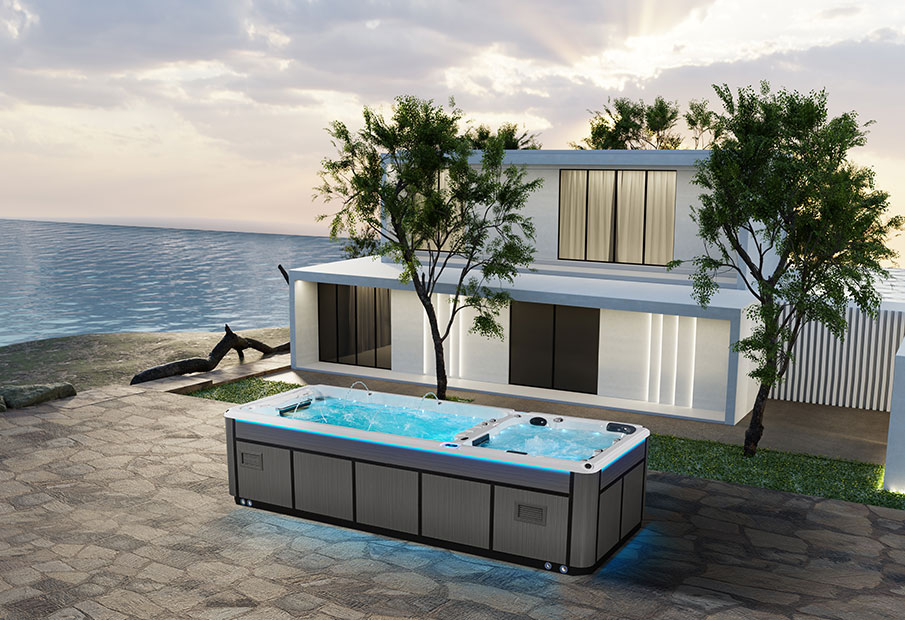
My tour began in the brand showcase hall, where natural light streamed through floor-to-ceiling windows, illuminating a stunning lineup of product .There were compact hot tubs designed for cozy backyard gatherings, sleek swim spas that doubled as fitness spaces, and spacious outdoor pools—their acrylic surfaces glistening like polished marble.
What impressed me most was the attention to user comfort: the hot tubs featured ergonomic seats that hugged the body, adjustable jets positioned to target tight muscles, and hidden LED strips that cast soft, warm light after dark. When I ran my hand over the acrylic, it felt smooth yet sturdy—nothing like the flimsy materials I’d seen in cheaper models.
The staff explained that FSPA uses high-quality, UV-resistant acrylic, built to withstand years of sun, rain, and heavy use. “We test each batch for scratch resistance and color fastness,” they said, pulling out a sample that had been exposed to harsh weather for two years—still as vibrant as new.
Next, we headed to the production workshop, a 30,000-square-meter space where order and precision reigned. Unlike chaotic factories I’d visited before, FSPA’s floor was spotless, with each station labeled clearly: acrylic cutting, thermoforming, assembly, and quality control.
I watched as workers used computer-controlled machines to mold an acrylic hot tub shell, heating the material to an exact temperature to avoid bubbles or uneven edges. At the quality check station, a technician ran a digital caliper along every curve, ensuring measurements matched the design down to 0.1mm.
“Every product goes through three inspections before leaving the factory,” the guide told me. I even saw a team testing a hot tub’s water circulation system, running it for 24 hours straight to check for leaks—a level of thoroughness that made me trust FSPA’s craftsmanship even more.
The day’s highlight was the outdoor demonstration area, tucked away among palm trees and potted flowers. Several hot tubs were filled with warm, bubbling water, and I couldn’t resist slipping into one. The jets kicked in gently, easing the tension in my shoulders, and the water stayed consistently warm—no sudden drops in temperature like in the hot tub I’d owned before.
As I relaxed, the staff brought over refreshments and talked me through customization options: I could choose the acrylic color to match my backyard decor, add a built-in sound system, or even opt for a smart control panel that let me adjust settings from my phone. By the time I climbed out, I’d already jotted down the model number I wanted.
As I drove back, I thought about how FSPA had turned a simple factory visit into a memorable experience. It wasn’t just the beautiful products—it was the care in every step, from the materials they chose to the way they listened to my needs. For anyone looking for an outdoor hot tub that’s built to last and designed to delight, FSPA isn’t just a factory—it’s a place where “paradise” is crafted with purpose. I left knowing my backyard would soon have the perfect centerpiece—and that I’d found a brand I could rely on for years to come.
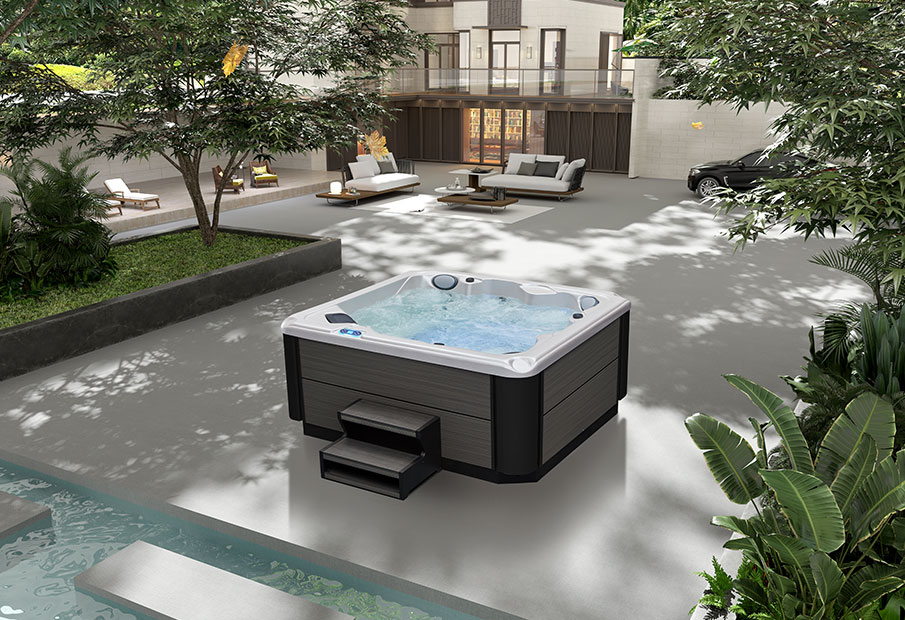
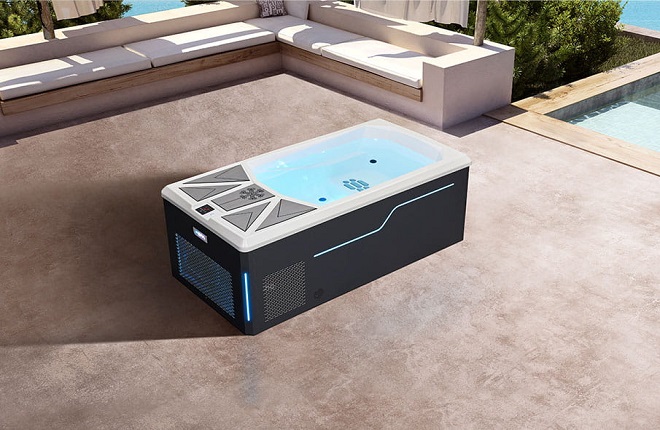
Unveiling the Strengths of FSPA Swim Spa Factory: A Journey from Design to Delivery
As a loyal customer who has partnered with FSPA for over three years and ordered acrylic swim spas for my resort chain across Southeast Asia, I’ve witnessed firsthand how this industry-trade integrated factory turns ideas into exceptional products. Every visit to their Gaoming facility deepens my trust—and it all starts with their thoughtful design process.
Unlike some factories that stick to rigid templates, FSPA’s design team listens intently to client needs. When I requested a 12-meter outdoor swim spa tailored for tropical climates (with extra shade features and anti-slip steps), they delivered 3D renderings within a week, adjusting details until it aligned perfectly with my resort’s aesthetic and functional demands.
Their ability to blend practicality (like space-saving layouts for small resorts) with luxury (such as customizable LED lighting and ergonomic seating) sets their designs apart. FSPA’s approach is not about mass production—it’s about turning client ideas into elegant, functional realities.
Quality begins with materials, and FSPA never cuts corners here. During my last tour, their procurement manager walked me through the raw material warehouse, where stacks of acrylic sheets from Germany’s top supplier sat neatly labeled. “We only use UV-resistant and impact-proof acrylic,” he explained—something I’ve verified over time: my earliest FSPA swim spas, installed two years ago, still have glossy surfaces without a single crack, even under daily exposure to intense sunlight.
They also source stainless steel for jets and pumps from trusted Taiwanese vendors, ensuring components hold up against saltwater (critical for my beachfront resorts) and heavy use.
Stepping into FSPA’s 30,000-square-meter production workshop feels like watching a well-choreographed show. Each station—from acrylic thermoforming to assembly—follows strict SOPs. What impresses me most is their “one-worker-one-station” accountability system—each employee signs off on their task, making it easy to trace any issues (though I’ve never needed to).
FSPA’s craftsmanship shines in the little details. From smooth, hand-polished edges to precisely angled hydrotherapy jets (15° for shoulders, 30° for lower back), every component is engineered for performance, comfort, and safety.
FSPA’s delivery process is a masterclass in efficiency—vital for a business like mine that can’t afford delays. As an industry-trade integrated factory, they handle everything in-house: from custom crating (each swim spa is wrapped in foam and placed in wooden frames) to logistics coordination.
When I needed 10 swim spas delivered to my Bali resort last year, they synchronized the shipment with my renovation timeline and even adjusted the delivery date when my contractors hit a delay. Beyond delivery, their installation guides and responsive after-sales support ensure a smooth experience from start to finish.
Over the years, I’ve considered other swim spa suppliers, but FSPA’s end-to-end excellence—from design that listens, materials that last, production that’s precise, craftsmanship that cares, and delivery that delivers—keeps me coming back. For anyone seeking a reliable long-term partner in the swim spa industry, FSPA stands out as the clear choice.
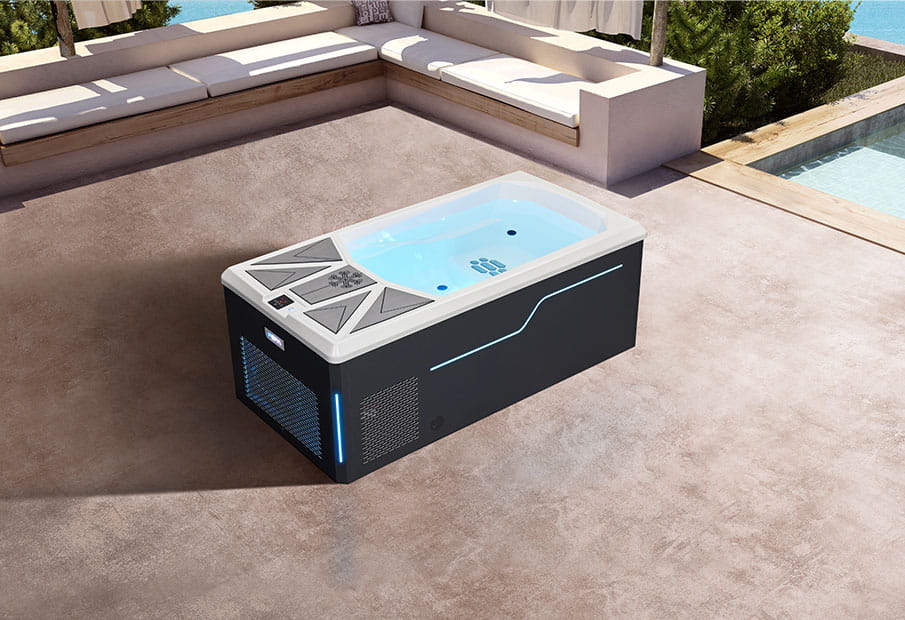
Why More Isn’t Always Better When It Comes to Hot Tub Massage Jets?
When shopping for a hot tub, it’s easy to be drawn to models boasting the highest number of massage jets. At first glance, more jets seem to promise a deeper, more customized, and more luxurious experience. But as someone who has owned and tested multiple spas, I’ve learned that jet count alone is a misleading metric. In reality, the quality, placement, and performance of those jets matter far more than the quantity.
A hot tub with an excessive number of jets but an underpowered pump is like having a dozen faucets running on low water pressure—none of them will feel satisfying. The pump is the heart of the system; it’s what delivers the force and volume of water needed to create a therapeutic massage. If the pump can’t keep up, those 50 or 60 jets will produce little more than a weak, bubbly stream. You’re left with a lukewarm soak rather than a targeted, muscle-relieving hydrotherapy session.
Furthermore, thoughtful jet placement is crucial. A few well-positioned jets targeting key muscle groups—like the lower back, glutes, neck, and calves—are infinitely more valuable than dozens of jets placed randomly where they don’t provide meaningful contact. Everyone soaks differently; some prefer a deep tissue massage on their shoulders, while others need relief for tired legs.
A quality tub offers adjustable, directional jets in strategic zones, allowing you to personalize the experience. A high jet count often looks impressive on a spec sheet, but if half of them are in spots that don’t align with your body, they’re essentially decorative.
There’s also the practical side to consider: energy efficiency and maintenance. More jets require a more powerful pump and more complex plumbing, which inevitably leads to higher energy consumption. Your electricity bill will reflect that. Additionally, each jet is a potential point for leaks or future maintenance.
Simpler systems with fewer, high-quality jets are often more reliable and cheaper to operate in the long run. Ultimately, the goal of a hot tub is relaxation and therapy, not to win a numbers game.
When you test a tub, close your eyes and focus on how it feels. Does the pressure meet your needs? Can you direct the flow where you want it? That’s what truly matters. Don’t be swayed by marketing that promises “the most jets.” Instead, look for a balanced system designed for performance, comfort, and efficiency. Your back—and your wallet—will thank you.
What a Resistance Swim Spa Actually Does for Your Home Fitness Routine
A resistance swim spa solves a problem most backyard pools never address: how do you swim laps without a lap pool? Instead of building a 25-meter trench in your yard, a swim spa generates a controlled current, letting you swim in place inside a compact footprint. That single mechanical difference changes who can realistically own a home water fitness setup, and why the category keeps growing among people who want exercise, not just soaking.
The appeal isn’t purely about space. Traditional pools demand months of excavation, permits, and a maintenance routine that scales with volume. A resistance swim spa condenses that into something closer to a large spa install, while still delivering the cardiovascular workout swimmers actually want. Understanding how that current works, and where it fits your property, matters more than most marketing copy suggests.
Most residential lots simply can’t accommodate a proper lap pool. A 25-meter pool needs roughly 800 to 1,000 square feet of surface area, plus setback clearances that many suburban and urban lots don’t have.
A swim spa unit, by contrast, typically measures somewhere between 12 and 20 feet in length. That’s a fraction of the footprint, and it opens up options like:
This is why swim spas show up so often in villa backyards, boutique hotels, and seaside homestays. The physical constraint is real, and the product category exists specifically to answer it.
The mechanism is simple in concept, even if the engineering behind it isn’t. A pump system pushes water through jets positioned at one end of the spa, creating a steady counter-current. You swim against that current, and the water resistance replaces the need for physical distance.
This matters for a specific reason: swimming performance depends on sustained resistance, not distance covered. In a lap pool, you generate your own resistance by pushing through still water. In a swim spa, the machine generates it for you, at an adjustable intensity. That adjustability is actually an advantage over open lap swimming, since you can dial the current up for interval training or down for rehabilitation work, without needing to change your stroke technique.
It’s worth noting that swim current systems and hydrotherapy massage jets are functionally different things, even though they sometimes sit in the same unit. Massage jets, like the 35 targeted jets built into a hydrotherapy-focused spa such as the Fspa BD-004, are designed for targeted muscle relief while seated, not for generating a swimming current. Buyers shopping specifically for lap-style resistance swimming should confirm the unit includes a dedicated counter-current swim system, since not every "swim spa" on the market actually has one.
This distinction trips up a lot of first-time buyers, so it’s worth spelling out clearly. Some products marketed loosely under the "swim spa" umbrella are actually multi-person hydrotherapy tubs, built for seated massage rather than active swimming.
| Feature | Resistance Swim Spa | Hydrotherapy Spa (e.g. BD-004 style) |
|---|---|---|
| Primary function | Counter-current swimming | Seated massage therapy |
| Typical capacity | 1-2 active swimmers | 6 adults seated |
| Jet placement | Concentrated at one end for current | Distributed around seating for targeted massage |
| Water depth | Deeper, for full-body swimming | Shallower, seat-height focused |
| Best for | Cardio training, lap practice | Muscle recovery, relaxation |
Neither approach is better in absolute terms. They solve different problems. If your goal is cardiovascular conditioning or swim technique practice, you need dedicated counter-current resistance. If your goal is post-workout recovery or general relaxation, a hydrotherapy unit with multiple massage jets, ozone sanitization, and ergonomic seating is the more appropriate fit.
A unit like the BD-004, for instance, is built around six-person seating, 35 massage jets, and a 5.55kW total system that includes a 2.2kW massage pump, a 0.35kW filter pump, and a 3kW heater. That configuration is optimized for shared relaxation, not lap swimming. Recognizing which category a product actually belongs to prevents a costly mismatch between expectation and use.
Not every household needs a swim current system, but several groups get disproportionate value from one:
For the second and third groups especially, a swim spa often ends up replacing a gym membership rather than supplementing one. The math is straightforward once you account for years of membership fees against a one-time equipment cost, though installation, electrical, and ongoing water maintenance still need to factor into that comparison.
Choosing between swim spa types shouldn’t be a guessing game. A short checklist keeps the decision grounded in actual use rather than showroom appeal.
Skipping step one is the single most common regret buyers report. A beautifully built hydrotherapy spa will not satisfy someone who wanted to train for a triathlon in their backyard.
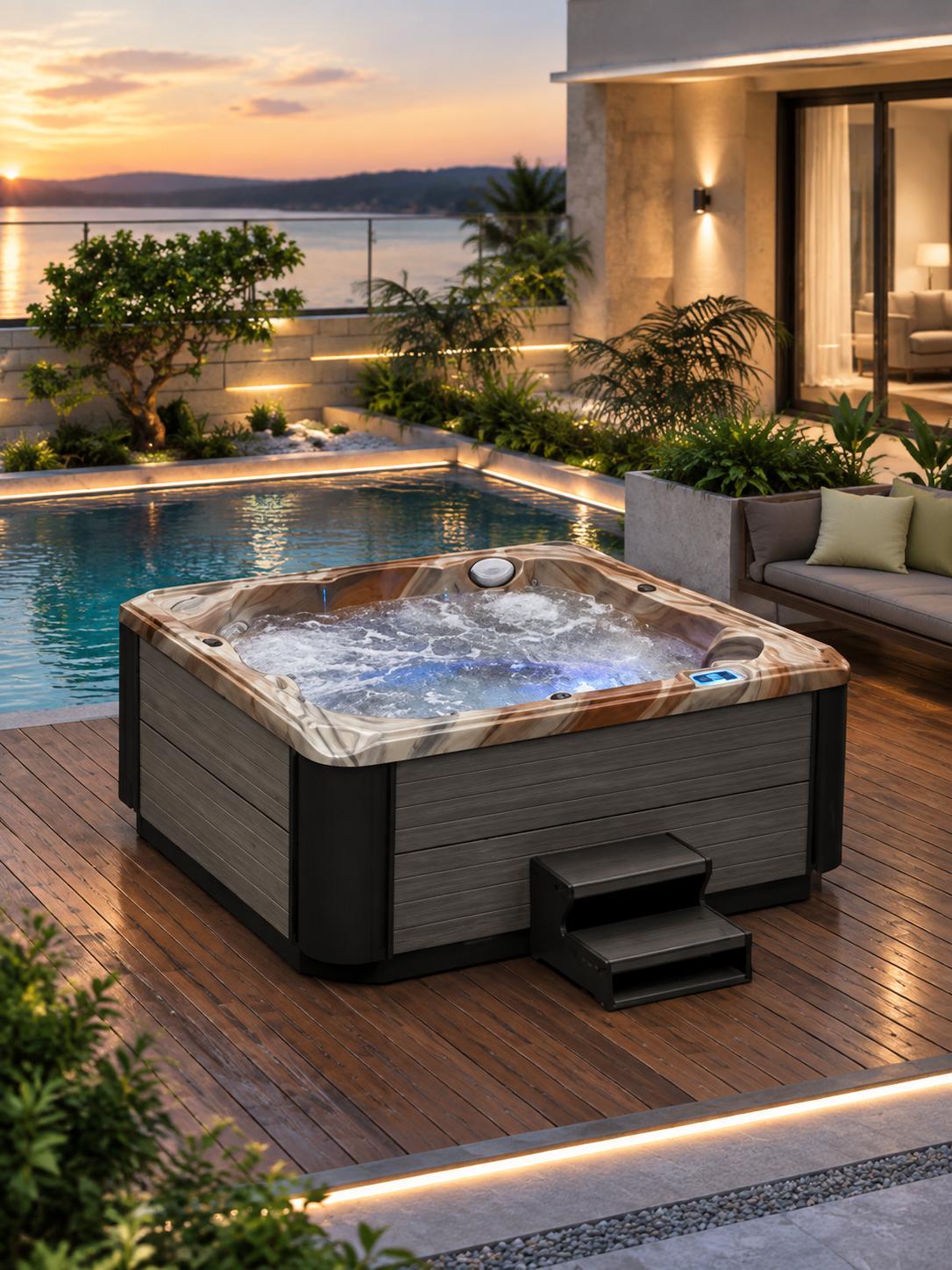
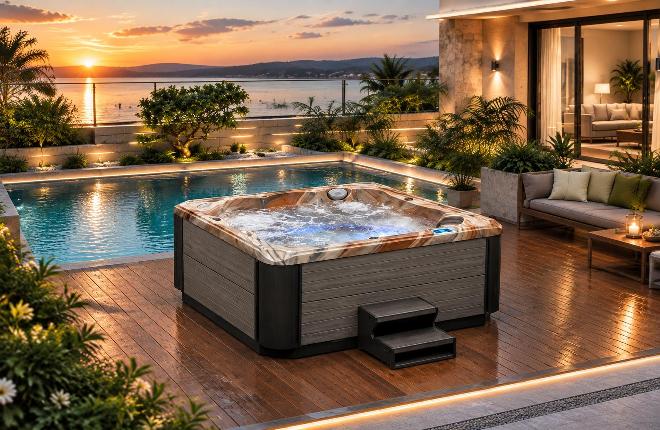
Placement affects more than aesthetics. Outdoor installations, whether on a wooden deck, stone patio, or villa backyard, need to account for weather exposure, drainage, and structural load, since a filled unit carrying over a thousand liters of water is considerably heavier than it looks empty.
Indoor installations, common in hotel gyms and rehabilitation centers, shift the concern toward ventilation and humidity control instead. A hotel gym setup, for example, benefits from the recovery function of a hydrotherapy unit after workouts, but that same room needs adequate airflow to manage the moisture a large water feature generates continuously.
Seaside homestays present a middle case. The relaxation value is high, given the view and ambiance, but salt air accelerates wear on exposed metal components, making cabinet material and hardware finish more relevant to longevity than in an inland setting.
Nobody enjoys thinking about sanitization systems until the water turns cloudy. Ozone-based sanitization, built into units like the BD-004, reduces the chemical load needed to keep water clean, which in turn reduces the frequency of manual maintenance tasks.
That said, ozone systems supplement rather than replace basic water care. Filter pumps still need regular cleaning, and water chemistry should be checked on a routine schedule regardless of what sanitization technology sits behind the scenes. Treating an ozone system as a substitute for any maintenance is a common misunderstanding, and one that shortens equipment lifespan when left uncorrected.
Does a resistance swim spa provide the same workout as swimming in a full-length pool?
It provides a comparable cardiovascular workout for stroke practice and endurance training, since the resistance is adjustable and continuous. It does not replicate open-water turns, diving, or true distance swimming.
Can a hydrotherapy spa like the BD-004 also function as a swim spa?
No. Units built around seated massage jets and six-person capacity, such as the BD-004 with its 35-jet layout, are designed for hydrotherapy relaxation rather than counter-current swimming.
How much space does a typical swim spa installation require?
Considerably less than a lap pool, though exact footprint varies by manufacturer and model. Always check full unit dimensions, including cabinet width, before finalizing a location.
Do these systems work outdoors year-round?
Many units are rated for both indoor and outdoor use, but cold-climate installations should confirm heating capacity and insulation are adequate for winter operation.
What certifications should I look for when comparing units?
Look for recognized electrical and safety certifications such as CE, CB, SAA, or CTUVus, which confirm the unit has been independently tested against established safety standards.
The decision ultimately comes down to matching the equipment to the actual activity you want. A resistance swim spa serves swimmers and rehabilitation users who need sustained current-based training in a limited footprint. A hydrotherapy-focused unit, built around multiple massage jets and comfortable seating, serves a different goal entirely: recovery, relaxation, and shared use among family or guests.
For us, and for manufacturers across this space, the responsibility is making that distinction clear before a customer commits to an installation. Whether the end goal is triathlon training in a converted side yard or a quiet recovery soak after a hotel gym session, getting the category right from the start saves both money and disappointment. A resistance swim spa is a genuine solution to the space problem that keeps so many people from swimming regularly, but only when the buyer confirms it’s actually built for that purpose.
Small Plunge Bath Options: What to Know Before You Buy
A small plunge bath solves a specific problem: you want the hydrotherapy and relaxation benefits of a spa without dedicating a huge footprint or budget to it. Many homeowners assume a compact soak means giving up features, but that trade-off is smaller than it used to be. This guide walks through what actually matters when comparing models, how sizing affects real-world use, and where the technology has landed for anyone shopping in this category.
Most people searching for a small plunge bath aren’t chasing a trend. They’re working with a balcony, a narrow side yard, or a hotel courtyard where every square meter counts. The math is straightforward: a unit that occupies less area frees up room for seating, landscaping, or simply walking around the deck without bumping into a shell edge.
Water consumption follows the same logic. A smaller basin holds less water, which means lower fill costs and less energy spent heating it back up after a drain and refill. For a backyard oasis or an indoor balcony conversion, that efficiency isn’t a minor perk, it’s often the deciding factor between "yes, we can fit this" and "we’ll need to renovate first."
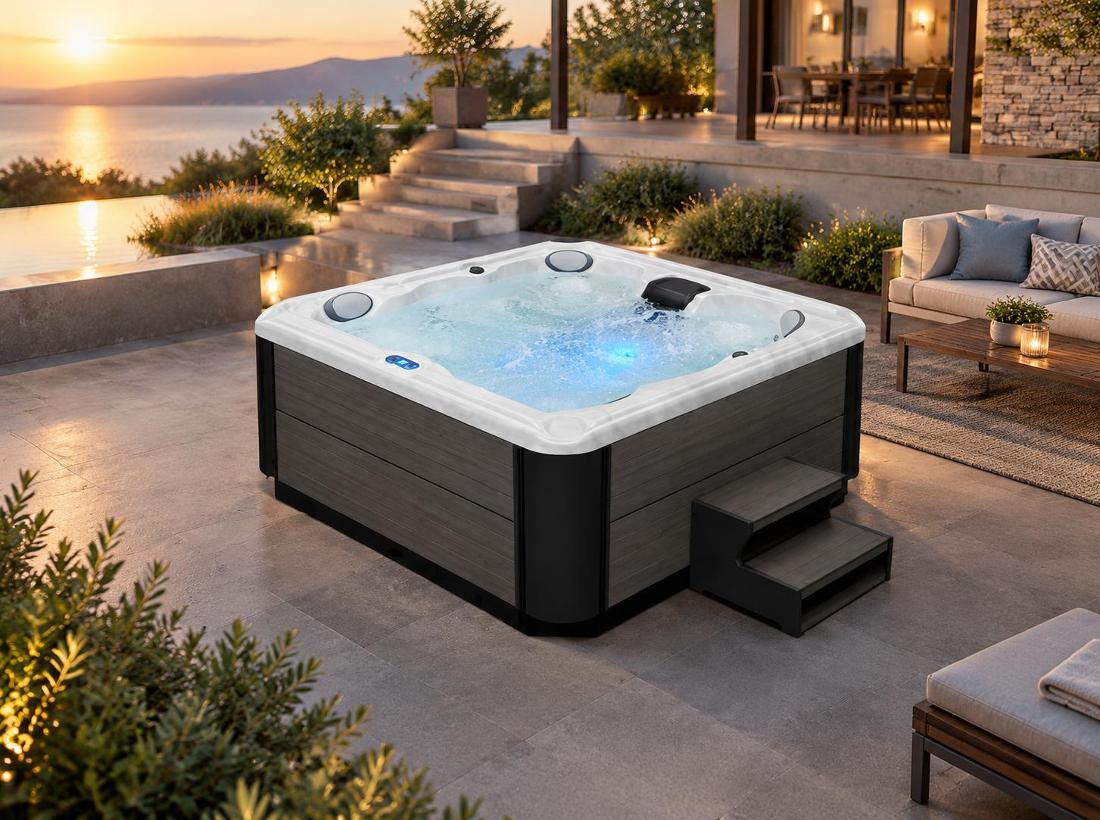
There’s no single industry-wide cutoff for a plunge bath’s dimensions, but the practical range for compact spa pools tends to sit well under the footprint of a full-size swim spa. A unit like the BD-001, at 2100x2100x900mm, sits toward the upper end of what’s still considered space-efficient while comfortably seating six adults according to the manufacturer’s specifications. That’s the balance most buyers are actually after: not the smallest possible tub, but the smallest one that still fits their household or guest count.
Water capacity matters here too. The BD-001 holds around 1000 liters, which is modest compared to a large multi-person swim spa but still enough for a proper hydrotherapy session with room to move your shoulders and legs.
Jet count and pump power get thrown around a lot in product listings, but they only mean something in context. Jet placement across a compact shell can matter as much as total jet count when it comes to how concentrated the pressure feels at each seat. According to the manufacturer’s specifications, the BD-001 uses 31 jets powered by a 2.2kW massage pump, arranged in ergonomic patterns aimed at the back and shoulders.
That’s worth noting because back and shoulder tension is the most common reason people buy a spa in the first place, not general soaking. If your priority is targeted muscle relief rather than a passive warm bath, jet placement matters more than raw jet count.
Shopping by spec sheet alone misses a lot. Comfort in a plunge bath comes down to details that don’t show up in a table:
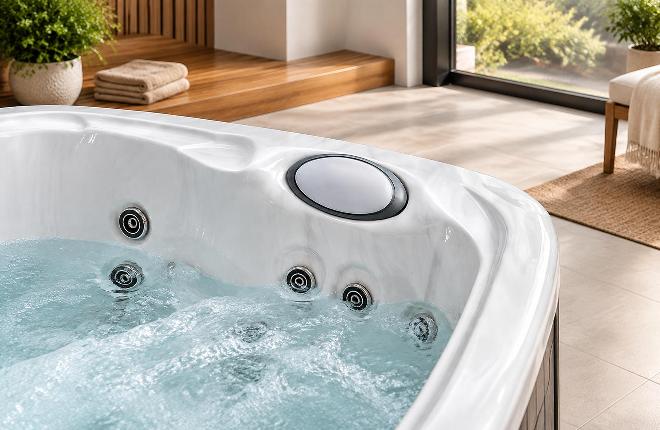
The BD-001, for example, includes four molded headrests and a marble-effect acrylic shell, paired with blue LED lighting built into the base for ambient illumination during evening use.
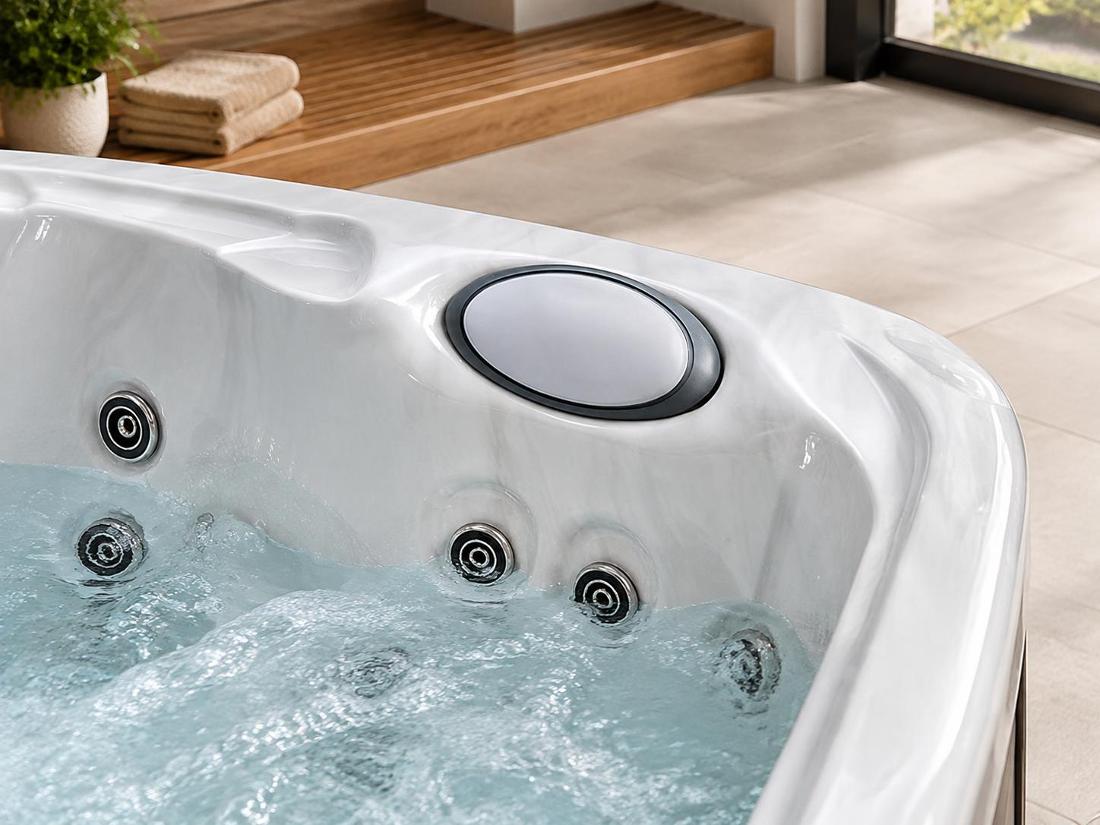
A spa is only as convenient as its control panel. Digital panels with backlit displays let you adjust temperature and pump settings without guessing in the dark, which sounds minor until you’re standing outside in winter trying to read a faded dial. The BD-001’s control interface sits on the rim with a blue backlit display, positioned within reach of the seating area rather than tucked into a side cabinet.
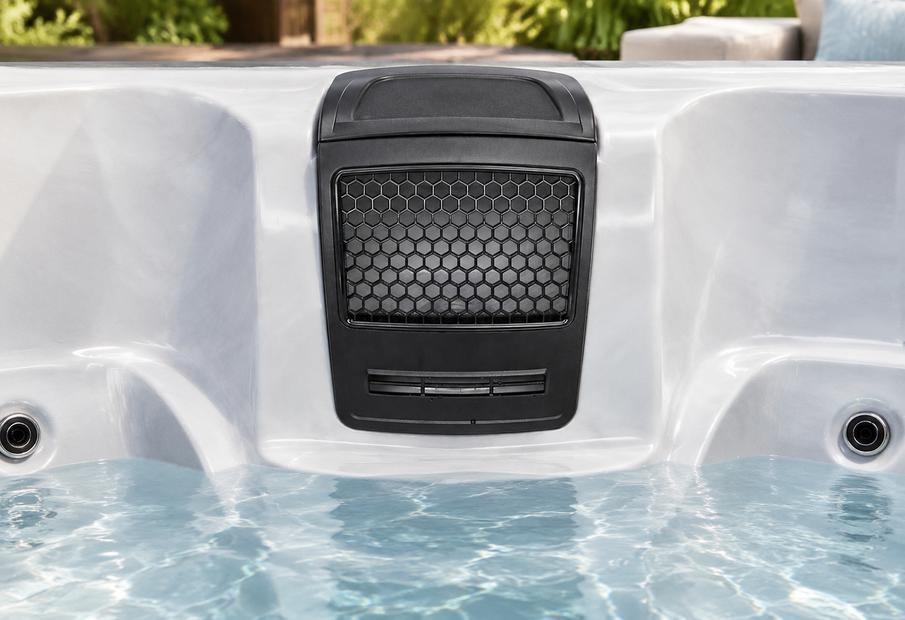
Filtration is the less glamorous half of the equation, but it’s the part that determines how much maintenance you’ll actually do. Per the product specifications, the BD-001 pairs a dedicated filter pump with an ozone system, which the manufacturer states helps keep water clean and reduces reliance on manual chemical dosing. On the BD-001, this comes from a 0.35kW filter pump working alongside the ozone unit, which keeps the water cycling even when the massage jets aren’t running.
When you’re lining up options from different suppliers, it helps to look at the numbers side by side rather than trusting marketing copy. Here’s how the BD-001’s specifications break down as a reference point for what a mid-size compact spa typically offers:
| Specification | Detail |
|---|---|
| Dimensions | 2100 x 2100 x 900mm |
| Seating Capacity | 6 adults |
| Water Capacity | 1000L |
| Net Weight | 268kg |
| Total Power Draw | 5.55kW |
| Massage Pump | 2.2kW |
| Filter Pump | 0.35kW |
| Heater | 3kW |
| Jet Count | 31 |
| Certifications | CE, CTUVus, CB, SAA |
Total power draw is worth flagging to an electrician before installation, since 5.55kW combined load needs to match your circuit capacity rather than being an afterthought.
Plunge baths in this size range show up in a wider variety of settings than people expect. A hotel might install one on an outdoor terrace to give guests a private, high-end retreat without committing space to a full pool. Residential buyers often place a similar unit on an indoor balcony, turning an underused corner of an apartment into a wellness space that doesn’t require stepping outside.
Backyard installations remain the most common scenario, though, largely because a compact footprint means the tub can sit on an existing patio slab without major structural work. For rehabilitation centers and physiotherapy practices, the same compact hydrotherapy setup is used clinically, though those settings generally pair it with professional oversight rather than casual use.
Narrowing down options gets easier once you rank your priorities instead of trying to optimize for everything at once. A practical sequence looks like this:
Skipping the electrical step is the most common mistake. A beautiful compact spa that trips your breaker every time the heater kicks in isn’t actually saving anyone time or hassle.
Does a smaller plunge bath mean weaker hydrotherapy?
Not necessarily. Jet placement and pump power matter more than shell size. A well-designed compact unit can deliver targeted pressure comparable to larger models, particularly for back and shoulder-focused sessions.
How much water does a compact spa typically hold?
It varies by model, but units in this size class often hold somewhere around 1000 liters, noticeably less than a full swim spa, which keeps fill time and heating costs down.
Can a small plunge bath be installed indoors?
Yes, provided the space has adequate ventilation, a proper drainage plan, and flooring rated to handle the unit’s filled weight. Indoor balconies are a common placement for this reason.
What certifications should I check before buying?
Look for regional electrical safety marks like CE, CB, or SAA, along with product-specific testing marks such as CTUVus where applicable to your country’s import requirements.
Choosing a small plunge bath isn’t about settling for less, it’s about matching the unit to how you’ll actually use the space around it. A compact footprint, moderate water capacity, and a well-placed jet system can deliver the same relief a larger spa promises, just without the excess water, energy draw, or wasted deck space. Focus on seating count, electrical load, and filtration needs first, and the right small plunge bath for your patio, balcony, or hotel terrace becomes a much easier call.
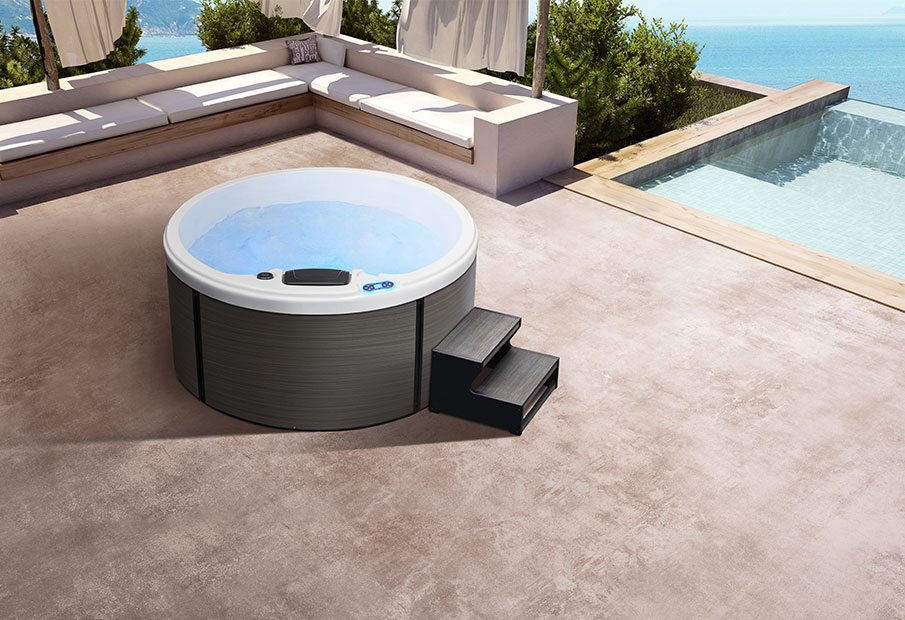
The Fspa BD-018 Hot Tub, designed for 2 adults with spacious dimensions, features a robust control system, 1.5kW massage pump, 0.35kW filter pump, 2kW heater, 14 customizable water jets, LED lighting, ozone sanitation, and a total power of 3.85kW, providing exceptional comfort and relaxation for a luxurious and rejuvenating soak.
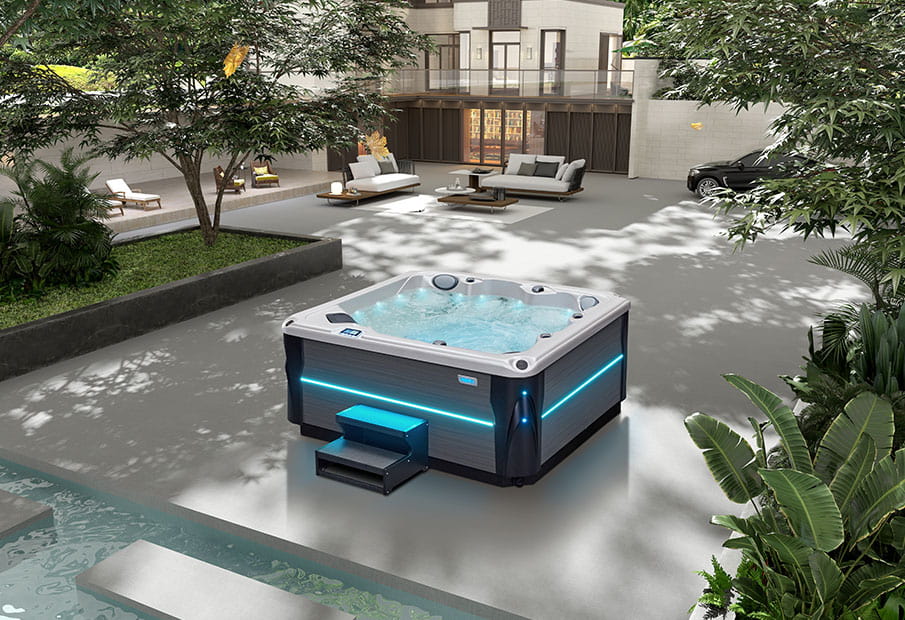
The Fspa BD-007Pro Hot Tub, with its spacious design for 6 adults, powerful massage system, 61 water & 19 air bubble jets, efficient heating and filtration, built-in ozone sanitization, sleek design, and amenities like speakers and coasters, offers unparalleled luxury, relaxation, and rejuvenation for both residential and commercial use.
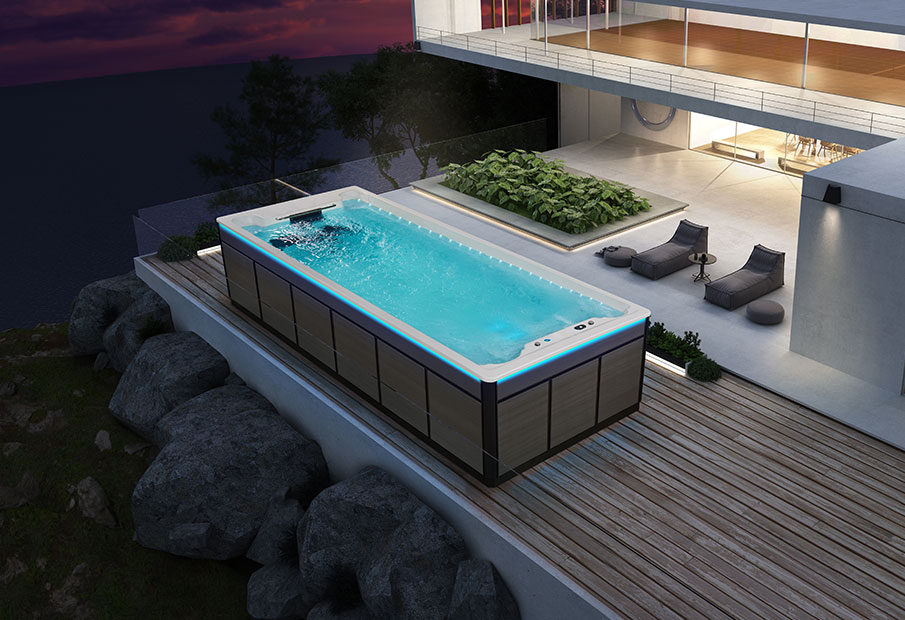
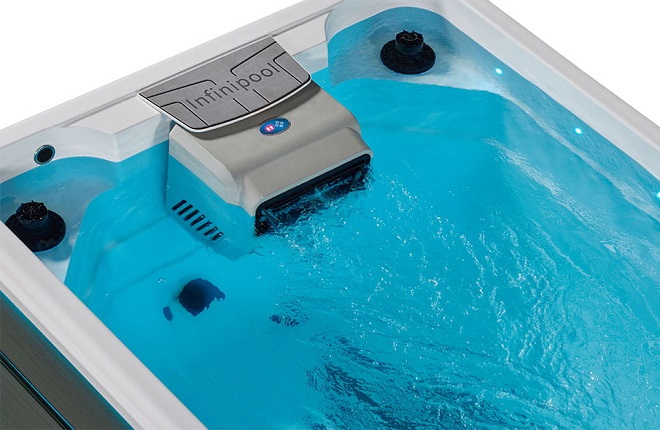
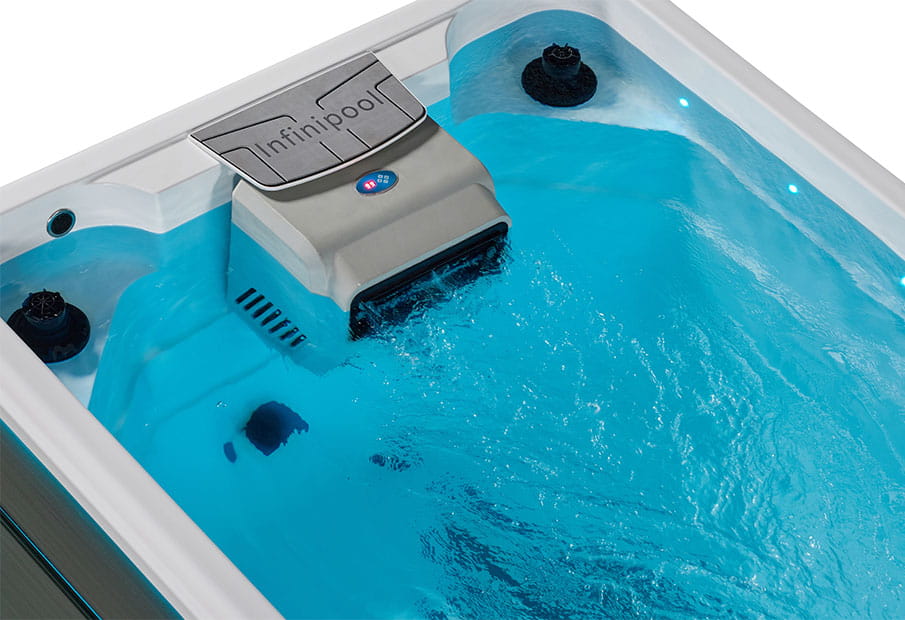
The Infinipool Fspa IP-005Pro is a state-of-the-art, spacious hot tub with advanced features, offering an unparalleled spa retreat for residential and commercial use.
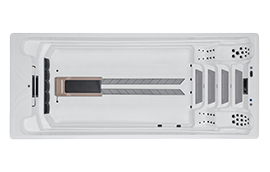
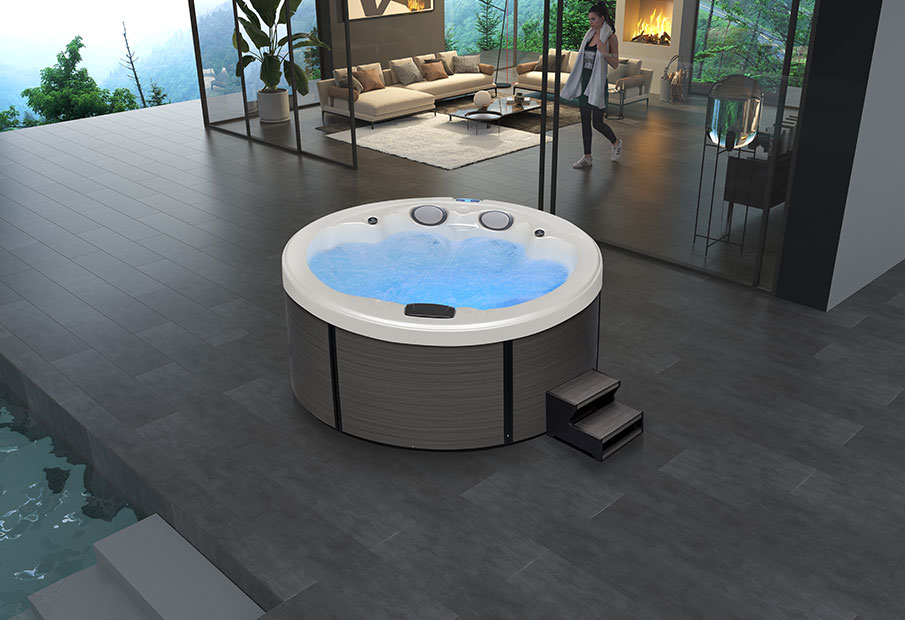
The Fspa BD-010 hot tub, crafted for ultimate comfort and style, offers spacious accommodations for up to 6 adults, robust controls, powerful pumps, pristine water quality, targeted hydrotherapy, ambient lighting, and advanced water purification, making it perfect for both residential and commercial relaxation.
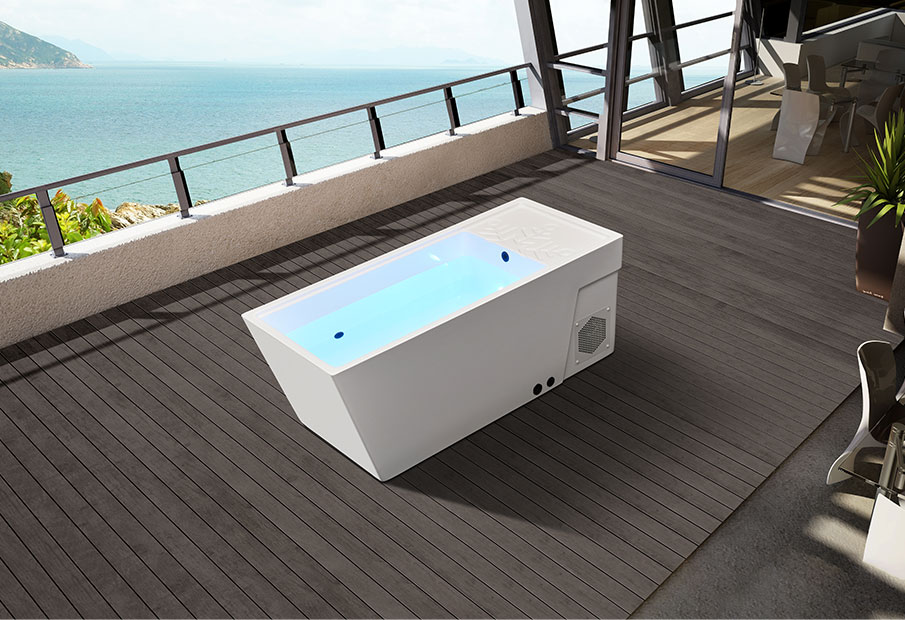
All in design, plug and play, Snowflake pattern, Include filter, circuitpump, Ozone, Ice-blue underwater light, and high-effciency Chilling system.
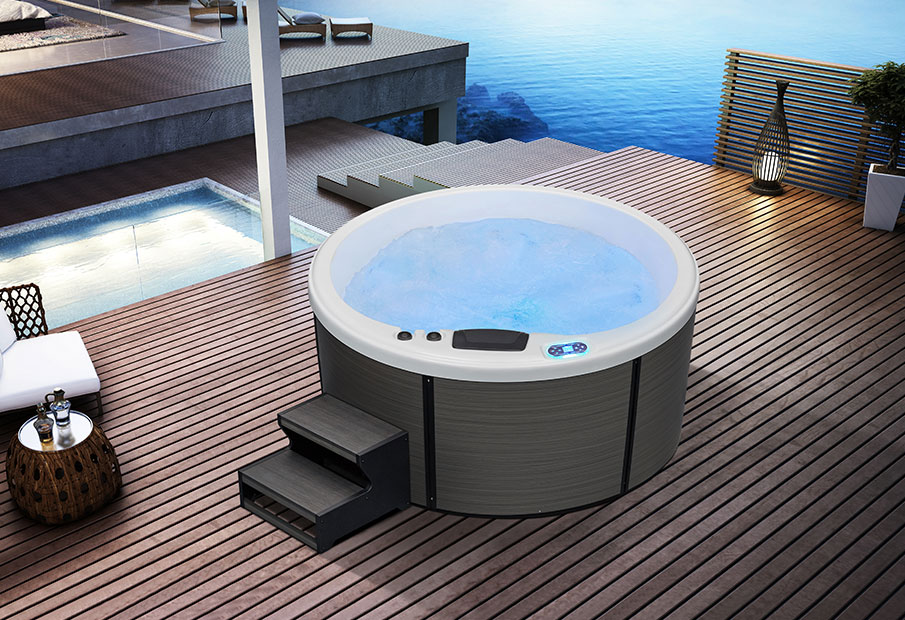
The Fspa BD-017 Hot Tub, accommodating up to 5 adults with spacious dimensions, features a reliable control system, powerful 1.5kW massage pump, 0.35kW filter pump, 3kW heater, 28 customizable water jets, LED lighting, an ozone sanitation system, and a total power of 4.85kW, offering ultimate relaxation and a luxurious soak for any occasion.
PRODUCTS
INQUIRY
Thank you for your message!Our Chinese New Year holiday from 7th Feb to 28th Feb. Apologise to make your inconvenience so that responses may be delayed during this period. We'll back to you with regular service on 2th March .Thank you for understanding.


