Let’s be honest: when you first bought your pool, you probably paid more attention to the sparkling water and backyard vibes than the sand filter humming quietly in the corner. But as any pool owner eventually learns, the sand filter is basically the unsung hero keeping your water clean—and like all heroes, it doesn’t last forever.
So, how long can you expect your sand filter to stick around? For most residential pools, a good-quality sand filter will last somewhere between 8 and 15 years. That’s longer than most smartphones, shorter than a dog’s lifetime (unless you own a turtle), and definitely long enough to justify bragging to your neighbors about your “investment in clean water.”
But here’s a little twist: the sand inside your filter is not immortal. After about 3 to 5 years, the grains start breaking down. Think of it as your sand going on vacation—when it’s tired and worn out, it won’t trap dirt as effectively, and your pool water might start looking less “sparkling lagoon” and more “murky pond.” Replacing the sand is cheap, easy, and feels like giving your filter a second wind.
Several factors affect how quickly your sand filter ages. Pools with lots of swimmers, pets, or falling leaves will obviously wear it out faster. Neglecting backwashing and general maintenance? That’s like asking your filter to run a marathon without water—it’s not going to end well. On the other hand, clean water chemistry and regular care can help your sand filter comfortably reach the upper end of its lifespan.
Signs your sand filter is waving the white flag include longer backwash sessions, cloudy water, or visible cracks in the tank. When that happens, it’s time to retire the old hero and bring in a replacement before your pool turns into a science experiment.
In short, your sand filter is a long-term buddy: it works quietly, does the dirty job, and keeps your pool inviting. With a little maintenance and occasional sand replacement, you can enjoy clear water and peace of mind for many summers—without ever having to think about your filter too much, until it decides to remind you it’s human (well, mechanical) after all.
Home Swim Spa Cost: What Actually Drives the Price
Anyone shopping around quickly learns that home swim spa cost swings wildly between listings. A basic plunge pool might run a few thousand dollars, while a fully equipped hydrotherapy unit climbs into five figures. The gap isn’t random. It reflects real differences in jet count, pump horsepower, shell material, and the electrical work needed to run the thing safely.
Before comparing prices, it helps to separate the spa itself from the installation costs around it. A deck, electrical hookup, and site prep can add thousands beyond the sticker price. Buyers who only budget for the unit often get caught off guard later.
More jets sound like a simple upgrade, but each one draws water through a pump, and pumps consume electricity. A model with 35 jets, like the BD-004 from our lineup, runs on a 2.2kW massage pump paired with a 0.35kW filter pump, alongside a 3kW heater, totaling 5.55kW across the system. That’s the kind of number worth checking before you commit, since it directly affects your utility bill and the size of electrical circuit your home needs.
Higher jet density usually means a larger shell too, since designers need room to place nozzles without crowding the seats. A 6-person unit measuring roughly 2350 x 2350 x 900mm, holding around 1450 liters of water, sits at a different price tier than a 2-person soaking tub simply because of the material and pump capacity required to fill and heat that volume.
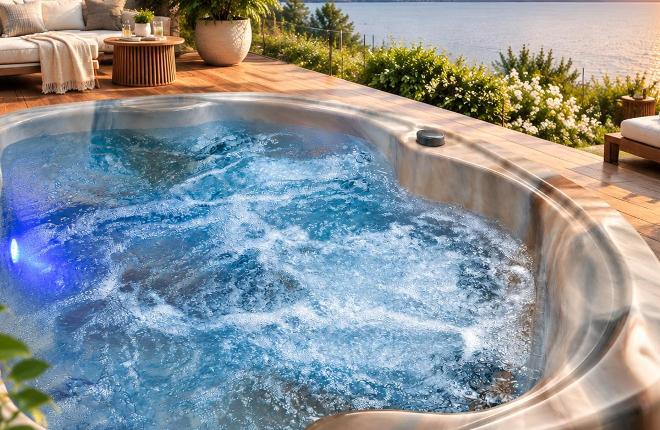
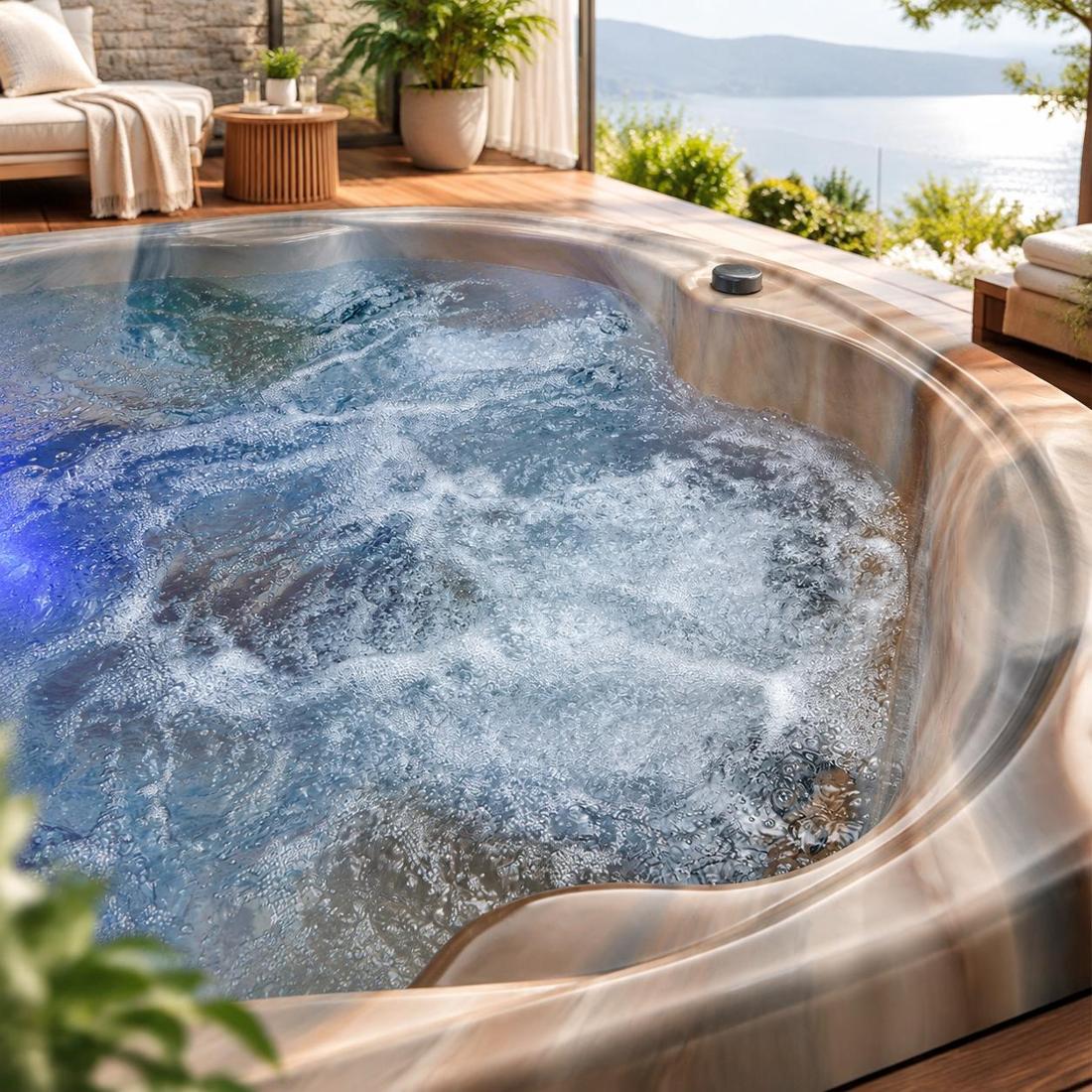
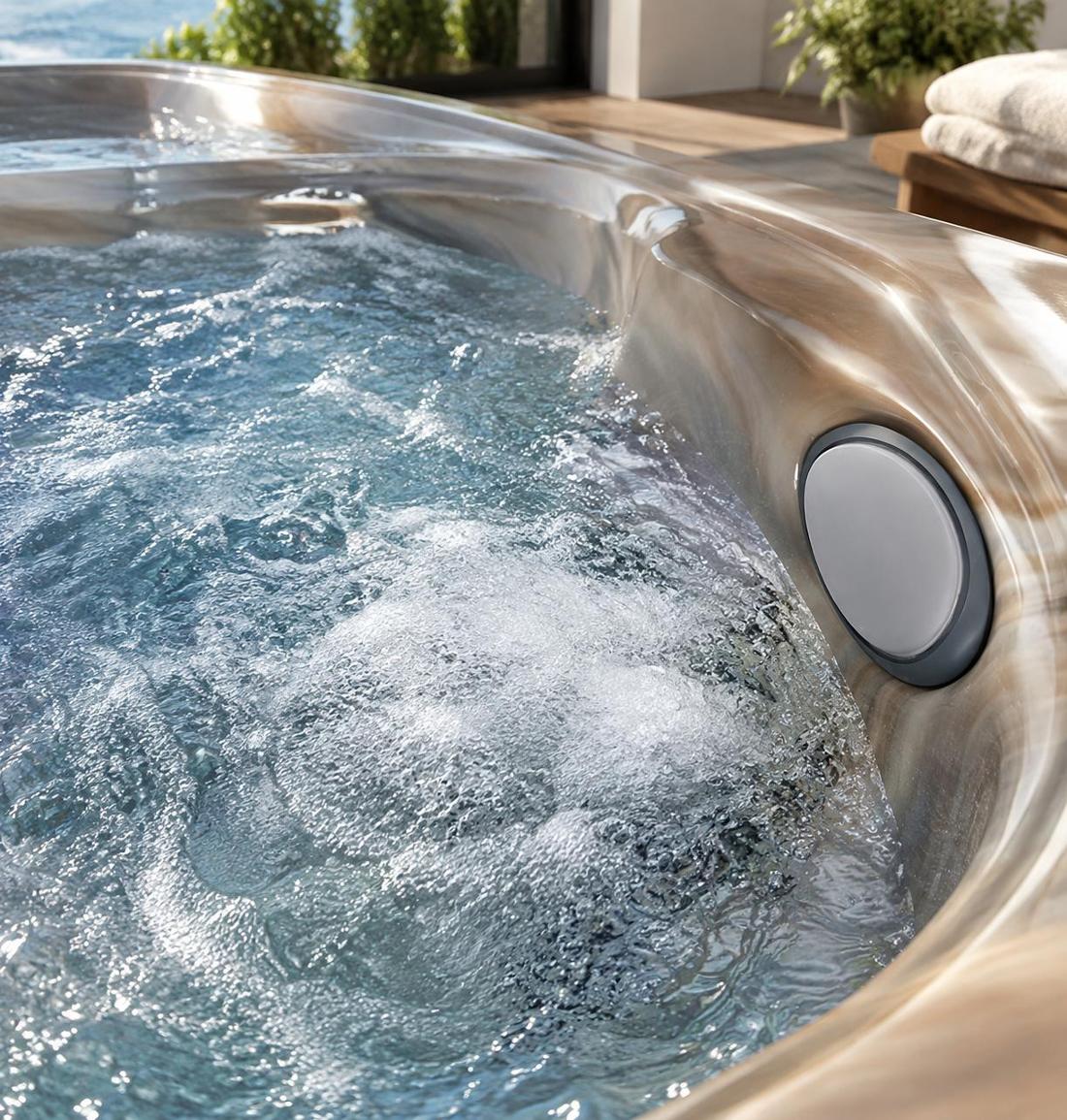
Acrylic shell quality is one of those details that separates a spa lasting a decade from one that fades and cracks within a few seasons. Marbled acrylic finishes, like the brown and cream pattern used on some tubs, aren’t just decorative. Thicker acrylic resists UV degradation better, which matters more for outdoor installations than shoppers usually expect.
Cabinet panels matter almost as much. Wood-grain composite panels handle weather better than raw wood, since they don’t absorb moisture the way traditional lumber does. When comparing home swim spa cost across brands, ask what the cabinet is actually made from rather than assuming "wood-look" means real wood.
A 3kW heater is fairly standard for mid-size spas, but how quickly it brings water back up to temperature depends on insulation quality and how often the cover gets left open. Ozone sanitization systems, which several models now include, reduce how often you need to shock the water with chemicals. That’s a maintenance cost worth factoring into the total picture, not just the upfront price tag.
Control panels have gotten more intuitive over the years too. A backlit oval panel that displays temperature and function icons at a glance saves the guesswork that older analog dial systems used to require.
Different living situations call for different spa configurations. Here’s a rough breakdown of how spa type tends to align with typical household needs:
| Household Type | Recommended Capacity | Key Priority |
|---|---|---|
| Couple or small household | 2-4 person | Compact footprint, lower water volume |
| Family with guests | 6 person | Balanced jet count, moderate power draw |
| Hospitality or rental property | 6+ person | Durability, easy-clean surfaces |
| Fitness or recovery focus | 4-6 person | Higher jet density, targeted massage zones |
Seat contouring isn’t a cosmetic detail. Poorly shaped seats force bathers to slide or brace themselves, which defeats the point of a relaxation product. Ergonomic seating, according to product specs from our BD-004 line, is contoured to follow the body’s natural curves, with jets positioned around those contours rather than scattered evenly across the shell.
Headrests deserve a second look too. A supportive pillow system that aligns the neck and spine, as described in the product’s wave propulsion feature, changes how long someone can comfortably sit before needing to shift position. Fifteen minutes versus forty-five minutes makes a real difference for anyone using the spa for actual muscle recovery rather than a quick soak.
Not every spa on the market carries the same safety certifications, and this is one area where cutting corners has real consequences. Electrical components submerged near water need rigorous testing. Look for certifications such as CE, CB, SAA, or CTUVus, which indicate the unit has passed independent electrical safety testing relevant to different regions.
This matters more for buyers outside the manufacturer’s home country. A spa certified only for one region’s voltage standards might not be safe, or even legal, to install elsewhere without modification. Confirming certification alignment with your local electrical code should happen before purchase, not after installation.
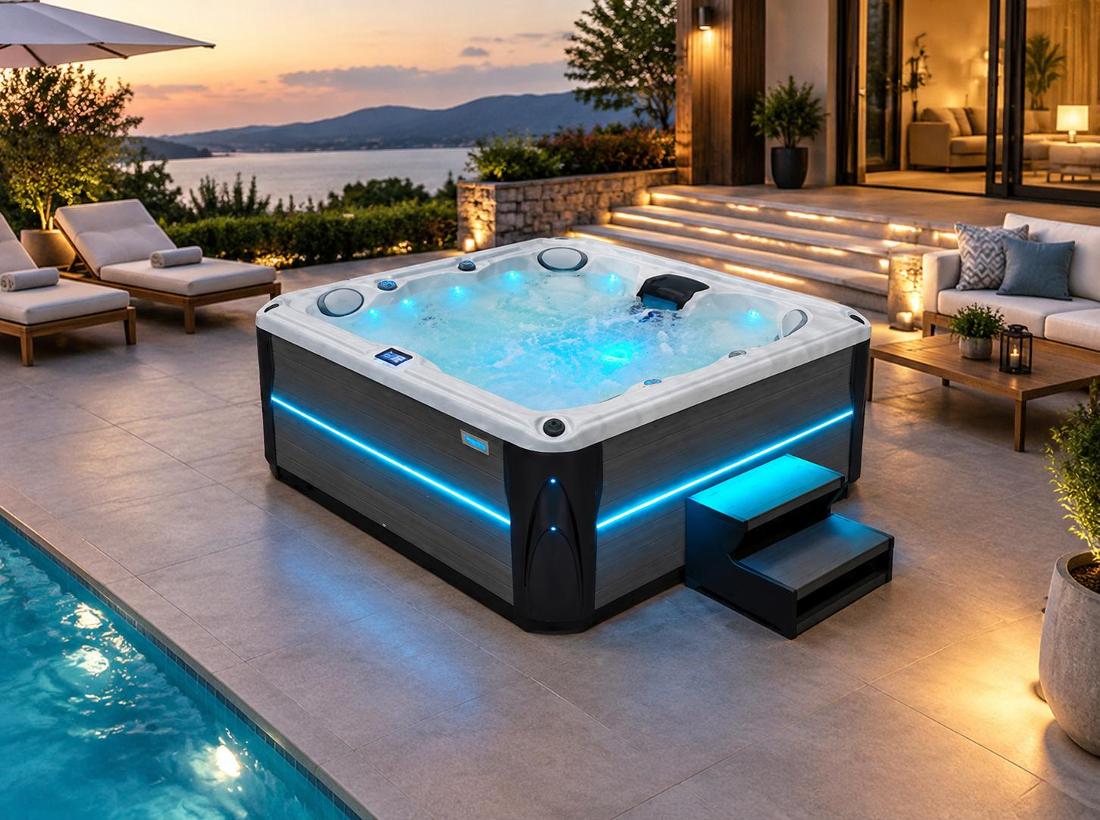
Home swim spas aren’t limited to residential backyards anymore. Boutique hotels use them for post-workout recovery near gym facilities, giving guests a hydrotherapy option without building a full spa wing. Villas often position a unit as a visual centerpiece on a wooden deck, paired with landscaping and outdoor lighting for evening use.
Seaside guesthouses have picked up on this trend as well, offering guests a hot soak with an ocean view after a day of travel. The appeal here isn’t just relaxation. It’s giving smaller hospitality operators a way to compete with larger resorts that have dedicated spa facilities, without the square footage or staffing costs that come with a full spa department.
Does a higher price always mean better quality?
Not necessarily. Price often reflects jet count, shell size, and certifications, but two spas at similar price points can differ significantly in build quality. Always check the pump specs and shell material rather than relying on price alone.
How much does installation add to home swim spa cost?
This varies by site. A reinforced deck, dedicated electrical circuit, and any plumbing for drainage can add a meaningful percentage on top of the unit price. Getting a site assessment before purchase avoids surprises.
Do LED lighting features affect running costs?
LED systems draw minimal power compared to pumps and heaters, so their impact on electricity bills is small. Their main value, based on product descriptions from several manufacturers, is creating a calming atmosphere rather than any therapeutic electrical effect.
Is ozone sanitization enough on its own?
Ozone systems reduce chemical maintenance but typically work alongside, not instead of, standard sanitizers. Check manufacturer guidance for your specific model before skipping chemical treatment entirely.
Ultimately, home swim spa cost should be weighed against how the unit will actually get used. A family that soaks a few times a week values durability and low maintenance over jet count. A household focused on muscle recovery after workouts might prioritize jet placement and pump strength instead.
For us, working across both outdoor spa and swimming pool product lines has shown that buyers get the best value when they match capacity and features to actual usage patterns rather than chasing the highest spec sheet. Whether the goal is a quiet backyard retreat or a feature for a boutique hospitality property, understanding what drives home swim spa cost helps buyers spend on what matters and skip what doesn’t.
How to Exercise in a Spa Hot Tub Without Overheating or Overdoing It
Soaking after a workout feels good, but exercising inside the tub itself is a different question entirely. People search for ways to move, stretch, and stay active in warm water without stressing the heart or wasting energy fighting a system that was never built for laps. An exercise spa hot tub blends therapeutic heat with enough hydraulic force to make gentle resistance training possible, and understanding how that works changes how you use the water.
Most standard hot tubs are built for sitting, not moving. The seats are molded, the footwell is shallow, and the jets are aimed at specific muscle groups rather than spread out for full-body motion. That’s fine for recovery soaks, but it limits what you can actually do if your goal is light cardio or joint-friendly resistance work. Knowing the difference between a soaking tub and one suited for movement helps set realistic expectations before you buy or before you get in the water.
Water at spa temperature, typically between 100 and 104°F, does two things to your body at once. It raises your heart rate slightly just from ambient heat, and it reduces the load on your joints because buoyancy offsets a large portion of your body weight. That combination means a slow arm sweep or a leg lift in a hot tub can feel like moderate effort even though you’re barely moving.
This is why physical therapists and rehabilitation centers have used warm water for decades, particularly with patients recovering from joint replacements or dealing with arthritis. The heat loosens tissue, the water supports the limbs, and the resistance from moving through liquid — however light — still asks the muscles to work. It’s a narrow window of exercise, more accurately described as therapeutic movement than a cardio session, but it fills a real gap for people who can’t tolerate high-impact activity.
The tradeoff is thermal load. Warm water raises core temperature over time, and vigorous movement adds to that. Anyone with cardiovascular conditions, or anyone who is pregnant, should treat a hot tub as a place for gentle motion only, and check with a doctor first. This isn’t a caution meant to scare people off the water — it’s just the honest boundary of what warm-water exercise can safely include.
The jets are the part of an exercise spa hot tub that do the real work, and their placement matters more than their count. A tub with jets clustered around the lower back and calves is built for someone who sits still and lets the water massage sore muscles. A layout with jets spread across a wider seating area, paired with adjustable air flow, gives more room for controlled arm and leg movement without fighting a single concentrated stream.
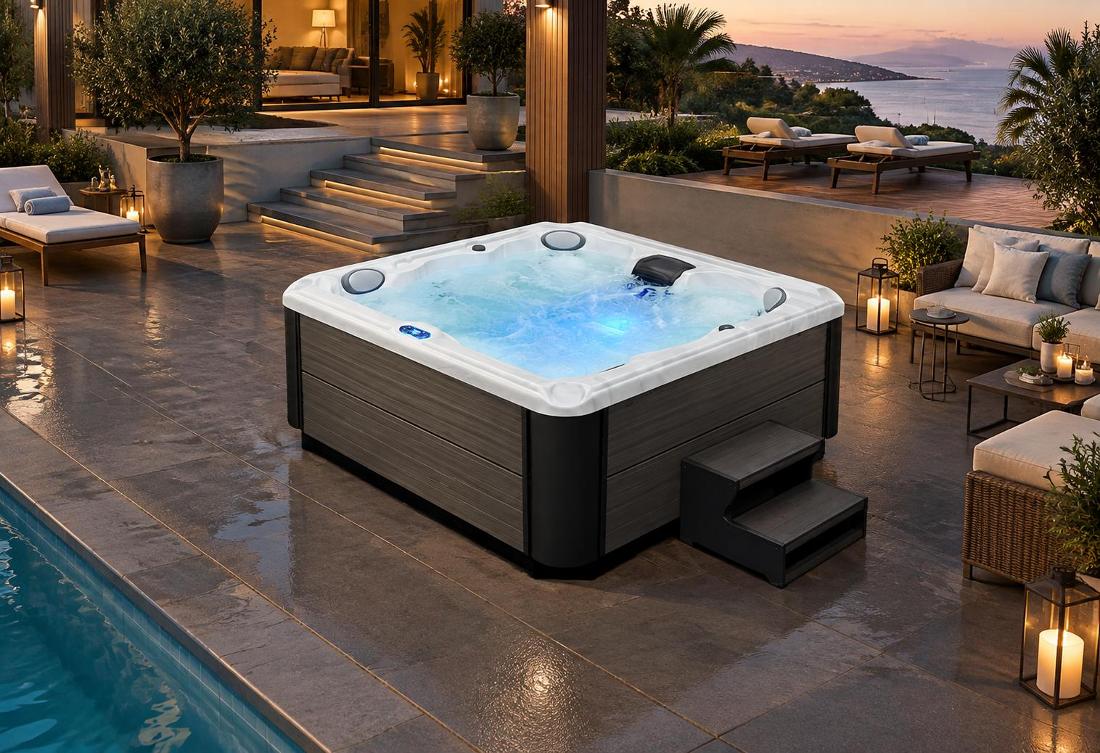
Models in the Fspa Hot Tub series, according to the manufacturer’s product information, range from 16 to 80 water jets depending on configuration, with customizable air flow that lets users dial intensity up or down. That range matters because a higher jet count spread across a 6-person shell gives more usable space to stretch and shift position than a compact 3-person tub where the footwell is tight. If the goal is light hydrotherapy-style movement rather than just sitting still, the layout of the jets — not just the total number — should guide the decision.
Before comparing specific models, it helps to think through how much space a body actually needs to move safely in warm water. Sitting still requires far less room than lifting a leg, rotating a shoulder, or shifting from one seat to another mid-session.
Dimensions vary quite a bit across the market. In the Fspa lineup, per the manufacturer’s published specifications, shells range from roughly 1870x1330mm for compact models up to 2530x2300mm for larger 6-person units, which gives a sense of how much floor space translates into usable movement room.
The table below lays out how capacity, jet count, and power typically scale together, based on the specification ranges published for the Fspa Hot Tub series. It’s a useful reference point for anyone comparing options rather than a claim about any single fixed model.
| Feature | Compact Range | Mid-Size Range | Large Range |
|---|---|---|---|
| Capacity | 3 adults | 4–5 adults | 6 adults |
| Approx. Dimensions | 1870x1330x800mm | ~2100x2100x850mm | 2530x2300x900mm |
| Jet Count | 16–24 jets | 30–50 jets | Up to 80 jets |
| Heater Output | 2kW | 2–3kW | 3kW |
| Total System Power | Lower end | Mid-range | Up to 5.55kW |
| Sanitization | Ozone system | Ozone system | Ozone system |
Higher jet counts and larger footprints generally suit group use or anyone wanting more room to shift positions during a session. Smaller units still deliver full hydrotherapy benefit, just with less physical space to move through.
Movement increases how much skin contact and splashing happens in the water, which means sanitation becomes more important, not less. Ozone systems, used across the Fspa range, work by oxidizing organic contaminants in the water, which can reduce the chemical load needed to keep water clear. This matters practically because heavy chlorine use can dry out skin and irritate eyes, which is the last thing you want during a session meant to be relaxing and low-impact.
Regular filtration paired with ozone sanitization can also reduce how often the water needs full chemical treatment, which lowers long-term maintenance effort. For anyone using the tub several times a week for gentle exercise, that maintenance rhythm becomes part of the actual user experience, not just a technical detail buried in a spec sheet.
A productive session in an exercise spa hot tub doesn’t need to be long or intense. The value comes from consistency and controlled movement, not from pushing hard against the jets.
This kind of session pairs well with the kind of ambient features many modern spas include. Select models in the Fspa series add LED lighting and integrated audio, which sound like extras but actually help people relax into a slower pace rather than rushing through movements just to get out of the heat.
Can a hot tub replace a pool workout?
No. The water volume and space are too limited for swimming or sustained cardio. A hot tub supports gentle resistance and stretching, not aerobic training in the traditional sense.
Is it safe to exercise in a hot tub every day?
For most healthy adults, short sessions of gentle movement several times a week are reasonable. Daily use should stay brief, and anyone with heart conditions should get medical guidance first.
Do more jets mean a better workout?
Not necessarily. Jet placement and adjustable air flow matter more than raw count. A well-arranged 30-jet system can offer more useful resistance than a poorly spaced 60-jet layout.
Does water temperature affect how hard I’m working?
Yes. Higher temperatures raise heart rate passively, which means the same movement feels more demanding in hotter water. This is why session length should shrink as temperature rises.
The right choice depends less on the longest feature list and more on how the tub matches daily habits. Someone doing solo rehabilitation stretches after a knee injury has different needs than a household of four using the tub for shared evening relaxation with light movement mixed in.
Manufacturers building for both residential backyards and commercial settings — hotels, wellness centers, rehabilitation clinics — have to account for that range of use. For us, that has meant designing shells across multiple sizes, from compact 3-person units up to 6-person models, each with jet configurations suited to different intensities of use, along with ozone sanitization as a standard feature across the line to keep water quality manageable regardless of how often the tub sees activity.
Anyone shopping seriously should test sit in a floor model if possible, checking whether the footwell allows the kind of leg movement they intend to do. Specification sheets tell you jet count and power draw, but they can’t tell you how it feels to stretch a hamstring against that particular water flow. That single detail, more than any number on a spec sheet, decides whether an exercise spa hot tub actually earns its name in daily use.
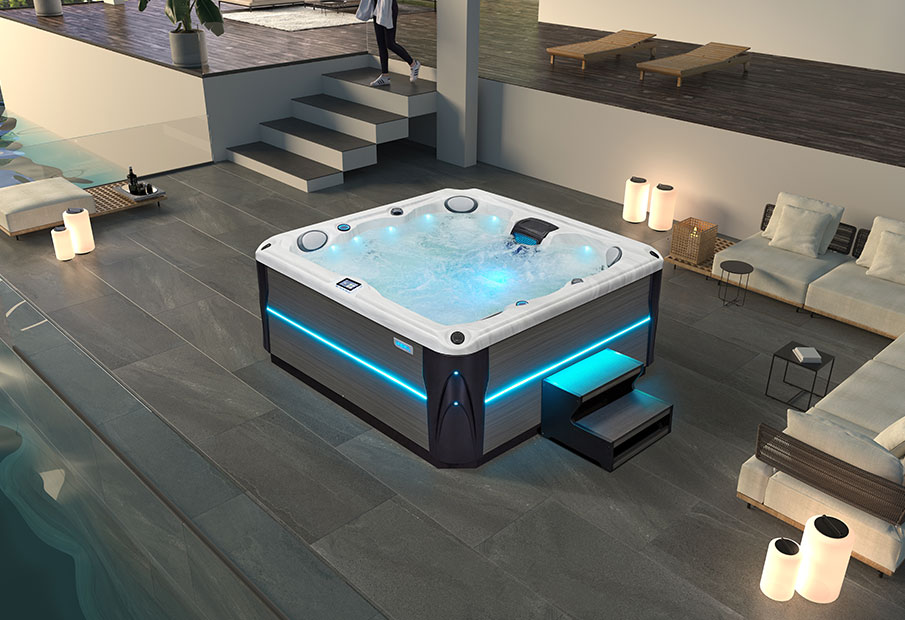
The Fspa BD-001Pro Hot Tub customizable water flow, ozone sanitization, and luxurious features for an unparalleled relaxation experience.
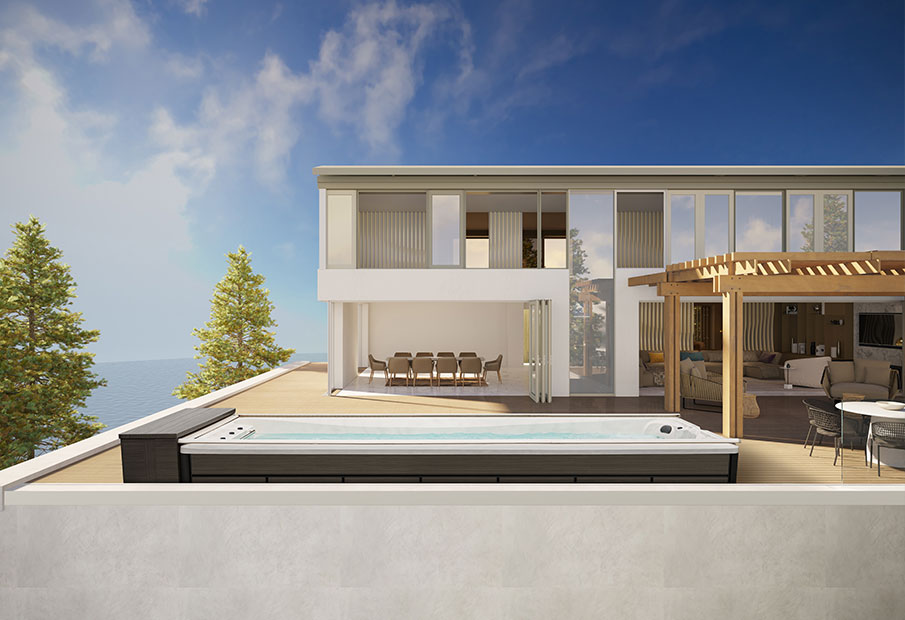
The Infinipool Fspa IP-004 is a luxurious, spacious, and technologically advanced swimming pool.
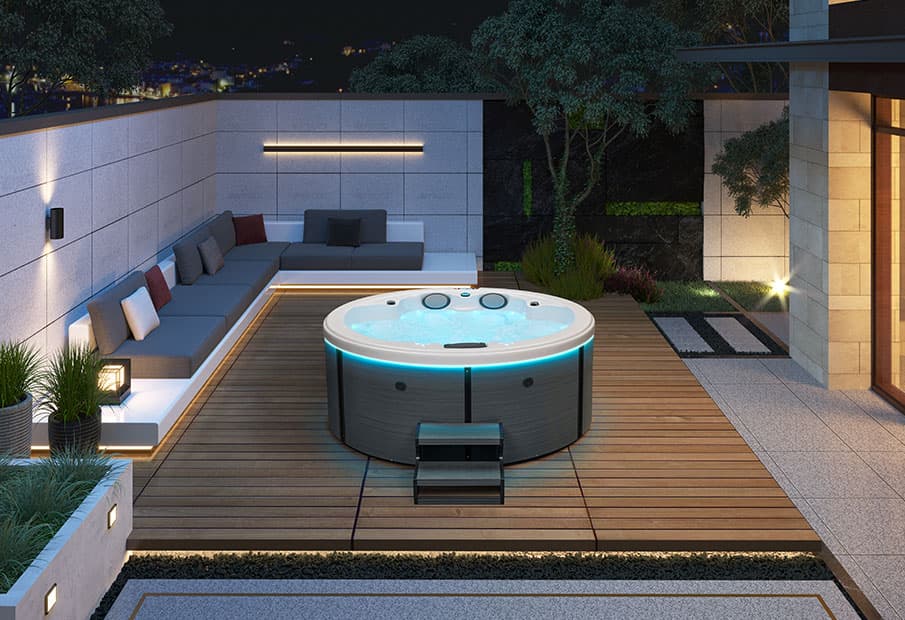
The Fspa BD-010Pro Hot Tub, combines power (8.47kW) and efficiency with luxurious features such as 54 water & 18 air bubble jets, customizable water flow, LED lighting, music speakers, and pillows, making it ideal for both residential and commercial outdoor settings.
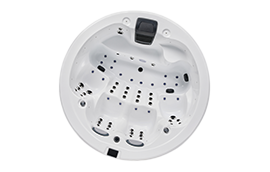
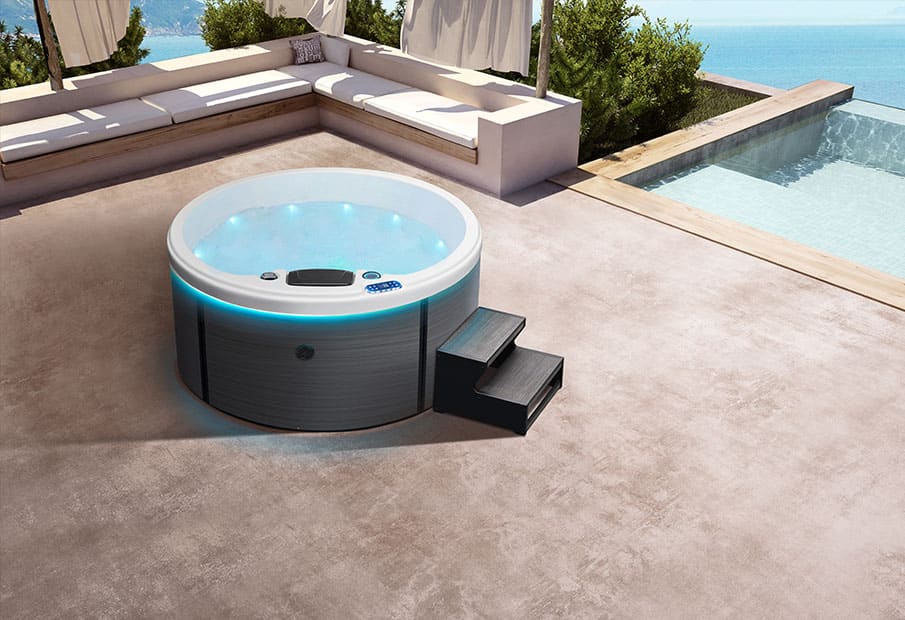
The Fspa BD-018Pro Hot Tub is a stylish, spacious spa for 5 adults, featuring a powerful massage system, modern amenities, and an advanced filtration system for a luxurious, relaxing, and healthy indoor/outdoor retreat.
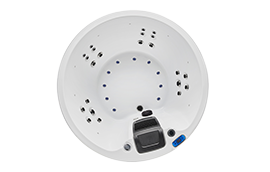
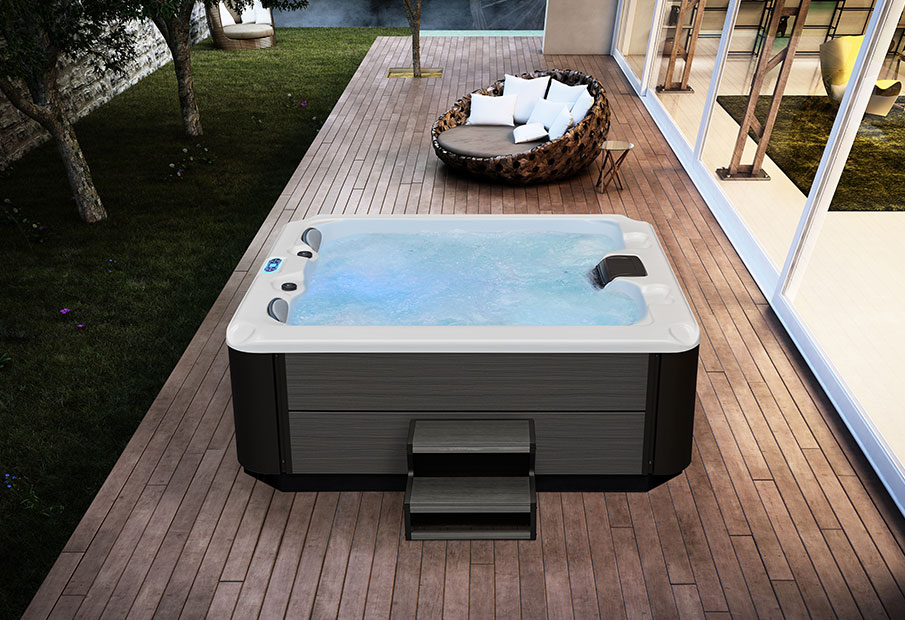
The Fspa BD-014 hot tub, designed for ultimate relaxation and luxury, offers a spacious interior for 4 adults, a powerful 2.2kW massage pump, 35 strategically placed jets, a 3kW heater, calming LED lighting, and an ozone system for clean water, making it the perfect choice for tranquility in your home.
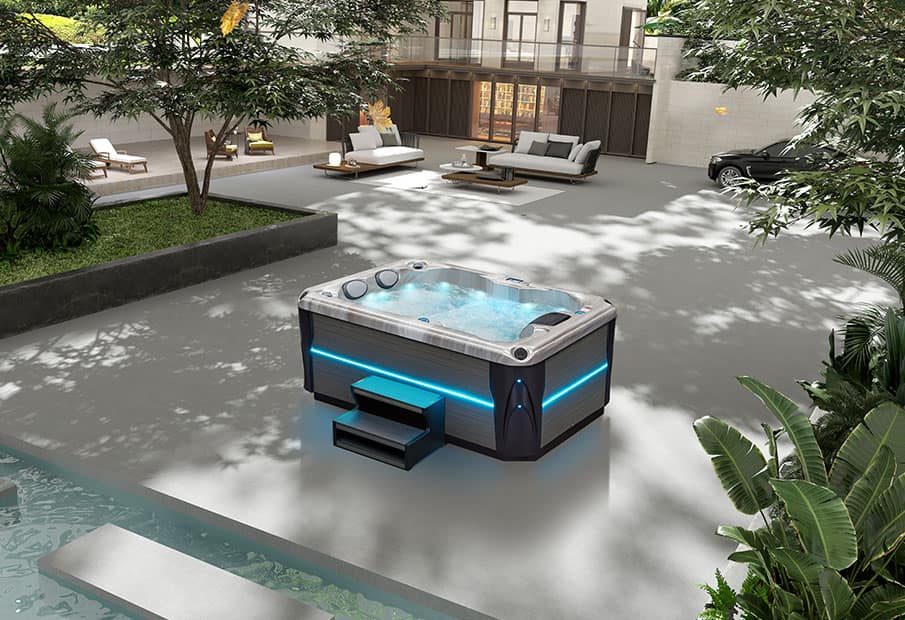
The Fspa BD-015Pro Hot Tub, designed for up to 4 adults, offers ultimate relaxation with its robust control system, invigorating massage features, consistent water temperature, modern amenities, advanced filtration, and suitability for indoor or outdoor use.
PRODUCTS
INQUIRY
Thank you for your message!Our Chinese New Year holiday from 7th Feb to 28th Feb. Apologise to make your inconvenience so that responses may be delayed during this period. We'll back to you with regular service on 2th March .Thank you for understanding.


