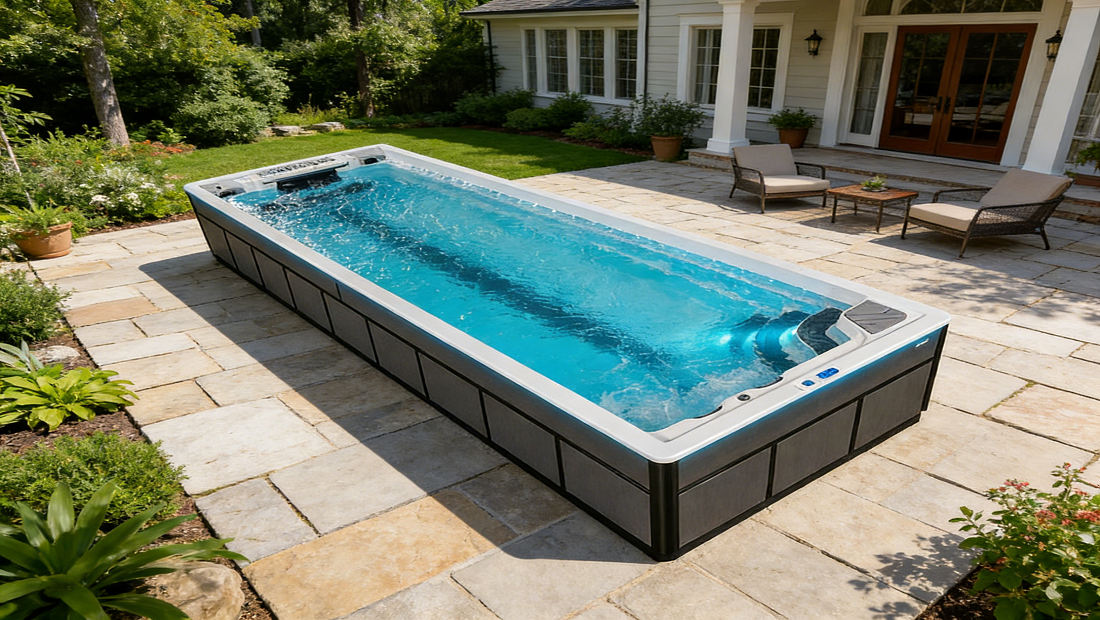
In today’s fast-paced world, the home has become more than a place to rest—it is a personal sanctuary. As wellness and relaxation take center stage, the modern hot tub has emerged as an essential feature for those seeking comfort, balance, and quality time at home. Designed to combine advanced technology with refined aesthetics, modern hot tubs transform everyday spaces into private spa environments.
As a professional hot tub manufacturer, FSPA focuses on creating high-quality spa solutions that elevate home living. By blending thoughtful design, durable materials, and advanced hydrotherapy systems, FSPA helps homeowners reimagine how home hot tubs can support relaxation, recovery, and social connection—without emphasizing pricing or commercial sales.
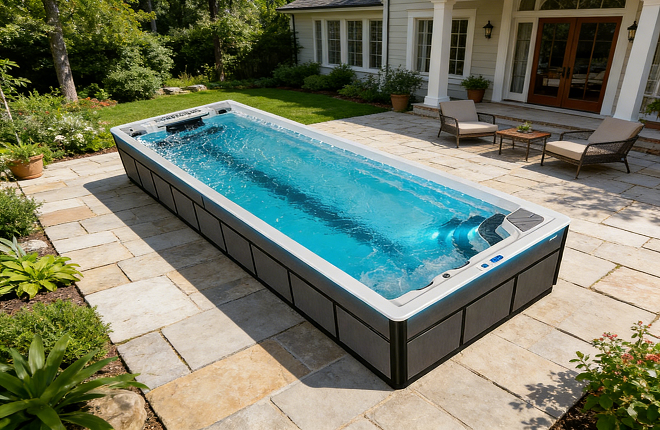
A modern hot tub is defined by more than its appearance. It represents a shift toward intentional living, where wellness is built into daily routines. Unlike traditional soaking tubs, a hot water tub offers controlled temperature, targeted jet massage, and ergonomic seating that supports both physical and mental well-being.
One of the biggest advantages of home hot tubs is accessibility. Instead of traveling to spas or wellness centers, homeowners can enjoy a restorative soak at any time. Warm water helps relieve muscle tension, improve circulation, and reduce stress—making a hot tub an ideal addition for people with active lifestyles or demanding schedules.
Design also plays a key role. Modern hot tubs feature clean lines, intuitive control systems, and layouts that integrate seamlessly into indoor or outdoor spaces. Whether installed in a garden, terrace, or dedicated wellness room, a modern hot tub enhances the overall atmosphere of the home.
For families or small groups, the best 5 person hot tub offers an ideal balance of space and intimacy. These models provide enough seating for shared experiences while maintaining individual comfort zones. FSPA engineers its multi-seat hot tubs with carefully positioned jets to ensure consistent hydrotherapy for every user.
Although many consumers search online for phrases like cheap hot tubs for sale, long-term value is determined by build quality, system reliability, and user experience—not short-term cost considerations. As an experienced hot tub manufacturer, FSPA emphasizes durability, safety, and performance to ensure that each hot tub delivers lasting satisfaction.
Selecting the right hot tub manufacturer is a critical step in creating a reliable and enjoyable home spa experience. A professional manufacturer focuses not only on visual design but also on structural integrity, insulation efficiency, and advanced water management systems.
A high-quality hot water tub must maintain stable temperatures, efficient filtration, and smooth jet performance over time. Poorly engineered systems can lead to uneven heating, excessive maintenance, or reduced comfort. FSPA addresses these challenges by integrating advanced control technology and precision-engineered components into every model.
Another important factor is customization. Every home is different, and the best home hot tubs are designed to adapt to various layouts and lifestyle needs. From seating arrangements to jet configurations, FSPA offers flexible design solutions that allow homeowners to create a spa experience tailored to their preferences.
The growing popularity of the best 5 person hot tub reflects a broader trend toward shared wellness experiences. These hot tubs are ideal for families, couples with guests, or homeowners who enjoy entertaining. When designed correctly, they provide ample space without overwhelming the environment.
It is also important to consider long-term support. A reliable hot tub manufacturer works closely with distributors and partners to ensure proper installation, guidance, and technical support. FSPA collaborates with global partners to maintain consistent quality standards and user satisfaction across different markets.
Ultimately, the value of a modern hot tub lies in its ability to deliver comfort, relaxation, and peace of mind. By choosing a manufacturer committed to innovation and quality, homeowners can enjoy a spa experience that evolves with their lifestyle.
A modern hot tub is more than a wellness feature—it is an investment in comfort, connection, and daily renewal. From compact home hot tubs to thoughtfully designed multi-seat solutions like the best 5 person hot tub, today’s spa designs offer something for every lifestyle.
While many consumers search for terms like cheap hot tubs for sale, true value comes from expert engineering, reliable materials, and user-centered design. As a trusted hot tub manufacturer, FSPA remains committed to delivering spa solutions that enhance everyday living without compromising quality.
By choosing an FSPA hot water tub, homeowners create a private retreat that supports relaxation, well-being, and meaningful moments—right at home.
A modern hot tub features advanced controls, ergonomic seating, efficient insulation, and contemporary design tailored for today’s homes.
Yes, high-quality home hot tubs are designed for all-season use, maintaining stable water temperatures and comfort in various climates.
The best 5 person hot tub offers balanced seating, shared space, and individual comfort zones, making it perfect for family and social use.
A hot water tub provides controlled heating, hydrotherapy jets, and deeper soaking, offering greater wellness benefits than standard bathtubs.
A professional hot tub manufacturer like FSPA ensures quality engineering, long-term reliability, and a superior user experience.
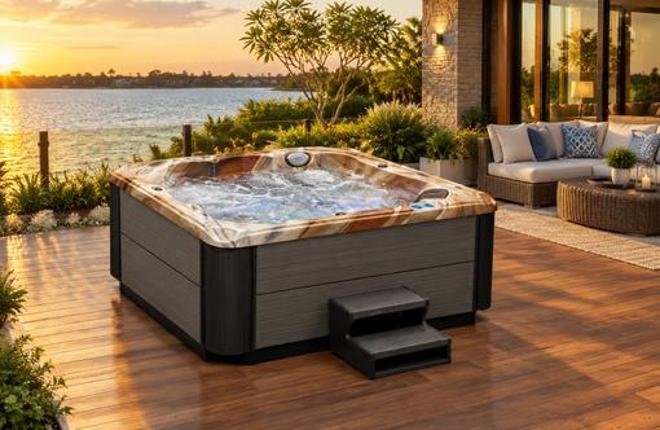
Choosing a Garden Swim Spa That Actually Fits Your Space
A garden swim spa sits in that odd middle ground between a hot tub and a lap pool, and that’s exactly why so many homeowners get stuck deciding. You want the massage, the heat, maybe a bit of exercise room, but you don’t want to dig a trench across your backyard. The good news is that portable units have closed most of that gap. A well-built garden swim spa can deliver hydrotherapy, social soaking space, and a genuine outdoor focal point without construction crews or months of waiting.
This matters because the backyard is no longer just a patch of grass. For villa owners, boutique hotels, and even rehabilitation centers, an outdoor spa has become a functional amenity rather than a novelty. Understanding what separates a decent unit from a disappointing one saves both money and backyard real estate.
Digging an in-ground pool means permits, excavation, and a permanent commitment to a shape you may regret in five years. A garden swim spa sidesteps most of that. It arrives assembled or near-assembled, sits on a reinforced deck or concrete pad, and can be relocated if your landscaping plans change.
Water usage is the other overlooked factor. A compact hydrotherapy spa holds a fraction of what an in-ground pool needs, which matters in regions with water restrictions or high utility costs. Less surface area also means less heat loss overnight, so the running cost stays more predictable across seasons.
For a villa backyard, a hotel gym, or a seaside homestay, this smaller footprint isn’t a compromise. It’s often the reason the project gets approved at all when space or budget is tight.
Not every unit marketed as a "spa" delivers real therapeutic value. The difference usually comes down to three things: jet placement, seating geometry, and water maintenance systems.
Jet count alone is a weak indicator. What matters more is whether the jets are positioned where muscle tension actually accumulates, lower back, shoulders, calves, rather than scattered evenly for a marketing spec sheet. A unit like the BD-004, for example, carries 35 targeted jets distributed across a 6-person seating layout, aiming coverage at areas people commonly seek relief in after physical activity or a long day standing.
Seating geometry is easy to overlook until you’ve sat in a poorly contoured tub for twenty minutes. Ergonomic seats that follow the body’s natural curve keep users from sliding or straining their neck to stay submerged. Combined with headrests positioned near the jet clusters, this turns a soak from mildly pleasant into something closer to an actual recovery session.
Nobody buys a spa because they enjoy scrubbing it, yet water quality is where most owners run into trouble. Chlorine-only systems require frequent manual dosing and can leave a lingering chemical smell that undercuts the relaxation the spa was bought for.
An integrated ozone sanitization system reduces this burden by breaking down organic contaminants in the water circulation loop, which cuts down on how often chemicals need to be added by hand. The BD-004 uses this approach, pairing it with a 0.35kW filter pump to keep water moving through the system consistently rather than sitting stagnant between uses.
This isn’t a substitute for basic upkeep. Filters still need cleaning and water still needs periodic testing. But it does shift maintenance from a daily chore to a weekly one, which is often the deciding factor for hotels and rental properties where staff time is limited.
Technical specifications can feel like noise until you know what to compare them against. Here’s how the core numbers on a mid-size garden swim spa translate into real-world use.
| Specification | Value | What It Affects |
|---|---|---|
| Capacity | 6 Adults | Suitable for families or small groups, not lap swimming |
| Dimensions | 2350 x 2350 x 900mm | Fits most decks and patios without major reinforcement |
| Total Power | 5.55kW | Determines electrical circuit requirements |
| Massage Pump | 2.2kW | Drives jet pressure and water flow |
| Heater | 3kW | Affects how quickly water reaches target temperature |
| Water Capacity | 1450L | Influences fill time and chemical dosing volume |
| Net Weight | 317kg | Relevant for deck load capacity, empty |
| Jet Count | 35pcs | Coverage across seating positions |
The heater rating deserves particular attention. A 3kW heater on a 1450L tub will not heat water instantly, so owners in cooler climates should plan for a pre-heating window rather than expecting spa-ready water on demand. This is standard behavior across most residential units, not a flaw specific to any one model.
Weight also matters more than people expect. A unit like this weighs 317kg empty, but once filled with 1450L of water plus adult occupants, the load on a wooden deck climbs substantially. Checking deck load ratings before installation avoids a structural headache later.
Where the spa goes changes what features actually matter. A rooftop installation prioritizes weight and drainage. A ground-level garden setting has more flexibility but benefits from lighting and privacy considerations.
Three common placements illustrate this:
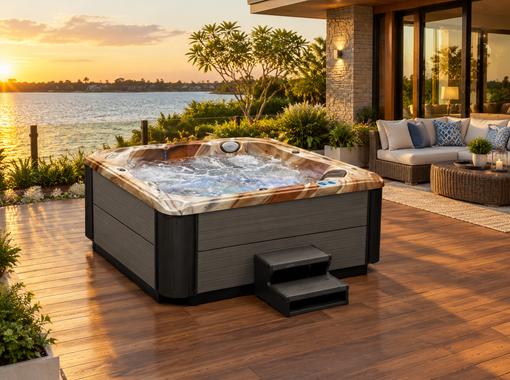
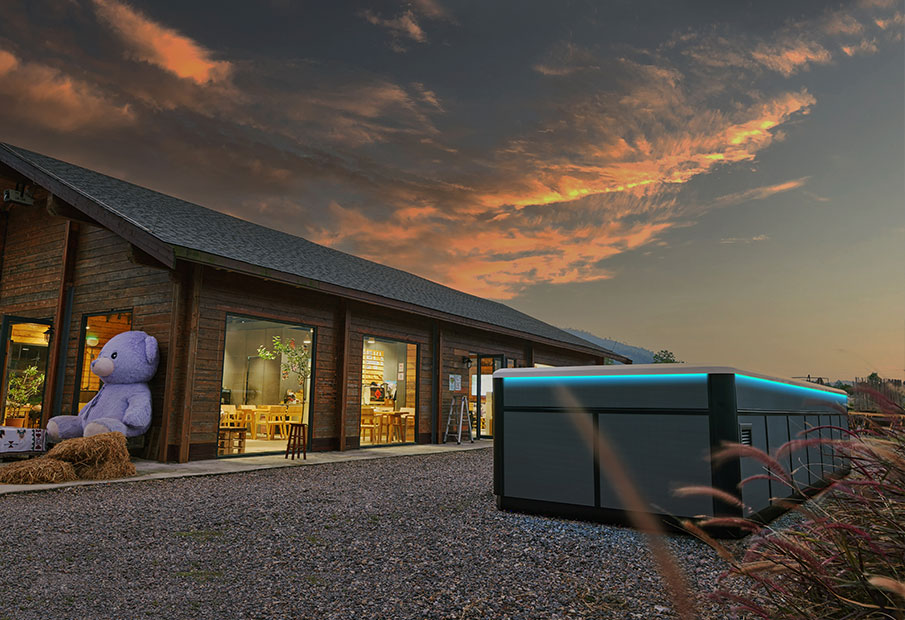
The bottom-positioned LED lighting seen in evening installations isn’t purely decorative either. According to the product’s own documentation, it’s marketed as part of a calming ambiance intended to support relaxation during use, which is a reasonable claim for lighting design generally, though it shouldn’t be confused with a clinical treatment.
A spa that’s hard to operate ends up underused, regardless of how good the jets are. Digital control panels with backlit displays make temperature and function adjustments straightforward, even for guests unfamiliar with the specific unit.
For rental properties and hotels, this simplicity reduces the support burden. Guests can adjust settings themselves rather than calling staff for every temperature change. For homeowners, it just means fewer trips back inside to check a manual.
Does a garden swim spa need a permanent electrical hookup?
Most units in this power range, typically 5 to 6kW, require a dedicated circuit installed by a licensed electrician. This is not a standard household outlet job, and skipping proper wiring is a common cause of tripped breakers or, worse, equipment damage.
Can these spas be used year-round in colder climates?
It depends on insulation and heater capacity. A 3kW heater can maintain temperature reasonably well once heated, but initial heating in cold weather takes longer. Owners in colder regions often keep the spa running continuously rather than draining it between uses.
How much deck reinforcement is needed?
Calculate the combined weight of the empty unit, full water capacity, and expected occupants. For a unit weighing roughly 317kg empty with 1450L of water, the filled weight approaches two tons, which most standard decks are not rated for without reinforcement.
Is ozone sanitization enough on its own?
No. Ozone systems reduce the frequency of chemical treatment but don’t eliminate the need for periodic water testing and filter maintenance. Treat it as a maintenance reducer, not a replacement for basic spa care.
Choosing a garden swim spa comes down to matching capacity, power requirements, and maintenance systems to how the space will actually be used. A hotel gym has different priorities than a quiet villa backyard, and a seaside property faces environmental demands neither of the others does.
For us, having spent years manufacturing intelligent outdoor spa units across more than 60,000 square meters of production facilities, the pattern is consistent: buyers who assess deck load, electrical capacity, and water maintenance needs upfront end up far more satisfied than those who choose based on jet count alone. A garden swim spa is a long-term backyard fixture, and getting the fundamentals right before installation matters more than any single feature on the spec sheet.
Above Ground Swimming Pool Hot Tub Combo: What Buyers Should Know
Anyone comparing an above ground swimming pool hot tub combo against two separate units usually starts with the same question: is combining a pool and spa actually practical, or does it just create two maintenance headaches instead of one. The honest answer depends on how the space is used, how often hot water and cold laps are both wanted in the same session, and how much deck or yard area is actually available. This guide breaks down the real tradeoffs, from plumbing and heating logic to sizing decisions, so the choice is based on facts rather than showroom enthusiasm.
The appeal is rarely about novelty. Most homeowners want one for temperature contrast therapy, cooling off after a hot soak, or simply because a single backyard footprint has to serve both fitness and relaxation. A rehabilitation client alternating hot and cold immersion, for instance, benefits from having both temperatures within a few steps rather than across a whole property.
Commercial operators face a related but distinct problem. Hotels, B&Bs, and fitness centers need to offer both a swimming amenity and a spa experience without doubling plumbing runs, electrical panels, or maintenance staff hours. An above ground swimming pool hot tub combo, or a pool and hot tub placed on a shared deck with linked filtration, answers that operational pressure directly.
There are two distinct approaches sold under the "combo" label, and confusing them leads to disappointment.
The second approach is what most manufacturers, including us, actually supply, since it lets each system be serviced, drained, or upgraded without shutting down the other. If a heater fails in the spa, the pool keeps running. That separation matters more than it sounds, especially for commercial sites where downtime has a cost.
Once the pool footprint is decided, the spa needs to match both the household size and the deck space left over. Spa capacity in this category typically ranges from compact 3-person units up to family-sized 6-person spas, and the physical footprint scales accordingly, from roughly 1870x1330mm on the small end to 2530x2300mm for larger models.
A common mistake is oversizing the spa and leaving too little clearance around the pool ladder or skimmer access. Before choosing a spa size, it helps to walk through the deck layout with the pool’s existing hardware in mind, not just the open square footage.
Jet count gets thrown around as if it were the only spec that matters, but jet placement and type matter just as much. Spa units in this range span from 16 jets in smaller shells to as many as 80 in the densest configurations, mixing water jets for muscle-targeted pressure with air jets for a softer, broader massage sensation.
A shell with 16 jets and thoughtful placement around the lower back and calves can outperform a crowded 40-jet layout that spreads pressure too thin. Before comparing raw numbers, it’s worth asking where the jets sit relative to typical seating posture, since that determines whether the massage actually reaches sore muscles or just the water surface.
Running a pool and a spa side by side means double the water volume to manage chemically, and spa water heats up fast enough that chlorine alone can struggle to keep pace. This is where ozone sanitization systems, integrated into hot tub units like the Fspa series according to the product specifications, are intended to reduce the sanitizer load compared to chlorine-only maintenance.
Ozone doesn’t replace sanitizer entirely, but it does the heavy lifting on oxidizing organic material, which means less manual dosing and fewer cloudy-water surprises. For a combo setup where the spa gets used daily and the pool less often, that reduced maintenance burden on the spa side frees up time for the larger, slower pool chemistry routine.
A frequent point of confusion is why the hot tub reaches temperature in hours while the pool takes days, even with a similar-sized heater. The answer is volume, not inefficiency. Spa heaters in this range run between 2kW and 3kW, which is more than adequate for a few hundred gallons but would barely dent a pool’s much larger volume.
That’s precisely why adjacent independent systems make more engineering sense than one shared heating loop. Trying to heat combined water volumes with a single undersized heater either overworks the equipment or leaves the pool perpetually lukewarm. Keeping heaters separate lets each match its actual job.
| Spec | Typical Range |
|---|---|
| Capacity | 3 to 6 adults |
| Dimensions | 1870x1330x800mm to 2530x2300x900mm |
| Heater Output | 2kW to 3kW |
| Jet Count | 16 to 80 jets |
| Total System Power | Up to 5.55kW |
| Sanitization | Ozone system |
These figures describe the spa component of a combo setup and should be checked against the specific model’s datasheet, since options like LED lighting and audio systems add load to total power draw.
Different settings put different demands on the same basic equipment.
Matching the spa to the actual traffic pattern, not just the available budget, avoids the common outcome of an underused oversized spa sitting next to an overcrowded pool.
Select spa models add integrated LED lighting and built-in audio systems, and on a shared deck with a pool, that lighting can double as ambient illumination for the whole area at night. It’s a legitimate value-add, but it shouldn’t be the deciding factor between two otherwise similar units. Get the jet layout, heater sizing, and sanitization method right first, then treat lighting and sound as the tiebreaker between comparable finalists.
Does an above ground swimming pool hot tub combo require two separate pumps?
In most configurations, yes. The pool and the spa each run their own pump and filtration loop, even when installed on the same deck, which keeps servicing one unit independent of the other.
Can the spa run in winter if the pool is closed?
Yes, when the systems are independent. This is one of the main practical arguments for choosing adjacent units over a single shared-water design, since the spa heater and cover are sized for standalone winter use.
How much deck space does a typical combo setup need?
Beyond the pool’s own footprint, plan for the spa’s dimensions plus at least 600-800mm of clearance on the access side for entry, maintenance, and any surrounding furniture.
Is ozone sanitization enough on its own?
No. Ozone reduces the sanitizer demand but is generally used alongside a baseline chlorine or bromine routine, not as a full replacement.
Deciding between a fully integrated shell and adjacent independent units comes down to how the space is used day to day, not which option sounds more efficient on paper. Commercial sites with heavy daily spa use and occasional pool access benefit from independent systems that isolate maintenance. Residential buyers chasing a compact footprint might still prefer them for the same reason: fewer shared failure points.
For us, spa design has focused on matching jet configuration, heater output, and sanitization method to real usage patterns rather than maximizing spec sheet numbers. Whether the end goal is a backyard above ground swimming pool hot tub combo for a family or a multi-unit installation for a hotel courtyard, the same principle holds. Size the spa to the people who will actually use it, keep the systems separable, and let the water chemistry method match the bather load, not just the marketing copy on the box.
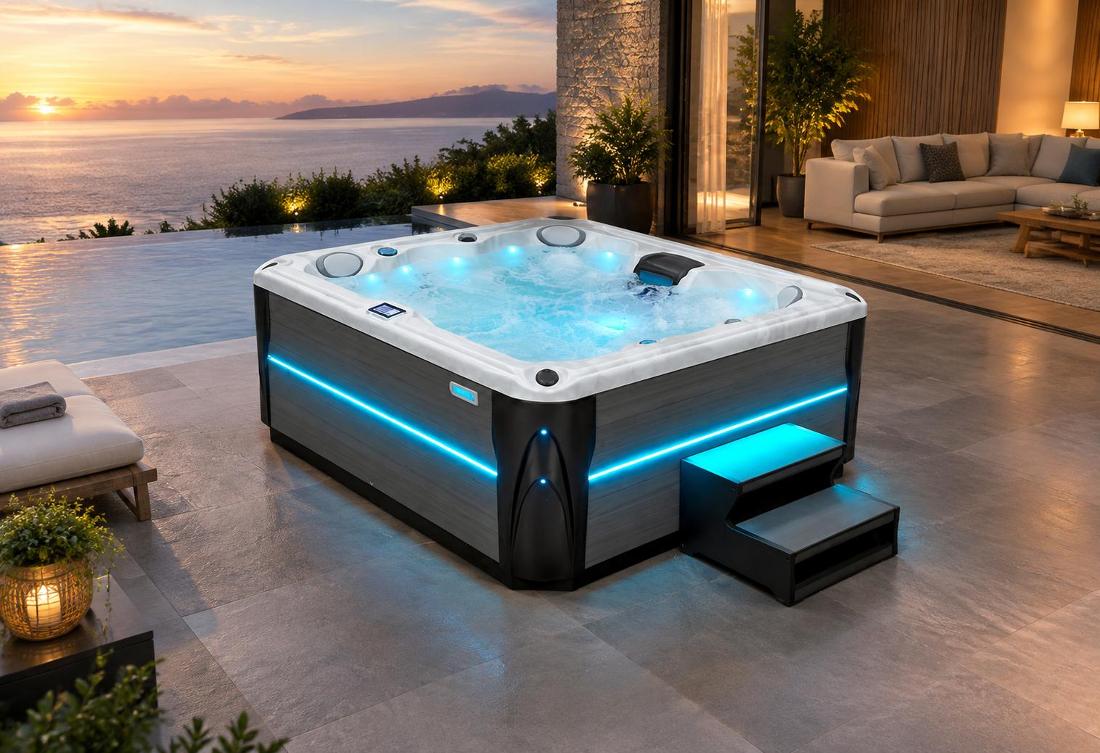
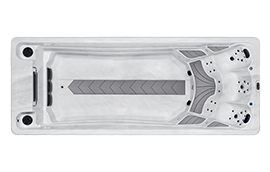
The Infinipool Fspa IP-004Pro is a luxurious, spacious hot tub with advanced features and a luxurious ambiance, perfect for both residential and commercial spa retreats.
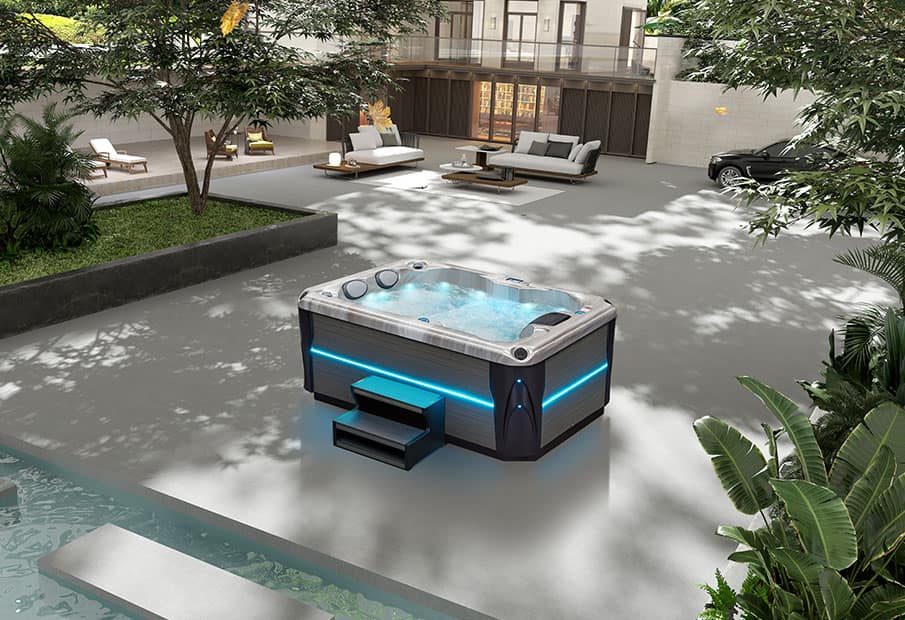
The Fspa BD-015Pro Hot Tub, designed for up to 4 adults, offers ultimate relaxation with its robust control system, invigorating massage features, consistent water temperature, modern amenities, advanced filtration, and suitability for indoor or outdoor use.
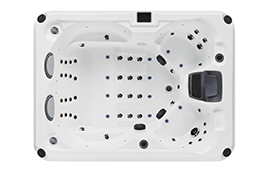
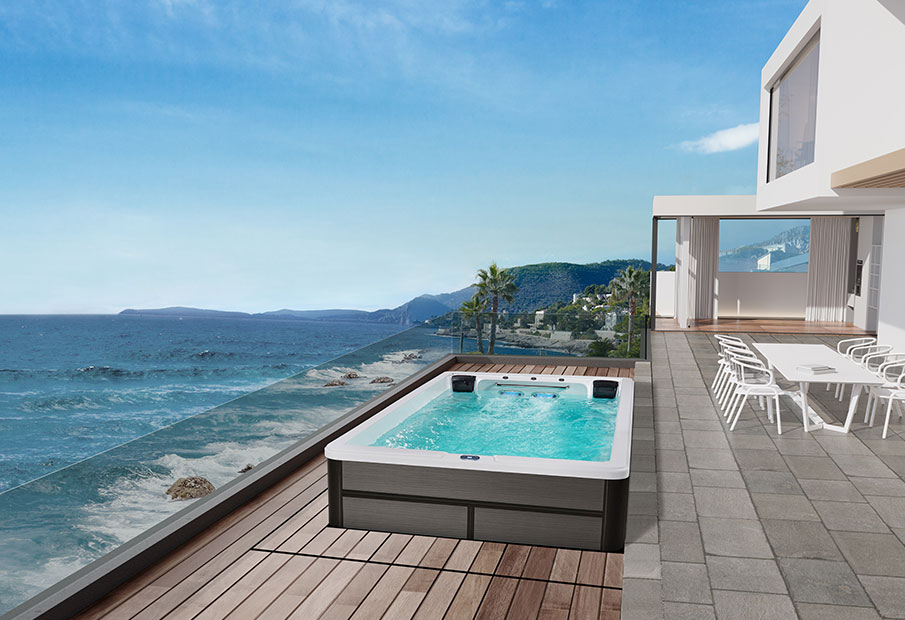
The Infinipool Fspa IP-001 is the ideal choice for anyone seeking a premium swimming experience at home or in a fitness facility.
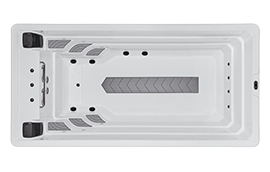
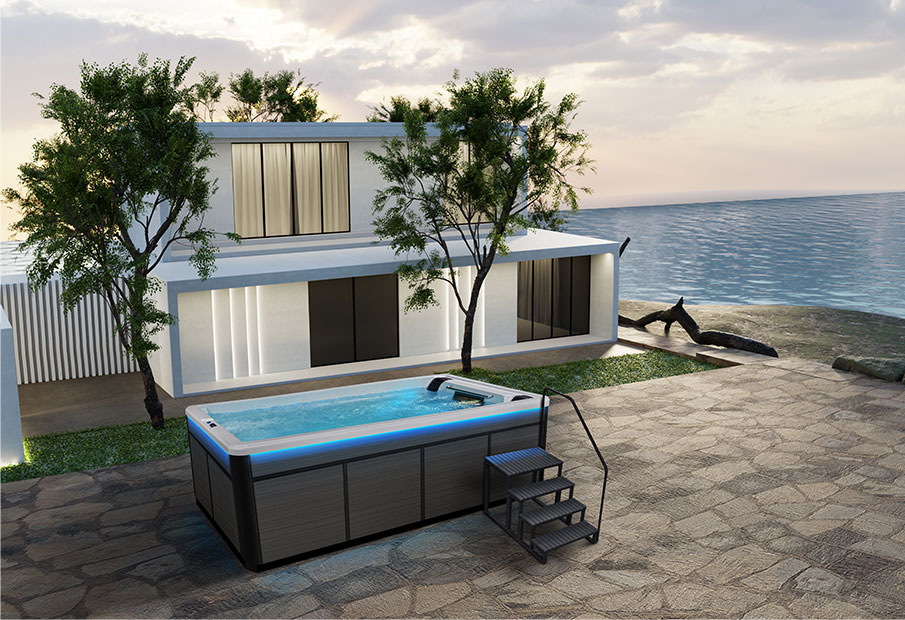
The Infinipool Fspa IP-001Pro is a premium, spacious pool with advanced filtration, ozone sanitization, insulation, and optional accessories, transforming backyards into luxurious oases for swimming, relaxation, and entertainment.
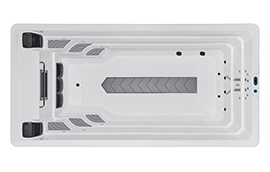
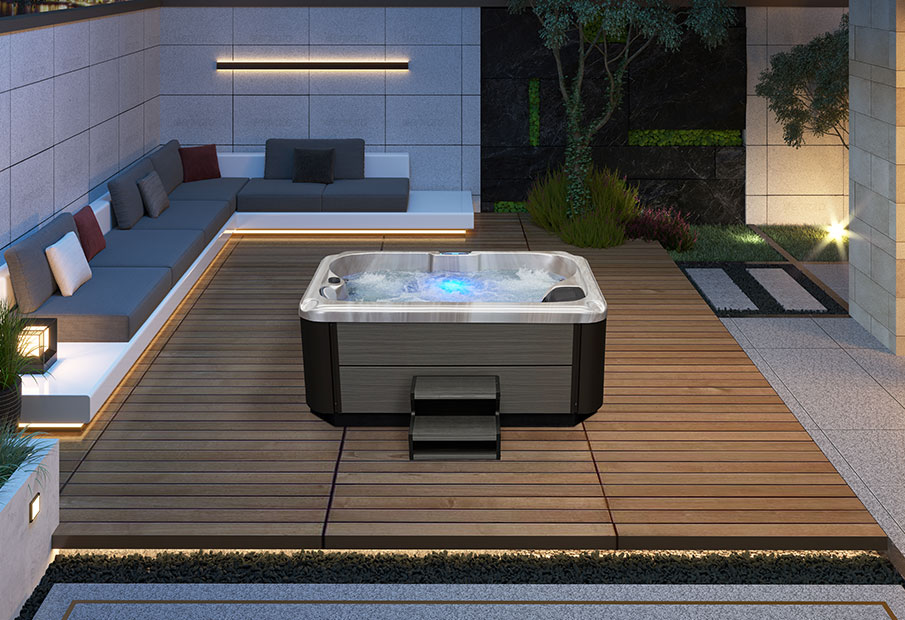
Our luxurious Fspa BD-003 spa tub, designed for 3 adults with ample space (1870x1330x800mm), features a comprehensive control system, powerful massage pump, gentle filter pump, temperature control, clean water filter, LED lighting, 16 massage jets, and sanitation ozone system, offering a perfect therapeutic escape for you and your loved ones.
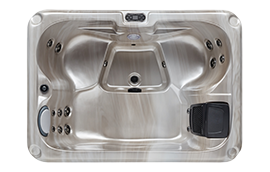
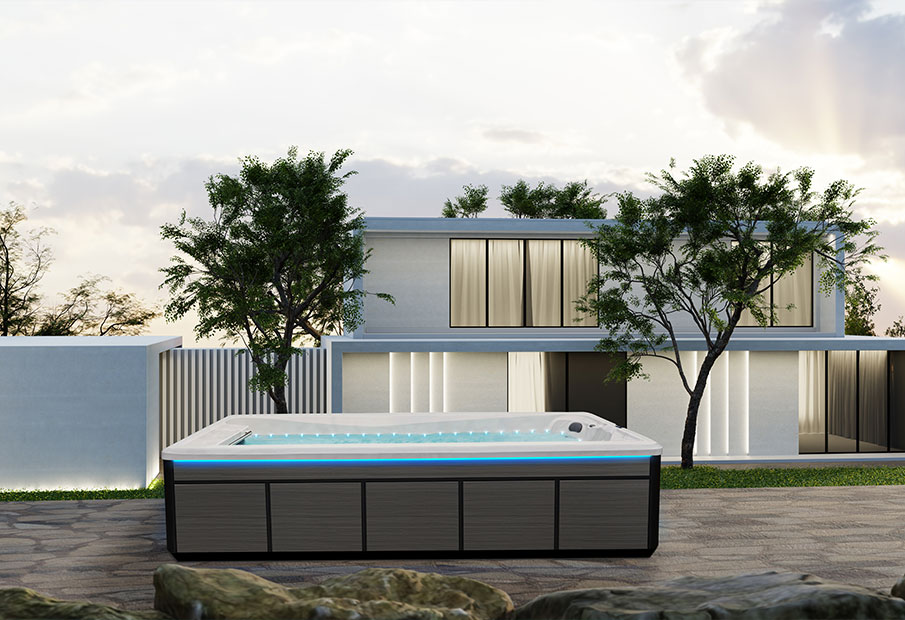
The Infinipool Fspa IP-003Pro is a cutting-edge hot tub with a spacious design, providing an unparalleled and customizable spa experience for residential and commercial use.
PRODUCTS
INQUIRY
Thank you for your message!Our Chinese New Year holiday from 7th Feb to 28th Feb. Apologise to make your inconvenience so that responses may be delayed during this period. We'll back to you with regular service on 2th March .Thank you for understanding.


