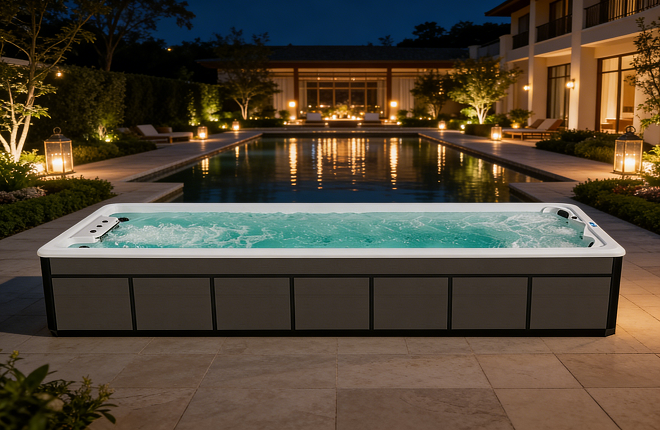
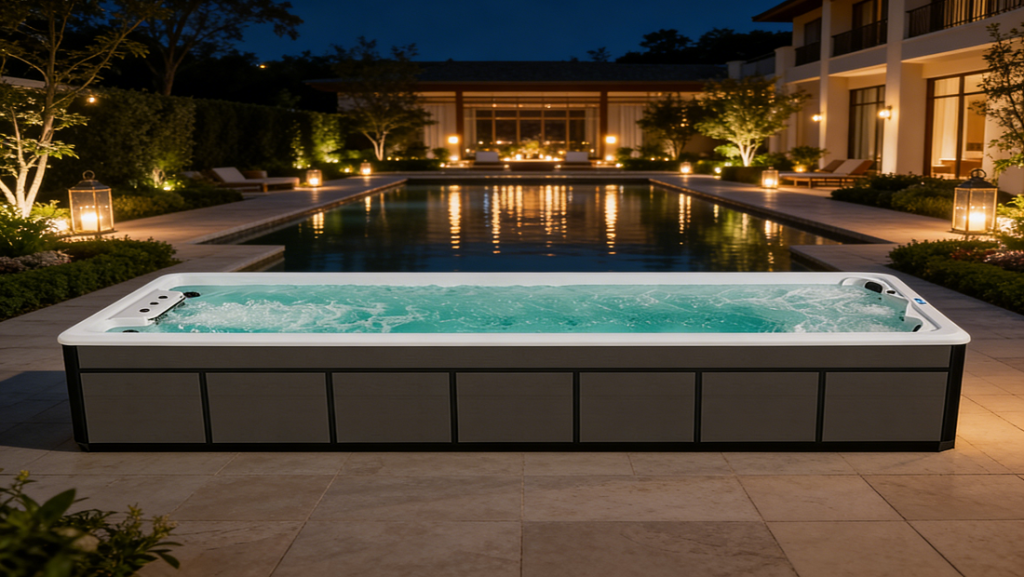
Acrylic pools are emerging as a transformative design element for small boutique hotels and guesthouses, offering unique advantages that align with the industry’s focus on intimacy, aesthetics, and guest experience. Unlike traditional concrete or fiberglass alternatives, acrylic’s transparency creates visually stunning aquatic features that enhance spatial perception and ambiance, making it ideal for properties with limited square footage.
One key benefit is acrylic’s versatility in design. Its malleable nature allows for custom shapes—from infinity edges to curved walls—and seamless integration into various architectural styles, whether minimalist, tropical, or industrial. In compact settings, this flexibility enables creative installations such as indoor plunge pools with underwater windows, rooftop infinity pools with skyline views, or even freestanding “water walls” that serve as both functional amenities and artistic focal points. Such distinctive features differentiate small establishments in competitive markets, appealing to design-conscious travelers seeking Instagram-worthy experiences.
Acrylic also offers practical advantages for boutique operations. Its lightweight composition reduces structural load requirements, lowering construction costs and expanding placement options in existing buildings or retrofits. Additionally, acrylic’s smooth surface resists algae growth and requires minimal maintenance compared to tile or concrete, reducing long-term operational expenses—a critical factor for small businesses with limited staff and budgets.
Moreover, acrylic pools enhance guest comfort and safety. The material retains heat efficiently, extending swimming seasons in cooler climates, while its non-slip properties and customizable depth cater to diverse guest needs, from families to wellness-focused travelers. When paired with smart lighting systems, acrylic pools transform into dynamic evening attractions, elevating the overall guest experience and encouraging social media sharing, which drives organic marketing for small properties.
In conclusion, acrylic pools represent a strategic investment for small boutique hotels and guesthouses. By combining aesthetic innovation, functional efficiency, and cost-effectiveness, they not only maximize limited space but also create memorable, Instagrammable moments that attract discerning travelers and foster long-term brand loyalty. As the hospitality industry continues to prioritize unique guest experiences, acrylic pools are poised to become a defining feature of successful small-scale accommodations.
Winter Outdoor Spa Care: Setup, Maintenance, and Comfort Tips
Cold weather changes how a hot tub behaves, and a winter outdoor spa only rewards owners who understand that shift. Heaters work harder, covers matter more, and water chemistry drifts faster than most people expect. Whether you already own a spa or are weighing one for the season ahead, knowing what winter demands will save you money and frustration.
Heat loss accelerates once air temperature drops well below the water temperature. A spa sitting at 38°C in freezing air loses heat through the shell, the cover seams, and any exposed plumbing far faster than it would in milder weather. This is simple thermodynamics, not a flaw in the equipment.
That heat loss puts direct pressure on the heater and pump cycle. Most residential units use heaters in the 2kW to 3kW range, and in winter these run longer and more often just to hold a set temperature. Owners who don’t account for this sometimes assume something is broken when really the system is just working against a bigger temperature gap.
Wind adds another variable that’s easy to underestimate. A spa positioned in an open, exposed yard will shed heat faster than one tucked near a wall or fence line. Something as simple as a windbreak can measurably reduce how often the heater cycles on.
Not every hot tub is equally suited to sub-zero nights. Shell insulation, cabinet sealing, and pump quality all affect how a unit holds up once temperatures fall consistently below freezing.
When comparing options for winter use, a few technical points are worth checking before purchase:
| Feature | Why It Matters in Winter |
|---|---|
| Heater output (2kW–3kW) | Determines recovery speed after cover is opened |
| Total system power (up to 5.55kW) | Affects how pumps and heater run together without tripping circuits |
| Jet count (16 to 80 jets) | More jets mean more plumbing runs that need freeze protection |
| Capacity (3 to 6 adults) | Larger volume holds heat longer once warmed |
| Shell construction | Durable, well-sealed shells resist heat loss and cold-cracking |
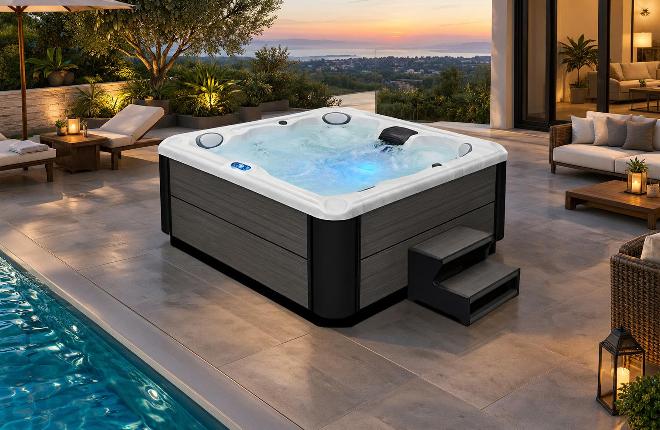
Fspa’s hot tub lineup, for instance, ranges from compact 3-person models suited to a couple sharing a quiet balcony soak, up to 6-person family spas built for longer winter gatherings. The larger units, with their bigger water volume, tend to hold temperature more steadily between heating cycles, simply because there’s more thermal mass resisting the cold.
Picking the right size and spot isn’t just about aesthetics. It directly affects running cost and comfort once the weather turns. A few practical steps help narrow the decision:
Getting these decisions right before installation avoids costly retrofits once the first cold front arrives.
Cold air holds less moisture, and steam rising off a heated spa can evaporate quickly in dry winter conditions, which may concentrate dissolved minerals and disinfectant byproducts faster than in summer. That means water testing shouldn’t be skipped just because it’s cold outside.
Ozone-based sanitization systems, which are integrated into several Fspa models, help offset this by continuously treating water without relying solely on manual chemical dosing. According to the product documentation, this ozone treatment supports clearer water and reduces the frequency of manual chemical top-ups, which matters when cold weather already makes maintenance visits less appealing.
Still, ozone systems don’t eliminate the need for periodic manual checks. pH drift, in particular, tends to be more noticeable in winter because top-off water (often colder tap water) can shift balance more abruptly than warmer seasonal refills.
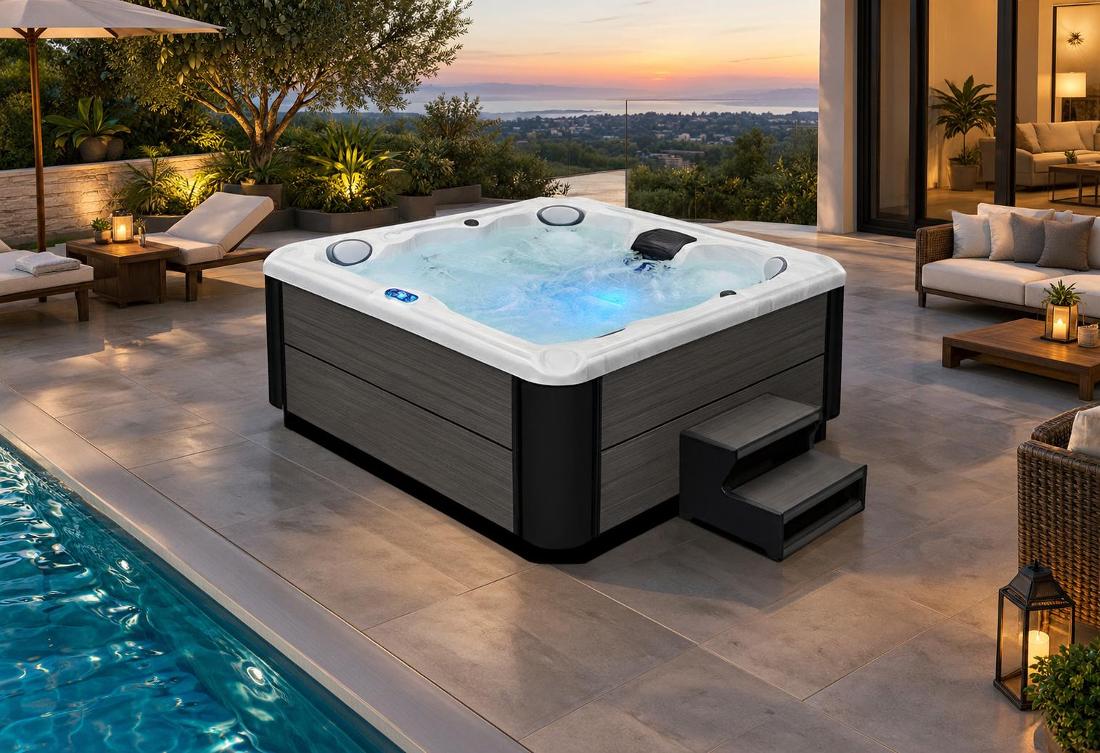
A spa cover does more work in winter than any other component besides the heater itself. It’s the main barrier against heat loss, and a poorly sealed or waterlogged cover can noticeably raise heating costs.
Owners should watch for a few warning signs that a cover is underperforming:
None of these issues are unique to any one brand. They’re mechanical realities of foam-core covers exposed to freeze-thaw cycles. Wiping snow off promptly, rather than letting it compact into ice, extends cover life meaningfully.
Cabinet panels also deserve a look. Durable, weather-resistant shells and panel materials matter more in climates with hard freezes, since repeated expansion and contraction from temperature swings stresses seams and fittings over time.
Within the Fspa lineup, standard and Pro-tier models differ mainly in jet density, lighting, and control features rather than core heating capability. For someone deciding what actually matters for winter use, it helps to separate cosmetic upgrades from functional ones.
None of these differences change the underlying physics of heat loss. They shape comfort and convenience, not whether the spa can handle cold weather at all.
One common misunderstanding involves how long a spa takes to reach temperature after being opened in cold weather. Opening the cover on a freezing day releases stored heat quickly, and recovery time depends on ambient temperature, wind, and heater output.
A 2kW heater will simply take longer to recover lost heat than a 3kW unit, all else equal. This isn’t a defect; it’s a straightforward function of thermal load versus heating capacity. Owners expecting instant reheating regardless of heater size are working from an unrealistic baseline.
Minimizing cover-open time, and using a floating thermal blanket under the hard cover where compatible, are simple habits that reduce how hard the heater has to work to recover.
Does a hot tub need to be drained in winter if it’s not being used?
Not necessarily. Many manufacturers recommend keeping the system running and heated through freeze cycles rather than draining it, since standing water in idle plumbing risks freeze damage. If a spa will sit unused for an extended period, follow the manufacturer’s specific winterization procedure rather than draining it without guidance.
Will snow damage the spa shell or cabinet?
Occasional snow accumulation isn’t typically harmful if it’s cleared before it compacts into ice, but prolonged weight on a cover, or ice buildup in cabinet vents, can stress seals over time.
Is ozone sanitization enough on its own in winter?
Ozone systems reduce, but don’t eliminate, the need for periodic water testing. Cold, dry air changes evaporation rates and can shift chemical balance faster than expected.
Does a bigger spa cost more to heat in winter?
Generally yes, in absolute terms, since more water volume requires more energy to heat initially. However, larger volumes also hold temperature more steadily between cycles, which can offset some of that cost over time.
Cold weather doesn’t have to be a liability for hot tub owners. It’s simply a different set of conditions that reward attentive maintenance and sensible equipment choices. Heater sizing, cover condition, placement, and water chemistry all interact, and understanding those relationships turns winter from a challenge into just another season of regular use.
For anyone weighing a new purchase or troubleshooting an existing setup, the underlying goal stays the same: match the equipment and habits to the climate rather than fighting against it. A well-placed, well-maintained winter outdoor spa, whether a compact 3-person unit or a larger 6-person model, can perform reliably through the coldest months when these basics are respected.
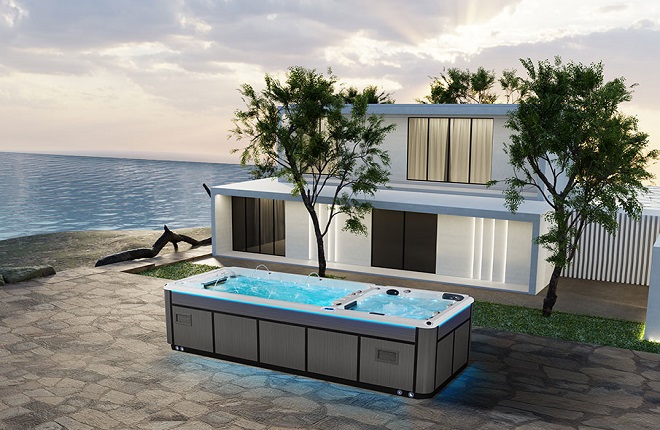
As someone who’s bought two acrylic swim spas for vacation homes in Spain and the U.S. over the past five years, I’ve learned the hard way that international swim spa shopping isn’t just about picking a style or size—ignoring voltage, frequency, and socket differences can turn a dream backyard upgrade into a costly headache. These details might seem small, but they make or break whether your spa works safely, efficiently, or at all once it’s installed.
My first mistake happened with my Spanish villa’s spa. I ordered a model I loved from a global supplier without double-checking electrical specs, assuming “universal” meant it would fit. When the installer arrived, he pointed out Spain uses 230V voltage and 50Hz frequency, while the spa was calibrated for the U.S.’ 120/240V and 60Hz. Plugging it in would’ve fried the heating element and pumps.
We had to wait three weeks for the supplier to send a custom electrical kit—delaying use and adding extra fees. After that, I made it a rule to confirm specs upfront. The U.S. home’s spa went smoothly because I asked: I learned most U.S. residential setups use 240V for larger spas (to power strong jets and fast heating) and 120V for smaller ones, plus 60Hz frequency that keeps motors running steadily.
Japan’s even trickier, I later found out from a friend—some regions use 100V at 50Hz, others 60Hz, so you need to specify the exact city to avoid mismatches.
Sockets are another easy pitfall. In Spain, the plugs are Type F—round, with two pins and a grounding clip—while the U.S. uses Type A/B (flat pins, grounded or ungrounded). My first spa came with a U.S.-style plug, which didn’t fit Spain’s outlets.
Even if you use an adapter, it’s not a fix: adapters only change the plug shape, not the power flowing through it. For my U.S. spa, I also had to confirm the socket’s amp capacity—my spa draws 30A, so a standard 15A household socket would’ve overheated.
The supplier helped me share my home’s electrical panel details with their team, who then sent a compatible cord and even recommended a local electrician to upgrade the outlet.
The solution, I’ve found, is simple: talk to your supplier early and often. Don’t just ask “Will this work in [country]?”—get specific. Share your home’s voltage (you can find it on your utility bill or by checking a wall outlet), frequency (most countries stick to 50Hz or 60Hz), and socket type (a quick online search for your country’s plug type works).
Good suppliers, like the one I used for my second spa, will adjust the spa’s internal components—swapping out heating elements, calibrating motors, or changing cords—to match your region. They might even send diagrams to share with your electrician, so installation goes off without a hitch.
Buying a swim spa internationally should be exciting, not stressful. By focusing on these electrical details and communicating clearly with your supplier, you can skip the delays and extra costs—and start enjoying your spa as soon as it arrives.
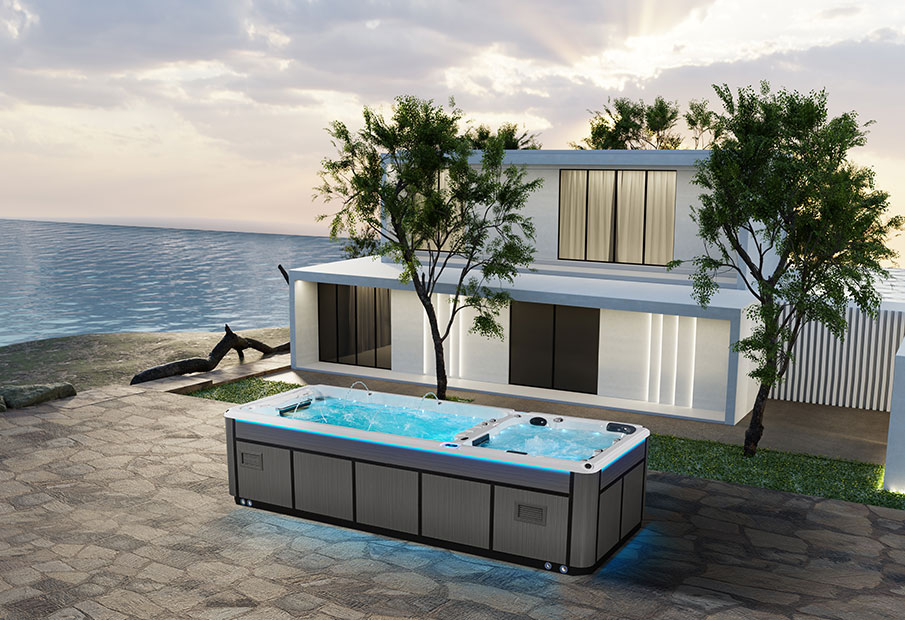
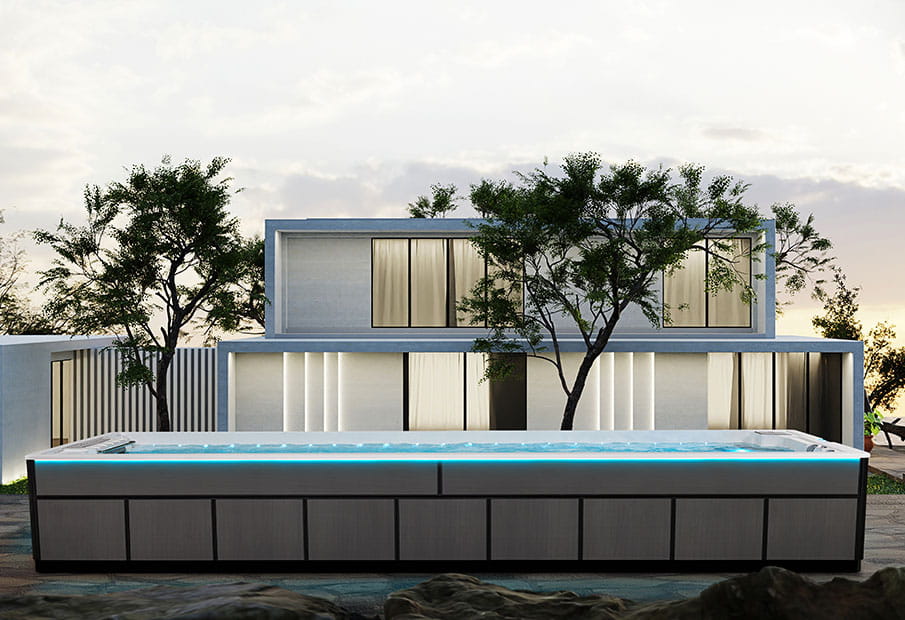
This product is a comprehensive and advanced swimming pool system, equipped with a range of features including a 9950mm x 3000mm x 1430mm size, a powerful Infinipool swimming system of 11kW, multiple water pumps, heaters, filters, and jets for a superior swimming and therapeutic experience, totaling 16.95kW in power, with optional enhancements like energy-saving covers and a 10Hp heat pump available.
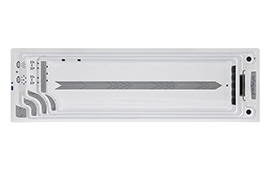
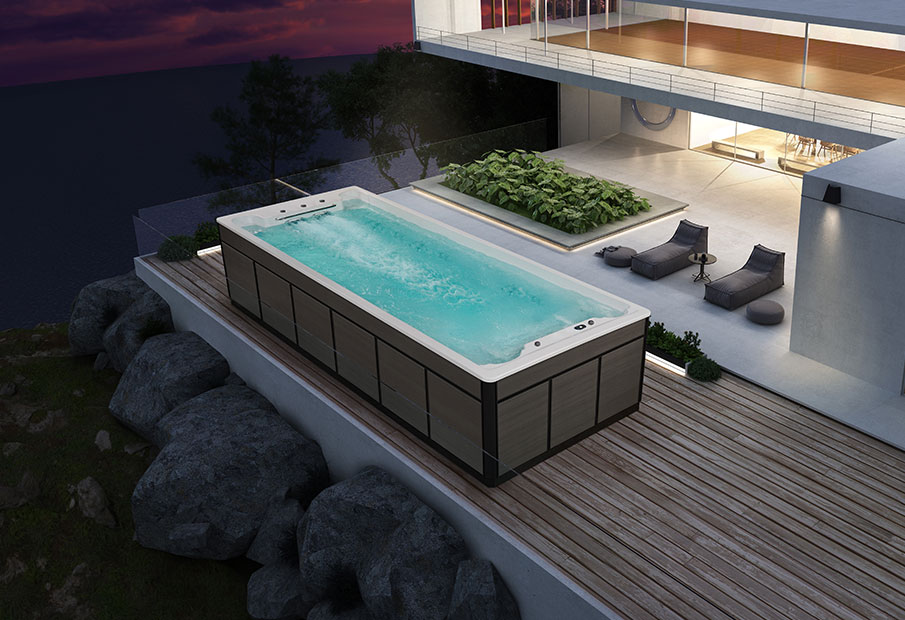
The Infinipool Fspa IP-005, a luxurious 7000mm x 3000mm x 1470mm pool with advanced filtration, multiple jet systems, and optional accessories.
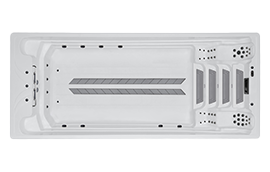
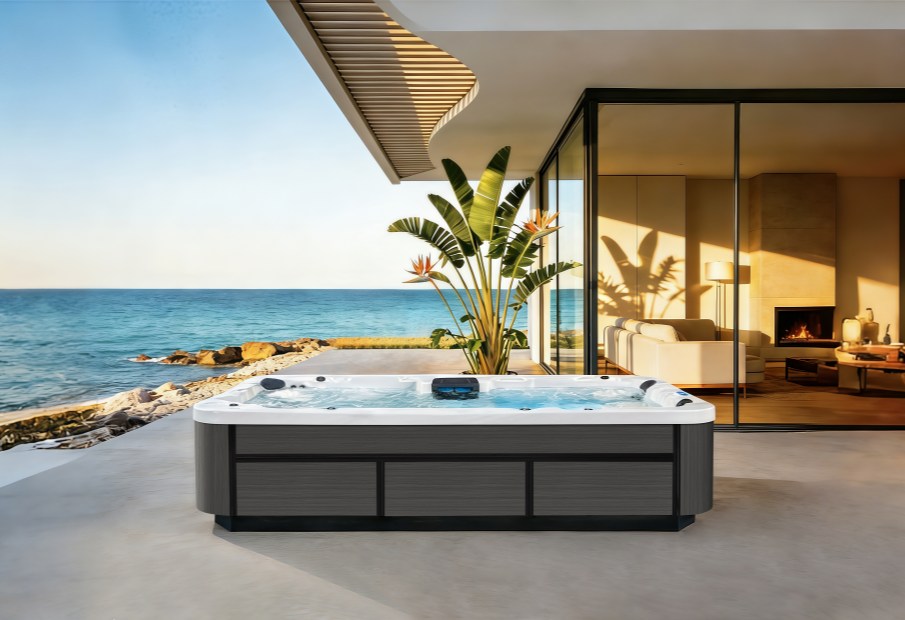
The Fspa BD-020 Hot Tub, designed for 5 adults with spacious dimensions and powered by a 4.85kW system, includes a 1.5kW massage pump, 0.35kW filter pump, 3kW heater, 28 customizable water jets, LED lighting, an ozone sanitation system, and easy maintenance features, providing unparalleled relaxation and comfort.
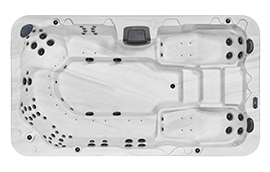
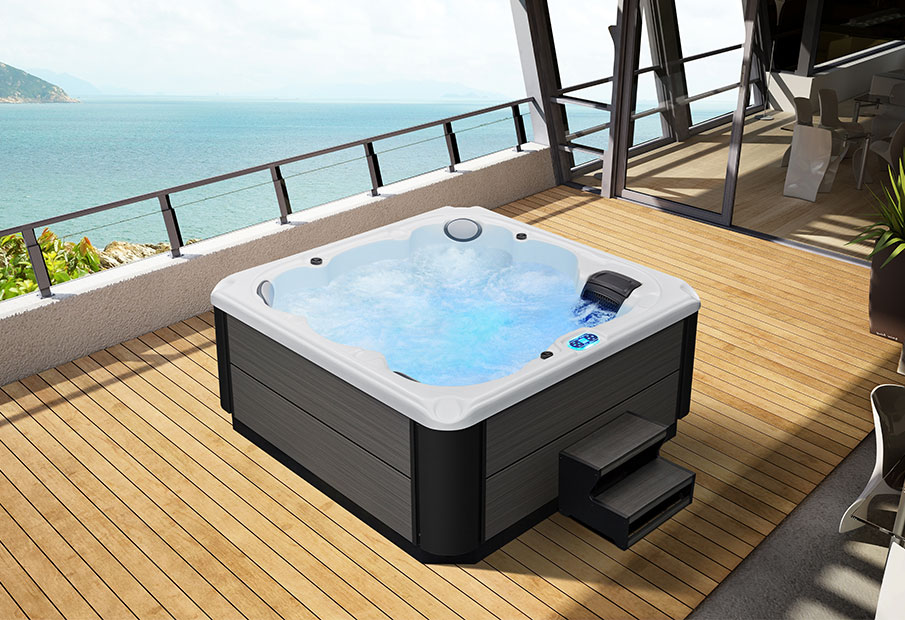
The Fspa BD-012 hot tub, designed for intimate relaxation, features a spacious size for 2 adults, powerful massage pump with 20 jets, temperature-controlled heater, energy-efficient filter pump, ambient LED lighting, and sanitized water with an ozone system, offering a private oasis for ultimate relaxation.
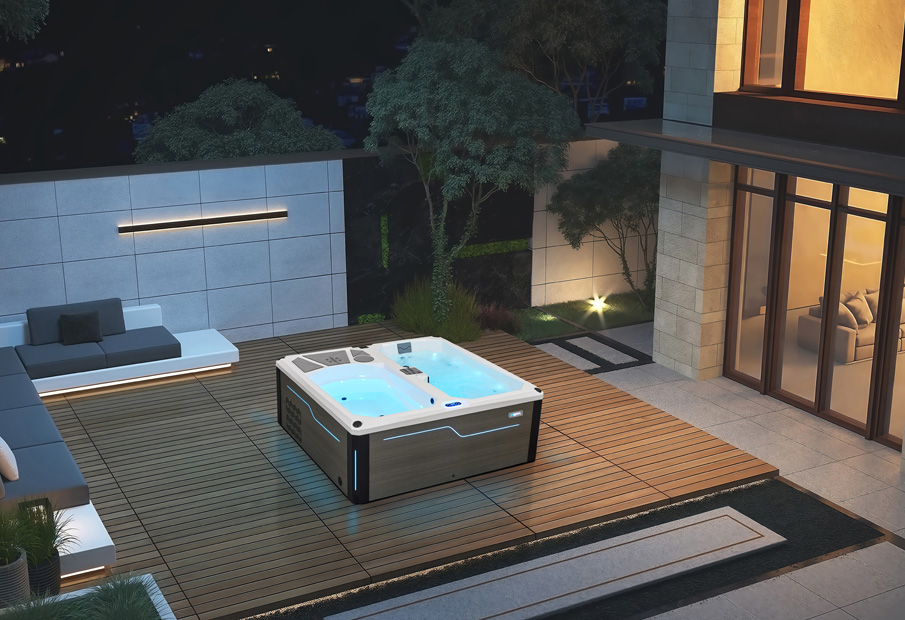
Welcome lights up as you approach, All in one design, plug and play, snowflake pattern, Include filter, circuit pump, Ozone, ice-blue underwater light, and high-efficiency chilling system.
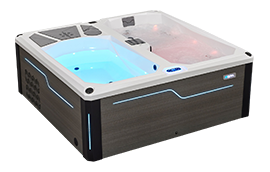
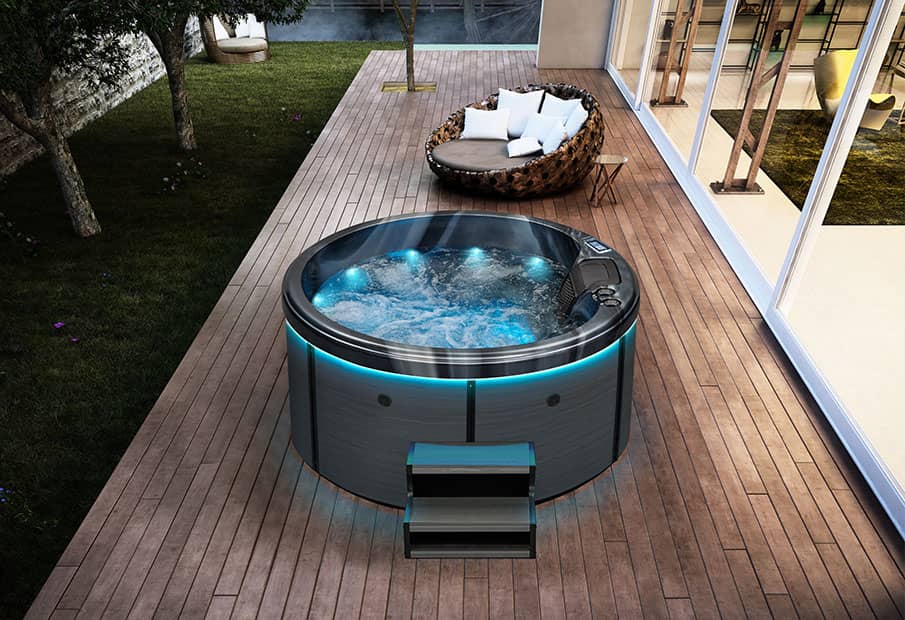
The Fspa BD-017Pro Hot Tub, spacious enough for 5 adults, offers a serene and rejuvenating experience with advanced controls, powerful massage and filtration systems, modern amenities, and suitability for indoor or outdoor use.
PRODUCTS
INQUIRY
Thank you for your message!Our Chinese New Year holiday from 7th Feb to 28th Feb. Apologise to make your inconvenience so that responses may be delayed during this period. We'll back to you with regular service on 2th March .Thank you for understanding.


