Creating a luxurious and relaxing environment at home has become a top priority for modern homeowners. One of the most popular ways to achieve this is by installing a jacuzzi spa, which offers both therapeutic benefits and a touch of elegance. Whether you are considering an indoor retreat or an outdoor relaxation space, choosing the right jacuzzi setup requires careful planning. In this guide, E&C provides expert insights to help you select the ideal solution tailored to your lifestyle and needs.
When selecting a jacuzzi, one of the first decisions you’ll need to make is whether to install an indoor jacuzzi or an outdoor jacuzzi tub. Each option has its own advantages, depending on your space, preferences, and intended use.
An indoor jacuzzi tub is perfect for homeowners who prioritize privacy and year-round usability. Installed within a bathroom or dedicated spa room, it creates a serene escape regardless of weather conditions. Indoor setups also allow for better control over cleanliness and temperature, making them a practical choice for frequent use. Additionally, an indoor environment enables seamless integration with modern bathroom designs, enhancing both comfort and property value.
On the other hand, an outdoor jacuzzi tub offers a completely different experience. Imagine soaking under the stars or enjoying a warm bath surrounded by nature—this option is ideal for those who value ambiance and open-air relaxation. Outdoor jacuzzis are often installed in gardens, patios, or poolside areas, making them a focal point for entertainment and social gatherings. They also pair well with landscaping features such as decking, pergolas, or even outdoor lighting systems.
Climate and maintenance are key considerations. Outdoor units may require additional insulation and weatherproofing, while indoor installations demand proper ventilation to manage humidity. Ultimately, the choice between indoor and outdoor comes down to your lifestyle preferences and how you envision using your jacuzzi spa.
Another critical factor when selecting a jacuzzi is size. For couples or small households, a 2 person jacuzzi tub or two person jacuzzi tub is often the perfect balance between functionality and space efficiency. These compact models are designed to provide a comfortable and intimate experience without taking up too much room, making them suitable for both indoor and outdoor installations.
A 2 person jacuzzi tub is especially popular among urban homeowners who want a spa-like experience without sacrificing valuable space. Despite their smaller size, these tubs often come equipped with advanced hydrotherapy jets, ergonomic seating, and customizable settings. They are also more energy-efficient compared to larger models, which can result in lower long-term operating costs.
When it comes to jacuzzi tub prices, there is a wide range depending on size, features, and brand quality. Entry-level models for a two person jacuzzi tub may start at a few thousand dollars, while high-end versions with premium materials, smart controls, and enhanced jet systems can cost significantly more. Outdoor installations may also involve additional expenses such as decking, electrical work, and weatherproof covers.
It’s important to consider not just the upfront cost but also long-term value. Investing in a high-quality jacuzzi spa can provide years of relaxation, improve well-being, and even increase property appeal. E&C recommends evaluating your budget alongside your desired features to find the best balance between cost and performance.
A well-chosen jacuzzi spa can transform your home into a personal wellness retreat. Whether you opt for an indoor jacuzzi tub for privacy and convenience or an outdoor jacuzzi tub for a more immersive experience, the key is to align your choice with your lifestyle and space. Compact options like a 2 person jacuzzi tub or two person jacuzzi tub offer excellent functionality without overwhelming your home, while understanding jacuzzi tub prices ensures you make a smart investment.
With the right planning and guidance from E&C, you can create a luxurious, comfortable, and long-lasting spa experience that enhances both your daily life and your home’s value.
A jacuzzi spa is a hydrotherapy system that uses water jets, heat, and air pressure to create a relaxing and therapeutic bathing experience. It helps relieve muscle tension, improve circulation, and promote overall wellness.
An outdoor jacuzzi tub offers a more natural and scenic experience, while an indoor jacuzzi provides privacy and year-round convenience. The better choice depends on your space, climate, and personal preference.
A 2 person jacuzzi tub is space-saving, energy-efficient, and perfect for couples. It provides a comfortable and intimate spa experience without requiring a large installation area.
Jacuzzi tub prices can vary widely, from a few thousand dollars for basic models to higher-end units with advanced features. Factors such as size, materials, and installation requirements all influence the final cost.
Yes, many compact indoor jacuzzi tub designs are specifically made for smaller spaces. A two person jacuzzi tub is often an ideal choice for maximizing comfort while fitting into limited areas.

Invitation of FSPA in The 2026 POOL & SPA Show
Get ready to dive into the future of pool and spa innovations! The much-anticipated POOL & SPA Show, powered by the Northeast Spa and Pool Association, is just around the corner, and we are thrilled to invite you to be part of this spectacular event.

Mark your calendars for January 27–29, 2026, and make your way to the Atlantic City Convention Center in New Jersey, U.S.A. This is your golden opportunity to explore the latest trends, products, and technologies that are shaping the industry. We are especially excited to welcome you at Booth #3056, where FSPA will showcase its premium range of products and solutions. FSPA has always been synonymous with quality and innovation, and this year is no different.
Whether you’re a professional in the industry or a pool and spa enthusiast, this event promises insights and experiences you won’t want to miss. For more information, visit our homepage or contact us via WhatsApp at +86 18144708213. You can also email us at e-mail to: [email protected]. See you at the show!
As someone who’s bought two acrylic swim spas for vacation homes in Spain and the U.S. over the past five years, I’ve learned the hard way that international swim spa shopping isn’t just about picking a style or size—ignoring voltage, frequency, and socket differences can turn a dream backyard upgrade into a costly headache. These details might seem small, but they make or break whether your spa works safely, efficiently, or at all once it’s installed.
My first mistake happened with my Spanish villa’s spa. I ordered a model I loved from a global supplier without double-checking electrical specs, assuming “universal” meant it would fit. When the installer arrived, he pointed out Spain uses 230V voltage and 50Hz frequency, while the spa was calibrated for the U.S.’ 120/240V and 60Hz. Plugging it in would’ve fried the heating element and pumps.
We had to wait three weeks for the supplier to send a custom electrical kit—delaying use and adding extra fees. After that, I made it a rule to confirm specs upfront. The U.S. home’s spa went smoothly because I asked: I learned most U.S. residential setups use 240V for larger spas (to power strong jets and fast heating) and 120V for smaller ones, plus 60Hz frequency that keeps motors running steadily.
Japan’s even trickier, I later found out from a friend—some regions use 100V at 50Hz, others 60Hz, so you need to specify the exact city to avoid mismatches.
Sockets are another easy pitfall. In Spain, the plugs are Type F—round, with two pins and a grounding clip—while the U.S. uses Type A/B (flat pins, grounded or ungrounded). My first spa came with a U.S.-style plug, which didn’t fit Spain’s outlets.
Even if you use an adapter, it’s not a fix: adapters only change the plug shape, not the power flowing through it. For my U.S. spa, I also had to confirm the socket’s amp capacity—my spa draws 30A, so a standard 15A household socket would’ve overheated.
The supplier helped me share my home’s electrical panel details with their team, who then sent a compatible cord and even recommended a local electrician to upgrade the outlet.
The solution, I’ve found, is simple: talk to your supplier early and often. Don’t just ask “Will this work in [country]?”—get specific. Share your home’s voltage (you can find it on your utility bill or by checking a wall outlet), frequency (most countries stick to 50Hz or 60Hz), and socket type (a quick online search for your country’s plug type works).
Good suppliers, like the one I used for my second spa, will adjust the spa’s internal components—swapping out heating elements, calibrating motors, or changing cords—to match your region. They might even send diagrams to share with your electrician, so installation goes off without a hitch.
Buying a swim spa internationally should be exciting, not stressful. By focusing on these electrical details and communicating clearly with your supplier, you can skip the delays and extra costs—and start enjoying your spa as soon as it arrives.
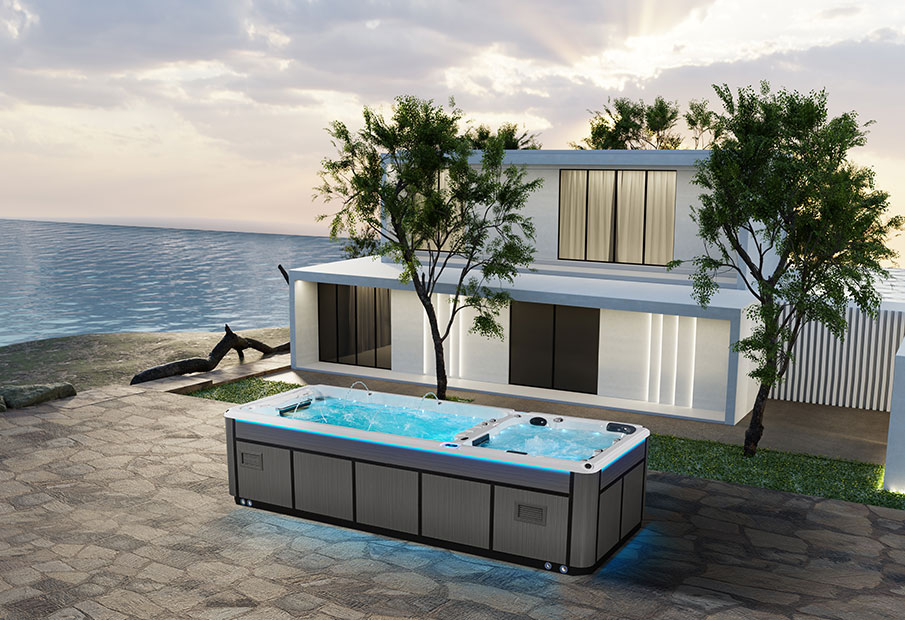
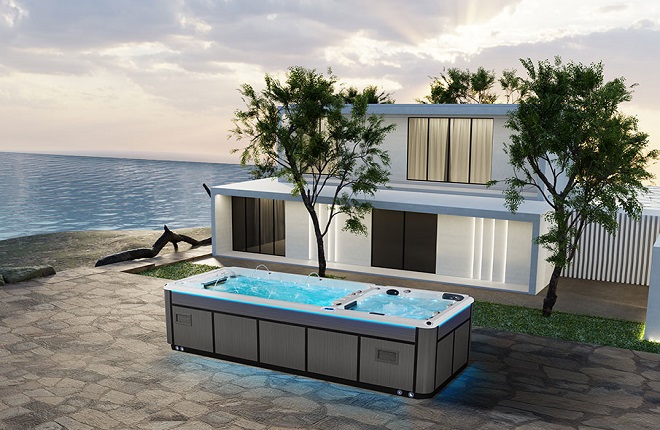
A Day at FSPA: Explore the Outdoor Hot Tub Paradise as a Guest
The crisp morning air in Gaoming , Foshan, carried a hint of greenery as I pulled up to FSPA’s factory gate—my first visit to the brand I’d researched for months to find the perfect outdoor hot tub for my villa. As a buyer who values both quality and aesthetics, I’d heard FSPA’s acrylic products stood out, but seeing them up close felt like stepping into a world where functionality meets luxury.
My tour began in the brand showcase hall, where natural light streamed through floor-to-ceiling windows, illuminating a stunning lineup of product .There were compact hot tubs designed for cozy backyard gatherings, sleek swim spas that doubled as fitness spaces, and spacious outdoor pools—their acrylic surfaces glistening like polished marble.
What impressed me most was the attention to user comfort: the hot tubs featured ergonomic seats that hugged the body, adjustable jets positioned to target tight muscles, and hidden LED strips that cast soft, warm light after dark. When I ran my hand over the acrylic, it felt smooth yet sturdy—nothing like the flimsy materials I’d seen in cheaper models.
The staff explained that FSPA uses high-quality, UV-resistant acrylic, built to withstand years of sun, rain, and heavy use. “We test each batch for scratch resistance and color fastness,” they said, pulling out a sample that had been exposed to harsh weather for two years—still as vibrant as new.
Next, we headed to the production workshop, a 30,000-square-meter space where order and precision reigned. Unlike chaotic factories I’d visited before, FSPA’s floor was spotless, with each station labeled clearly: acrylic cutting, thermoforming, assembly, and quality control.
I watched as workers used computer-controlled machines to mold an acrylic hot tub shell, heating the material to an exact temperature to avoid bubbles or uneven edges. At the quality check station, a technician ran a digital caliper along every curve, ensuring measurements matched the design down to 0.1mm.
“Every product goes through three inspections before leaving the factory,” the guide told me. I even saw a team testing a hot tub’s water circulation system, running it for 24 hours straight to check for leaks—a level of thoroughness that made me trust FSPA’s craftsmanship even more.
The day’s highlight was the outdoor demonstration area, tucked away among palm trees and potted flowers. Several hot tubs were filled with warm, bubbling water, and I couldn’t resist slipping into one. The jets kicked in gently, easing the tension in my shoulders, and the water stayed consistently warm—no sudden drops in temperature like in the hot tub I’d owned before.
As I relaxed, the staff brought over refreshments and talked me through customization options: I could choose the acrylic color to match my backyard decor, add a built-in sound system, or even opt for a smart control panel that let me adjust settings from my phone. By the time I climbed out, I’d already jotted down the model number I wanted.
As I drove back, I thought about how FSPA had turned a simple factory visit into a memorable experience. It wasn’t just the beautiful products—it was the care in every step, from the materials they chose to the way they listened to my needs. For anyone looking for an outdoor hot tub that’s built to last and designed to delight, FSPA isn’t just a factory—it’s a place where “paradise” is crafted with purpose. I left knowing my backyard would soon have the perfect centerpiece—and that I’d found a brand I could rely on for years to come.
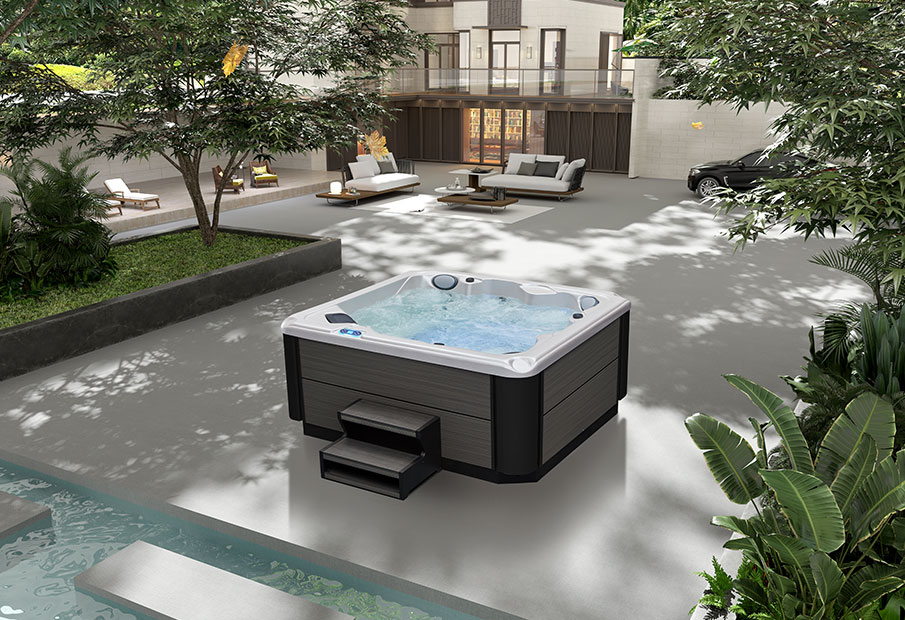
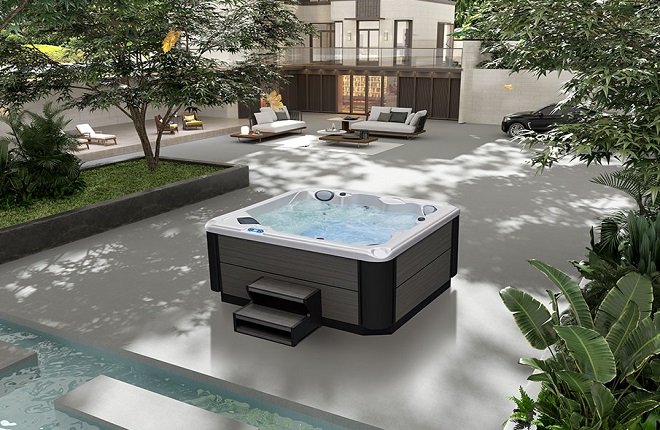
Unveiling the Strengths of FSPA Swim Spa Factory: A Journey from Design to Delivery
As a loyal customer who has partnered with FSPA for over three years and ordered acrylic swim spas for my resort chain across Southeast Asia, I’ve witnessed firsthand how this industry-trade integrated factory turns ideas into exceptional products. Every visit to their Gaoming facility deepens my trust—and it all starts with their thoughtful design process.
Unlike some factories that stick to rigid templates, FSPA’s design team listens intently to client needs. When I requested a 12-meter outdoor swim spa tailored for tropical climates (with extra shade features and anti-slip steps), they delivered 3D renderings within a week, adjusting details until it aligned perfectly with my resort’s aesthetic and functional demands.
Their ability to blend practicality (like space-saving layouts for small resorts) with luxury (such as customizable LED lighting and ergonomic seating) sets their designs apart. FSPA’s approach is not about mass production—it’s about turning client ideas into elegant, functional realities.
Quality begins with materials, and FSPA never cuts corners here. During my last tour, their procurement manager walked me through the raw material warehouse, where stacks of acrylic sheets from Germany’s top supplier sat neatly labeled. “We only use UV-resistant and impact-proof acrylic,” he explained—something I’ve verified over time: my earliest FSPA swim spas, installed two years ago, still have glossy surfaces without a single crack, even under daily exposure to intense sunlight.
They also source stainless steel for jets and pumps from trusted Taiwanese vendors, ensuring components hold up against saltwater (critical for my beachfront resorts) and heavy use.
Stepping into FSPA’s 30,000-square-meter production workshop feels like watching a well-choreographed show. Each station—from acrylic thermoforming to assembly—follows strict SOPs. What impresses me most is their “one-worker-one-station” accountability system—each employee signs off on their task, making it easy to trace any issues (though I’ve never needed to).
FSPA’s craftsmanship shines in the little details. From smooth, hand-polished edges to precisely angled hydrotherapy jets (15° for shoulders, 30° for lower back), every component is engineered for performance, comfort, and safety.
FSPA’s delivery process is a masterclass in efficiency—vital for a business like mine that can’t afford delays. As an industry-trade integrated factory, they handle everything in-house: from custom crating (each swim spa is wrapped in foam and placed in wooden frames) to logistics coordination.
When I needed 10 swim spas delivered to my Bali resort last year, they synchronized the shipment with my renovation timeline and even adjusted the delivery date when my contractors hit a delay. Beyond delivery, their installation guides and responsive after-sales support ensure a smooth experience from start to finish.
Over the years, I’ve considered other swim spa suppliers, but FSPA’s end-to-end excellence—from design that listens, materials that last, production that’s precise, craftsmanship that cares, and delivery that delivers—keeps me coming back. For anyone seeking a reliable long-term partner in the swim spa industry, FSPA stands out as the clear choice.
Why More Isn’t Always Better When It Comes to Hot Tub Massage Jets?
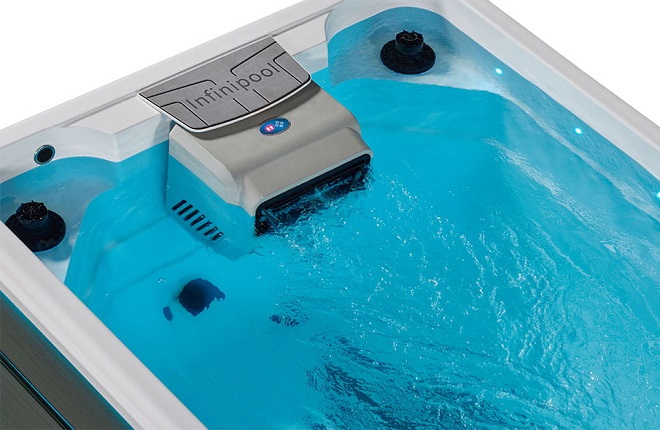
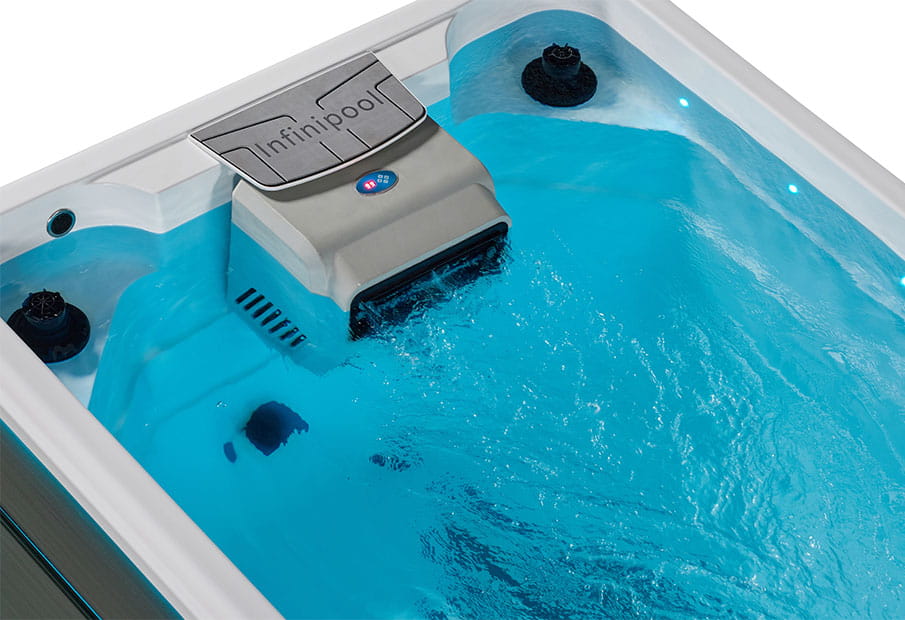
When shopping for a hot tub, it’s easy to be drawn to models boasting the highest number of massage jets. At first glance, more jets seem to promise a deeper, more customized, and more luxurious experience. But as someone who has owned and tested multiple spas, I’ve learned that jet count alone is a misleading metric. In reality, the quality, placement, and performance of those jets matter far more than the quantity.
A hot tub with an excessive number of jets but an underpowered pump is like having a dozen faucets running on low water pressure—none of them will feel satisfying. The pump is the heart of the system; it’s what delivers the force and volume of water needed to create a therapeutic massage. If the pump can’t keep up, those 50 or 60 jets will produce little more than a weak, bubbly stream. You’re left with a lukewarm soak rather than a targeted, muscle-relieving hydrotherapy session.
Furthermore, thoughtful jet placement is crucial. A few well-positioned jets targeting key muscle groups—like the lower back, glutes, neck, and calves—are infinitely more valuable than dozens of jets placed randomly where they don’t provide meaningful contact. Everyone soaks differently; some prefer a deep tissue massage on their shoulders, while others need relief for tired legs.
A quality tub offers adjustable, directional jets in strategic zones, allowing you to personalize the experience. A high jet count often looks impressive on a spec sheet, but if half of them are in spots that don’t align with your body, they’re essentially decorative.
There’s also the practical side to consider: energy efficiency and maintenance. More jets require a more powerful pump and more complex plumbing, which inevitably leads to higher energy consumption. Your electricity bill will reflect that. Additionally, each jet is a potential point for leaks or future maintenance.
Simpler systems with fewer, high-quality jets are often more reliable and cheaper to operate in the long run. Ultimately, the goal of a hot tub is relaxation and therapy, not to win a numbers game.
When you test a tub, close your eyes and focus on how it feels. Does the pressure meet your needs? Can you direct the flow where you want it? That’s what truly matters. Don’t be swayed by marketing that promises “the most jets.” Instead, look for a balanced system designed for performance, comfort, and efficiency. Your back—and your wallet—will thank you.
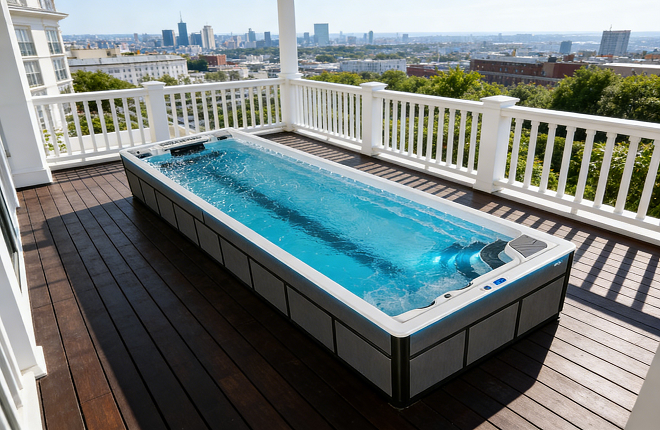
What Factors Determine the Price of a Custom-Sized Acrylic Swimming Pool?
The primary factor is the pool’s dimensions and volume. Larger pools require more raw materials, including high-grade acrylic sheets, structural supports, and filtration components. Acrylic itself is priced based on thickness and quality; thicker panels for deeper pools or exposed applications increase material costs significantly. Complex shapes with curves, freeforms, or custom depths also raise expenses due to specialized cutting, forming, and installation techniques.
Structural engineering requirements play a critical role. The pool’s location—whether indoor, outdoor, above-ground, or in-ground—dictates foundation needs. In-ground installations may require excavation, reinforcement, and waterproofing, while elevated designs demand robust support structures. Site-specific challenges like soil conditions, accessibility, or existing infrastructure modifications further impact engineering and labor costs.
Custom features substantially affect pricing. Integrated elements such as underwater lighting, infinity edges, spillover spas, or built-in seating require additional materials and labor. Advanced systems like automated water treatment, heating, or smart controls add technological components that increase both initial and long-term costs. Specialized finishes or color-tinted acrylic also contribute to higher material expenses.
Installation complexity is another major consideration. Transporting large acrylic panels requires specialized equipment, especially for sites with limited access. Precision assembly by skilled technicians, often involving on-site sealing and curing processes, increases labor hours. Geographic location affects costs through regional labor rates, material transportation fees, and compliance with local building codes, which may mandate specific safety or environmental standards.
Finally, brand reputation and after-sales service influence pricing. Premium manufacturers often charge more for proprietary technology, extended warranties, and professional maintenance packages. While these factors increase upfront costs, they can reduce long-term expenses through enhanced durability and performance guarantees.
In summary, the price of a custom acrylic pool reflects a combination of material quality, structural engineering, design complexity, installation requirements, and service provisions, making each project a unique financial calculation based on individual specifications and site conditions.
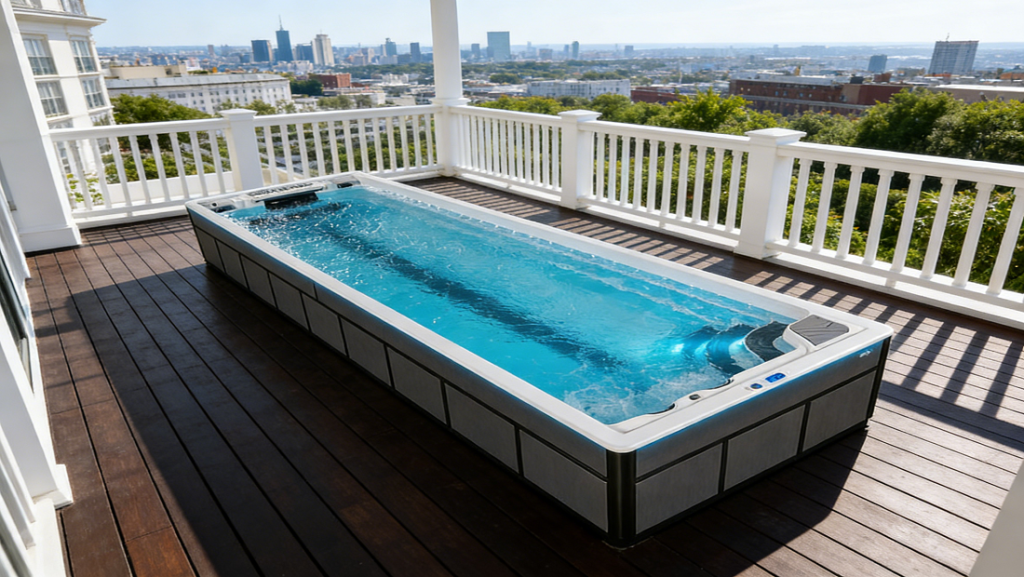
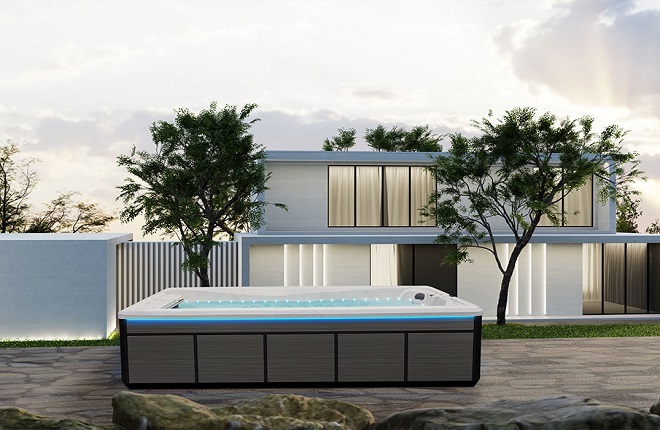
Analysis of the Advantages and Disadvantages of Acrylic Integrated Swimming Pools in South America
As potential buyers or homeowners in South America considering the installation of a swimming pool, many of us are drawn to the modern appeal and sleek design of acrylic integrated swimming pools. These pools, known for their seamless construction and visual elegance, offer a range of benefits but also come with certain drawbacks that are important to evaluate, especially within the South American context.
One of the most significant advantages of acrylic integrated pools is their aesthetic appeal. The material’s transparency and glossy finish create a stunning visual effect, making the water appear clearer and more inviting. This is particularly appealing in a region like South America, where outdoor living and entertainment are central to many lifestyles.
Additionally, acrylic pools are non-porous, which means they resist algae growth and require fewer chemicals for maintenance. This is a huge plus for families looking for a hygienic and easy-to-maintain option. The durability of acrylic is another strong point—it is less prone to cracking compared to traditional materials like concrete or fiberglass, which is especially beneficial in areas with seismic activity or soil instability, common in parts of South America.
However, there are also notable disadvantages. The initial cost of an acrylic integrated pool is generally higher than that of conventional pools. For many consumers in South America, where economic fluctuations can impact spending, this premium price tag may be a significant barrier.
Although acrylic is durable, it can be susceptible to scratching, which might affect its appearance over time. In regions with intense sun exposure, such as many South American countries, UV radiation could potentially cause discoloration or weakening of the material if not properly treated or maintained. Furthermore, the installation process for acrylic pools is complex and requires highly skilled technicians. In areas where specialized expertise is limited, this could lead to longer installation times or higher labor costs.
Another consideration is the climate. While acrylic pools perform well in warm weather, extreme heat might cause expansion or stress on the material. In contrast, cooler regions in South America (such as parts of Argentina or Chile) may require additional insulation to maintain water temperature, potentially adding to the overall cost.
In conclusion, acrylic integrated swimming pools offer an attractive, low-maintenance, and durable solution for South American homeowners. Their modern design and functional benefits make them a desirable choice for those who prioritize aesthetics and ease of upkeep.
However, the higher initial investment, potential for cosmetic wear, and installation challenges must be carefully weighed against these advantages. For consumers across South America, the decision ultimately depends on individual priorities, budget, and local conditions.
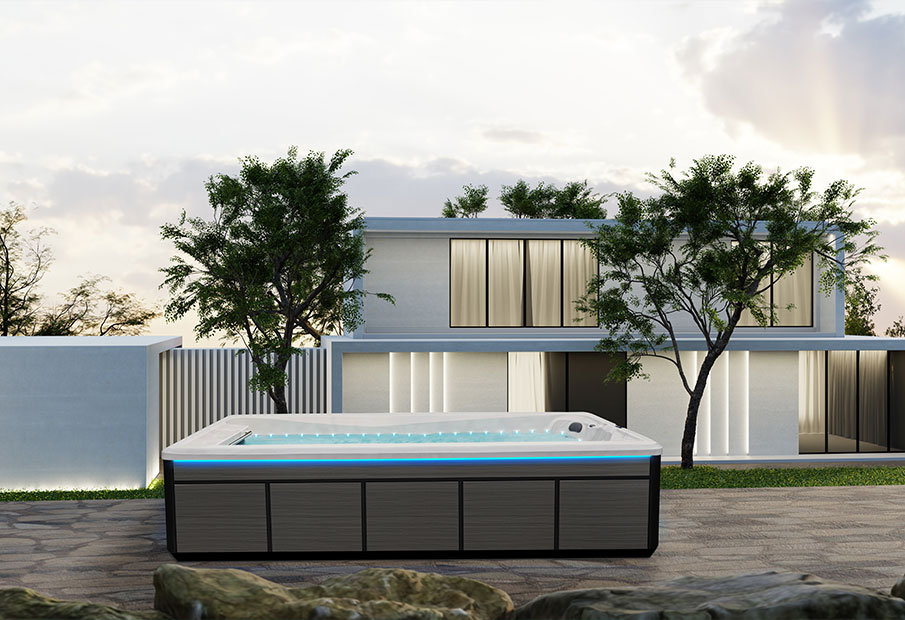
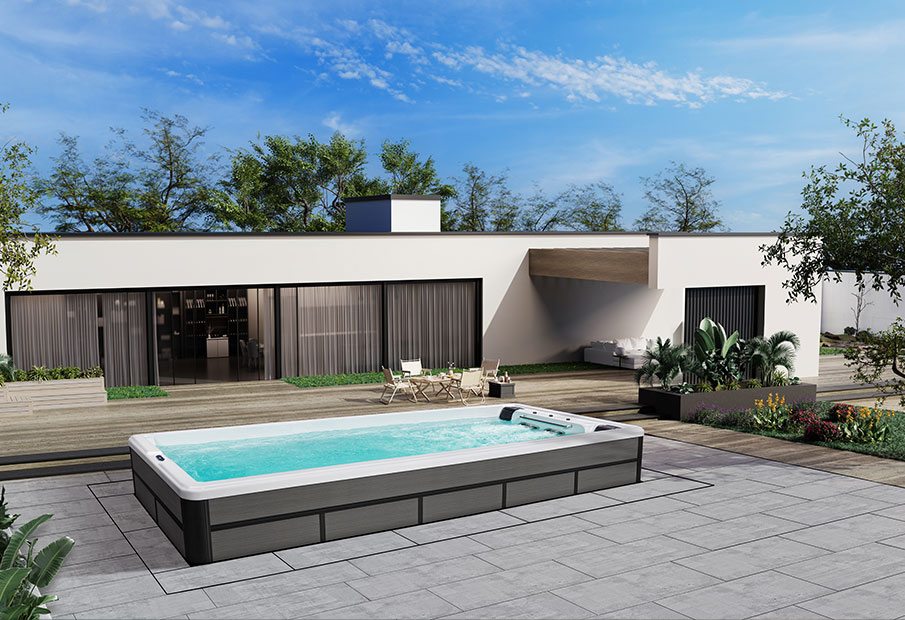
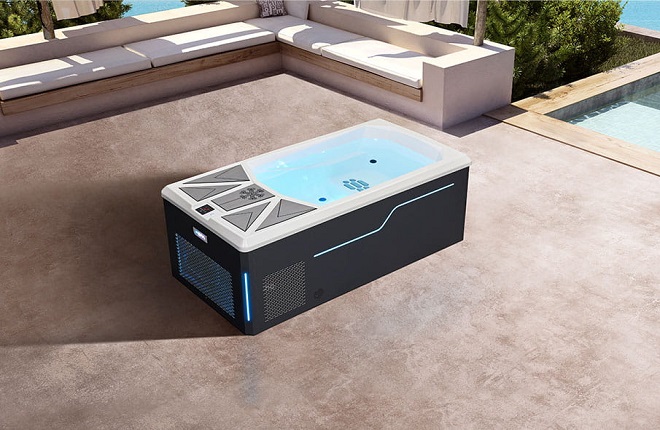
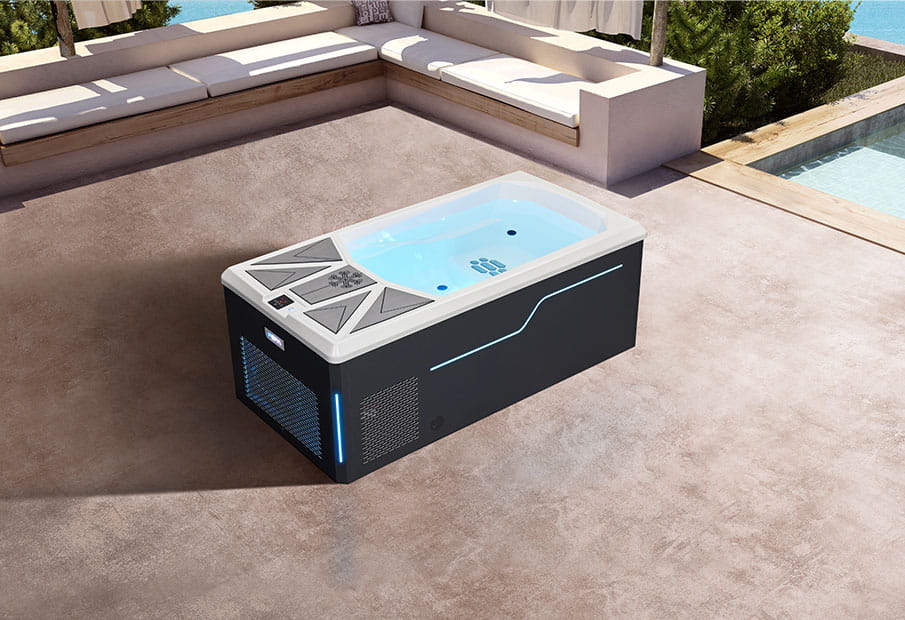
The Infinipool Fspa IP-002 offers a premium swimming experience ideal for residential and commercial use.
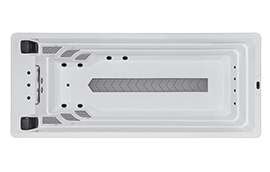
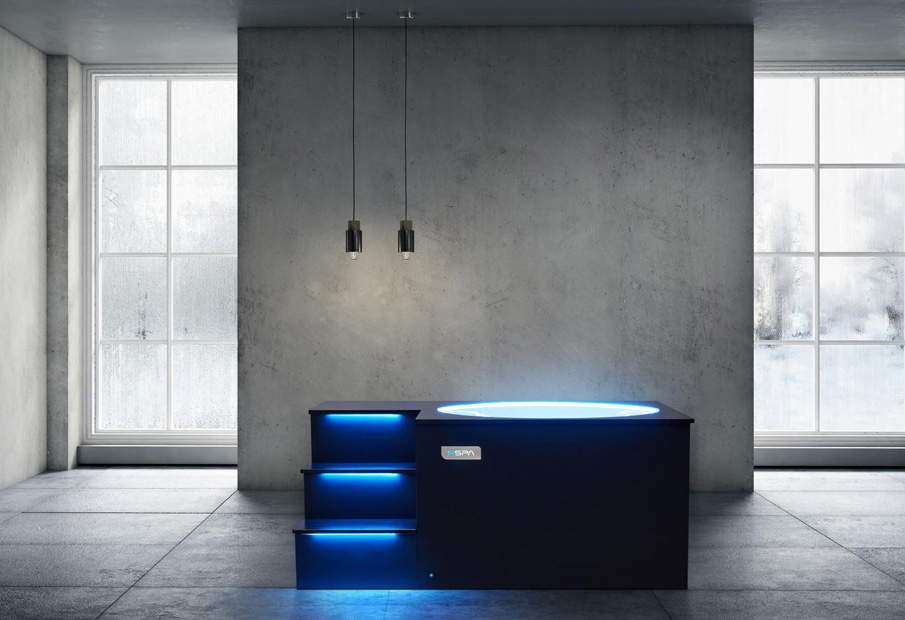
Appearance Black color, Step in expediently ice blue ambient lighting, Water chiller system, filter, Ozone and light.
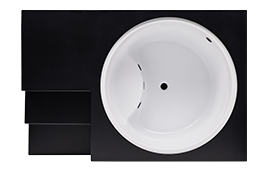
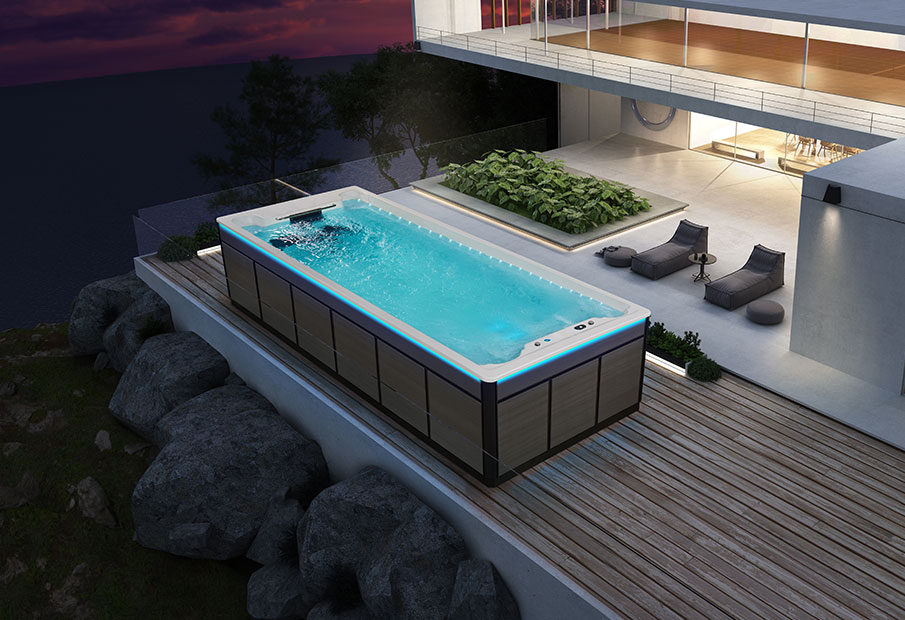
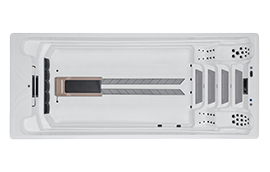
The Infinipool Fspa IP-005Pro is a state-of-the-art, spacious hot tub with advanced features, offering an unparalleled spa retreat for residential and commercial use.
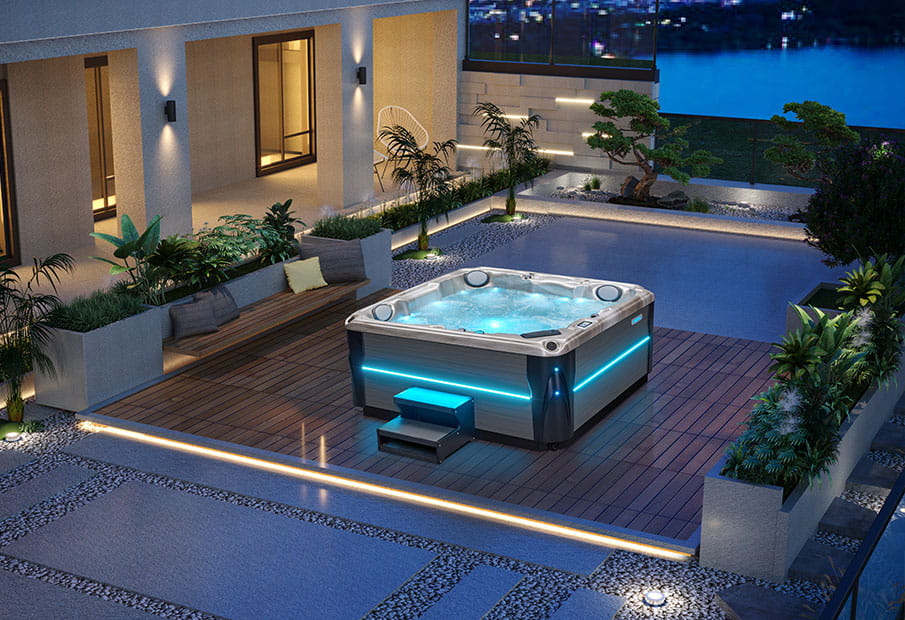
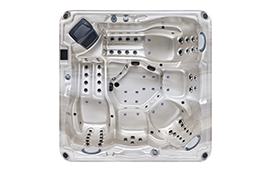
The Fspa BD-006Pro Hot Tub, with its compact spacious design for 5 adults, advanced massage system, 80 water & 18 air bubble jets, efficient heating and filtration, ozone sanitization, and sleek design, offers unparalleled luxury, relaxation, and convenience for both residential and commercial use.
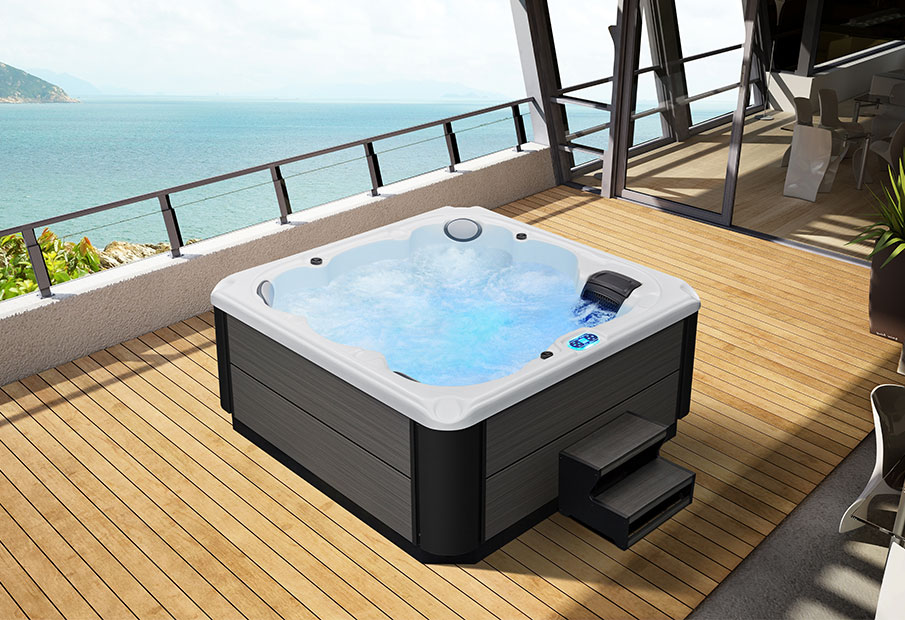
The Fspa BD-012 hot tub, designed for intimate relaxation, features a spacious size for 2 adults, powerful massage pump with 20 jets, temperature-controlled heater, energy-efficient filter pump, ambient LED lighting, and sanitized water with an ozone system, offering a private oasis for ultimate relaxation.
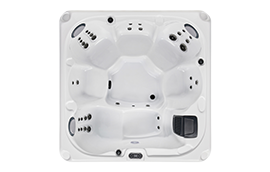
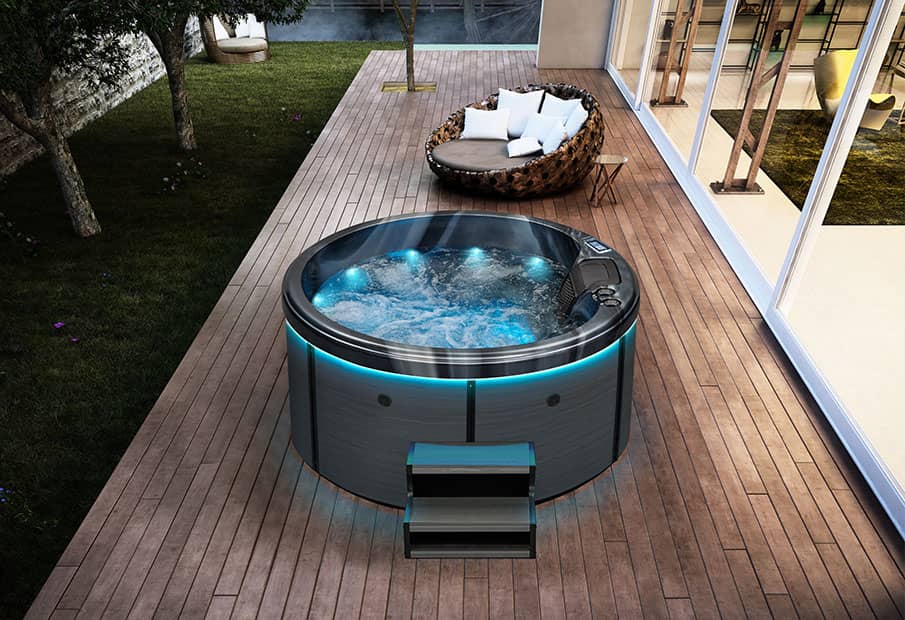
The Fspa BD-017Pro Hot Tub, spacious enough for 5 adults, offers a serene and rejuvenating experience with advanced controls, powerful massage and filtration systems, modern amenities, and suitability for indoor or outdoor use.
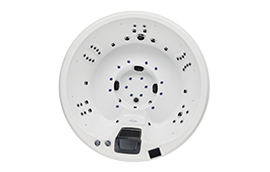
PRODUCTS
INQUIRY
Thank you for your message!Our Chinese New Year holiday from 7th Feb to 28th Feb. Apologise to make your inconvenience so that responses may be delayed during this period. We'll back to you with regular service on 2th March .Thank you for understanding.


