Cold plunge shoppers searching for the coldest cold plunge usually aren’t chasing a number for bragging rights. They want water cold enough to trigger a real physiological response, session after session, without babysitting a chiller or waiting hours for the tub to recover. Temperature alone doesn’t answer that. Recovery time, insulation, and consistent circulation matter just as much as the digits on the display.
A plunge that hits 39°F once and then limps back up to 55°F an hour later isn’t the coldest cold plunge in any meaningful sense. It’s a novelty. The tubs that earn the label combine strong chilling capacity with insulation and filtration that hold the temperature steady across back-to-back sessions.
This is where a lot of buyers get tripped up. Marketing copy loves to quote a minimum temperature, but that number means little without knowing how long the unit takes to recover after someone gets in and displaces a chunk of cold water with body heat. A gym or clinic running multiple plunges per day needs recovery speed more than it needs an extra two degrees of chill.
Three mechanical factors determine how cold and how consistent a plunge stays:
Skimping on any one of these undercuts the other two. A powerful chiller paired with poor insulation just runs constantly and wears out faster. Good insulation without adequate circulation still leaves uneven cold spots where a bather’s body heat lingers.
Cold plunge listings throw around a lot of numbers, and not all of them are comparable across brands. Before assuming one unit is objectively colder than another, check whether the spec sheet defines conditions the same way.
| Spec to check | What it tells you | Common pitfall |
|---|---|---|
| Minimum temperature | Lowest achievable water temp | Often tested at ideal ambient conditions, not real-world use |
| Chiller horsepower | Cooling speed and recovery | Bigger isn’t always better if insulation is weak |
| Recovery time | How fast temp resets after use | Rarely disclosed unless you ask directly |
| Insulation type | Heat retention in hot climates | Foam thickness varies widely between brands |
| Filtration flow rate | Water evenness, hygiene | Low flow can leave stagnant, less-cold zones |
Ask a seller for recovery time under repeated use, not just the headline low temperature. That single question separates serious cold therapy equipment from tubs that are cold once and then coast on ice for the rest of the session.
There’s a genuine fork in the road here, and it’s worth settling before spending money. Ice bath tubs rely on manually added ice or a basic insulated shell, while chiller-based plunges use a refrigeration unit to hold a set temperature indefinitely.
Neither approach is inherently wrong. A weekend athlete doing one plunge a week might do fine with ice. A rehab center running sessions all day needs mechanical refrigeration, full stop.
It’s worth noting that most manufacturers who build cold plunge equipment, including us, come from a background in heated spa and hydrotherapy hardware. The engineering overlap is real even though the temperature goals sit at opposite ends of the spectrum. Filtration pumps, ozone sanitation, and insulated cabinetry all transfer directly between hot and cold water equipment.
Take a heated hydrotherapy spa like the BD-001 as an illustration of what that shared engineering looks like in practice. According to its product specifications, it’s a 2100x2100x900mm unit built for up to 6 adults, running a 3kW heater alongside a 2.2kW massage pump feeding 31 jets. The dedicated 0.35kW filter pump and ozone system are there to keep water clean during heavy, repeated use, the same core problem a cold plunge filtration system has to solve, just on the opposite end of the thermostat.
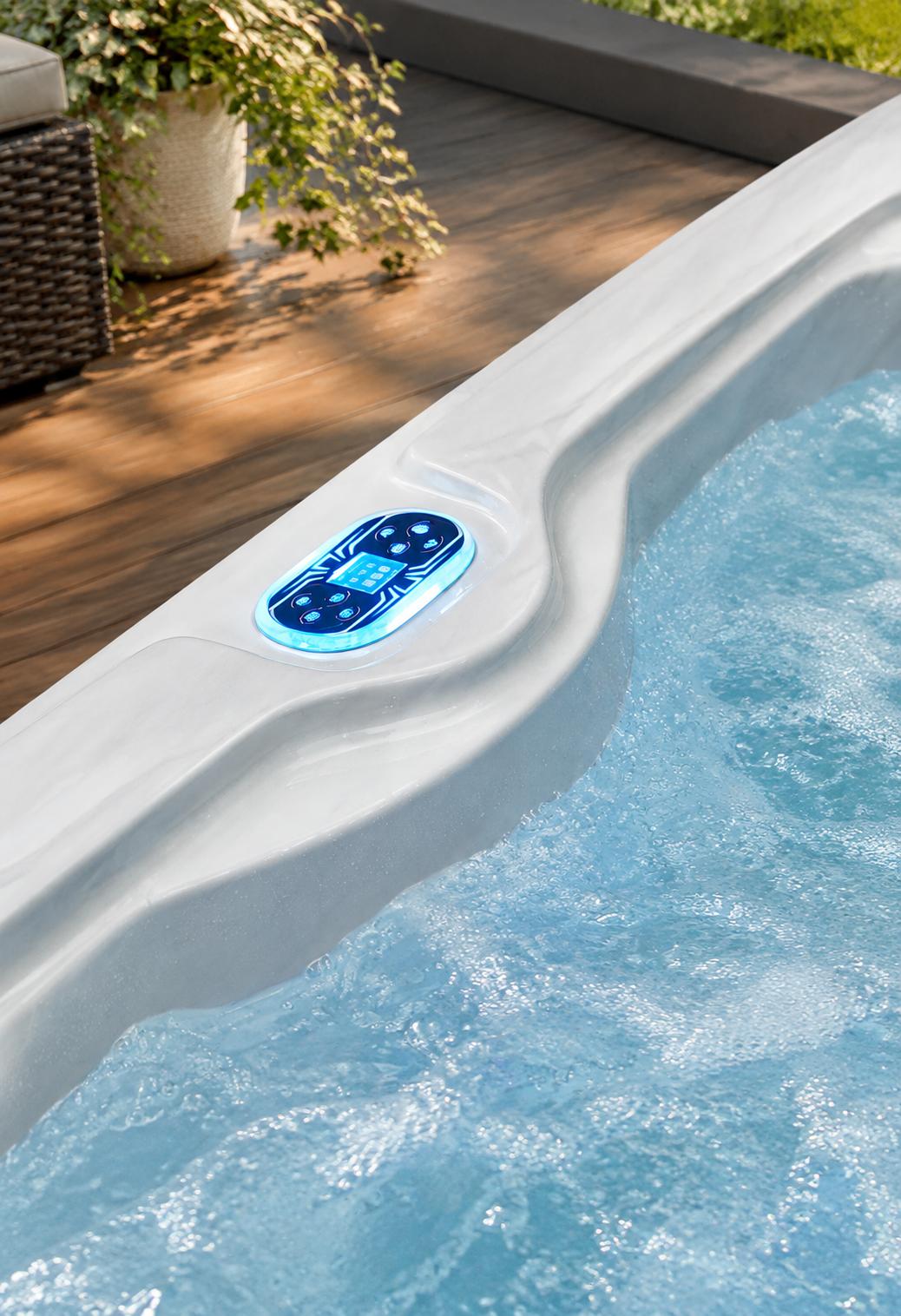
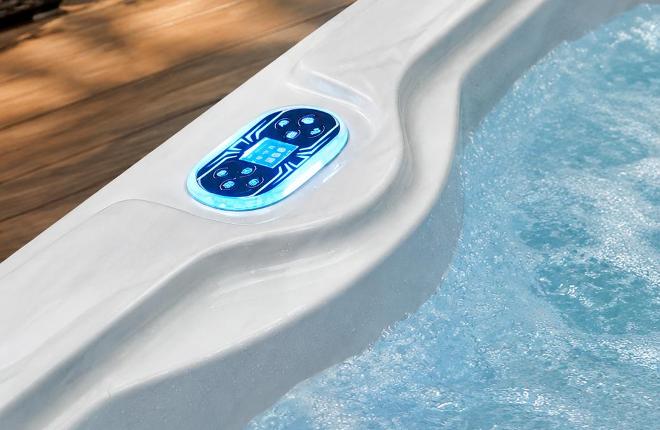
The BD-001’s digital control panel, with its blue-lit display for monitoring temperature and system status, reflects a broader trend across both hot and cold water equipment: precise, glanceable control matters more to users than a long feature list. Cold plunge buyers should look for the same clarity, a display that shows current temp and target temp without requiring a manual to interpret.
A tub’s exterior cabinet does more than look good on a patio. Materials and construction around the shell directly affect how much outside heat seeps in, particularly for cold plunges installed outdoors in warmer regions or direct sun.
Wood-grain cabinet paneling, marble-effect acrylic shells, and sealed housing units aren’t purely cosmetic choices. They form a thermal barrier between the water and ambient air. On a heated spa, that barrier keeps warmth in; on a cold plunge, the same construction principle keeps unwanted heat out. Anyone comparing tubs should ask what the cabinet is made of and whether it’s a sealed, insulated design or a thin shell that will bleed temperature in either direction.
Cold plunges show up in a wider range of settings than most people assume, and the ideal spec sheet shifts depending on where the unit lives.
Matching intended frequency to chiller capacity avoids two common regrets: overspending on industrial-grade refrigeration for occasional home use, or underbuying a light-duty unit that can’t keep pace with a busy studio schedule.
How cold does the coldest cold plunge actually get?
Serious cold plunge units with dedicated chillers typically reach the high 30s to low 40s Fahrenheit. Anything colder starts approaching ice formation, which most manufacturers avoid for safety and equipment reasons.
Is a cold plunge with a chiller worth it over just using ice?
For anyone plunging more than a couple times a week, yes. The math on ice costs and hassle tends to favor a chiller fairly quickly, and the temperature stays consistent instead of drifting as ice melts.
Does insulation really change how cold a plunge can get?
Insulation doesn’t lower the minimum temperature by itself, but it determines how hard the chiller has to work and how fast the unit recovers after use, which matters more in daily use scenarios.
Can the same filtration technology used in hot spas apply to cold plunges?
Largely yes. Pump-driven circulation and ozone or UV sanitation systems solve the same water clarity and hygiene problems regardless of water temperature, which is why manufacturers with hot spa backgrounds often move into cold plunge equipment.
Choosing the coldest cold plunge isn’t really about chasing the lowest number on a spec sheet. It’s about finding a unit whose chiller, insulation, and filtration work together to hold a genuinely cold, clean temperature through the kind of daily or weekly use you actually plan to put it through.
In-Depth Analysis of the Anti-Slip and Uv-Resistant Coatings of Acrylic Swimming Pools
Acrylic swimming pools have gained popularity for their durability, aesthetic appeal, and smooth surface. However, two critical challenges—slip hazards and UV degradation—require specialized coatings to ensure safety and longevity.
Anti-slip coatings are essential for acrylic pools, as their naturally smooth finish increases the risk of accidents, especially when wet. These coatings typically incorporate textured additives such as silica, aluminum oxide, or rubber particles, creating micro-roughness that enhances traction without compromising comfort. Advanced formulations use polyurethane or epoxy bases, which bond tightly to acrylic surfaces, resisting water, chlorine, and chemical cleaners. Some products also feature self-healing properties, maintaining anti-slip performance even after prolonged use. Manufacturers often test these coatings using standardized methods, such as the ASTM F1677 coefficient of friction test, to ensure they meet safety thresholds for both bare feet and poolside footwear.
UV resistance is another key consideration, as acrylic surfaces degrade under prolonged sunlight exposure, leading to discoloration, brittleness, and reduced structural integrity. UV-resistant coatings contain additives like titanium dioxide, zinc oxide, or hindered amine light stabilizers (HALS), which absorb or reflect UV radiation and neutralize free radicals. These coatings form a protective barrier that preserves the pool’s color and prevents surface cracking. High-quality formulations also resist yellowing, ensuring the pool retains its visual appeal over time. Compatibility with acrylic is crucial; silicone-based or acrylic-modified coatings are preferred for their flexibility and adhesion, accommodating thermal expansion without peeling.
Together, these coatings address the dual challenges of safety and durability. When selecting products, pool owners should prioritize certifications from organizations like NSF International for chemical resistance and slip resistance ratings. Regular maintenance, including gentle cleaning and periodic reapplication, further extends the lifespan of both the coatings and the acrylic pool itself, ensuring a safe and attractive aquatic environment for years to come.
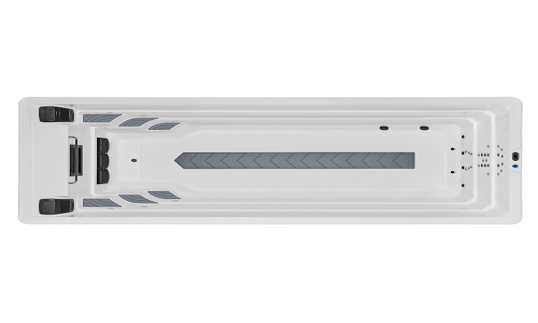
Infinity Swim Spa for Home Fitness: When an Infinipool Makes More Sense Than a Full Pool
A conventional pool needs length. That is simple physics when the swimmer must travel from one end to the other. A swim spa changes the problem by creating a current to swim against, allowing exercise to take place in a much shorter vessel. For homes where a full lap pool would consume the entire garden, this can open a more realistic route to regular aquatic training.
The important question is whether the current feels controllable and useful for the intended swimmer. Casual fitness, technique practice, resistance work, and family recreation do not all require the same flow. Buyers should therefore compare the swimming system before being distracted by massage seats or lighting.
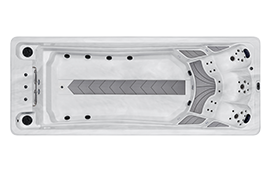
FSPA’s IP-002 family is listed at 5900 x 2500 x 1600 mm. The current IP-002 page includes multiple water pumps, river and power jets, filtration, a sand filter, ozone, insulation, step lighting, and optional training accessories. The older IP-002Pro specification also describes an Infinipool swimming system and massage functions within the same footprint.
For an infinity training pool, flow quality, body position, water depth, and easy entry all matter. A powerful current that is turbulent or difficult to center can be less useful than a smoother, adjustable stream. Swimmers should also have enough clear space around hands and feet to maintain technique without feeling confined.
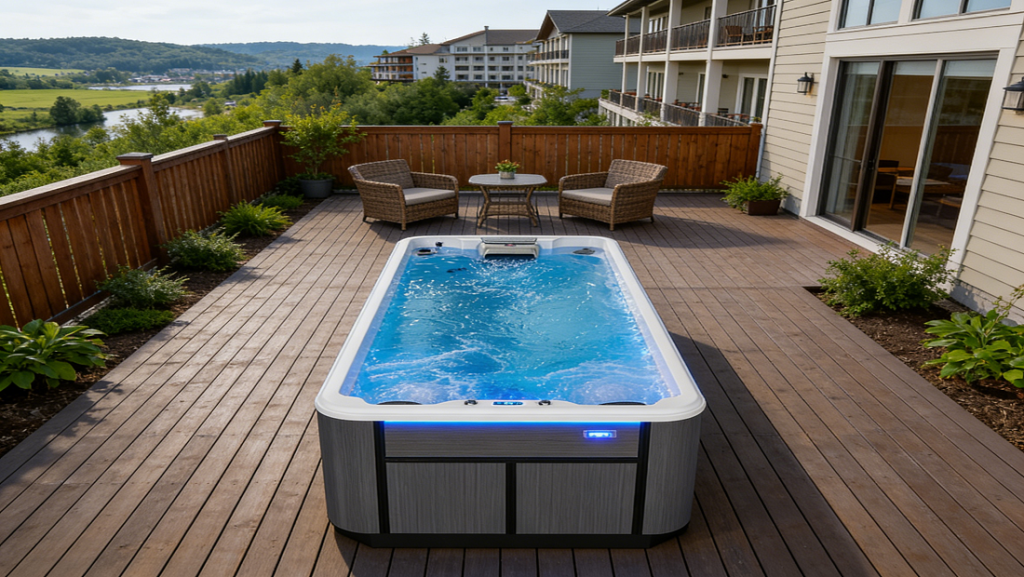
A backyard installation is the obvious choice, but rooftop terraces, covered leisure rooms, and some indoor wellness spaces can also work when structure, ventilation, access, and drainage have been professionally planned. The current FSPA product page specifically illustrates residential back gardens, rooftop terraces, and resort settings.
An infinity swim spa can therefore serve more than one role: morning exercise, low-impact water activity, family play, and relaxed soaking. That flexibility is one reason buyers compare it with a small pool rather than with a hot tub alone.
When comparing swim spas prices, include the work around the unit. Delivery access, lifting equipment, foundations, electrical supply, plumbing, drainage, a cover, and landscaping can materially change the installed cost. Indoor projects may also need ventilation and dehumidification.
Operating cost depends on climate, water temperature, insulation, filtration schedules, pump use, and electricity rates. An energy-saving cover can reduce heat loss when the water is maintained warm. Buyers who mainly use the unit for exercise may choose different temperature habits from households that treat it primarily as a relaxation pool.
An endless swim spa makes sense for homeowners who want frequent swimming but have limited length, families who want exercise and leisure in one installation, and boutique gyms or hotels that need an aquatic feature without a conventional pool footprint. It is less suitable for buyers whose main goal is hosting large groups or traditional lap swimming with several people at once.
The best decision comes from defining the primary use first. If swimming is the priority, current quality and training space lead the specification. If family leisure is equally important, seating, steps, water care, and easy controls deserve more attention. The product should be chosen around the routine it will support, not around the longest feature list.
Training accessories can change how useful the pool feels for different swimmers. A belt can help keep a beginner centered while they learn to work against the current, while a paddle or resistance accessory may add variety for more experienced users. These options should be chosen because they support a real training habit, not simply because they appear on a specification list. A household that mostly walks, stretches, or performs low-impact movement in the water may prioritize easy entry and stable footing instead.
The surrounding room or garden also influences the experience. Indoors, humidity control and ventilation can be as important as the pool itself. Outdoors, wind exposure, falling leaves, privacy, and the distance from the house affect how often the unit is used. A swim spa placed at the far end of a property may photograph beautifully but feel inconvenient on cold mornings. A slightly less dramatic location with better access can support a much more consistent fitness routine.
Before ordering, ask the supplier for a clear drawing showing external dimensions, service zones, inlet and outlet positions, power requirements, and optional equipment. Share that information with the contractor responsible for the slab, drainage, and electrical work. Coordinating these details before delivery is especially important for larger Infinipool systems because last-minute changes to foundations or utility routes are far more expensive than adjustments made on paper.
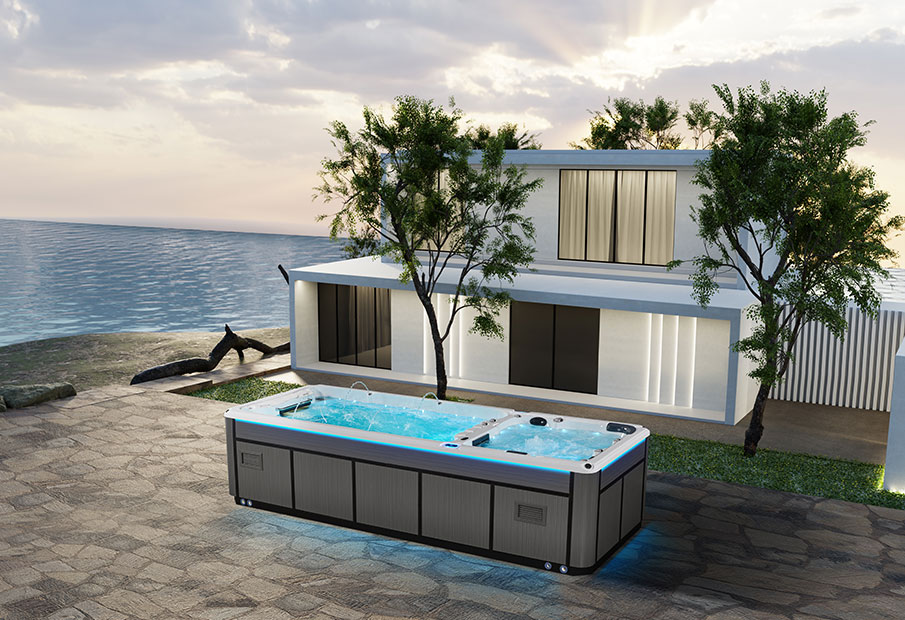
The Infinipool Fspa IP-007Pro is a versatile, luxurious hot tub and swim spa combo, featuring dual systems and customizable options for a complete spa and aquatic therapy experience.
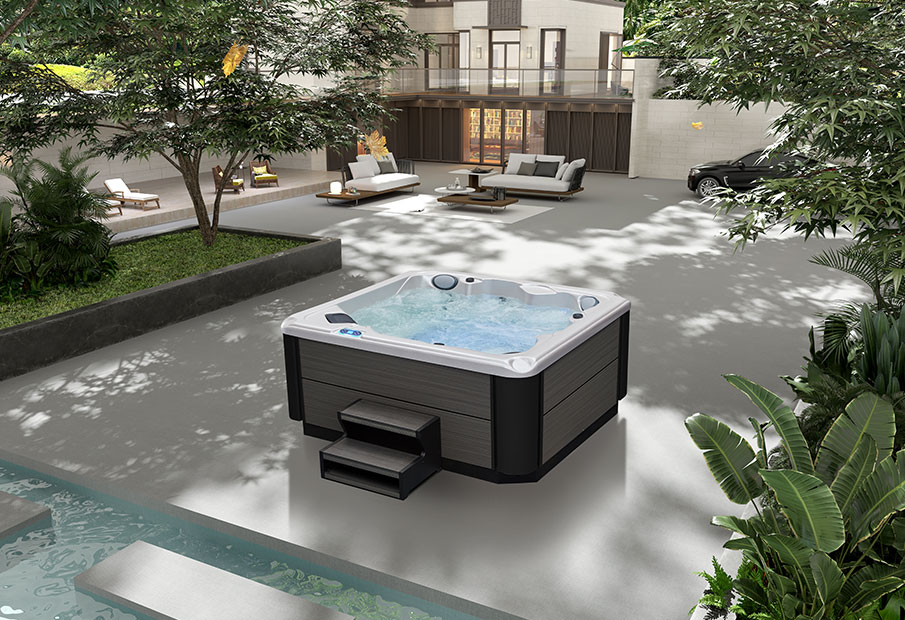
Our Fspa BD-007 Hot tub, measuring 2160x2160x900mm and accommodating 5 adults, combines luxury and comfort with a robust control system, powerful massage jets, sanitized water, ambient LED lighting, adjustable pillows, and energy efficiency, making it perfect for wellness enthusiasts in both residential and commercial settings.
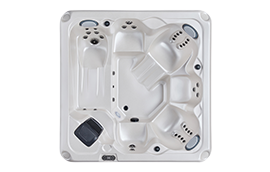
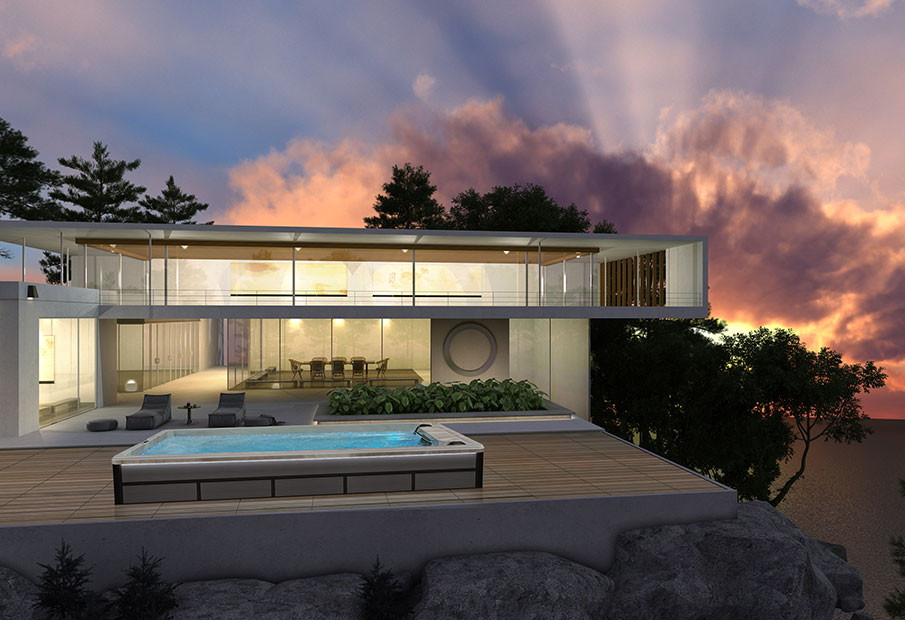
The Infinipool Fspa IP-002Pro is a luxurious and versatile hot tub, featuring a powerful filtration system, 28 massage jets, ozone sanitization, insulation, and optional accessories, designed to provide a soothing and rejuvenating experience in any outdoor space.
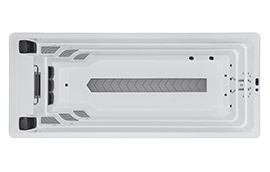
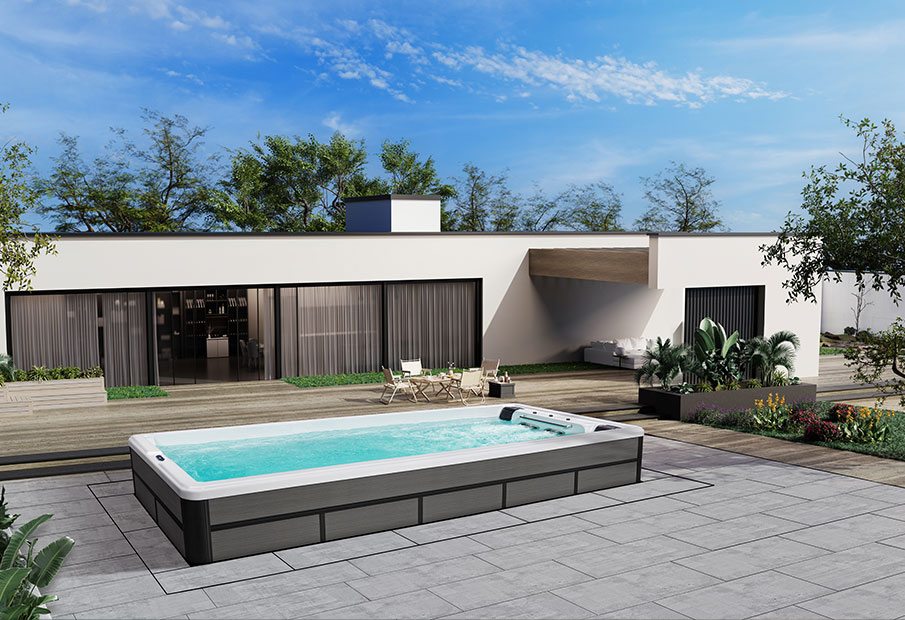
The Infinipool Fspa IP-002 offers a premium swimming experience ideal for residential and commercial use.
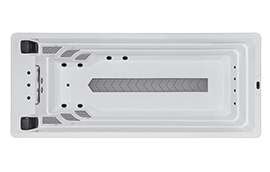
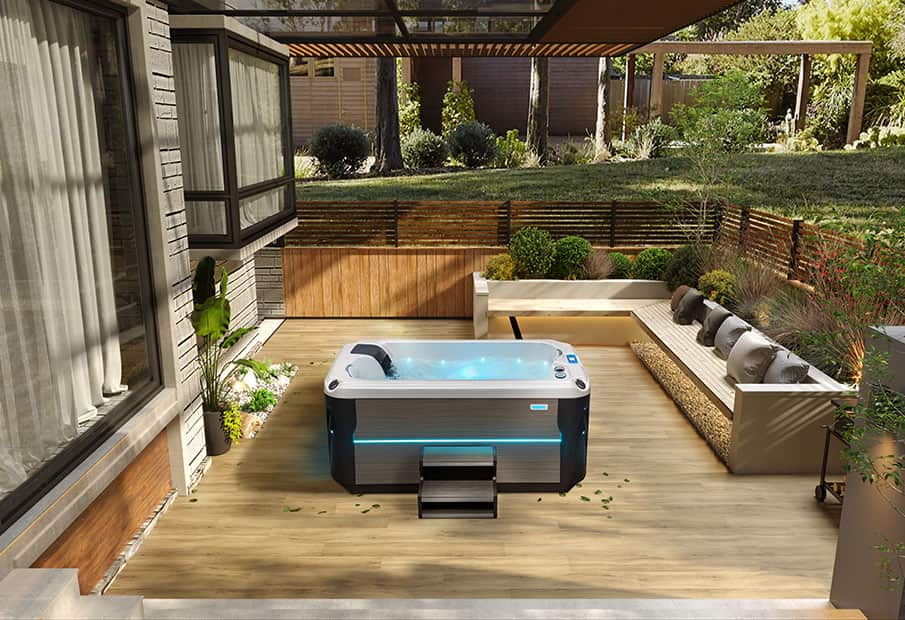
The Fspa BD-016Pro Hot Tub, a compact spa for up to 2 adults, offers a rejuvenating experience with an efficient control system, soothing massage features, consistent water temperature, modern amenities, advanced filtration, and suitability for indoor or outdoor placement.
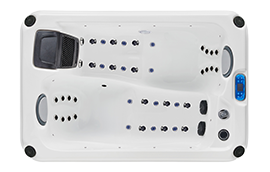
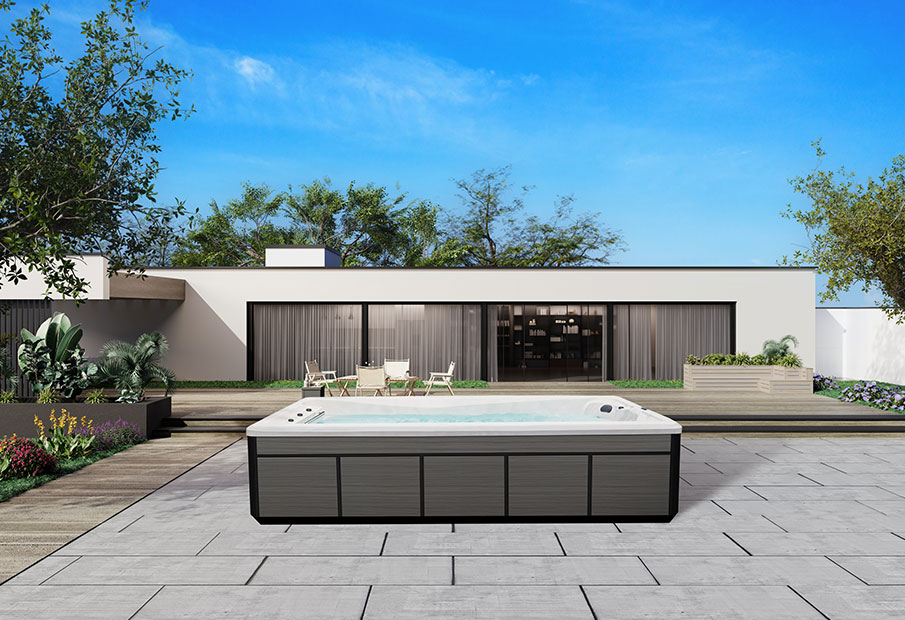
The Infinipool Fspa IP-003 provides a superior swimming experience in both residential and commercial settings.
PRODUCTS
INQUIRY
Thank you for your message!Our Chinese New Year holiday from 7th Feb to 28th Feb. Apologise to make your inconvenience so that responses may be delayed during this period. We'll back to you with regular service on 2th March .Thank you for understanding.


