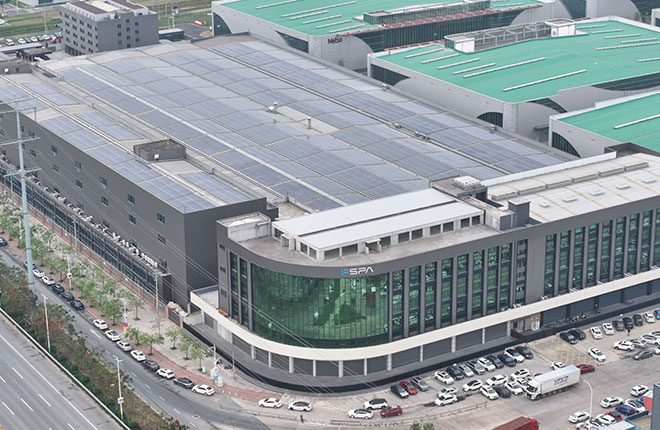
Many exhibitors choose to visit factories after the Canton Fair, primarily to assess product quality, production processes, and cooperation potential.
Product Quality: Exhibitors inspect the production process and material quality to ensure products meet their standards.
Production Efficiency: They observe the digitization and automation of production lines to evaluate efficiency and innovation.
Cooperation Potential: Exhibitors gauge the factory’s ability to meet deadlines, handle urgent orders, and maintain stable quality.
R&D Capabilities: They assess the factory’s research and development strength to ensure products are competitive and innovative.
Company Strength: Exhibitors evaluate the factory’s scale, workforce, and equipment to understand its overall capabilities.
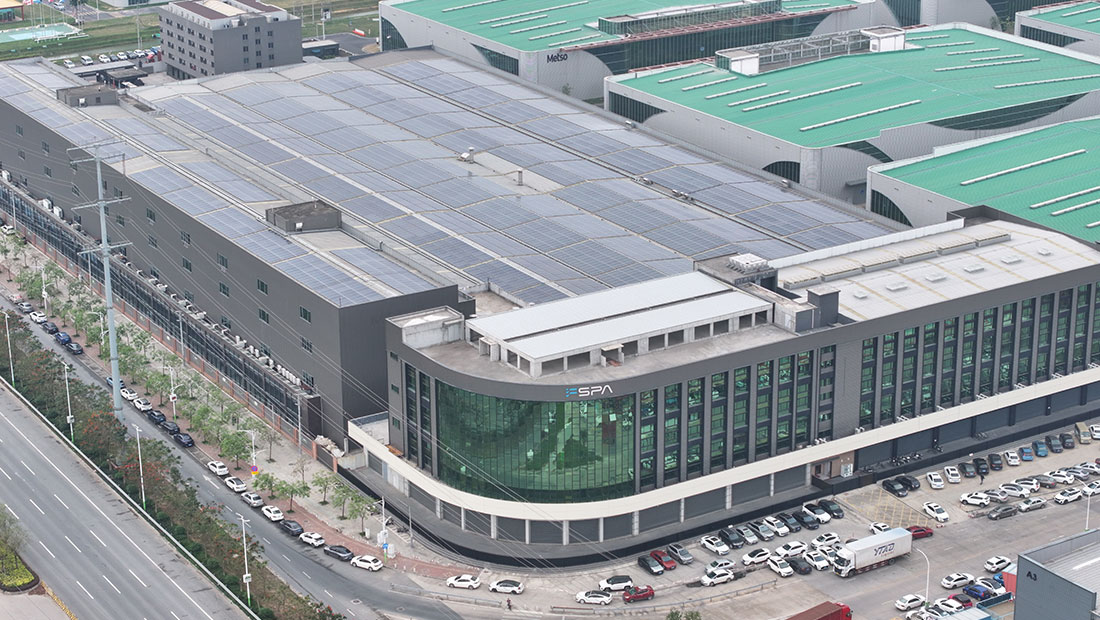
Enhance Product Quality: Strengthen quality control to ensure product reliability.
Optimize Production: Introduce smart and digital production lines to boost efficiency.
Demonstrate Cooperation Potential: Showcase timely delivery, production capacity, and emergency response capabilities.
Invest in R&D: Allocate resources to product innovation to enhance competitiveness.
Showcase Company Strength: Highlight professionalism and scale through detailed factory tours and hospitality.
By focusing on these areas, manufacturers can build trust and foster long-term partnerships with exhibitors, turning Canton Fair opportunities into lasting business success.
On the Core Advantages of Acrylic One-Piece Molding Technology in Preventing Leakage
Acrylic integral molding technology stands out as a revolutionary solution in leak prevention across industries, offering unparalleled structural integrity and reliability. Its core advantages stem from the elimination of seams, precision engineering, and material compatibility, making it a superior choice for applications demanding watertight performance.
Firstly, the seamless construction of integrally molded acrylic components is its most defining strength. Traditional manufacturing methods often rely on assembling multiple parts with adhesives, welds, or mechanical fasteners, creating inherent weak points where leaks can develop over time due to material fatigue, thermal expansion, or chemical erosion. In contrast, integral molding shapes the entire structure from a single piece of acrylic, eliminating joints entirely. This monolithic design ensures uniform stress distribution and prevents fluid penetration at potential failure interfaces, significantly reducing long-term leakage risks.
Secondly, the precision of acrylic integral molding enhances dimensional accuracy and surface consistency. Advanced techniques like injection molding or vacuum forming allow for tight tolerances and smooth internal surfaces, minimizing gaps that could otherwise trap moisture or compromise seal integrity. The material’s natural non-porous properties further reinforce this advantage—acrylic resists water absorption and chemical degradation, ensuring the structure remains impermeable even when exposed to harsh environments, such as corrosive liquids or fluctuating temperatures.
Additionally, the versatility of integral molding enables complex geometries tailored to specific leak prevention needs. Whether for medical devices, aquariums, or industrial tanks, the technology can replicate intricate contours without sacrificing structural cohesion. This adaptability ensures that critical areas, such as corners or connectors, are reinforced during the molding process rather than added later, maintaining the integrity of the entire system.
In summary, acrylic integral molding technology redefines leak prevention by combining seamless construction, precision engineering, and material resilience. By eliminating seams, enhancing dimensional accuracy, and accommodating complex designs, it provides a durable, long-lasting solution that outperforms traditional assembly methods in reliability and performance. As industries increasingly prioritize leak-free operation, this technology remains at the forefront of innovation, setting new standards for structural integrity.
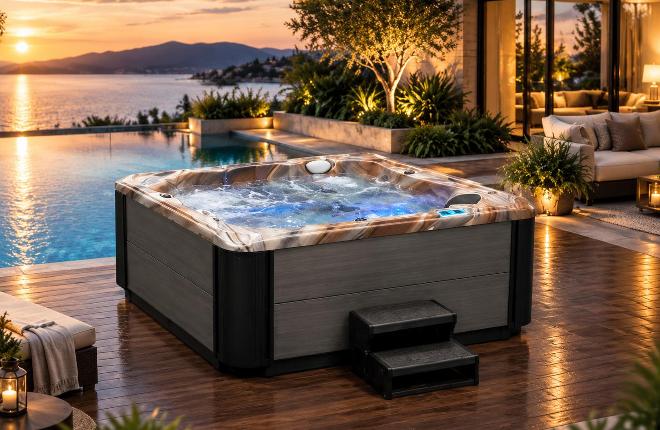
Aquatic Swim Spa Prices: What Actually Drives the Cost
Aquatic swim spa prices vary more than most shoppers expect, and the reason rarely comes down to brand name alone. Jet count, pump configuration, shell material, and certification standards all shift the final number. Understanding what sits behind the price tag helps you avoid overpaying for features you won’t use, or underpaying for a unit that can’t handle daily use.
This guide breaks down the real cost drivers behind swim spas and portable hot tubs, using concrete specifications rather than vague claims. Whether you’re outfitting a villa backyard, a boutique hotel gym, or a rehabilitation center, the goal is the same: match the spec sheet to the actual use case.
Walk into any spa retailer and you’ll see quotes ranging from a few thousand dollars to well over twenty thousand. That spread isn’t arbitrary. It reflects differences in pump wattage, seating capacity, water volume, and the sanitization method built into the unit.
A 6-person unit with a 5.55kW total power draw, for instance, needs a heavier-duty electrical setup than a 2-person soaking tub. The heater alone in a mid-size unit can run at 3kW, and the massage pump often adds another 2kW or more on top of that. Every kilowatt has a cost implication, both upfront and on your monthly utility bill.
Certifications also factor into price. Units carrying CE, CB, SAA, or CTUVus marks have passed third-party electrical and safety testing, which adds to manufacturing cost but reduces risk for commercial buyers who need documentation for insurance or local code compliance.
Before comparing quotes, it helps to know which specifications actually move the needle on cost. The list below covers the variables that consistently separate budget units from premium ones.
None of these features are decorative. Each one answers a specific question about how the spa will perform under real, repeated use.
To ground this in something concrete rather than abstract percentages, consider the specification profile of a typical 6-person hydrotherapy spa built for both residential and light commercial use, such as the BD-004 model from our lineup.
| Specification | Value |
|---|---|
| Capacity | 6 Adults |
| Dimensions | 2350 x 2350 x 900 mm |
| Total Power | 5.55 kW |
| Massage Pump | 2.2 kW x 1 |
| Filter Pump | 0.35 kW x 1 |
| Heater | 3 kW x 1 |
| Jet Count | 35 |
| Net Weight | 317 kg |
| Water Capacity | 1450 L |
| Certifications | CE, CTUVus, CB, SAA |
This spec sheet illustrates why aquatic swim spa prices in the mid-to-upper range reflect real engineering trade-offs rather than markup. A 317kg empty weight means the deck or patio underneath needs to support well over a ton once filled and occupied, which is a structural consideration many first-time buyers overlook until installation day.
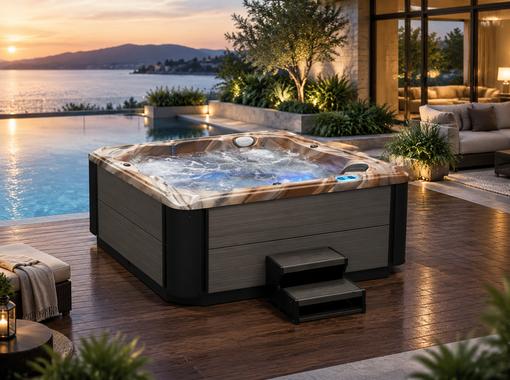
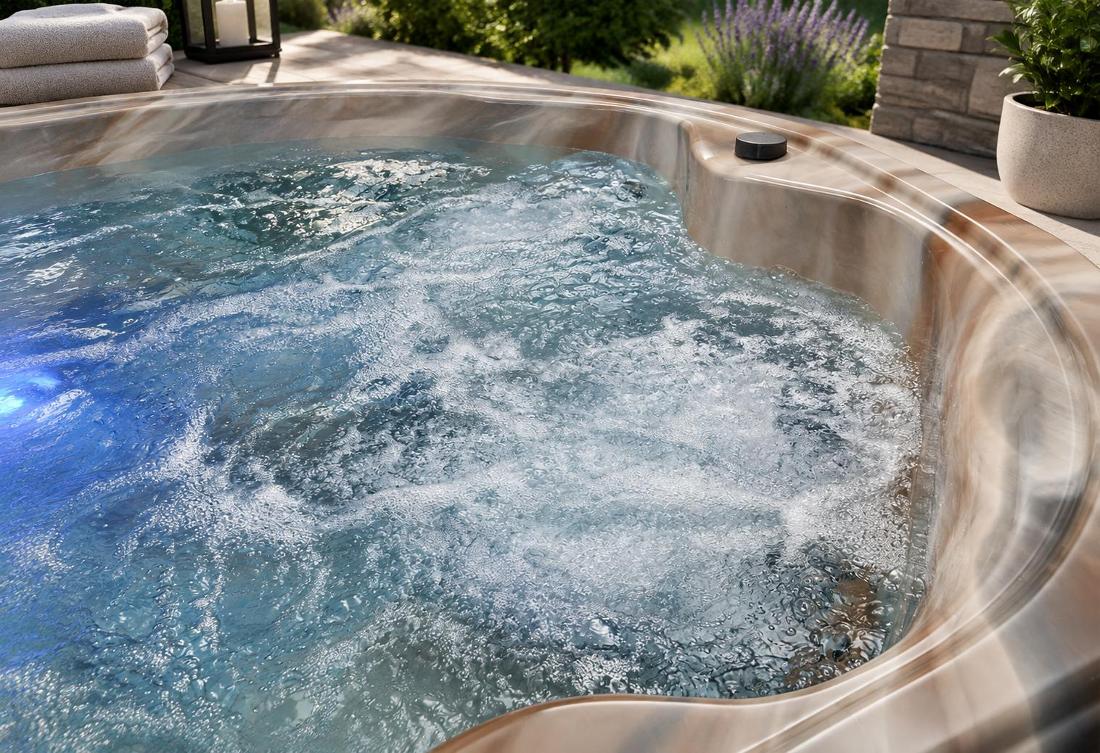
Price isn’t only about raw power output. The way a spa is contoured inside matters just as much for whether people actually use it regularly. According to the manufacturer’s product documentation, the BD-004 uses an ergonomic seating design, with backrests shaped to follow the body’s natural curve and jets positioned where they’re most effective rather than evenly spaced for symmetry.
Headrests on models like this often include a padded, contoured pillow system intended to support the neck and upper spine during longer soaks. This kind of detail rarely shows up on a spec sheet, but it’s the difference between a spa that gets used twice and forgotten, and one that becomes part of a weekly recovery routine.
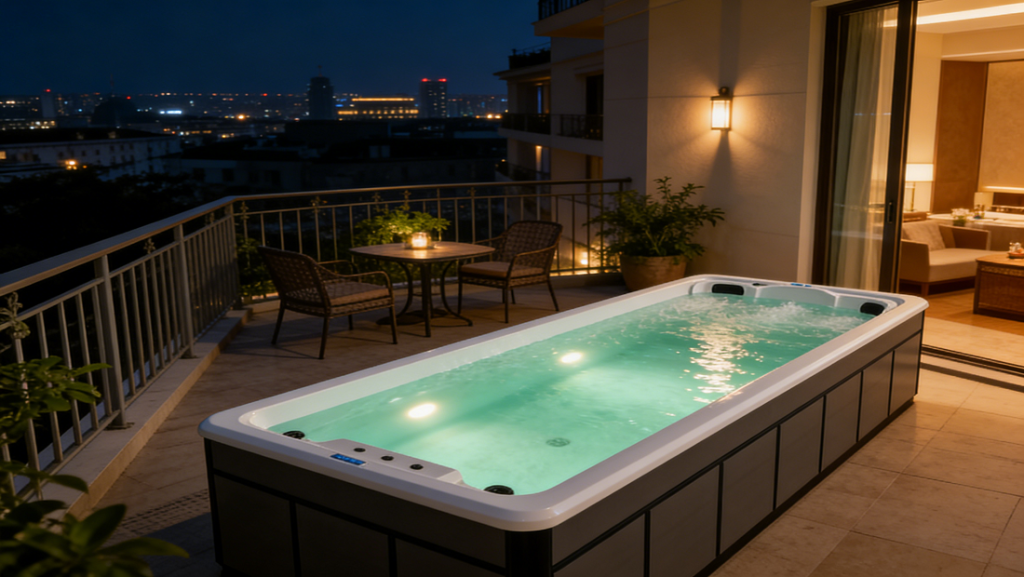
Lighting is another area where small choices carry functional weight beyond aesthetics. Bottom-mounted LED lighting, as described in the BD-004’s product documentation, is positioned to create a calming visual effect through the water rather than glaring directly at bathers. This kind of ambient lighting is common in spas marketed for relaxation-focused use, alongside more performance-oriented hydrotherapy jets.
Not every property needs the same configuration. A hotel gym has different demands than a private villa courtyard, and the right spa for one context may be the wrong choice for another.
Matching the spa to its setting isn’t just about looks. It directly affects how long the unit lasts and how much you’ll spend on maintenance over its lifespan.
The sticker price of a swim spa is only part of the total cost. Electrical work, structural reinforcement, and water treatment all add up, and skipping these steps is a common way buyers end up with unexpected bills later.
Most units in the 5kW-plus power range require a dedicated circuit, which often means an electrician needs to run new wiring, particularly for outdoor installations. Structural support matters just as much: a filled 6-person spa can weigh well over 1,700 kg once water and occupants are factored in, so decks and patios need to be rated accordingly before installation.
Water treatment costs also vary by system type. A unit with an integrated ozone sanitization system, as included in the BD-004’s documentation, is designed to reduce the frequency of manual chemical treatment, which can lower recurring costs over time compared to a chlorine-only system. That said, ozone systems don’t eliminate the need for periodic water testing and occasional shock treatment.
Does a higher jet count always mean a better hydrotherapy experience?
Not necessarily. Jet placement and pump power matter as much as raw count. A well-positioned set of 35 jets driven by an adequately sized pump can outperform a unit with more jets but weaker water pressure.
Are certified units always more expensive than uncertified ones?
Generally yes, since certification testing adds cost to the manufacturing process. However, for commercial installations, certifications like CE, CB, or SAA are often a requirement for insurance or local permitting, making the added cost a practical necessity rather than an optional upgrade.
How much does electrical setup add to the total cost?
This varies by location and existing infrastructure, but a dedicated circuit for a 5kW-plus spa typically requires professional electrical work, which should be budgeted separately from the unit price itself.
Can a swim spa be installed indoors?
Many portable hot tub models, including 6-person units designed for both indoor and outdoor placement, can be installed indoors provided there’s adequate ventilation, drainage, and structural support for the weight.
Aquatic swim spa prices ultimately come down to matching specifications to actual needs rather than chasing the highest jet count or the lowest sticker price. A unit built for a busy hotel gym has different priorities than one meant for quiet backyard soaks under the stars.
For us, that means offering a range of configurations, from ozone sanitization to ergonomic seating layouts, so buyers across hospitality, wellness, and residential markets can find a spec sheet that fits their actual usage pattern rather than a generic default. Before comparing aquatic swim spa prices across suppliers, take the time to map your power supply, structural capacity, and intended use case. That groundwork will tell you far more about value than the price tag alone.
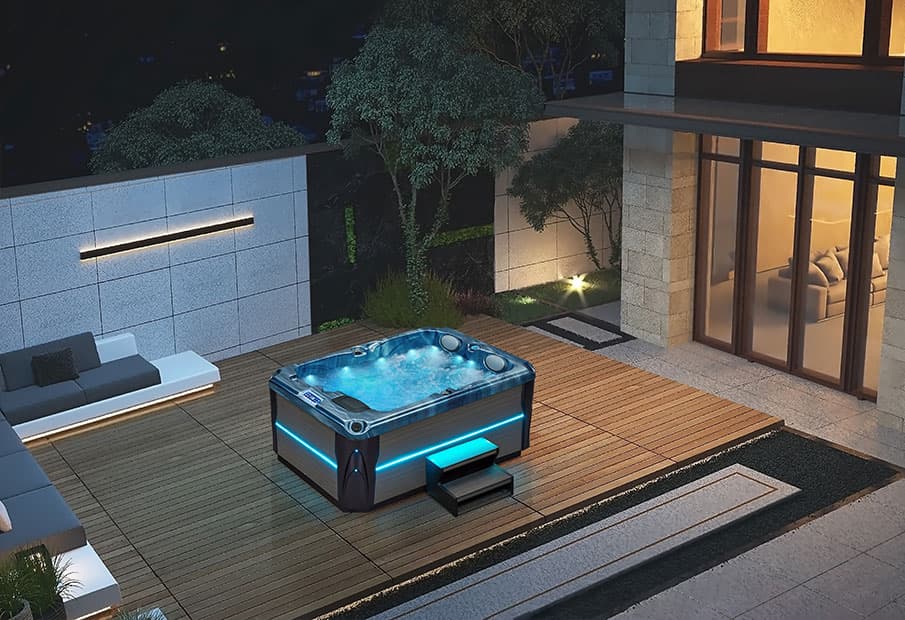
The Fspa BD-011Pro Hot Tub, a 2010x1360x800mm premium spa for 2 adults, combines 7.27kW of power and efficiency with luxurious features like 39 water & 20 air bubble jets, customizable water flow, LED lighting, music speakers, and pillows, making it a stylish and ideal choice for both residential and commercial outdoor relaxation.
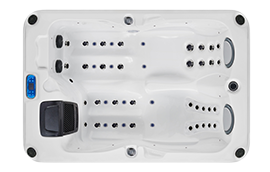
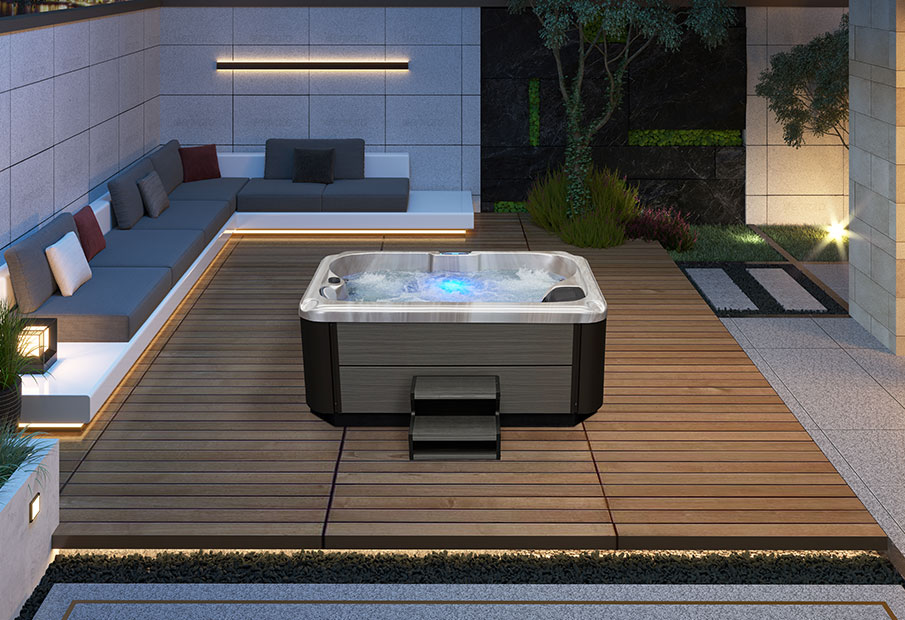
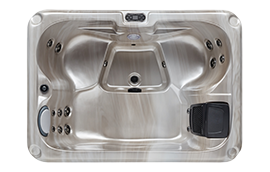
Our luxurious Fspa BD-003 spa tub, designed for 3 adults with ample space (1870x1330x800mm), features a comprehensive control system, powerful massage pump, gentle filter pump, temperature control, clean water filter, LED lighting, 16 massage jets, and sanitation ozone system, offering a perfect therapeutic escape for you and your loved ones.
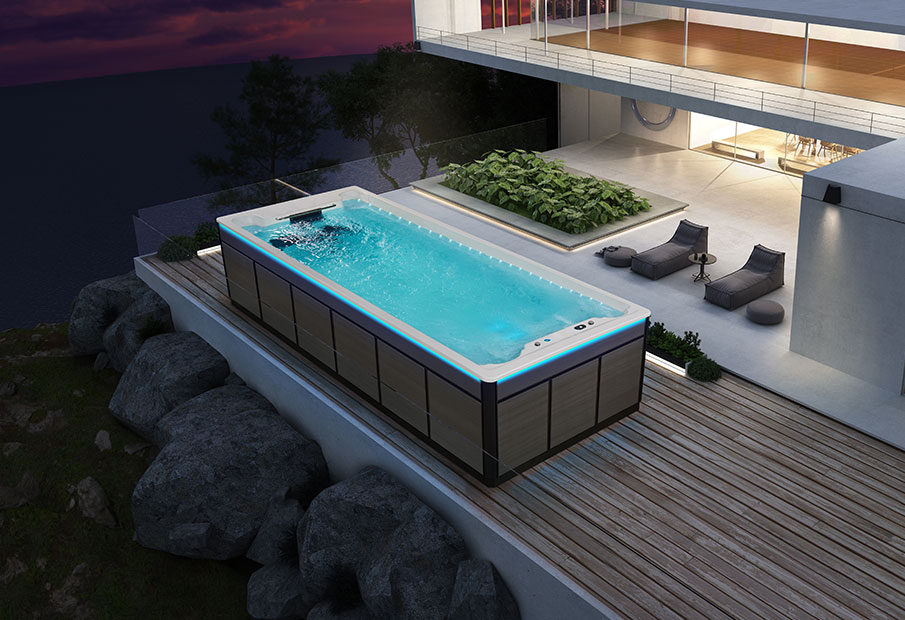
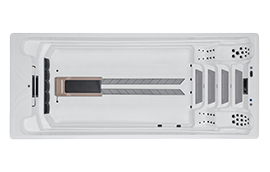
The Infinipool Fspa IP-005Pro is a state-of-the-art, spacious hot tub with advanced features, offering an unparalleled spa retreat for residential and commercial use.
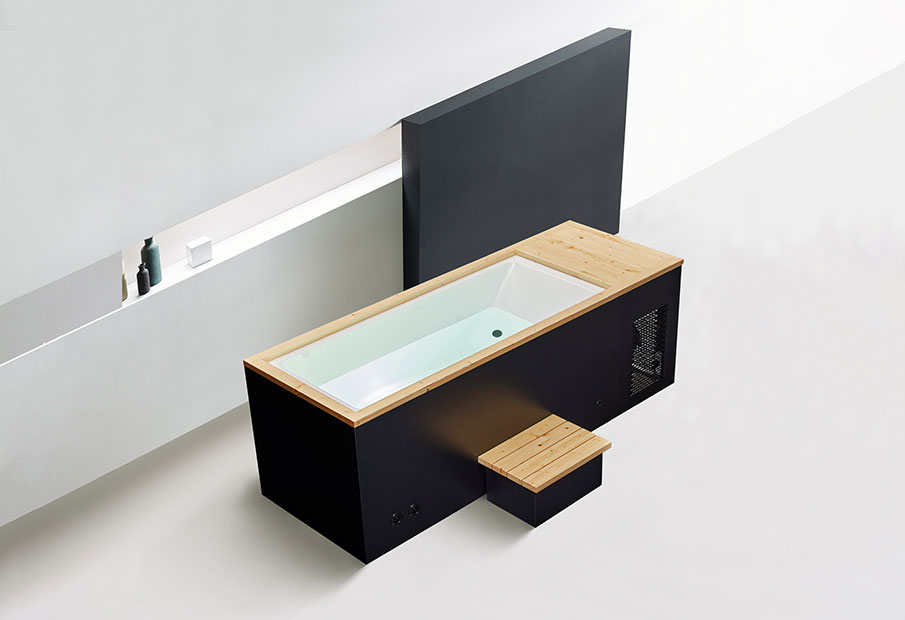
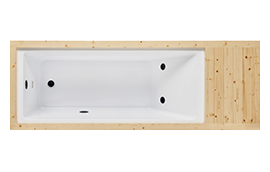
This ice-water bathtub is ideal for helping muscle recovery, adjust body temperature, improve mental health and enjoy a customized and convenient bathing experience.
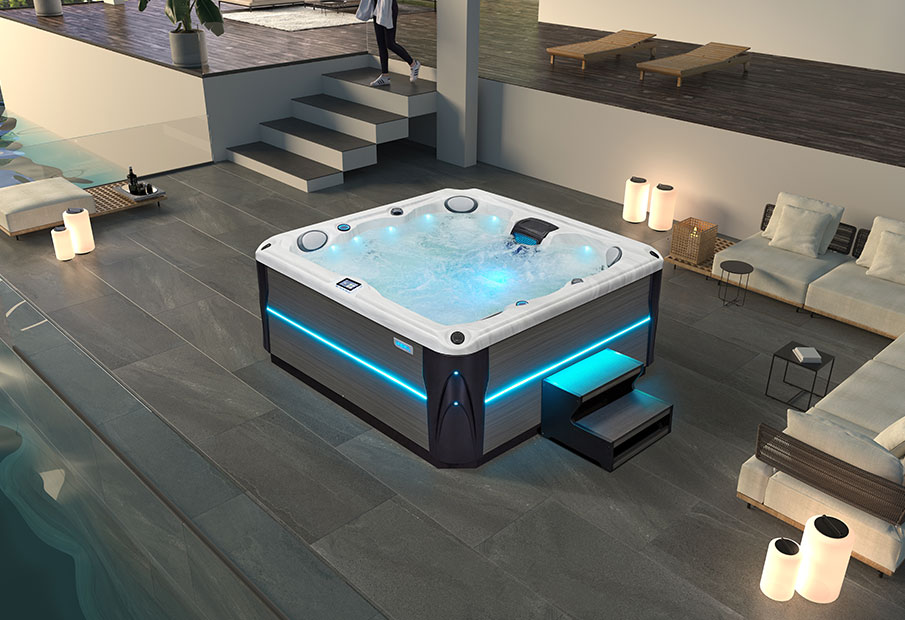
The Fspa BD-001Pro Hot Tub customizable water flow, ozone sanitization, and luxurious features for an unparalleled relaxation experience.
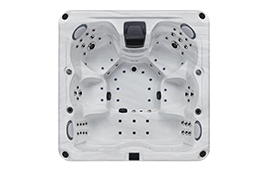
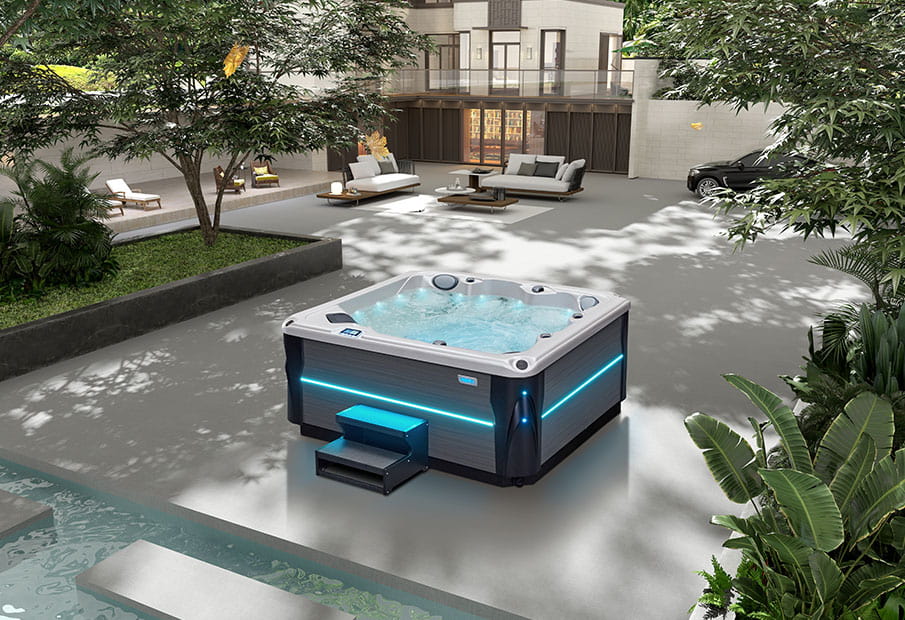
The Fspa BD-007Pro Hot Tub, with its spacious design for 6 adults, powerful massage system, 61 water & 19 air bubble jets, efficient heating and filtration, built-in ozone sanitization, sleek design, and amenities like speakers and coasters, offers unparalleled luxury, relaxation, and rejuvenation for both residential and commercial use.
PRODUCTS
INQUIRY
Thank you for your message!Our Chinese New Year holiday from 7th Feb to 28th Feb. Apologise to make your inconvenience so that responses may be delayed during this period. We'll back to you with regular service on 2th March .Thank you for understanding.


