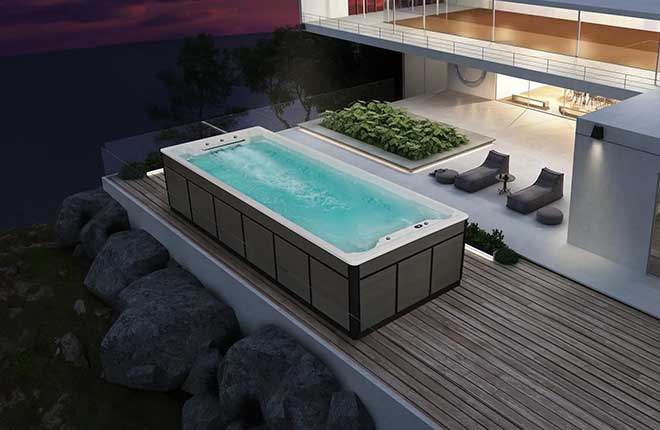
Swim spas defy the conventional notion that swimming is strictly a warm-weather activity. These innovative aquatic units make winter swimming not only possible but enjoyable and beneficial. Here’s how swim spas achieve this feat:
Temperature Control: One of the key features of swim spas is their ability to maintain water temperature regardless of external conditions. Advanced heater systems allow you to adjust the water temperature to their comfort level, ensuring a pleasant swimming experience even during cold winter months. This feature makes swim spas ideal for year-round use, providing a warm oasis amidst chilly weather.
Insulation: Swim spas are designed with insulation materials that help retain heat efficiently. This insulation not only keeps the water warm but also reduces energy consumption by preventing heat loss. As a result, swim spas are cost-effective to operate throughout the year, making them a practical choice for winter swimming enthusiasts.
Compact Size: Unlike traditional pools, swim spas have a compact design that minimizes surface area exposed to cold air. This design feature helps maintain water temperature more effectively, creating a cozy environment conducive to winter swimming. Despite their smaller footprint, swim spas offer enough space for swimming against a current, making them suitable for both exercise and leisure.
Hydrotherapy Benefits: In addition to swimming, swim spas offer integrated hydrotherapy features such as jets and massage seats. These features provide therapeutic benefits such as muscle relaxation, improved circulation, and stress relief, which are particularly beneficial during the winter months when cold weather can exacerbate muscle tension and circulation issues.
Versatility: Swim spas are versatile in their functionality, accommodating various activities beyond swimming. You can engage in aquatic exercises, water aerobics, or simply relax and unwind in the warm water. This versatility makes swim spas a year-round wellness investment, appealing to individuals seeking both fitness and relaxation benefits throughout all seasons.
Health Benefits: Winter swimming in a swim spa offers unique health benefits. The combination of exercise and warm water immersion can boost the immune system, improve cardiovascular health, and enhance overall well-being. The therapeutic effects of hydrotherapy further contribute to pain relief and recovery from injuries, making winter swimming in a swim spa not only feasible but advantageous for maintaining health and fitness goals.
Swim spas revolutionize the concept of winter swimming by providing a controlled, warm-water environment that is both inviting and beneficial. With advanced temperature control, efficient insulation, and versatile features, swim spas ensure that enthusiasts can enjoy swimming and hydrotherapy year-round, regardless of external weather conditions. Embracing winter swimming in a swim spa is not just a possibility but a rewarding experience that promotes health, relaxation, and fitness throughout the entire year.
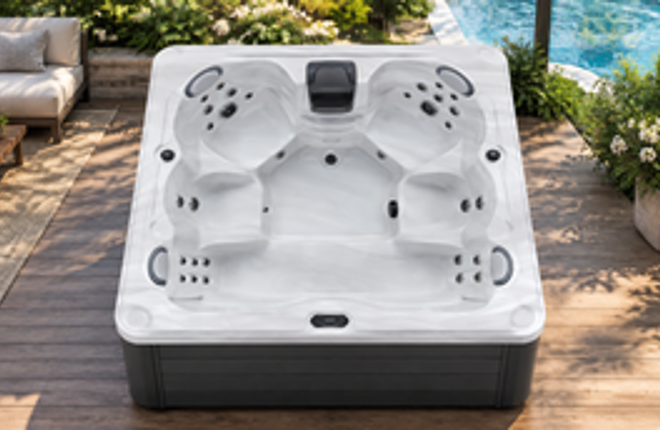
What to Look for in the Best Above Ground Hot Tub
Shopping for the best above ground hot tub usually starts with a simple constraint: no in-ground plumbing, no excavation, no permanent commitment to one spot in the yard. That freedom matters more than it sounds. A homeowner renting a property, or one who simply wants to relocate the tub next season, needs a unit that sits on a deck or patio without tearing anything up. This guide walks through the practical factors that separate a good above ground hot tub from one that ends up as an expensive regret.
The term itself just means the spa shell sits fully above the surface it rests on, supported by its own cabinet and base, rather than being recessed into a deck or built into the ground. Almost every residential spa sold today falls into this category. The real decision isn’t about ground placement at all. It’s about capacity, jet configuration, insulation, and how the unit fits the space you actually have.
Capacity is the first filter, and it’s where a lot of buyers guess wrong. A tub sized for three adults feels generous for a couple but cramped the moment guests show up. Spas in this category typically range from compact three-person models around 1870 x 1330mm up to six-person units near 2530 x 2300mm.
Think about how the tub will actually get used before picking a footprint:
Deck load capacity deserves a mention here too. A filled six-person spa can weigh several hundred kilograms with water and bathers combined, so it’s worth confirming the deck or patio surface can bear that load before ordering.
Jet count gets thrown around as a headline number, but it’s a poor proxy for actual therapy quality. Models in this category range from 16 jets on smaller shells up to 80 jets on the most elaborate configurations. What matters more is jet placement relative to where muscle tension actually accumulates.
A tub with jets clustered around the lumbar region and calves tends to outperform one that scatters the same jet count evenly across the shell. Air-adjustable jets, which let bathers control the intensity of air-water mixing, give more control than fixed-pressure water jets alone. Several models in the Fspa lineup pair high-performance massage jets with customizable air flow, which lets bathers dial in a gentler or more forceful hydrotherapy session depending on the day.
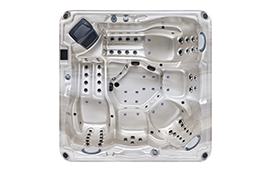
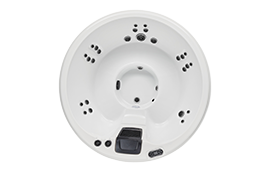
That top-down layout matters because it shows how seating position and jet clusters relate to each other, something a front-facing photo never communicates well.
Heater wattage directly affects how long you wait between filling the tub and actually using it. Units in this range typically ship with 2kW to 3kW heaters, and total system power (heater plus pumps plus auxiliary systems) can reach up to 5.55kW on fully-loaded models.
A smaller heater isn’t necessarily a downgrade. In climates that rarely drop below freezing, a 2kW heater run continuously on a well-insulated cabinet holds temperature just fine. In colder regions, or for households that drain and refill more often, the extra headroom from a 3kW heater cuts down the wait considerably. Insulation quality around the cabinet and shell matters just as much as raw heater wattage, since a poorly insulated spa bleeds heat regardless of how strong the heater is.
Chlorine and bromine still dominate spa water treatment, but ozone sanitization has become a common secondary system on higher-end above ground hot tubs. Ozone is generated on-site and injected into the water line, where it oxidizes organic contaminants and reduces the chemical load needed to keep water clear.
This doesn’t eliminate the need for sanitizer entirely. What it does is reduce how much chlorine or bromine you need to dose manually, which cuts down on the sharp chemical smell and the skin irritation some bathers experience with heavily-chlorinated water. Several models integrate ozone systems alongside the standard filtration housing, positioned so maintenance access stays straightforward.
| Feature | Entry-Level Configuration | Higher-End Configuration |
|---|---|---|
| Capacity | 3-4 adults | 5-6 adults |
| Jet count | 16-30 jets | 40-80 jets |
| Heater | 2kW | 3kW |
| Sanitization | Standard filtration | Ozone system integrated |
| Extras | Basic control panel | LED lighting, audio system |
LED lighting and integrated audio systems show up on several premium models, and they’re easy to dismiss as gimmicks. In practice, ambient lighting changes how usable a spa is after sunset, particularly for households that mainly soak in the evening after work. Audio systems, when built into the shell rather than bolted on as an afterthought, hold up better against splashing and humidity than a portable speaker propped on the edge.
Neither feature should be the deciding factor over jet quality or heater sizing, but for buyers comparing two otherwise similar units, they’re a reasonable tiebreaker.
Does "above ground" mean lower quality than an in-ground spa?
No. Shell construction, pump quality, and insulation determine durability, not whether the unit sits above or below the surrounding surface. Most consumer spas, including high-end models, are above ground by design.
How much clearance does an above ground hot tub need?
Beyond the footprint itself, leave at least 60 to 90cm of access space around at least one side for maintenance and equipment panel access. Check the specific model’s service panel location before finalizing placement.
Can these tubs sit directly on grass or soil?
It’s not recommended long-term. A level, load-rated base, such as a reinforced concrete pad or a properly rated deck, prevents shifting and protects the shell’s underside from moisture damage.
Do more jets always mean better massage quality?
Not necessarily. Jet placement relative to key muscle groups, and whether air flow is adjustable, matters more than raw jet count for actual therapeutic benefit.
Working through capacity, jet configuration, heater size, and sanitization together, rather than picking based on one spec in isolation, produces a much better outcome. A compact 3-person unit with a 2kW heater suits a couple in a mild climate who wants low running costs. A 6-person spa with a 3kW heater and ozone sanitization suits a family that entertains often and wants to minimize manual chemical dosing.
For us, this range of configurations exists precisely because no single spec sheet fits every backyard or budget. Buyers comparing options across capacity, jet layout, and heating power are, in effect, already doing the real work of finding the best above ground hot tub for their own household, rather than chasing a single number on a brochure.
Why More Isn’t Always Better When It Comes to Hot Tub Massage Jets?
When shopping for a hot tub, it’s easy to be drawn to models boasting the highest number of massage jets. At first glance, more jets seem to promise a deeper, more customized, and more luxurious experience. But as someone who has owned and tested multiple spas, I’ve learned that jet count alone is a misleading metric. In reality, the quality, placement, and performance of those jets matter far more than the quantity.
A hot tub with an excessive number of jets but an underpowered pump is like having a dozen faucets running on low water pressure—none of them will feel satisfying. The pump is the heart of the system; it’s what delivers the force and volume of water needed to create a therapeutic massage. If the pump can’t keep up, those 50 or 60 jets will produce little more than a weak, bubbly stream. You’re left with a lukewarm soak rather than a targeted, muscle-relieving hydrotherapy session.
Furthermore, thoughtful jet placement is crucial. A few well-positioned jets targeting key muscle groups—like the lower back, glutes, neck, and calves—are infinitely more valuable than dozens of jets placed randomly where they don’t provide meaningful contact. Everyone soaks differently; some prefer a deep tissue massage on their shoulders, while others need relief for tired legs.
A quality tub offers adjustable, directional jets in strategic zones, allowing you to personalize the experience. A high jet count often looks impressive on a spec sheet, but if half of them are in spots that don’t align with your body, they’re essentially decorative.
There’s also the practical side to consider: energy efficiency and maintenance. More jets require a more powerful pump and more complex plumbing, which inevitably leads to higher energy consumption. Your electricity bill will reflect that. Additionally, each jet is a potential point for leaks or future maintenance.
Simpler systems with fewer, high-quality jets are often more reliable and cheaper to operate in the long run. Ultimately, the goal of a hot tub is relaxation and therapy, not to win a numbers game.
When you test a tub, close your eyes and focus on how it feels. Does the pressure meet your needs? Can you direct the flow where you want it? That’s what truly matters. Don’t be swayed by marketing that promises “the most jets.” Instead, look for a balanced system designed for performance, comfort, and efficiency. Your back—and your wallet—will thank you.
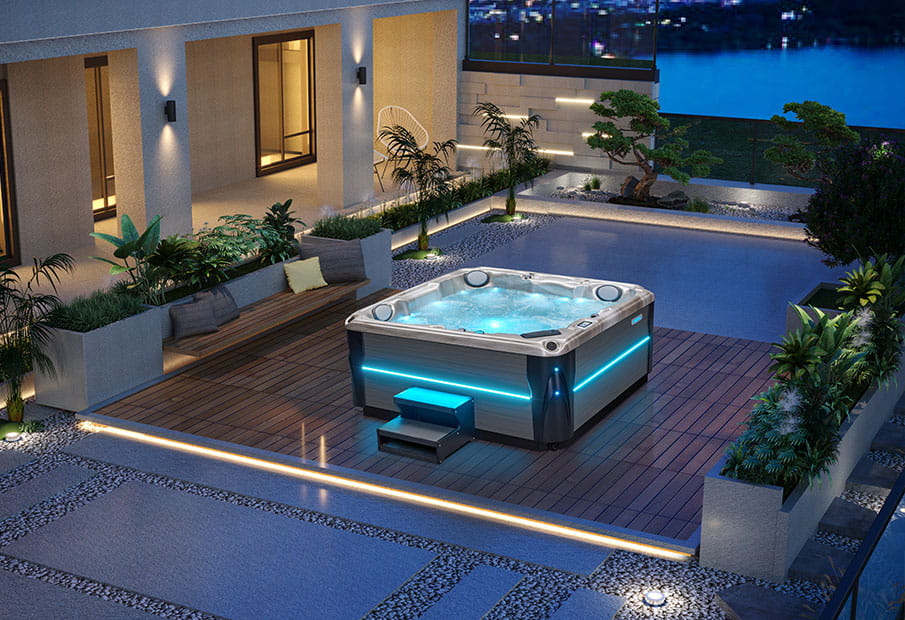
The Fspa BD-006Pro Hot Tub, with its compact spacious design for 5 adults, advanced massage system, 80 water & 18 air bubble jets, efficient heating and filtration, ozone sanitization, and sleek design, offers unparalleled luxury, relaxation, and convenience for both residential and commercial use.
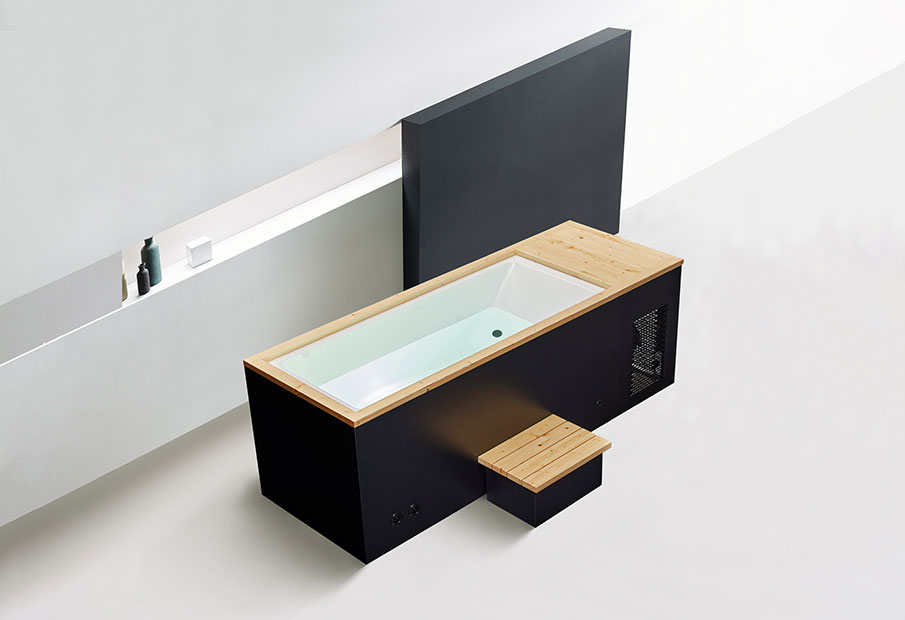
This ice-water bathtub is ideal for helping muscle recovery, adjust body temperature, improve mental health and enjoy a customized and convenient bathing experience.
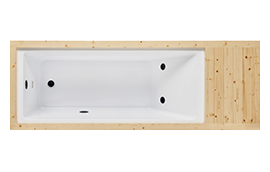
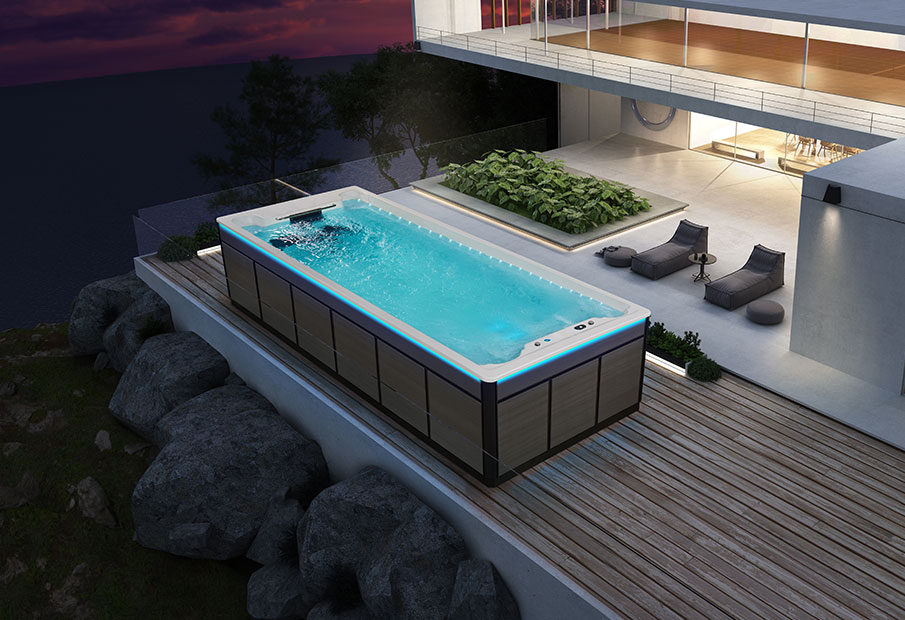
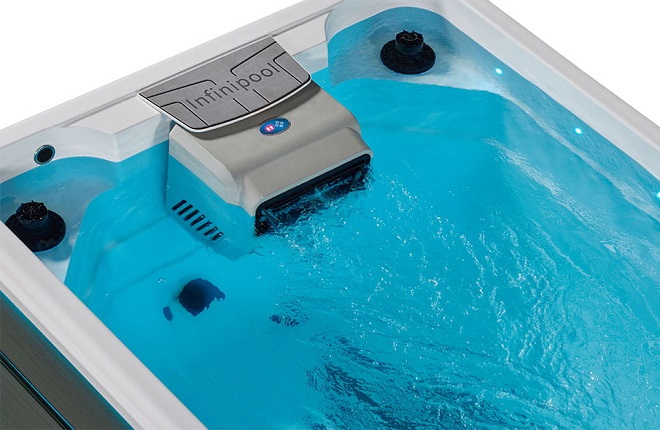
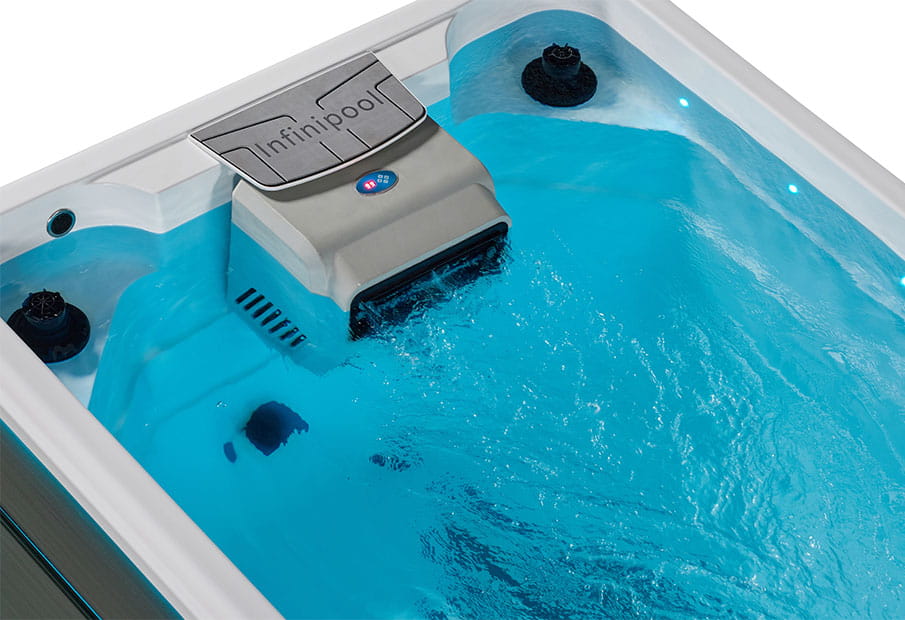
The Infinipool Fspa IP-005Pro is a state-of-the-art, spacious hot tub with advanced features, offering an unparalleled spa retreat for residential and commercial use.
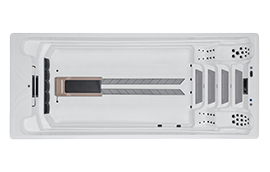
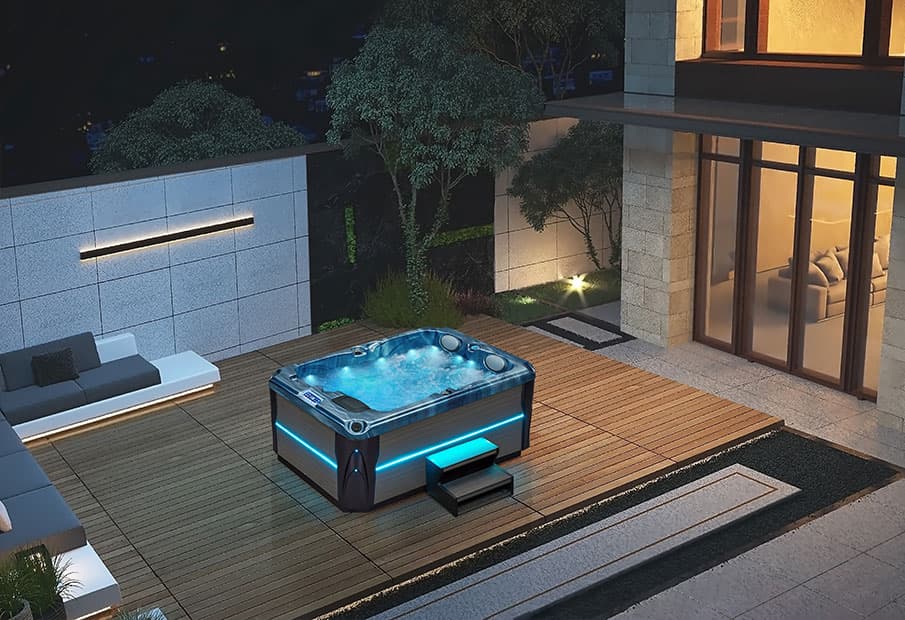
The Fspa BD-011Pro Hot Tub, a 2010x1360x800mm premium spa for 2 adults, combines 7.27kW of power and efficiency with luxurious features like 39 water & 20 air bubble jets, customizable water flow, LED lighting, music speakers, and pillows, making it a stylish and ideal choice for both residential and commercial outdoor relaxation.
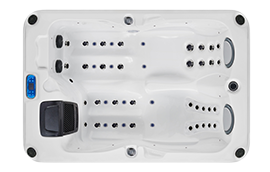
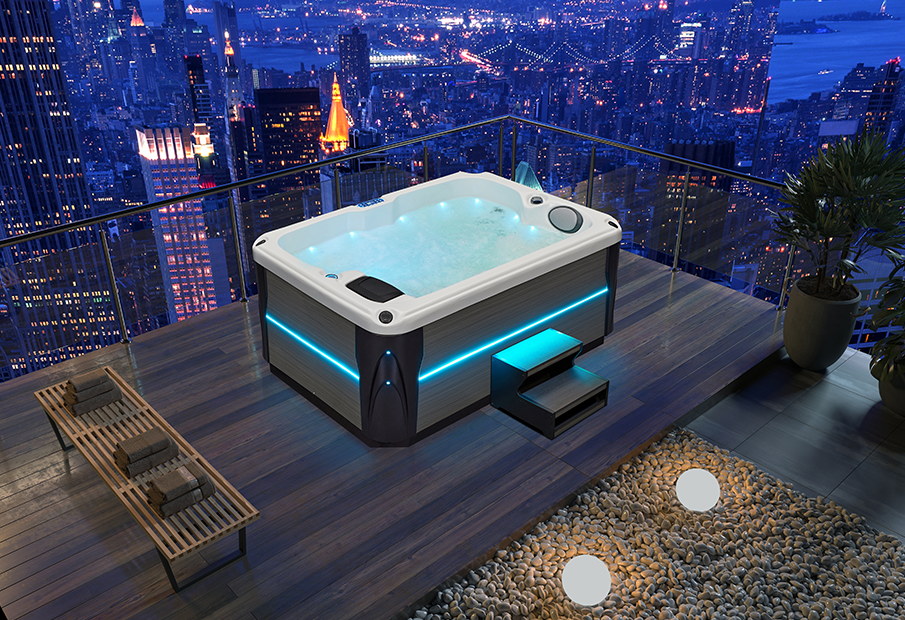
The Fspa BD-002Pro Hot Tub, boasts a powerful massage system, crystal-clear water filtration, customizable water flow, luxurious features, an ozone sanitization system, and immersive audio for the ultimate relaxation experience.
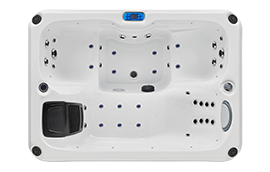
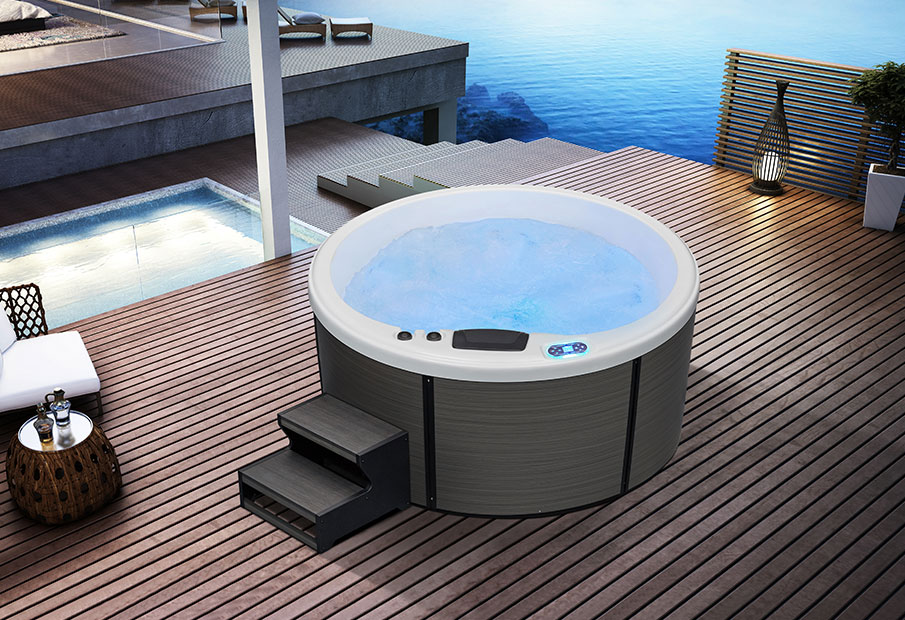
The Fspa BD-017 Hot Tub, accommodating up to 5 adults with spacious dimensions, features a reliable control system, powerful 1.5kW massage pump, 0.35kW filter pump, 3kW heater, 28 customizable water jets, LED lighting, an ozone sanitation system, and a total power of 4.85kW, offering ultimate relaxation and a luxurious soak for any occasion.
PRODUCTS
INQUIRY
Thank you for your message!Our Chinese New Year holiday from 7th Feb to 28th Feb. Apologise to make your inconvenience so that responses may be delayed during this period. We'll back to you with regular service on 2th March .Thank you for understanding.


