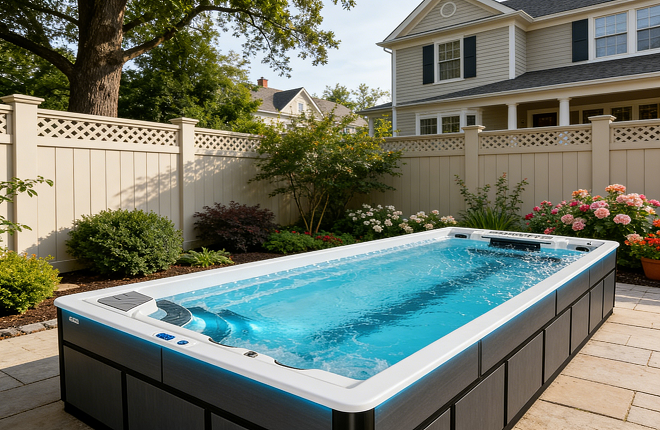
Hiding pool equipment and filters is essential for maintaining a clean, uncluttered backyard aesthetic without sacrificing functionality. Here are innovative strategies to seamlessly integrate these necessary components into your outdoor space.
One effective approach is to build a custom enclosure using materials that complement your landscape. A wooden lattice screen, for example, adds texture while allowing ventilation—critical for preventing overheating. Paint the lattice to match your home’s exterior or stain it to blend with surrounding greenery. For a more modern look, opt for a sleek metal panel design with laser-cut patterns, which doubles as a decorative focal point. Ensure the enclosure includes a hinged door or removable panels for easy access during maintenance.
Incorporating natural elements is another organic solution. Surround equipment with tall shrubs, such as arborvitae or boxwood, to create a living barrier. These plants grow dense enough to hide machinery while adding privacy and greenery. Alternatively, use large potted plants like palms or ornamental grasses, which can be moved when access is needed. For a permanent fix, construct a raised garden bed around the equipment, filling it with flowering perennials or succulents to add color and distract from the machinery.
Repurposing existing structures or adding functional features can also disguise equipment. A poolside storage bench, for instance, can be built with a hollow base to house filters, doubling as seating. Similarly, a small outdoor kitchen island or bar counter can be positioned to mask pumps and heaters, turning a utilitarian space into a social hub. For above-ground equipment, consider burying it partially in a shallow pit and covering it with a decorative stone slab or wooden decking, creating a seamless transition with the surrounding patio.
Finally, think vertically to save space and enhance design. Install wall-mounted cabinets or floating shelves around the equipment area, using the upper shelves for decorative items like lanterns or potted herbs. This draws the eye upward and away from the machinery below.
By combining practicality with creativity, these designs ensure your pool equipment remains accessible yet invisible, letting your backyard shine as a peaceful retreat.
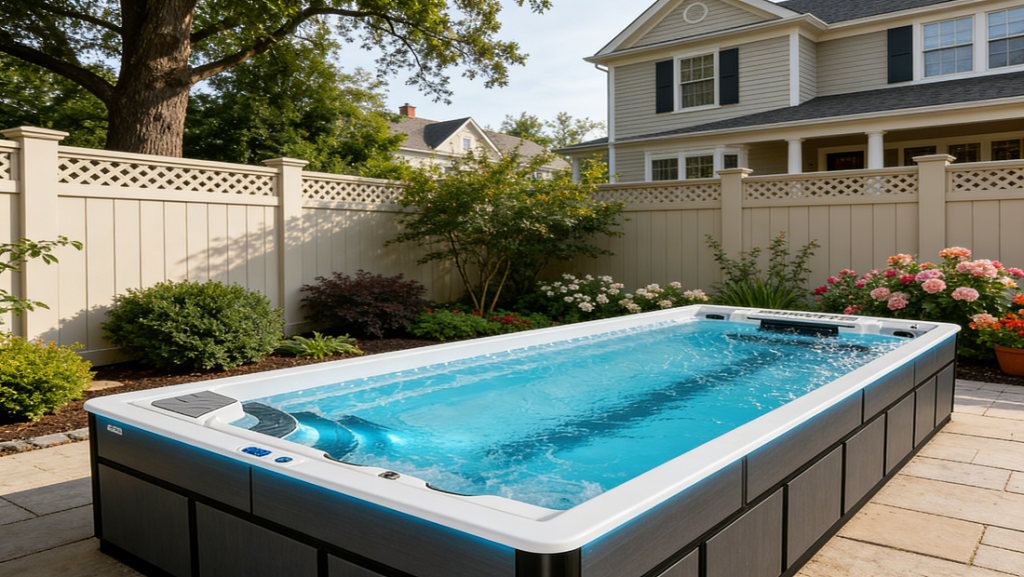
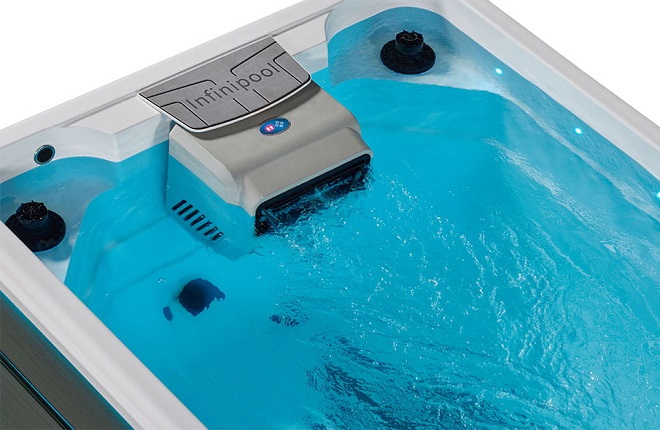
Why More Isn’t Always Better When It Comes to Hot Tub Massage Jets?
When shopping for a hot tub, it’s easy to be drawn to models boasting the highest number of massage jets. At first glance, more jets seem to promise a deeper, more customized, and more luxurious experience. But as someone who has owned and tested multiple spas, I’ve learned that jet count alone is a misleading metric. In reality, the quality, placement, and performance of those jets matter far more than the quantity.
A hot tub with an excessive number of jets but an underpowered pump is like having a dozen faucets running on low water pressure—none of them will feel satisfying. The pump is the heart of the system; it’s what delivers the force and volume of water needed to create a therapeutic massage. If the pump can’t keep up, those 50 or 60 jets will produce little more than a weak, bubbly stream. You’re left with a lukewarm soak rather than a targeted, muscle-relieving hydrotherapy session.
Furthermore, thoughtful jet placement is crucial. A few well-positioned jets targeting key muscle groups—like the lower back, glutes, neck, and calves—are infinitely more valuable than dozens of jets placed randomly where they don’t provide meaningful contact. Everyone soaks differently; some prefer a deep tissue massage on their shoulders, while others need relief for tired legs.
A quality tub offers adjustable, directional jets in strategic zones, allowing you to personalize the experience. A high jet count often looks impressive on a spec sheet, but if half of them are in spots that don’t align with your body, they’re essentially decorative.
There’s also the practical side to consider: energy efficiency and maintenance. More jets require a more powerful pump and more complex plumbing, which inevitably leads to higher energy consumption. Your electricity bill will reflect that. Additionally, each jet is a potential point for leaks or future maintenance.
Simpler systems with fewer, high-quality jets are often more reliable and cheaper to operate in the long run. Ultimately, the goal of a hot tub is relaxation and therapy, not to win a numbers game.
When you test a tub, close your eyes and focus on how it feels. Does the pressure meet your needs? Can you direct the flow where you want it? That’s what truly matters. Don’t be swayed by marketing that promises “the most jets.” Instead, look for a balanced system designed for performance, comfort, and efficiency. Your back—and your wallet—will thank you.
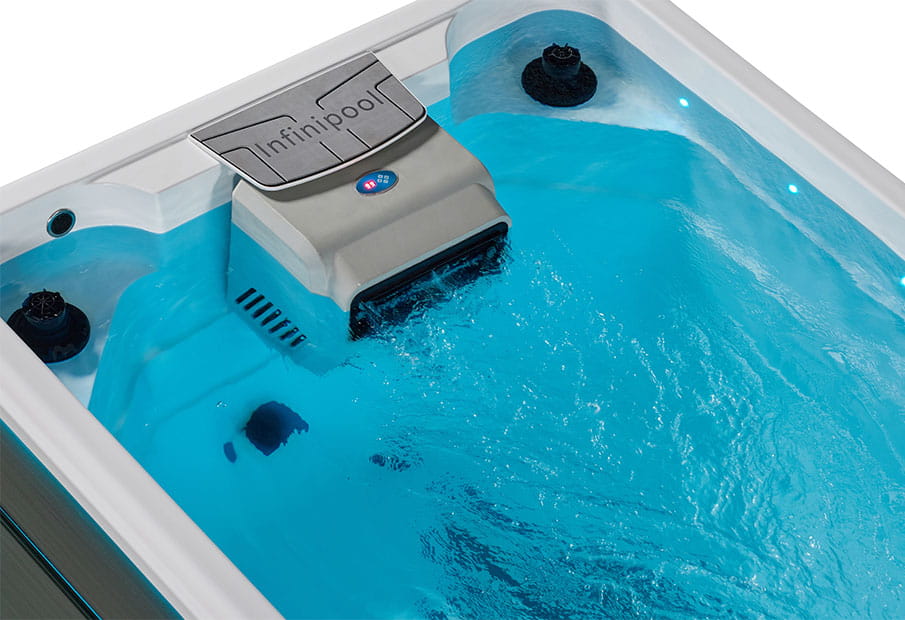
The Transformative Power of a Jacuzzi Spa: Health and Wellness Redefined
In an increasingly demanding world, the quest for personal well-being has never been more paramount. Amidst a plethora of wellness solutions, the jacuzzi spa stands out as a sanctuary, offering a profound blend of therapeutic hydrotherapy and unparalleled relaxation. It’s more than just a luxurious amenity; it’s a dedicated investment in daily physical and mental rejuvenation, a private retreat accessible whenever the need arises. The impact on quality of life is significant, with empirical data consistently demonstrating its benefits. For instance, recent market analysis indicates a staggering 15% increase in consumer interest in home wellness products over the past three years, with hydrotherapy systems leading this growth. A 2022 study published in the Journal of Physical Therapy Science highlighted that regular hydrotherapy sessions, characteristic of a high-quality jacuzzi spa experience, can reduce perceived stress levels by up to 28% and improve sleep quality by an average of 20% in participants experiencing moderate chronic pain. This isn’t merely anecdotal evidence; it reflects a tangible shift towards proactive health management, where the convenience and efficacy of personal hydrotherapy play a pivotal role. The strategic placement of powerful jets, combined with precisely controlled water temperature, creates an environment conducive to muscle relaxation, improved circulation, and profound mental tranquility. Investing in a premium jacuzzi spa transcends simple indulgence; it is a conscious decision to foster a healthier, more balanced lifestyle, transforming mundane evenings into invigorating therapeutic rituals that address both the physical tolls of the day and the mental burdens of modern living, solidifying its status as an indispensable component of contemporary home wellness.
Behind the inviting warmth and soothing jets of a premium spa lies a formidable array of advanced engineering designed for optimal performance, efficiency, and longevity. The technical advantages begin with the core hydrotherapy system. High-performance, customizable jet arrays are paramount, often featuring dozens of jets strategically positioned to target specific muscle groups, from deep tissue massage to invigorating pulsating streams. Modern spas boast variable-speed pumps, allowing users to precisely control jet intensity, thereby conserving energy while still delivering robust therapeutic effects. Filtration and sanitation systems represent another critical engineering triumph. Beyond standard cartridge filters, many leading models incorporate advanced UV-C purification, ozone generation, or even salt-water chlorination systems, dramatically reducing the need for chemical additives and ensuring crystal-clear, hygienic water with minimal effort. This multi-stage approach to water treatment can eliminate up to 99.9% of bacteria and viruses, a significant advantage over rudimentary systems. Insulation technology is also highly sophisticated. High-density, closed-cell foam insulation, often combined with full-foam injection around the shell and plumbing, drastically minimizes heat loss, leading to substantial energy savings—up to 40% compared to poorly insulated models. Control systems have evolved into intuitive, intelligent interfaces, often touch-screen enabled and Wi-Fi compatible, allowing users to manage temperature, jets, lighting, and even schedule maintenance routines remotely via smartphone applications. Furthermore, the structural integrity and durability are underpinned by robust frames, typically constructed from pressure-treated lumber or galvanized steel, and durable acrylic shells reinforced with fiberglass, guaranteeing years of consistent performance even in challenging outdoor environments. These integrated technical marvels ensure that a top-tier spa delivers not just relaxation, but a highly efficient, reliable, and profoundly therapeutic experience.
| Feature/Manufacturer | Manufacturer A (Premium) | Manufacturer B (Mid-Range) | Manufacturer C (Value) |
| Typical Jet Count | 40-60+ (Therapeutic Focus) | 30-50 (Balanced Massage) | 20-35 (Standard Relaxation) |
| Shell Material | Multi-layered Acrylic with Bio-Lok coating | High-gloss Acrylic with DuraBond reinforcement | Standard Acrylic |
| Insulation Type | Full-Foam & Perma-Panel Cabinet | Perimeter Foam & Thermal Blanket | Partial Foam & Basic Wrap |
| Water Purification | Ozone + UV-C + MicroFilter | Ozone + Cartridge Filter | Cartridge Filter (Optional Ozone) |
| Control System | Smart Touchscreen with Wi-Fi App | Digital Topside Control | Button Topside Control |
| Warranty (Shell/Components) | 10 Years / 5 Years | 7 Years / 3 Years | 5 Years / 1-2 Years |
| Energy Efficiency Rating | Excellent (Low kWh/day) | Good (Moderate kWh/day) | Standard (Higher kWh/day) |
The spa market is rich with manufacturers, each offering distinct designs, technological innovations, and value propositions. Selecting the right one requires a discerning eye, evaluating not just initial cost but long-term performance, energy efficiency, and post-purchase support. Leading brands differentiate themselves through proprietary jet technologies, advanced insulation techniques, and cutting-edge water purification systems. Understanding these distinctions is crucial for making an informed decision that aligns with individual needs and priorities. For instance, some manufacturers excel in ergonomic design, creating seating that perfectly cradles the body, while others focus on hyper-efficient heating systems or innovative smart-home integration. The materials used for the shell, cabinet, and plumbing also vary significantly, impacting durability and aesthetics. Acrylic shells are standard, but the thickness and quality of the acrylic, along with the fiberglass reinforcement, can differ. Cabinetry might range from synthetic, maintenance-free materials to natural wood options requiring periodic sealing. Warranty coverage is another critical factor, often reflecting a manufacturer’s confidence in their product’s build quality. Pumps, heaters, and the shell typically have different warranty periods, which can range from one year for electrical components to five or ten years for the shell structure. Below is a comparative overview of key features across representative manufacturers, highlighting their competitive advantages and typical offerings:
This comparison underscores that while all offer hydrotherapy, the engineering depth, integrated technologies, and long-term operating costs vary significantly. Consumers should weigh these factors carefully against their budget and desired user experience.
The modern spa experience is no longer a one-size-fits-all proposition; advanced customization allows buyers to craft a truly personalized oasis that reflects their aesthetic preferences and therapeutic needs. This extends far beyond merely choosing a shell color. Starting with the aesthetic, consumers can select from an extensive palette of acrylic shell finishes, ranging from classic whites and blues to sophisticated marbled or granite-effect patterns, influencing the water’s perceived hue and the overall ambiance. Cabinetry options are equally diverse, including maintenance-free synthetic materials that mimic natural wood or stone, composite panels designed for extreme durability, or even genuine cedar and redwood for a truly natural look, each available in various stains and finishes. Beyond visual appeal, the therapeutic experience can be profoundly customized. Jet configurations are highly modular, allowing for targeted arrangements of different jet types—directional, rotary, pulsating, and air-infused—to address specific pain points or muscle groups. Some manufacturers even offer interchangeable jet inserts, providing ultimate flexibility. Lighting systems have evolved from simple single-color bulbs to sophisticated LED chromotherapy, allowing users to select from a spectrum of colors or dynamic light shows to enhance mood and promote relaxation. Integrated sound systems, often Bluetooth-enabled, can transform the spa into an immersive auditory experience, while optional accessories like cascading waterfalls, aromatherapy infusion systems, and even integrated cool-down seats further elevate the sensory journey. For the tech-savvy, smart home integration capabilities are increasingly common, allowing voice control or seamless operation through existing home automation platforms. This level of granular customization ensures that each spa is not just a product, but a bespoke sanctuary, meticulously tailored to the owner’s unique vision of luxury, wellness, and personal retreat, making it an extension of their lifestyle rather than merely an addition to their backyard.
The versatility of a well-engineered spa extends its utility far beyond typical backyard leisure, finding successful application in a multitude of residential, commercial, and therapeutic settings. In residential contexts, beyond simple relaxation, spas become central to family life, fostering connection, offering a unique venue for entertaining, and serving as a consistent component of daily health routines. Homeowners report significant improvements in sleep patterns and chronic pain management through consistent use. Consider the case of a retired couple in Arizona who, struggling with arthritis, integrated a therapeutic spa into their daily routine. After six months, they reported a 40% reduction in joint stiffness and a notable decrease in reliance on over-the-counter pain medication, transforming their quality of life. Commercially, spas are proving to be invaluable assets. High-end hotels and resorts leverage them to enhance guest experiences, often featuring them in luxury suites or dedicated wellness zones. A boutique hotel in Napa Valley saw a 25% increase in repeat bookings after installing a series of private two-person spas in their premium accommodations, directly correlating the uplift to guest satisfaction surveys praising the added amenity. Fitness centers and sports rehabilitation clinics also widely adopt advanced spas for post-workout recovery and injury therapy. Athletes utilize the hydrotherapy benefits for muscle soreness, reducing recovery times and improving overall performance. One prominent collegiate sports program implemented a cold plunge alongside a traditional hot spa, reporting a 15% faster return-to-play rate for athletes recovering from soft tissue injuries compared to traditional methods. Furthermore, the burgeoning sector of vacation rentals frequently highlights the presence of a private spa as a key differentiator, often leading to higher occupancy rates and premium pricing. These diverse applications underscore that a spa is not a niche product, but a highly adaptable wellness solution, consistently delivering tangible benefits and enhancing value across a broad spectrum of real-world scenarios, making it a compelling investment for varied environments and user needs.
The landscape of hydrotherapy is continuously evolving, driven by technological advancements and a deeper understanding of wellness science. The future of spas promises even greater integration with smart home ecosystems, enhanced energy efficiency, and more personalized therapeutic experiences. Expect to see further refinement in artificial intelligence and machine learning applications that monitor usage patterns, water chemistry, and even individual biometric data (via wearables) to proactively adjust filtration cycles, chemical dosing, and water temperature. This predictive maintenance will simplify ownership and optimize energy consumption. Furthermore, the development of eco-friendly materials will accelerate, with manufacturers exploring sustainable shell composites, recycled cabinet materials, and more efficient heating technologies, potentially including solar or geothermal integration as standard options. Advanced sensor technology will likely lead to real-time health monitoring capabilities within the spa itself, perhaps measuring heart rate, oxygen saturation, or even basic stress indicators, allowing for personalized hydrotherapy programs that adapt to the user’s immediate physiological state. Imagine a spa that can suggest a specific jet pattern or water temperature based on your heart rate variability after a stressful day. Noise reduction technologies will also become more sophisticated, allowing for quieter operation and deeper immersion. The development of ‘dry’ hydrotherapy options, utilizing water jets without full immersion, may also emerge for niche applications. Telehealth integration could also play a role, allowing therapists to remotely monitor and adjust prescribed hydrotherapy routines for rehabilitation patients. As these innovations mature, spas will transform from luxurious wellness tools into intelligent, interconnected health platforms, offering unparalleled levels of customization, efficiency, and proactive well-being management, further cementing their role as integral components of a holistic health-conscious lifestyle. This continuous pursuit of innovation ensures that the benefits of hydrotherapy will remain at the forefront of personal wellness technology.
A jacuzzi spa represents a significant investment in personal well-being, and maximizing its longevity and enjoyment hinges on consistent care, adherence to manufacturer guidelines, and proactive maintenance. The foundation of a long-lasting spa experience is proper water chemistry. Regular testing and balancing of pH, alkalinity, and sanitizer levels prevent damage to components, ensure clean water, and protect user health. Filters require periodic cleaning and replacement—typically monthly cleaning and annual replacement—to maintain optimal filtration efficiency. The spa cover, often overlooked, is a crucial component for heat retention and keeping debris out; inspecting it for tears and applying UV protectant extends its life and preserves energy efficiency. Beyond routine tasks, scheduling professional servicing annually can catch potential issues before they escalate, prolonging the life of pumps, heaters, and control systems. Draining and refilling the spa water every 3-4 months, depending on usage, is also vital for fresh, clean hydrotherapy. Understanding your warranty terms and registering your product ensures that any unexpected issues are covered. By embracing these simple yet critical maintenance practices, owners can protect their investment and ensure their jacuzzi spa consistently delivers years of unparalleled relaxation and therapeutic benefits. This commitment to care translates directly into continued enjoyment, optimal performance, and the peace of mind that comes from a well-maintained, ready-to-use personal sanctuary, truly maximizing the return on your wellness investment for the foreseeable future.
Here are some professional FAQs about jacuzzi spas:
What is the average lifespan of a high-quality jacuzzi spa?
A high-quality jacuzzi spa, with proper maintenance and care, typically has a lifespan of 10 to 20 years. Key factors influencing longevity include the quality of materials, consistent water chemistry management, and adherence to manufacturer-recommended service schedules.
How much does a jacuzzi spa cost to operate monthly?
The monthly operating cost of a jacuzzi spa can vary significantly based on factors such as local electricity rates, spa insulation quality, usage frequency, climate, and temperature settings. On average, owners can expect to pay anywhere from $20 to $60 per month for electricity, plus an additional $10-$30 for water treatment chemicals.
What is the difference between a hot tub and a jacuzzi spa?
While often used interchangeably, “Jacuzzi” is a specific brand name renowned for pioneering jetted hydrotherapy. “Hot tub” is a generic term referring to any large tub filled with heated water used for soaking or hydrotherapy. A Jacuzzi spa is a specific type of hot tub, recognized for its advanced jet systems and often superior build quality.
What type of foundation is required for a jacuzzi spa installation?
A jacuzzi spa requires a solid, level foundation capable of supporting its significant weight when filled with water and occupants. Common suitable foundations include a reinforced concrete pad, a properly constructed deck or patio designed for heavy loads, or a compacted gravel base.
How often should I change the water in my jacuzzi spa?
It is generally recommended to drain and refill your jacuzzi spa water every 3 to 4 months, depending on usage frequency and the effectiveness of your sanitation system. Regular water changes ensure optimal water quality and prevent chemical imbalances that can accumulate over time.
Can a jacuzzi spa be used year-round in cold climates?
Yes, modern jacuzzi spas are designed with advanced insulation and robust heating systems that allow for comfortable year-round use even in cold climates. Proper installation, a high-quality insulated cover, and ensuring the spa is energy-efficient are key to minimizing operating costs in winter.
What are the primary health benefits of regular jacuzzi spa use?
Regular jacuzzi spa use offers numerous health benefits, including relief from muscle soreness and joint pain through hydrotherapy massage, improved blood circulation, reduced stress and anxiety, enhanced sleep quality, and a general sense of relaxation and well-being. The warm water buoyancy also alleviates pressure on joints.
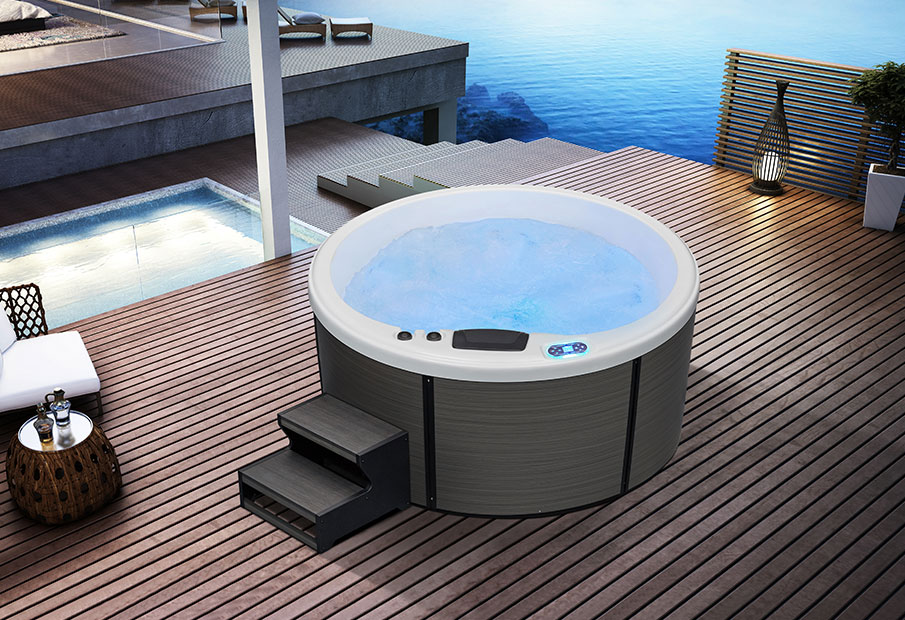
The Fspa BD-017 Hot Tub, accommodating up to 5 adults with spacious dimensions, features a reliable control system, powerful 1.5kW massage pump, 0.35kW filter pump, 3kW heater, 28 customizable water jets, LED lighting, an ozone sanitation system, and a total power of 4.85kW, offering ultimate relaxation and a luxurious soak for any occasion.
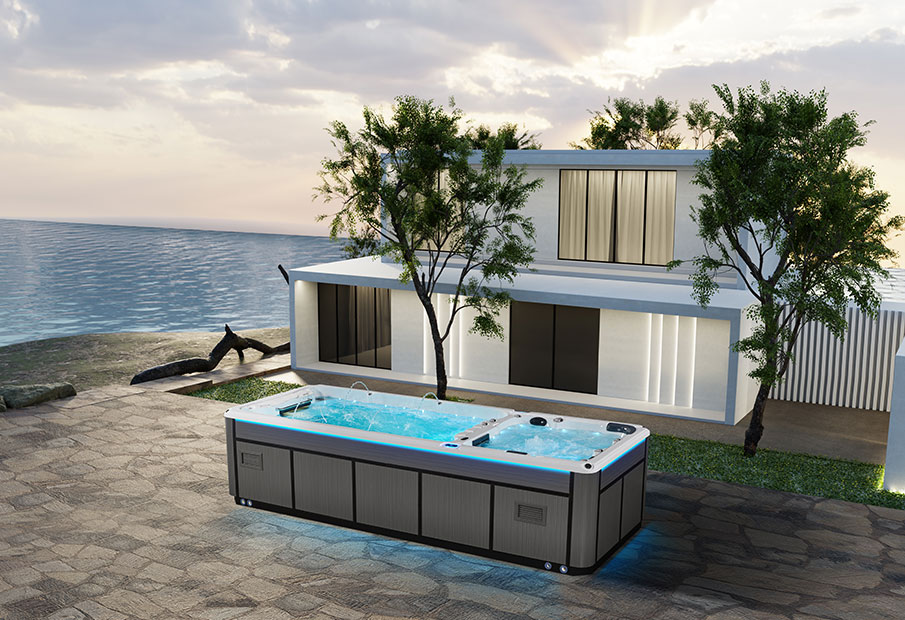
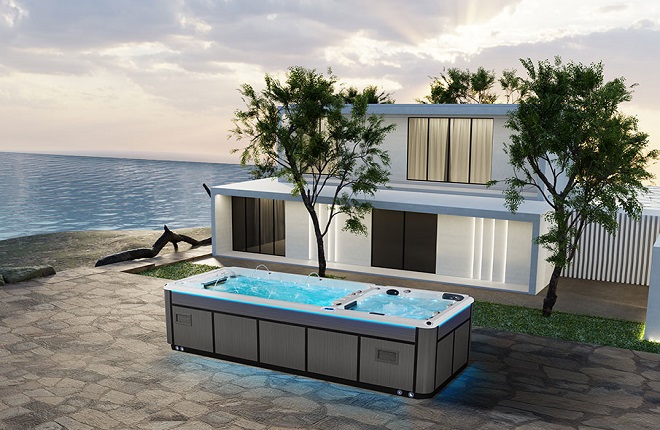
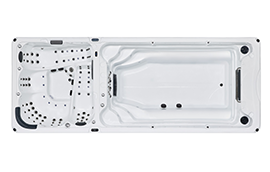
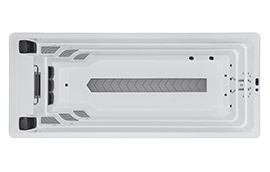
The Infinipool Fspa IP-007Pro is a versatile, luxurious hot tub and swim spa combo, featuring dual systems and customizable options for a complete spa and aquatic therapy experience.
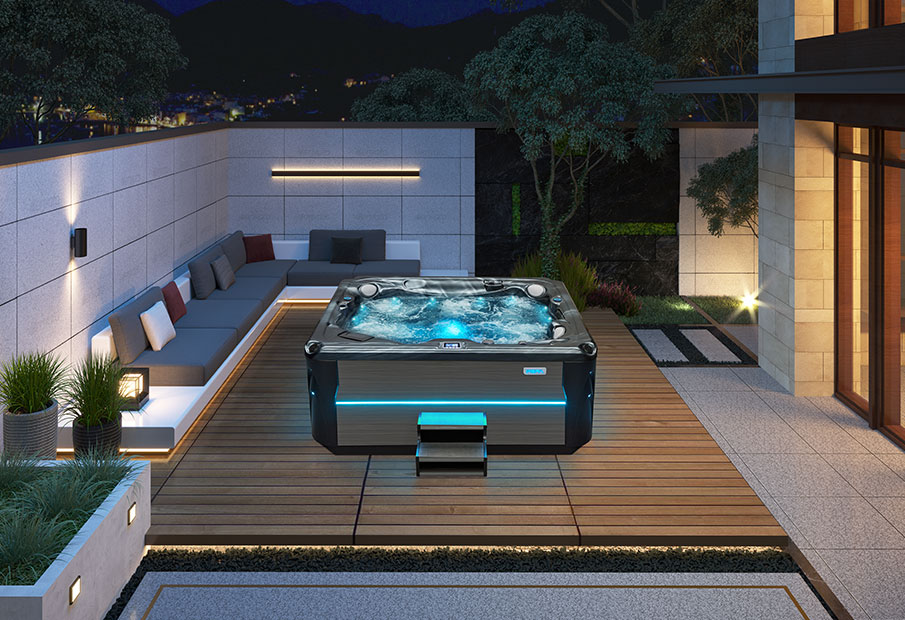
The Fspa BD-005Pro Hot Tub, accommodating up to 6 adults with a spacious 2530x2300x900mm design, boasts robust massage systems, pristine water clarity, an array of premium features, and efficient water sanitization, making it an ideal choice for both residential and commercial outdoor settings.
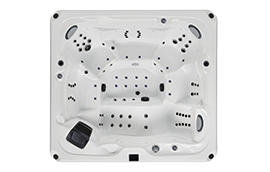
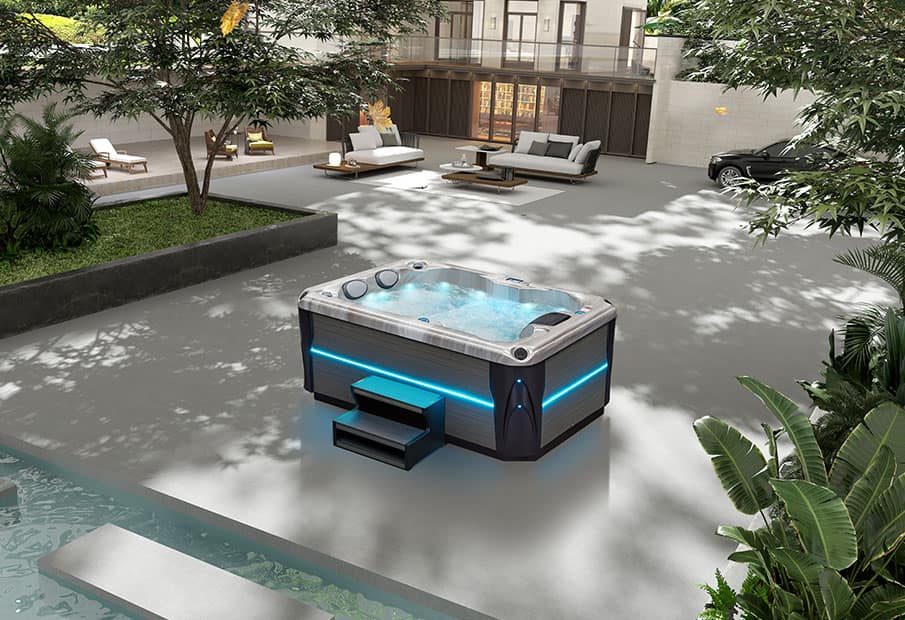
The Fspa BD-015Pro Hot Tub, designed for up to 4 adults, offers ultimate relaxation with its robust control system, invigorating massage features, consistent water temperature, modern amenities, advanced filtration, and suitability for indoor or outdoor use.
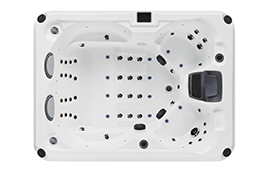
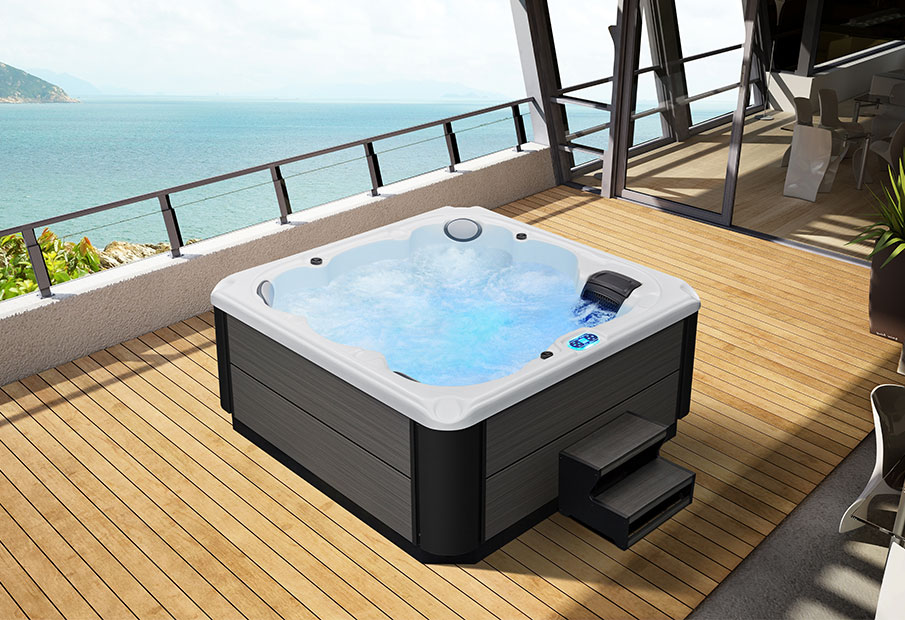
The Fspa BD-012 hot tub, designed for intimate relaxation, features a spacious size for 2 adults, powerful massage pump with 20 jets, temperature-controlled heater, energy-efficient filter pump, ambient LED lighting, and sanitized water with an ozone system, offering a private oasis for ultimate relaxation.
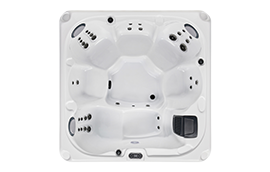
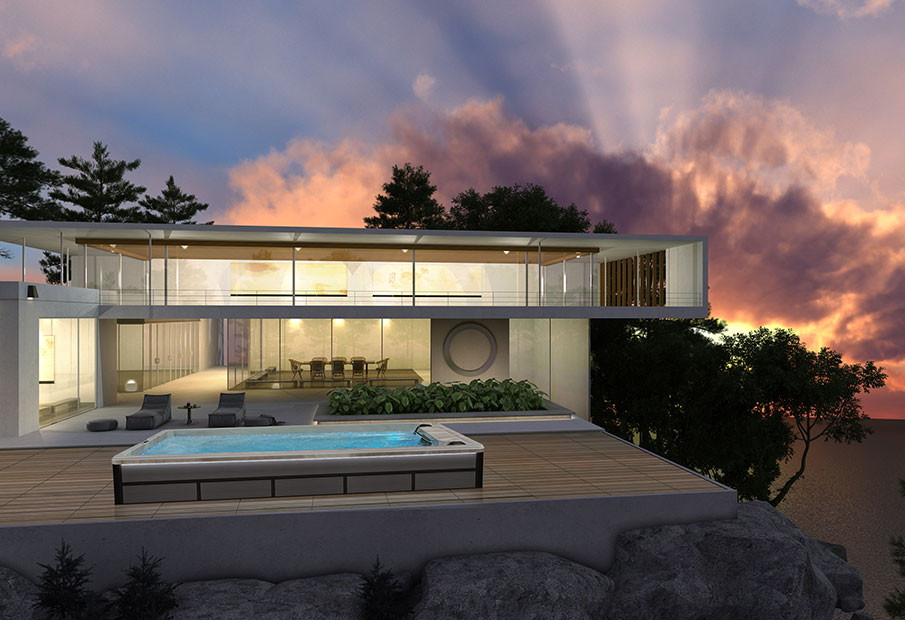
The Infinipool Fspa IP-002Pro is a luxurious and versatile hot tub, featuring a powerful filtration system, 28 massage jets, ozone sanitization, insulation, and optional accessories, designed to provide a soothing and rejuvenating experience in any outdoor space.
PRODUCTS
INQUIRY
Thank you for your message!Our Chinese New Year holiday from 7th Feb to 28th Feb. Apologise to make your inconvenience so that responses may be delayed during this period. We'll back to you with regular service on 2th March .Thank you for understanding.


