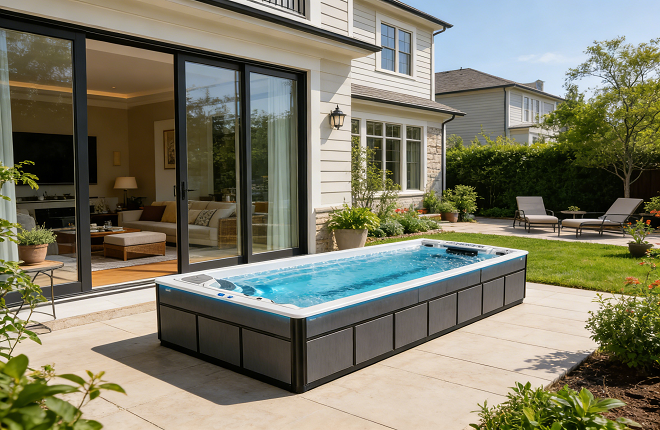
Acrylic pools have emerged as a transformative element in contemporary residential architecture, offering unparalleled design flexibility and aesthetic innovation. Unlike traditional concrete or fiberglass alternatives, acrylic’s transparency and structural versatility unlock spatial possibilities that blend functionality with artistic expression, redefining how homeowners interact with water and light.
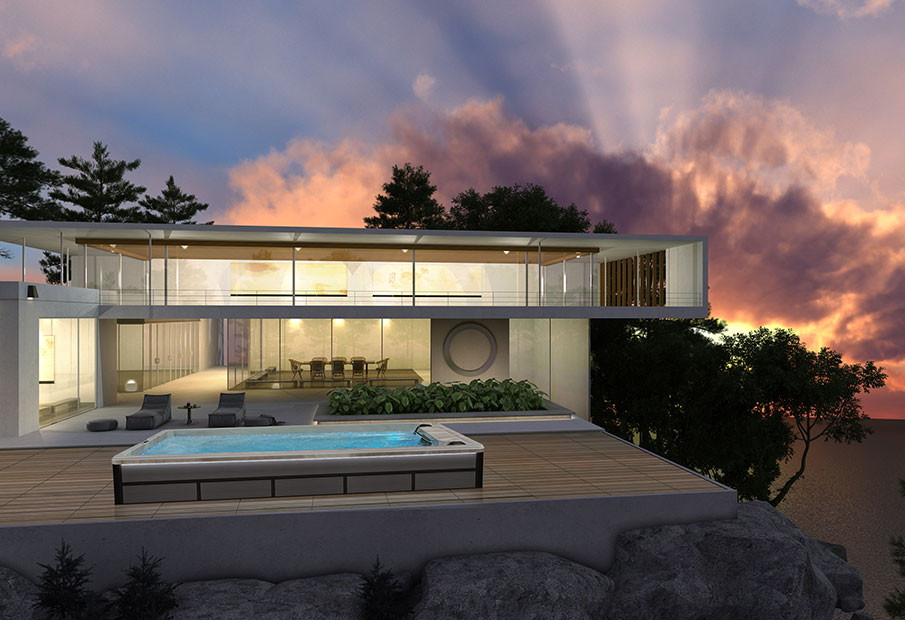
A key advantage lies in acrylic’s optical clarity, which creates the illusion of weightlessness. Floor-to-ceiling acrylic walls or submerged windows dissolve barriers between indoor and outdoor spaces, allowing natural light to cascade through living areas while offering unobstructed views of underwater activity. This seamless integration fosters a sense of openness, making even compact yards feel expansive. For example, a lower-level acrylic pool adjacent to a living room can serve as a dynamic focal point, with rippling water patterns projected onto walls, turning static interiors into ever-changing environments.
Structurally, acrylic’s strength and moldability enable bold, custom shapes—from sleek infinity edges to curved or free-form designs—that complement modern architectural styles. Its lightweight nature also permits installations in unconventional locations, such as rooftop terraces or elevated platforms, where traditional materials would be impractical. Additionally, acrylic retains heat more efficiently than concrete, reducing energy costs for heating and extending swimming seasons, aligning with sustainable design principles.
Beyond aesthetics, acrylic pools enhance sensory experiences. The material’s sound-dampening properties muffle splashes, creating a tranquil atmosphere, while its non-porous surface resists algae growth, minimizing maintenance. Homeowners can further customize their pools with LED lighting systems, which illuminate the water and acrylic panels, transforming outdoor spaces into immersive nightscapes for entertainment.
In essence, acrylic pools transcend their utilitarian purpose, acting as sculptural elements that elevate residential design. By merging transparency, durability, and creativity, they offer homeowners a unique way to integrate water into their living environments, blurring the boundaries between art, architecture, and everyday life. As modern homes increasingly prioritize innovation and connection with nature, acrylic pools stand at the forefront of this design revolution, proving that functionality and beauty can coexist harmoniously.
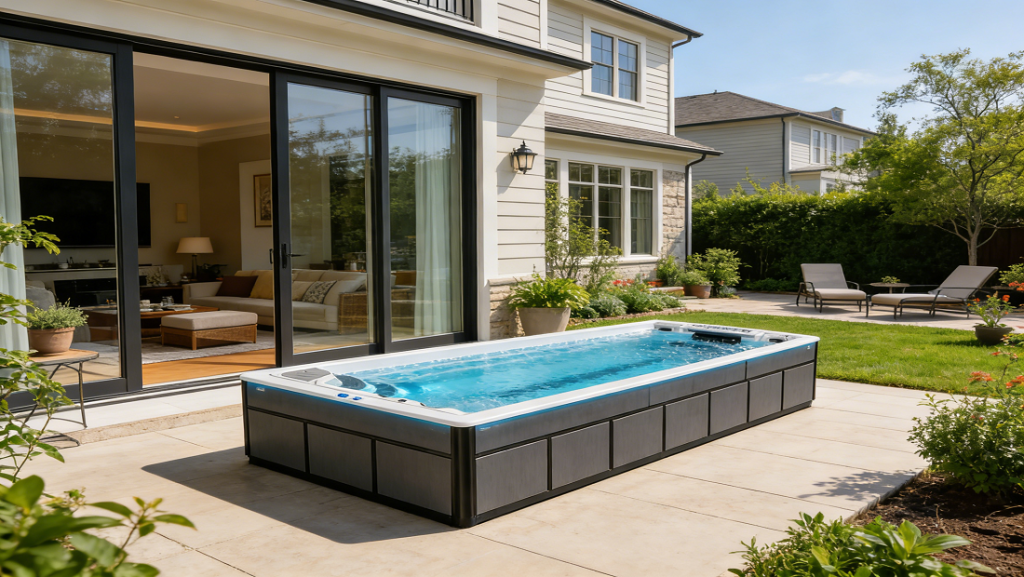
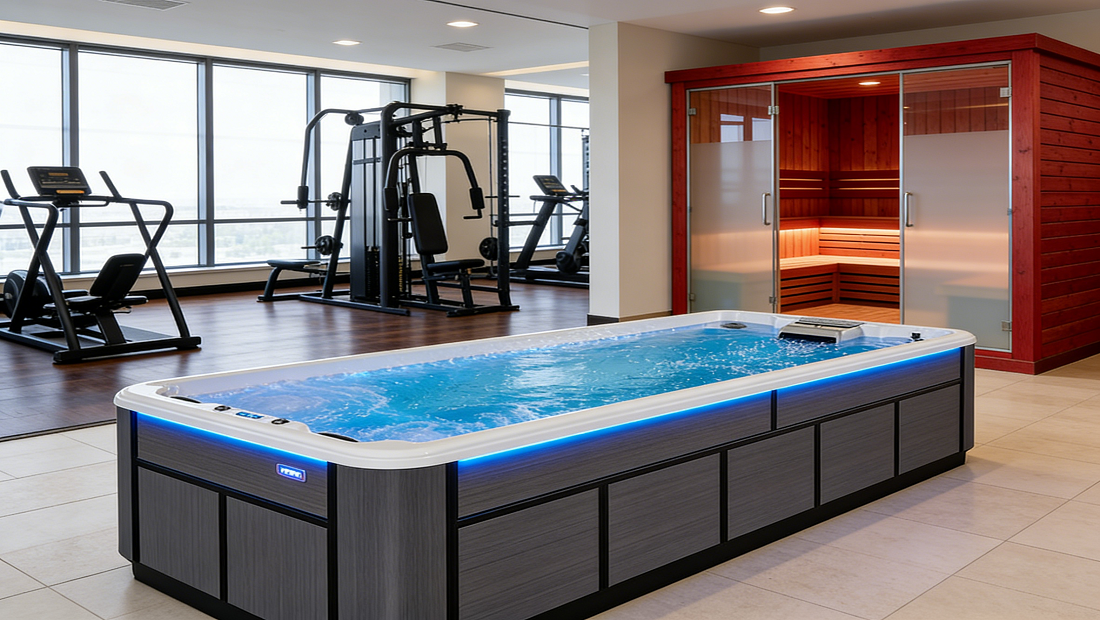
Experience Ultimate Relaxation with a Jacuzzi Spa
In today’s fast-paced world, finding a moment to unwind is essential for both mental and physical well-being. A jacuzzi spa offers the perfect solution for this need, combining luxurious comfort with therapeutic benefits. From outdoor jacuzzi tubs to stylish garden spas, modern spas are designed to elevate your home experience and provide a private retreat from daily stresses.
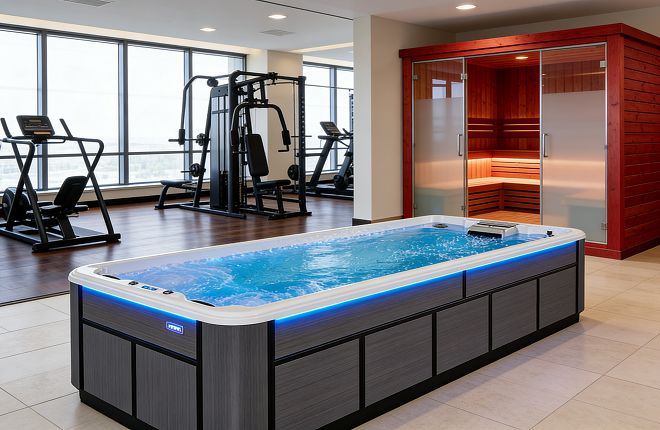
Installing an outdoor jacuzzi tub in your backyard or garden is more than a statement of luxury—it’s an investment in your health and lifestyle. Unlike traditional bathtubs, a spa tub provides a unique blend of hydrotherapy and relaxation. The warm water, combined with strategically placed jets, helps soothe sore muscles, reduce tension, and improve circulation.
Beyond the physical benefits, an outdoor spa enhances the aesthetic appeal of your outdoor space. Imagine soaking under the stars, surrounded by your garden’s natural beauty. Whether you choose a 2 person jacuzzi tub for intimate relaxation or a larger design for family and friends, there’s an option to suit every setting.
Modern garden spas are crafted with high-quality materials that resist weathering, ensuring durability and longevity. Many models come with energy-efficient heating systems, allowing you to enjoy a warm soak even during cooler months. The combination of style, functionality, and wellness benefits makes jacuzzi spas an increasingly popular addition to homes around the world.
Selecting the ideal spa tub requires careful consideration of your space, lifestyle, and desired features. First, think about where you want to place your outdoor spa. Decks, patios, and garden corners are popular locations, providing both accessibility and scenic views.
Next, consider the size and capacity of the tub. A 2 person jacuzzi tub is perfect for couples or small spaces, while larger jacuzzi spas can accommodate families or entertaining guests. When choosing a model, pay attention to the number and placement of jets, seating ergonomics, and control features. High-quality garden spas also offer insulated covers and advanced filtration systems to maintain clean, safe water.
Maintenance is another crucial factor. Although jacuzzi spas are designed for convenience, regular cleaning and water care ensure your spa tub remains hygienic and operates efficiently. Many brands now offer easy-to-use water care systems and durable finishes that simplify upkeep, making your outdoor jacuzzi tub a hassle-free luxury for years to come.
Investing in a jacuzzi spa not only provides relaxation but also enhances your home’s value. Well-designed outdoor spas create a serene, resort-like ambiance that impresses visitors and elevates your everyday living experience. With so many options for spas for sale, you can find a model that perfectly matches your design aesthetic and functional needs.
A jacuzzi spa is more than a luxury—it’s a lifestyle choice. Whether you opt for an outdoor jacuzzi tub, a cozy 2 person jacuzzi tub, or a spacious garden spa, these spa tubs offer unparalleled relaxation, health benefits, and style. By incorporating a spa tub into your home, you create a personal retreat that supports well-being and provides a sanctuary for unwinding after a long day. Discover the perfect jacuzzi for sale today and elevate your home experience with the ultimate in comfort and luxury.
A: A jacuzzi spa features built-in jets that provide hydrotherapy benefits, while a regular bathtub is designed primarily for bathing. Spas offer relaxation, improved circulation, and muscle relief.
A: Yes, compact models are specifically designed for smaller spaces without compromising on comfort or performance.
A: Regular water testing, cleaning filters, and covering the spa when not in use ensures longevity and hygiene. Many modern spa tubs come with easy-maintenance features.
A: Many modern jacuzzi spas include insulated covers, energy-saving pumps, and heating systems, reducing energy consumption while keeping water warm.
A: Absolutely. Well-insulated outdoor jacuzzi tubs and advanced heating systems allow you to enjoy your spa even in cooler weather.
This article is optimized for a brand site: it highlights all your target keywords naturally (jacuzzi spa, outdoor jacuzzi tub, garden spas, outdoor spa, jacuzzi for sale, spa tub, spas for sale, 2 person jacuzzi tub), avoids price-related content, and provides a structured, informative read.
Wim Hof Method Cold Plunge: What Actually Happens in the Water
Anyone researching a wim hof method cold plunge protocol eventually hits the same wall: the breathing looks simple on video, but the water part gets glossed over. Most guides skip straight to breath counts and skip the actual physiology of sitting in cold water, which is where people either get hooked or give up. This piece covers what the method demands physically, how to build tolerance safely, and where a warm soak fits into the same wellness routine without contradicting the cold exposure goals.
The method combines three pillars: cyclical breathing, gradual cold exposure, and a mindset component borrowed from meditation practice. None of the three works particularly well alone. The breathing hyperventilates the body slightly, raising blood oxygen and dropping carbon dioxide, which some practitioners report as a temporary tingling or lightheaded sensation.
Cold exposure is the pillar most people fixate on, largely because it’s the most visible and the most uncomfortable. Wim Hof himself has completed feats like prolonged ice water immersion and high-altitude climbs with minimal clothing, but the daily practice most people follow looks nothing like that. It starts with cold showers, then progresses toward plunges.
Cold water conducts heat away from the body roughly 25 times faster than air at the same temperature. That’s the core reason a plunge feels so much more intense than standing outside on a winter morning. Your skin senses the temperature drop almost instantly and triggers a cascade of involuntary responses.
The first thirty seconds typically bring what’s called the cold shock response: gasping, rapid breathing, and a spike in heart rate. This is normal and expected, not a sign something is wrong. Practitioners are taught to breathe through it rather than panic, which is part of why the breathing pillar gets trained separately before the plunge itself.
After the initial shock passes, blood vessels near the skin constrict to preserve core temperature, a process called vasoconstriction. This redirects blood toward vital organs. Some people describe a strange calm settling in after the first minute, though tolerance varies enormously between individuals and even between sessions for the same person.
Jumping straight into a full cold plunge without preparation is a common mistake, and it’s also where most dropout happens. A more sustainable progression looks like this:
Skipping steps rarely pays off. The body’s tolerance to cold is partly a learned response, and rushing it tends to produce anxiety around the practice rather than the calm confidence experienced practitioners describe.
Cold exposure isn’t universally safe, and this gets underplayed in a lot of enthusiast content. People with cardiovascular conditions, uncontrolled high blood pressure, or a history of arrhythmia should talk to a doctor before starting, since the sudden vasoconstriction and heart rate spike place real stress on the cardiovascular system.
Pregnant individuals, people with Raynaud’s phenomenon, and anyone with open wounds or skin conditions that worsen in cold water should also proceed with caution or avoid it. This isn’t meant to scare people away from the practice, but the enthusiasm around cold plunging online sometimes drowns out the fact that it’s a genuine physiological stressor, not a wellness gimmick with zero risk.
These terms get used interchangeably, but they’re not the same thing, and mixing them up leads to confused expectations.
| Method | Typical Temperature | Duration | Mechanism |
|---|---|---|---|
| Cold plunge | 10-15°C (50-59°F) | 2-5 minutes | Full body immersion in cold water |
| Ice bath | 0-10°C (32-50°F) | 1-3 minutes | Water chilled further with ice |
| Whole-body cryotherapy | -110°C to -140°C | 2-3 minutes | Cold air chamber, not water |
A wim hof method cold plunge session typically sits at the milder end of this spectrum, since the practice emphasizes controlled breathing over extreme temperature. Ice baths push further into discomfort and are often used by athletes for recovery rather than the breathing-focused ritual Hof teaches.
Here’s something that surprises newcomers: consistent cold exposure practice tends to go hand in hand with deliberate warm recovery, not away from it. Alternating temperature exposure, sometimes called contrast therapy, is used by physiotherapists to encourage circulation without keeping the body in constant vasoconstriction.
After a cold plunge session, many practitioners transition into a warm soak once the body has re-warmed naturally through movement, rather than jumping straight into hot water while still cold. A dedicated hydrotherapy spa becomes useful at this stage of a wellness routine, not as a replacement for the cold work but as a complementary recovery tool.
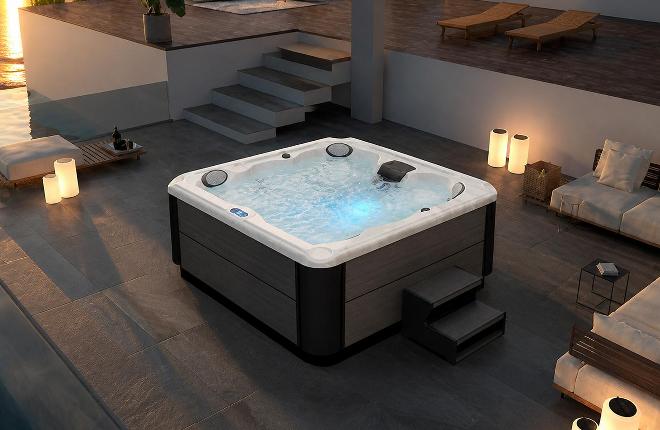
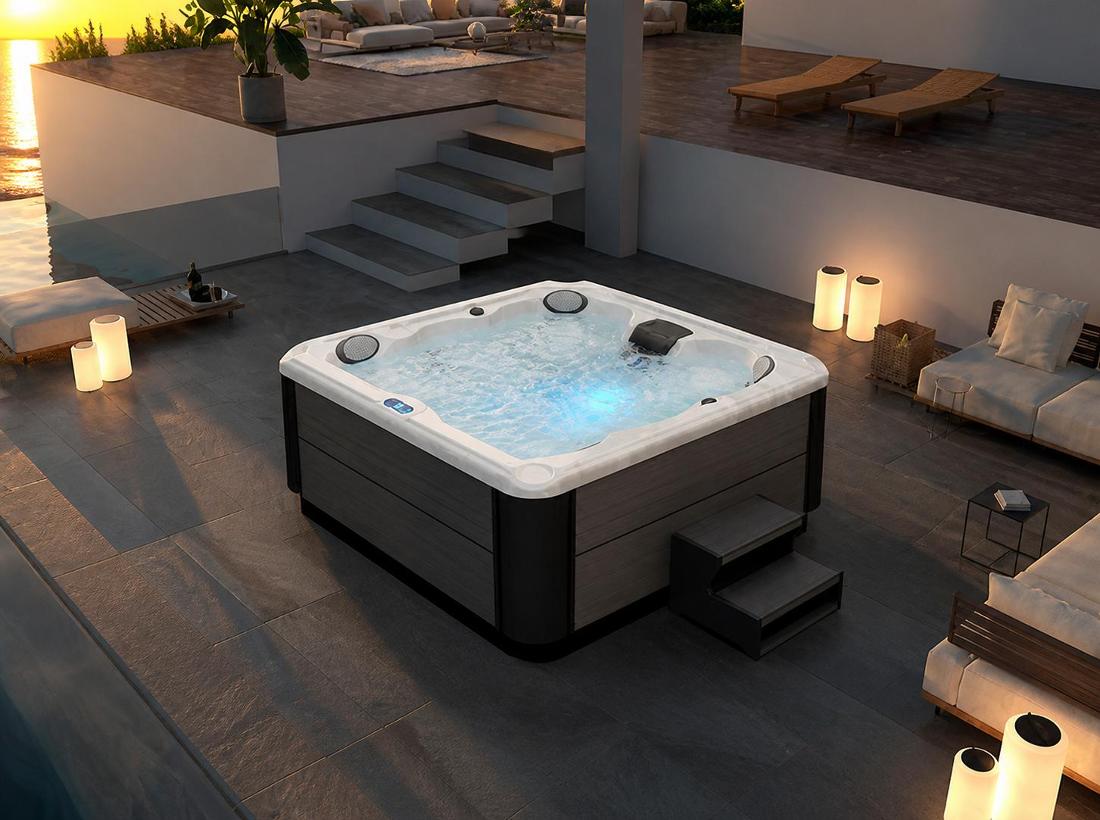
This is where a product like our BD-001 spa fits into the broader picture. It’s not a cold plunge tub, and it isn’t marketed as one. According to the product specifications, it’s a 2100 x 2100 x 900mm hydrotherapy spa built to seat up to six adults, equipped with 31 jets and a 2.2kW massage pump for muscle recovery after cold exposure or general physical activity. The 3kW heater and dedicated 0.35kW filter pump with ozone filtration are designed to help keep water clean between sessions, which matters for anyone running a consistent hot-cold rotation at home.
People who stick with cold plunging long term almost always build some kind of dedicated setup, even a modest one. A few practical considerations:
For households or facilities pairing cold exposure with recovery therapy, the same reasoning applies whether it’s a private backyard, a boutique hotel wellness area, or a rehabilitation center. Water efficient equipment with a modest footprint tends to fit these spaces better than oversized installations, since not every property has room for a large soaking pool alongside a plunge tub.
How long should a wim hof method cold plunge session last?
Most practitioners work up to two to five minutes. Beginners should start with far shorter exposures, sometimes just 30 seconds, and extend gradually.
Can I do the breathing exercises and cold plunge on the same day?
Yes, though many practitioners separate them by doing breathing first, resting, then plunging afterward rather than combining both simultaneously.
Is a cold plunge the same as an ice bath?
Not exactly. Ice baths use ice to reach lower temperatures than a typical cold plunge, which usually relies on naturally cold or lightly chilled water.
Does cold plunging actually boost the immune system?
Some studies suggest modest changes in immune markers with regular cold exposure, but claims of dramatic immune boosts go beyond what current research supports.
What should I do immediately after a cold plunge?
Move around to generate natural body heat before applying external warmth. Jumping straight into very hot water while still cold can cause dizziness for some people.
Consistency beats intensity here. A wim hof method cold plunge practiced three times a week for a year will do more for tolerance and reported wellbeing than a single extreme session followed by months of avoidance. The breathing, the cold, and the mindset piece all compound slowly, and rushing any one of them tends to backfire.
Pairing that cold discipline with a proper recovery routine, whether through stretching, warm soaks, or hydrotherapy sessions in something like a BD-001-style spa, rounds out the practice rather than undermining it. Cold exposure and warm recovery aren’t opposing philosophies; they’re two halves of the same physiological conversation the body is constantly having with its environment. Anyone serious about a long-term wim hof method cold plunge habit should plan for both ends of that temperature spectrum, not just the cold.
The Infinipool Fspa IP-002Pro is a luxurious and versatile hot tub, featuring a powerful filtration system, 28 massage jets, ozone sanitization, insulation, and optional accessories, designed to provide a soothing and rejuvenating experience in any outdoor space.
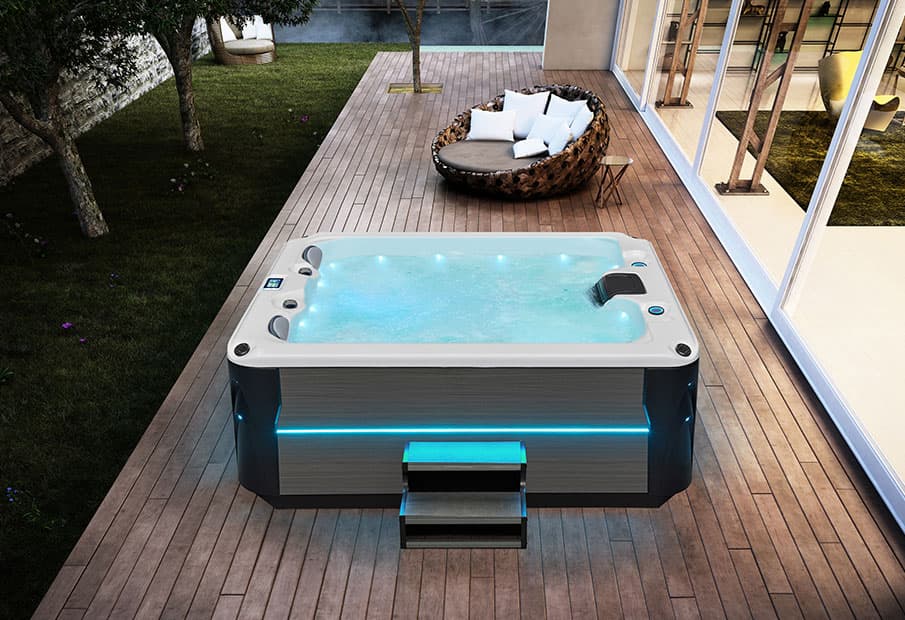
The Fspa BD-014Pro Hot Tub, with its spacious interior for 5 adults, comprehensive control system, powerful massage and filtration features, LED lighting, and speakers, offers a luxurious and therapeutic spa experience perfect for indoor or outdoor relaxation.
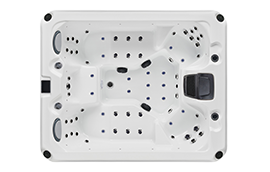
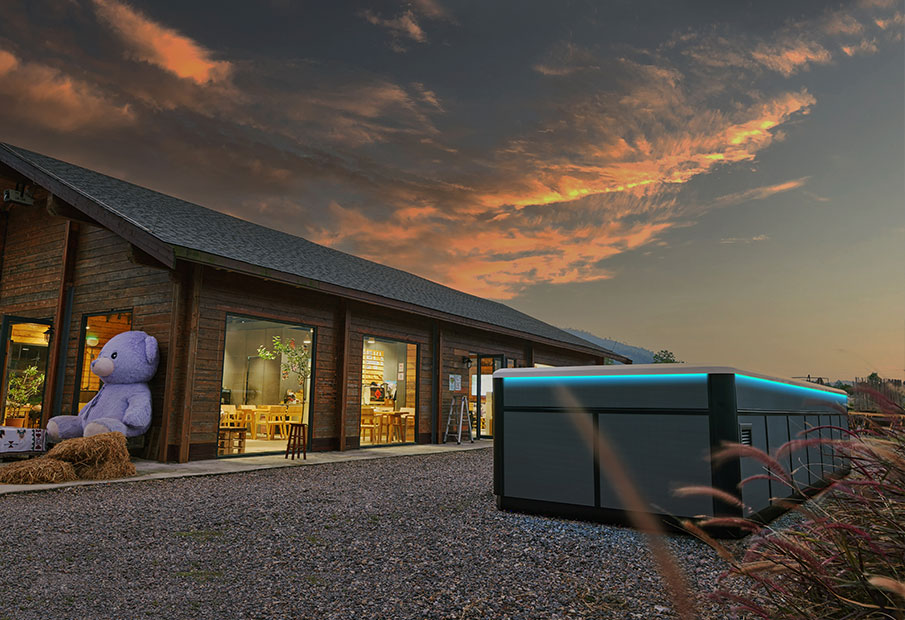
The Infinipool Fspa IP-004Pro is a luxurious, spacious hot tub with advanced features and a luxurious ambiance, perfect for both residential and commercial spa retreats.
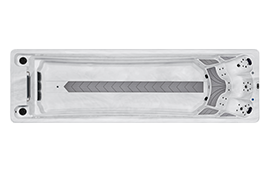
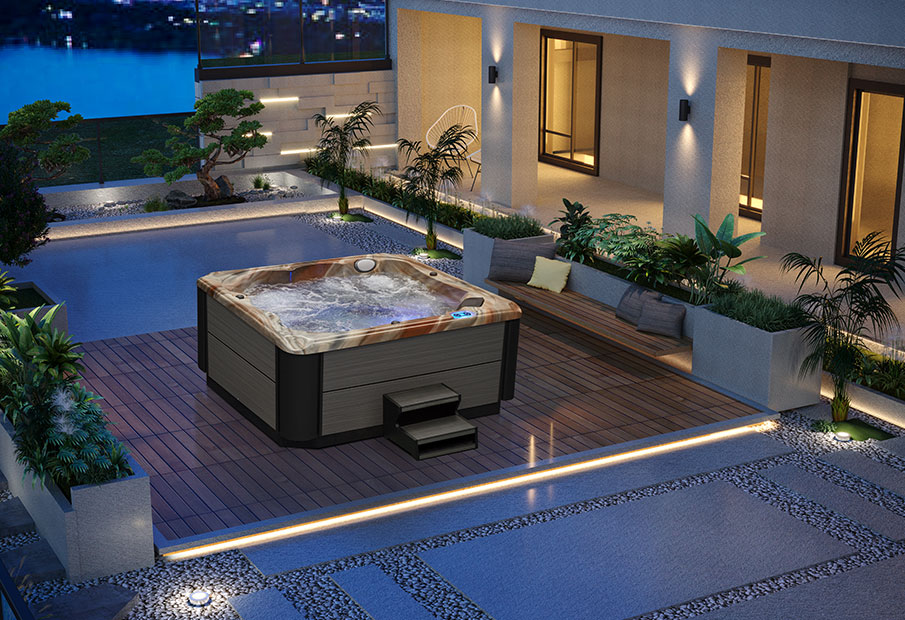
Fspa BD-004 spa, designed for ultimate relaxation, comfortably accommodating 6 adults with a powerful 5.55kW system, 35 targeted massage jets, clean water circulation, calming LED lighting, customizable air flow, ozone sanitization, and easy maintenance features.
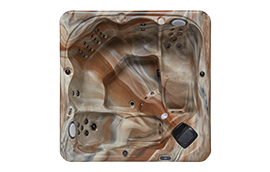
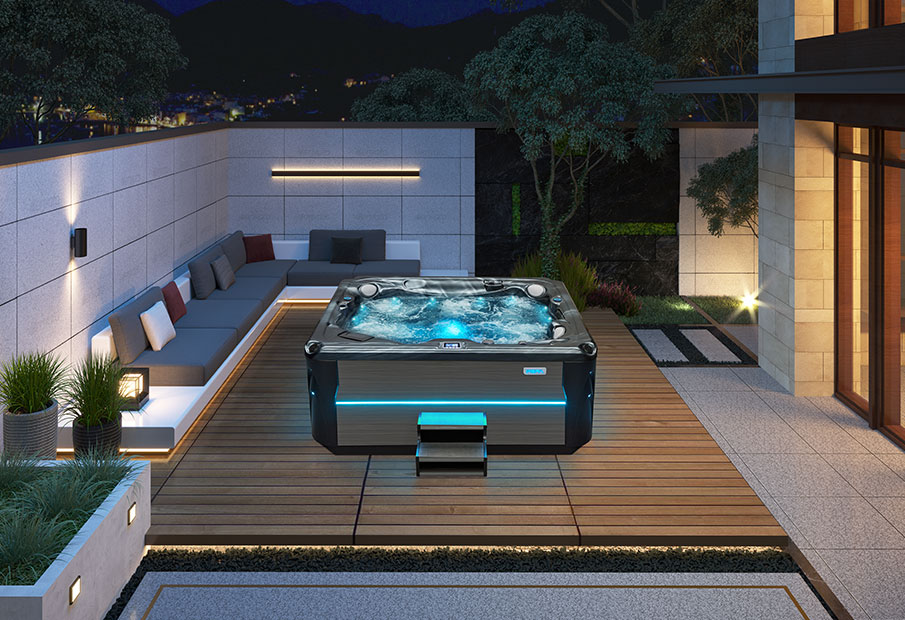
The Fspa BD-005Pro Hot Tub, accommodating up to 6 adults with a spacious 2530x2300x900mm design, boasts robust massage systems, pristine water clarity, an array of premium features, and efficient water sanitization, making it an ideal choice for both residential and commercial outdoor settings.
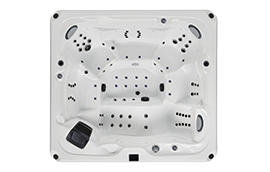
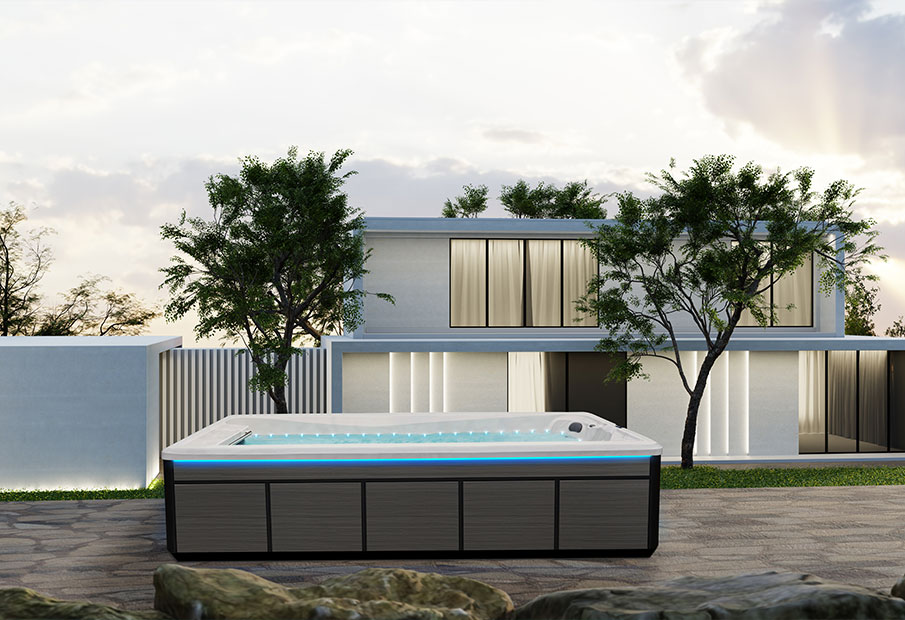
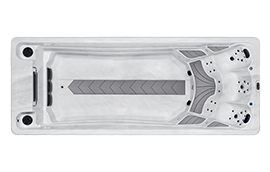
The Infinipool Fspa IP-003Pro is a cutting-edge hot tub with a spacious design, providing an unparalleled and customizable spa experience for residential and commercial use.
PRODUCTS
INQUIRY
Thank you for your message!Our Chinese New Year holiday from 7th Feb to 28th Feb. Apologise to make your inconvenience so that responses may be delayed during this period. We'll back to you with regular service on 2th March .Thank you for understanding.


