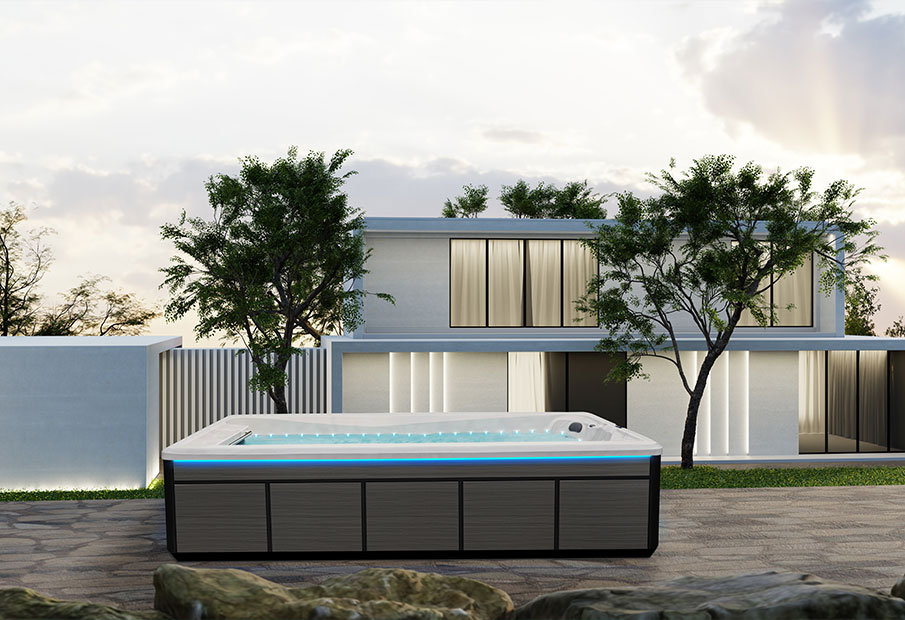
In today’s fast-paced world, creating a personal retreat at home is no longer a luxury—it’s a necessity. A well-designed backyard spa offers the perfect escape, combining relaxation, wellness, and aesthetic appeal. Whether you’re looking to unwind after a long day or entertain guests in style, investing in the right jacuzzi solution can completely transform your outdoor space. With expert insights from fspa, this guide will help you navigate the options and choose the ideal setup for your needs.
Selecting a reliable jacuzzi company is one of the most important steps in your buying journey. Not all providers offer the same level of quality, durability, and customer support. A reputable company ensures that your spa investment delivers long-term performance, safety, and satisfaction.
When browsing jacuzzi tubs for sale, it’s essential to look beyond just price. Consider factors such as material quality, jet system technology, energy efficiency, and warranty coverage. High-quality tubs often feature advanced hydrotherapy systems designed to target muscle tension and improve circulation. Additionally, durable construction materials like reinforced acrylic and stainless components can significantly extend the lifespan of your spa.
Working with an experienced jacuzzi company like fspa also means gaining access to professional installation services and after-sales support. This is particularly important for outdoor setups, where factors such as ground preparation, electrical connections, and water drainage must be handled correctly. Choosing the right supplier ensures that your backyard spa not only looks great but also functions flawlessly for years to come.
Another key consideration is customization. Many modern jacuzzi tubs for sale come with adjustable jet settings, LED lighting, and smart control systems. These features allow you to tailor your spa experience to your preferences, whether you want a gentle soak or an invigorating massage.
Not every homeowner has a large backyard, but that doesn’t mean you have to compromise on luxury. A small outdoor jacuzzi tub is an excellent solution for compact spaces, offering all the benefits of a full-sized spa in a more space-efficient design.
When searching for the best jacuzzi tub, it’s important to consider both functionality and size. Compact models are specifically designed to maximize comfort while minimizing footprint. A small outdoor spa tubs setup can fit perfectly on patios, balconies, or small garden areas, making it ideal for urban living.
Despite their smaller size, modern small outdoor jacuzzi tub options are packed with features. Many include multiple jet configurations, ergonomic seating, and energy-efficient heating systems. These tubs are designed to deliver a premium experience without requiring extensive space or high maintenance.
Another advantage of small outdoor spa tubs is their versatility. They can be easily integrated into various backyard designs, from minimalist layouts to more elaborate landscaping projects. Adding elements such as wooden decking, privacy screens, or ambient lighting can further enhance the overall atmosphere of your backyard spa.
Budget is also a key factor when selecting the best jacuzzi tub. While compact models are generally more affordable than larger units, prices can still vary depending on features and brand reputation. fspa recommends focusing on value rather than just cost—investing in a high-quality tub ensures better performance, lower maintenance, and a longer lifespan.
Energy efficiency is another important consideration. Smaller tubs typically consume less water and electricity, making them a more sustainable choice. This is especially beneficial for homeowners who plan to use their spa regularly.
Creating your dream backyard spa is an achievable goal with the right planning and guidance. By choosing a trusted jacuzzi company, exploring high-quality jacuzzi tubs for sale, and selecting the best jacuzzi tub for your space, you can enjoy a luxurious and relaxing environment right at home.
For those with limited outdoor space, a small outdoor jacuzzi tub or small outdoor spa tubs offers the perfect balance of comfort and practicality. With expert support from fspa, you can design a spa experience that enhances your lifestyle, boosts property value, and provides lasting enjoyment for years to come.
When choosing a jacuzzi company, consider their reputation, product quality, warranty, and customer support. A reliable company like fspa ensures professional service and long-term satisfaction.
You can find jacuzzi tubs for sale through authorized dealers, online platforms, and specialized spa retailers. It’s important to verify product specifications and reviews before purchasing.
The best jacuzzi tub combines durability, advanced jet systems, energy efficiency, and user-friendly features. It should also match your space and personal preferences.
Yes, a small outdoor jacuzzi tub is perfect for limited spaces while still offering a relaxing spa experience. It’s also more energy-efficient and easier to maintain.
Small outdoor spa tubs maximize space efficiency and can be easily integrated into different designs, making them ideal for creating a stylish and functional backyard spa.
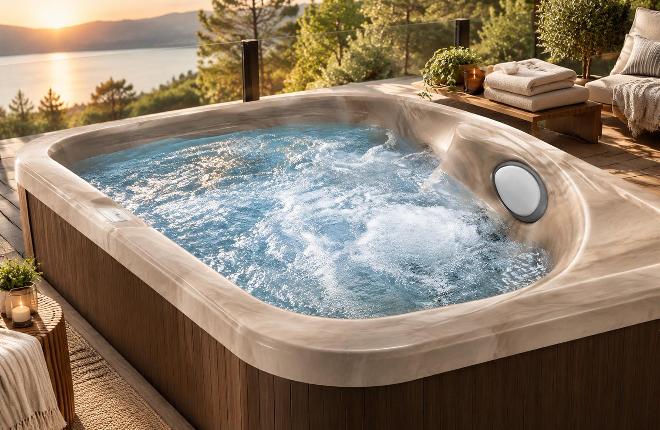
Finding the Right Heated Swim Spa for Year-Round Water Therapy
A heated swim spa sits in an odd spot between a hot tub and a swimming pool, and that in-between status is exactly why so many buyers get stuck comparing options. Some homeowners want laps, others want jets against a sore shoulder, and a lot of them want both without building two separate structures in the yard. Understanding what a heated swim spa actually does, and how it differs from a standard hot tub, makes the shopping process far less confusing.
The core difference comes down to purpose. A hot tub is built almost entirely around seated hydrotherapy, while a swim spa adds a longer footprint meant for movement, even if that movement is just a few feet against a current. Heated units close the gap further by keeping water at a therapeutic temperature so muscles loosen up before or after any activity.
That said, not every product marketed as a swim spa is built for serious swimming. Many are closer to an oversized hot tub with extra seating and multiple massage zones, which suits people who want relaxation more than exercise. The BD-004, a 6-person portable unit from our lineup, falls into this category. It measures 2350 x 2350 x 900mm, which is roomy for group soaking but not intended for lap swimming.
Heat is not a luxury add-on in these products, it is the mechanism that makes hydrotherapy work. Warm water dilates blood vessels, which improves circulation and helps flush out the metabolic waste that builds up in tired muscles after physical activity or a long day of standing.
Consistent heating also affects comfort in ways people do not expect. Water that drops even a few degrees below the intended range feels noticeably less soothing, especially on the lower back and shoulders. This is why heater capacity should never be an afterthought when comparing units. According to the product specifications, the BD-004 uses a 3kW heater as part of its 5.55kW total power draw, a configuration meant to hold temperature steady even while jets are running.
Jet count gets thrown around as a marketing number, but distribution matters more than raw quantity. A tub with jets clustered only around the shoulders leaves calves and lower back without any targeted relief. The BD-004 spreads 35 jets across six seating positions, aiming to cover a wider range of muscle groups rather than concentrating pressure in one zone.
According to the product specifications, the unit runs a 2.2kW massage pump alongside a separate 0.35kW filter pump. Splitting these functions means the filtration system can keep running at a lower, steadier power draw without being tied to the more demanding massage cycle. That separation is common in multi-person spas because it keeps water clarity consistent even when the jets are switched off.
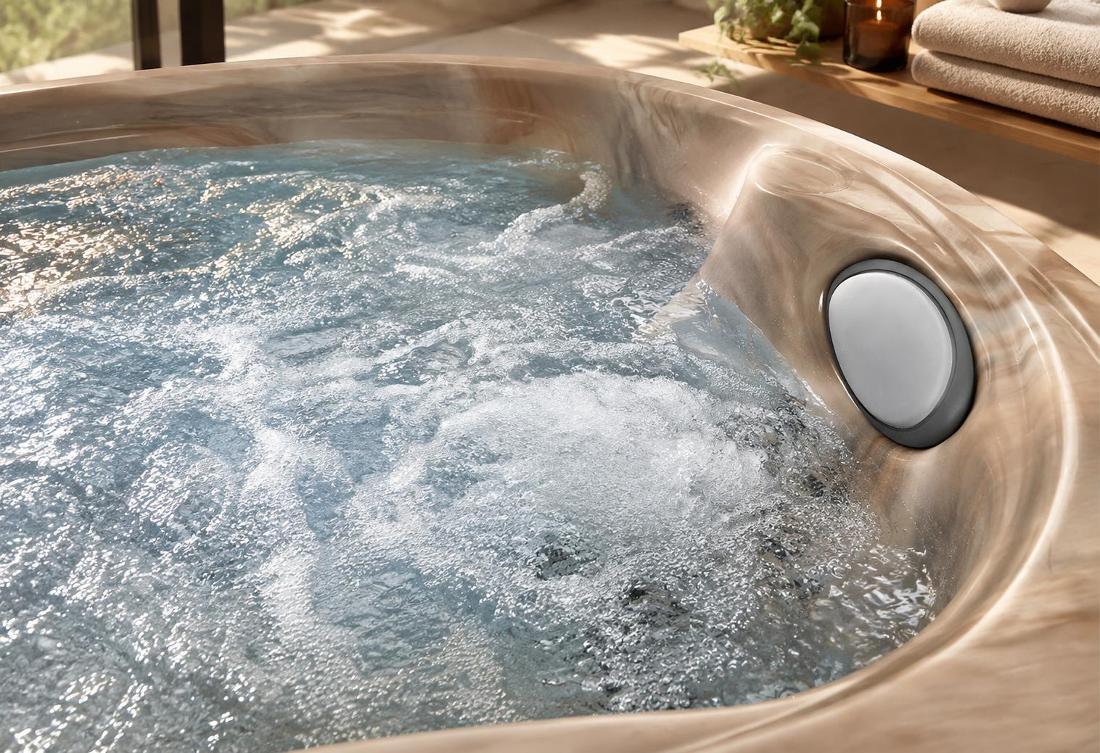
Seating shape is easy to overlook in photos, but it decides whether a 45-minute soak feels restorative or just uncomfortable. Contoured seats that follow the spine’s natural curve reduce strain on the lower back, particularly for anyone who spends the session upright rather than reclined.
The BD-004’s seating is designed around this idea, with backrests shaped to match the body rather than a flat, generic mold. One corner seat includes a headrest with a honeycomb-textured grill, positioned near multiple jets for neck and shoulder focus. Pillow-style headrests, listed among the unit’s features as part of its wave propulsion system, add support for the neck during longer sessions, which matters most for people using the spa for recovery rather than casual soaking.
Chemical upkeep is the single biggest reason people abandon spa ownership within the first year. Manual dosing, testing strips, and constantly adjusting pH levels turn a relaxation product into a chore. This is where integrated ozone sanitization earns its place in a buyer’s checklist.
Ozone systems work by oxidizing contaminants in the water, which reduces how often chlorine or bromine needs to be added by hand. The BD-004 includes this as a built-in feature, aimed at cutting down the manual maintenance load without eliminating water care entirely. Owners still need to monitor water chemistry, just less frequently and with smaller margin for error.
LED lighting inside a spa often gets dismissed as a cosmetic feature, but there is a reasonable case for its role in relaxation. Dim, colored lighting lowers visual stimulation, which can help the body shift into a more restful state before sleep. The BD-004 places blue LED lighting at the bottom of the shell, described in its product materials as part of a biomagnetic therapy system intended to support a calmer atmosphere during use. That specific therapeutic mechanism is a manufacturer claim rather than an independently verified medical effect, though the ambient lighting itself is a straightforward, well-understood comfort feature.
| Specification | BD-004 Detail |
|---|---|
| Capacity | 6 Adults |
| Dimensions | 2350 x 2350 x 900mm |
| Total Power | 5.55kW |
| Massage Pump | 2.2kW x 1pc |
| Filter Pump | 0.35kW x 1pc |
| Heater | 3kW x 1pc |
| Jet Count | 35 |
| Water Capacity | 1450L |
| Net Weight | 317Kg |
| Certifications | CE, CTUVus, CB, SAA |
This kind of table is useful precisely because heated swim spa shopping tends to involve comparing several nearly identical-sounding products. Numbers cut through vague marketing language faster than paragraphs do.
Application context changes what "the right spa" even means. A hotel gym installing a unit for guest recovery has different priorities than a homeowner putting one on a backyard deck. Based on how the BD-004 is positioned, three settings come up most often.
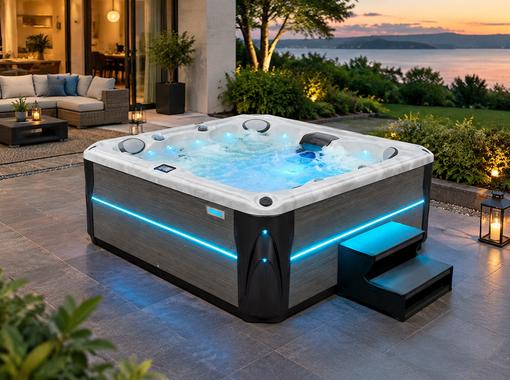
Each setting shares one requirement though: reliable heating performance, since a spa that runs lukewarm defeats the purpose regardless of where it sits.
Buyers comparing multiple heated swim spa options should work through a short mental checklist rather than getting pulled in by whichever unit has the highest jet count.
None of these factors work in isolation. A spa with a strong heater but poor jet placement still leaves users unsatisfied, and one with great ergonomics but weak sanitization becomes a maintenance burden within months.
Is a heated swim spa the same as a swim-only pool with a heater added?
Not exactly. Most heated swim spas, including compact models like the BD-004, are built primarily for hydrotherapy and soaking rather than continuous lap swimming, even though the term "swim spa" gets applied broadly across the market.
Does more jets always mean better therapy?
Not necessarily. Jet placement across different muscle groups matters more than the raw count, since concentrated jets in one area do little for muscles elsewhere on the body.
How much maintenance does ozone sanitization actually eliminate?
It reduces the frequency of manual chemical dosing but does not remove the need for water testing entirely. Ozone systems oxidize contaminants continuously, which lightens the workload rather than removing it.
Can a portable heated swim spa be installed indoors?
Many compact units are suited for both indoor and outdoor placement, though electrical and drainage requirements should be checked against local building codes before installation.
Choosing a heated swim spa comes down to matching the unit’s actual design intent with the buyer’s real use case, not chasing the biggest spec sheet. A 6-person unit built for hydrotherapy, like the BD-004, suits villas, hospitality settings, and recovery-focused households far better than someone hoping for a lap-swimming pool substitute. For us, the goal has been supplying units where heater capacity, jet distribution, and sanitization actually align with how people use the product day to day, rather than treating each feature as a separate selling point. Anyone comparing options should treat the spec sheet as a starting point, then weigh it against where the spa will sit, who will use it, and how much maintenance they are realistically willing to do. That combination, more than any single feature, determines whether a heated swim spa becomes a daily habit or an expensive deck ornament.
The Best Way to Cold Plunge Without Wrecking Your Routine
Cold plunging has moved from niche athletic recovery tool to something people do before work, after a workout, or just to feel awake. But the best way to cold plunge isn’t about gritting your teeth through freezing water for as long as possible. It’s about timing, temperature, and consistency, paired with a setup that actually fits your daily life.
Most people who quit cold plunging don’t quit because it doesn’t work. They quit because their routine is inconvenient, their tub is a hassle to maintain, or the water never feels quite right. Getting the method correct matters just as much as getting the equipment correct.
Cold water immersion triggers a rapid vasoconstriction response. Blood vessels near the skin narrow, blood shifts toward your core, and your nervous system gets a jolt of norepinephrine. That’s the alertness spike people chase in the morning.
There’s also a documented reduction in perceived muscle soreness after intense exercise, which is why many athletes use cold immersion post-training. The effect is short-term and symptomatic rather than a change in tissue damage itself, so it’s best understood as a recovery aid, not a cure.
None of this requires ice-cold extremes. Water between 50°F and 59°F (10°C to 15°C) is enough to produce these responses for most people. Colder isn’t automatically better, and pushing temperature too low increases the risk of an uncomfortable, even dangerous, shock response.
A common mistake is treating cold plunging like an endurance contest. Longer isn’t the goal. Most physiological benefits show up within the first two to three minutes of immersion.
Frequency matters more than duration. Three to four sessions a week tend to produce more consistent results than one long session followed by days off.
The best time to cold plunge depends on what you want from it. Morning sessions lean into the alertness spike, giving you a natural jolt without caffeine. Post-workout sessions target soreness and the psychological reset after hard training.
Evening cold plunging is less common and, for some people, counterproductive. The adrenaline response can interfere with winding down for sleep, so if you’re sensitive to stimulation at night, it’s worth testing carefully before making it a habit.
Not everyone needs a dedicated cold plunge tub. Some people use a bathtub filled with ice, others invest in a chiller-equipped plunge pool, and some use a multi-temperature spa that can run cold when needed.
| Option | Setup Effort | Temperature Control | Best For |
|---|---|---|---|
| Ice bath in a tub | High (daily ice needed) | Poor, drifts warm quickly | Occasional use, low budget |
| Dedicated chiller plunge tub | Low after install | Precise, consistent | Frequent, daily users |
| Multi-function spa pool | Low after install | Depends on heater/chiller range | Households wanting both hot and cold therapy |
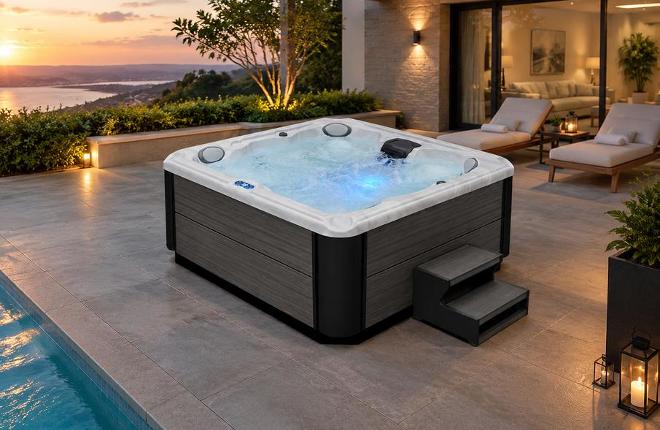
For people who already use a hot tub for hydrotherapy and muscle recovery, alternating between heat and cold in the same space is often more practical than owning two separate units. A spa like the Fspa BD-001, for instance, is built around a 3kW heater and a 31-jet hydrotherapy system rather than dedicated chilling, according to its product specifications, which makes it better suited to contrast therapy routines where a plunge pool or ice bath handles the cold side and the spa handles heat and massage recovery afterward.
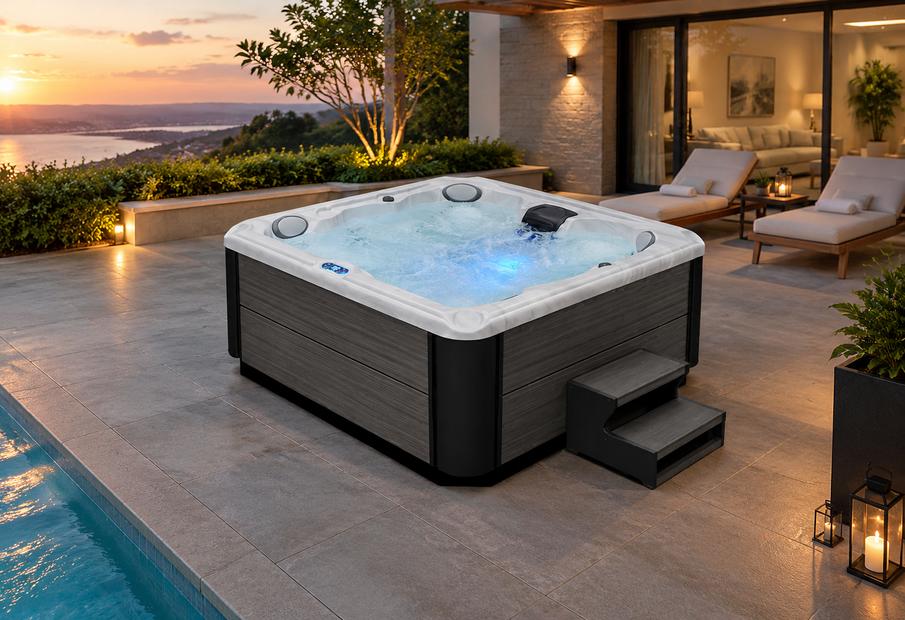
Contrast therapy, alternating hot and cold, is one of the more grounded approaches for people who want recovery benefits without living in an ice bath. The heat dilates blood vessels, the cold constricts them, and the switching itself is thought to support circulation more than either temperature alone.
A simple contrast sequence looks like this:
This is where a hydrotherapy-focused spa earns its place in a recovery setup. According to its product specifications, the BD-001’s 2.2kW massage pump drives water through 31 jets positioned around the seating area, targeting the back and shoulders after a cold session when muscles are tight and circulation is still catching up.
If you’re building a cold plunge routine at home rather than relying on a gym or recovery studio, a few practical factors decide whether you’ll actually stick with it.
Products designed primarily for hot water therapy, like the BD-001 with its four integrated pillows and ergonomic seating for six adults, aren’t marketed as cold plunge tubs. But the seating comfort and filtration standards found in a well-built spa (in this case, certified to CE, CTUVus, CB, and SAA standards according to the manufacturer) reflect the same engineering priorities that matter in any water-based therapy setup, hot or cold.
Cold plunging is simple in concept, but a few habits quietly cancel out the benefits people are chasing.
Going too cold too fast. Jumping straight into 39°F water without building tolerance often triggers hyperventilation and panic responses rather than calm alertness. Gradual exposure over weeks works better than forcing it.
Skipping the breathing. Cold shock triggers a gasp reflex. Practicing slow, controlled exhales before and during immersion reduces the panic response significantly, and it’s often the difference between dreading a plunge and actually looking forward to it.
Inconsistent scheduling. Sporadic plunging, once one week and skipped for the next three, doesn’t build the tolerance or habit strength that makes cold exposure feel manageable. Regularity matters more than intensity.
Ignoring water hygiene. Standing cold water without proper filtration becomes a bacterial concern fast. This is one area where investing in equipment with dependable filtration, ozone treatment, or regular water testing pays off.
Is colder water always better for cold plunging?
No. Water in the 50°F to 59°F range produces most of the documented physiological responses. Going colder increases risk without adding proportional benefit for most users.
Can I cold plunge every day?
Many people do, typically for 1 to 3 minutes. The key is listening to your body and easing off if you notice prolonged fatigue, sleep disruption, or skin irritation.
Do I need a separate cold plunge tub if I already own a hot tub?
Not necessarily. Some households use ice baths or portable chillers alongside an existing spa, running the two in sequence for contrast therapy rather than buying a dedicated multi-temperature unit.
Is cold plunging safe for everyone?
People with cardiovascular conditions, Raynaud’s syndrome, or certain nerve disorders should check with a doctor first, since the vasoconstriction response can pose real risks for those groups.
Finding the best way to cold plunge really comes down to matching temperature, duration, and frequency to your own tolerance, rather than copying an extreme routine built for someone else. Whether you’re using a plain ice bath, a dedicated chiller tub, or pairing it with a heated spa like the BD-001 for contrast therapy, the goal stays the same: build a routine you’ll actually repeat, because consistency is what turns cold plunging from a shock into an actual recovery habit.
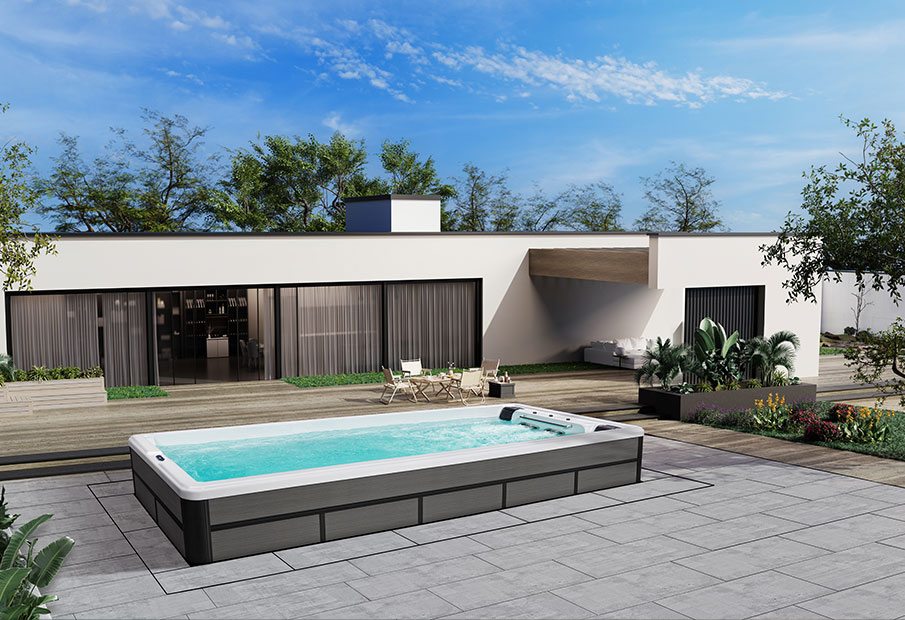
The Infinipool Fspa IP-002 offers a premium swimming experience ideal for residential and commercial use.
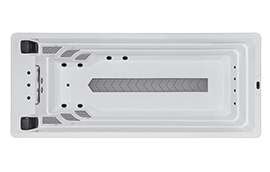
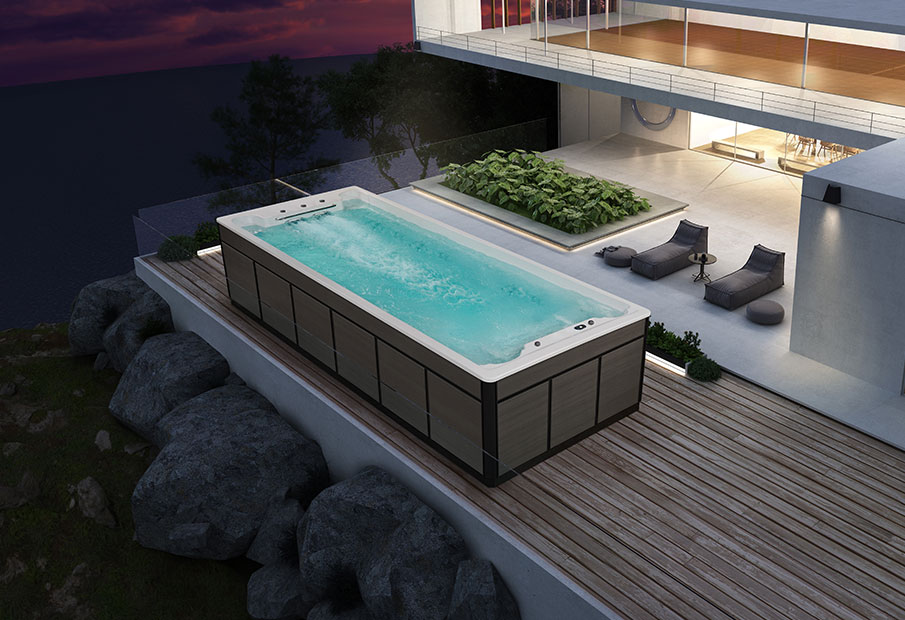
The Infinipool Fspa IP-005, a luxurious 7000mm x 3000mm x 1470mm pool with advanced filtration, multiple jet systems, and optional accessories.
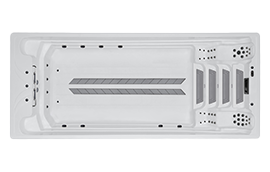
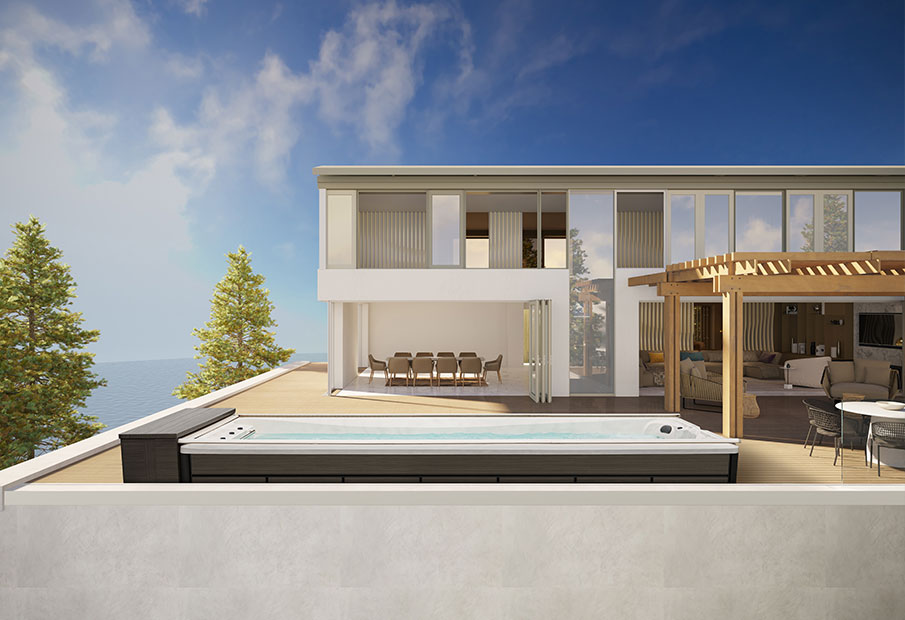
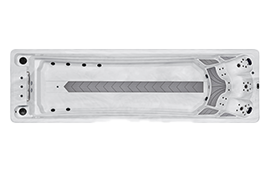
The Infinipool Fspa IP-004 is a luxurious, spacious, and technologically advanced swimming pool.
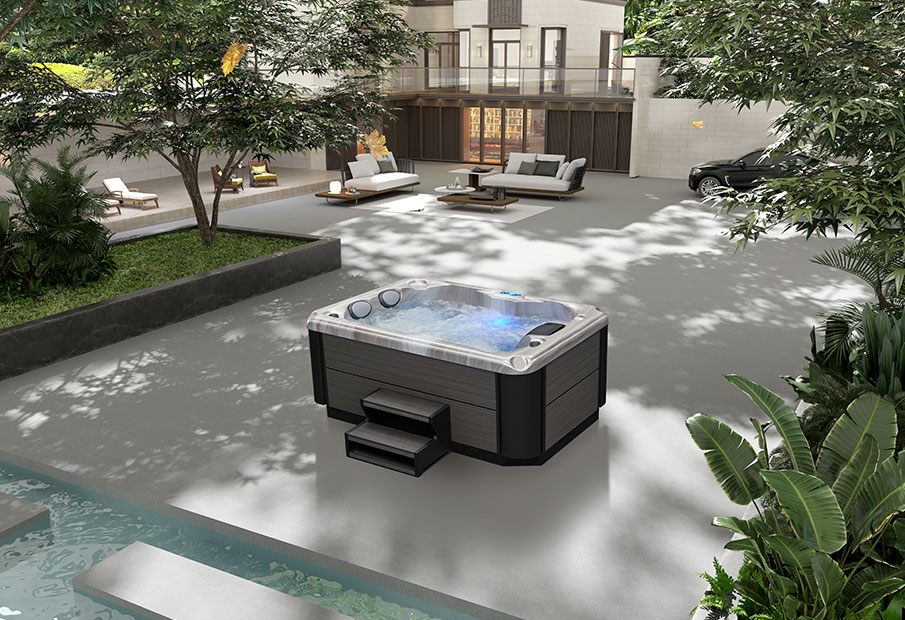
The Fspa BD-015 hot tub, with spacious dimensions for 6 adults, a powerful 2.2kW massage pump, 35 strategic jets, a 3kW heater, serene LED lighting, and a total power of 5.5kW, offers the ultimate experience in relaxation and well-being.
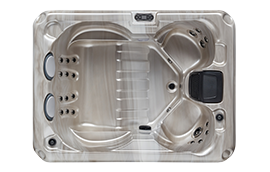
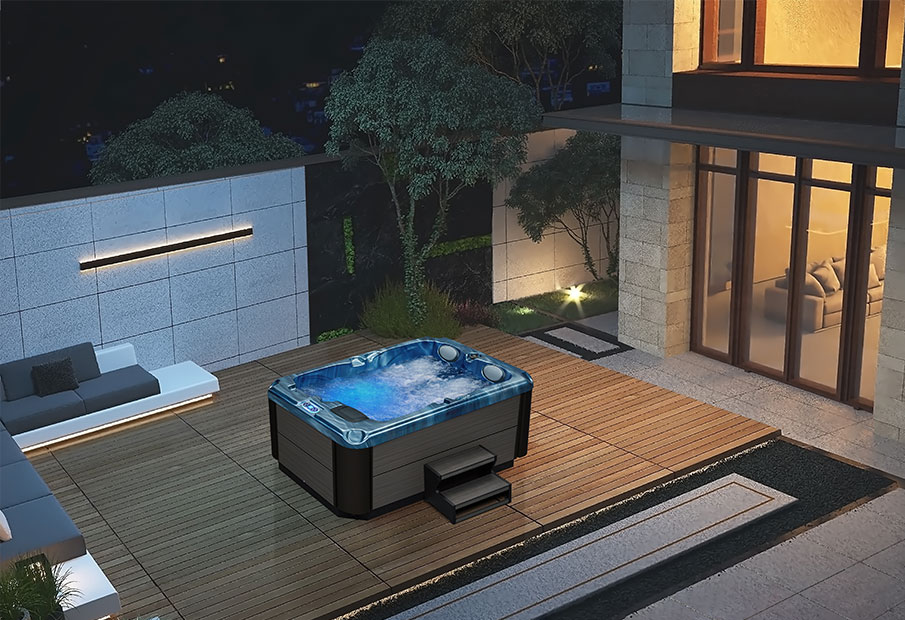
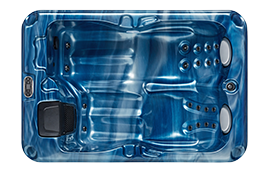
The Fspa BD-011 hot tub, designed for luxurious relaxation, offers a spacious interior for 6 adults, powerful pumps and heater, strategic jet placement, soothing LED lighting, adjustable features, and easy maintenance, making it the ultimate choice for both residential and commercial use.
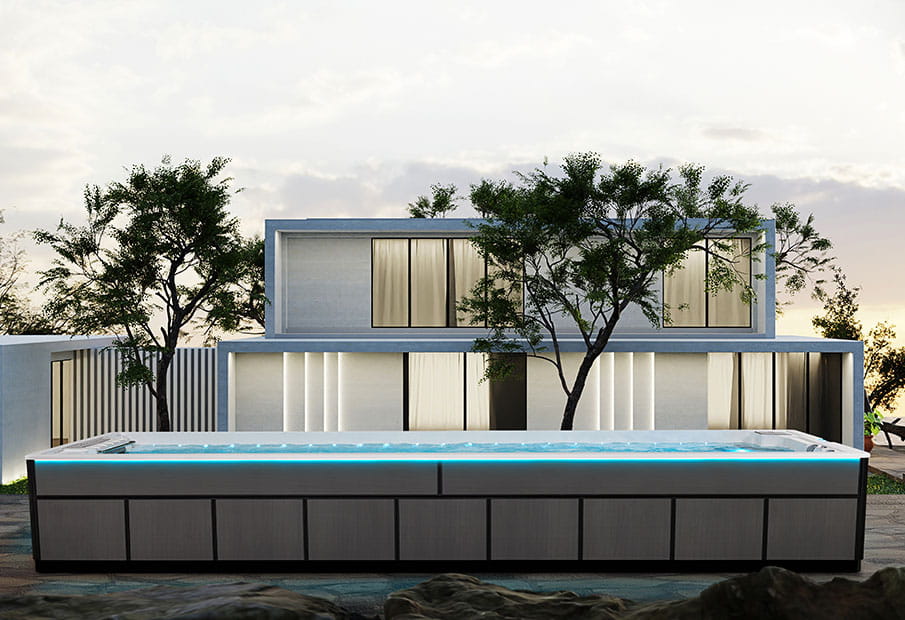
This product is a comprehensive and advanced swimming pool system, equipped with a range of features including a 9950mm x 3000mm x 1430mm size, a powerful Infinipool swimming system of 11kW, multiple water pumps, heaters, filters, and jets for a superior swimming and therapeutic experience, totaling 16.95kW in power, with optional enhancements like energy-saving covers and a 10Hp heat pump available.
PRODUCTS
INQUIRY
Thank you for your message!Our Chinese New Year holiday from 7th Feb to 28th Feb. Apologise to make your inconvenience so that responses may be delayed during this period. We'll back to you with regular service on 2th March .Thank you for understanding.


