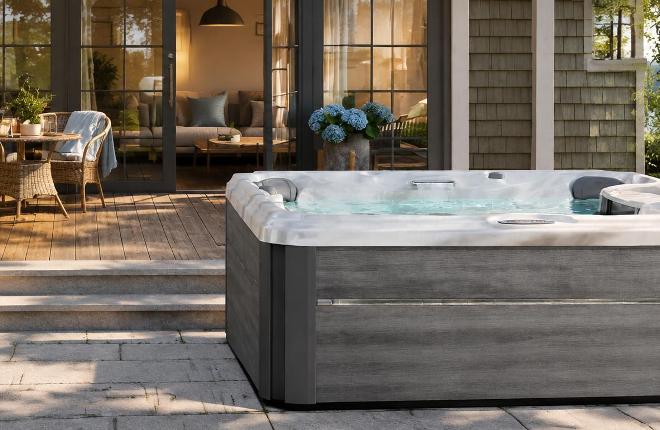
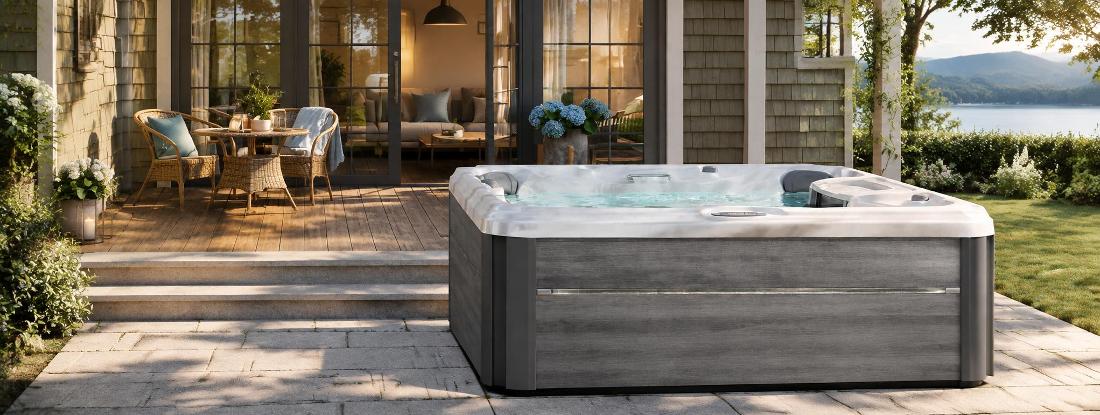
Anyone comparing an above ground swimming pool hot tub combo against two separate units usually starts with the same question: is combining a pool and spa actually practical, or does it just create two maintenance headaches instead of one. The honest answer depends on how the space is used, how often hot water and cold laps are both wanted in the same session, and how much deck or yard area is actually available. This guide breaks down the real tradeoffs, from plumbing and heating logic to sizing decisions, so the choice is based on facts rather than showroom enthusiasm.
The appeal is rarely about novelty. Most homeowners want one for temperature contrast therapy, cooling off after a hot soak, or simply because a single backyard footprint has to serve both fitness and relaxation. A rehabilitation client alternating hot and cold immersion, for instance, benefits from having both temperatures within a few steps rather than across a whole property.
Commercial operators face a related but distinct problem. Hotels, B&Bs, and fitness centers need to offer both a swimming amenity and a spa experience without doubling plumbing runs, electrical panels, or maintenance staff hours. An above ground swimming pool hot tub combo, or a pool and hot tub placed on a shared deck with linked filtration, answers that operational pressure directly.
There are two distinct approaches sold under the "combo" label, and confusing them leads to disappointment.
The second approach is what most manufacturers, including us, actually supply, since it lets each system be serviced, drained, or upgraded without shutting down the other. If a heater fails in the spa, the pool keeps running. That separation matters more than it sounds, especially for commercial sites where downtime has a cost.
Once the pool footprint is decided, the spa needs to match both the household size and the deck space left over. Spa capacity in this category typically ranges from compact 3-person units up to family-sized 6-person spas, and the physical footprint scales accordingly, from roughly 1870x1330mm on the small end to 2530x2300mm for larger models.
A common mistake is oversizing the spa and leaving too little clearance around the pool ladder or skimmer access. Before choosing a spa size, it helps to walk through the deck layout with the pool’s existing hardware in mind, not just the open square footage.
Jet count gets thrown around as if it were the only spec that matters, but jet placement and type matter just as much. Spa units in this range span from 16 jets in smaller shells to as many as 80 in the densest configurations, mixing water jets for muscle-targeted pressure with air jets for a softer, broader massage sensation.
A shell with 16 jets and thoughtful placement around the lower back and calves can outperform a crowded 40-jet layout that spreads pressure too thin. Before comparing raw numbers, it’s worth asking where the jets sit relative to typical seating posture, since that determines whether the massage actually reaches sore muscles or just the water surface.
Running a pool and a spa side by side means double the water volume to manage chemically, and spa water heats up fast enough that chlorine alone can struggle to keep pace. This is where ozone sanitization systems, integrated into hot tub units like the Fspa series according to the product specifications, are intended to reduce the sanitizer load compared to chlorine-only maintenance.
Ozone doesn’t replace sanitizer entirely, but it does the heavy lifting on oxidizing organic material, which means less manual dosing and fewer cloudy-water surprises. For a combo setup where the spa gets used daily and the pool less often, that reduced maintenance burden on the spa side frees up time for the larger, slower pool chemistry routine.
A frequent point of confusion is why the hot tub reaches temperature in hours while the pool takes days, even with a similar-sized heater. The answer is volume, not inefficiency. Spa heaters in this range run between 2kW and 3kW, which is more than adequate for a few hundred gallons but would barely dent a pool’s much larger volume.
That’s precisely why adjacent independent systems make more engineering sense than one shared heating loop. Trying to heat combined water volumes with a single undersized heater either overworks the equipment or leaves the pool perpetually lukewarm. Keeping heaters separate lets each match its actual job.
| Spec | Typical Range |
|---|---|
| Capacity | 3 to 6 adults |
| Dimensions | 1870x1330x800mm to 2530x2300x900mm |
| Heater Output | 2kW to 3kW |
| Jet Count | 16 to 80 jets |
| Total System Power | Up to 5.55kW |
| Sanitization | Ozone system |
These figures describe the spa component of a combo setup and should be checked against the specific model’s datasheet, since options like LED lighting and audio systems add load to total power draw.
Different settings put different demands on the same basic equipment.
Matching the spa to the actual traffic pattern, not just the available budget, avoids the common outcome of an underused oversized spa sitting next to an overcrowded pool.
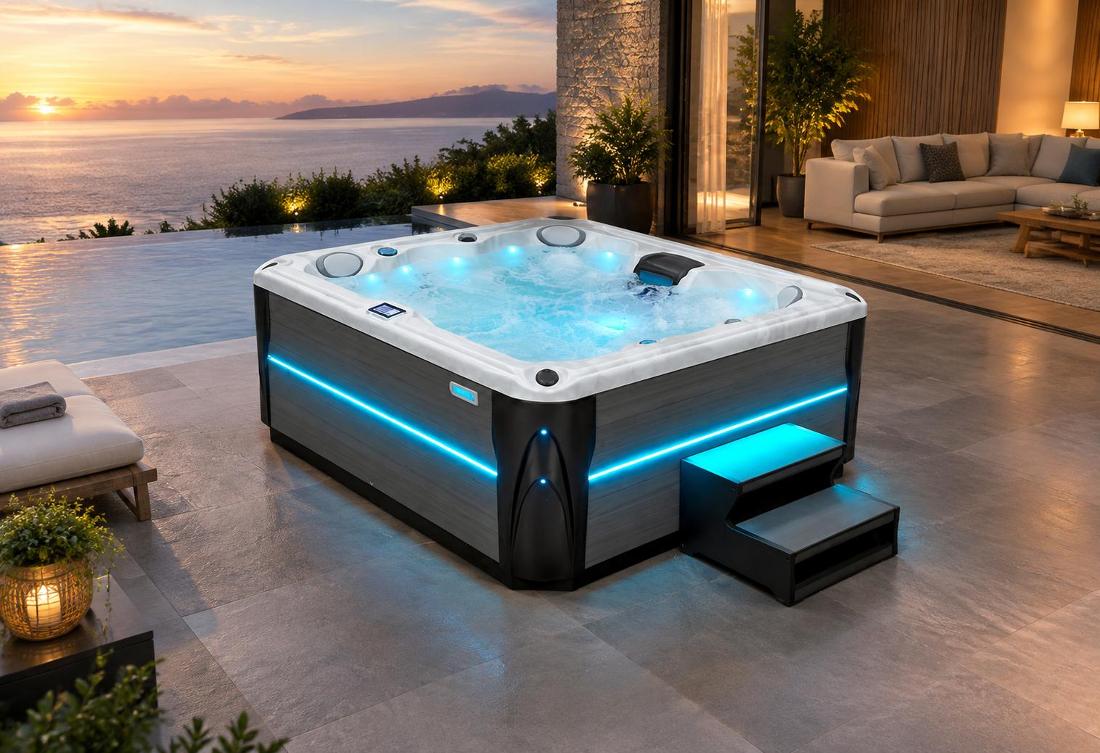
Select spa models add integrated LED lighting and built-in audio systems, and on a shared deck with a pool, that lighting can double as ambient illumination for the whole area at night. It’s a legitimate value-add, but it shouldn’t be the deciding factor between two otherwise similar units. Get the jet layout, heater sizing, and sanitization method right first, then treat lighting and sound as the tiebreaker between comparable finalists.
Does an above ground swimming pool hot tub combo require two separate pumps?
In most configurations, yes. The pool and the spa each run their own pump and filtration loop, even when installed on the same deck, which keeps servicing one unit independent of the other.
Can the spa run in winter if the pool is closed?
Yes, when the systems are independent. This is one of the main practical arguments for choosing adjacent units over a single shared-water design, since the spa heater and cover are sized for standalone winter use.
How much deck space does a typical combo setup need?
Beyond the pool’s own footprint, plan for the spa’s dimensions plus at least 600-800mm of clearance on the access side for entry, maintenance, and any surrounding furniture.
Is ozone sanitization enough on its own?
No. Ozone reduces the sanitizer demand but is generally used alongside a baseline chlorine or bromine routine, not as a full replacement.
Deciding between a fully integrated shell and adjacent independent units comes down to how the space is used day to day, not which option sounds more efficient on paper. Commercial sites with heavy daily spa use and occasional pool access benefit from independent systems that isolate maintenance. Residential buyers chasing a compact footprint might still prefer them for the same reason: fewer shared failure points.
For us, spa design has focused on matching jet configuration, heater output, and sanitization method to real usage patterns rather than maximizing spec sheet numbers. Whether the end goal is a backyard above ground swimming pool hot tub combo for a family or a multi-unit installation for a hotel courtyard, the same principle holds. Size the spa to the people who will actually use it, keep the systems separable, and let the water chemistry method match the bather load, not just the marketing copy on the box.
Modular Swim Spa Design: What Homeowners Should Know Before Buying
A modular swim spa sits in an odd category. It is not quite a pool, not quite a hot tub, but something built to do both jobs without demanding the excavation and plumbing that a full in-ground pool requires. For homeowners with a villa backyard, a courtyard, or a compact hotel gym, that distinction matters more than marketing copy ever will.
The term "modular" refers to how these units arrive and install. Unlike a poured-concrete pool, a modular swim spa is manufactured as a self-contained shell with its plumbing, pumps, and controls pre-installed at the factory. It gets delivered whole or in large sections, set on a prepared pad, and connected to power and water. There is no months-long construction timeline, no permanent excavation, and in many cases, no need for a structural engineer to sign off before you start filling it with water.
Ground conditions are the first hurdle for most in-ground pool projects. Rocky soil, high water tables, or a small lot can turn a straightforward pool build into a six-figure headache. A modular unit sidesteps that problem entirely because it sits above or partially below grade on a simple concrete or paver base.
Time is the second factor. Traditional pool construction can take anywhere from two to six months depending on permitting and weather. A modular swim spa, by contrast, is often operational within a few days of delivery, since the mechanical work was finished before it left the factory.
Cost predictability rounds out the appeal. Because the unit is pre-engineered, homeowners know the equipment cost upfront. There are no surprise change orders from unexpected soil conditions or rebar overruns, which is often the biggest source of budget creep in custom pool builds.
The word "spa" in modular swim spa is doing real work here. These units are engineered around hydrotherapy, not just water containment. Jet placement, water volume, and heating capacity are all tuned to deliver a therapeutic soak rather than a swim-only experience.
Take the Fspa BD-004 as a reference point for what this looks like in practice. It is a 6-person unit with 35 targeted massage jets, built on a 5.55kW power system split between a 2.2kW massage pump, a 0.35kW filter pump, and a 3kW heater. That distribution matters: a stronger massage pump handles jet pressure, while the smaller filter pump runs continuously without driving up energy costs.
Seating in a well-designed unit follows the body’s natural curves rather than forcing users into a flat bench. According to the manufacturer’s specifications, the BD-004 uses contoured seats and backrests with jets positioned to align with pressure points along the spine and legs. Some models also include shaped headrests, described in the product literature as a pillow system intended to support neck alignment during use.
Anyone who has maintained a traditional pool knows chlorine management is a recurring chore. Modular swim spas typically use a smaller water volume, which changes the maintenance math considerably. The BD-004, for example, holds 1,450 liters, a fraction of what an in-ground pool requires, and this smaller volume is easier to sanitize and heat.
Ozone-based sanitization systems have become common in this product category. Ozone helps oxidize contaminants in the water, which can reduce how often chemical sanitizers need to be added. The BD-004 includes an integrated ozone system as part of its water circulation, according to the manufacturer, which is positioned to lower the day-to-day maintenance burden compared to chlorine-only systems.
That said, ozone systems supplement rather than replace basic water care. Owners still need to monitor pH and sanitizer levels periodically. Anyone marketing an ozone system as a total replacement for water testing is overstating what the technology does.
When evaluating any modular swim spa, a handful of specifications tell you most of what you need to know about performance and running costs.
| Specification | BD-004 Reference Value | Why It Matters |
|---|---|---|
| Capacity | 6 Adults | Determines suitable household or guest size |
| Dimensions | 2350 x 2350 x 900mm | Footprint planning for deck or patio space |
| Total Power | 5.55kW | Affects electrical circuit requirements |
| Massage Pump | 2.2kW | Drives jet pressure and hydrotherapy strength |
| Filter Pump | 0.35kW | Runs continuously; impacts daily energy use |
| Heater | 3kW | Determines heat-up time and running cost |
| Jet Count | 35 | Indicates hydrotherapy coverage across seats |
| Water Capacity | 1450L | Smaller volume means faster heating, easier upkeep |
| Net Weight | 317kg | Relevant for deck or floor load calculations |
Certifications also deserve attention, since they indicate the unit has passed independent electrical and safety testing. The BD-004 carries CE, CTUVus, CB, and SAA certifications, according to the manufacturer’s specifications, which are associated with European, North American, and Australian electrical safety standards respectively. For anyone importing a unit internationally, checking which certifications apply to their region is a practical first step, not a formality.
Not every property has the same constraints, and modular swim spas are flexible enough to fit several distinct use cases.
Each of these scenarios shares a common thread: the buyer needs functional hydrotherapy without the site work a traditional pool demands.
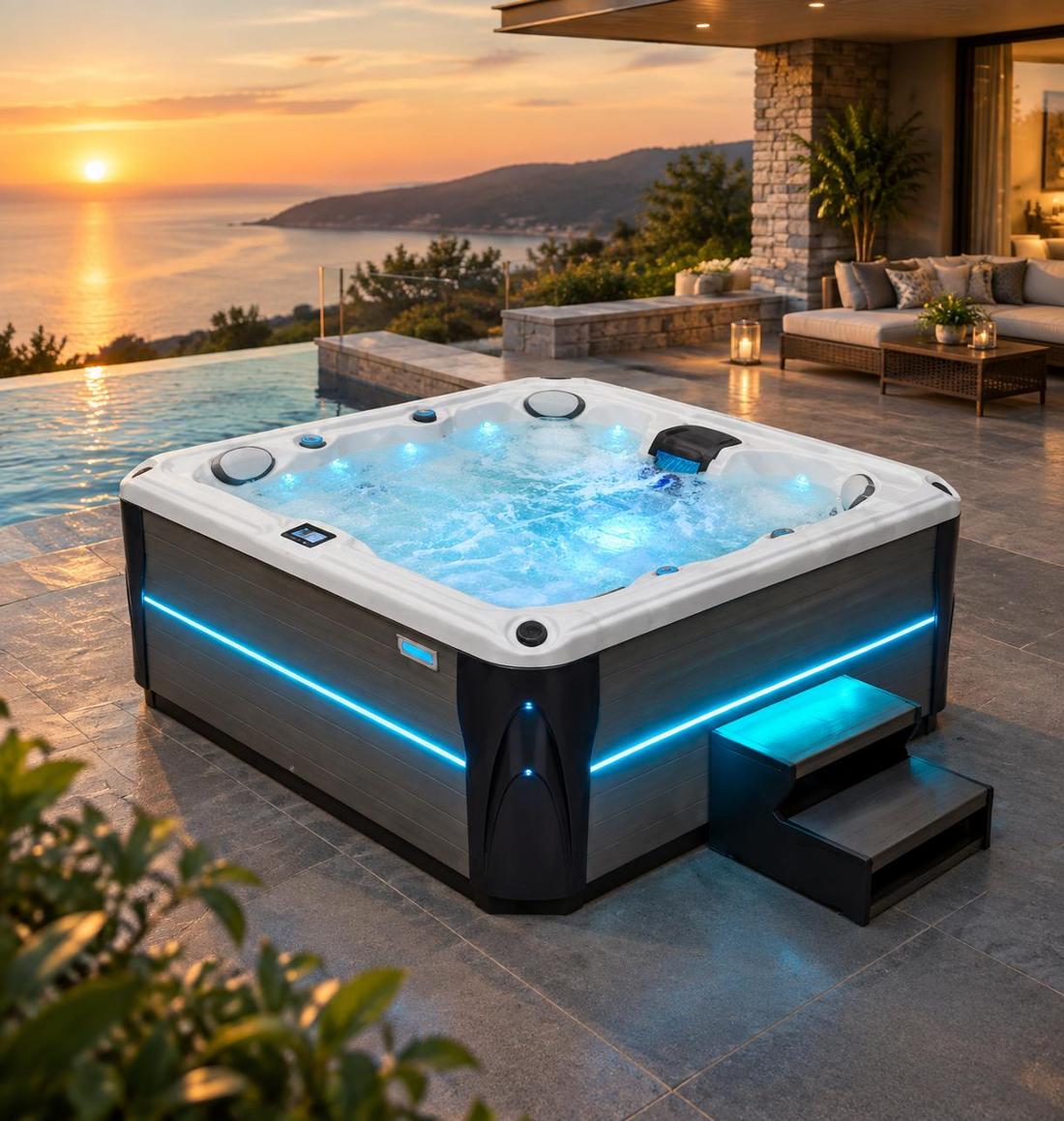
LED lighting inside a swim spa is often dismissed as a cosmetic feature, but it serves a functional purpose too. Low-light soaking, particularly in the evening, benefits from interior illumination for both safety and atmosphere. The BD-004 uses bottom-positioned blue LED lighting, which the manufacturer describes as contributing to a calming atmosphere during use.
It is worth being precise about what this feature does and does not do. Ambient lighting can influence mood and visibility; it is not a therapeutic mechanism on its own. Buyers should treat it as a comfort feature rather than a clinical one, regardless of how a listing describes it.
Selecting a modular swim spa comes down to a short sequence of practical decisions rather than a single spec sheet comparison.
Skipping any one of these steps is where most installation delays or return requests originate, so it pays to work through them in order rather than starting with the unit’s appearance.
Does a modular swim spa require a permit?
Requirements vary by municipality and depend on unit size and whether it includes permanent electrical connections. Checking with local building authorities before purchase avoids installation delays.
How is a modular swim spa different from a standard hot tub?
The distinction is mainly about function and size. A swim spa is generally designed to accommodate more movement and a larger group, while retaining hydrotherapy jets similar to a hot tub. Product literature for units like the BD-004 positions them primarily as a hydrotherapy experience rather than a lap-swimming pool.
Can it be installed indoors?
Many modular units, including the BD-004 according to its manufacturer, are suitable for both indoor and outdoor installation, provided ventilation and moisture control are addressed in the room design.
How often does the water need to be changed?
This depends on usage frequency and sanitization system performance, but smaller water volumes typically require replacement every three to four months under normal household use.
A modular swim spa is ultimately a compromise built for good reason. It trades the swimming length of a full pool for faster installation, lower site disruption, and a hydrotherapy-focused experience. For properties where excavation is impractical, whether due to soil, budget, or timeline, that trade-off tends to make sense.
Buyers evaluating options should focus less on visual finishes and more on the mechanical specifications: pump wattage, jet count, water volume, and certification. These figures determine whether the unit will perform reliably over years of use, not just in the showroom. Companies like us that manufacture and certify these systems directly tend to provide clearer documentation on these specifications, which makes comparison shopping considerably easier for anyone narrowing down a modular swim spa suited to their space.
Will Health Insurance Pay for a Swim Spa? What Coverage Actually Looks Like
Swim spas sit in a strange middle ground between fitness equipment and medical device, and that ambiguity is exactly why so many buyers ask will health insurance pay for a swim spa before they commit to one. The short answer is that most standard health plans do not cover it, but the longer answer involves a few paths worth understanding before you write it off entirely.
This article walks through why insurers hesitate, when reimbursement is realistic, and how to build a case if you plan to try. It also looks at what a swim spa or hydrotherapy hot tub actually offers physically, since that context matters when you are arguing for medical necessity.
Health insurers classify equipment into two buckets: durable medical equipment and everything else. A swim spa almost always lands in the second bucket. It is expensive, it is not exclusive to medical use, and a healthy person could enjoy it just as easily as someone in physical therapy.
That last point is the sticking point for underwriters. Insurance is built around necessity, not comfort. A wheelchair has no recreational use outside its medical purpose. A hot tub does. Insurers know that distinguishing between a therapeutic soak and a lifestyle purchase is nearly impossible to audit, so the default answer is a flat no.
There is also a cost problem. Durable medical equipment reimbursement lists are built around items in the hundreds or low thousands of dollars. A 6-person hydrotherapy spa, like the kind used for post-workout recovery in hotel gyms or physiotherapy centers, sits well above that range. Insurers rarely stretch benefit categories to cover outliers.
The exception isn’t nonexistent, it’s just narrow. If a physician documents that hydrotherapy is medically necessary for a diagnosed condition, some plans will consider partial reimbursement or allow the purchase through a health savings account.
Conditions that sometimes qualify for this kind of documentation include:
A letter of medical necessity needs specifics. Vague statements like "would benefit from relaxation" get rejected almost every time. The letter should state the diagnosis, why standard treatment options are insufficient, and why hydrotherapy at home is the recommended intervention rather than a supplement to it.
Rather than chasing insurance reimbursement, many buyers find more traction using a Health Savings Account or Flexible Spending Account, provided they secure that same letter of medical necessity first. These accounts operate under IRS rules, not insurance company policy, which makes the approval process more predictable.
The process generally looks like this:
This route does not guarantee approval either, but it shifts the conversation from insurance underwriting to tax-advantaged spending, which tends to have more flexibility for home therapy equipment.
Understanding why a swim spa might qualify for any kind of medical consideration means understanding what warm water immersion and jet massage actually do. This isn’t marketing language, it’s basic physiology that’s been studied for decades.
Warm water increases blood flow to soft tissue and can temporarily reduce the sensation of joint stiffness. Buoyancy reduces the load on joints and the spine, which is why physical therapists often recommend pool-based exercise for patients who cannot tolerate weight-bearing movement. Massage jets add mechanical pressure that can help relax tight muscle groups after physical strain.
A model like the Fspa BD-004, a 6-person portable unit built around 35 targeted massage jets, illustrates how manufacturers design for this kind of use. According to the product’s own specifications, it pairs a 2.2kW massage pump with a 3kW heater and a 0.35kW filtration pump, totaling 5.55kW, which keeps water warm and jets running without excessive energy draw. The unit’s ergonomic seating is contoured to support the body’s natural curves, positioning jets and controls where they’re most useful during a session rather than as an afterthought.
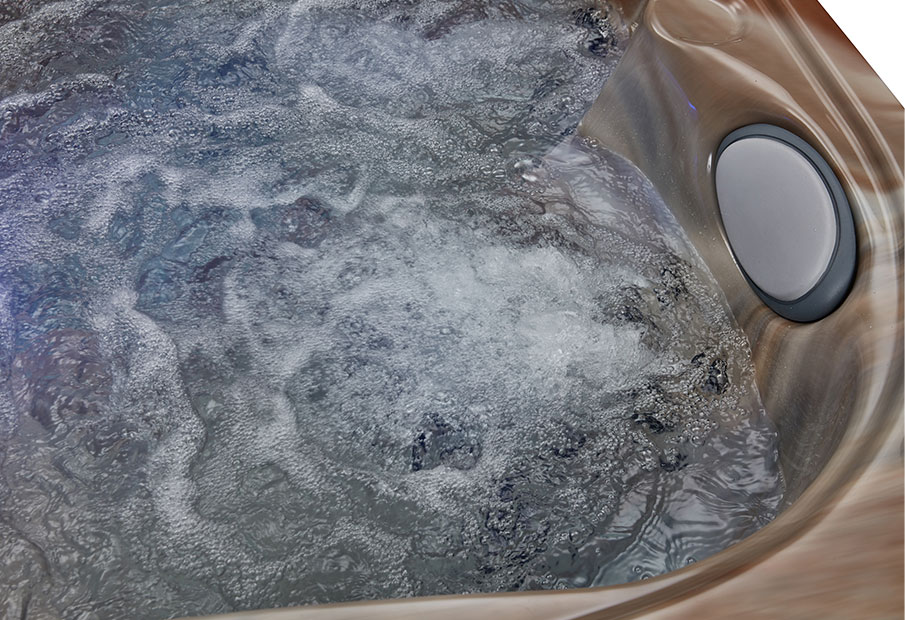
None of this makes a swim spa a medical device in the regulatory sense. But it does explain why a physician might, in specific cases, document hydrotherapy as a legitimate part of a treatment plan rather than dismiss it as recreational.
| Path | Typical Outcome | What’s Required |
|---|---|---|
| Standard health insurance | Rarely approved | Almost never worth pursuing without a rare plan exception |
| Insurance with medical necessity letter | Occasionally partial coverage | Physician documentation, diagnosis, prior treatment history |
| HSA / FSA reimbursement | More commonly approved | Letter of medical necessity, receipts, IRS compliance |
| Out-of-pocket with tax deduction (itemized medical expenses) | Possible if costs exceed IRS threshold | Detailed records, meets 7.5% AGI threshold for medical deductions |
This table isn’t meant to suggest any of these paths are guaranteed. It’s meant to show that the further you move from traditional insurance and toward tax-advantaged or deduction-based routes, the more realistic approval becomes.
If you’re purchasing with a genuine therapeutic goal, the unit itself matters more than it would for a purely recreational buyer. A few practical considerations should guide the decision.
For context, the BD-004 model holds 1,450 liters of water and uses a 3kW heater, which is a reasonable balance for a 6-person unit that needs to maintain consistent temperature during longer sessions. It also carries CE, CTUVus, CB, and SAA certifications, which relate to electrical and safety compliance rather than medical claims, and is worth checking against local installation codes regardless of your intended use.
Swim spas and portable hot tubs aren’t confined to backyards. Hotels use them for post-workout recovery in gym facilities, since guests increasingly expect recovery amenities alongside cardio equipment. Wellness-focused vacation rentals along coastlines often position a unit for guests looking to unwind after a day of travel or activity. Villas and private residences use them as a standing feature for evening relaxation, often positioned on a deck or patio where the view becomes part of the experience.
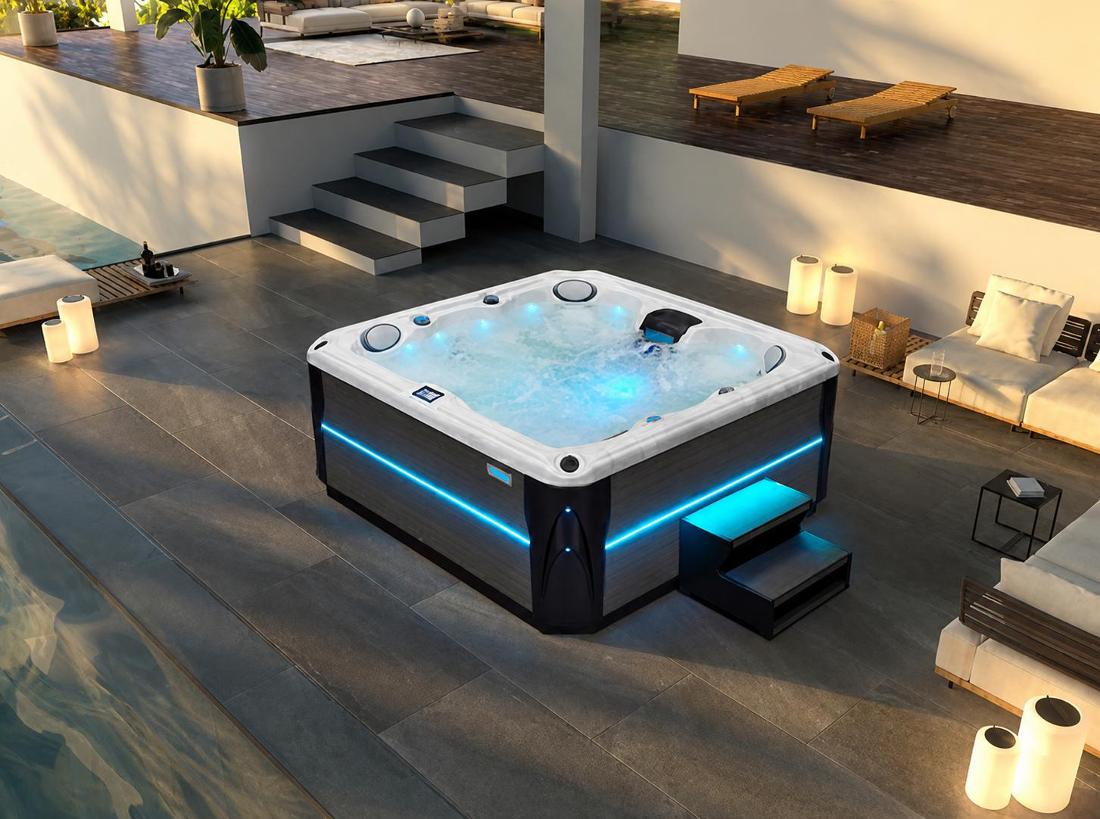
These aren’t medical settings, but they show the split identity that makes insurance coverage complicated in the first place. The same unit serves a hotel guest looking for a nice evening and a person actively managing a musculoskeletal condition. Insurers see the former use case and price accordingly.
Does Medicare cover swim spas or hot tubs?
No. Medicare’s durable medical equipment benefit does not extend to hot tubs or swim spas under any standard circumstance, regardless of diagnosis.
Can I use FSA funds without a letter of medical necessity?
Generally no. Most FSA administrators require documentation for equipment that has both medical and non-medical uses before approving reimbursement.
Is a swim spa the same as a hot tub for insurance purposes?
Insurers typically treat them the same way, since both fall outside standard durable medical equipment categories and both have significant recreational use.
What condition is most likely to get a doctor’s approval for hydrotherapy?
Chronic musculoskeletal conditions with an existing treatment history, such as arthritis or post-surgical rehab, tend to have the strongest case, though approval still varies by physician and plan.
Should I buy before or after getting insurance clarity?
Get the letter of medical necessity and check with your HSA or FSA administrator first. Buying first and seeking reimbursement afterward often leads to denied claims.
If you’re asking will health insurance pay for a swim spa because you’re managing a specific condition, the honest path forward is to start with your physician, not your insurance card. A documented diagnosis and a clear treatment rationale open doors that a direct claim to your insurer will not. For companies like us that manufacture these units for both residential and commercial use, the medical angle is one consideration among several, alongside comfort, maintenance, and how the unit fits into daily life. Insurance coverage for a swim spa remains the exception rather than the rule, but understanding the HSA, FSA, and tax deduction routes gives buyers a realistic shot at recovering some of the cost when the therapeutic need is genuine.
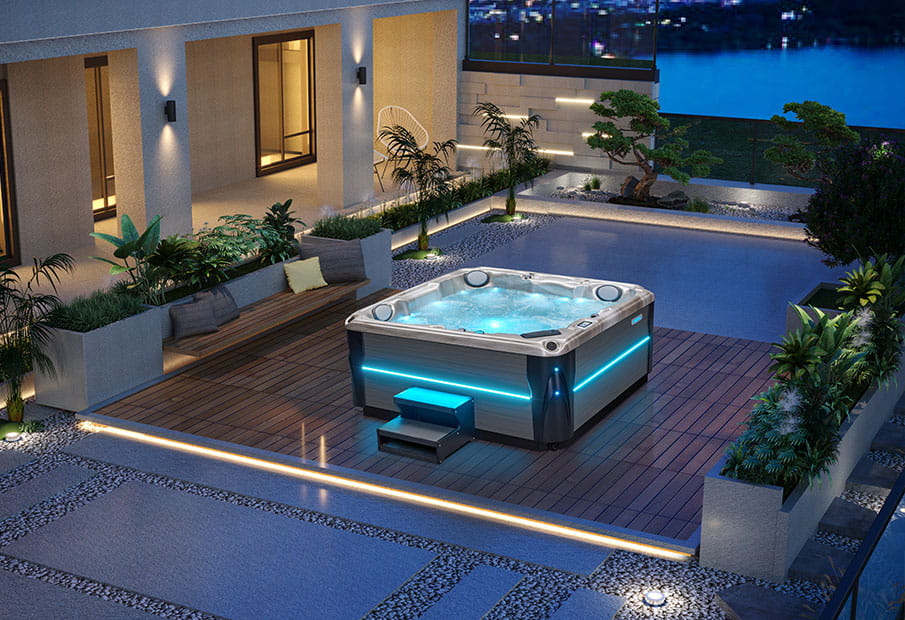
The Fspa BD-006Pro Hot Tub, with its compact spacious design for 5 adults, advanced massage system, 80 water & 18 air bubble jets, efficient heating and filtration, ozone sanitization, and sleek design, offers unparalleled luxury, relaxation, and convenience for both residential and commercial use.
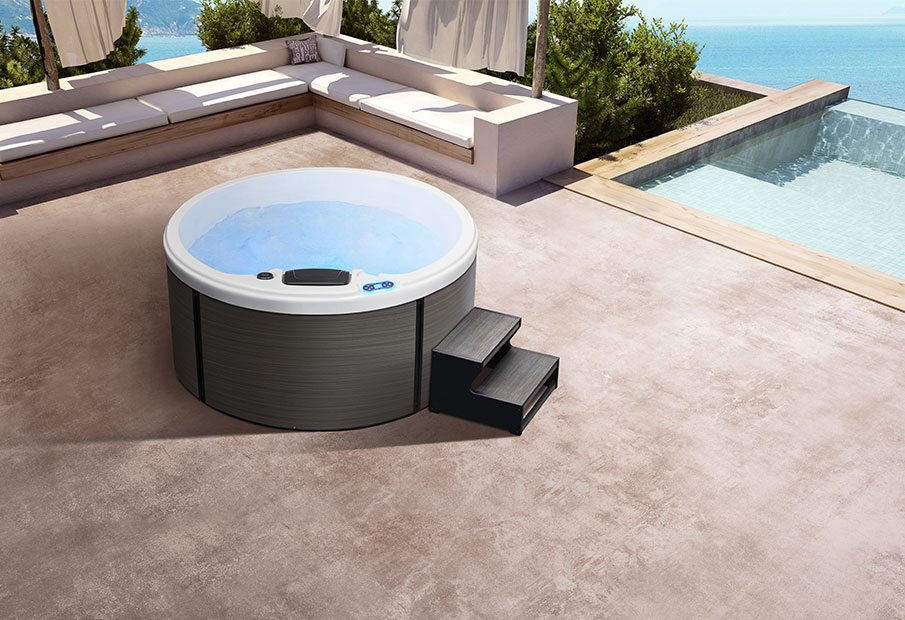
The Fspa BD-018 Hot Tub, designed for 2 adults with spacious dimensions, features a robust control system, 1.5kW massage pump, 0.35kW filter pump, 2kW heater, 14 customizable water jets, LED lighting, ozone sanitation, and a total power of 3.85kW, providing exceptional comfort and relaxation for a luxurious and rejuvenating soak.
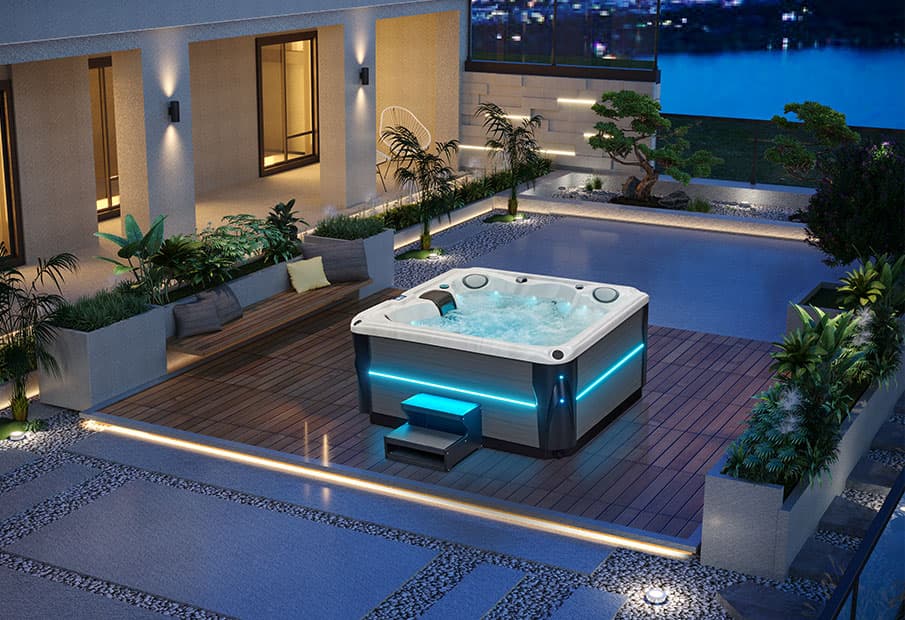
Introducing the Fspa BD-008Pro Hot Tub, a luxurious and spacious sanctuary designed for ultimate relaxation. With dimensions of 2080x2080x900mm, this hot tub comfortably fits up to 6 adults, making it perfect for family gatherings, parties, or a personal retreat.
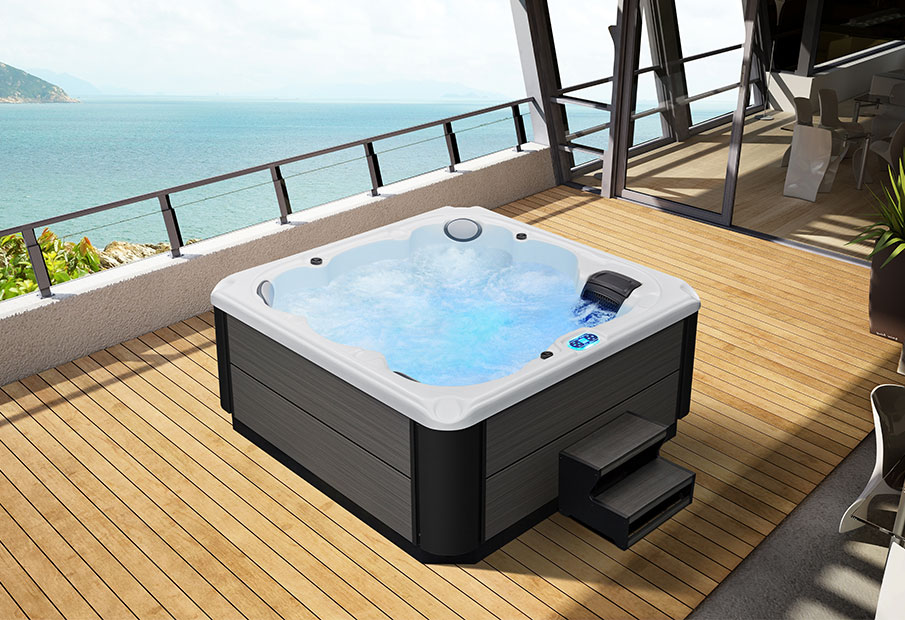
The Fspa BD-012 hot tub, designed for intimate relaxation, features a spacious size for 2 adults, powerful massage pump with 20 jets, temperature-controlled heater, energy-efficient filter pump, ambient LED lighting, and sanitized water with an ozone system, offering a private oasis for ultimate relaxation.
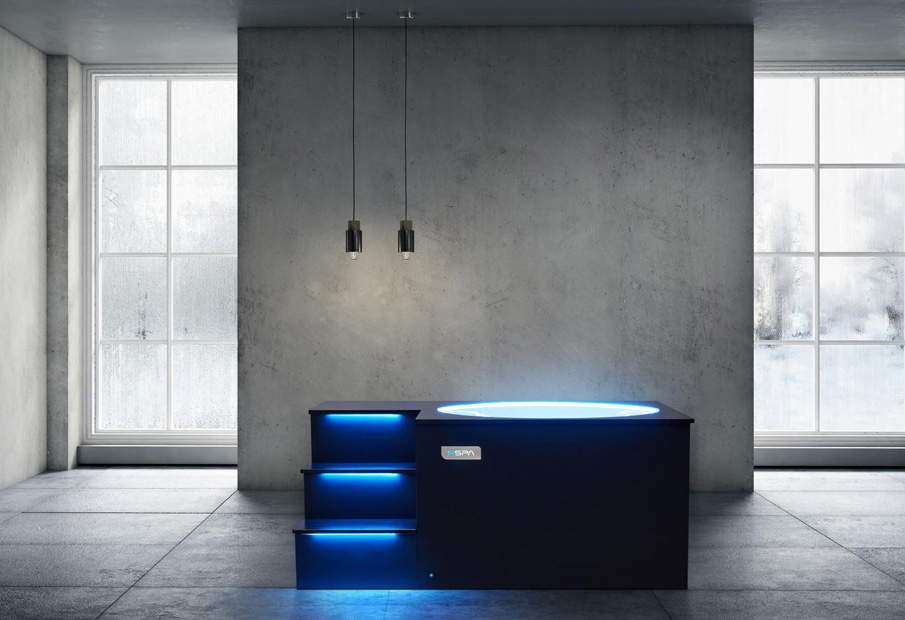
Appearance Black color, Step in expediently ice blue ambient lighting, Water chiller system, filter, Ozone and light.
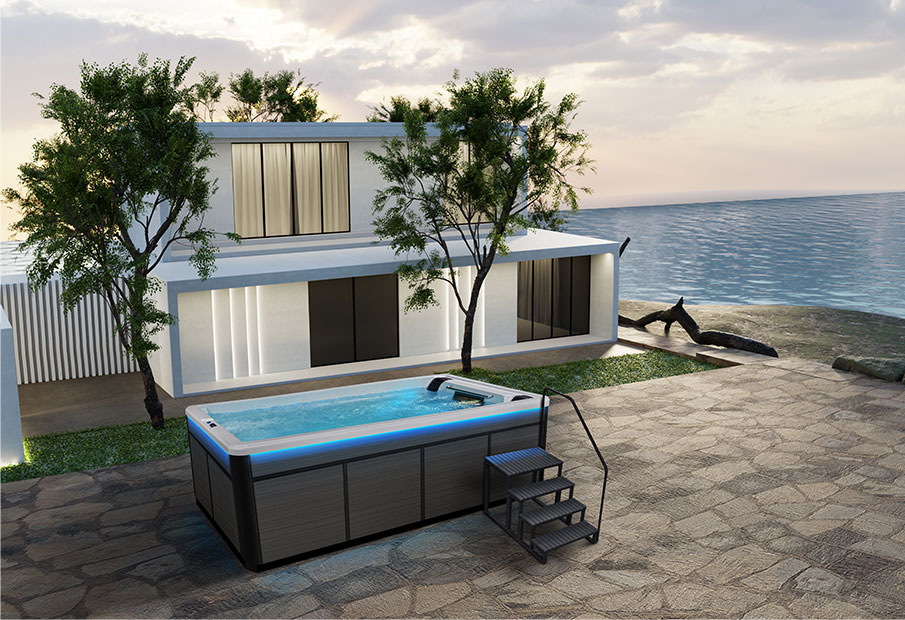
The Infinipool Fspa IP-001Pro is a premium, spacious pool with advanced filtration, ozone sanitization, insulation, and optional accessories, transforming backyards into luxurious oases for swimming, relaxation, and entertainment.
PRODUCTS
INQUIRY
Thank you for your message!Our Chinese New Year holiday from 7th Feb to 28th Feb. Apologise to make your inconvenience so that responses may be delayed during this period. We'll back to you with regular service on 2th March .Thank you for understanding.


