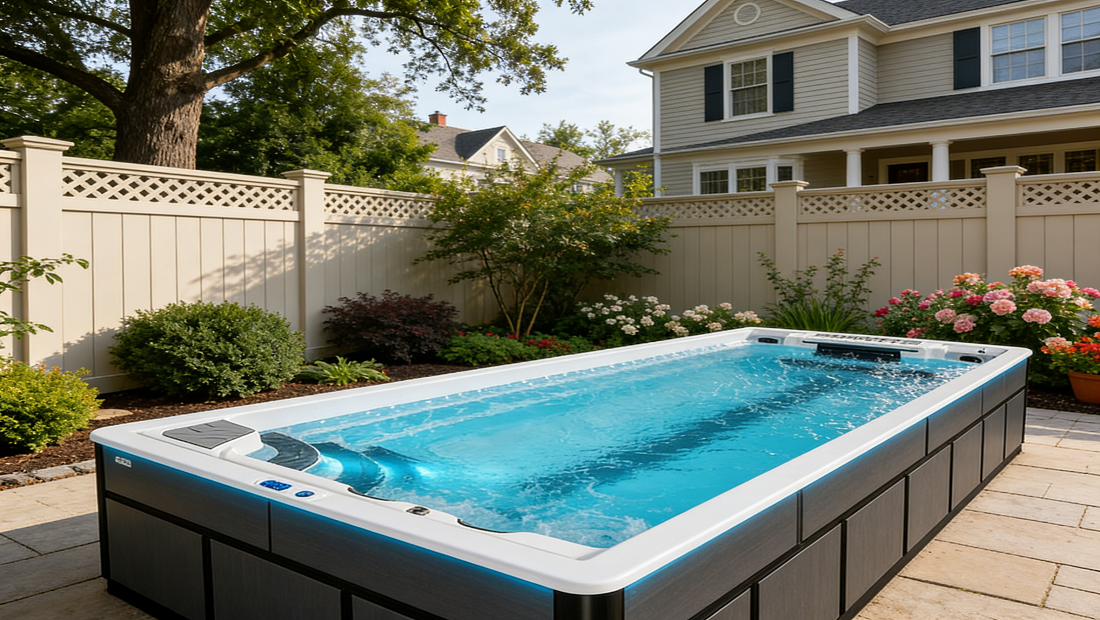
Modern aquatic wellness has evolved beyond traditional pools and hot tubs. Today, an endless swimming pool hot tub or endless current pool provides a unique combination of fitness, therapy, and leisure in a compact, versatile design. These systems allow users to swim continuously against a controlled current, providing resistance for exercise or gentle relaxation.
FSPA, a leader in premium aquatic solutions, designs endless spas and pools that balance performance, style, and durability. Whether you are looking for an above ground resistance pool for home use or a professional wellness setup, FSPA delivers advanced engineering, ergonomic design, and customizable experiences tailored to every user.
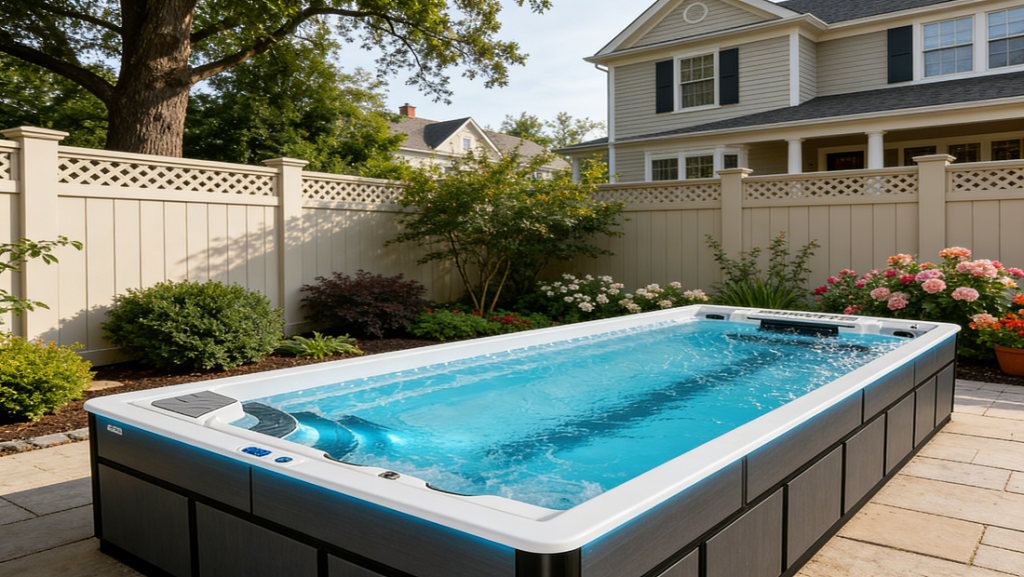
An endless swimming pool hot tub is different from a traditional pool or spa because it allows continuous swimming in a limited space. By generating a strong, adjustable current, these systems simulate open-water swimming, offering both cardiovascular and low-impact resistance training. This makes them ideal for exercise, rehabilitation, and stress relief.
The swim pool with current feature enables swimmers to maintain consistent motion without needing a long lap pool. Adjustable jets allow users to customize the flow to match skill level, swimming style, or training intensity. Whether for fitness or leisure, the resistance creates a highly efficient workout in a small footprint.
An above ground resistance pool adds flexibility in installation and placement. These pools are ideal for homes where a traditional in-ground pool isn’t feasible. They combine the benefits of resistance swimming with easy installation, minimal maintenance, and the ability to move or modify the setup as needed.
FSPA’s endless current pool systems emphasize smooth, consistent water flow, ergonomic seating, and durable construction. By focusing on quality, FSPA ensures that users of all ages can enjoy a safe and comfortable experience, whether they are swimming laps, engaging in aquatic therapy, or relaxing in a hydrotherapy session.
For users curious about endless spas prices or endless swimming pool price, FSPA provides solutions that prioritize value, longevity, and performance rather than simply offering the lowest cost. Their engineering expertise ensures that every system performs reliably, offering years of continuous enjoyment and health benefits.
Modern endless spas and pools offer far more than just continuous swimming. Adjustable current strength, water temperature control, and ergonomic design make these systems suitable for fitness, therapy, or relaxation. Users can perform everything from light aquatic exercise to high-intensity swimming workouts, all within a compact footprint.
The endless swimming pool hot tub combines hydrotherapy with swimming, allowing users to enjoy warm, relaxing water while exercising against a controlled current. This dual functionality makes it ideal for recovery, stress relief, and maintaining mobility and flexibility.
Resistance is a key feature of these pools. Swim pools with current enable users to strengthen muscles, improve cardiovascular health, and increase endurance without placing stress on joints. The water’s resistance reduces impact while maximizing exercise efficiency, making it suitable for people of all ages and fitness levels.
FSPA’s above ground resistance pool and endless current pool systems are engineered with advanced filtration, energy-efficient pumps, and ergonomic design. This ensures smooth operation, minimal maintenance, and long-lasting performance. Many systems also include features like integrated seating, adjustable flow, and water massage, enhancing both comfort and therapeutic benefits.
By offering compact, customizable solutions, FSPA makes it possible to enjoy the benefits of a full-sized lap pool or spa without requiring extensive space or complex installation. These systems integrate seamlessly into indoor or outdoor environments, creating a premium wellness experience at home or in professional settings.
Whether for daily exercise, rehabilitation, or leisure, endless spas and pools provide an all-in-one solution that combines the benefits of swimming, resistance training, and hydrotherapy. Their versatility, efficiency, and ergonomic design make them an excellent investment in health, wellness, and lifestyle.
Choosing an endless current pool or endless swimming pool hot tub is an investment in health, fitness, and relaxation. These innovative systems allow users to swim continuously, exercise efficiently, and enjoy the therapeutic benefits of water in a compact and versatile design.
FSPA, a trusted leader in aquatic wellness, designs endless spas and pools with precision engineering, durability, and user comfort in mind. Their solutions include features like adjustable water flow, temperature control, and ergonomic design, ensuring a safe, enjoyable experience for users of all levels.
Whether you are exploring an above ground resistance pool for your home or a professional wellness facility, FSPA provides high-quality systems that transform aquatic fitness and relaxation. With a focus on long-term performance and user satisfaction, FSPA ensures that every endless swimming pool offers unmatched value, versatility, and enjoyment.
An endless swimming pool hot tub combines continuous swimming with hydrotherapy, allowing users to swim against a controlled current while enjoying warm, relaxing water.
A swim pool with current uses adjustable jets to create a water flow that allows swimmers to swim continuously in place, simulating open-water swimming in a compact space.
Yes, an above ground resistance pool can fit into compact areas, making it suitable for indoor or backyard use where traditional pools aren’t feasible.
The endless swimming pool price depends on size, current strength, temperature control, customization, and features such as seating and hydrotherapy jets. FSPA focuses on value and long-term performance.
An endless current pool provides low-impact resistance training, improves cardiovascular fitness, supports rehabilitation, and allows continuous swimming in a small footprint.

Invitation of FSPA in The 2026 POOL & SPA Show
Get ready to dive into the future of pool and spa innovations! The much-anticipated POOL & SPA Show, powered by the Northeast Spa and Pool Association, is just around the corner, and we are thrilled to invite you to be part of this spectacular event.

Mark your calendars for January 27–29, 2026, and make your way to the Atlantic City Convention Center in New Jersey, U.S.A. This is your golden opportunity to explore the latest trends, products, and technologies that are shaping the industry. We are especially excited to welcome you at Booth #3056, where FSPA will showcase its premium range of products and solutions. FSPA has always been synonymous with quality and innovation, and this year is no different.
Whether you’re a professional in the industry or a pool and spa enthusiast, this event promises insights and experiences you won’t want to miss. For more information, visit our homepage or contact us via WhatsApp at +86 18144708213. You can also email us at e-mail to: [email protected]. See you at the show!
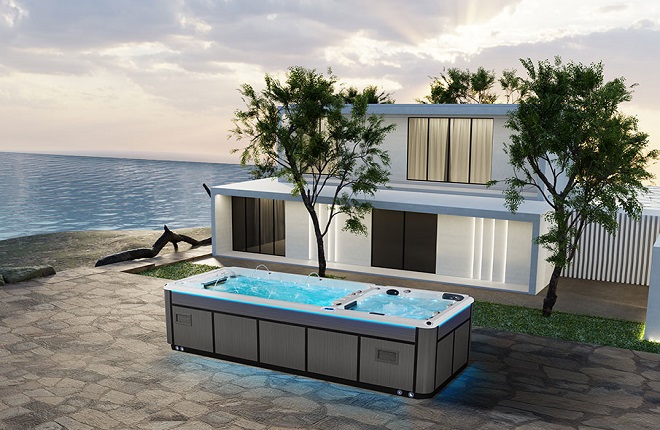
As someone who’s bought two acrylic swim spas for vacation homes in Spain and the U.S. over the past five years, I’ve learned the hard way that international swim spa shopping isn’t just about picking a style or size—ignoring voltage, frequency, and socket differences can turn a dream backyard upgrade into a costly headache. These details might seem small, but they make or break whether your spa works safely, efficiently, or at all once it’s installed.
My first mistake happened with my Spanish villa’s spa. I ordered a model I loved from a global supplier without double-checking electrical specs, assuming “universal” meant it would fit. When the installer arrived, he pointed out Spain uses 230V voltage and 50Hz frequency, while the spa was calibrated for the U.S.’ 120/240V and 60Hz. Plugging it in would’ve fried the heating element and pumps.
We had to wait three weeks for the supplier to send a custom electrical kit—delaying use and adding extra fees. After that, I made it a rule to confirm specs upfront. The U.S. home’s spa went smoothly because I asked: I learned most U.S. residential setups use 240V for larger spas (to power strong jets and fast heating) and 120V for smaller ones, plus 60Hz frequency that keeps motors running steadily.
Japan’s even trickier, I later found out from a friend—some regions use 100V at 50Hz, others 60Hz, so you need to specify the exact city to avoid mismatches.
Sockets are another easy pitfall. In Spain, the plugs are Type F—round, with two pins and a grounding clip—while the U.S. uses Type A/B (flat pins, grounded or ungrounded). My first spa came with a U.S.-style plug, which didn’t fit Spain’s outlets.
Even if you use an adapter, it’s not a fix: adapters only change the plug shape, not the power flowing through it. For my U.S. spa, I also had to confirm the socket’s amp capacity—my spa draws 30A, so a standard 15A household socket would’ve overheated.
The supplier helped me share my home’s electrical panel details with their team, who then sent a compatible cord and even recommended a local electrician to upgrade the outlet.
The solution, I’ve found, is simple: talk to your supplier early and often. Don’t just ask “Will this work in [country]?”—get specific. Share your home’s voltage (you can find it on your utility bill or by checking a wall outlet), frequency (most countries stick to 50Hz or 60Hz), and socket type (a quick online search for your country’s plug type works).
Good suppliers, like the one I used for my second spa, will adjust the spa’s internal components—swapping out heating elements, calibrating motors, or changing cords—to match your region. They might even send diagrams to share with your electrician, so installation goes off without a hitch.
Buying a swim spa internationally should be exciting, not stressful. By focusing on these electrical details and communicating clearly with your supplier, you can skip the delays and extra costs—and start enjoying your spa as soon as it arrives.
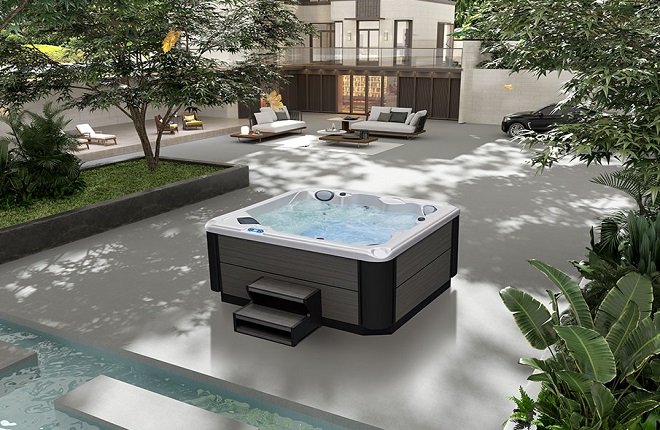
A Day at FSPA: Explore the Outdoor Hot Tub Paradise as a Guest
The crisp morning air in Gaoming , Foshan, carried a hint of greenery as I pulled up to FSPA’s factory gate—my first visit to the brand I’d researched for months to find the perfect outdoor hot tub for my villa. As a buyer who values both quality and aesthetics, I’d heard FSPA’s acrylic products stood out, but seeing them up close felt like stepping into a world where functionality meets luxury.
My tour began in the brand showcase hall, where natural light streamed through floor-to-ceiling windows, illuminating a stunning lineup of product .There were compact hot tubs designed for cozy backyard gatherings, sleek swim spas that doubled as fitness spaces, and spacious outdoor pools—their acrylic surfaces glistening like polished marble.
What impressed me most was the attention to user comfort: the hot tubs featured ergonomic seats that hugged the body, adjustable jets positioned to target tight muscles, and hidden LED strips that cast soft, warm light after dark. When I ran my hand over the acrylic, it felt smooth yet sturdy—nothing like the flimsy materials I’d seen in cheaper models.
The staff explained that FSPA uses high-quality, UV-resistant acrylic, built to withstand years of sun, rain, and heavy use. “We test each batch for scratch resistance and color fastness,” they said, pulling out a sample that had been exposed to harsh weather for two years—still as vibrant as new.
Next, we headed to the production workshop, a 30,000-square-meter space where order and precision reigned. Unlike chaotic factories I’d visited before, FSPA’s floor was spotless, with each station labeled clearly: acrylic cutting, thermoforming, assembly, and quality control.
I watched as workers used computer-controlled machines to mold an acrylic hot tub shell, heating the material to an exact temperature to avoid bubbles or uneven edges. At the quality check station, a technician ran a digital caliper along every curve, ensuring measurements matched the design down to 0.1mm.
“Every product goes through three inspections before leaving the factory,” the guide told me. I even saw a team testing a hot tub’s water circulation system, running it for 24 hours straight to check for leaks—a level of thoroughness that made me trust FSPA’s craftsmanship even more.
The day’s highlight was the outdoor demonstration area, tucked away among palm trees and potted flowers. Several hot tubs were filled with warm, bubbling water, and I couldn’t resist slipping into one. The jets kicked in gently, easing the tension in my shoulders, and the water stayed consistently warm—no sudden drops in temperature like in the hot tub I’d owned before.
As I relaxed, the staff brought over refreshments and talked me through customization options: I could choose the acrylic color to match my backyard decor, add a built-in sound system, or even opt for a smart control panel that let me adjust settings from my phone. By the time I climbed out, I’d already jotted down the model number I wanted.
As I drove back, I thought about how FSPA had turned a simple factory visit into a memorable experience. It wasn’t just the beautiful products—it was the care in every step, from the materials they chose to the way they listened to my needs. For anyone looking for an outdoor hot tub that’s built to last and designed to delight, FSPA isn’t just a factory—it’s a place where “paradise” is crafted with purpose. I left knowing my backyard would soon have the perfect centerpiece—and that I’d found a brand I could rely on for years to come.
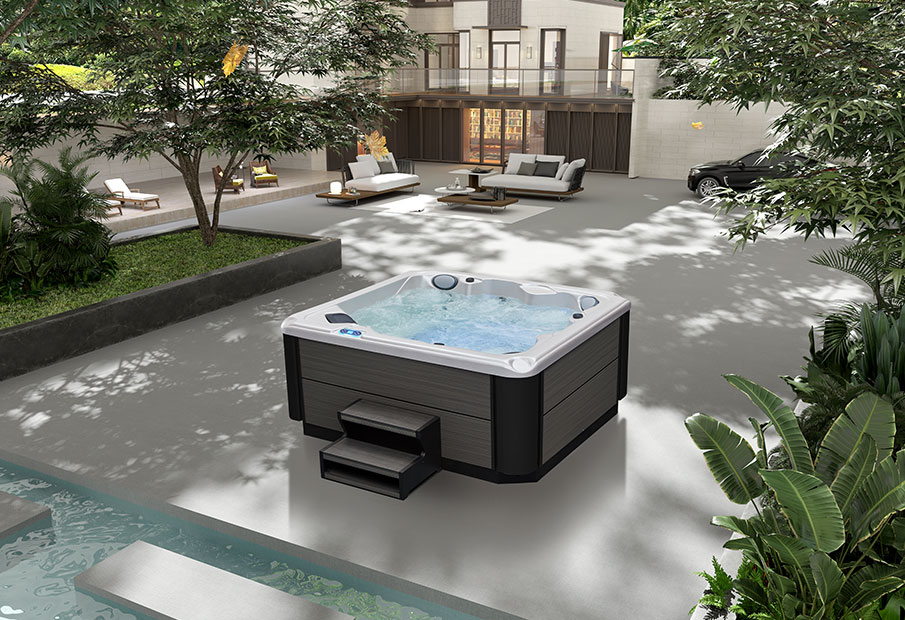
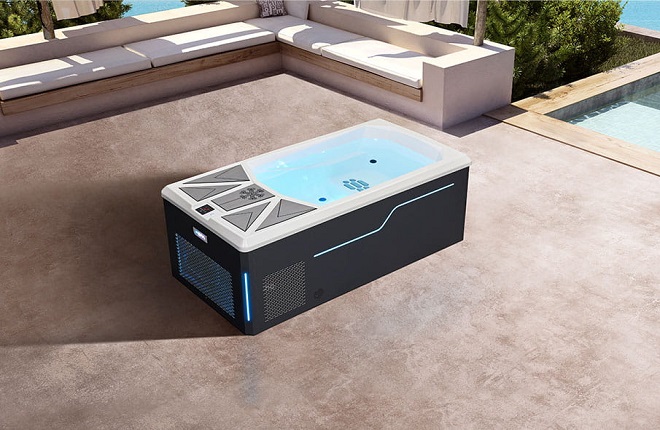
Unveiling the Strengths of FSPA Swim Spa Factory: A Journey from Design to Delivery
As a loyal customer who has partnered with FSPA for over three years and ordered acrylic swim spas for my resort chain across Southeast Asia, I’ve witnessed firsthand how this industry-trade integrated factory turns ideas into exceptional products. Every visit to their Gaoming facility deepens my trust—and it all starts with their thoughtful design process.
Unlike some factories that stick to rigid templates, FSPA’s design team listens intently to client needs. When I requested a 12-meter outdoor swim spa tailored for tropical climates (with extra shade features and anti-slip steps), they delivered 3D renderings within a week, adjusting details until it aligned perfectly with my resort’s aesthetic and functional demands.
Their ability to blend practicality (like space-saving layouts for small resorts) with luxury (such as customizable LED lighting and ergonomic seating) sets their designs apart. FSPA’s approach is not about mass production—it’s about turning client ideas into elegant, functional realities.
Quality begins with materials, and FSPA never cuts corners here. During my last tour, their procurement manager walked me through the raw material warehouse, where stacks of acrylic sheets from Germany’s top supplier sat neatly labeled. “We only use UV-resistant and impact-proof acrylic,” he explained—something I’ve verified over time: my earliest FSPA swim spas, installed two years ago, still have glossy surfaces without a single crack, even under daily exposure to intense sunlight.
They also source stainless steel for jets and pumps from trusted Taiwanese vendors, ensuring components hold up against saltwater (critical for my beachfront resorts) and heavy use.
Stepping into FSPA’s 30,000-square-meter production workshop feels like watching a well-choreographed show. Each station—from acrylic thermoforming to assembly—follows strict SOPs. What impresses me most is their “one-worker-one-station” accountability system—each employee signs off on their task, making it easy to trace any issues (though I’ve never needed to).
FSPA’s craftsmanship shines in the little details. From smooth, hand-polished edges to precisely angled hydrotherapy jets (15° for shoulders, 30° for lower back), every component is engineered for performance, comfort, and safety.
FSPA’s delivery process is a masterclass in efficiency—vital for a business like mine that can’t afford delays. As an industry-trade integrated factory, they handle everything in-house: from custom crating (each swim spa is wrapped in foam and placed in wooden frames) to logistics coordination.
When I needed 10 swim spas delivered to my Bali resort last year, they synchronized the shipment with my renovation timeline and even adjusted the delivery date when my contractors hit a delay. Beyond delivery, their installation guides and responsive after-sales support ensure a smooth experience from start to finish.
Over the years, I’ve considered other swim spa suppliers, but FSPA’s end-to-end excellence—from design that listens, materials that last, production that’s precise, craftsmanship that cares, and delivery that delivers—keeps me coming back. For anyone seeking a reliable long-term partner in the swim spa industry, FSPA stands out as the clear choice.
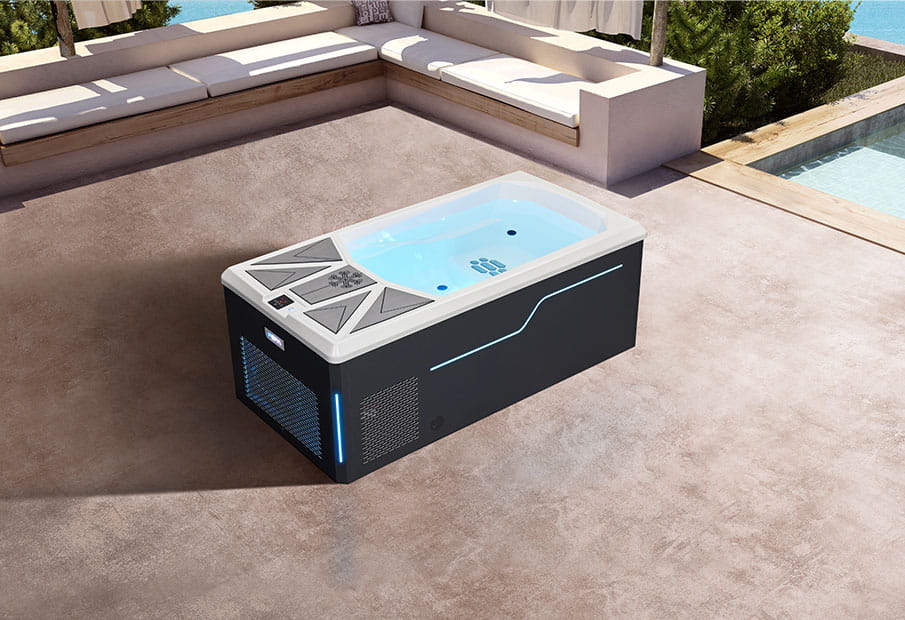
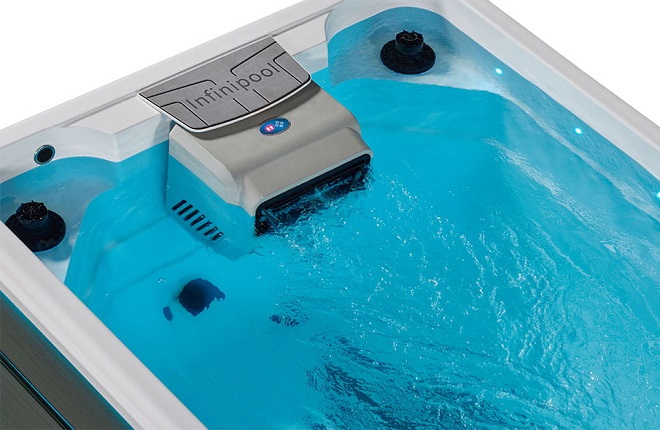
Why More Isn’t Always Better When It Comes to Hot Tub Massage Jets?
When shopping for a hot tub, it’s easy to be drawn to models boasting the highest number of massage jets. At first glance, more jets seem to promise a deeper, more customized, and more luxurious experience. But as someone who has owned and tested multiple spas, I’ve learned that jet count alone is a misleading metric. In reality, the quality, placement, and performance of those jets matter far more than the quantity.
A hot tub with an excessive number of jets but an underpowered pump is like having a dozen faucets running on low water pressure—none of them will feel satisfying. The pump is the heart of the system; it’s what delivers the force and volume of water needed to create a therapeutic massage. If the pump can’t keep up, those 50 or 60 jets will produce little more than a weak, bubbly stream. You’re left with a lukewarm soak rather than a targeted, muscle-relieving hydrotherapy session.
Furthermore, thoughtful jet placement is crucial. A few well-positioned jets targeting key muscle groups—like the lower back, glutes, neck, and calves—are infinitely more valuable than dozens of jets placed randomly where they don’t provide meaningful contact. Everyone soaks differently; some prefer a deep tissue massage on their shoulders, while others need relief for tired legs.
A quality tub offers adjustable, directional jets in strategic zones, allowing you to personalize the experience. A high jet count often looks impressive on a spec sheet, but if half of them are in spots that don’t align with your body, they’re essentially decorative.
There’s also the practical side to consider: energy efficiency and maintenance. More jets require a more powerful pump and more complex plumbing, which inevitably leads to higher energy consumption. Your electricity bill will reflect that. Additionally, each jet is a potential point for leaks or future maintenance.
Simpler systems with fewer, high-quality jets are often more reliable and cheaper to operate in the long run. Ultimately, the goal of a hot tub is relaxation and therapy, not to win a numbers game.
When you test a tub, close your eyes and focus on how it feels. Does the pressure meet your needs? Can you direct the flow where you want it? That’s what truly matters. Don’t be swayed by marketing that promises “the most jets.” Instead, look for a balanced system designed for performance, comfort, and efficiency. Your back—and your wallet—will thank you.
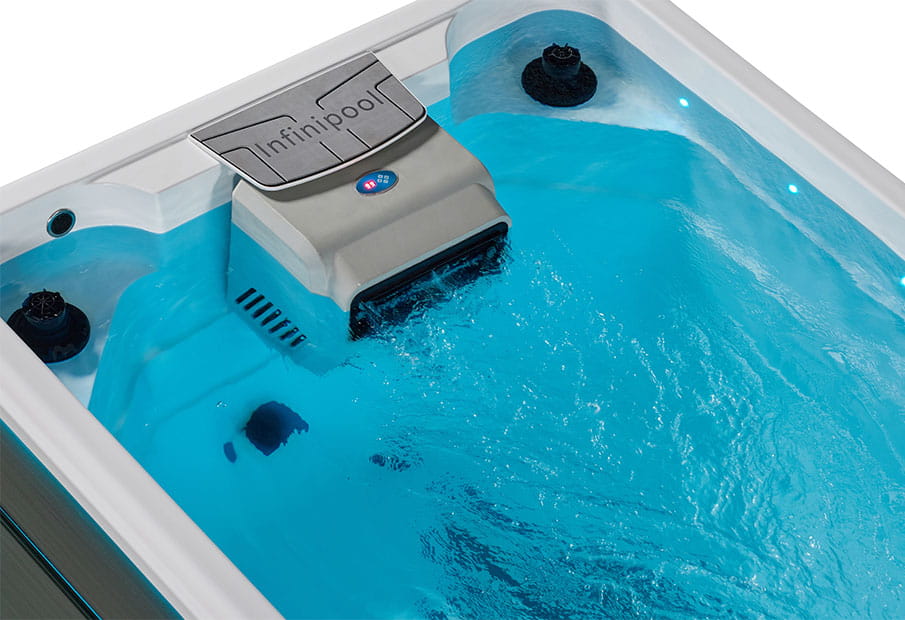
What to Look for in the Best Above Ground Hot Tub
Shopping for the best above ground hot tub usually starts with a simple constraint: no in-ground plumbing, no excavation, no permanent commitment to one spot in the yard. That freedom matters more than it sounds. A homeowner renting a property, or one who simply wants to relocate the tub next season, needs a unit that sits on a deck or patio without tearing anything up. This guide walks through the practical factors that separate a good above ground hot tub from one that ends up as an expensive regret.
The term itself just means the spa shell sits fully above the surface it rests on, supported by its own cabinet and base, rather than being recessed into a deck or built into the ground. Almost every residential spa sold today falls into this category. The real decision isn’t about ground placement at all. It’s about capacity, jet configuration, insulation, and how the unit fits the space you actually have.
Capacity is the first filter, and it’s where a lot of buyers guess wrong. A tub sized for three adults feels generous for a couple but cramped the moment guests show up. Spas in this category typically range from compact three-person models around 1870 x 1330mm up to six-person units near 2530 x 2300mm.
Think about how the tub will actually get used before picking a footprint:
Deck load capacity deserves a mention here too. A filled six-person spa can weigh several hundred kilograms with water and bathers combined, so it’s worth confirming the deck or patio surface can bear that load before ordering.
Jet count gets thrown around as a headline number, but it’s a poor proxy for actual therapy quality. Models in this category range from 16 jets on smaller shells up to 80 jets on the most elaborate configurations. What matters more is jet placement relative to where muscle tension actually accumulates.
A tub with jets clustered around the lumbar region and calves tends to outperform one that scatters the same jet count evenly across the shell. Air-adjustable jets, which let bathers control the intensity of air-water mixing, give more control than fixed-pressure water jets alone. Several models in the Fspa lineup pair high-performance massage jets with customizable air flow, which lets bathers dial in a gentler or more forceful hydrotherapy session depending on the day.
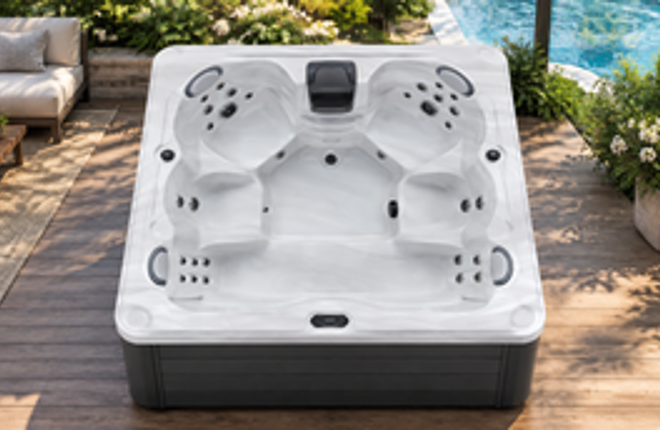
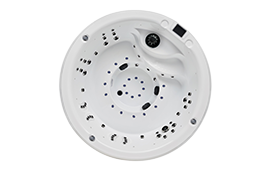
That top-down layout matters because it shows how seating position and jet clusters relate to each other, something a front-facing photo never communicates well.
Heater wattage directly affects how long you wait between filling the tub and actually using it. Units in this range typically ship with 2kW to 3kW heaters, and total system power (heater plus pumps plus auxiliary systems) can reach up to 5.55kW on fully-loaded models.
A smaller heater isn’t necessarily a downgrade. In climates that rarely drop below freezing, a 2kW heater run continuously on a well-insulated cabinet holds temperature just fine. In colder regions, or for households that drain and refill more often, the extra headroom from a 3kW heater cuts down the wait considerably. Insulation quality around the cabinet and shell matters just as much as raw heater wattage, since a poorly insulated spa bleeds heat regardless of how strong the heater is.
Chlorine and bromine still dominate spa water treatment, but ozone sanitization has become a common secondary system on higher-end above ground hot tubs. Ozone is generated on-site and injected into the water line, where it oxidizes organic contaminants and reduces the chemical load needed to keep water clear.
This doesn’t eliminate the need for sanitizer entirely. What it does is reduce how much chlorine or bromine you need to dose manually, which cuts down on the sharp chemical smell and the skin irritation some bathers experience with heavily-chlorinated water. Several models integrate ozone systems alongside the standard filtration housing, positioned so maintenance access stays straightforward.
| Feature | Entry-Level Configuration | Higher-End Configuration |
|---|---|---|
| Capacity | 3-4 adults | 5-6 adults |
| Jet count | 16-30 jets | 40-80 jets |
| Heater | 2kW | 3kW |
| Sanitization | Standard filtration | Ozone system integrated |
| Extras | Basic control panel | LED lighting, audio system |
LED lighting and integrated audio systems show up on several premium models, and they’re easy to dismiss as gimmicks. In practice, ambient lighting changes how usable a spa is after sunset, particularly for households that mainly soak in the evening after work. Audio systems, when built into the shell rather than bolted on as an afterthought, hold up better against splashing and humidity than a portable speaker propped on the edge.
Neither feature should be the deciding factor over jet quality or heater sizing, but for buyers comparing two otherwise similar units, they’re a reasonable tiebreaker.
Does "above ground" mean lower quality than an in-ground spa?
No. Shell construction, pump quality, and insulation determine durability, not whether the unit sits above or below the surrounding surface. Most consumer spas, including high-end models, are above ground by design.
How much clearance does an above ground hot tub need?
Beyond the footprint itself, leave at least 60 to 90cm of access space around at least one side for maintenance and equipment panel access. Check the specific model’s service panel location before finalizing placement.
Can these tubs sit directly on grass or soil?
It’s not recommended long-term. A level, load-rated base, such as a reinforced concrete pad or a properly rated deck, prevents shifting and protects the shell’s underside from moisture damage.
Do more jets always mean better massage quality?
Not necessarily. Jet placement relative to key muscle groups, and whether air flow is adjustable, matters more than raw jet count for actual therapeutic benefit.
Working through capacity, jet configuration, heater size, and sanitization together, rather than picking based on one spec in isolation, produces a much better outcome. A compact 3-person unit with a 2kW heater suits a couple in a mild climate who wants low running costs. A 6-person spa with a 3kW heater and ozone sanitization suits a family that entertains often and wants to minimize manual chemical dosing.
For us, this range of configurations exists precisely because no single spec sheet fits every backyard or budget. Buyers comparing options across capacity, jet layout, and heating power are, in effect, already doing the real work of finding the best above ground hot tub for their own household, rather than chasing a single number on a brochure.
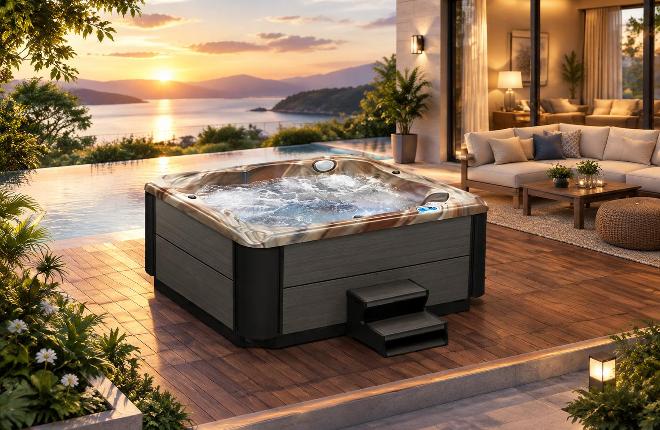
Modular Swim Spa Design: What Homeowners Should Know Before Buying
A modular swim spa sits in an odd category. It is not quite a pool, not quite a hot tub, but something built to do both jobs without demanding the excavation and plumbing that a full in-ground pool requires. For homeowners with a villa backyard, a courtyard, or a compact hotel gym, that distinction matters more than marketing copy ever will.
The term "modular" refers to how these units arrive and install. Unlike a poured-concrete pool, a modular swim spa is manufactured as a self-contained shell with its plumbing, pumps, and controls pre-installed at the factory. It gets delivered whole or in large sections, set on a prepared pad, and connected to power and water. There is no months-long construction timeline, no permanent excavation, and in many cases, no need for a structural engineer to sign off before you start filling it with water.
Ground conditions are the first hurdle for most in-ground pool projects. Rocky soil, high water tables, or a small lot can turn a straightforward pool build into a six-figure headache. A modular unit sidesteps that problem entirely because it sits above or partially below grade on a simple concrete or paver base.
Time is the second factor. Traditional pool construction can take anywhere from two to six months depending on permitting and weather. A modular swim spa, by contrast, is often operational within a few days of delivery, since the mechanical work was finished before it left the factory.
Cost predictability rounds out the appeal. Because the unit is pre-engineered, homeowners know the equipment cost upfront. There are no surprise change orders from unexpected soil conditions or rebar overruns, which is often the biggest source of budget creep in custom pool builds.
The word "spa" in modular swim spa is doing real work here. These units are engineered around hydrotherapy, not just water containment. Jet placement, water volume, and heating capacity are all tuned to deliver a therapeutic soak rather than a swim-only experience.
Take the Fspa BD-004 as a reference point for what this looks like in practice. It is a 6-person unit with 35 targeted massage jets, built on a 5.55kW power system split between a 2.2kW massage pump, a 0.35kW filter pump, and a 3kW heater. That distribution matters: a stronger massage pump handles jet pressure, while the smaller filter pump runs continuously without driving up energy costs.
Seating in a well-designed unit follows the body’s natural curves rather than forcing users into a flat bench. According to the manufacturer’s specifications, the BD-004 uses contoured seats and backrests with jets positioned to align with pressure points along the spine and legs. Some models also include shaped headrests, described in the product literature as a pillow system intended to support neck alignment during use.
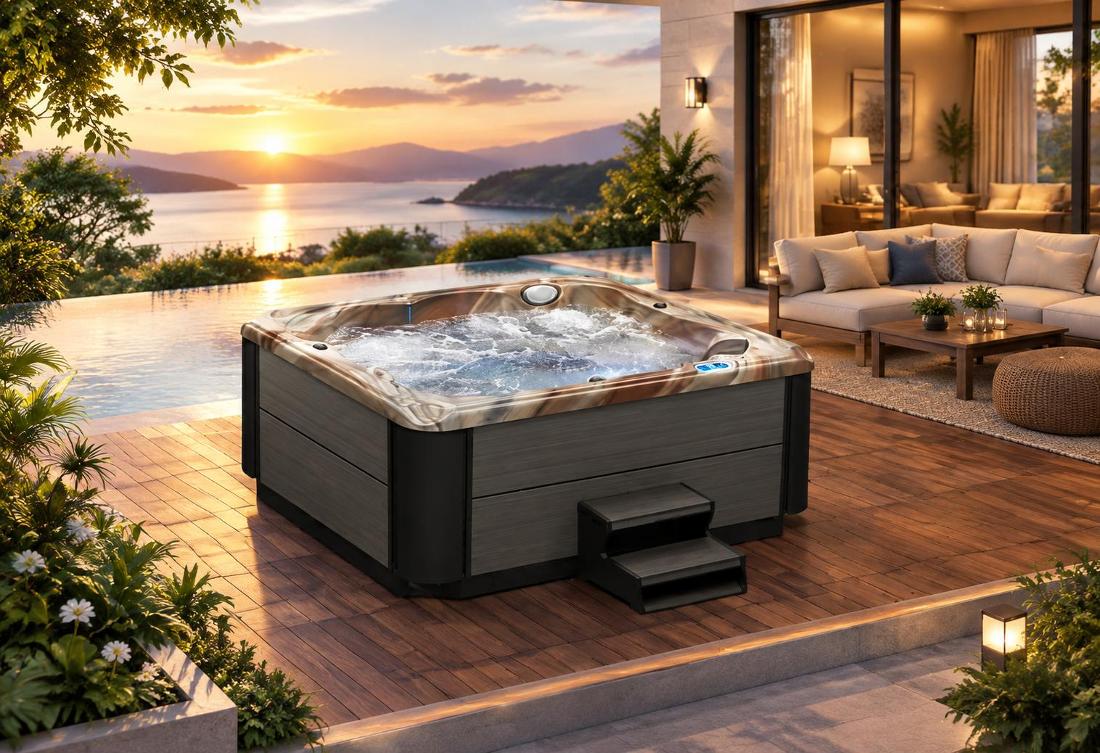
Anyone who has maintained a traditional pool knows chlorine management is a recurring chore. Modular swim spas typically use a smaller water volume, which changes the maintenance math considerably. The BD-004, for example, holds 1,450 liters, a fraction of what an in-ground pool requires, and this smaller volume is easier to sanitize and heat.
Ozone-based sanitization systems have become common in this product category. Ozone helps oxidize contaminants in the water, which can reduce how often chemical sanitizers need to be added. The BD-004 includes an integrated ozone system as part of its water circulation, according to the manufacturer, which is positioned to lower the day-to-day maintenance burden compared to chlorine-only systems.
That said, ozone systems supplement rather than replace basic water care. Owners still need to monitor pH and sanitizer levels periodically. Anyone marketing an ozone system as a total replacement for water testing is overstating what the technology does.
When evaluating any modular swim spa, a handful of specifications tell you most of what you need to know about performance and running costs.
| Specification | BD-004 Reference Value | Why It Matters |
|---|---|---|
| Capacity | 6 Adults | Determines suitable household or guest size |
| Dimensions | 2350 x 2350 x 900mm | Footprint planning for deck or patio space |
| Total Power | 5.55kW | Affects electrical circuit requirements |
| Massage Pump | 2.2kW | Drives jet pressure and hydrotherapy strength |
| Filter Pump | 0.35kW | Runs continuously; impacts daily energy use |
| Heater | 3kW | Determines heat-up time and running cost |
| Jet Count | 35 | Indicates hydrotherapy coverage across seats |
| Water Capacity | 1450L | Smaller volume means faster heating, easier upkeep |
| Net Weight | 317kg | Relevant for deck or floor load calculations |
Certifications also deserve attention, since they indicate the unit has passed independent electrical and safety testing. The BD-004 carries CE, CTUVus, CB, and SAA certifications, according to the manufacturer’s specifications, which are associated with European, North American, and Australian electrical safety standards respectively. For anyone importing a unit internationally, checking which certifications apply to their region is a practical first step, not a formality.
Not every property has the same constraints, and modular swim spas are flexible enough to fit several distinct use cases.
Each of these scenarios shares a common thread: the buyer needs functional hydrotherapy without the site work a traditional pool demands.
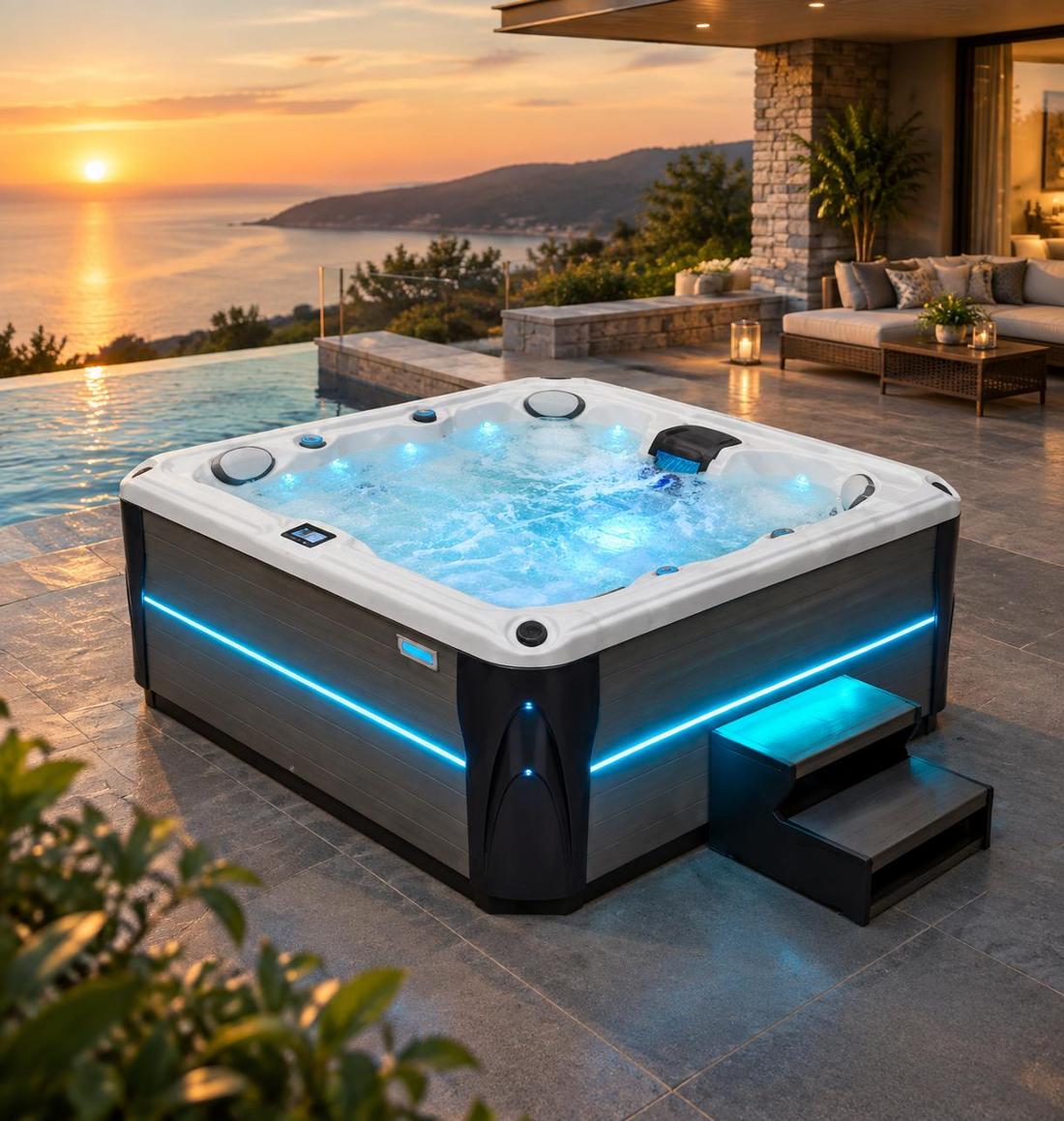
LED lighting inside a swim spa is often dismissed as a cosmetic feature, but it serves a functional purpose too. Low-light soaking, particularly in the evening, benefits from interior illumination for both safety and atmosphere. The BD-004 uses bottom-positioned blue LED lighting, which the manufacturer describes as contributing to a calming atmosphere during use.
It is worth being precise about what this feature does and does not do. Ambient lighting can influence mood and visibility; it is not a therapeutic mechanism on its own. Buyers should treat it as a comfort feature rather than a clinical one, regardless of how a listing describes it.
Selecting a modular swim spa comes down to a short sequence of practical decisions rather than a single spec sheet comparison.
Skipping any one of these steps is where most installation delays or return requests originate, so it pays to work through them in order rather than starting with the unit’s appearance.
Does a modular swim spa require a permit?
Requirements vary by municipality and depend on unit size and whether it includes permanent electrical connections. Checking with local building authorities before purchase avoids installation delays.
How is a modular swim spa different from a standard hot tub?
The distinction is mainly about function and size. A swim spa is generally designed to accommodate more movement and a larger group, while retaining hydrotherapy jets similar to a hot tub. Product literature for units like the BD-004 positions them primarily as a hydrotherapy experience rather than a lap-swimming pool.
Can it be installed indoors?
Many modular units, including the BD-004 according to its manufacturer, are suitable for both indoor and outdoor installation, provided ventilation and moisture control are addressed in the room design.
How often does the water need to be changed?
This depends on usage frequency and sanitization system performance, but smaller water volumes typically require replacement every three to four months under normal household use.
A modular swim spa is ultimately a compromise built for good reason. It trades the swimming length of a full pool for faster installation, lower site disruption, and a hydrotherapy-focused experience. For properties where excavation is impractical, whether due to soil, budget, or timeline, that trade-off tends to make sense.
Buyers evaluating options should focus less on visual finishes and more on the mechanical specifications: pump wattage, jet count, water volume, and certification. These figures determine whether the unit will perform reliably over years of use, not just in the showroom. Companies like us that manufacture and certify these systems directly tend to provide clearer documentation on these specifications, which makes comparison shopping considerably easier for anyone narrowing down a modular swim spa suited to their space.
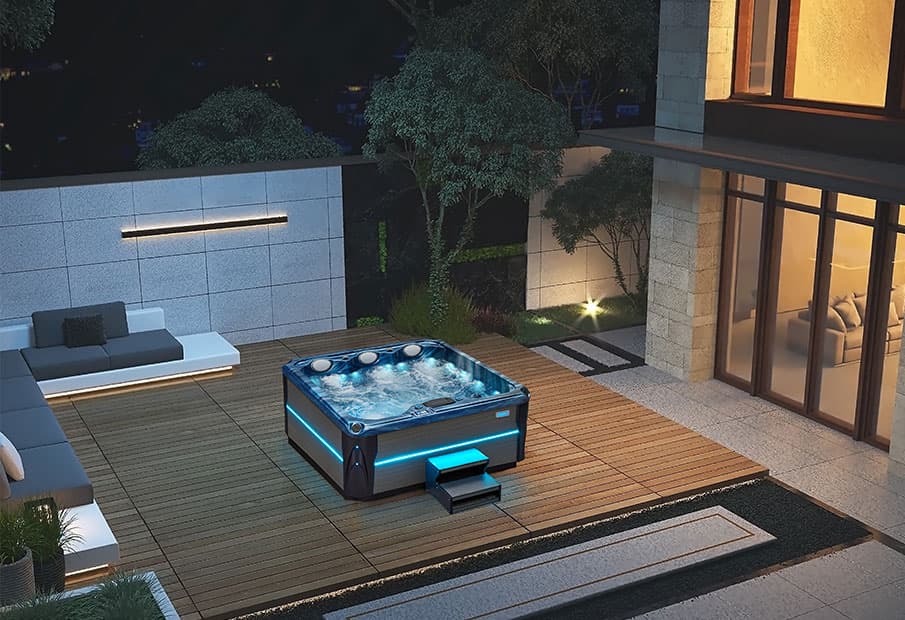
The Fspa BD-013Pro Hot Tub, a spacious and stylish premium spa for residential and commercial use, offers a luxurious and rejuvenating experience with its powerful massage system, pristine water quality, customizable water flow, calming LED lighting, music speakers, and comfort accessories.
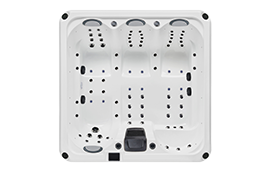
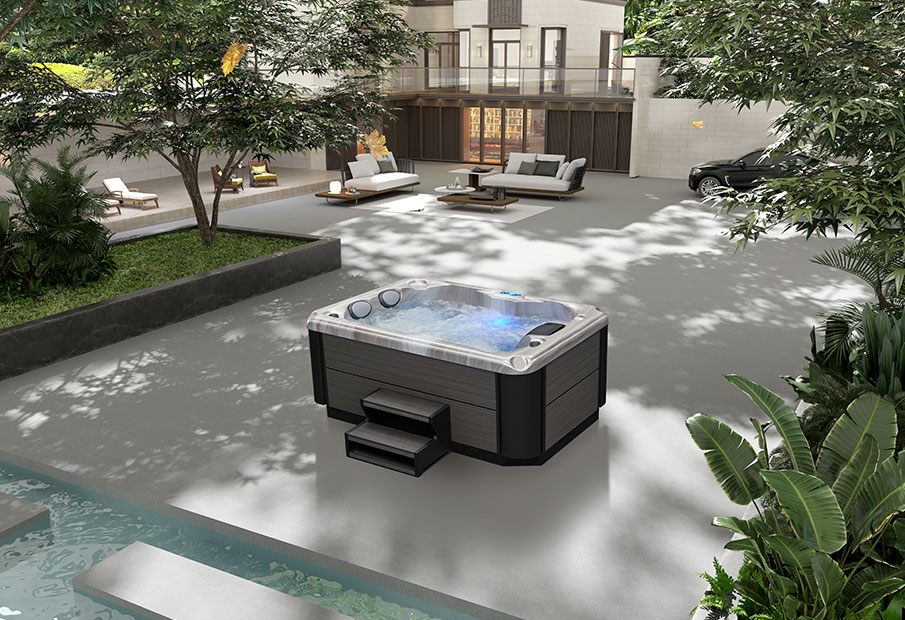
The Fspa BD-015 hot tub, with spacious dimensions for 6 adults, a powerful 2.2kW massage pump, 35 strategic jets, a 3kW heater, serene LED lighting, and a total power of 5.5kW, offers the ultimate experience in relaxation and well-being.
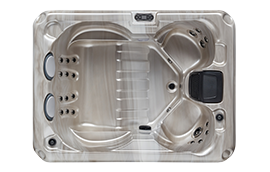
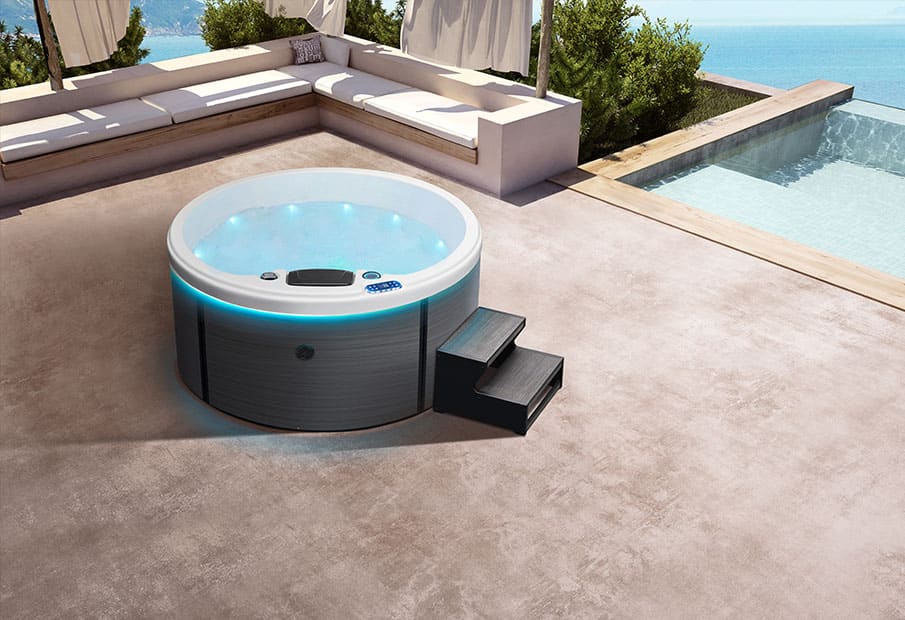
The Fspa BD-018Pro Hot Tub is a stylish, spacious spa for 5 adults, featuring a powerful massage system, modern amenities, and an advanced filtration system for a luxurious, relaxing, and healthy indoor/outdoor retreat.
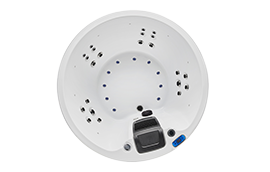
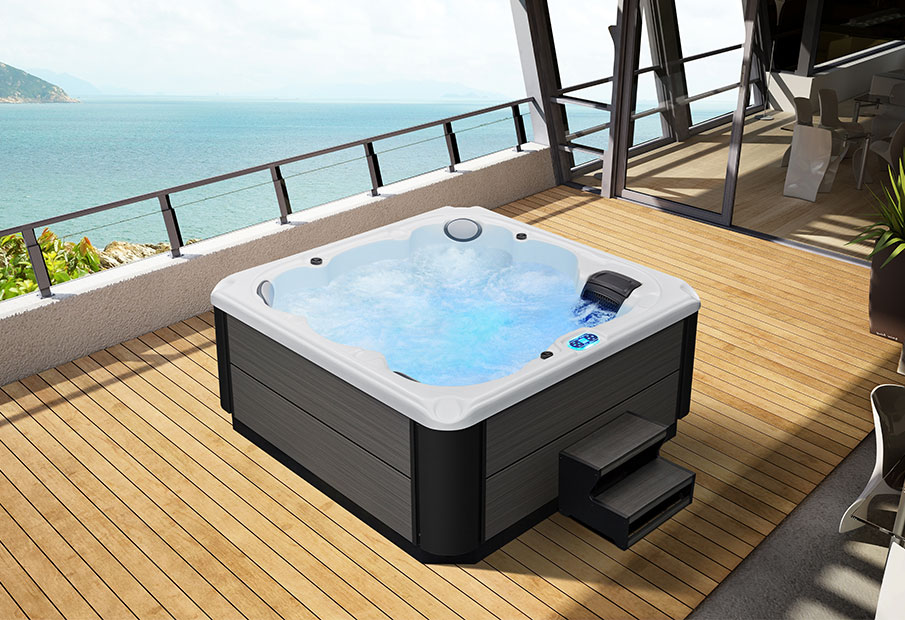
The Fspa BD-012 hot tub, designed for intimate relaxation, features a spacious size for 2 adults, powerful massage pump with 20 jets, temperature-controlled heater, energy-efficient filter pump, ambient LED lighting, and sanitized water with an ozone system, offering a private oasis for ultimate relaxation.
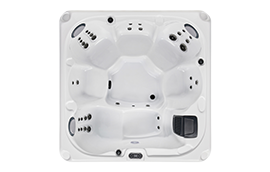
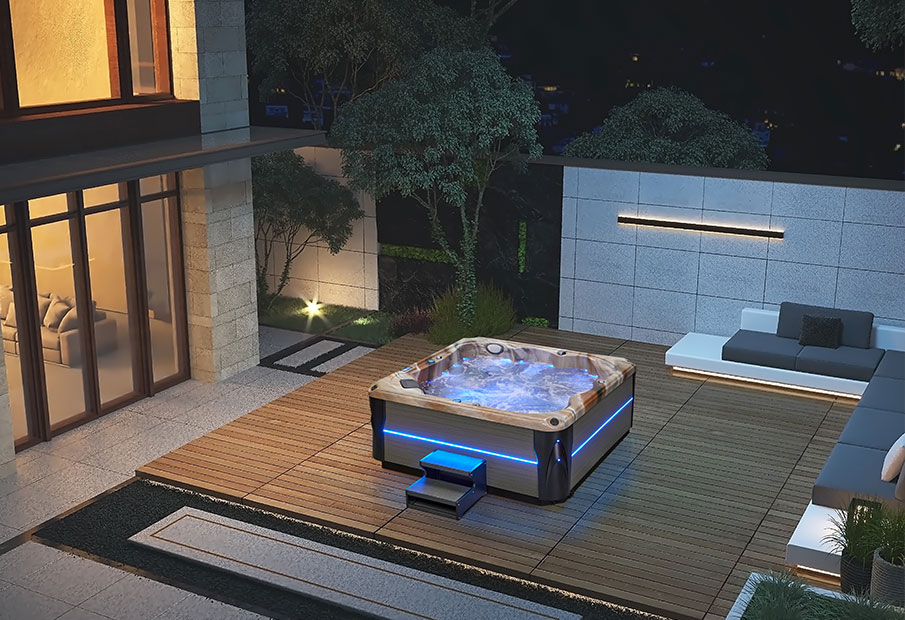
Fspa BD-004Pro Hot Tub, a spacious, powerful, and feature-rich hot tub designed for up to 6 adults, complete with therapeutic massages, clear water circulation, customizable air flow, immersive audio, and sanitization system, ideal for both residential and commercial outdoor settings.
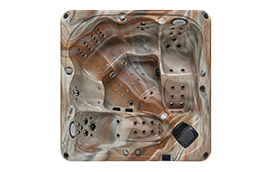
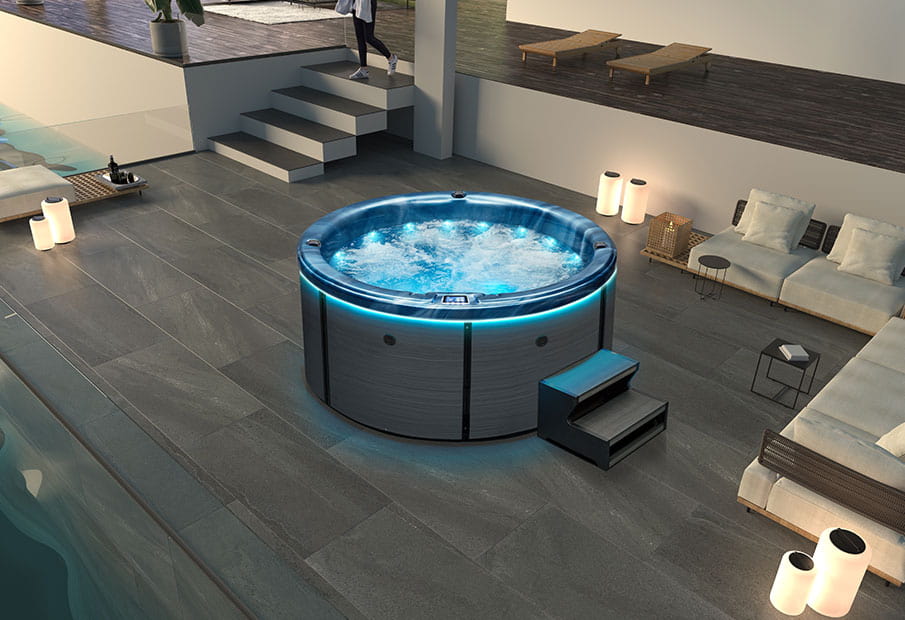
The Fspa BD-009Pro Hot Tub, a compact 2000x900mm spa for up to 6 adults, combines power and efficiency with luxurious features like a 7.97kW system, 50 water & 20 air bubble jets, LED lighting, and music speakers, making it ideal for residential and small commercial spaces.
PRODUCTS
INQUIRY
Thank you for your message!Our Chinese New Year holiday from 7th Feb to 28th Feb. Apologise to make your inconvenience so that responses may be delayed during this period. We'll back to you with regular service on 2th March .Thank you for understanding.


