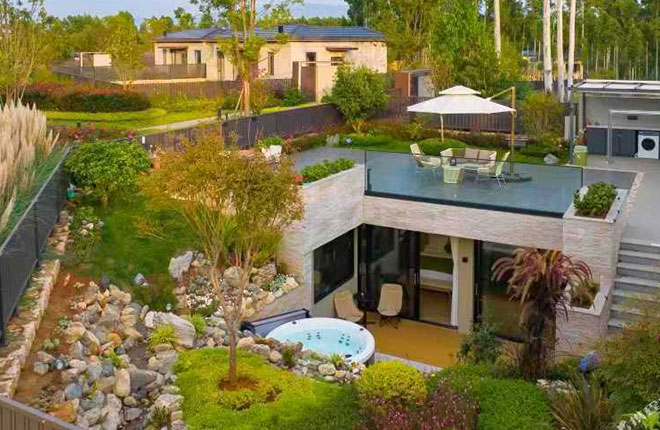
Guest: What materials do you use for your hot tubs?
Salesperson: We use high-quality, imported acrylic for durability and a sleek finish. Our shells are triple-layered and hand-sculpted, with pressure-treated wood frames for outdoor resilience.
Guest: How do your spas differ technically from regular bathtubs?
Salesperson: Our spas feature advanced hydrotherapy jets with 5-10x stronger massage pressure than standard tubs. Plus, they include smart temperature controls, LED lighting, and ozone sterilization for low-maintenance clarity.
Guest: Can you customize units?
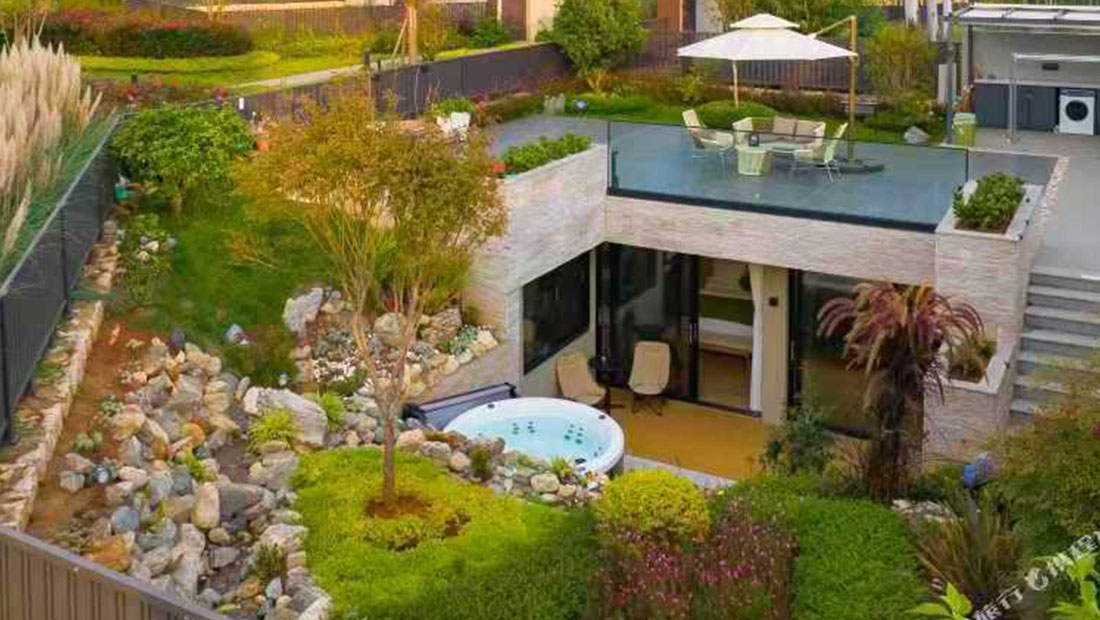
Salesperson: Absolutely! We offer customization in colors, sizes, jet configurations, and even aromatherapy options. Just share your vision, and we’ll tailor a spa to your needs.
Guest: What’s the production process like?
Salesperson: We follow ISO9001 standards, ensuring precision from material cutting to assembly. Each spa undergoes rigorous testing before delivery, guaranteeing quality and performance.
Guest: What’s the warranty?
Salesperson: We provide a 2-5 year warranty, depending on components. Our after-sales team is always ready to assist.
Salesperson: Thank you for visiting! We’re confident our spas can elevate your business. Let’s discuss how we can collaborate.
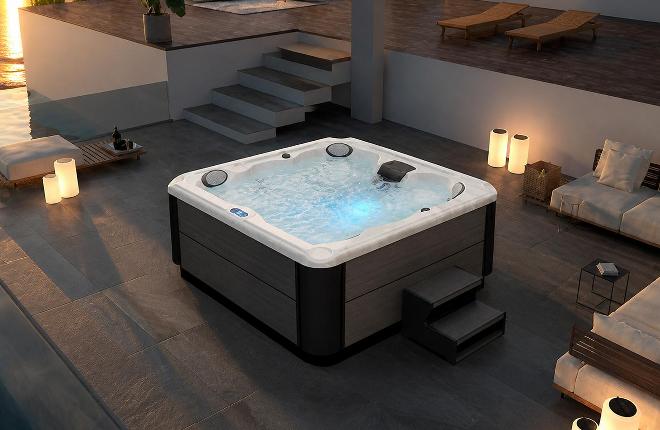
Wim Hof Method Cold Plunge: What Actually Happens in the Water
Anyone researching a wim hof method cold plunge protocol eventually hits the same wall: the breathing looks simple on video, but the water part gets glossed over. Most guides skip straight to breath counts and skip the actual physiology of sitting in cold water, which is where people either get hooked or give up. This piece covers what the method demands physically, how to build tolerance safely, and where a warm soak fits into the same wellness routine without contradicting the cold exposure goals.
The method combines three pillars: cyclical breathing, gradual cold exposure, and a mindset component borrowed from meditation practice. None of the three works particularly well alone. The breathing hyperventilates the body slightly, raising blood oxygen and dropping carbon dioxide, which some practitioners report as a temporary tingling or lightheaded sensation.
Cold exposure is the pillar most people fixate on, largely because it’s the most visible and the most uncomfortable. Wim Hof himself has completed feats like prolonged ice water immersion and high-altitude climbs with minimal clothing, but the daily practice most people follow looks nothing like that. It starts with cold showers, then progresses toward plunges.
Cold water conducts heat away from the body roughly 25 times faster than air at the same temperature. That’s the core reason a plunge feels so much more intense than standing outside on a winter morning. Your skin senses the temperature drop almost instantly and triggers a cascade of involuntary responses.
The first thirty seconds typically bring what’s called the cold shock response: gasping, rapid breathing, and a spike in heart rate. This is normal and expected, not a sign something is wrong. Practitioners are taught to breathe through it rather than panic, which is part of why the breathing pillar gets trained separately before the plunge itself.
After the initial shock passes, blood vessels near the skin constrict to preserve core temperature, a process called vasoconstriction. This redirects blood toward vital organs. Some people describe a strange calm settling in after the first minute, though tolerance varies enormously between individuals and even between sessions for the same person.
Jumping straight into a full cold plunge without preparation is a common mistake, and it’s also where most dropout happens. A more sustainable progression looks like this:
Skipping steps rarely pays off. The body’s tolerance to cold is partly a learned response, and rushing it tends to produce anxiety around the practice rather than the calm confidence experienced practitioners describe.
Cold exposure isn’t universally safe, and this gets underplayed in a lot of enthusiast content. People with cardiovascular conditions, uncontrolled high blood pressure, or a history of arrhythmia should talk to a doctor before starting, since the sudden vasoconstriction and heart rate spike place real stress on the cardiovascular system.
Pregnant individuals, people with Raynaud’s phenomenon, and anyone with open wounds or skin conditions that worsen in cold water should also proceed with caution or avoid it. This isn’t meant to scare people away from the practice, but the enthusiasm around cold plunging online sometimes drowns out the fact that it’s a genuine physiological stressor, not a wellness gimmick with zero risk.
These terms get used interchangeably, but they’re not the same thing, and mixing them up leads to confused expectations.
| Method | Typical Temperature | Duration | Mechanism |
|---|---|---|---|
| Cold plunge | 10-15°C (50-59°F) | 2-5 minutes | Full body immersion in cold water |
| Ice bath | 0-10°C (32-50°F) | 1-3 minutes | Water chilled further with ice |
| Whole-body cryotherapy | -110°C to -140°C | 2-3 minutes | Cold air chamber, not water |
A wim hof method cold plunge session typically sits at the milder end of this spectrum, since the practice emphasizes controlled breathing over extreme temperature. Ice baths push further into discomfort and are often used by athletes for recovery rather than the breathing-focused ritual Hof teaches.
Here’s something that surprises newcomers: consistent cold exposure practice tends to go hand in hand with deliberate warm recovery, not away from it. Alternating temperature exposure, sometimes called contrast therapy, is used by physiotherapists to encourage circulation without keeping the body in constant vasoconstriction.
After a cold plunge session, many practitioners transition into a warm soak once the body has re-warmed naturally through movement, rather than jumping straight into hot water while still cold. A dedicated hydrotherapy spa becomes useful at this stage of a wellness routine, not as a replacement for the cold work but as a complementary recovery tool.
This is where a product like our BD-001 spa fits into the broader picture. It’s not a cold plunge tub, and it isn’t marketed as one. According to the product specifications, it’s a 2100 x 2100 x 900mm hydrotherapy spa built to seat up to six adults, equipped with 31 jets and a 2.2kW massage pump for muscle recovery after cold exposure or general physical activity. The 3kW heater and dedicated 0.35kW filter pump with ozone filtration are designed to help keep water clean between sessions, which matters for anyone running a consistent hot-cold rotation at home.
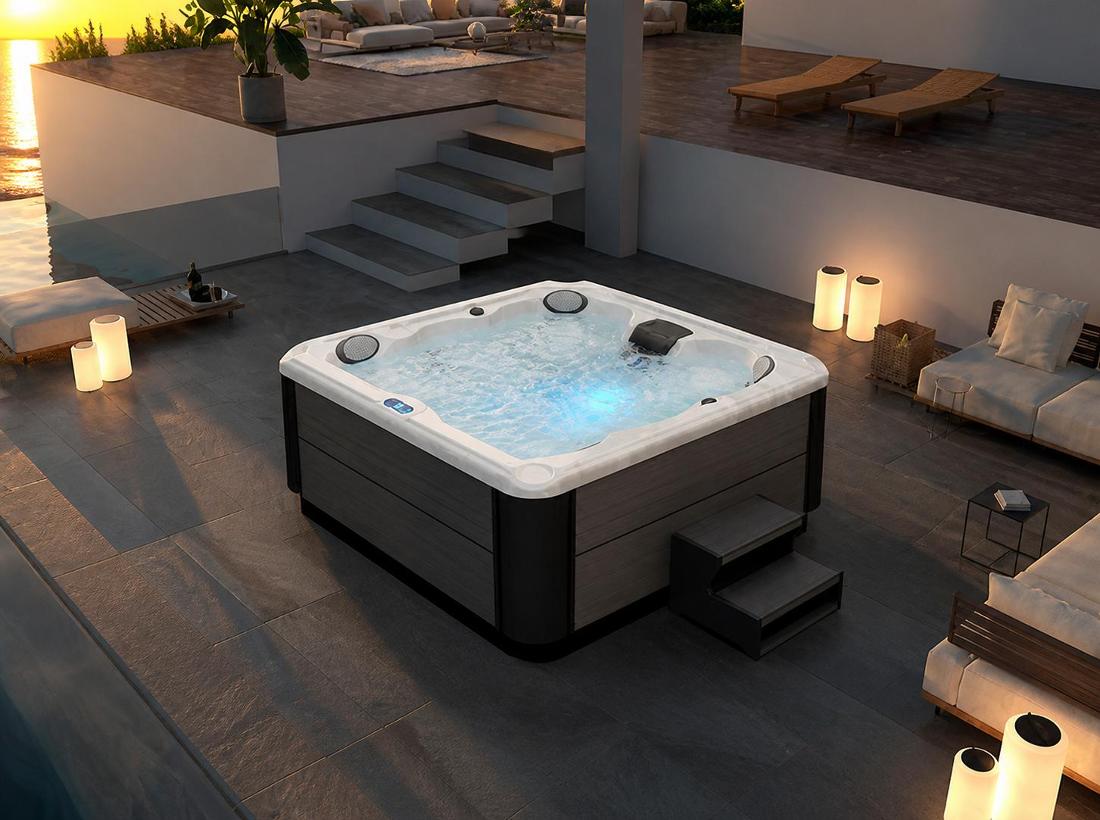
People who stick with cold plunging long term almost always build some kind of dedicated setup, even a modest one. A few practical considerations:
For households or facilities pairing cold exposure with recovery therapy, the same reasoning applies whether it’s a private backyard, a boutique hotel wellness area, or a rehabilitation center. Water efficient equipment with a modest footprint tends to fit these spaces better than oversized installations, since not every property has room for a large soaking pool alongside a plunge tub.
How long should a wim hof method cold plunge session last?
Most practitioners work up to two to five minutes. Beginners should start with far shorter exposures, sometimes just 30 seconds, and extend gradually.
Can I do the breathing exercises and cold plunge on the same day?
Yes, though many practitioners separate them by doing breathing first, resting, then plunging afterward rather than combining both simultaneously.
Is a cold plunge the same as an ice bath?
Not exactly. Ice baths use ice to reach lower temperatures than a typical cold plunge, which usually relies on naturally cold or lightly chilled water.
Does cold plunging actually boost the immune system?
Some studies suggest modest changes in immune markers with regular cold exposure, but claims of dramatic immune boosts go beyond what current research supports.
What should I do immediately after a cold plunge?
Move around to generate natural body heat before applying external warmth. Jumping straight into very hot water while still cold can cause dizziness for some people.
Consistency beats intensity here. A wim hof method cold plunge practiced three times a week for a year will do more for tolerance and reported wellbeing than a single extreme session followed by months of avoidance. The breathing, the cold, and the mindset piece all compound slowly, and rushing any one of them tends to backfire.
Pairing that cold discipline with a proper recovery routine, whether through stretching, warm soaks, or hydrotherapy sessions in something like a BD-001-style spa, rounds out the practice rather than undermining it. Cold exposure and warm recovery aren’t opposing philosophies; they’re two halves of the same physiological conversation the body is constantly having with its environment. Anyone serious about a long-term wim hof method cold plunge habit should plan for both ends of that temperature spectrum, not just the cold.
The Real Difference Between a Wine Barrel Cold Plunge and a Hot Tub Setup
Search "wine barrel cold plunge" and you’ll find dozens of rustic-looking tubs promising ice-bath benefits in a charming wooden shell. Before buying one, it helps to understand what these barrels actually do well, where they fall short, and when a different kind of spa setup serves your goals better. Cold exposure and hydrotherapy solve different problems, and mixing up the two leads to disappointing purchases.
A wine barrel cold plunge is a stave-built wooden vessel, often repurposed from actual wine or whiskey barrels, filled with cold or ice water for short-duration immersion. There’s no jet system, no heater, no filtration loop in most basic models. You fill it, chill it, sit in it for a few minutes, then drain or maintain it manually.
The appeal is straightforward. Wood has a warm, artisanal look that plastic or acrylic shells can’t replicate. Round barrel shapes also use less material than square tanks of similar volume, which keeps manufacturing costs lower for smaller producers. That’s part of why these plunges show up so often at boutique gyms and backyard wellness setups.
But simplicity cuts both ways. Without integrated filtration, most wine barrel plunges need manual water changes every few days, more often in warm climates or with frequent use. Owners who skip this step deal with cloudy water and bacterial growth, since stagnant water doesn’t sanitize itself just because it’s cold.
People often ask whether they should buy a cold plunge or a hot tub, as if one replaces the other. They don’t overlap much. Cold plunges target acute recovery, reducing inflammation and numbing soreness after intense training. Hot tubs use warm water and hydrotherapy jets to relax muscles, improve circulation, and ease chronic tension over longer soaks.
Some athletes and wellness facilities run both, alternating between hot and cold for contrast therapy. If your goal is daily relaxation rather than athletic recovery, a heated hydrotherapy spa will likely deliver more consistent value than a barrel that only does cold.
This is where the conversation shifts from rustic charm to practical engineering. A cold plunge barrel without proper filtration is essentially a large cooler you sit in. Compare that to a purpose-built spa pool designed with dedicated filter pumps and ozone treatment systems, and the maintenance gap becomes obvious.
Take the Fspa BD-001 as a reference point for what a fully engineered spa system looks like. It’s not a cold plunge, it’s a 2100x2100x900mm hydrotherapy spa built for up to 6 adults, but its filtration architecture illustrates the standard that basic wine barrels typically lack.
| Feature | Basic Wine Barrel Plunge | Engineered Spa (BD-001 reference) |
|---|---|---|
| Filtration | Manual water changes | Dedicated 0.35kW filter pump plus ozone system |
| Temperature control | None or basic | Digital control panel with 3kW heater |
| Circulation | Static water | 2.2kW massage pump with 31 jets |
| Water capacity | Varies by barrel size | 1000L |
| Total power draw | None | 5.55kW |
| Certifications | Rarely certified | CE, CTUVus, CB, SAA |
The takeaway isn’t that barrels are inferior for cold therapy specifically. It’s that anyone comparing wellness tubs broadly should weigh maintenance burden against upfront cost, not just aesthetics.
Wood barrels vary wildly in quality. Some manufacturers use food-grade cedar or oak staves sealed with proper liners, while cheaper versions use thin wood prone to leaking within a season. A few questions help separate durable options from short-lived ones.
Skipping these questions is how people end up with a barrel that looks great in photos but leaks by the second month.
Space and water usage matter more than people expect when planning outdoor wellness setups. A cold plunge barrel takes up relatively little footprint, which works well for small patios or gym corners. Larger hydrotherapy spas need more room but serve a broader range of uses.
For colder-climate rehabilitation centers or physiotherapy clinics, a heated spa with adjustable jet intensity often serves treatment goals better than a static cold barrel, since therapists can tailor water temperature and massage pressure to each patient.
Cold plunge barrels are usually built for standing or crouched immersion, not extended seating, since prolonged cold exposure isn’t meant to be comfortable in the traditional sense. Hydrotherapy spas take the opposite approach, prioritizing seated comfort for longer sessions.
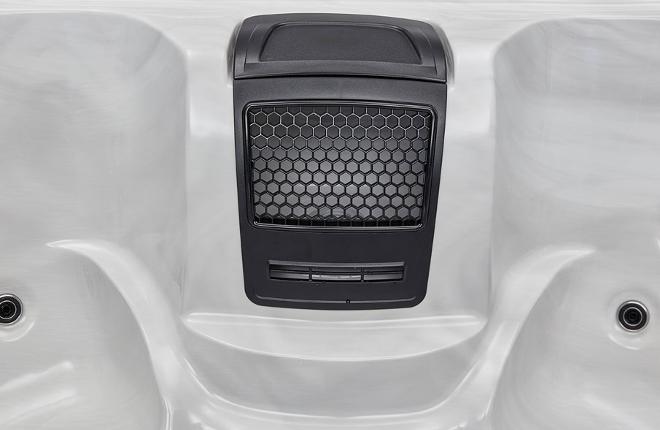
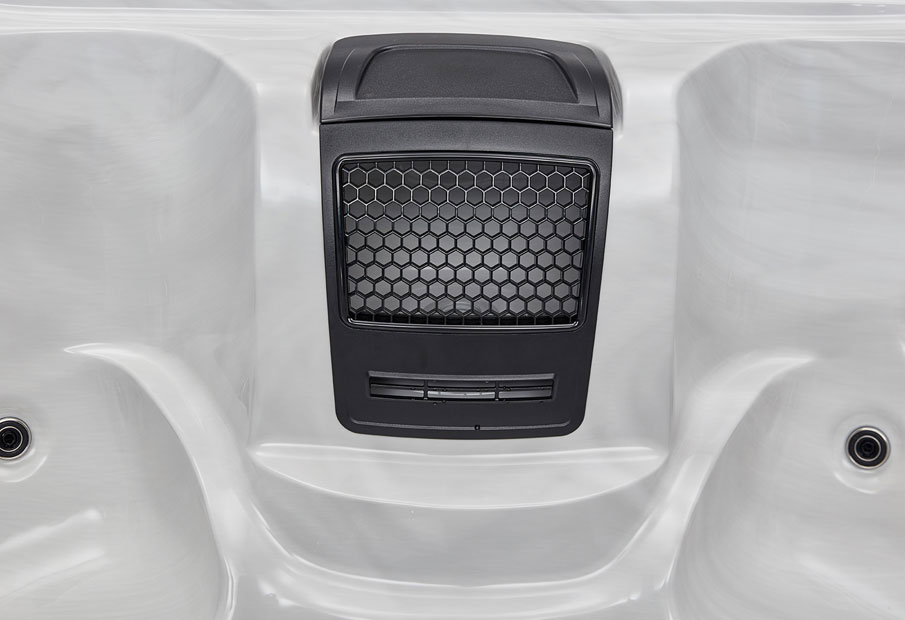
Ergonomic design shows up in details easily overlooked during a quick product scan. Integrated headrests that support the neck and align the spine, for example, make a measurable difference during 20-30 minute soaks. Jet placement matters too, since poorly positioned jets miss the shoulders and lower back where tension typically concentrates.
Can I turn a real wine barrel into a cold plunge myself?
Yes, though it requires sealing the interior properly and adding a drainage system. Without a food-safe liner, tannins and residue from the original wine can leach into the water.
How cold does a wine barrel plunge typically get without a chiller?
Without a dedicated chiller unit, water temperature depends entirely on ambient conditions and ice added manually, which makes consistent cold therapy harder to maintain than with temperature-controlled systems.
Is a wine barrel cold plunge sanitary without filtration?
Not reliably. Cold temperatures slow bacterial growth but don’t eliminate it, so manual water changes and regular cleaning remain necessary even in cold water.
Do hydrotherapy spas serve the same recovery purpose as cold plunges?
No. Hydrotherapy spas focus on warm-water muscle relaxation and circulation, while cold plunges target inflammation reduction through cold exposure. They address different phases of physical recovery.
The decision between a wine barrel cold plunge and a full hydrotherapy spa comes down to what problem you’re solving. If short, intense cold exposure for recovery is the goal, a well-built barrel with proper liner and drainage can work fine, provided you accept the manual maintenance involved.
If your priority is relaxation, circulation, and longer soaking sessions, especially in settings like hotels, villas, or wellness centers, a heated spa with proper filtration and ergonomic seating will hold up better over time and require less hands-on upkeep. For us, working across both wellness categories has made clear that the best choice isn’t about which product sounds more premium. It’s about matching water temperature, maintenance tolerance, and session length to what you’re actually trying to achieve, whether that’s a quick wine barrel cold plunge after a workout or a longer soak in a fully equipped hydrotherapy system.
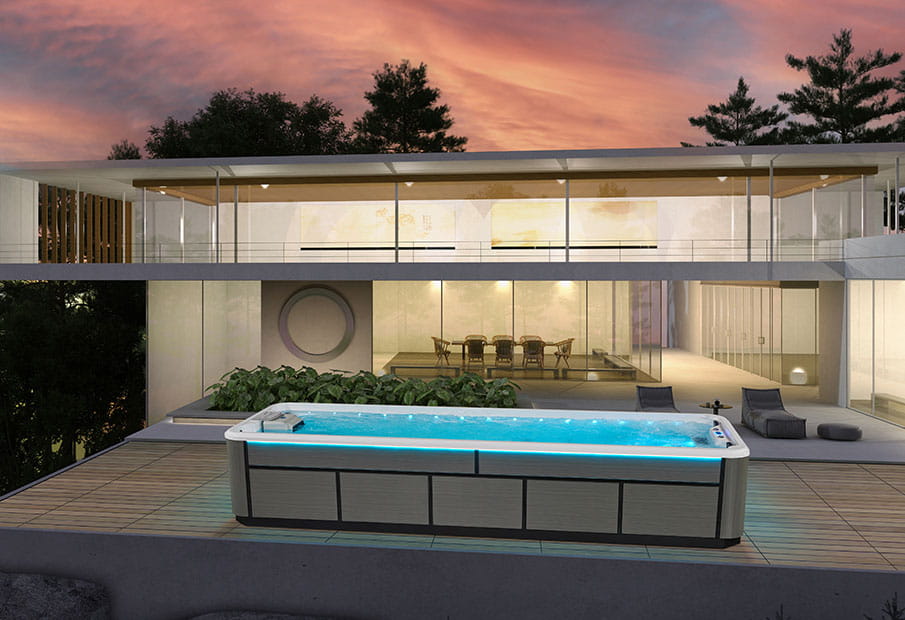
This contemporary infinity pool features dimensions of 7000mm in length, 2200mm in width, and 1335mm in height, highlighting its comprehensive and sophisticated functionality, including a high-efficiency filter pump, a powerful heater, and an advanced ozone system.
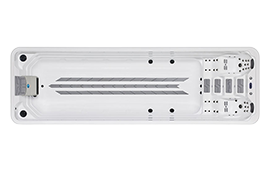
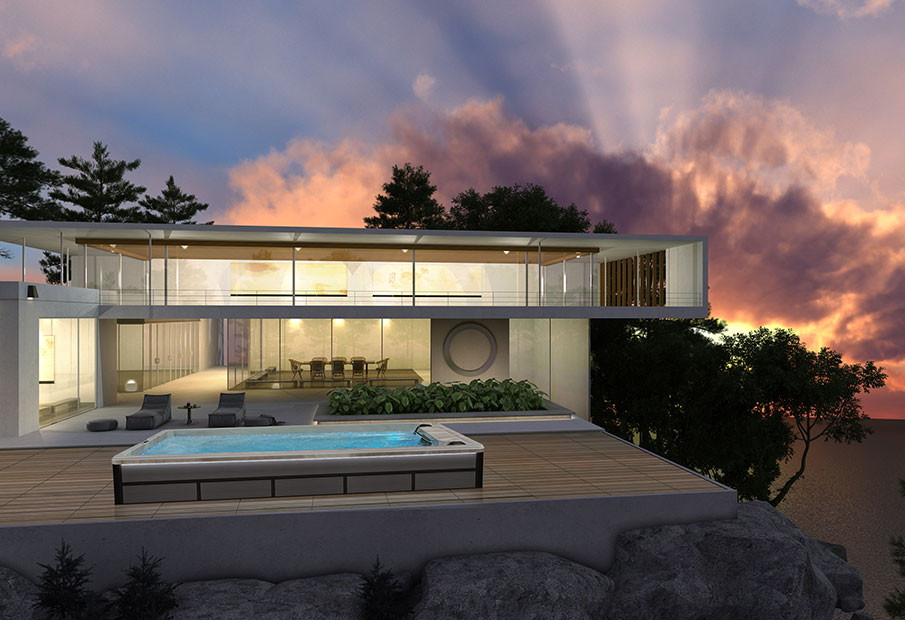
The Infinipool Fspa IP-002Pro is a luxurious and versatile hot tub, featuring a powerful filtration system, 28 massage jets, ozone sanitization, insulation, and optional accessories, designed to provide a soothing and rejuvenating experience in any outdoor space.
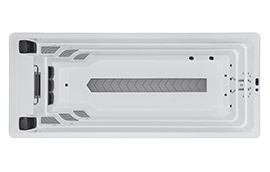
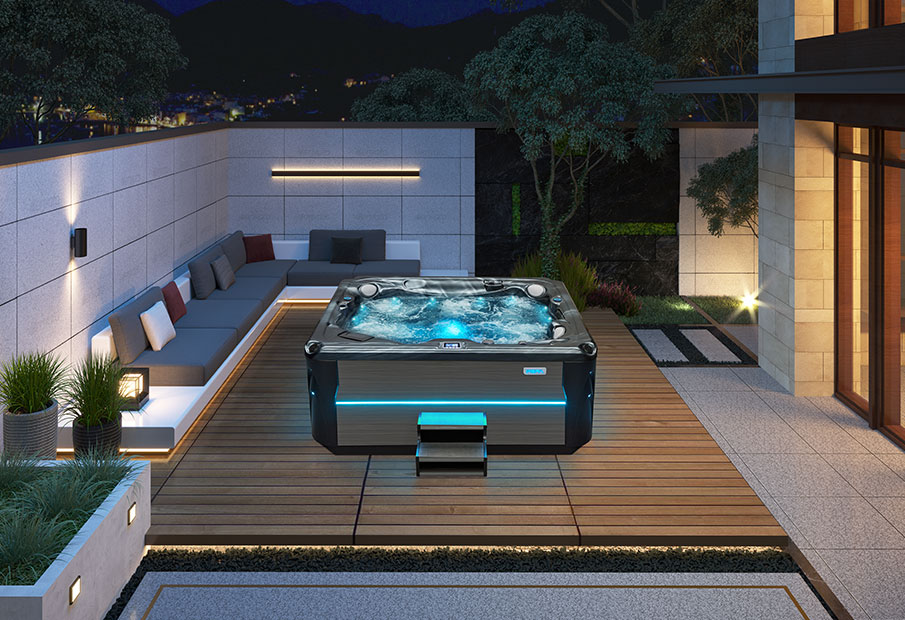
The Fspa BD-005Pro Hot Tub, accommodating up to 6 adults with a spacious 2530x2300x900mm design, boasts robust massage systems, pristine water clarity, an array of premium features, and efficient water sanitization, making it an ideal choice for both residential and commercial outdoor settings.
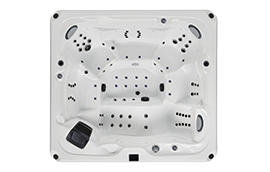
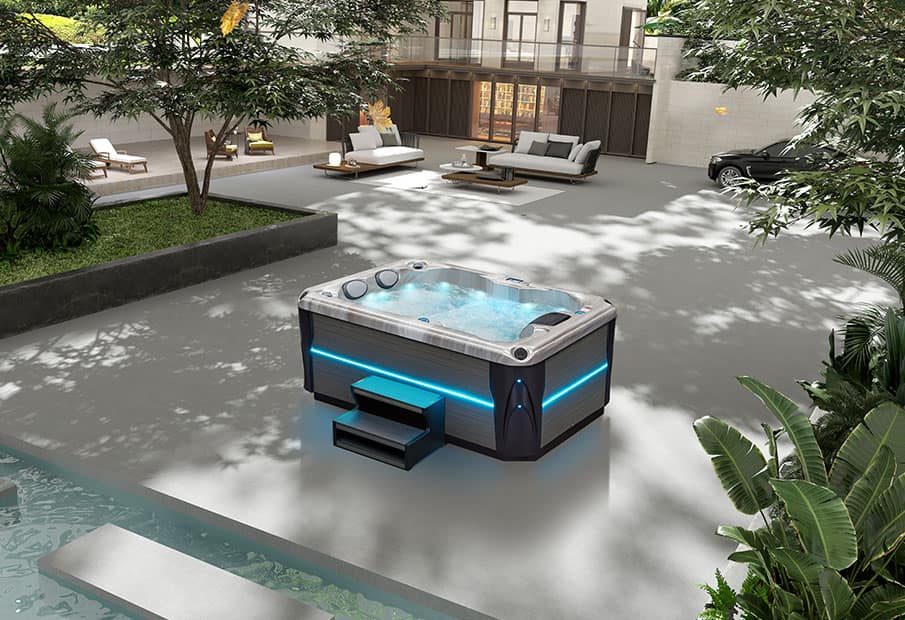
The Fspa BD-015Pro Hot Tub, designed for up to 4 adults, offers ultimate relaxation with its robust control system, invigorating massage features, consistent water temperature, modern amenities, advanced filtration, and suitability for indoor or outdoor use.
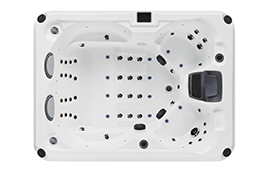
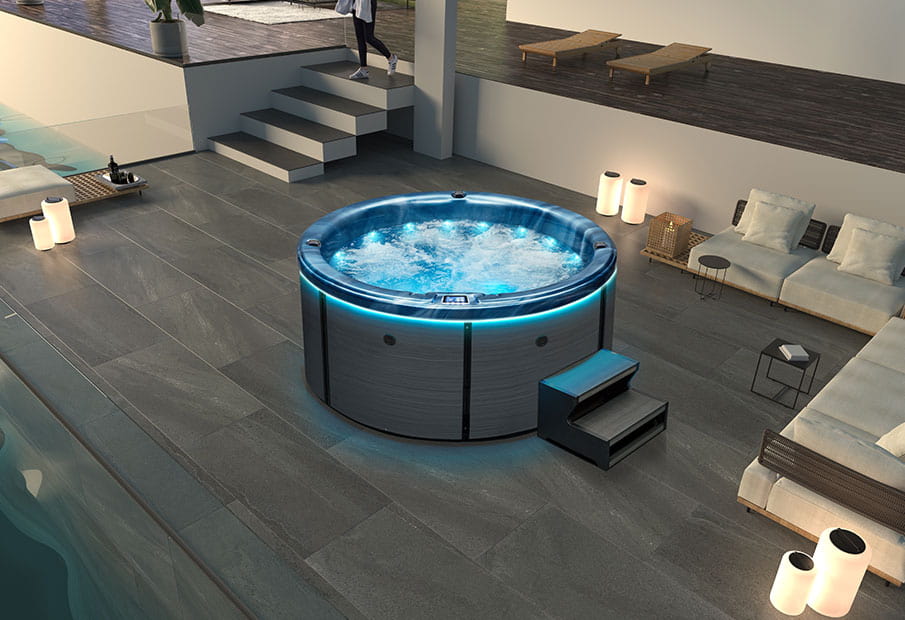
The Fspa BD-009Pro Hot Tub, a compact 2000x900mm spa for up to 6 adults, combines power and efficiency with luxurious features like a 7.97kW system, 50 water & 20 air bubble jets, LED lighting, and music speakers, making it ideal for residential and small commercial spaces.
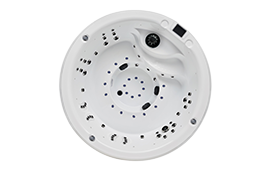
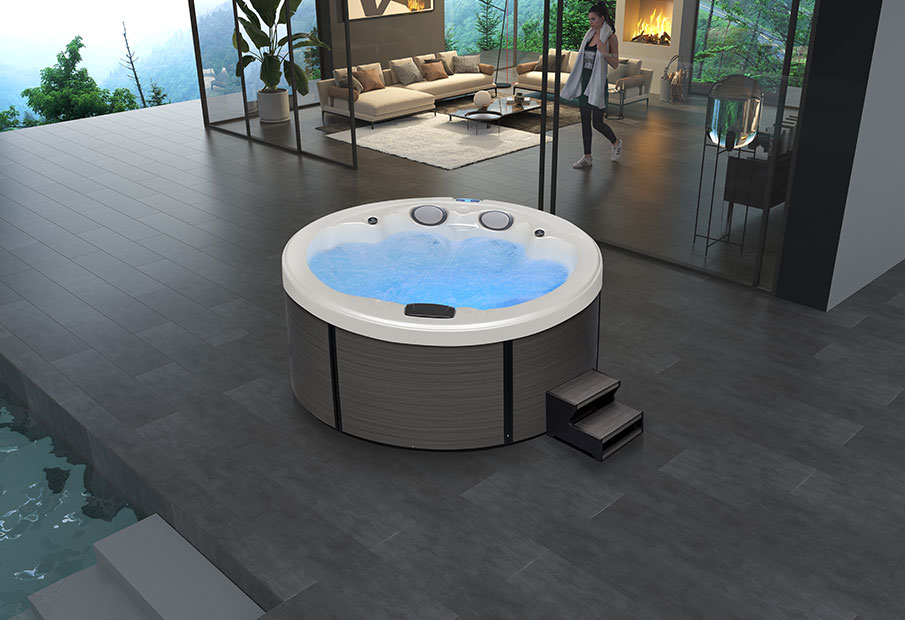
The Fspa BD-010 hot tub, crafted for ultimate comfort and style, offers spacious accommodations for up to 6 adults, robust controls, powerful pumps, pristine water quality, targeted hydrotherapy, ambient lighting, and advanced water purification, making it perfect for both residential and commercial relaxation.
PRODUCTS
INQUIRY
Thank you for your message!Our Chinese New Year holiday from 7th Feb to 28th Feb. Apologise to make your inconvenience so that responses may be delayed during this period. We'll back to you with regular service on 2th March .Thank you for understanding.


