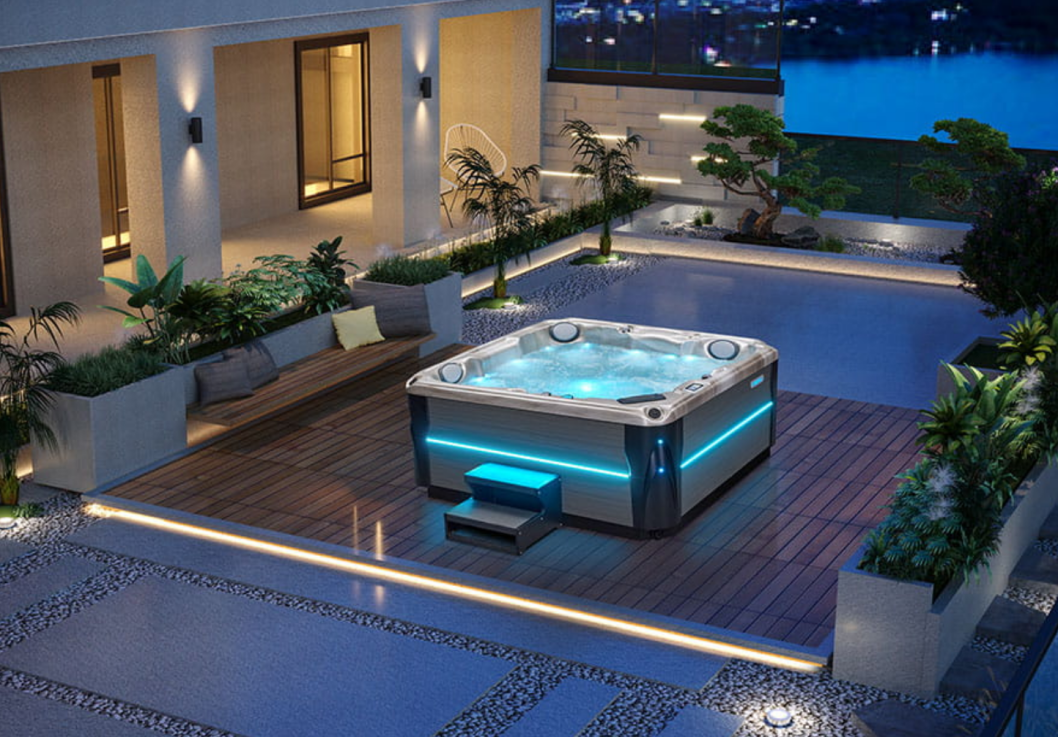
Imagine stepping out into your own backyard on a cool evening, sinking into warm, bubbling water, and letting the day’s stress dissolve under a canopy of stars. An outdoor hot tub transforms any patio or garden into a personal wellness retreat. However, with so many options available, from inflatable models to luxury hard-shell spas, finding the right one can feel overwhelming. This guide will walk you through everything you need to know, from choosing the right type and features to understanding installation and ongoing care.
Whether you are looking at outdoor jacuzzi hot tubs or a simple plug-and-play model, the goal is to find the perfect balance between relaxation, budget, and your lifestyle.
When browsing outdoor hot tubs for sale, the first major decision you will face is the electrical setup. There are two main types: plug-and-play and hardwired, and the choice significantly impacts installation, cost, and performance.
Plug-and-play models run on a standard 120V household outlet, meaning you simply plug them in, fill them with water, and you are ready to go. This makes them ideal for renters, those with limited budgets, or anyone who wants to avoid the complexity of hiring an electrician. However, because they run on standard voltage, they heat water slowly and cannot operate the heater and the jets at full power simultaneously. If you live in a colder climate, you might find the water struggles to maintain a comfortable temperature while the bubbles are on. Compact hard-sided models or inflatable hot tubs usually fall into this category.
On the other hand, hardwired spas run on 240V, which offers superior performance. They heat up faster and provide much stronger jet pressure for a deeper hydrotherapy massage. While they require professional electrical installation, they deliver a more powerful, consistent, and therapeutic experience. This is the route to take if you prioritize performance and plan to use your outdoor hot tub year-round, especially in cooler months.
Once you have chosen your electrical setup, it is time to dive into the features. High-quality outdoor jacuzzi hot tubs are distinguished by their materials, jet systems, and energy efficiency.
Hydrotherapy Experience
The jets are the heart of any outdoor jacuzzi hot tub. If you are seeking deep muscle relaxation, look for models with a higher number of jets designed to target specific muscle groups like the back, neck, and shoulders. Premium brands offer models with anywhere from 50 to 70 jets, delivering a powerful massage experience. Some luxury models even include specialty loungers with unique therapies, such as Infrared + Red light therapy for added recovery benefits.
Durable Materials for the Outdoors
Since your spa will be exposed to the elements, durability is non-negotiable. An acrylic shell is a top choice because it is stain-resistant, scratch-resistant, and retains heat well. The cabinet should also be made from high-quality, UV-resistant materials to prevent fading and cracking from sun exposure. Look for features like a robust synthetic base and tight-fitting covers that not only keep debris out but also help retain heat and improve energy efficiency.
Advanced Water Care
Keeping your water clean is easier than ever with modern technology. Many premium outdoor jacuzzi hot tubs now come equipped with ozone or UV filtration systems. These significantly reduce the need for harsh chemicals by using active oxygen or ultraviolet light to purify the water, ensuring your water is always fresh and ready for a soak.
If you are looking for a highly portable or budget-friendly option, inflatable hot tubs deserve serious consideration. These hot tubs for outside are an excellent entry point for first-time buyers. They are affordable, easy to set up—often requiring no tools at all—and require no permanent installation. You can place them on a level surface, fill them with a garden hose, plug them into a standard outlet, and be soaking within hours.
While they lack the powerful hydrotherapy of rigid models—typically offering a gentler bubble massage rather than high-pressure jets—they are perfect for weekend relaxation, casual entertaining, or testing if a spa fits your lifestyle. Many inflatable models include digital control panels, insulated covers, and built-in water filtration systems. Because they are portable, you can store them away during harsh winter months or take them with you if you move. For anyone hesitant to commit to a permanent installation, inflatable hot tubs for outside offer incredible flexibility at a fraction of the cost.
For those seeking a unique, rustic, and eco-friendly twist, wood-fired hot tubs offer a charming alternative. These hot tubs for outside are crafted from durable cedar or redwood and use a chimney-style heating system to warm the water, eliminating the need for electricity. They blend beautifully into natural garden settings and are particularly effective in colder climates due to their excellent heat retention properties.
The experience of a wood-fired hot tub is distinctly different from traditional electric models. There is something deeply satisfying about heating your spa water with a crackling fire while enjoying the fresh outdoor air. However, they require more hands-on maintenance, including managing the fire, waiting several hours for the water to reach temperature, and periodically treating the wood to prevent weathering. If you enjoy a slower, more mindful approach to relaxation, a wood-fired outdoor hot tub could be the perfect statement piece for your backyard.
Now that you understand the different types and features, the next question is where to find the best outdoor hot tubs for sale. Your choice of retailer can significantly affect your purchase experience and long-term satisfaction.
Specialty Spa Dealers
Local specialty dealers are often the best place to start. They carry premium brands, offer expert advice, and provide professional installation services. Visiting a showroom allows you to see the tubs in person, test the seating, and feel the jet pressure before committing. Dealers typically include comprehensive warranties and after-sales support.
Online Marketplaces
For budget-conscious buyers, online marketplaces and large home improvement stores offer a wide range of outdoor hot tubs for sale at competitive prices. Brands like Coleman, Intex, and Bestway are popular for inflatable models, while Costco and Amazon often carry mid-range hard-shell options. The advantage is convenience and lower cost, but carefully read customer reviews and check return policies.
Factory Direct and Second-Hand Options
Buying factory direct can save you money by cutting out the middleman. Alternatively, consider the second-hand market. Many people sell gently used outdoor hot tubs for sale at significant discounts. Just be sure to inspect the unit thoroughly and confirm there are no leaks or mechanical issues before purchasing.
Investing in an outdoor hot tub is an investment in your well-being. Whether you choose a high-powered therapy spa, a budget-friendly inflatable model, or a rustic wood-fired tub, you are creating a space for relaxation, socialization, and wellness right outside your door. The benefits extend beyond physical recovery—soaking in warm water reduces stress, improves sleep quality, and provides a perfect setting for quality time with family and friends.
Take your time exploring the many outdoor hot tubs for sale, compare features, and read reviews. With the right choice and proper care, your outdoor hot tub will become the most beloved part of your home for years to come.
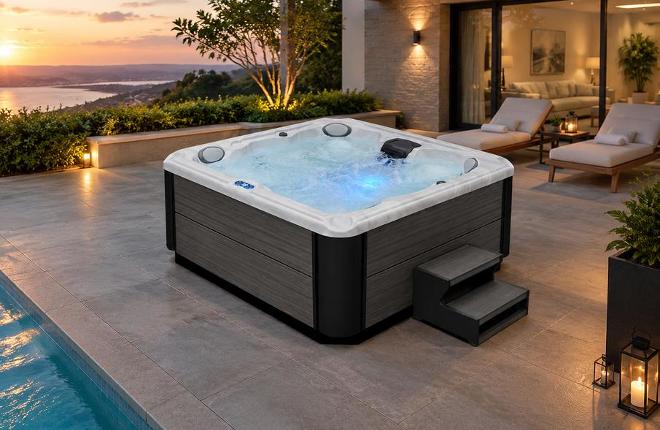
The Best Way to Cold Plunge Without Wrecking Your Routine
Cold plunging has moved from niche athletic recovery tool to something people do before work, after a workout, or just to feel awake. But the best way to cold plunge isn’t about gritting your teeth through freezing water for as long as possible. It’s about timing, temperature, and consistency, paired with a setup that actually fits your daily life.
Most people who quit cold plunging don’t quit because it doesn’t work. They quit because their routine is inconvenient, their tub is a hassle to maintain, or the water never feels quite right. Getting the method correct matters just as much as getting the equipment correct.
Cold water immersion triggers a rapid vasoconstriction response. Blood vessels near the skin narrow, blood shifts toward your core, and your nervous system gets a jolt of norepinephrine. That’s the alertness spike people chase in the morning.
There’s also a documented reduction in perceived muscle soreness after intense exercise, which is why many athletes use cold immersion post-training. The effect is short-term and symptomatic rather than a change in tissue damage itself, so it’s best understood as a recovery aid, not a cure.
None of this requires ice-cold extremes. Water between 50°F and 59°F (10°C to 15°C) is enough to produce these responses for most people. Colder isn’t automatically better, and pushing temperature too low increases the risk of an uncomfortable, even dangerous, shock response.
A common mistake is treating cold plunging like an endurance contest. Longer isn’t the goal. Most physiological benefits show up within the first two to three minutes of immersion.
Frequency matters more than duration. Three to four sessions a week tend to produce more consistent results than one long session followed by days off.
The best time to cold plunge depends on what you want from it. Morning sessions lean into the alertness spike, giving you a natural jolt without caffeine. Post-workout sessions target soreness and the psychological reset after hard training.
Evening cold plunging is less common and, for some people, counterproductive. The adrenaline response can interfere with winding down for sleep, so if you’re sensitive to stimulation at night, it’s worth testing carefully before making it a habit.
Not everyone needs a dedicated cold plunge tub. Some people use a bathtub filled with ice, others invest in a chiller-equipped plunge pool, and some use a multi-temperature spa that can run cold when needed.
| Option | Setup Effort | Temperature Control | Best For |
|---|---|---|---|
| Ice bath in a tub | High (daily ice needed) | Poor, drifts warm quickly | Occasional use, low budget |
| Dedicated chiller plunge tub | Low after install | Precise, consistent | Frequent, daily users |
| Multi-function spa pool | Low after install | Depends on heater/chiller range | Households wanting both hot and cold therapy |
For people who already use a hot tub for hydrotherapy and muscle recovery, alternating between heat and cold in the same space is often more practical than owning two separate units. A spa like the Fspa BD-001, for instance, is built around a 3kW heater and a 31-jet hydrotherapy system rather than dedicated chilling, according to its product specifications, which makes it better suited to contrast therapy routines where a plunge pool or ice bath handles the cold side and the spa handles heat and massage recovery afterward.
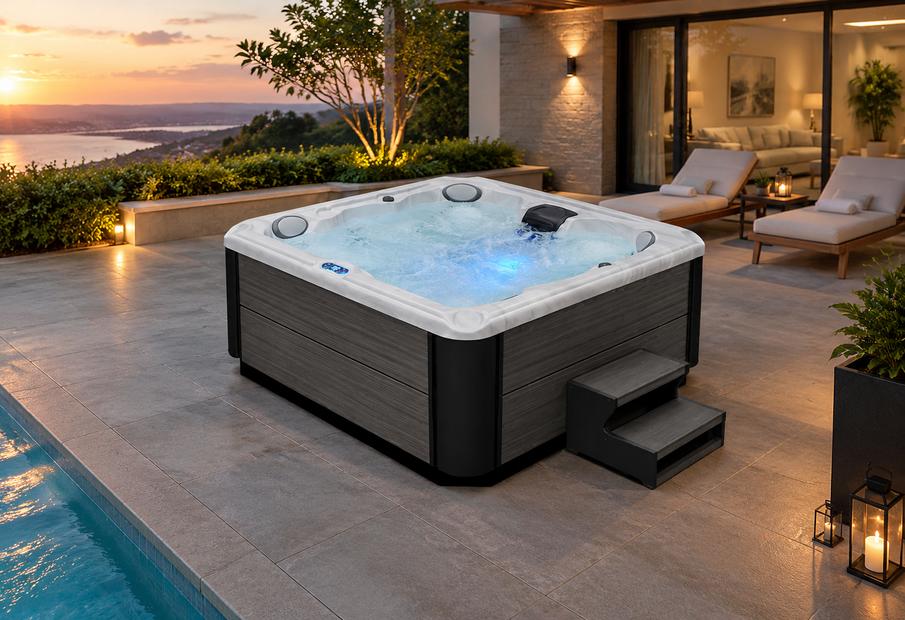
Contrast therapy, alternating hot and cold, is one of the more grounded approaches for people who want recovery benefits without living in an ice bath. The heat dilates blood vessels, the cold constricts them, and the switching itself is thought to support circulation more than either temperature alone.
A simple contrast sequence looks like this:
This is where a hydrotherapy-focused spa earns its place in a recovery setup. According to its product specifications, the BD-001’s 2.2kW massage pump drives water through 31 jets positioned around the seating area, targeting the back and shoulders after a cold session when muscles are tight and circulation is still catching up.
If you’re building a cold plunge routine at home rather than relying on a gym or recovery studio, a few practical factors decide whether you’ll actually stick with it.
Products designed primarily for hot water therapy, like the BD-001 with its four integrated pillows and ergonomic seating for six adults, aren’t marketed as cold plunge tubs. But the seating comfort and filtration standards found in a well-built spa (in this case, certified to CE, CTUVus, CB, and SAA standards according to the manufacturer) reflect the same engineering priorities that matter in any water-based therapy setup, hot or cold.
Cold plunging is simple in concept, but a few habits quietly cancel out the benefits people are chasing.
Going too cold too fast. Jumping straight into 39°F water without building tolerance often triggers hyperventilation and panic responses rather than calm alertness. Gradual exposure over weeks works better than forcing it.
Skipping the breathing. Cold shock triggers a gasp reflex. Practicing slow, controlled exhales before and during immersion reduces the panic response significantly, and it’s often the difference between dreading a plunge and actually looking forward to it.
Inconsistent scheduling. Sporadic plunging, once one week and skipped for the next three, doesn’t build the tolerance or habit strength that makes cold exposure feel manageable. Regularity matters more than intensity.
Ignoring water hygiene. Standing cold water without proper filtration becomes a bacterial concern fast. This is one area where investing in equipment with dependable filtration, ozone treatment, or regular water testing pays off.
Is colder water always better for cold plunging?
No. Water in the 50°F to 59°F range produces most of the documented physiological responses. Going colder increases risk without adding proportional benefit for most users.
Can I cold plunge every day?
Many people do, typically for 1 to 3 minutes. The key is listening to your body and easing off if you notice prolonged fatigue, sleep disruption, or skin irritation.
Do I need a separate cold plunge tub if I already own a hot tub?
Not necessarily. Some households use ice baths or portable chillers alongside an existing spa, running the two in sequence for contrast therapy rather than buying a dedicated multi-temperature unit.
Is cold plunging safe for everyone?
People with cardiovascular conditions, Raynaud’s syndrome, or certain nerve disorders should check with a doctor first, since the vasoconstriction response can pose real risks for those groups.
Finding the best way to cold plunge really comes down to matching temperature, duration, and frequency to your own tolerance, rather than copying an extreme routine built for someone else. Whether you’re using a plain ice bath, a dedicated chiller tub, or pairing it with a heated spa like the BD-001 for contrast therapy, the goal stays the same: build a routine you’ll actually repeat, because consistency is what turns cold plunging from a shock into an actual recovery habit.
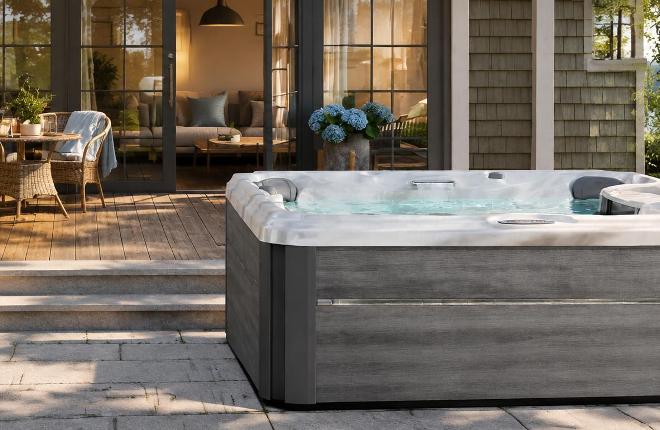
Above Ground Swimming Pool Hot Tub Combo: What Buyers Should Know
Anyone comparing an above ground swimming pool hot tub combo against two separate units usually starts with the same question: is combining a pool and spa actually practical, or does it just create two maintenance headaches instead of one. The honest answer depends on how the space is used, how often hot water and cold laps are both wanted in the same session, and how much deck or yard area is actually available. This guide breaks down the real tradeoffs, from plumbing and heating logic to sizing decisions, so the choice is based on facts rather than showroom enthusiasm.
The appeal is rarely about novelty. Most homeowners want one for temperature contrast therapy, cooling off after a hot soak, or simply because a single backyard footprint has to serve both fitness and relaxation. A rehabilitation client alternating hot and cold immersion, for instance, benefits from having both temperatures within a few steps rather than across a whole property.
Commercial operators face a related but distinct problem. Hotels, B&Bs, and fitness centers need to offer both a swimming amenity and a spa experience without doubling plumbing runs, electrical panels, or maintenance staff hours. An above ground swimming pool hot tub combo, or a pool and hot tub placed on a shared deck with linked filtration, answers that operational pressure directly.
There are two distinct approaches sold under the "combo" label, and confusing them leads to disappointment.
The second approach is what most manufacturers, including us, actually supply, since it lets each system be serviced, drained, or upgraded without shutting down the other. If a heater fails in the spa, the pool keeps running. That separation matters more than it sounds, especially for commercial sites where downtime has a cost.
Once the pool footprint is decided, the spa needs to match both the household size and the deck space left over. Spa capacity in this category typically ranges from compact 3-person units up to family-sized 6-person spas, and the physical footprint scales accordingly, from roughly 1870x1330mm on the small end to 2530x2300mm for larger models.
A common mistake is oversizing the spa and leaving too little clearance around the pool ladder or skimmer access. Before choosing a spa size, it helps to walk through the deck layout with the pool’s existing hardware in mind, not just the open square footage.
Jet count gets thrown around as if it were the only spec that matters, but jet placement and type matter just as much. Spa units in this range span from 16 jets in smaller shells to as many as 80 in the densest configurations, mixing water jets for muscle-targeted pressure with air jets for a softer, broader massage sensation.
A shell with 16 jets and thoughtful placement around the lower back and calves can outperform a crowded 40-jet layout that spreads pressure too thin. Before comparing raw numbers, it’s worth asking where the jets sit relative to typical seating posture, since that determines whether the massage actually reaches sore muscles or just the water surface.
Running a pool and a spa side by side means double the water volume to manage chemically, and spa water heats up fast enough that chlorine alone can struggle to keep pace. This is where ozone sanitization systems, integrated into hot tub units like the Fspa series according to the product specifications, are intended to reduce the sanitizer load compared to chlorine-only maintenance.
Ozone doesn’t replace sanitizer entirely, but it does the heavy lifting on oxidizing organic material, which means less manual dosing and fewer cloudy-water surprises. For a combo setup where the spa gets used daily and the pool less often, that reduced maintenance burden on the spa side frees up time for the larger, slower pool chemistry routine.
A frequent point of confusion is why the hot tub reaches temperature in hours while the pool takes days, even with a similar-sized heater. The answer is volume, not inefficiency. Spa heaters in this range run between 2kW and 3kW, which is more than adequate for a few hundred gallons but would barely dent a pool’s much larger volume.
That’s precisely why adjacent independent systems make more engineering sense than one shared heating loop. Trying to heat combined water volumes with a single undersized heater either overworks the equipment or leaves the pool perpetually lukewarm. Keeping heaters separate lets each match its actual job.
| Spec | Typical Range |
|---|---|
| Capacity | 3 to 6 adults |
| Dimensions | 1870x1330x800mm to 2530x2300x900mm |
| Heater Output | 2kW to 3kW |
| Jet Count | 16 to 80 jets |
| Total System Power | Up to 5.55kW |
| Sanitization | Ozone system |
These figures describe the spa component of a combo setup and should be checked against the specific model’s datasheet, since options like LED lighting and audio systems add load to total power draw.
Different settings put different demands on the same basic equipment.
Matching the spa to the actual traffic pattern, not just the available budget, avoids the common outcome of an underused oversized spa sitting next to an overcrowded pool.
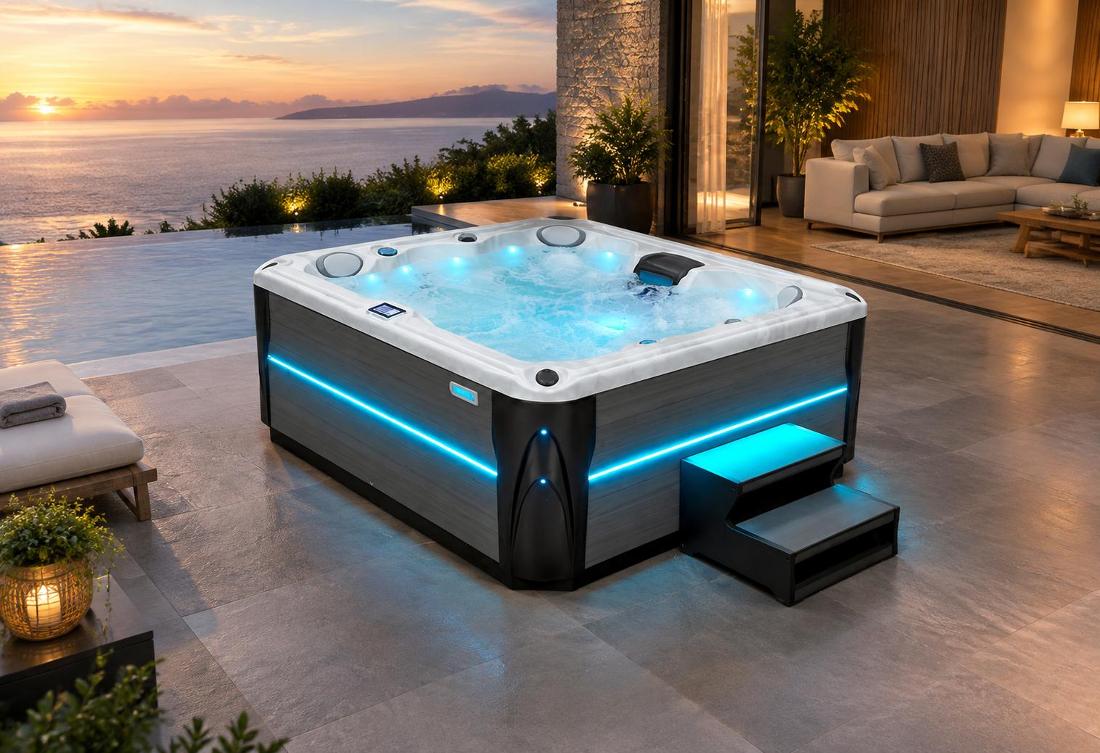
Select spa models add integrated LED lighting and built-in audio systems, and on a shared deck with a pool, that lighting can double as ambient illumination for the whole area at night. It’s a legitimate value-add, but it shouldn’t be the deciding factor between two otherwise similar units. Get the jet layout, heater sizing, and sanitization method right first, then treat lighting and sound as the tiebreaker between comparable finalists.
Does an above ground swimming pool hot tub combo require two separate pumps?
In most configurations, yes. The pool and the spa each run their own pump and filtration loop, even when installed on the same deck, which keeps servicing one unit independent of the other.
Can the spa run in winter if the pool is closed?
Yes, when the systems are independent. This is one of the main practical arguments for choosing adjacent units over a single shared-water design, since the spa heater and cover are sized for standalone winter use.
How much deck space does a typical combo setup need?
Beyond the pool’s own footprint, plan for the spa’s dimensions plus at least 600-800mm of clearance on the access side for entry, maintenance, and any surrounding furniture.
Is ozone sanitization enough on its own?
No. Ozone reduces the sanitizer demand but is generally used alongside a baseline chlorine or bromine routine, not as a full replacement.
Deciding between a fully integrated shell and adjacent independent units comes down to how the space is used day to day, not which option sounds more efficient on paper. Commercial sites with heavy daily spa use and occasional pool access benefit from independent systems that isolate maintenance. Residential buyers chasing a compact footprint might still prefer them for the same reason: fewer shared failure points.
For us, spa design has focused on matching jet configuration, heater output, and sanitization method to real usage patterns rather than maximizing spec sheet numbers. Whether the end goal is a backyard above ground swimming pool hot tub combo for a family or a multi-unit installation for a hotel courtyard, the same principle holds. Size the spa to the people who will actually use it, keep the systems separable, and let the water chemistry method match the bather load, not just the marketing copy on the box.
The Fspa BD-017Pro Hot Tub, spacious enough for 5 adults, offers a serene and rejuvenating experience with advanced controls, powerful massage and filtration systems, modern amenities, and suitability for indoor or outdoor use.
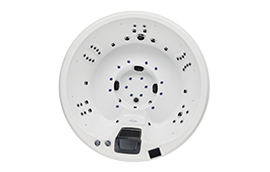
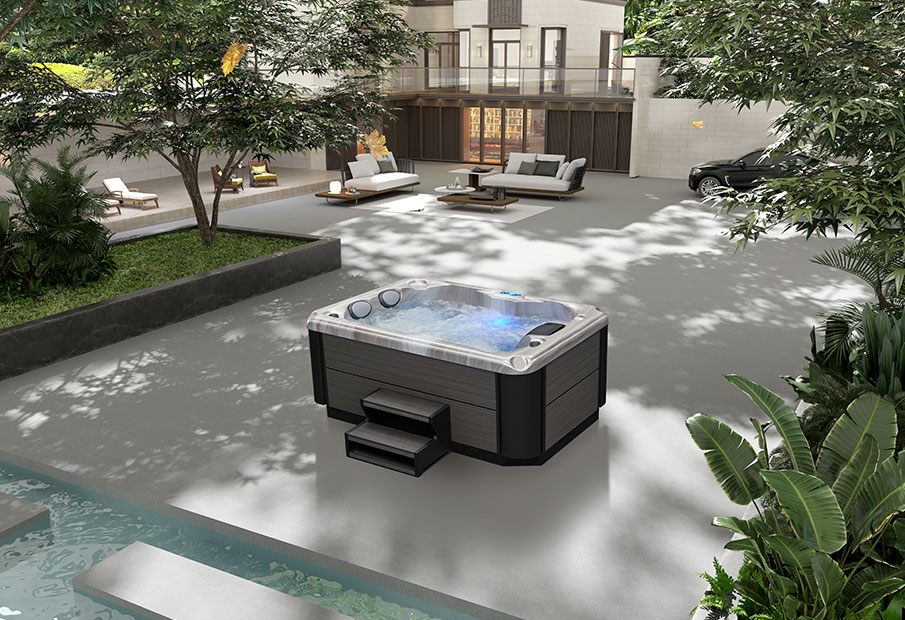
The Fspa BD-015 hot tub, with spacious dimensions for 6 adults, a powerful 2.2kW massage pump, 35 strategic jets, a 3kW heater, serene LED lighting, and a total power of 5.5kW, offers the ultimate experience in relaxation and well-being.
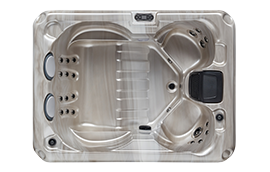
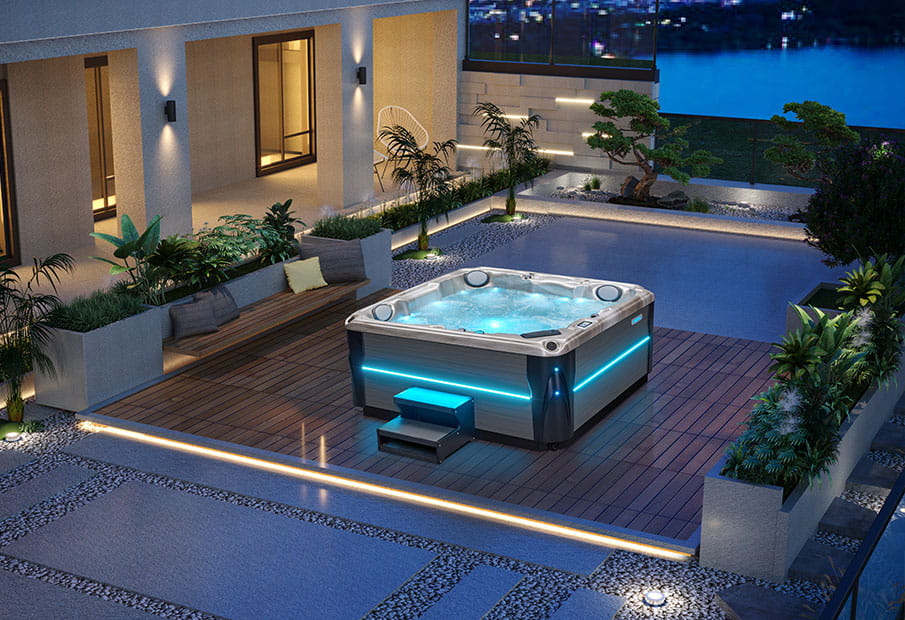
The Fspa BD-006Pro Hot Tub, with its compact spacious design for 5 adults, advanced massage system, 80 water & 18 air bubble jets, efficient heating and filtration, ozone sanitization, and sleek design, offers unparalleled luxury, relaxation, and convenience for both residential and commercial use.
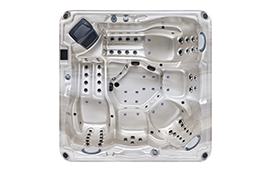
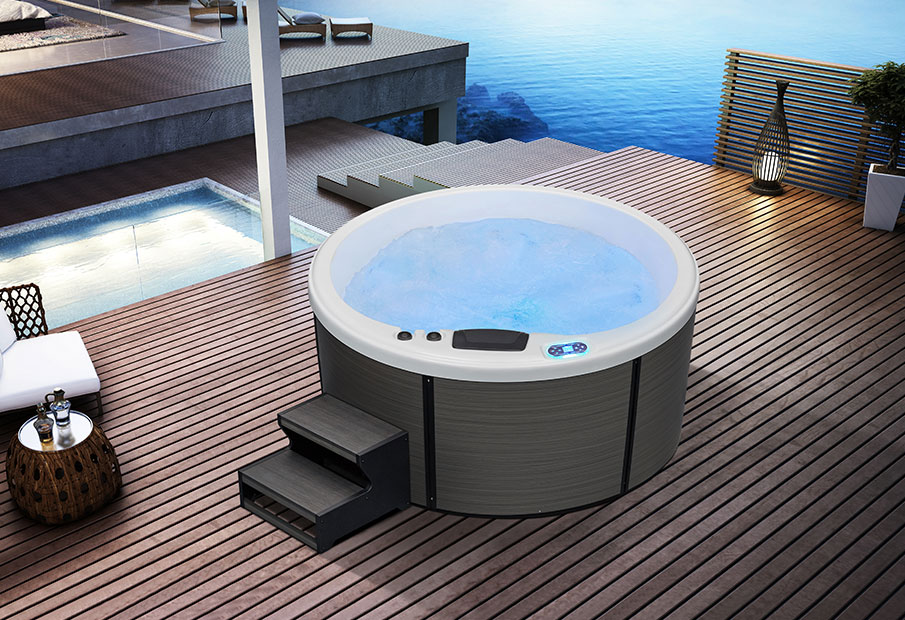
The Fspa BD-017 Hot Tub, accommodating up to 5 adults with spacious dimensions, features a reliable control system, powerful 1.5kW massage pump, 0.35kW filter pump, 3kW heater, 28 customizable water jets, LED lighting, an ozone sanitation system, and a total power of 4.85kW, offering ultimate relaxation and a luxurious soak for any occasion.
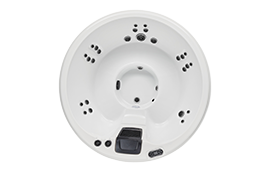
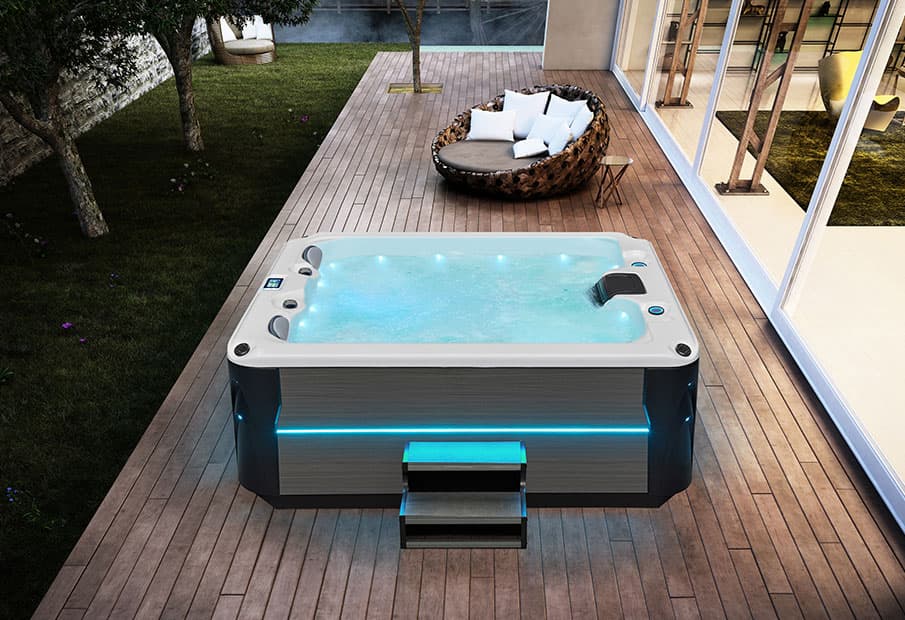
The Fspa BD-014Pro Hot Tub, with its spacious interior for 5 adults, comprehensive control system, powerful massage and filtration features, LED lighting, and speakers, offers a luxurious and therapeutic spa experience perfect for indoor or outdoor relaxation.
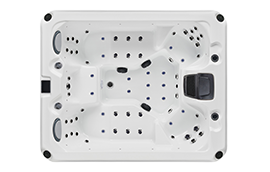
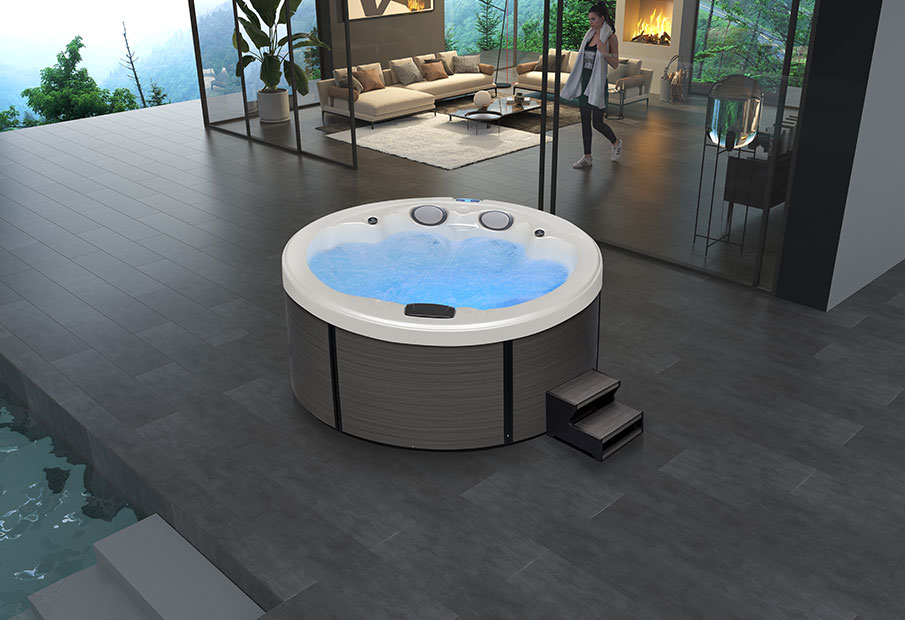
The Fspa BD-010 hot tub, crafted for ultimate comfort and style, offers spacious accommodations for up to 6 adults, robust controls, powerful pumps, pristine water quality, targeted hydrotherapy, ambient lighting, and advanced water purification, making it perfect for both residential and commercial relaxation.
PRODUCTS
INQUIRY
Thank you for your message!Our Chinese New Year holiday from 7th Feb to 28th Feb. Apologise to make your inconvenience so that responses may be delayed during this period. We'll back to you with regular service on 2th March .Thank you for understanding.


