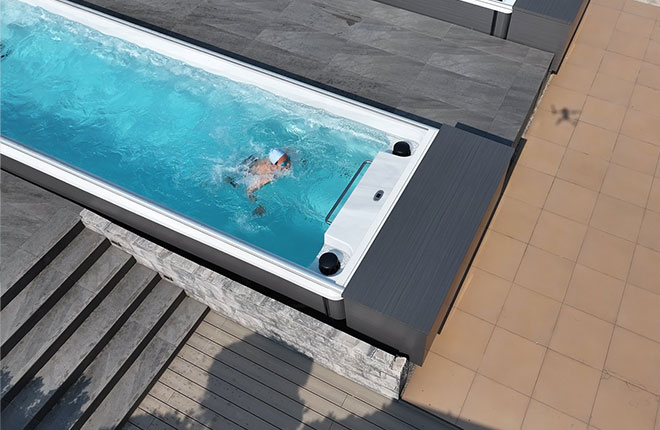
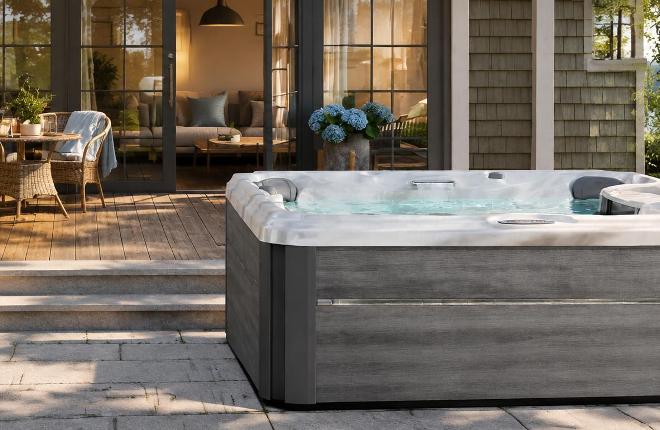
When it comes to installing a hot tub, location is key. Most homeowners strategically place their hot tubs to maximize privacy, accessibility, and aesthetic appeal. Here’s a breakdown of the most common spots based on expert insights and user preferences:
The backyard is the most popular choice, offering ample space and privacy. It’s ideal for families who love outdoor entertaining or unwinding under the stars. Many homeowners position their hot tubs near a patio, deck, or pool area to create a cohesive outdoor living space. For added ambiance, some surround their tubs with landscaping features like stone pathways, lighting, or water features.
For urban dwellers or those with limited yard space, a deck or patio provides a practical solution. These elevated areas ensure easy access and keep the hot tub out of muddy zones. Wooden decks are particularly popular, as they offer a natural, warm aesthetic that complements the relaxation vibe of a hot tub. Ensure your deck is structurally sound and waterproofed to handle the weight and moisture.
While less common, indoor hot tub installations are growing in popularity, especially in climates with harsh winters. Placing a hot tub in a basement, sunroom, or dedicated spa room allows year-round use. However, proper ventilation and humidity control are crucial to prevent mold and mildew. Indoor setups often require professional installation to ensure plumbing, electrical, and structural integrity.
Tucking a hot tub into a secluded garden corner can create a tranquil, spa-like atmosphere. Surrounded by foliage, flowers, or a trellis, this placement offers privacy and a connection to nature. Consider adding a pergola or canopy for shade and protection from the elements.
For homeowners with swimming pools, placing the hot tub adjacent to the pool creates a luxury resort vibe. This setup is convenient for transitioning between activities and entertaining guests. Ensure non-slip surfaces and clear walkways for safety.
Regardless of placement, prioritize safety by ensuring stable ground, proper electrical wiring, and easy access for maintenance. Consult local building codes and consider noise levels, especially if placing the tub near bedrooms or neighbors. With thoughtful planning, your hot tub can become a cherished retreat for years to come.
Above Ground Swimming Pool Hot Tub Combo: What Buyers Should Know
Anyone comparing an above ground swimming pool hot tub combo against two separate units usually starts with the same question: is combining a pool and spa actually practical, or does it just create two maintenance headaches instead of one. The honest answer depends on how the space is used, how often hot water and cold laps are both wanted in the same session, and how much deck or yard area is actually available. This guide breaks down the real tradeoffs, from plumbing and heating logic to sizing decisions, so the choice is based on facts rather than showroom enthusiasm.
The appeal is rarely about novelty. Most homeowners want one for temperature contrast therapy, cooling off after a hot soak, or simply because a single backyard footprint has to serve both fitness and relaxation. A rehabilitation client alternating hot and cold immersion, for instance, benefits from having both temperatures within a few steps rather than across a whole property.
Commercial operators face a related but distinct problem. Hotels, B&Bs, and fitness centers need to offer both a swimming amenity and a spa experience without doubling plumbing runs, electrical panels, or maintenance staff hours. An above ground swimming pool hot tub combo, or a pool and hot tub placed on a shared deck with linked filtration, answers that operational pressure directly.
There are two distinct approaches sold under the "combo" label, and confusing them leads to disappointment.
The second approach is what most manufacturers, including us, actually supply, since it lets each system be serviced, drained, or upgraded without shutting down the other. If a heater fails in the spa, the pool keeps running. That separation matters more than it sounds, especially for commercial sites where downtime has a cost.
Once the pool footprint is decided, the spa needs to match both the household size and the deck space left over. Spa capacity in this category typically ranges from compact 3-person units up to family-sized 6-person spas, and the physical footprint scales accordingly, from roughly 1870x1330mm on the small end to 2530x2300mm for larger models.
A common mistake is oversizing the spa and leaving too little clearance around the pool ladder or skimmer access. Before choosing a spa size, it helps to walk through the deck layout with the pool’s existing hardware in mind, not just the open square footage.
Jet count gets thrown around as if it were the only spec that matters, but jet placement and type matter just as much. Spa units in this range span from 16 jets in smaller shells to as many as 80 in the densest configurations, mixing water jets for muscle-targeted pressure with air jets for a softer, broader massage sensation.
A shell with 16 jets and thoughtful placement around the lower back and calves can outperform a crowded 40-jet layout that spreads pressure too thin. Before comparing raw numbers, it’s worth asking where the jets sit relative to typical seating posture, since that determines whether the massage actually reaches sore muscles or just the water surface.
Running a pool and a spa side by side means double the water volume to manage chemically, and spa water heats up fast enough that chlorine alone can struggle to keep pace. This is where ozone sanitization systems, integrated into hot tub units like the Fspa series according to the product specifications, are intended to reduce the sanitizer load compared to chlorine-only maintenance.
Ozone doesn’t replace sanitizer entirely, but it does the heavy lifting on oxidizing organic material, which means less manual dosing and fewer cloudy-water surprises. For a combo setup where the spa gets used daily and the pool less often, that reduced maintenance burden on the spa side frees up time for the larger, slower pool chemistry routine.
A frequent point of confusion is why the hot tub reaches temperature in hours while the pool takes days, even with a similar-sized heater. The answer is volume, not inefficiency. Spa heaters in this range run between 2kW and 3kW, which is more than adequate for a few hundred gallons but would barely dent a pool’s much larger volume.
That’s precisely why adjacent independent systems make more engineering sense than one shared heating loop. Trying to heat combined water volumes with a single undersized heater either overworks the equipment or leaves the pool perpetually lukewarm. Keeping heaters separate lets each match its actual job.
| Spec | Typical Range |
|---|---|
| Capacity | 3 to 6 adults |
| Dimensions | 1870x1330x800mm to 2530x2300x900mm |
| Heater Output | 2kW to 3kW |
| Jet Count | 16 to 80 jets |
| Total System Power | Up to 5.55kW |
| Sanitization | Ozone system |
These figures describe the spa component of a combo setup and should be checked against the specific model’s datasheet, since options like LED lighting and audio systems add load to total power draw.
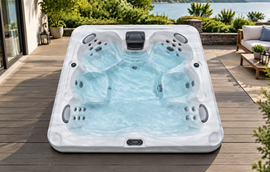
Different settings put different demands on the same basic equipment.
Matching the spa to the actual traffic pattern, not just the available budget, avoids the common outcome of an underused oversized spa sitting next to an overcrowded pool.
Select spa models add integrated LED lighting and built-in audio systems, and on a shared deck with a pool, that lighting can double as ambient illumination for the whole area at night. It’s a legitimate value-add, but it shouldn’t be the deciding factor between two otherwise similar units. Get the jet layout, heater sizing, and sanitization method right first, then treat lighting and sound as the tiebreaker between comparable finalists.
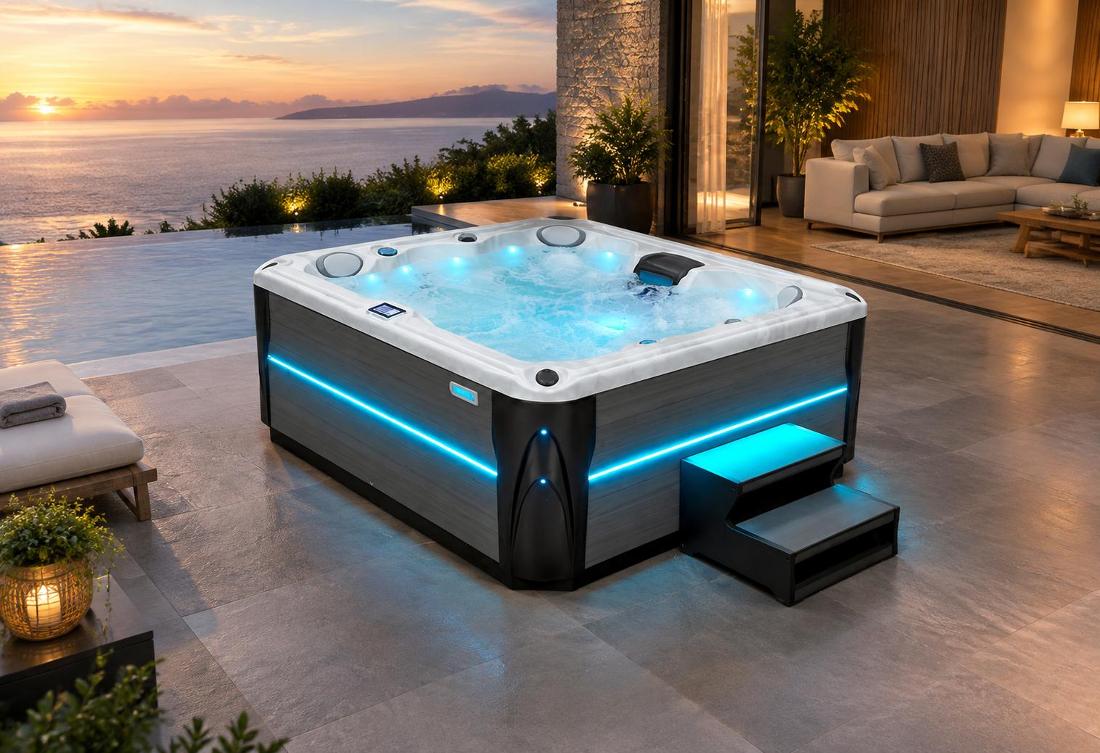
Does an above ground swimming pool hot tub combo require two separate pumps?
In most configurations, yes. The pool and the spa each run their own pump and filtration loop, even when installed on the same deck, which keeps servicing one unit independent of the other.
Can the spa run in winter if the pool is closed?
Yes, when the systems are independent. This is one of the main practical arguments for choosing adjacent units over a single shared-water design, since the spa heater and cover are sized for standalone winter use.
How much deck space does a typical combo setup need?
Beyond the pool’s own footprint, plan for the spa’s dimensions plus at least 600-800mm of clearance on the access side for entry, maintenance, and any surrounding furniture.
Is ozone sanitization enough on its own?
No. Ozone reduces the sanitizer demand but is generally used alongside a baseline chlorine or bromine routine, not as a full replacement.
Deciding between a fully integrated shell and adjacent independent units comes down to how the space is used day to day, not which option sounds more efficient on paper. Commercial sites with heavy daily spa use and occasional pool access benefit from independent systems that isolate maintenance. Residential buyers chasing a compact footprint might still prefer them for the same reason: fewer shared failure points.
For us, spa design has focused on matching jet configuration, heater output, and sanitization method to real usage patterns rather than maximizing spec sheet numbers. Whether the end goal is a backyard above ground swimming pool hot tub combo for a family or a multi-unit installation for a hotel courtyard, the same principle holds. Size the spa to the people who will actually use it, keep the systems separable, and let the water chemistry method match the bather load, not just the marketing copy on the box.
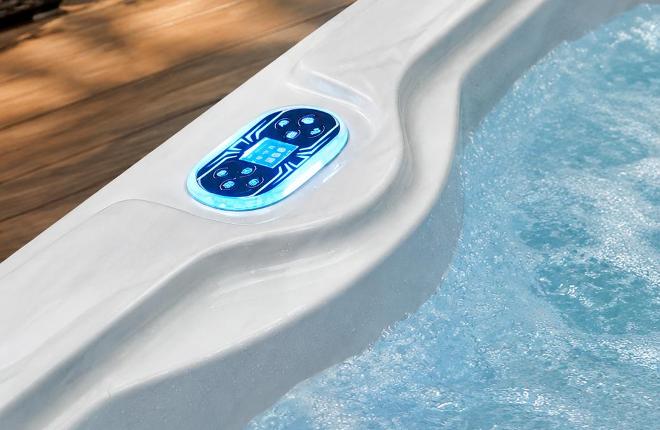
What Makes a Cold Plunge the Coldest and How to Choose One
Cold plunge shoppers searching for the coldest cold plunge usually aren’t chasing a number for bragging rights. They want water cold enough to trigger a real physiological response, session after session, without babysitting a chiller or waiting hours for the tub to recover. Temperature alone doesn’t answer that. Recovery time, insulation, and consistent circulation matter just as much as the digits on the display.
A plunge that hits 39°F once and then limps back up to 55°F an hour later isn’t the coldest cold plunge in any meaningful sense. It’s a novelty. The tubs that earn the label combine strong chilling capacity with insulation and filtration that hold the temperature steady across back-to-back sessions.
This is where a lot of buyers get tripped up. Marketing copy loves to quote a minimum temperature, but that number means little without knowing how long the unit takes to recover after someone gets in and displaces a chunk of cold water with body heat. A gym or clinic running multiple plunges per day needs recovery speed more than it needs an extra two degrees of chill.
Three mechanical factors determine how cold and how consistent a plunge stays:
Skimping on any one of these undercuts the other two. A powerful chiller paired with poor insulation just runs constantly and wears out faster. Good insulation without adequate circulation still leaves uneven cold spots where a bather’s body heat lingers.
Cold plunge listings throw around a lot of numbers, and not all of them are comparable across brands. Before assuming one unit is objectively colder than another, check whether the spec sheet defines conditions the same way.
| Spec to check | What it tells you | Common pitfall |
|---|---|---|
| Minimum temperature | Lowest achievable water temp | Often tested at ideal ambient conditions, not real-world use |
| Chiller horsepower | Cooling speed and recovery | Bigger isn’t always better if insulation is weak |
| Recovery time | How fast temp resets after use | Rarely disclosed unless you ask directly |
| Insulation type | Heat retention in hot climates | Foam thickness varies widely between brands |
| Filtration flow rate | Water evenness, hygiene | Low flow can leave stagnant, less-cold zones |
Ask a seller for recovery time under repeated use, not just the headline low temperature. That single question separates serious cold therapy equipment from tubs that are cold once and then coast on ice for the rest of the session.
There’s a genuine fork in the road here, and it’s worth settling before spending money. Ice bath tubs rely on manually added ice or a basic insulated shell, while chiller-based plunges use a refrigeration unit to hold a set temperature indefinitely.
Neither approach is inherently wrong. A weekend athlete doing one plunge a week might do fine with ice. A rehab center running sessions all day needs mechanical refrigeration, full stop.
It’s worth noting that most manufacturers who build cold plunge equipment, including us, come from a background in heated spa and hydrotherapy hardware. The engineering overlap is real even though the temperature goals sit at opposite ends of the spectrum. Filtration pumps, ozone sanitation, and insulated cabinetry all transfer directly between hot and cold water equipment.
Take a heated hydrotherapy spa like the BD-001 as an illustration of what that shared engineering looks like in practice. According to its product specifications, it’s a 2100x2100x900mm unit built for up to 6 adults, running a 3kW heater alongside a 2.2kW massage pump feeding 31 jets. The dedicated 0.35kW filter pump and ozone system are there to keep water clean during heavy, repeated use, the same core problem a cold plunge filtration system has to solve, just on the opposite end of the thermostat.
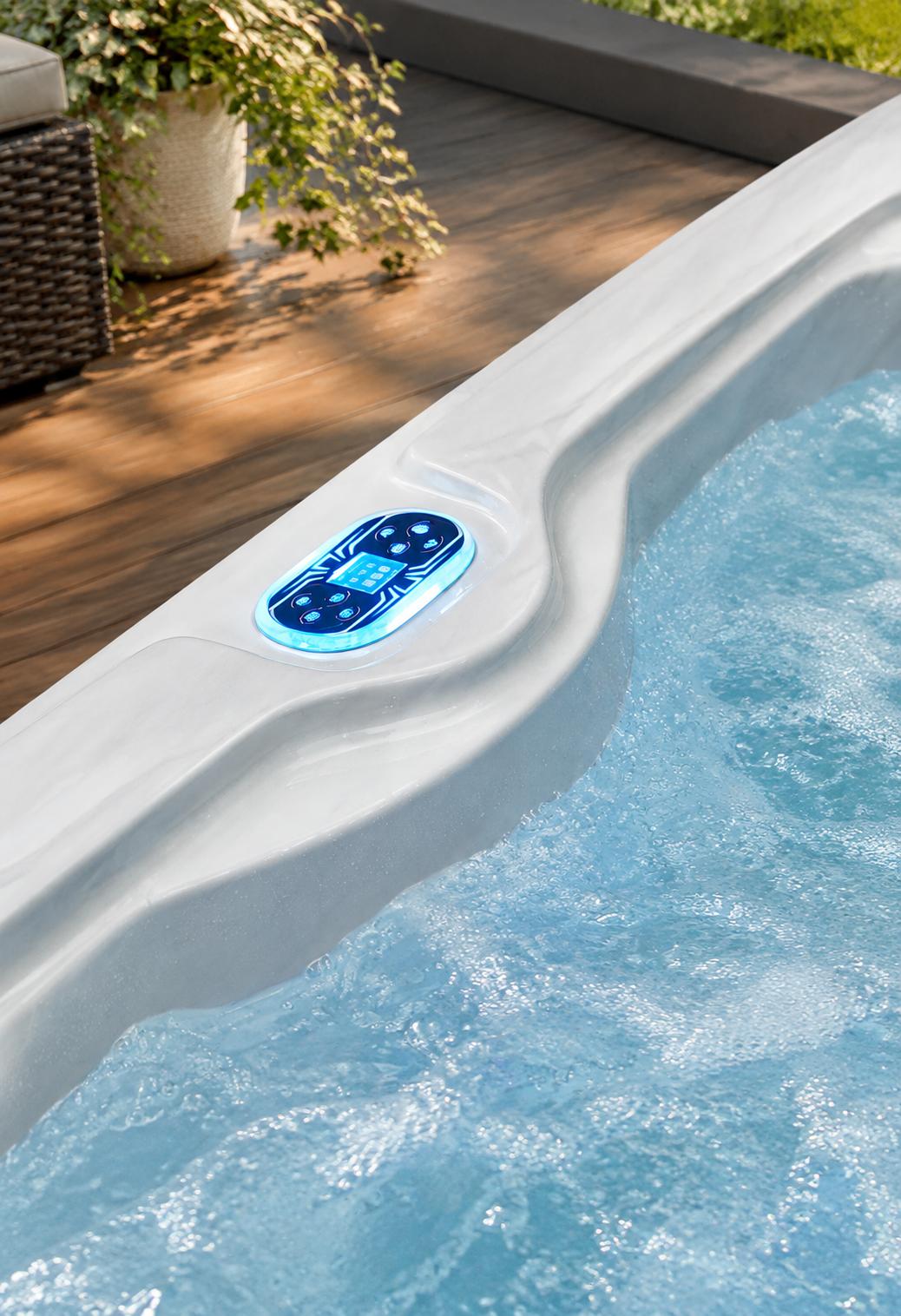
The BD-001’s digital control panel, with its blue-lit display for monitoring temperature and system status, reflects a broader trend across both hot and cold water equipment: precise, glanceable control matters more to users than a long feature list. Cold plunge buyers should look for the same clarity, a display that shows current temp and target temp without requiring a manual to interpret.
A tub’s exterior cabinet does more than look good on a patio. Materials and construction around the shell directly affect how much outside heat seeps in, particularly for cold plunges installed outdoors in warmer regions or direct sun.
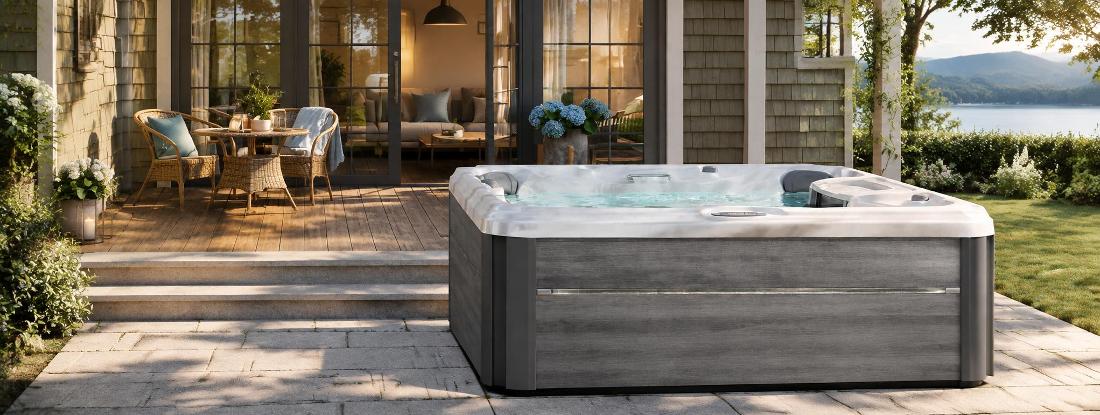
Wood-grain cabinet paneling, marble-effect acrylic shells, and sealed housing units aren’t purely cosmetic choices. They form a thermal barrier between the water and ambient air. On a heated spa, that barrier keeps warmth in; on a cold plunge, the same construction principle keeps unwanted heat out. Anyone comparing tubs should ask what the cabinet is made of and whether it’s a sealed, insulated design or a thin shell that will bleed temperature in either direction.
Cold plunges show up in a wider range of settings than most people assume, and the ideal spec sheet shifts depending on where the unit lives.
Matching intended frequency to chiller capacity avoids two common regrets: overspending on industrial-grade refrigeration for occasional home use, or underbuying a light-duty unit that can’t keep pace with a busy studio schedule.
How cold does the coldest cold plunge actually get?
Serious cold plunge units with dedicated chillers typically reach the high 30s to low 40s Fahrenheit. Anything colder starts approaching ice formation, which most manufacturers avoid for safety and equipment reasons.
Is a cold plunge with a chiller worth it over just using ice?
For anyone plunging more than a couple times a week, yes. The math on ice costs and hassle tends to favor a chiller fairly quickly, and the temperature stays consistent instead of drifting as ice melts.
Does insulation really change how cold a plunge can get?
Insulation doesn’t lower the minimum temperature by itself, but it determines how hard the chiller has to work and how fast the unit recovers after use, which matters more in daily use scenarios.
Can the same filtration technology used in hot spas apply to cold plunges?
Largely yes. Pump-driven circulation and ozone or UV sanitation systems solve the same water clarity and hygiene problems regardless of water temperature, which is why manufacturers with hot spa backgrounds often move into cold plunge equipment.
Choosing the coldest cold plunge isn’t really about chasing the lowest number on a spec sheet. It’s about finding a unit whose chiller, insulation, and filtration work together to hold a genuinely cold, clean temperature through the kind of daily or weekly use you actually plan to put it through.
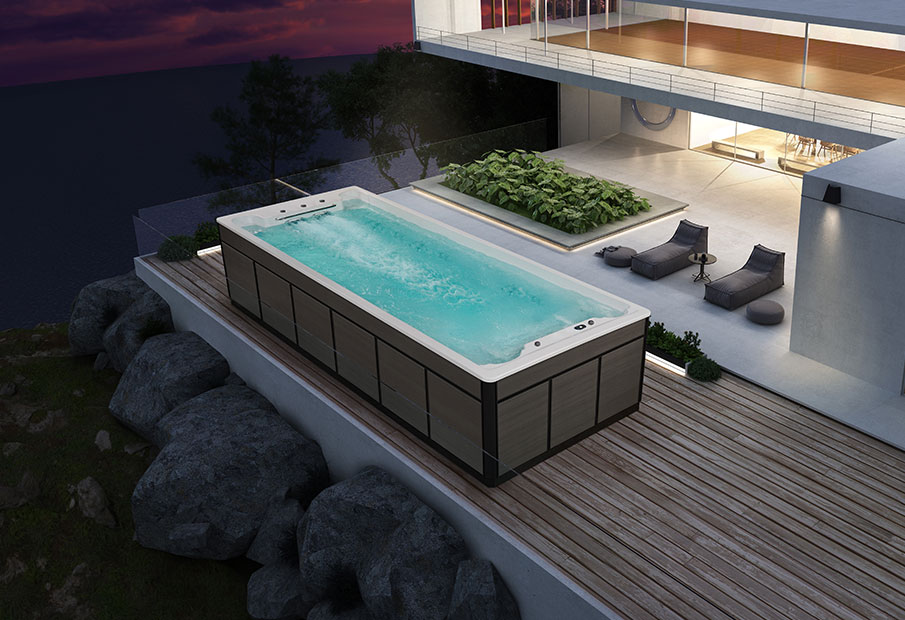
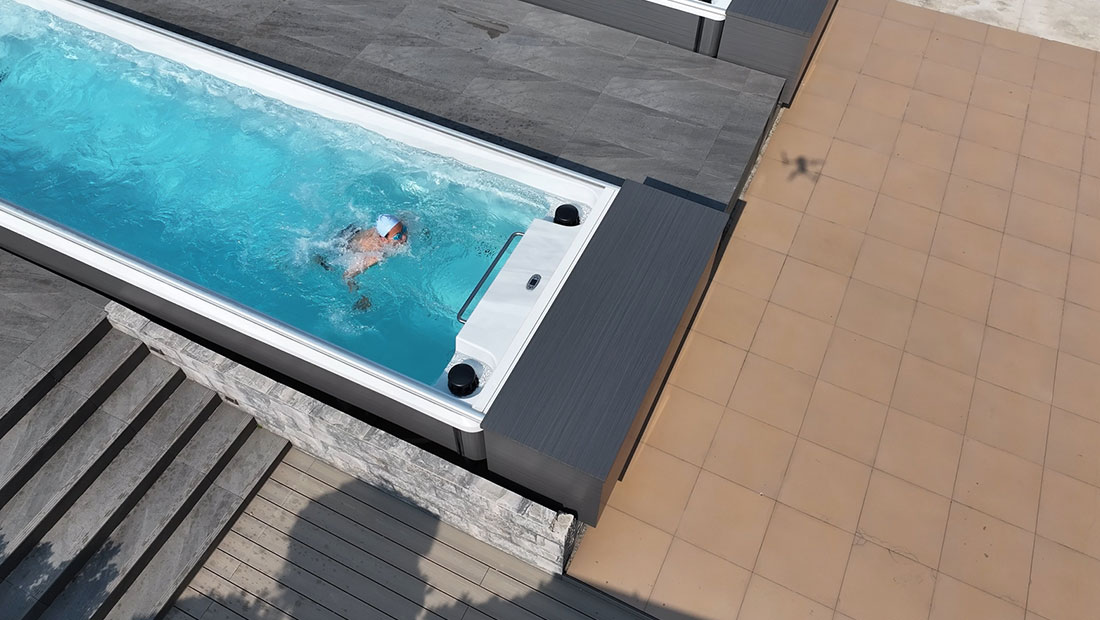
The Infinipool Fspa IP-005, a luxurious 7000mm x 3000mm x 1470mm pool with advanced filtration, multiple jet systems, and optional accessories.
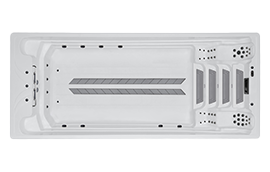
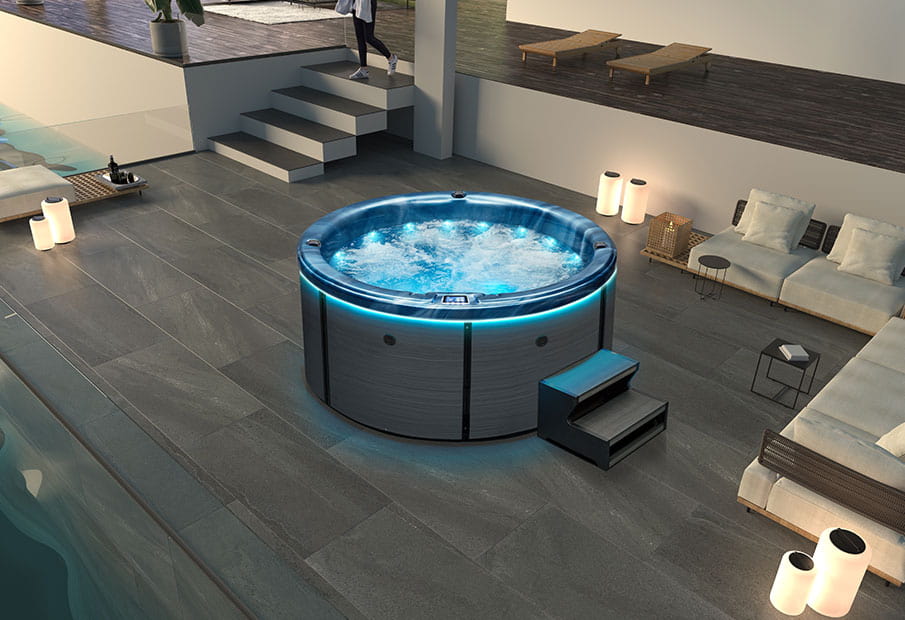
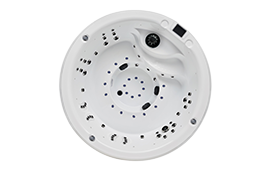
The Fspa BD-009Pro Hot Tub, a compact 2000x900mm spa for up to 6 adults, combines power and efficiency with luxurious features like a 7.97kW system, 50 water & 20 air bubble jets, LED lighting, and music speakers, making it ideal for residential and small commercial spaces.
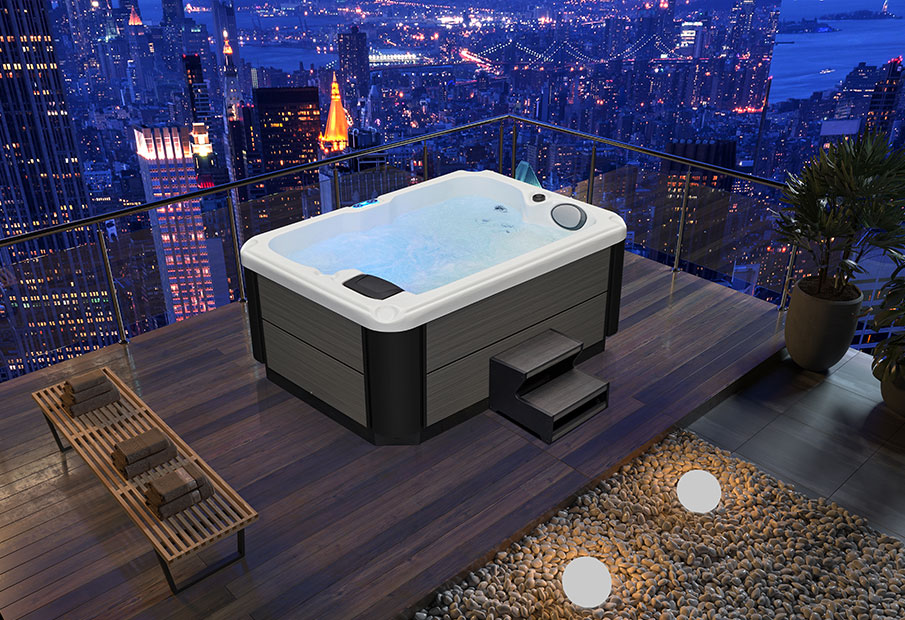
The Fspa BD-002, with its spacious 1870x1330x800mm design for 3 adults, boasts advanced controls, a 1.5kW massage pump, a 0.35kW filter pump, a 2kW heater, 16 water jets, an LED light, a filter, an ozone system, and total 3.85kW power, offering a luxurious and rejuv enating spa experience at home.
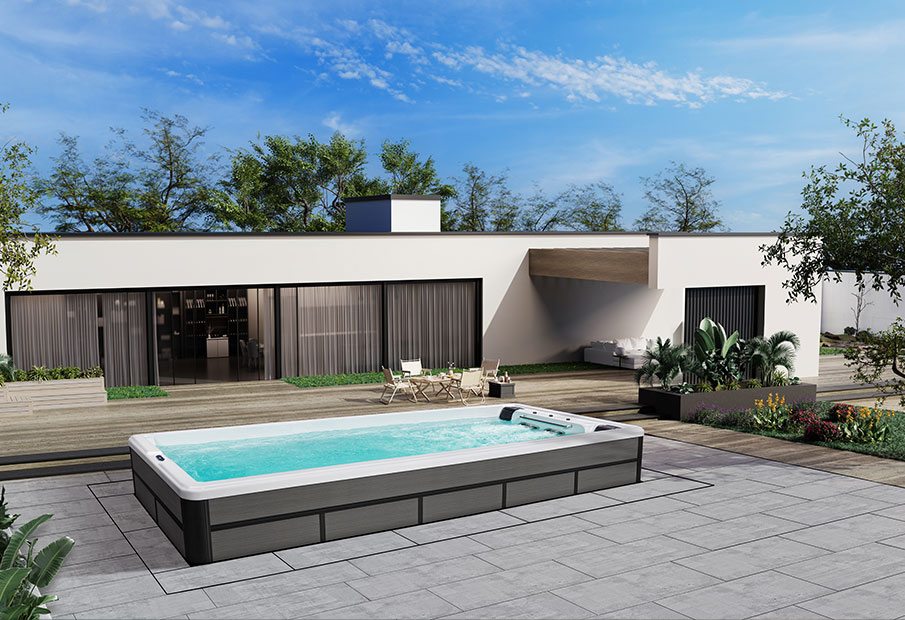
The Infinipool Fspa IP-002 offers a premium swimming experience ideal for residential and commercial use.
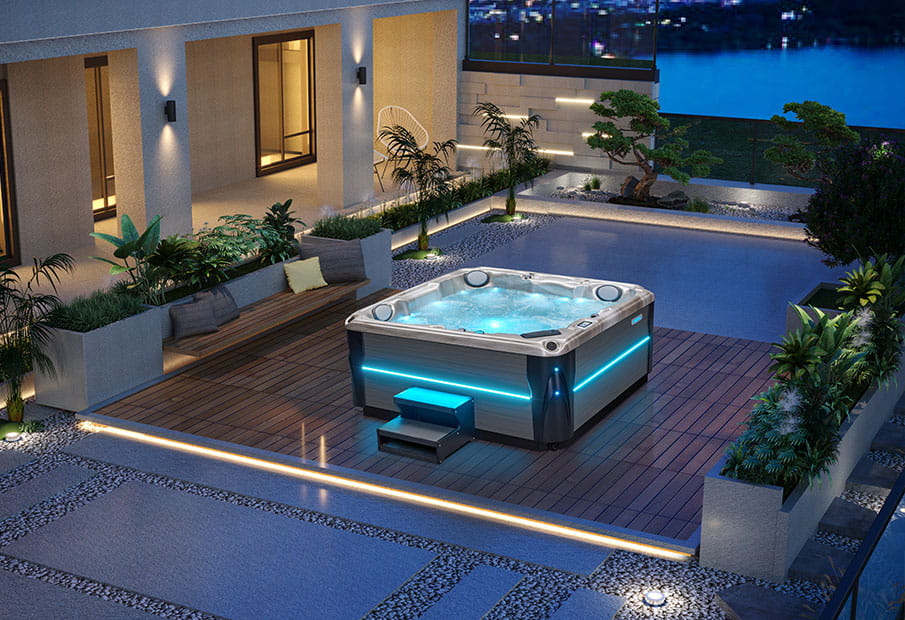
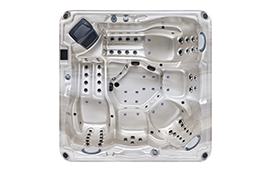
The Fspa BD-006Pro Hot Tub, with its compact spacious design for 5 adults, advanced massage system, 80 water & 18 air bubble jets, efficient heating and filtration, ozone sanitization, and sleek design, offers unparalleled luxury, relaxation, and convenience for both residential and commercial use.
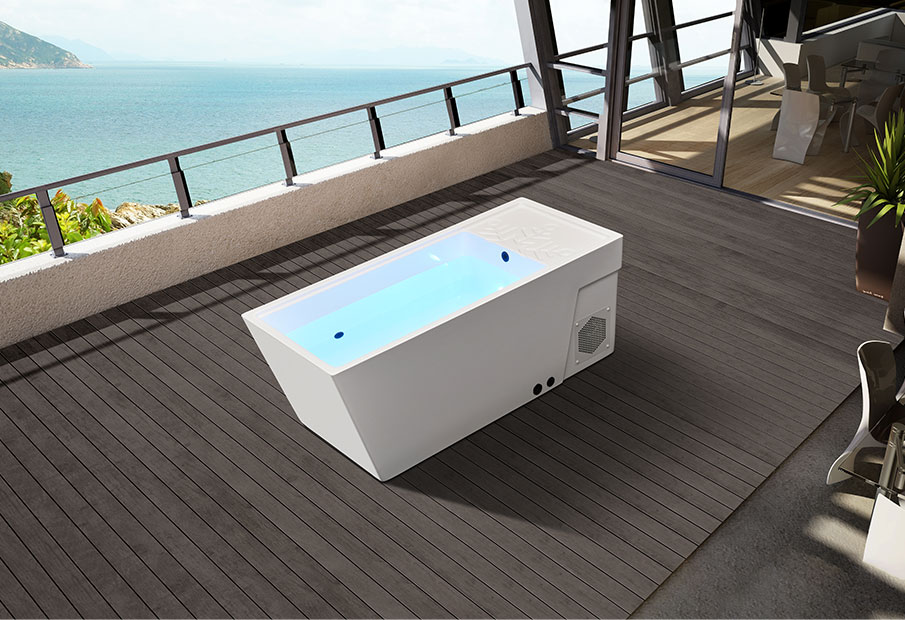
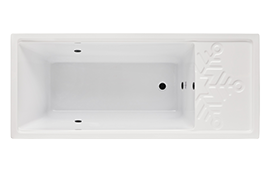
All in design, plug and play, Snowflake pattern, Include filter, circuitpump, Ozone, Ice-blue underwater light, and high-effciency Chilling system.
PRODUCTS
INQUIRY
Thank you for your message!Our Chinese New Year holiday from 7th Feb to 28th Feb. Apologise to make your inconvenience so that responses may be delayed during this period. We'll back to you with regular service on 2th March .Thank you for understanding.


