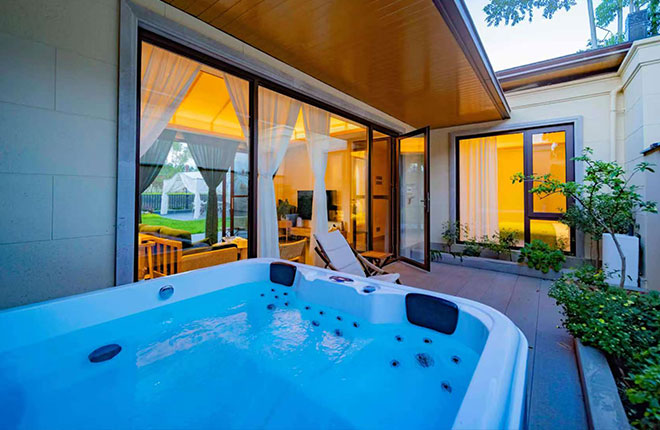
When advising bed-and-breakfast (B&B) owners on enhancing their offerings, recommending an FSPA outdoor spa over a regular bathtub is a strategic move that promises greater guest satisfaction and operational efficiency.
FSPA outdoor spas elevate relaxation with features like adjustable hydrotherapy jets, providing targeted muscle relief and stress reduction. Unlike regular bathtubs, these spas offer multi-person capacity, fostering social interaction and family bonding. Their integration with natural settings amplifies the immersive experience, aligning with travelers’ quest for unique, rejuvenating escapes.
For B&B owners, FSPA spas are low-maintenance, thanks to advanced filtration systems that minimize water changes. Durable, weather-resistant materials ensure longevity in outdoor environments. Additionally, these spas serve as a premium attraction, justifying higher room rates and boosting booking rates.
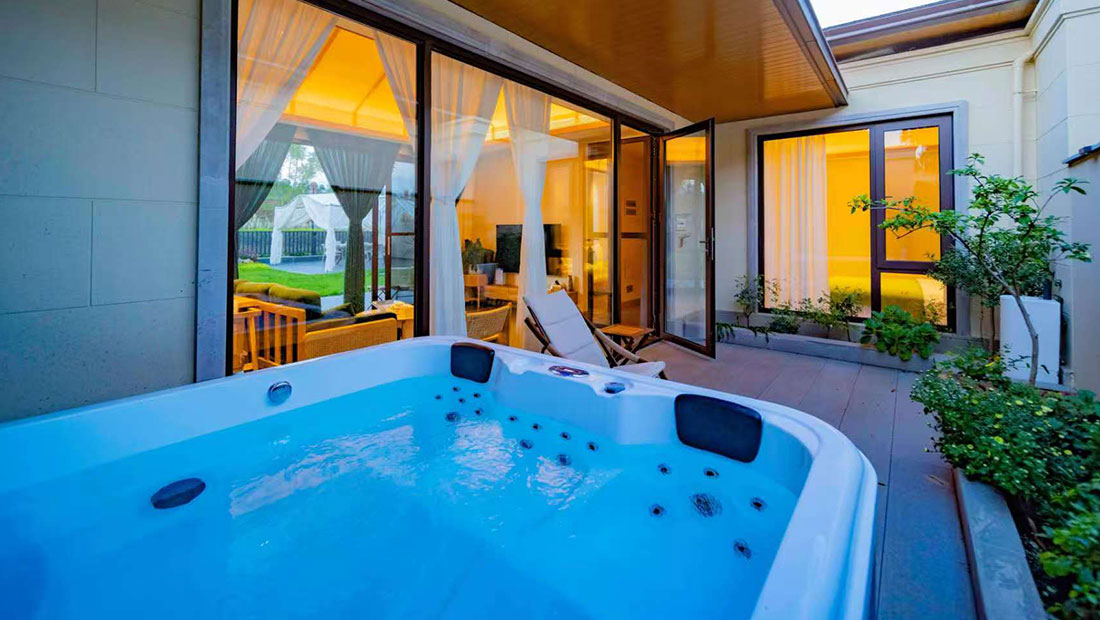
Beyond luxury, FSPA spas promote wellness through heated water therapy, aiding circulation and joint pain relief—advantages ordinary bathtubs lack. This health-centric appeal attracts discernible guests seeking holistic travel experiences.
In summary, FSPA outdoor spas blend luxury, functionality, and wellness, making them a smarter investment for B&B owners aiming to differentiate their property and delight guests.
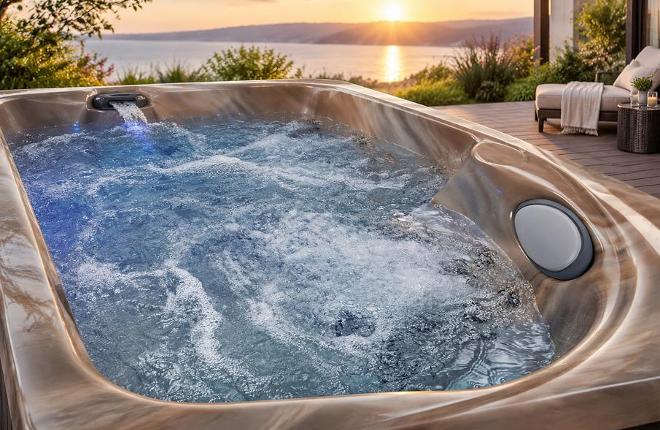
Will Health Insurance Pay for a Swim Spa? What Coverage Actually Looks Like
Swim spas sit in a strange middle ground between fitness equipment and medical device, and that ambiguity is exactly why so many buyers ask will health insurance pay for a swim spa before they commit to one. The short answer is that most standard health plans do not cover it, but the longer answer involves a few paths worth understanding before you write it off entirely.
This article walks through why insurers hesitate, when reimbursement is realistic, and how to build a case if you plan to try. It also looks at what a swim spa or hydrotherapy hot tub actually offers physically, since that context matters when you are arguing for medical necessity.
Health insurers classify equipment into two buckets: durable medical equipment and everything else. A swim spa almost always lands in the second bucket. It is expensive, it is not exclusive to medical use, and a healthy person could enjoy it just as easily as someone in physical therapy.
That last point is the sticking point for underwriters. Insurance is built around necessity, not comfort. A wheelchair has no recreational use outside its medical purpose. A hot tub does. Insurers know that distinguishing between a therapeutic soak and a lifestyle purchase is nearly impossible to audit, so the default answer is a flat no.
There is also a cost problem. Durable medical equipment reimbursement lists are built around items in the hundreds or low thousands of dollars. A 6-person hydrotherapy spa, like the kind used for post-workout recovery in hotel gyms or physiotherapy centers, sits well above that range. Insurers rarely stretch benefit categories to cover outliers.
The exception isn’t nonexistent, it’s just narrow. If a physician documents that hydrotherapy is medically necessary for a diagnosed condition, some plans will consider partial reimbursement or allow the purchase through a health savings account.
Conditions that sometimes qualify for this kind of documentation include:
A letter of medical necessity needs specifics. Vague statements like "would benefit from relaxation" get rejected almost every time. The letter should state the diagnosis, why standard treatment options are insufficient, and why hydrotherapy at home is the recommended intervention rather than a supplement to it.
Rather than chasing insurance reimbursement, many buyers find more traction using a Health Savings Account or Flexible Spending Account, provided they secure that same letter of medical necessity first. These accounts operate under IRS rules, not insurance company policy, which makes the approval process more predictable.
The process generally looks like this:
This route does not guarantee approval either, but it shifts the conversation from insurance underwriting to tax-advantaged spending, which tends to have more flexibility for home therapy equipment.
Understanding why a swim spa might qualify for any kind of medical consideration means understanding what warm water immersion and jet massage actually do. This isn’t marketing language, it’s basic physiology that’s been studied for decades.
Warm water increases blood flow to soft tissue and can temporarily reduce the sensation of joint stiffness. Buoyancy reduces the load on joints and the spine, which is why physical therapists often recommend pool-based exercise for patients who cannot tolerate weight-bearing movement. Massage jets add mechanical pressure that can help relax tight muscle groups after physical strain.
A model like the Fspa BD-004, a 6-person portable unit built around 35 targeted massage jets, illustrates how manufacturers design for this kind of use. According to the product’s own specifications, it pairs a 2.2kW massage pump with a 3kW heater and a 0.35kW filtration pump, totaling 5.55kW, which keeps water warm and jets running without excessive energy draw. The unit’s ergonomic seating is contoured to support the body’s natural curves, positioning jets and controls where they’re most useful during a session rather than as an afterthought.
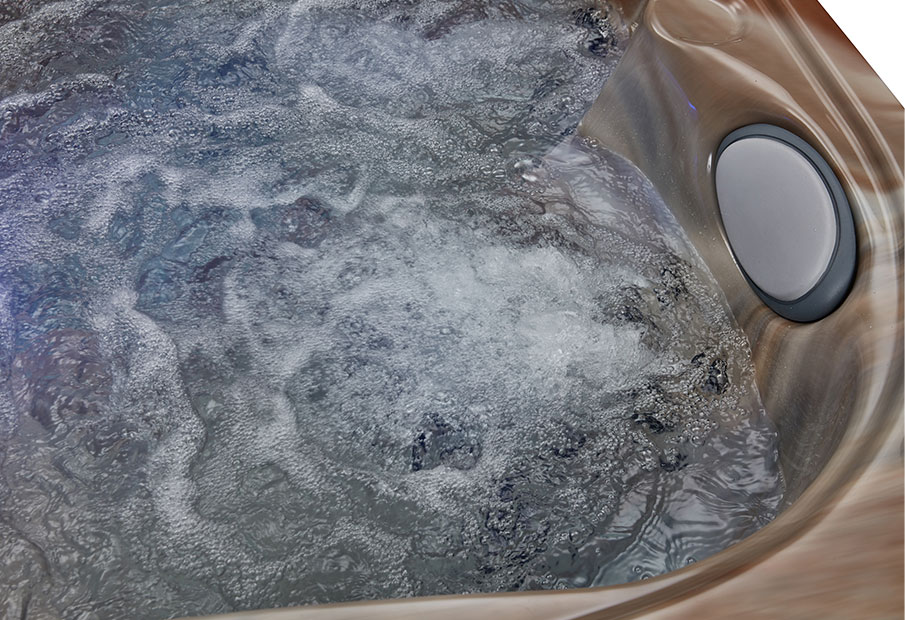
None of this makes a swim spa a medical device in the regulatory sense. But it does explain why a physician might, in specific cases, document hydrotherapy as a legitimate part of a treatment plan rather than dismiss it as recreational.
| Path | Typical Outcome | What’s Required |
|---|---|---|
| Standard health insurance | Rarely approved | Almost never worth pursuing without a rare plan exception |
| Insurance with medical necessity letter | Occasionally partial coverage | Physician documentation, diagnosis, prior treatment history |
| HSA / FSA reimbursement | More commonly approved | Letter of medical necessity, receipts, IRS compliance |
| Out-of-pocket with tax deduction (itemized medical expenses) | Possible if costs exceed IRS threshold | Detailed records, meets 7.5% AGI threshold for medical deductions |
This table isn’t meant to suggest any of these paths are guaranteed. It’s meant to show that the further you move from traditional insurance and toward tax-advantaged or deduction-based routes, the more realistic approval becomes.
If you’re purchasing with a genuine therapeutic goal, the unit itself matters more than it would for a purely recreational buyer. A few practical considerations should guide the decision.
For context, the BD-004 model holds 1,450 liters of water and uses a 3kW heater, which is a reasonable balance for a 6-person unit that needs to maintain consistent temperature during longer sessions. It also carries CE, CTUVus, CB, and SAA certifications, which relate to electrical and safety compliance rather than medical claims, and is worth checking against local installation codes regardless of your intended use.
Swim spas and portable hot tubs aren’t confined to backyards. Hotels use them for post-workout recovery in gym facilities, since guests increasingly expect recovery amenities alongside cardio equipment. Wellness-focused vacation rentals along coastlines often position a unit for guests looking to unwind after a day of travel or activity. Villas and private residences use them as a standing feature for evening relaxation, often positioned on a deck or patio where the view becomes part of the experience.
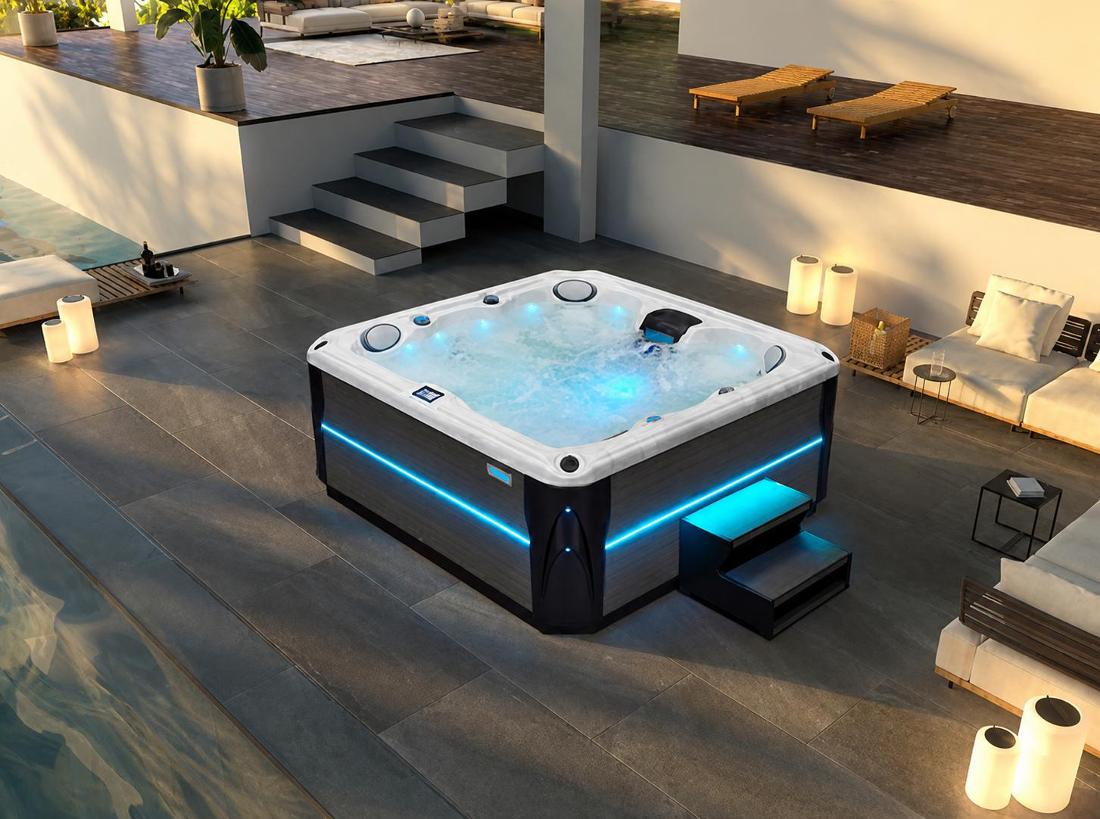
These aren’t medical settings, but they show the split identity that makes insurance coverage complicated in the first place. The same unit serves a hotel guest looking for a nice evening and a person actively managing a musculoskeletal condition. Insurers see the former use case and price accordingly.
Does Medicare cover swim spas or hot tubs?
No. Medicare’s durable medical equipment benefit does not extend to hot tubs or swim spas under any standard circumstance, regardless of diagnosis.
Can I use FSA funds without a letter of medical necessity?
Generally no. Most FSA administrators require documentation for equipment that has both medical and non-medical uses before approving reimbursement.
Is a swim spa the same as a hot tub for insurance purposes?
Insurers typically treat them the same way, since both fall outside standard durable medical equipment categories and both have significant recreational use.
What condition is most likely to get a doctor’s approval for hydrotherapy?
Chronic musculoskeletal conditions with an existing treatment history, such as arthritis or post-surgical rehab, tend to have the strongest case, though approval still varies by physician and plan.
Should I buy before or after getting insurance clarity?
Get the letter of medical necessity and check with your HSA or FSA administrator first. Buying first and seeking reimbursement afterward often leads to denied claims.
If you’re asking will health insurance pay for a swim spa because you’re managing a specific condition, the honest path forward is to start with your physician, not your insurance card. A documented diagnosis and a clear treatment rationale open doors that a direct claim to your insurer will not. For companies like us that manufacture these units for both residential and commercial use, the medical angle is one consideration among several, alongside comfort, maintenance, and how the unit fits into daily life. Insurance coverage for a swim spa remains the exception rather than the rule, but understanding the HSA, FSA, and tax deduction routes gives buyers a realistic shot at recovering some of the cost when the therapeutic need is genuine.
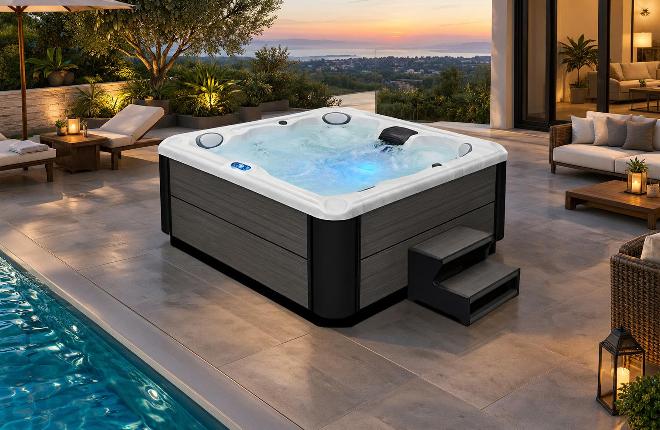
Winter Outdoor Spa Care: Setup, Maintenance, and Comfort Tips
Cold weather changes how a hot tub behaves, and a winter outdoor spa only rewards owners who understand that shift. Heaters work harder, covers matter more, and water chemistry drifts faster than most people expect. Whether you already own a spa or are weighing one for the season ahead, knowing what winter demands will save you money and frustration.
Heat loss accelerates once air temperature drops well below the water temperature. A spa sitting at 38°C in freezing air loses heat through the shell, the cover seams, and any exposed plumbing far faster than it would in milder weather. This is simple thermodynamics, not a flaw in the equipment.
That heat loss puts direct pressure on the heater and pump cycle. Most residential units use heaters in the 2kW to 3kW range, and in winter these run longer and more often just to hold a set temperature. Owners who don’t account for this sometimes assume something is broken when really the system is just working against a bigger temperature gap.
Wind adds another variable that’s easy to underestimate. A spa positioned in an open, exposed yard will shed heat faster than one tucked near a wall or fence line. Something as simple as a windbreak can measurably reduce how often the heater cycles on.
Not every hot tub is equally suited to sub-zero nights. Shell insulation, cabinet sealing, and pump quality all affect how a unit holds up once temperatures fall consistently below freezing.
When comparing options for winter use, a few technical points are worth checking before purchase:
| Feature | Why It Matters in Winter |
|---|---|
| Heater output (2kW–3kW) | Determines recovery speed after cover is opened |
| Total system power (up to 5.55kW) | Affects how pumps and heater run together without tripping circuits |
| Jet count (16 to 80 jets) | More jets mean more plumbing runs that need freeze protection |
| Capacity (3 to 6 adults) | Larger volume holds heat longer once warmed |
| Shell construction | Durable, well-sealed shells resist heat loss and cold-cracking |
Fspa’s hot tub lineup, for instance, ranges from compact 3-person models suited to a couple sharing a quiet balcony soak, up to 6-person family spas built for longer winter gatherings. The larger units, with their bigger water volume, tend to hold temperature more steadily between heating cycles, simply because there’s more thermal mass resisting the cold.
Picking the right size and spot isn’t just about aesthetics. It directly affects running cost and comfort once the weather turns. A few practical steps help narrow the decision:
Getting these decisions right before installation avoids costly retrofits once the first cold front arrives.
Cold air holds less moisture, and steam rising off a heated spa can evaporate quickly in dry winter conditions, which may concentrate dissolved minerals and disinfectant byproducts faster than in summer. That means water testing shouldn’t be skipped just because it’s cold outside.
Ozone-based sanitization systems, which are integrated into several Fspa models, help offset this by continuously treating water without relying solely on manual chemical dosing. According to the product documentation, this ozone treatment supports clearer water and reduces the frequency of manual chemical top-ups, which matters when cold weather already makes maintenance visits less appealing.
Still, ozone systems don’t eliminate the need for periodic manual checks. pH drift, in particular, tends to be more noticeable in winter because top-off water (often colder tap water) can shift balance more abruptly than warmer seasonal refills.
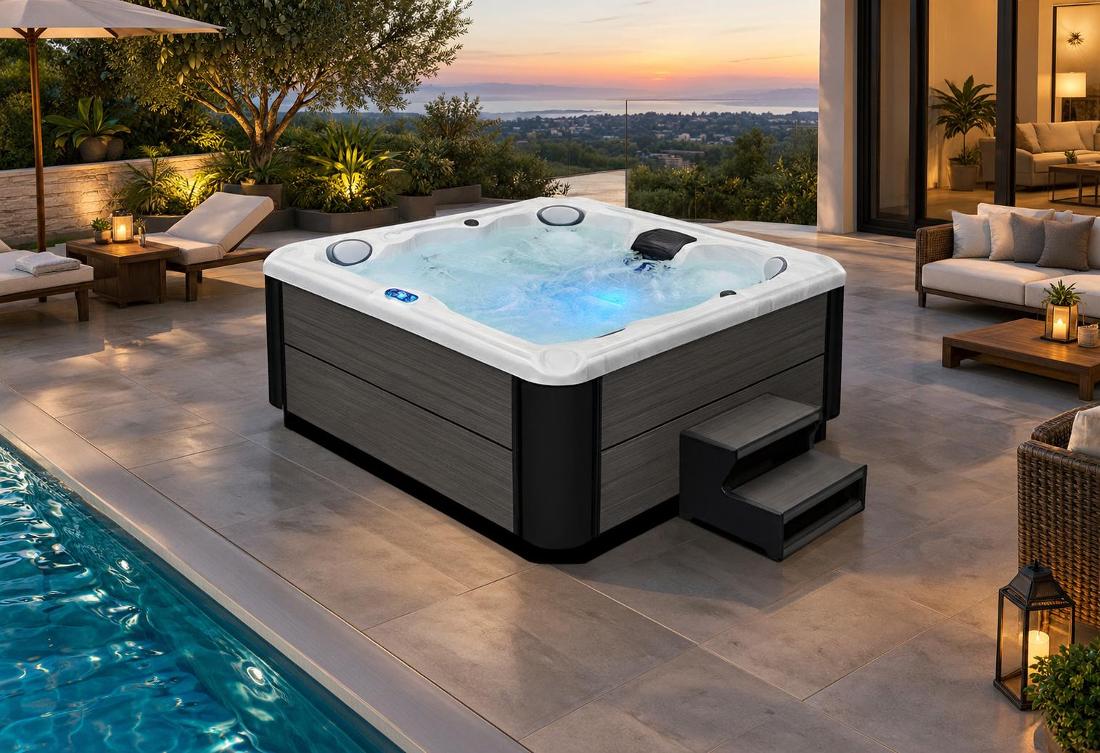
A spa cover does more work in winter than any other component besides the heater itself. It’s the main barrier against heat loss, and a poorly sealed or waterlogged cover can noticeably raise heating costs.
Owners should watch for a few warning signs that a cover is underperforming:
None of these issues are unique to any one brand. They’re mechanical realities of foam-core covers exposed to freeze-thaw cycles. Wiping snow off promptly, rather than letting it compact into ice, extends cover life meaningfully.
Cabinet panels also deserve a look. Durable, weather-resistant shells and panel materials matter more in climates with hard freezes, since repeated expansion and contraction from temperature swings stresses seams and fittings over time.
Within the Fspa lineup, standard and Pro-tier models differ mainly in jet density, lighting, and control features rather than core heating capability. For someone deciding what actually matters for winter use, it helps to separate cosmetic upgrades from functional ones.
None of these differences change the underlying physics of heat loss. They shape comfort and convenience, not whether the spa can handle cold weather at all.
One common misunderstanding involves how long a spa takes to reach temperature after being opened in cold weather. Opening the cover on a freezing day releases stored heat quickly, and recovery time depends on ambient temperature, wind, and heater output.
A 2kW heater will simply take longer to recover lost heat than a 3kW unit, all else equal. This isn’t a defect; it’s a straightforward function of thermal load versus heating capacity. Owners expecting instant reheating regardless of heater size are working from an unrealistic baseline.
Minimizing cover-open time, and using a floating thermal blanket under the hard cover where compatible, are simple habits that reduce how hard the heater has to work to recover.
Does a hot tub need to be drained in winter if it’s not being used?
Not necessarily. Many manufacturers recommend keeping the system running and heated through freeze cycles rather than draining it, since standing water in idle plumbing risks freeze damage. If a spa will sit unused for an extended period, follow the manufacturer’s specific winterization procedure rather than draining it without guidance.
Will snow damage the spa shell or cabinet?
Occasional snow accumulation isn’t typically harmful if it’s cleared before it compacts into ice, but prolonged weight on a cover, or ice buildup in cabinet vents, can stress seals over time.
Is ozone sanitization enough on its own in winter?
Ozone systems reduce, but don’t eliminate, the need for periodic water testing. Cold, dry air changes evaporation rates and can shift chemical balance faster than expected.
Does a bigger spa cost more to heat in winter?
Generally yes, in absolute terms, since more water volume requires more energy to heat initially. However, larger volumes also hold temperature more steadily between cycles, which can offset some of that cost over time.
Cold weather doesn’t have to be a liability for hot tub owners. It’s simply a different set of conditions that reward attentive maintenance and sensible equipment choices. Heater sizing, cover condition, placement, and water chemistry all interact, and understanding those relationships turns winter from a challenge into just another season of regular use.
For anyone weighing a new purchase or troubleshooting an existing setup, the underlying goal stays the same: match the equipment and habits to the climate rather than fighting against it. A well-placed, well-maintained winter outdoor spa, whether a compact 3-person unit or a larger 6-person model, can perform reliably through the coldest months when these basics are respected.
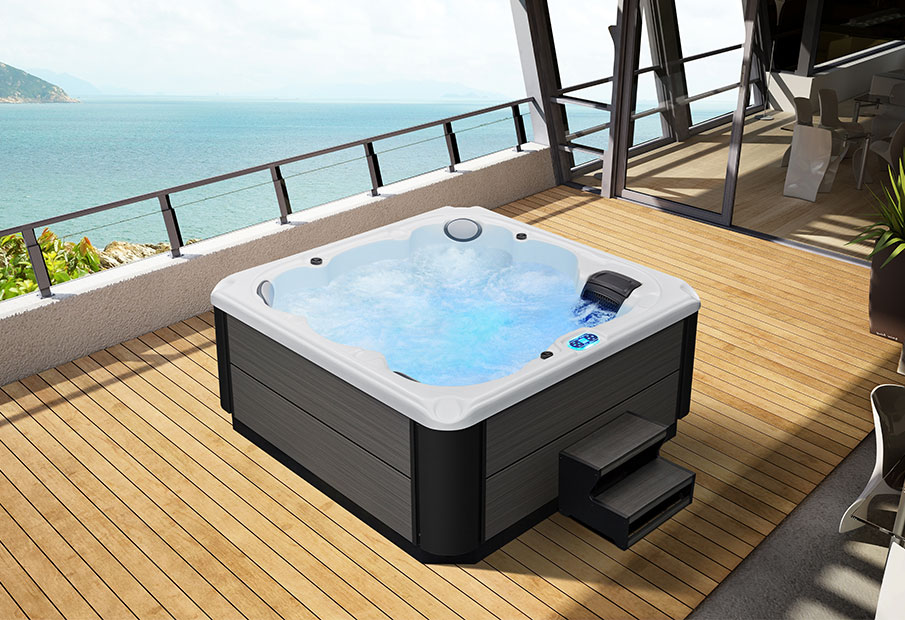
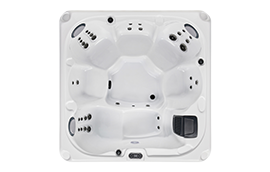
The Fspa BD-012 hot tub, designed for intimate relaxation, features a spacious size for 2 adults, powerful massage pump with 20 jets, temperature-controlled heater, energy-efficient filter pump, ambient LED lighting, and sanitized water with an ozone system, offering a private oasis for ultimate relaxation.
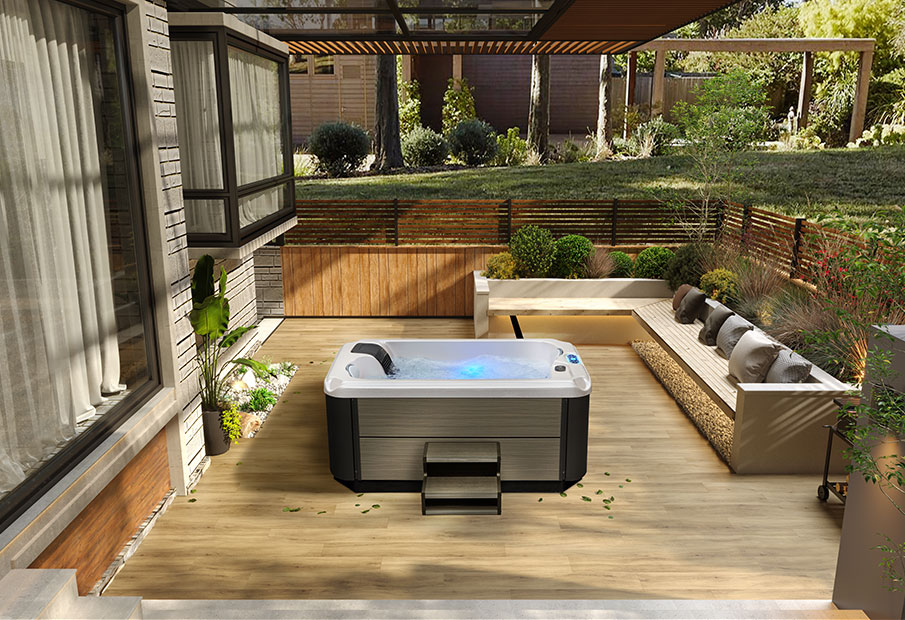
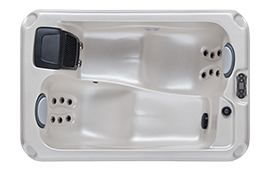
The Fspa BD-016 Hot Tub, designed for 2 adults, offers luxurious comfort with a spacious interior, powerful 1.5kW massage pump, 0.35kW filter pump, 2kW heater, customizable water flow with 14 jets, ozone sanitation, LED lighting, comfortable pillows, and a total power of 3.85kW, providing a tranquil escape for ultimate relaxation.
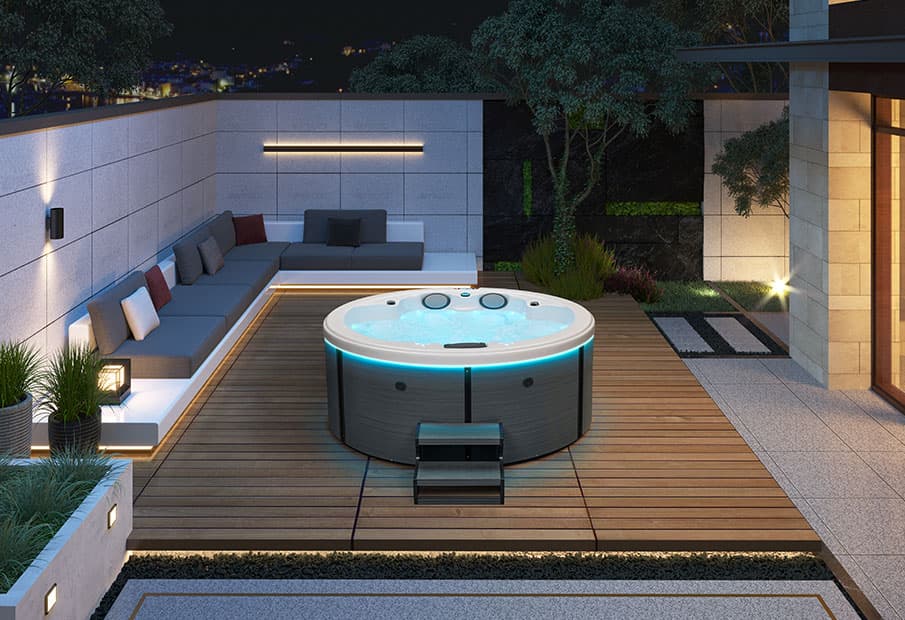
The Fspa BD-010Pro Hot Tub, combines power (8.47kW) and efficiency with luxurious features such as 54 water & 18 air bubble jets, customizable water flow, LED lighting, music speakers, and pillows, making it ideal for both residential and commercial outdoor settings.
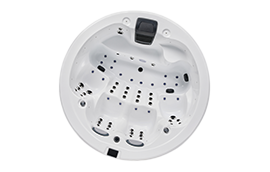
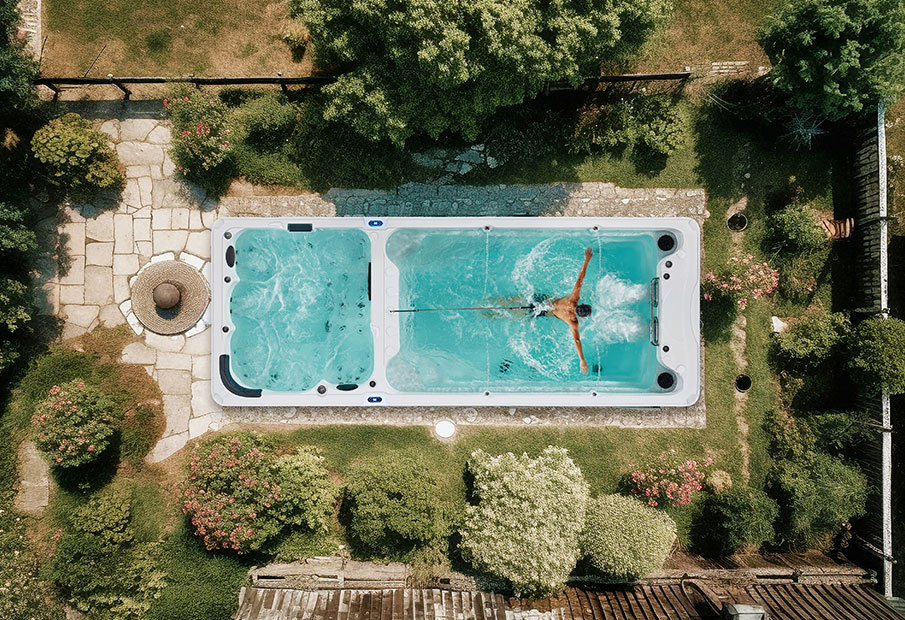
The Infinipool Fspa IP-007 enhances backyard experiences with exceptional performance, style, and a range of optional accessories.
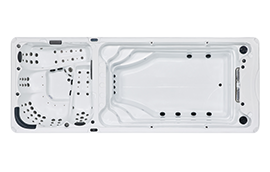
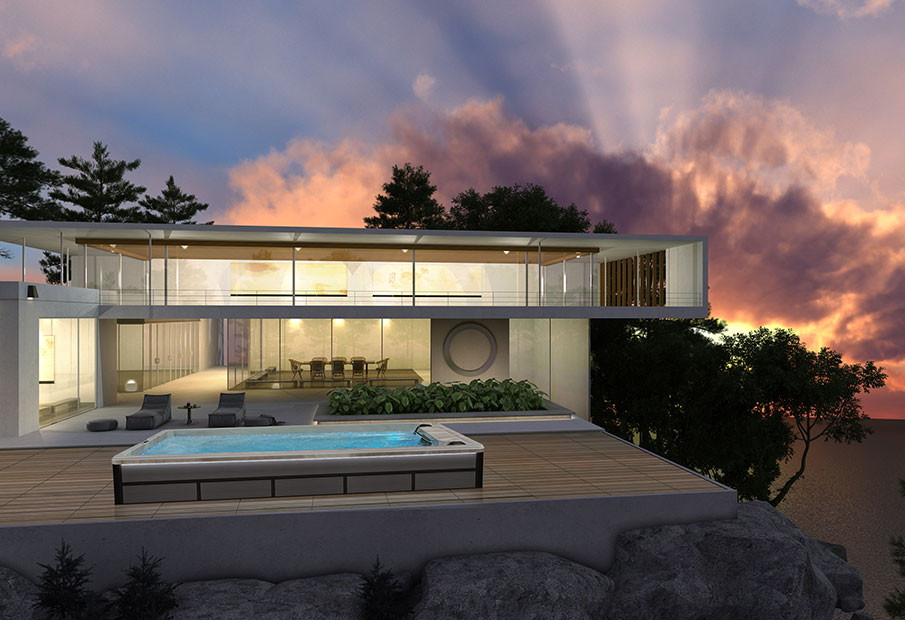
The Infinipool Fspa IP-002Pro is a luxurious and versatile hot tub, featuring a powerful filtration system, 28 massage jets, ozone sanitization, insulation, and optional accessories, designed to provide a soothing and rejuvenating experience in any outdoor space.
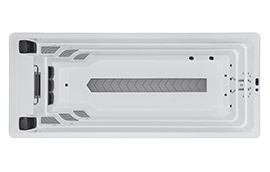
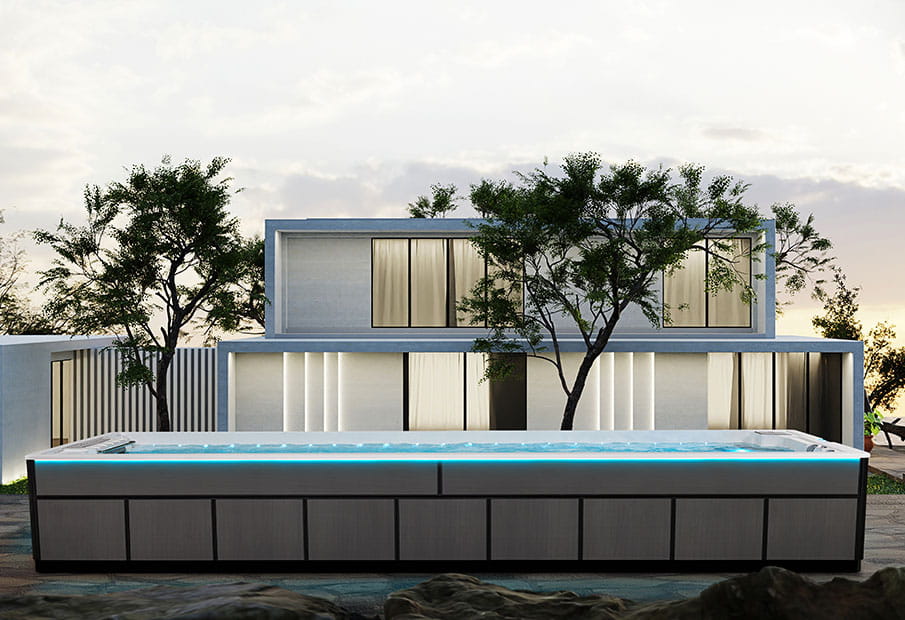
This product is a comprehensive and advanced swimming pool system, equipped with a range of features including a 9950mm x 3000mm x 1430mm size, a powerful Infinipool swimming system of 11kW, multiple water pumps, heaters, filters, and jets for a superior swimming and therapeutic experience, totaling 16.95kW in power, with optional enhancements like energy-saving covers and a 10Hp heat pump available.
PRODUCTS
INQUIRY
Thank you for your message!Our Chinese New Year holiday from 7th Feb to 28th Feb. Apologise to make your inconvenience so that responses may be delayed during this period. We'll back to you with regular service on 2th March .Thank you for understanding.


